Oh…Poop!
Yes, poop happens. If there are birds there is poop. That is the straight poop... I mean scoop!



Yes, poop happens. If there are birds there is poop. That is the straight poop... I mean scoop!
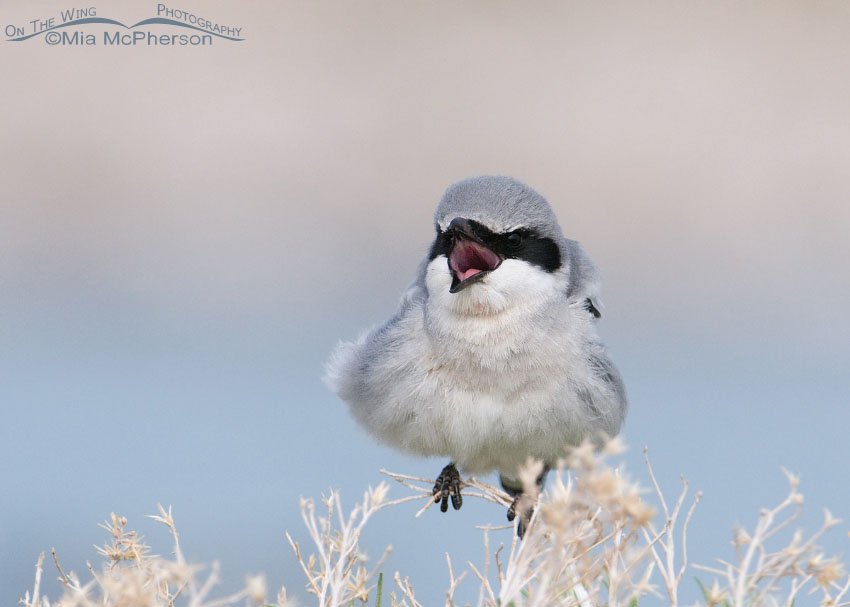
A few weeks ago I was able to photograph a Loggerhead Shrike near the marina on Antelope Island State Park, Utah. It was an interesting experience for several reasons.

Willets have returned to Utah, on the causeway to Antelope Island hundreds of them can be seen in the shallow water. They seem to spend some time there fattening up after migration before they get down to the serious business of mating and rearing their young.

Last week I photographed a Killdeer bathing at Farmington Bay Waterfowl Management Area in Davis County, Utah.
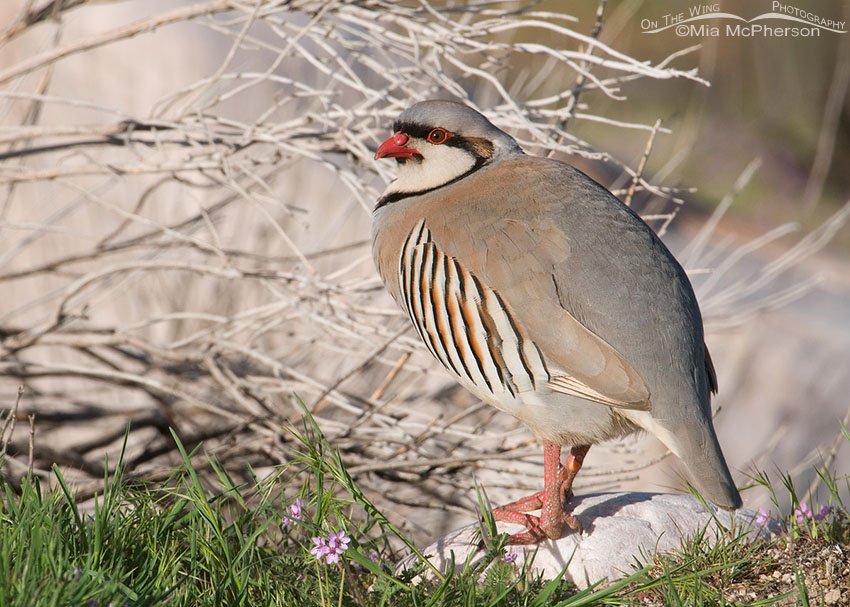
I liked that this spring time Chukar perched on a rock where a few of the Redstem Filaree were visible.

This is the closest I have been to a Lark Sparrow to date and this was a very cooperative bird too!
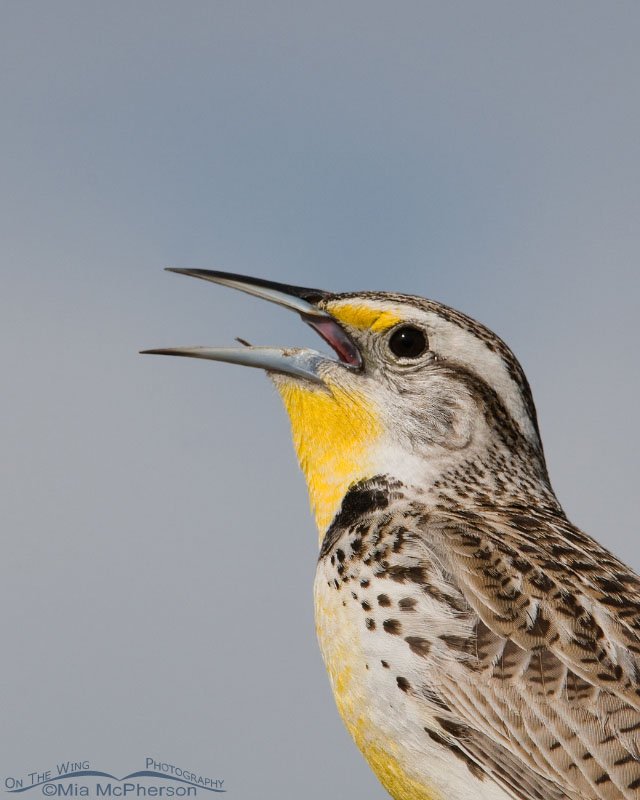
During the spring Western Meadowlarks (Sturnella neglecta) can be easy to locate and then approach because they spend so much time singing from the tops of boulders, bushes, posts and other manmade objects.
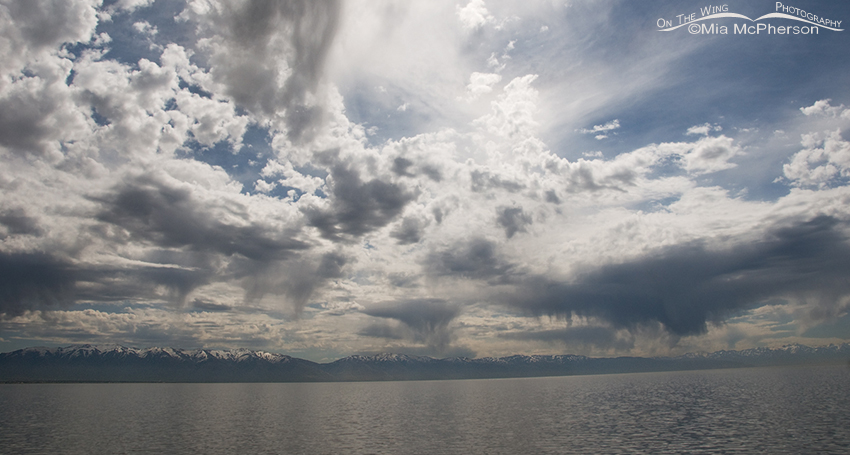
Once again the weather forecasters blew it. Their predictions were wrong. They missed the boat. If weather predictions were a dice game... they crapped out.

Last week I wrote about Long-billed Curlews having a Territorial Encounter but earlier that same morning I had another wonderful photographic encounter thanks to a scruffy looking, rain soaked Coyote waking up at the top of a ridge.

Yesterday on Antelope Island State Park I witnessed and photographed a territorial encounter between two Long-billed Curlew (Numenius americanus) males that occurred while a female was nearby.

Yesterday while I was out photographing Long-billed Curlews this California Gull (Larus californicus) flew in so close that all I could do was take portraits of the bird.
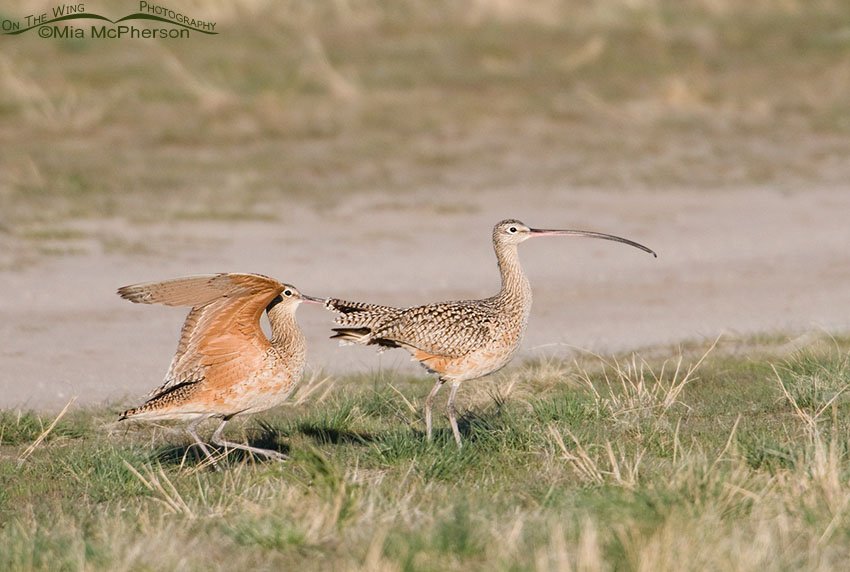
I had a wonderful photographic opportunity yesterday seeing a Long-billed Curlew mating display on Antelope Island State Park.
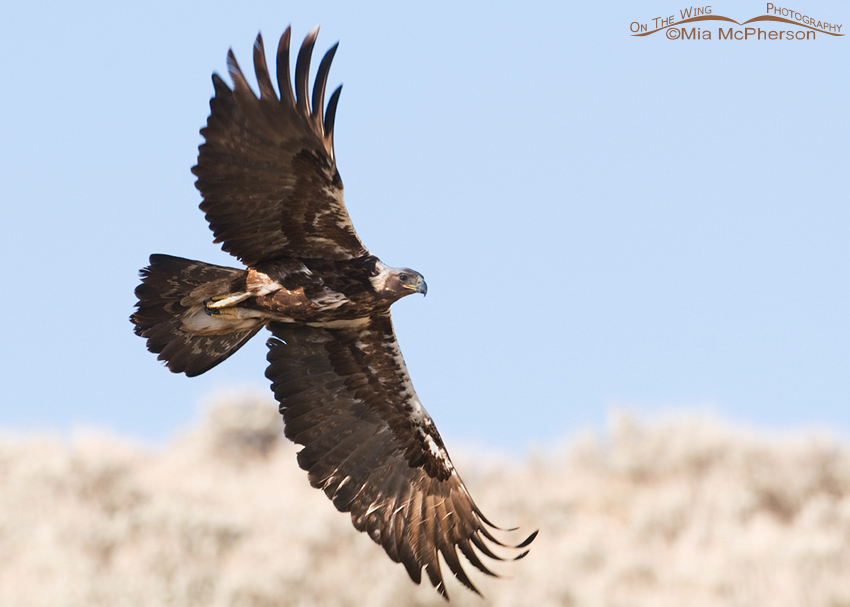
Golden Eagles (Aquila chrysaetos) have thus far been a nemesis bird for me and when I spotted one yesterday I thought I might finally get the shots I have long wanted.
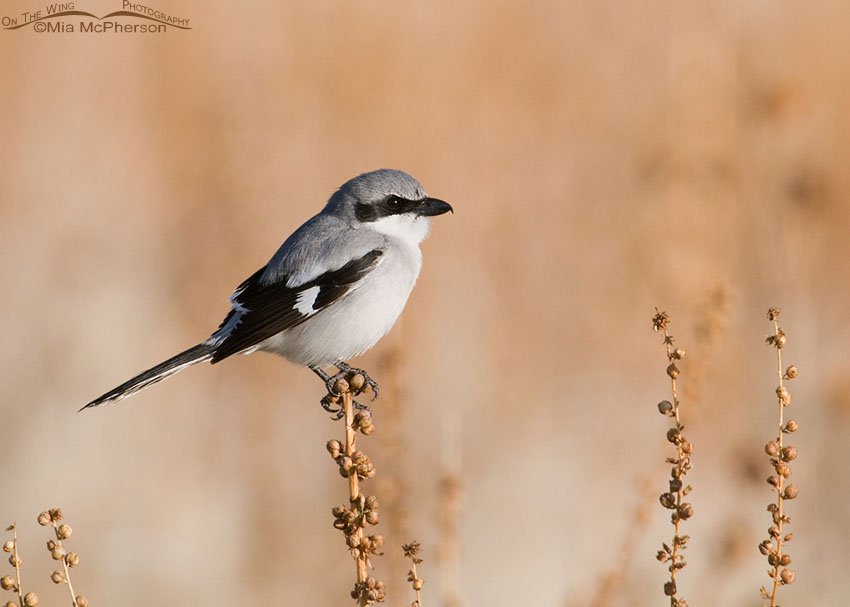
I've been seeing more and more Loggerhead Shrikes (Lanius ludovicianus) pairing up the past week or so which means it won't be long before they are on their nests.

Had I not seen that moving, tan blob beyond my viewfinder I could have easily missed being able to create these Chukar images. Sure, I have hundreds (if not thousands) of Chukar images but I am always looking for different poses, light conditions and settings to photograph my subjects in and this worked out very well.

In early spring after American Barn Owl (Tyto furcata) chicks have hatched there are opportunities here in Utah to see the adult owls hunting just after dawn breaks.
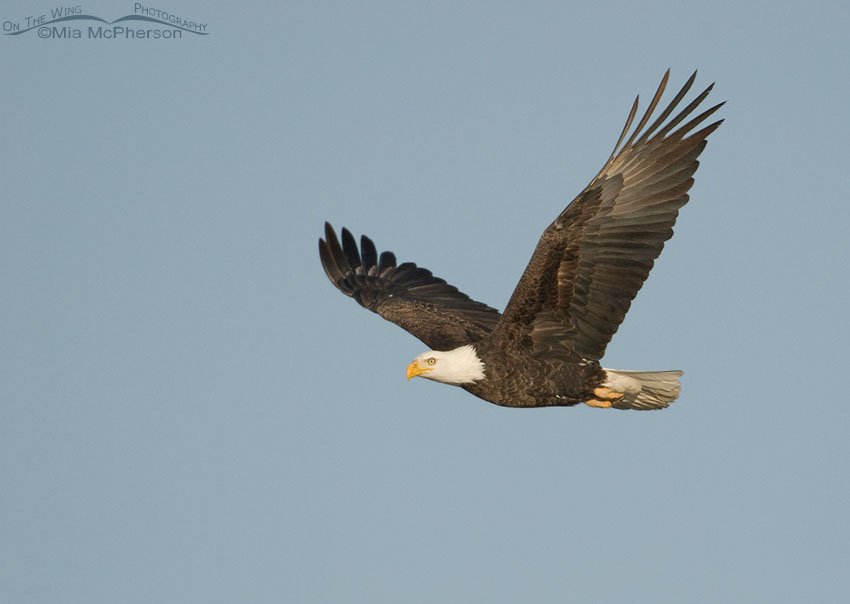
Normally during the month of February Farmington Bay Waterfowl Management Area has hundreds of Bald Eagles within its boundaries but that was not the case in February 2012.
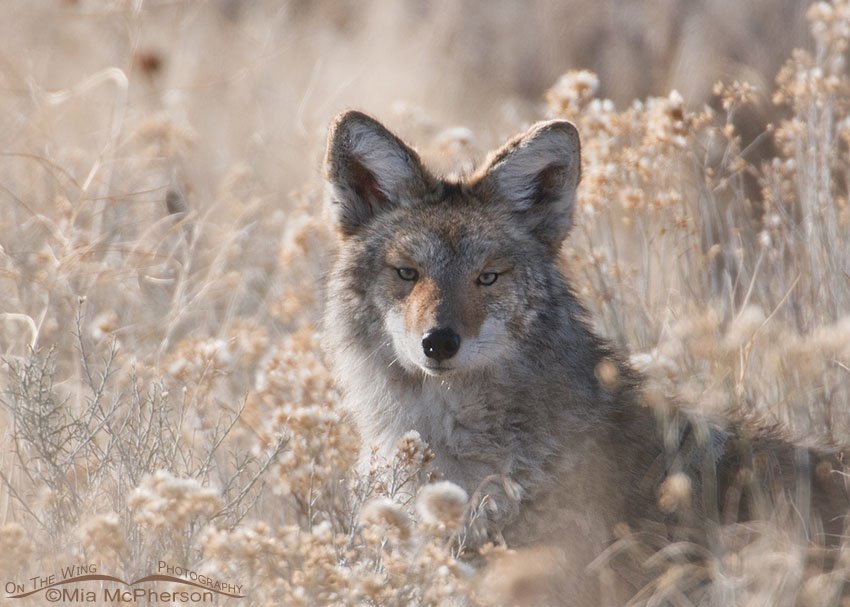
I wanted to take some photos of the Coyote because I liked the rim lighting on the right side of the Coyote's neck, muzzle and ears.
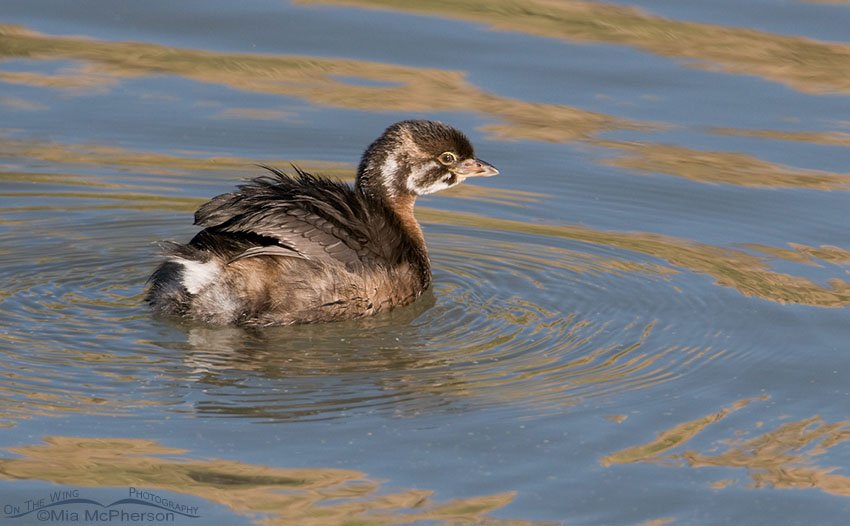
As I observed and photographed this Pied-billed Grebe juvenile it preened some, did a few stretches and fluffed up it feathers.

White-faced Ibises (Plegadis chihi) breed and nest in the freshwater marshes around the Great Salt Lake. Generally they migrate south for the winter though this winter there were a few that stayed at Farmington Bay Waterfowl Management Area.
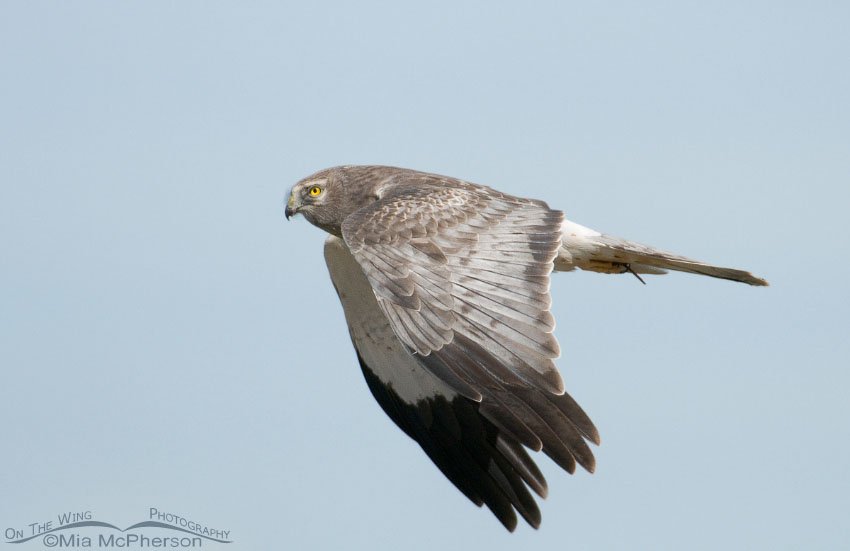
Just an image I took yesterday of this male Northern Harrier in flight. As simple as the image is I like the great eye contact it has.
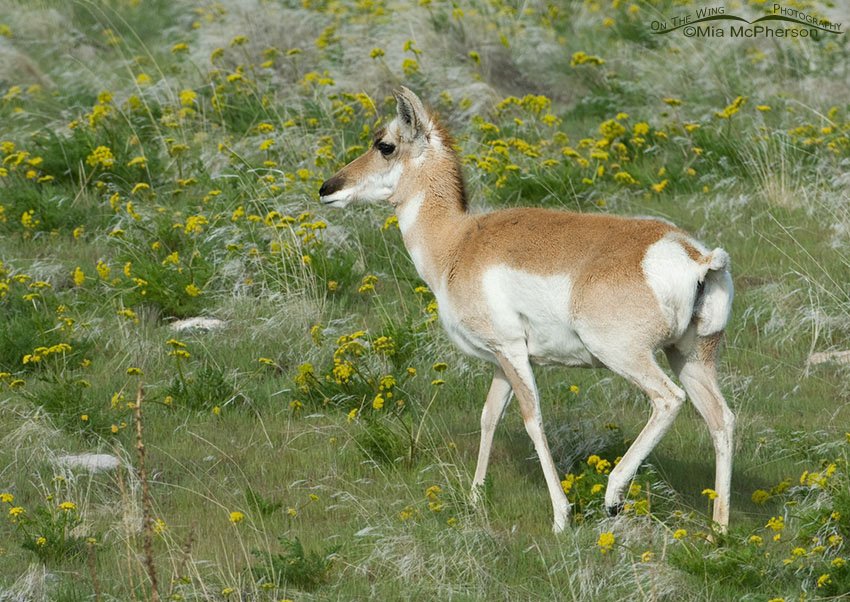
Outside my window the winds are howling this morning and there is a thick layer of gray clouds hanging low in the sky. It isn't a good day to be out in the field so I have been going through my image archives and pulled out two images of a Pronghorn (Antilocapra americana) doe from last spring to post.
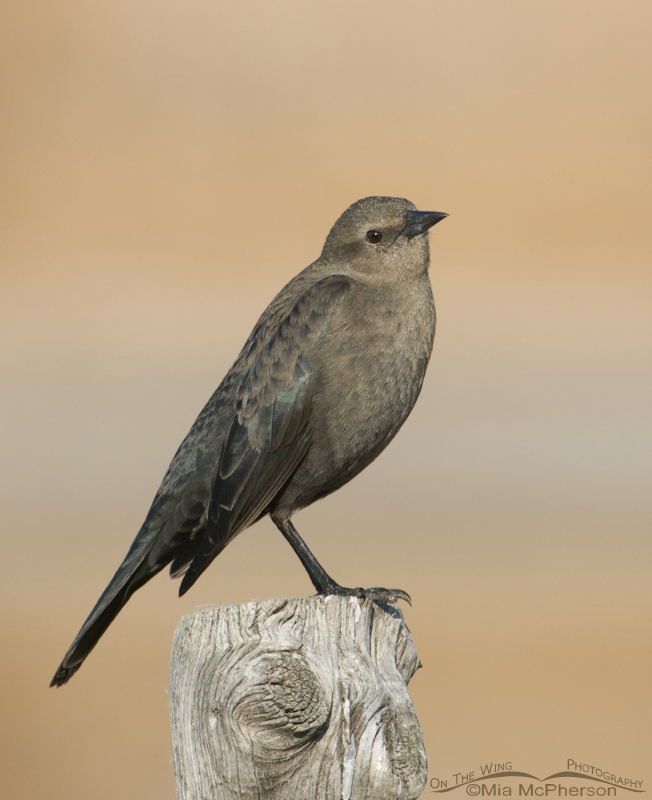
Brewer's Blackbirds may not be the most well known of the Blackbird family; I am fairly certain that the Red-winged Blackbirds have that claim to fame, but they are beautiful and interesting subjects to photograph.

The behavior of the Chukars indicates that the males are already acting territorial and fighting for the right to mate.
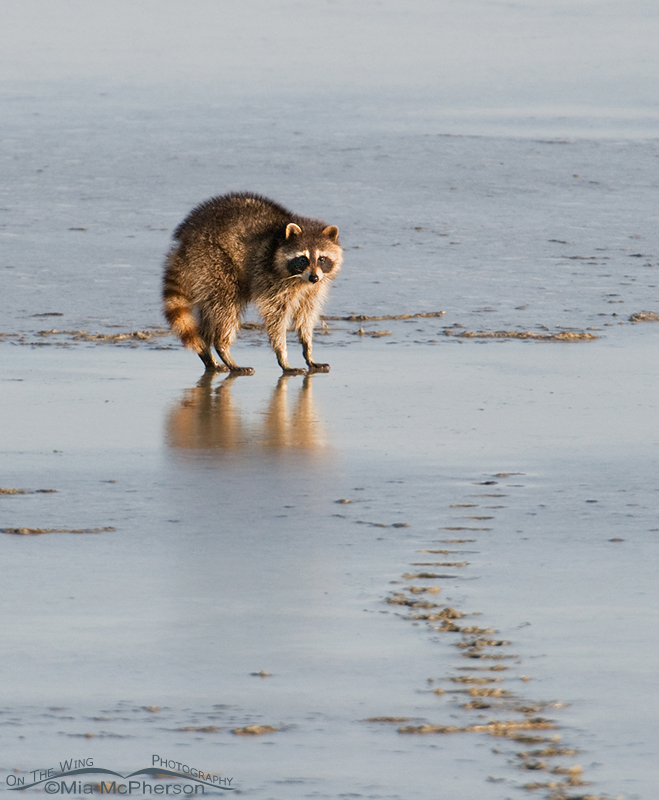
When I lived in Florida I saw Raccoons (Procyon lotor) all over the state. In the wild, the not so wild and in the streets of the cities. But that isn't how it is in Utah.

Chukars are not native to North America, they were introduced as game birds and in some areas they have thrived, one of those locations is Antelope Island State Park in northern Utah.
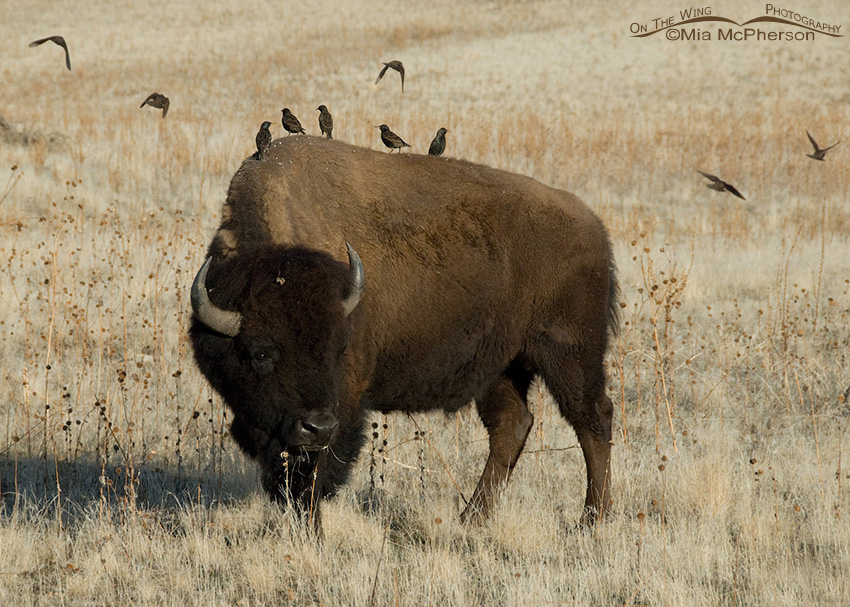
Certain species of birds ride on the backs of Bison and feed on the insects they find in the Bison's fur; European Starlings are among those birds.

This is the third consecutive year that I have photographed Black-billed Magpies working on their nest in this same location on Antelope Island.
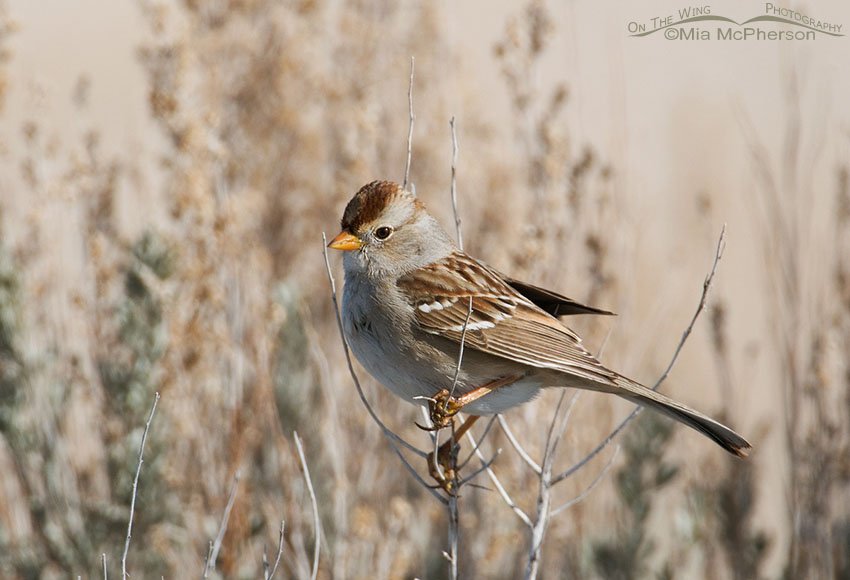
Yesterday while I was out photographing on Antelope Island State Park I came across a small flock of White-crowned Sparrows right next to the road.

It snowed last night and the ground here was covered in white but the clouds were disappearing so off I went to photograph whatever I might find on Antelope Island State Park.