Ring-billed Gull In A Dive
Just a simple image today that I have always liked because of the action even though I don't have great eye contact with my subject, a Ring-billed Gull.


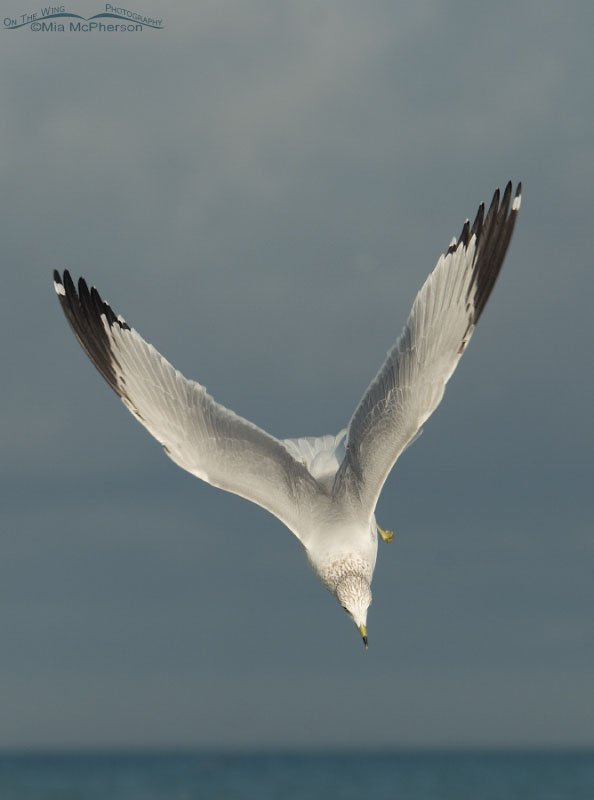
Just a simple image today that I have always liked because of the action even though I don't have great eye contact with my subject, a Ring-billed Gull.

Typically I see far more Northern Harriers in the winter here in Utah than I do during the breeding season which might be partly due to the harriers preferring to nest within marshy wetland areas which are in abundance around the Great Salt Lake.
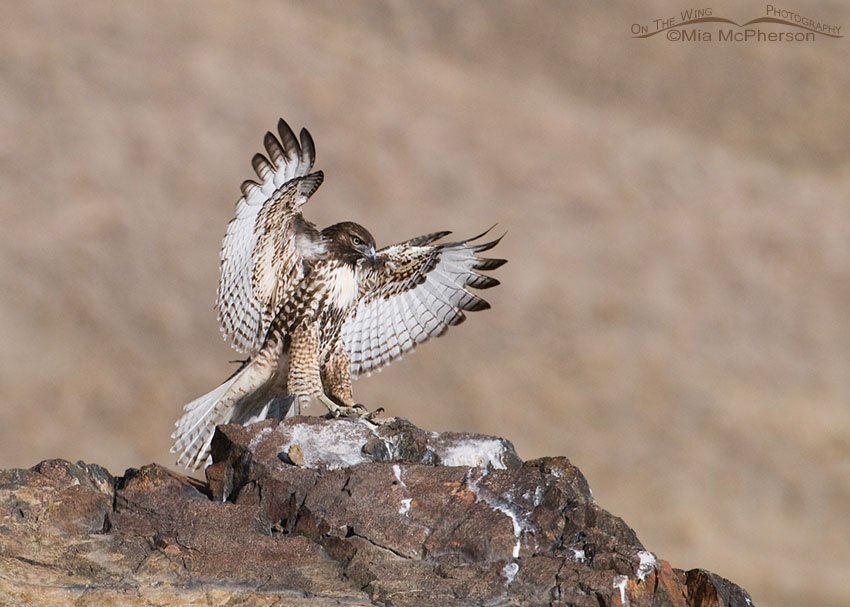
These are a just few images that I have edited taken since August of Red-tailed Hawk juveniles on Antelope Island State Park.
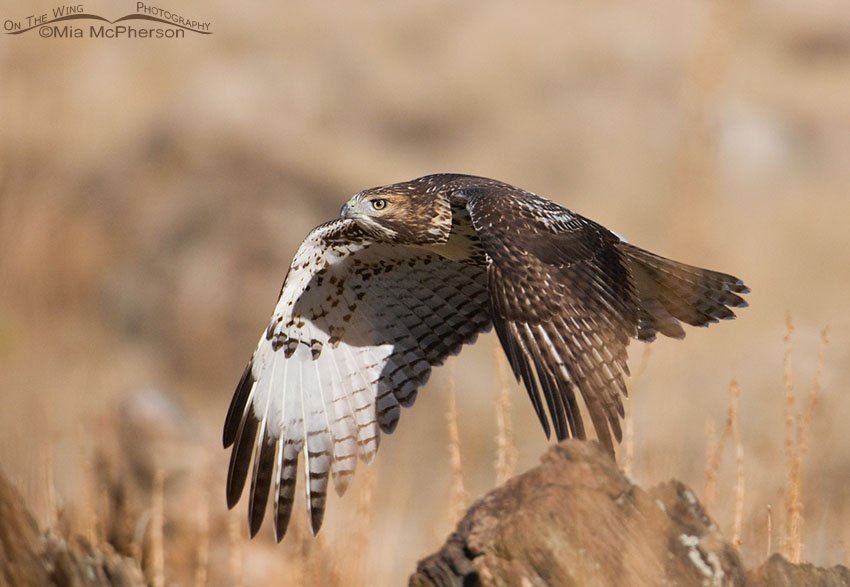
One of the nice things about cruddy weather is that I get the chance to edit some of the images that are languishing in my files that I have taken but not gotten around to processing. Here are a few of a juvenile Red-tailed Hawk photographed in August on Antelope Island State Park.

This image has always cracked me up, I wonder if the Great Blue Heron even realized its toenails were dragging in the water.

I took this photo in Florida in 2008 as the adult Black Skimmer flew by whilst giving me "the eye". Isn't the color of the Gulf of Mexico behind the bird simply delicious?

This image of a Northern Harrier and a juvenile Red-tailed Hawk in an aerial dogfight over Antelope Island State Park was taken the day before the recent snow storm started that we had here in the Salt Lake Valley over the weekend.

I went out into the west desert of Utah this morning hoping to take images of the raptors I thought I would find there to do a post on but some days though the birds are few and those that you find just aren't cooperative

Since I began photographing birds in Florida I have gotten used to getting wet to photograph shorebirds, wringing wet at times but my gear has never been as wet as it was the day I took these images from inside the pickup.

This image Sandwich Tern was taken at Fort De Soto County Park's north beach several years ago, it was a breezy, very warm day and there were schools of baitfish running just offshore in the Gulf of Mexico.

Yesterday I had a bit of fun photographing this Ring-billed Gull (Larus delawarensis) at Farmington Bay Wildlife Management Area, I love the snowy whites these gulls exhibit in their plumage year round

Just a very simple image today of a Reddish Egret (Egretta rufescens) flying over some sand dunes.
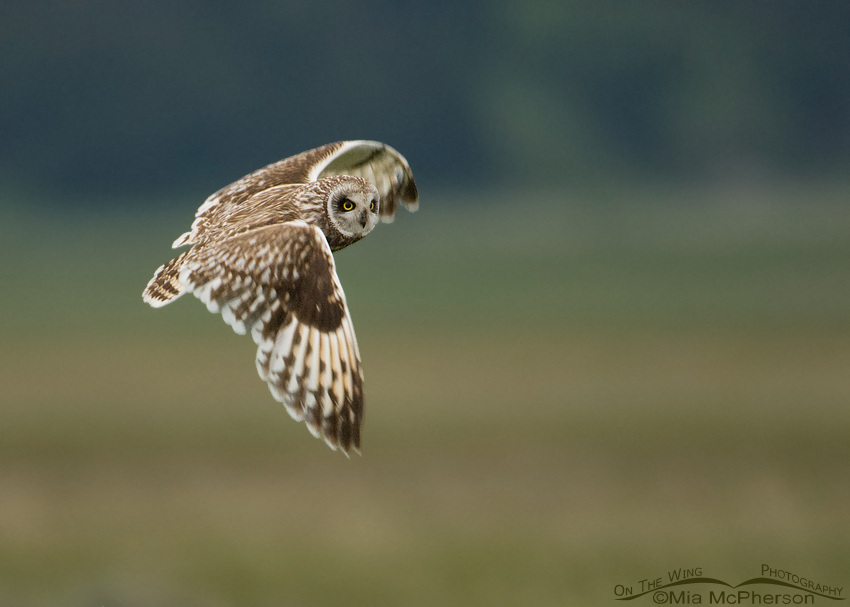
I don't always get what I want though; for example, I wanted this male Short-eared Owl (Asio flammeus) I photographed at Red Rock Lakes National Wildlife Refuge in southwestern Montana in good light.
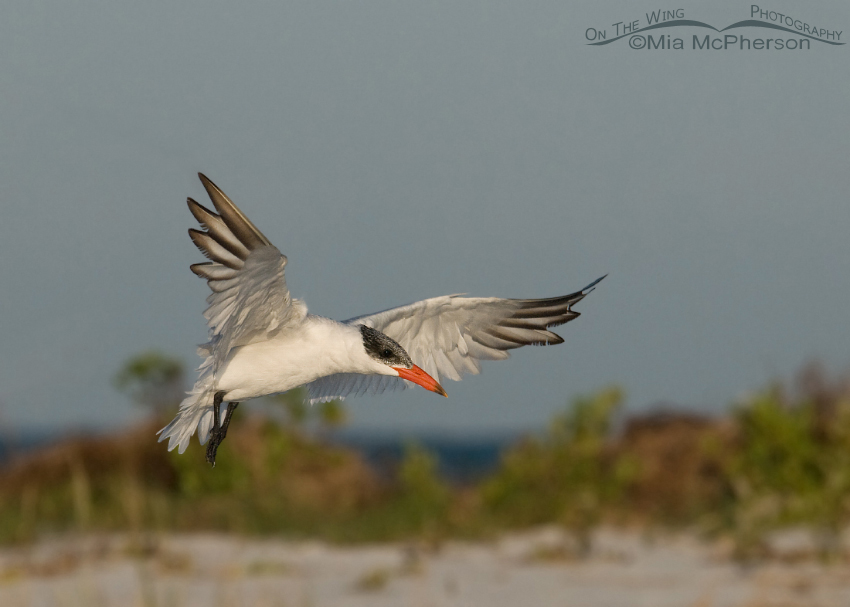
Caspian Terns (Hydroprogne caspia) are North America's largest tern with a wingspan of 50 inches and weighing in at 1.4 pounds.

These juvenile Red-tailed Hawk (Buteo jamaicensis) images were taken on two consecutive days last week. I'm always excited to have a bird in my view finder and when I can photograph hawks for two days in a row... I feel raptor rapture.
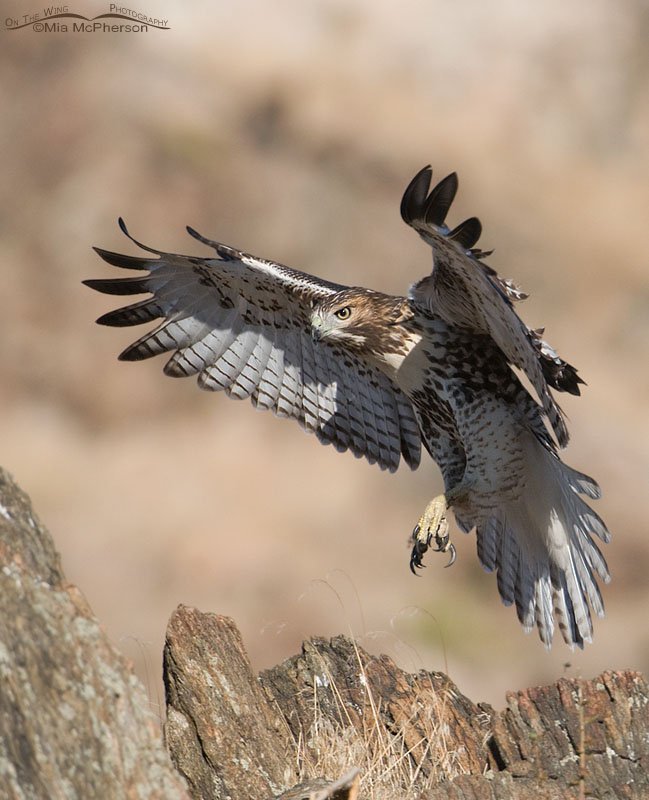
I had fun yesterday photographing this juvenile Red-tailed Hawk (Buteo jamaicensis) as it perched on rocks and hunted for prey. This image shows the Red-tailed coming in for a landing.
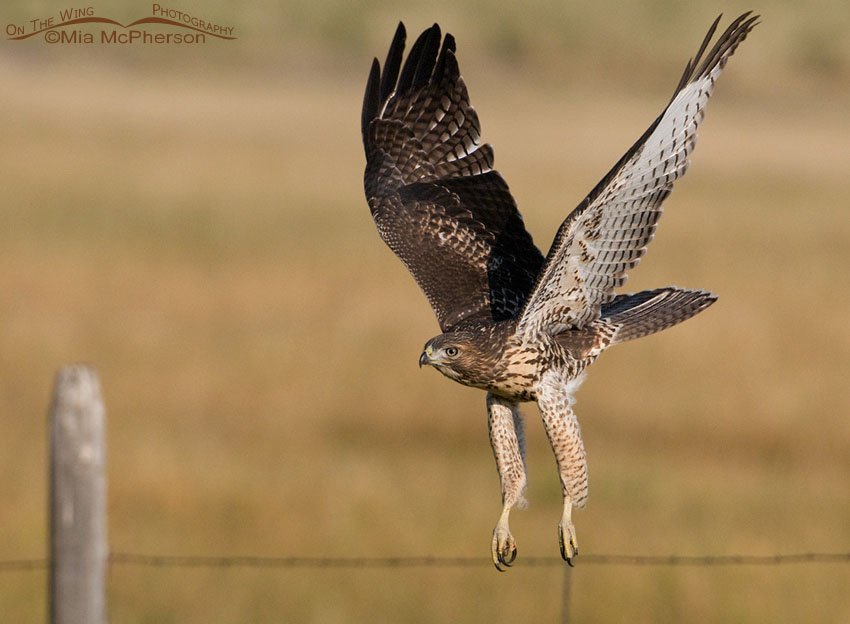
While I was away in Montana for eight days starting last week I had a fantastic time photographing this juvenile Red-tailed Hawk.
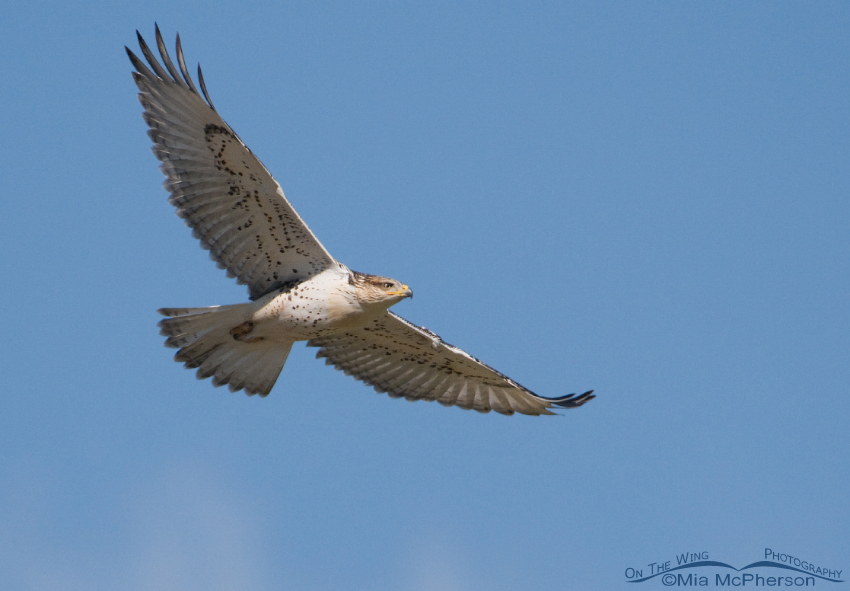
Ferruginous Hawks are the largest hawks found in North America. They inhabit low elevation, open areas in the western United States and some locations in southwestern Canada and winter in southwestern US and Mexico.

Wood Storks (Mycetaria americana) are the largest wading bird in North America and the only stork that breeds in the U.S.. Wood Storks are considered endangered primarily due to loss of habitat.
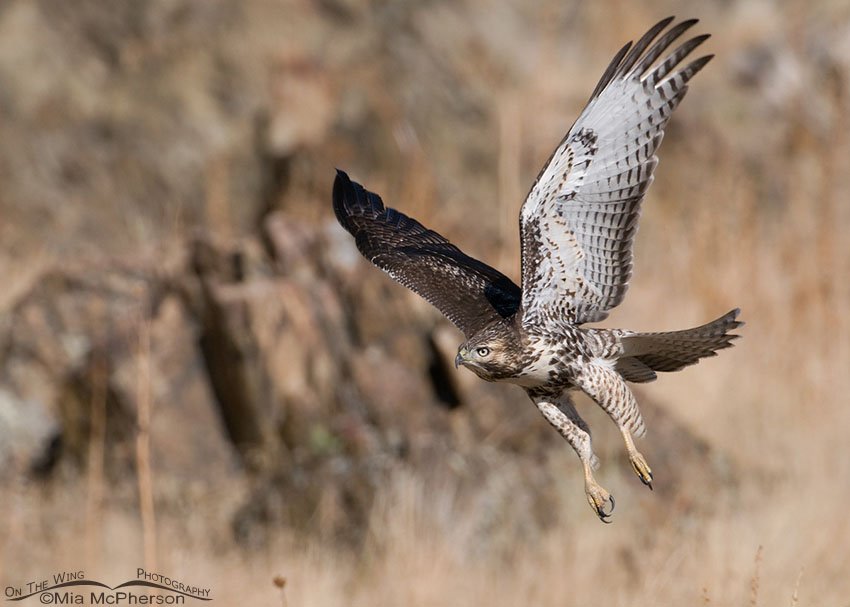
After having driven around the north end of the island we headed south thinking there probably wouldn't be much to shoot there... until I spotted this juvenile Red-tailed Hawk perching on some of the darker rocks on the island.

Tundra Swans (Cygnus columbianus) by the thousands overwinter in the Great Salt Lake area, it is not uncommon to see huge flocks of them at Farmington Bay Waterfowl Management Area in northern Utah.

I spent yesterday morning photographing at Bear River Migratory Bird Refuge in Box Elder County, Utah. Black-crowned Night Herons seemed to be everywhere on the south side of the auto tour loop, both adults and hatch year birds.
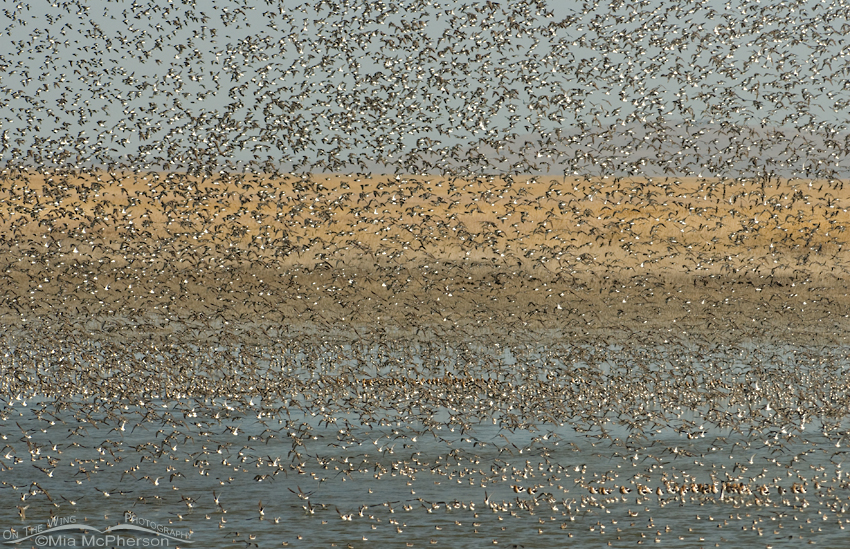
There were hundreds of thousands of Wilson's Phalaropes near the shoreline of the causeway, whirling around in the water and along the marshy areas not far from the park entrance.

Yesterday I posted a Snowy Egret hunting in early morning light and mentioned that early morning or late afternoon light can add drama to an image, in today's post I will explain a bit more about the dramatic light in the Snowy Egret image and these images of a Great Egret (Ardea alba).

Bear River Migratory Bird Refuge is an excellent location for finding and photographing American White Pelicans who have wing spans of over nine feet.

Recently I spent two days in a row photographing birds at Bear River Migratory Bird Refuge (aka Bear River National Wildlife Refuge) and found plenty of birds to aim my lens at.

Two Herring Gulls (Larus argentatus) at different stages of life, one an adult in breeding plumage, the other an immature gull in flight.

Okay. At least this female Osprey (Pandion haliaetus) is landing with flared wings and tail!
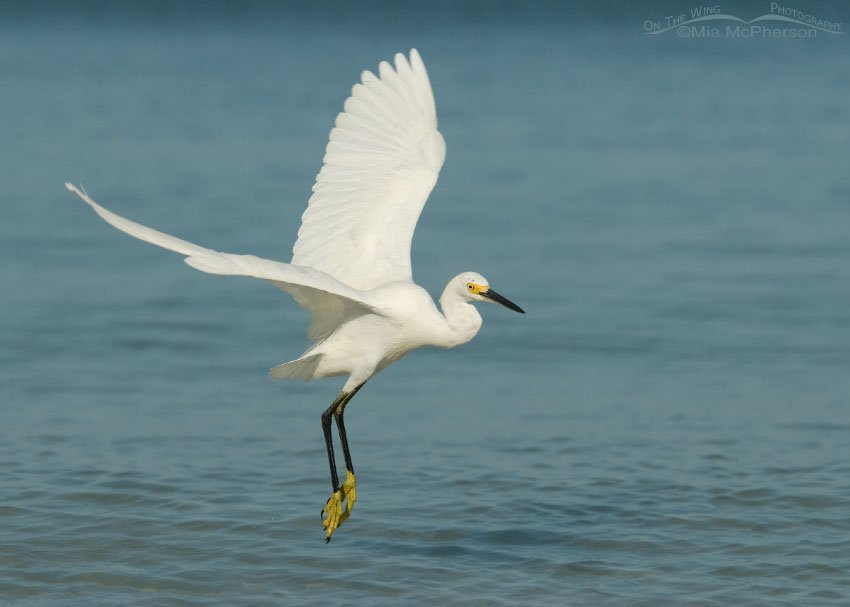
I was photographing at Fort De Soto's north beach on May 30th, 2008 when I had a very cooperative Snowy Egret start fishing in the warm waters of the Gulf of Mexico right in front of me.

I was able to take a nice series of images of the Black-crowned Night Heron lift off and when the heron was in flight as it flew past me