Northern Harrier
This Northern Harrier displayed interesting behavior, it didn't appear to be hunting but it would dive into the vegetation where it would make a sound that reminded me of parrots chattering.


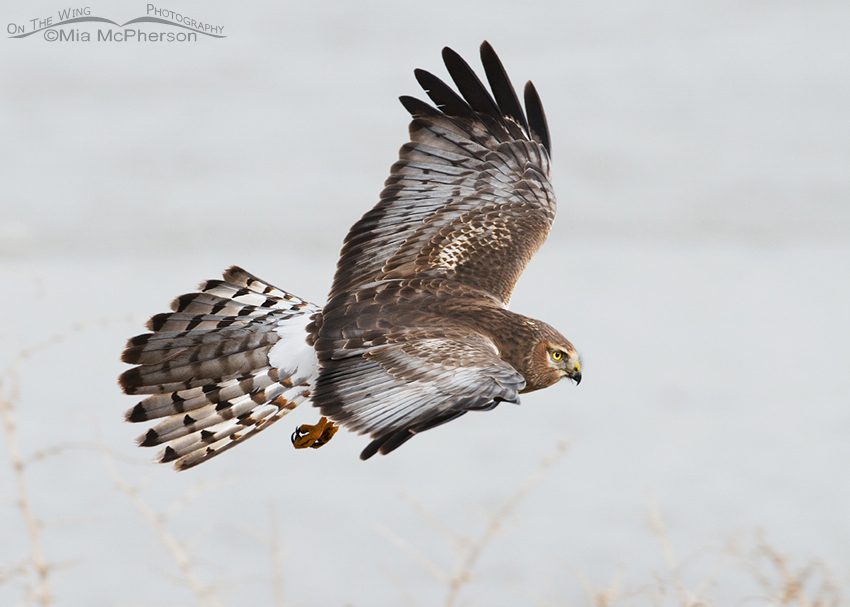
This Northern Harrier displayed interesting behavior, it didn't appear to be hunting but it would dive into the vegetation where it would make a sound that reminded me of parrots chattering.

Horned Larks and Western Meadowlarks are birds that I enjoy photographing all year long in Utah and yesterday they gave me some wonderful opportunities.
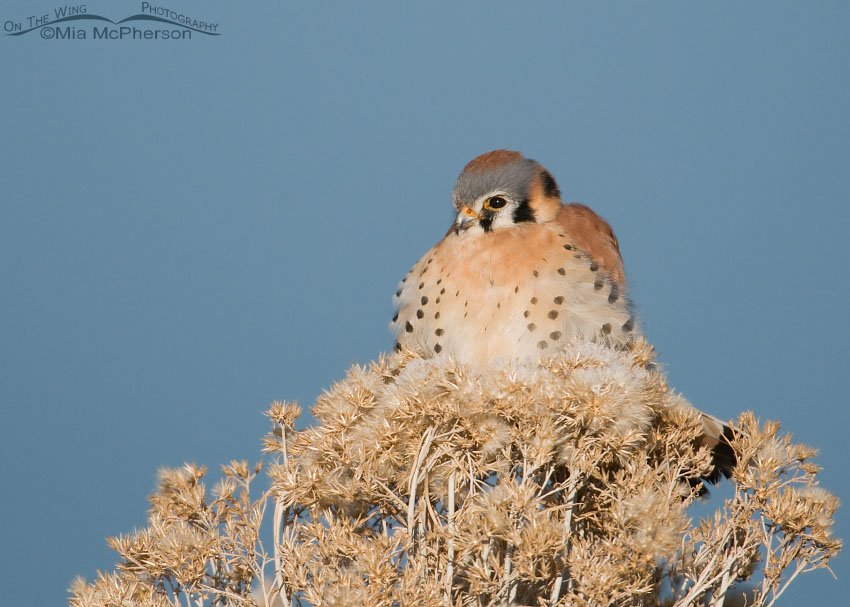
American Kestrels hold a special interest for me, they are North America's smallest falcon but what they lack in size they make up for in attitude. These falcons can be fiesty.
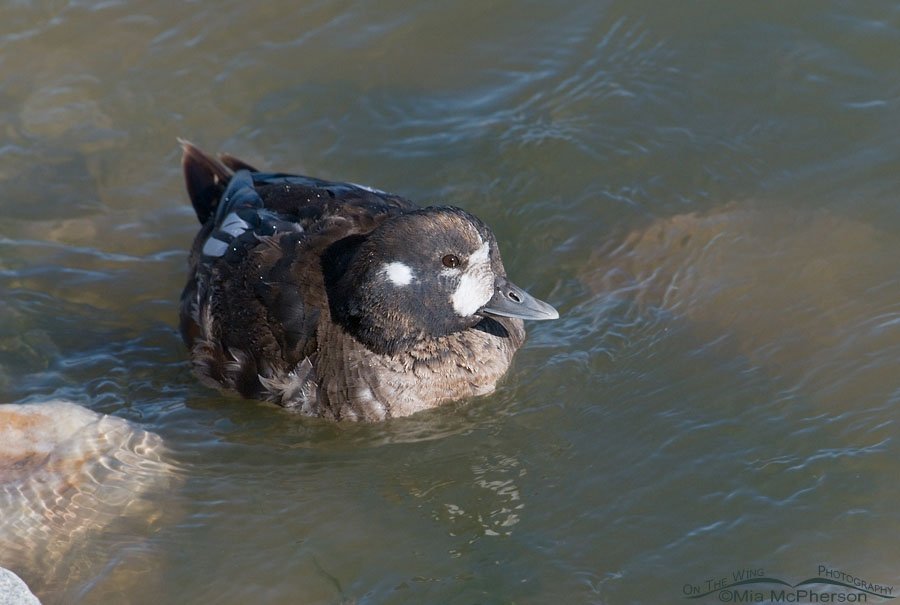
To those hunters who recognized and respected the rarity of those beautiful and very uncommon birds, you have my respect and I am personally very grateful that you preferred to give these ducks a pass even though you knew that hunting them was legal.

I'm excited that two Great Horned Owls are using the same roosting location on Antelope Island.

Yesterday I came across this very cooperative male Horned Lark (Eremophila alpestris). This male bird preened for a full seven minutes and I took 256 images of it.

I am always looking for the unexpected birds to show up in locations where I might not expect them them to be and this Short-eared Owl was a bit of a nice surprise.
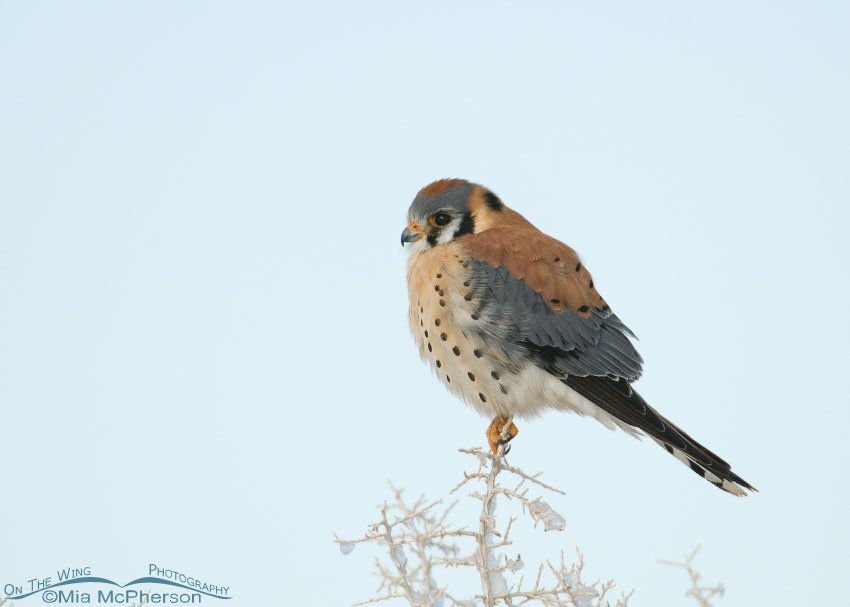
The American Kestrel is our smallest falcon in North America but what they lack in size I feel they make up for in attitude.

I will soon be on the road back to Red Rock Lakes National Wildlife Refuge in southern Montana, another one of my favorite locations on this planet.
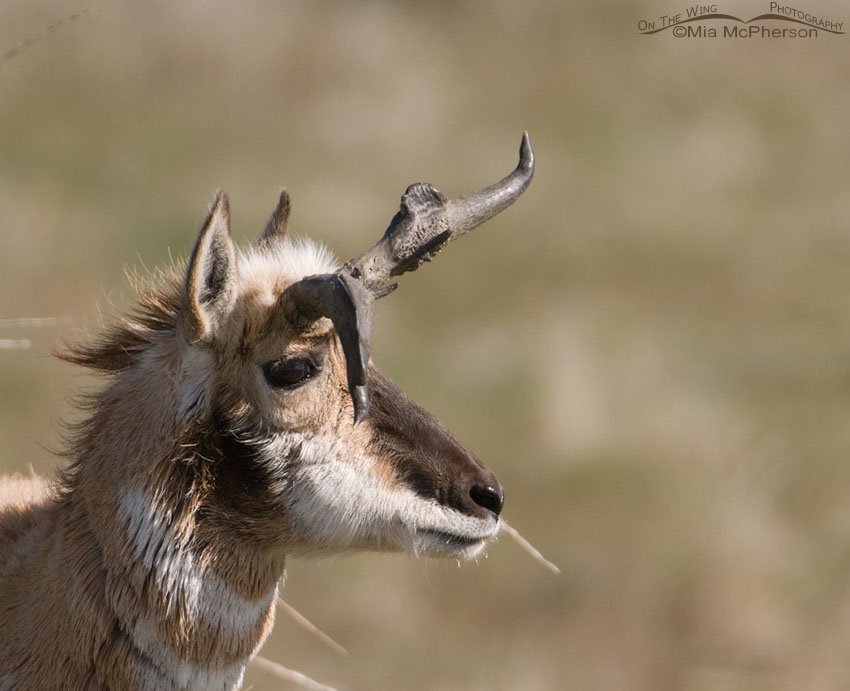
I am just happy to have seen the Pronghorn buck with misshapen horns again and for coming home with better photos of it for my files.

Male American Kestrel in flight with a vole chased off by an appraoching vehicle

Yesterday was awesome for Horned Larks (Eremophila alpestris) in Tooele County, Utah.
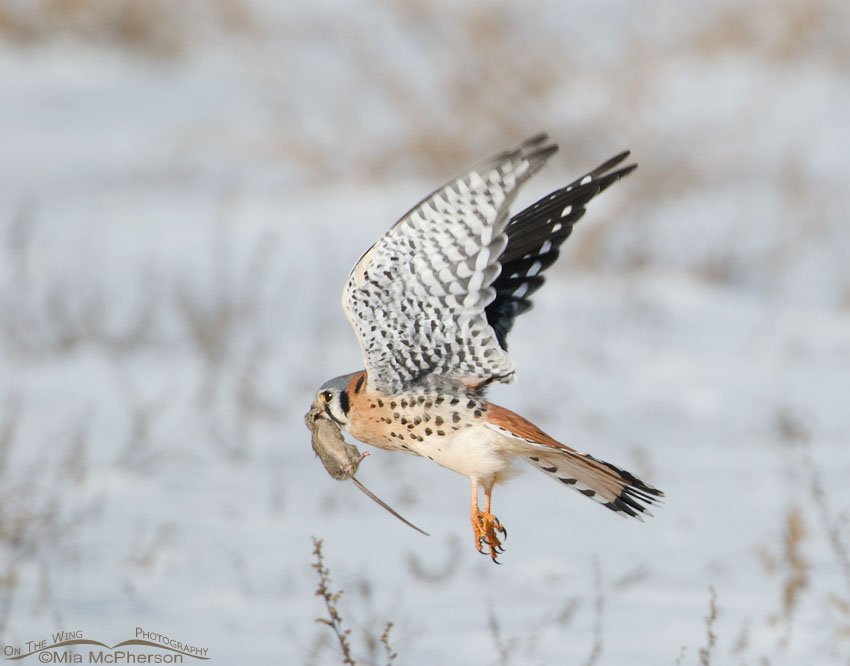
Taking the time to review my "bad images" strengthens me as a photographer.

Male Ring-necked Pheasants are very colorful and sport red face wattles, iridescent ear tufts, the white neck ring and bronze colored chest and back with barring. I remember my grandfather using the pheasant feathers for the flies that he tied.
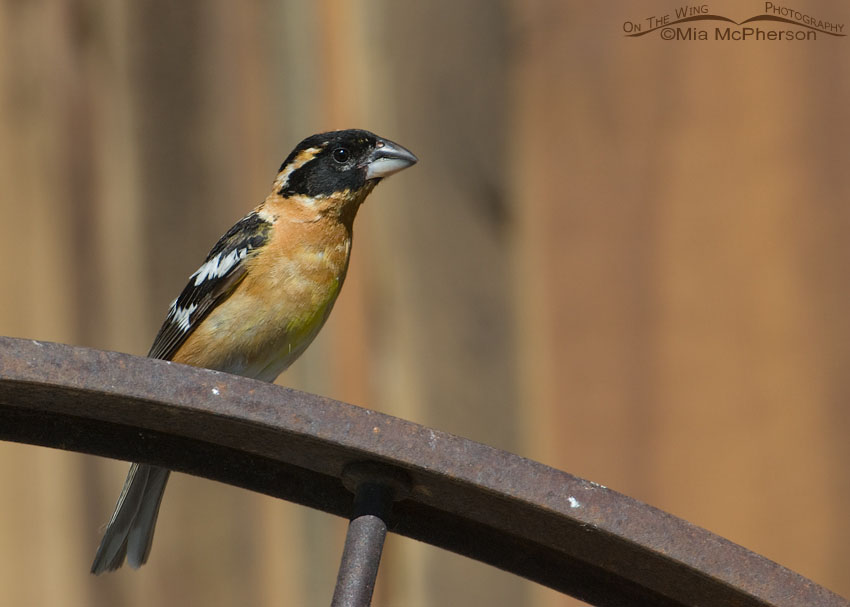
This male Black-headed Grosbeak (Pheucticus melanocephalus) sure caught my eye with its beautiful orange, black and white plumage.

Male Lazuli Buntings resemble bluebirds but they are smaller and the blues are a different hue than the Mountain, Eastern and Western Bluebirds.
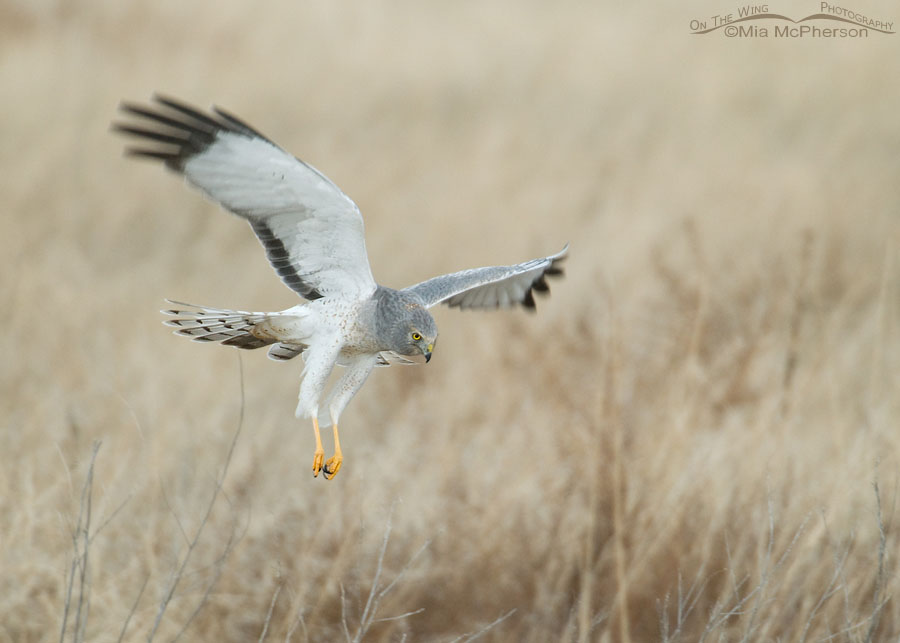
I will have more opportunities with northern harriers in better light this winter and while I wouldn't consider this image perfect, I am happy with the results I obtained while photographing this "Gray Ghost".

Anhingas have always fascinated me. These are portraits of both the male and female.

One of the easier medium-sized shorebirds to identify on Fort De Soto's beaches and tidal mudflats are the Ruddy Turnstones. The only other turnstone that frequents North America is the Black Turnstone and it occurs on the Pacific coast.
The geological features of Capitol Reef National Park are amazing. About 75 miles of the 100 mile long monocline known as the Waterpocket Fold are within the park's boundaries extending from Lake Powell north to the Thousand Lake Plateau.
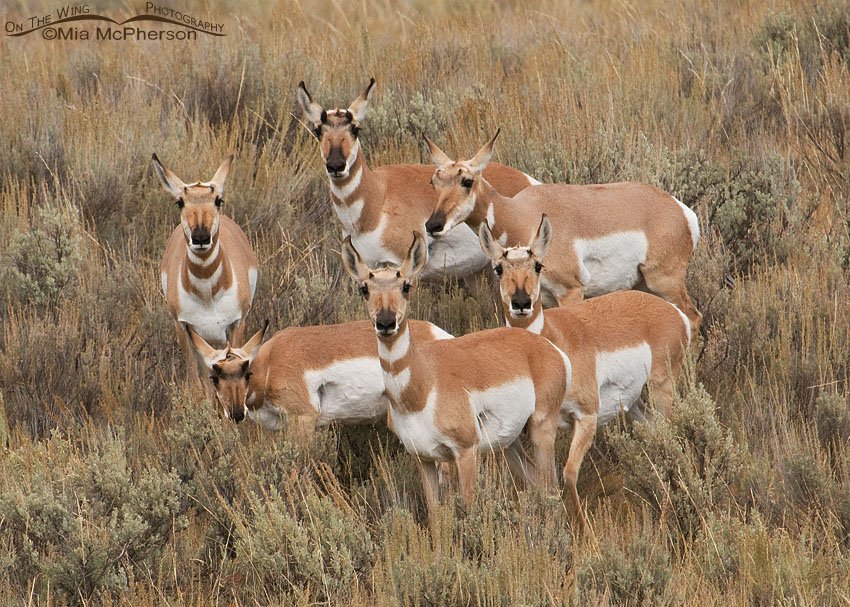
Pronghorns are North America's fastest mammal, they can attain speeds of more than 40 miles per hour, with spurts to 70 mph and can out run almost all of their predators.