Male Cassin’s Finch
I've only had one opportunity to photograph Cassin's Finches so far and that was in the small town of Lakeview where the headquarters of Red Rock Lakes national Wildlife Refuge is located.


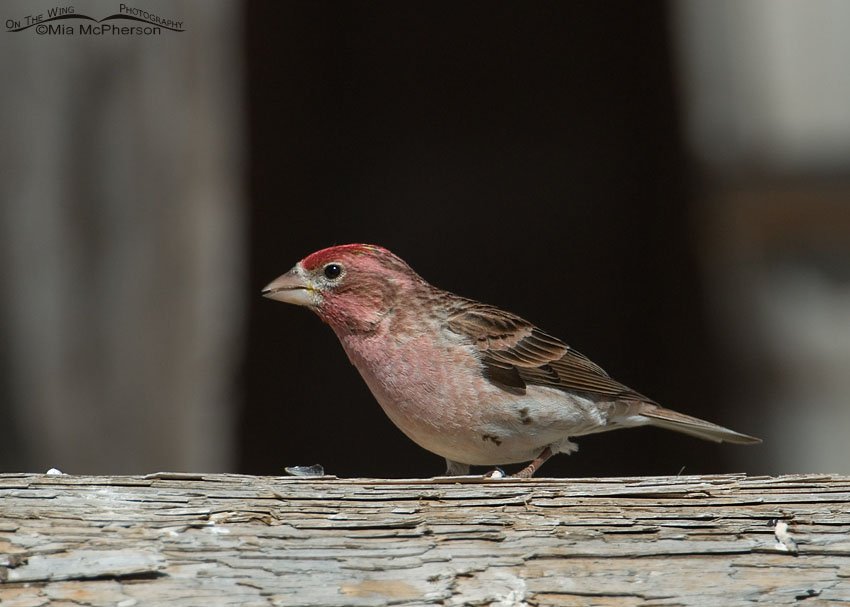
I've only had one opportunity to photograph Cassin's Finches so far and that was in the small town of Lakeview where the headquarters of Red Rock Lakes national Wildlife Refuge is located.

Last week; while fighting off a bloodsucking cloud of no-see-ums, I was able to photograph this male Long-billed Curlew as it flew past me.

I've said before that owls fascinate me; probably more times than I can count, and Short-eared Owls are always a delight.

I wanted to share a sampler of bird images that I have taken over the past week in Davis and Box Elder Counties.

Northern Harriers fascinate me partly because they are sexually dimorphic; meaning that the males and females look different even though they are the same species, and also because of their owl-like facial discs.

Great Horned Owls and Horned Larks are species of birds that have tufts that I photograph regularly here in Utah.
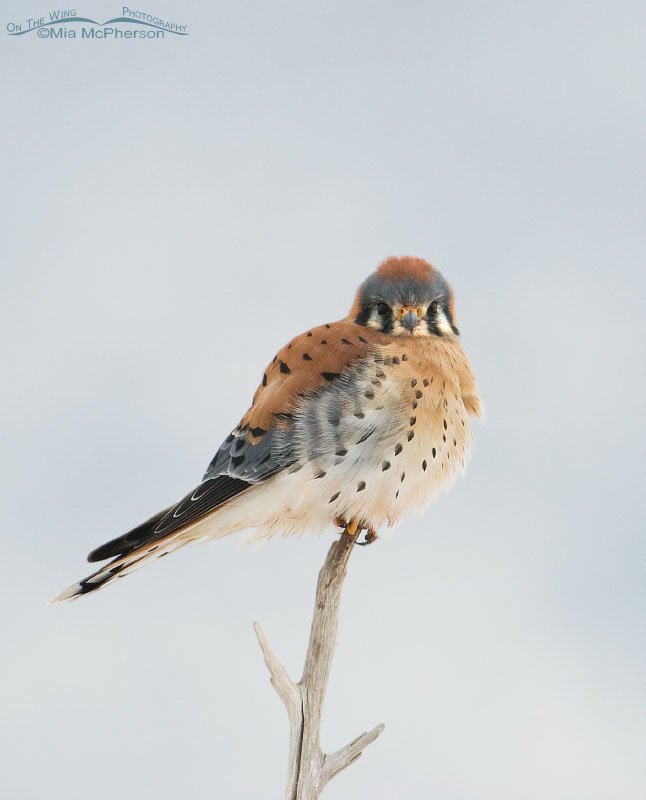
Male American Kestrel in low light
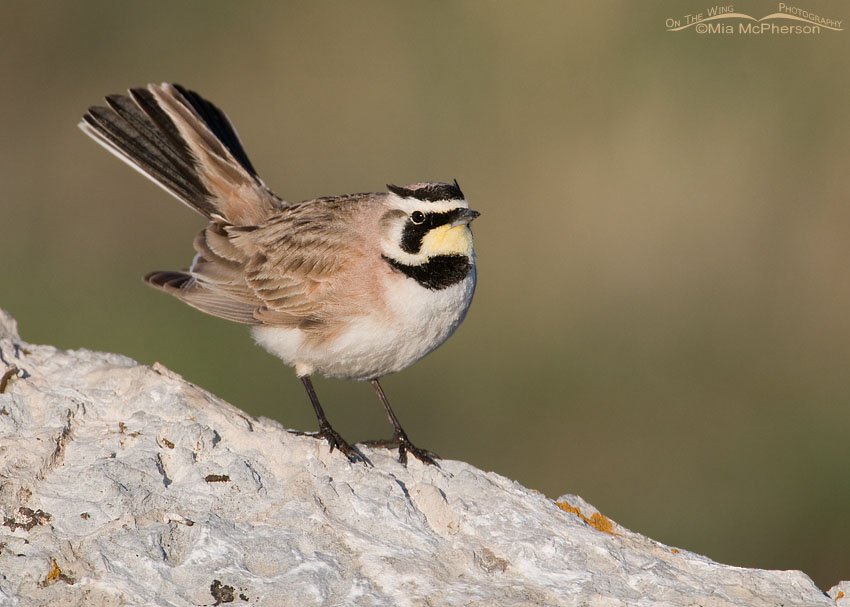
The only native true lark that lives and breeds in North America is the Horned Lark.

Male Boat-tailed Grackles have velvety black feathers that glow in the right light with iridescence purples, blues, teals and greens.

I photographed this male Long-billed Curlew last week as he was starting to lift off.
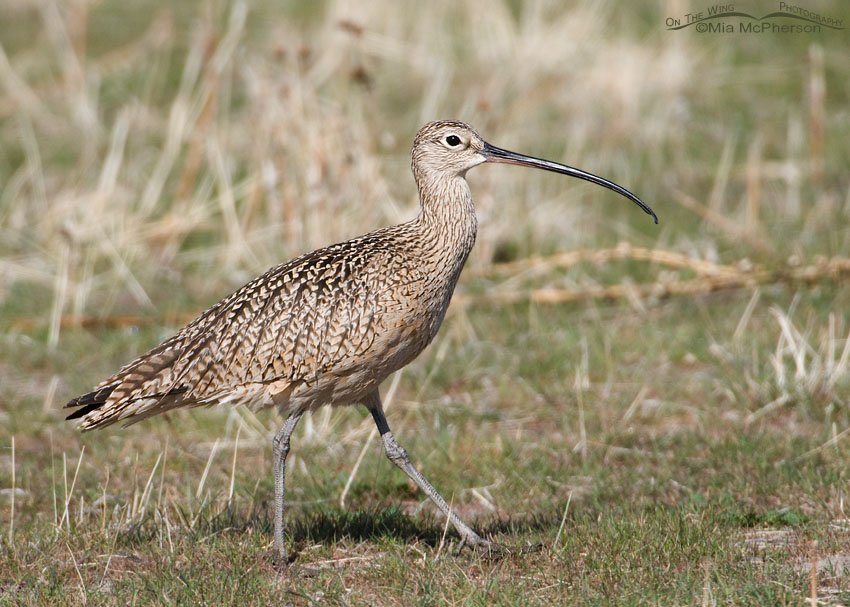
When we stopped at one of the parking lots that overlooked Bridger Bay I heard a call that made me jump in my seat and before I could say "Long-billed Curlew!!" I could see the bird flying towards the grasses.

This male Tree Swallow in flight image was taken two years ago at Red Rock Lakes National Wildlife Refuge in Montana and for some reason I had not processed it until now.
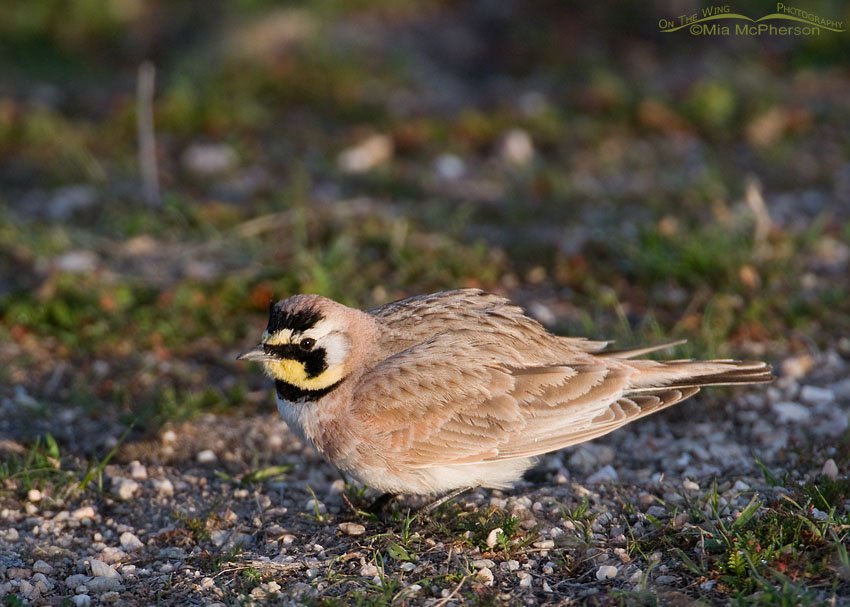
I photographed this male Horned Lark just two days ago and I'm tickled that I can see new growth of grasses in the frame.
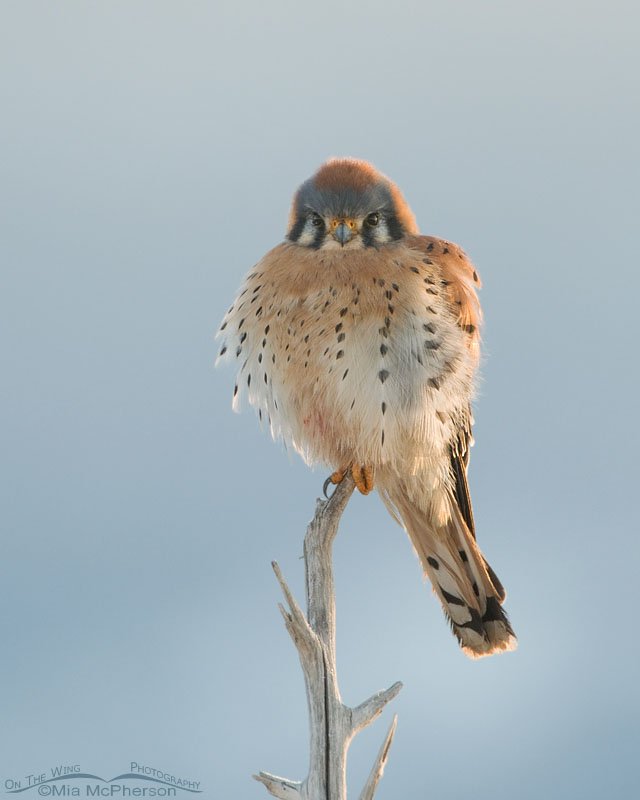
I came across this American Kestrel image yesterday while moving images to a new external hard drive and realized I hadn't edited any of the photos in the series yet, so I did.

Fairly soon I'll be seeing many more of the male Red-winged Blackbirds perching at the top of rushes and cattails singing springtime serenades for the females and flashing their brilliantly colored epaulets
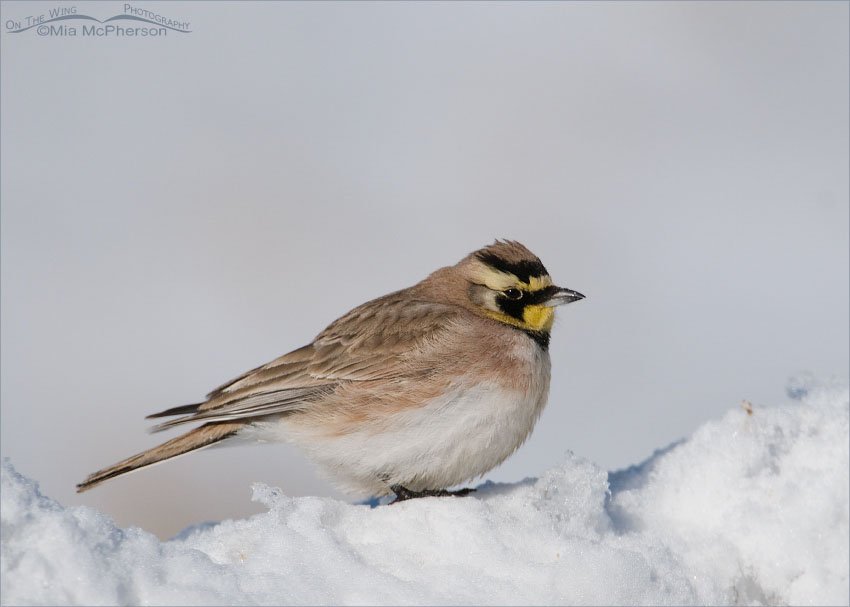
I spotted a flock of Horned Larks in Box Elder County, some were foraging on the road and a few were perched on mounds of snow that someone had plowed. It seemed like the ones on the snow were just enjoying the sunshine.

It is cloudy and snowing hard outside this morning so I dug into my files and edited these nesting Osprey images I took last year at Flaming Gorge National Recreation Area in Utah.
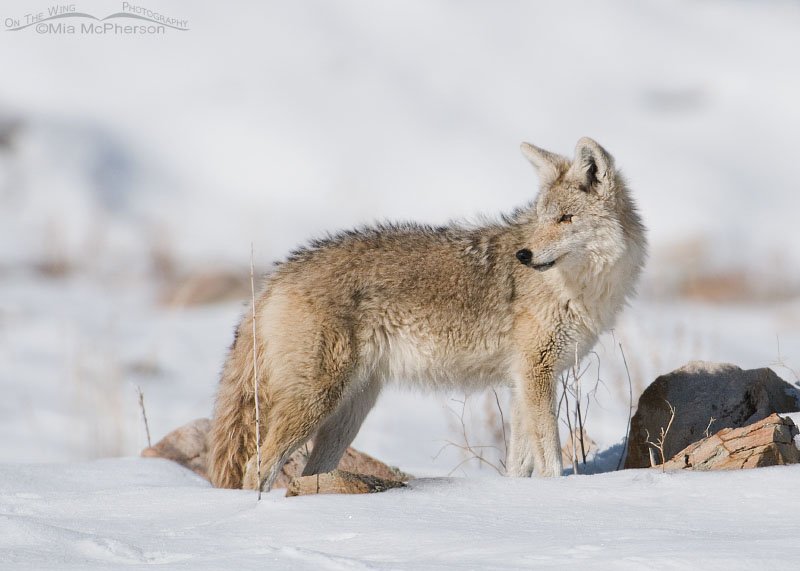
Yesterday I spotted a Coyote on Antelope Island, it was down a slope near a herd of Pronghorn and not in the best of light. I noticed almost right away that the Coyote was limping rather badly.

This Western Tanager was photographed last summer at Red Rock Lakes National Wildlife Refuge in the Centennial Valley of Beaverhead County, Montana.

Awhile back someone told me that Mergansers don't change their plumage seasonally, which is of course incorrect as all three species of mergansers that live in North America do.
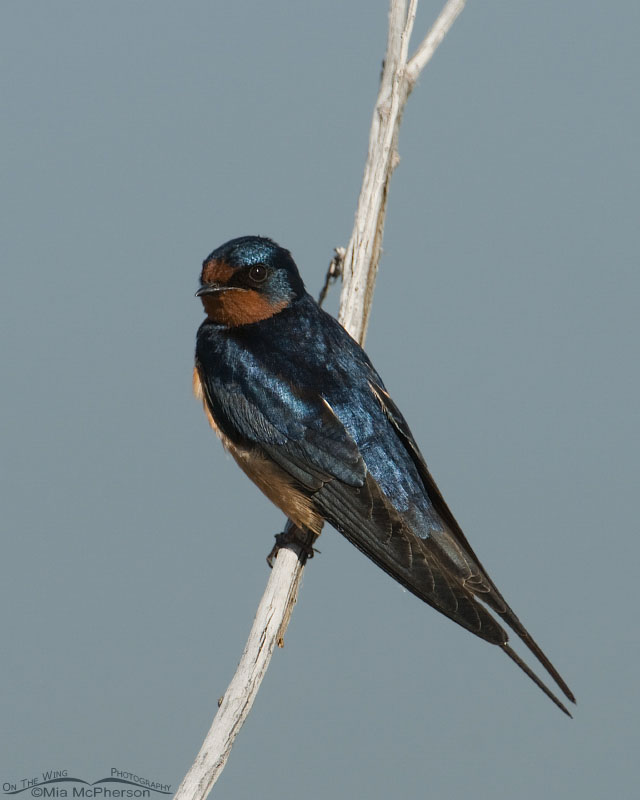
Bear River Migratory Bird Refuge has five species of swallows, they are Tree, Northern Rough-winged, Violet-green, Cliff and Barn Swallows.
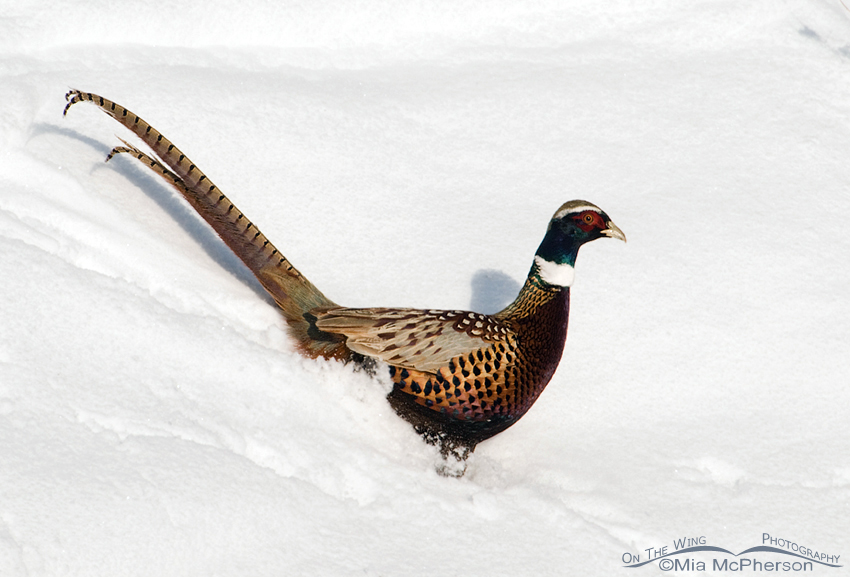
Ring-necked Pheasant males are far more colorful than the females and in snow they seem even more vividly colored.

The answer to the ID quiz is a female Green-winged Teal! Out of 49 people taking the quiz there were 6 votes for Mallard, 8 votes for Blue-winged Teal, 9 votes for Gadwall and 26 votes for Green-winged Teal.
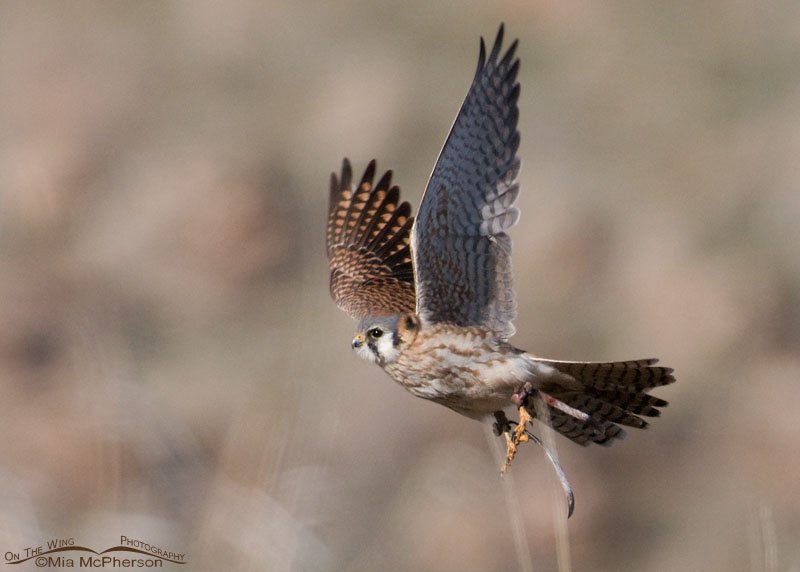
Throughout these three experiences in finding escaped falconry birds what I have learned is that falconry is for experts not for people who just think it is cool to have a pet raptor.
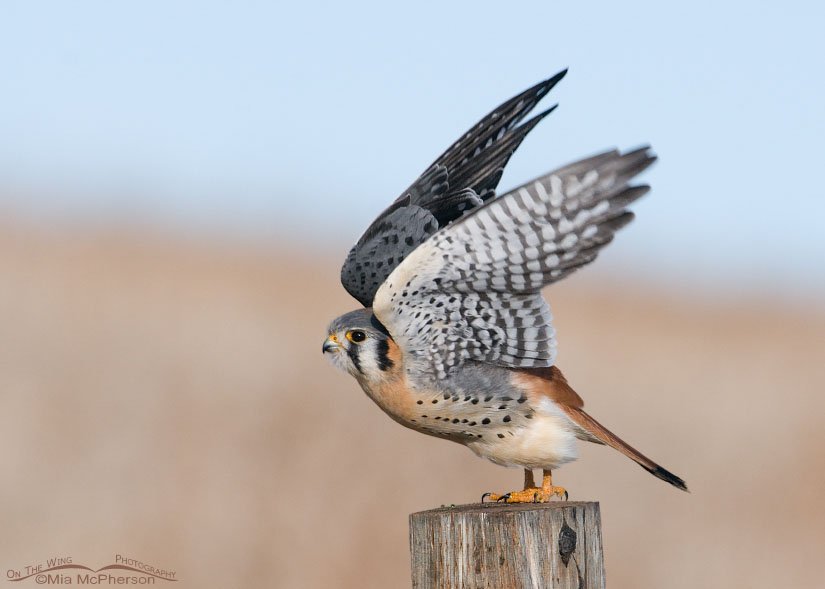
There is something about American Kestrels that speaks to me. They might be our smallest falcon in North America but they have big attitudes, fierce characters and are terrific hunters.

Ring-necked Pheasants are colorful upland game birds that are native to Asia and were introduced into North America for recreational hunting purposes and now occur widespread across southern Canada and in many areas of the U.S. except for some of the southern states.

I'm pleased with this bison image because it contains so many icons of the western U.S., the bison grazing on prairie grasses, the Great Salt Lake and a mountain range in the background.

Last week I saw quite a few Common Mergansers at Bear River Migratory Bird Refuge but I wasn't able to get close enough to them to get any quality images but they reminded me of images I had been able to take of Common Mergansers several years ago at Farmington Bay Waterfowl Management Area.
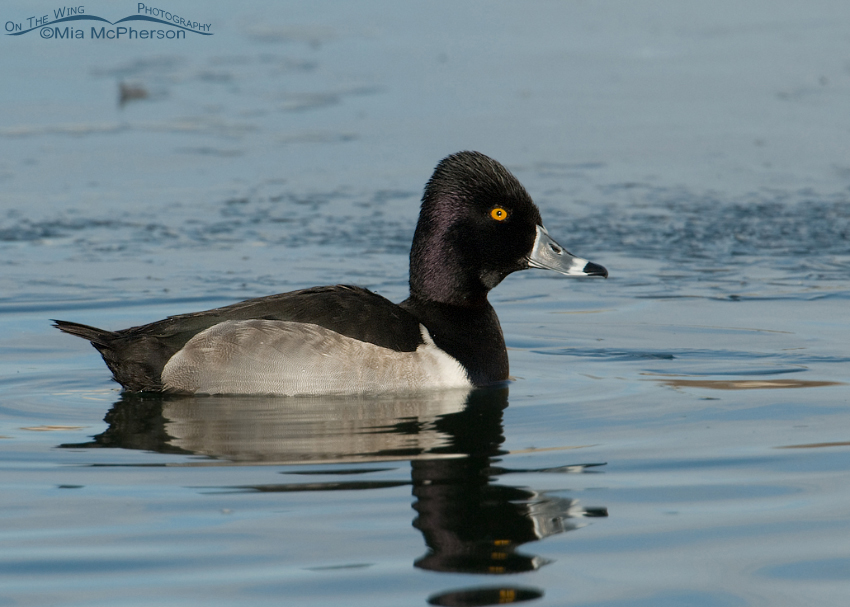
I photographed this drake Ring-necked Duck in breeding plumage a few years ago on a pond not far from where I live.
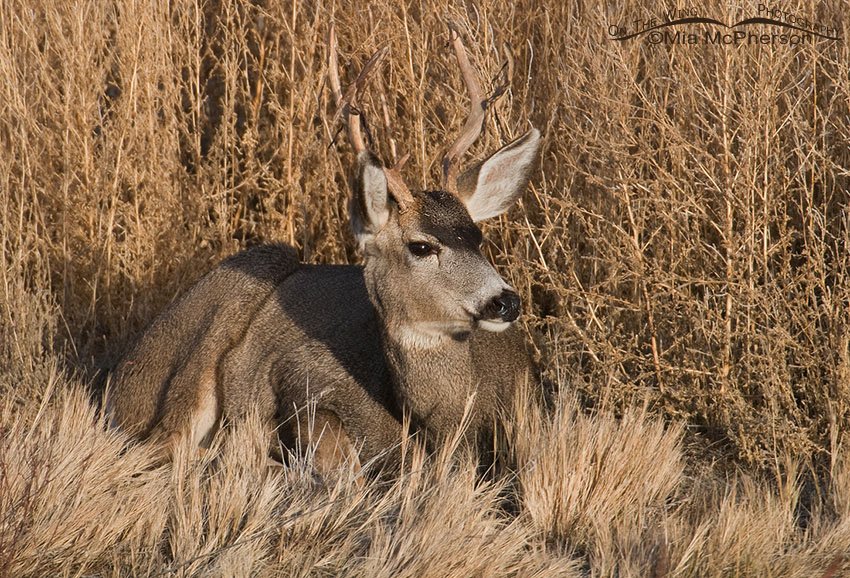
So, my best shots of the day were of this resting Mule Deer buck that I almost missed spotting because he blended in so well with the habitat.