American Bison in the Snow
We've gotten a lot of snow in the Salt Lake Valley since Friday, I swept at least a foot of snow off my vehicle yesterday and about 3 to 4 inches on Friday, as I write this the snow is still falling.



We've gotten a lot of snow in the Salt Lake Valley since Friday, I swept at least a foot of snow off my vehicle yesterday and about 3 to 4 inches on Friday, as I write this the snow is still falling.
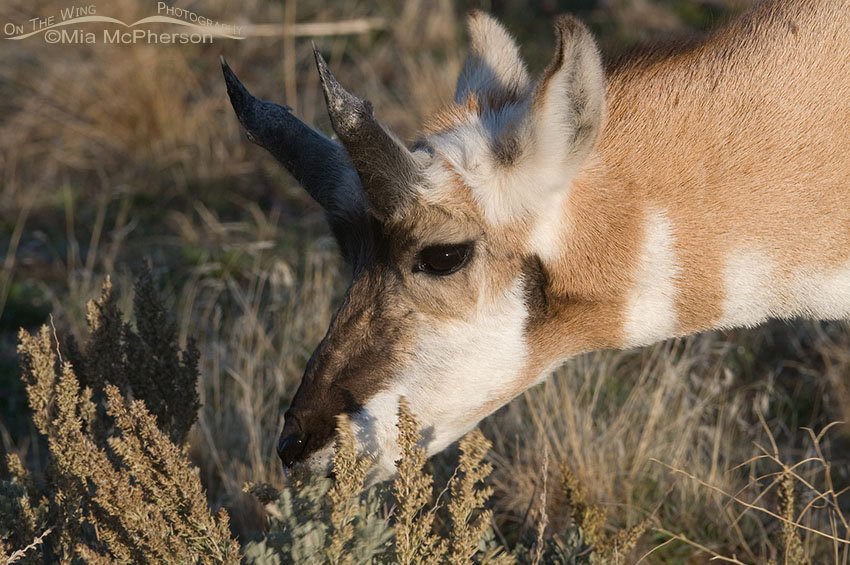
The horns of Pronghorns are composed of a permanent slender, laterally flattened blade of bone that is covered by a keratinous sheath.
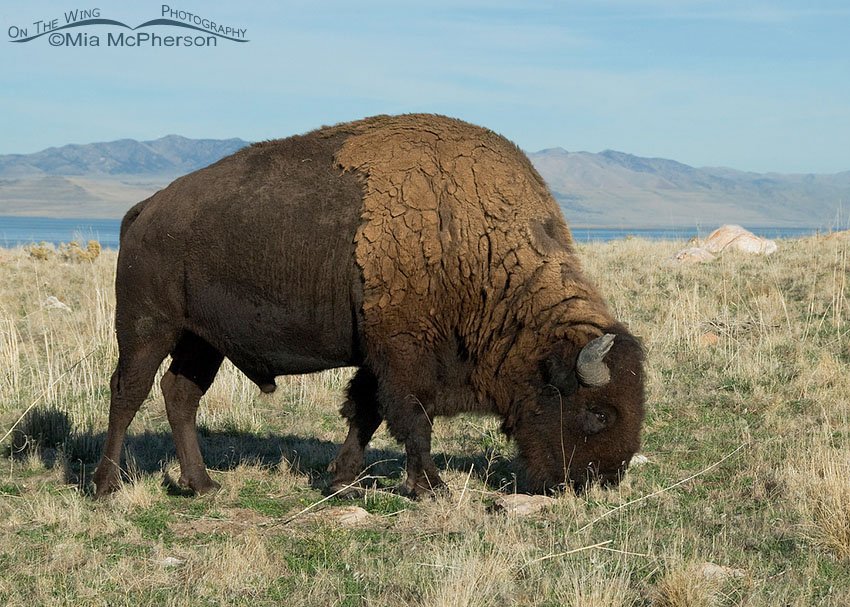
Yesterday I had an opportunity to photograph this Bison bull grazing on Antelope Island State Park with the mountains of Promontory Point in the background with just a small bit of the Great Salt Lake showing too.

There is a rather large Pumpkin Patch near the road going to the Nature Center at Farmington Bay Waterfowl Management Area where I like to photograph birds. They have a straw maze and all kinds of activities for children too.

When I photographed this Wood Duck drake I remember wishing that we had high thin clouds to diffuse the sunlight a bit. It still worked out okay though.
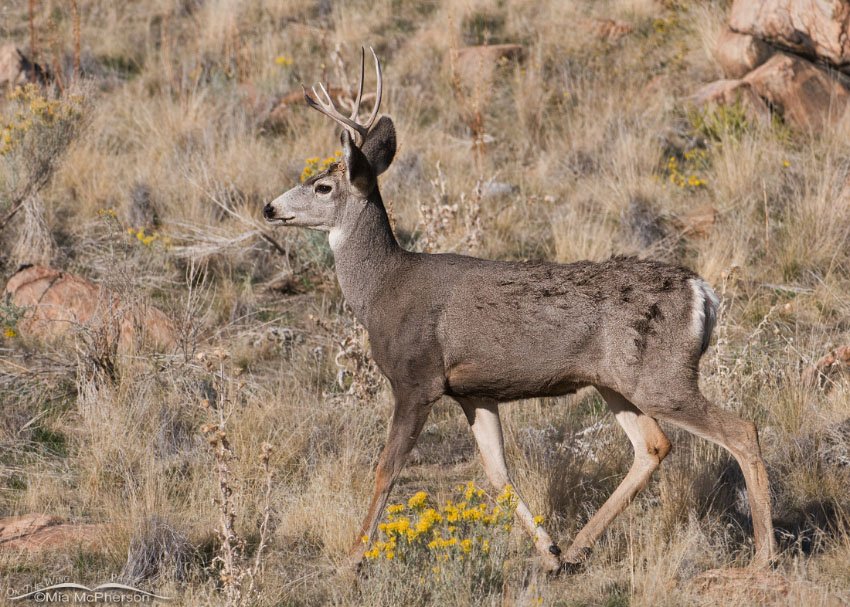
Two days ago while looking for birds to photograph on Antelope Island State Park this Mule Deer (Odocoileus hemionus) buck came into view.
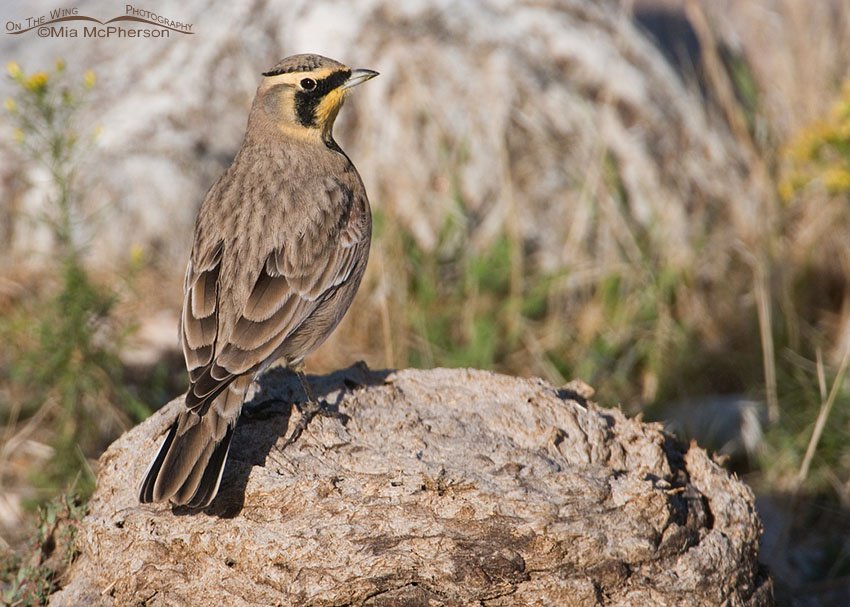
Most of the Horned Larks I photograph are perched on rocks or boulders, this one is perched on a dried pile of Bison poop. Some might think this is a crappy perch and they would be right!
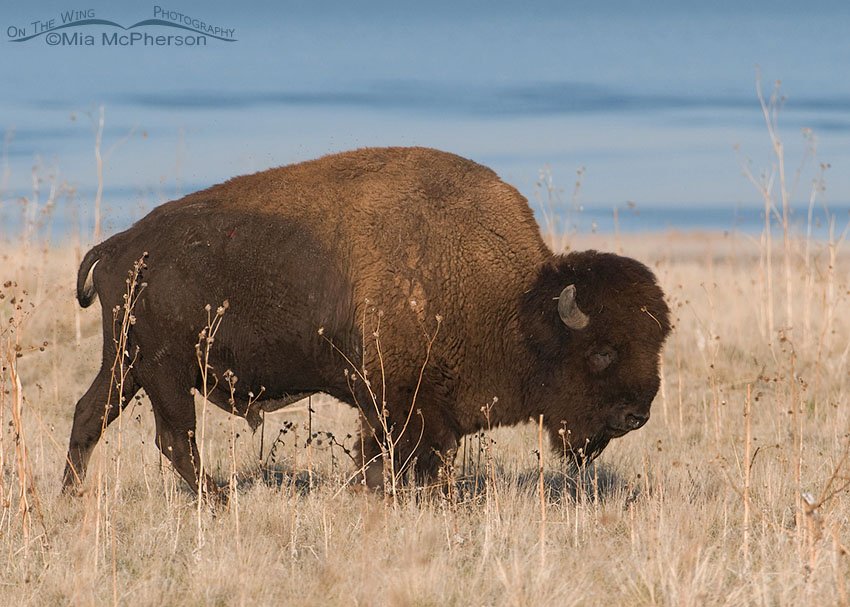
I photographed this Bison bull feeding peacefully yesterday out on Antelope Island State Park with the Great Salt Lake in the background.

Just a simple image of a male Black-necked Stilt taken earlier this year at Bear River National Wildlife Refuge. Very graceful birds.
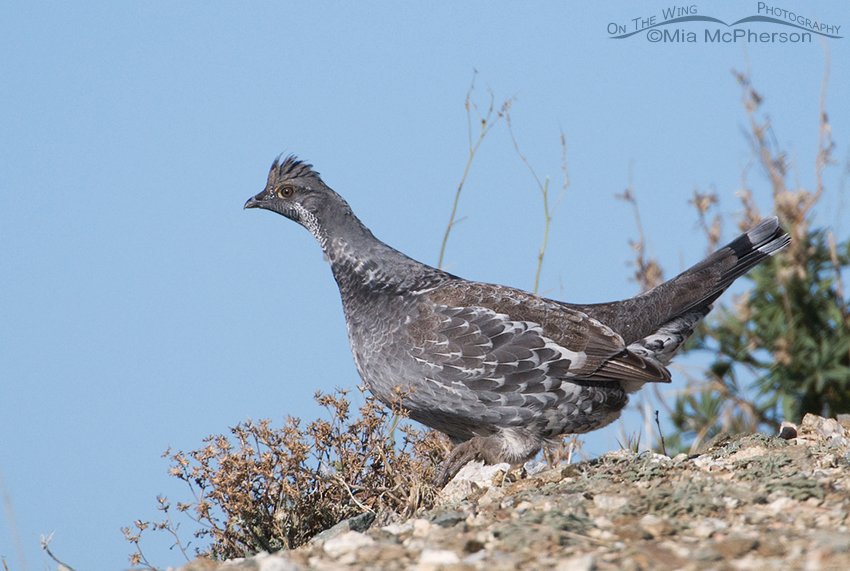
Near the summit of Francis Peak, elevation 9,560 feet, I spotted this Dusky Grouse male on the edge of a gravel road with a steep drop off to the west and I was able to get a few photographs of it before we motioned to a pickup truck coming down from the summit to move forward.
I have enjoyed photographing Lazuli Buntings (Passerina amoena) near the San Rafael River at the San Rafael Swell Recreation Area. These images were taken in the spring when the males were high on perches singing to attract females.
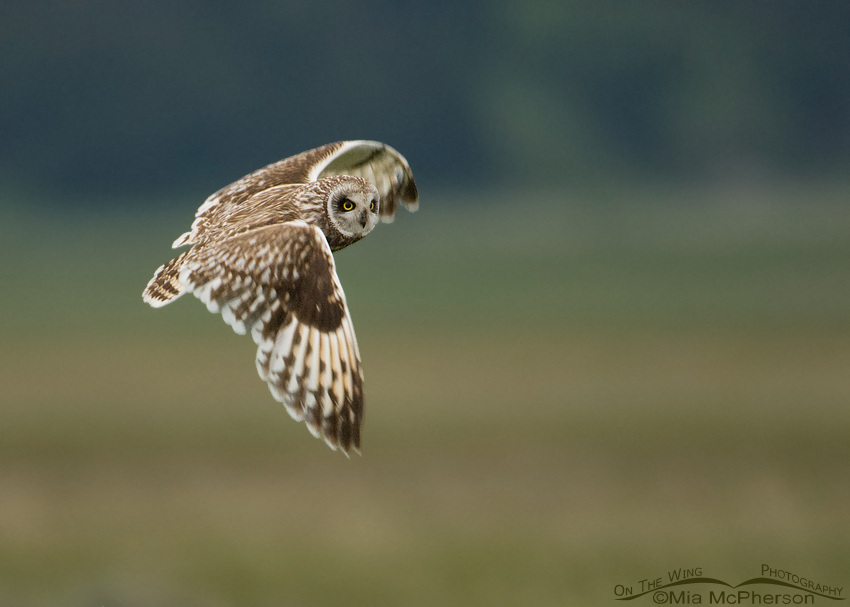
I don't always get what I want though; for example, I wanted this male Short-eared Owl (Asio flammeus) I photographed at Red Rock Lakes National Wildlife Refuge in southwestern Montana in good light.

I photographed this American Bison bull a few days ago on Antelope Island State Park as he was drinking from a freshwater puddle formed by rains over the weekend.
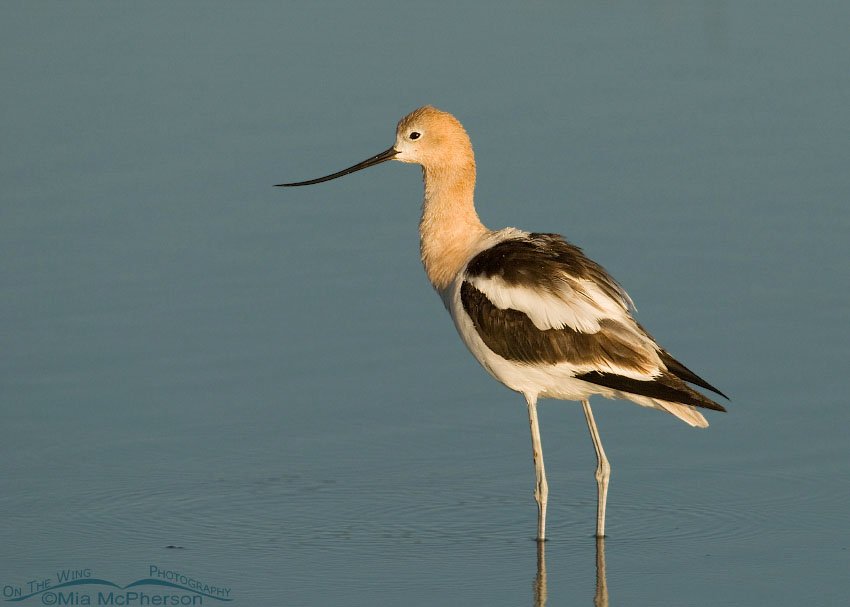
I photographed this American Avocet in nonbreeding plumage as it foraged in Glover's Pond at Farmington Bay Waterfowl Management Area in northern Utah a few years ago in the month of November.

This Short-eared Owl image was taken just a little over a year ago in Glacier County, Montana. I still remember how cooperative this male was, the gorgeous golden light of the setting sun and the great location.
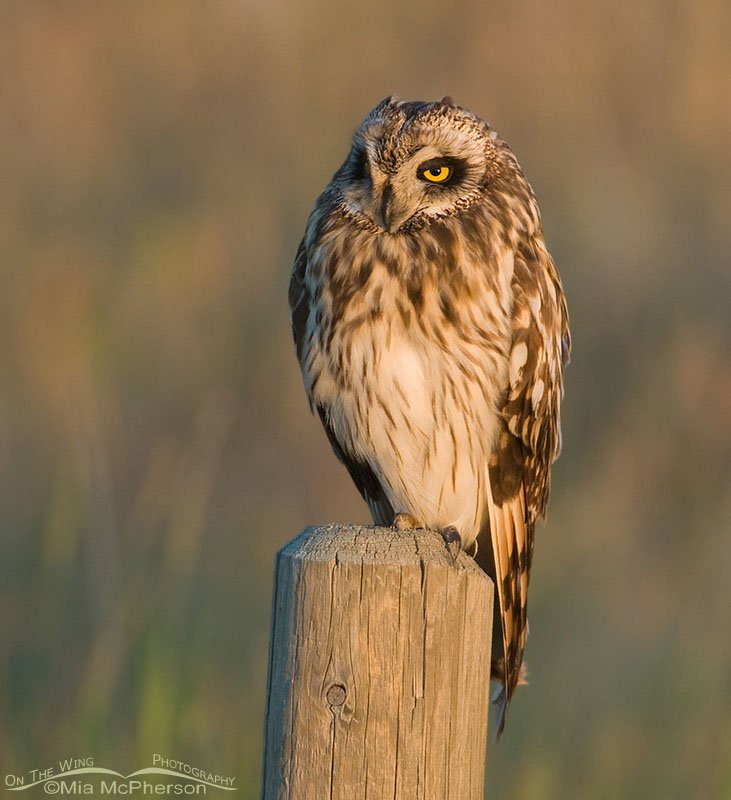
This male Short-eared Owl in evening light was photographed last year in Glacier County, Montana not too long before the sun set.

I haven't heard a Long-billed Curlew calling for several weeks here in northern Utah and I already miss hearing their calls.
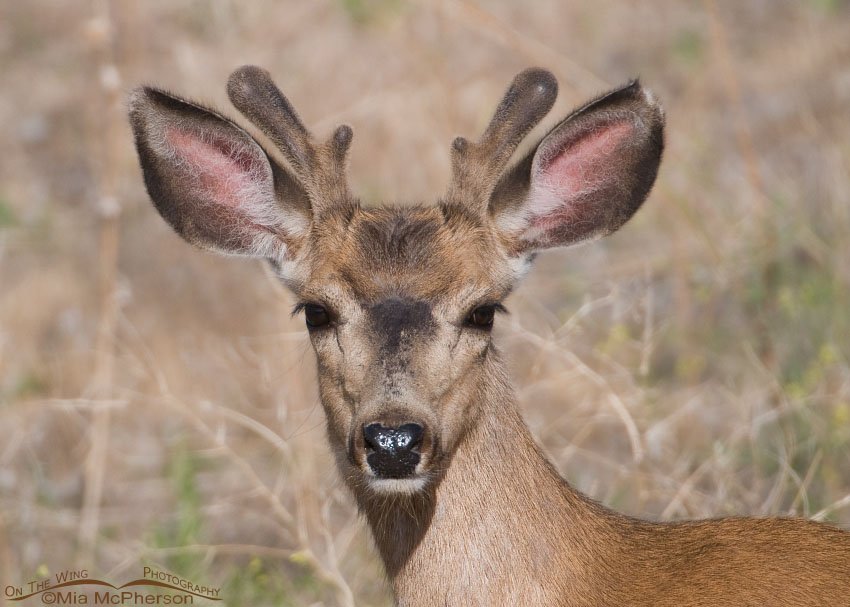
While out on Antelope Island State Park the other day I spotted a Mule Deer (Odocoileus hemionus) that was almost hidden by tall grasses and stopped to get some images.

Cheatgrass is invasive but I sure think it can be pretty especially with a lovely bird amongst it like this male Long-billed Curlew that I photographed on Antelope Island State Park recently.
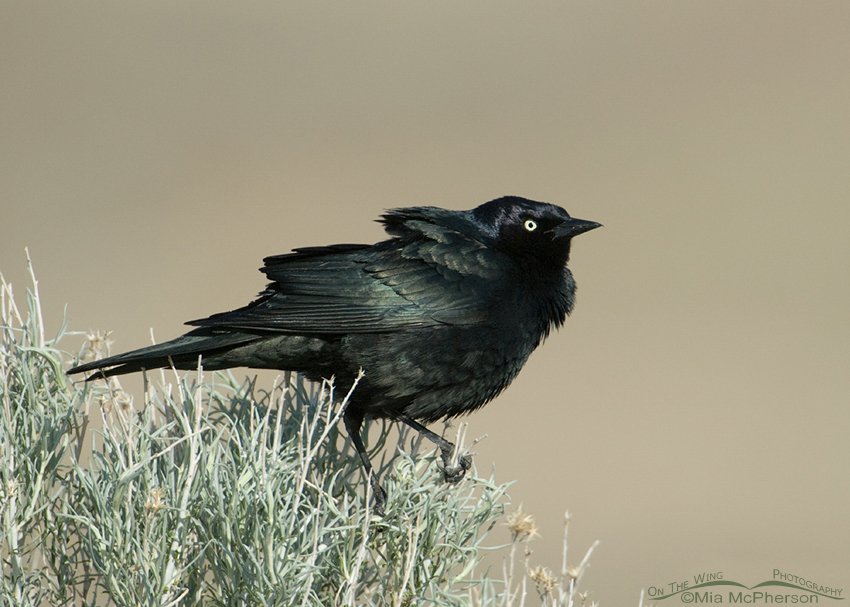
While out on Antelope Island State Park on Friday I spotted a male Brewer's Blackbird on top of a bush, the light was just great for viewing and photographing the iridescent teals, blues, greens and purples that can show up on these "black" birds.
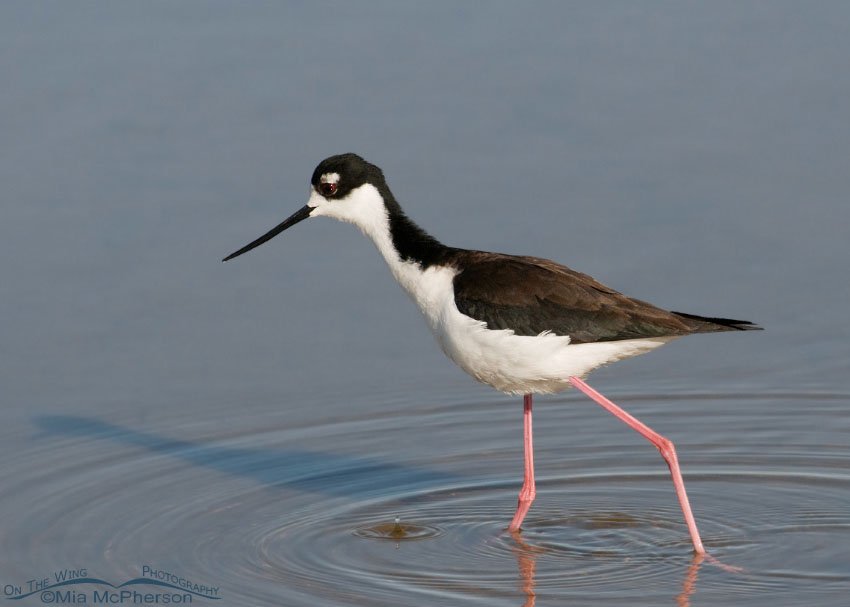
Black-necked Stilts have returned from their wintering grounds to Bear River Migratory Bird Refuge and other locations in Utah. Black-necked Stilts are black and white shorebirds with long pink to reddish legs, thin black bills and lovely red eyes.

Yellow-headed Blackbirds (Xanthocephalus xanthocephalus) can perch on cattails, reeds, rushes or mounds of vegetation and snatch Midges right out of the air.

Last week I wrote about Long-billed Curlews having a Territorial Encounter but earlier that same morning I had another wonderful photographic encounter thanks to a scruffy looking, rain soaked Coyote waking up at the top of a ridge.

Yesterday on Antelope Island State Park I witnessed and photographed a territorial encounter between two Long-billed Curlew (Numenius americanus) males that occurred while a female was nearby.

Yellow-headed Blackbirds have begun to show up in large numbers in my area of the country. I'm seeing them perched on cattails, phragmites and in flight.
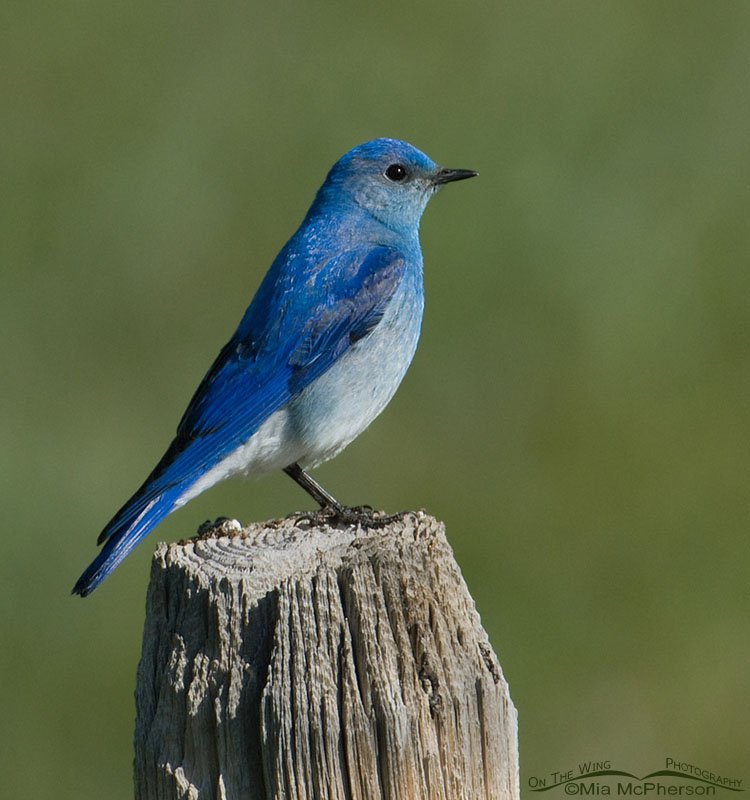
How blue can blue be? I think Mountain Bluebird (Sialia currucoide) males are a wonderful example of just how blue a bird can be.
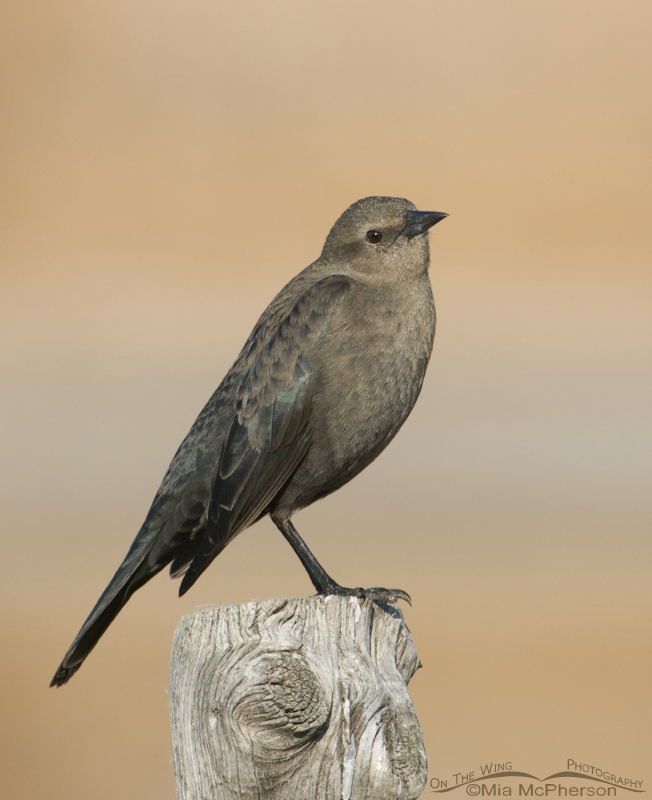
Brewer's Blackbirds may not be the most well known of the Blackbird family; I am fairly certain that the Red-winged Blackbirds have that claim to fame, but they are beautiful and interesting subjects to photograph.
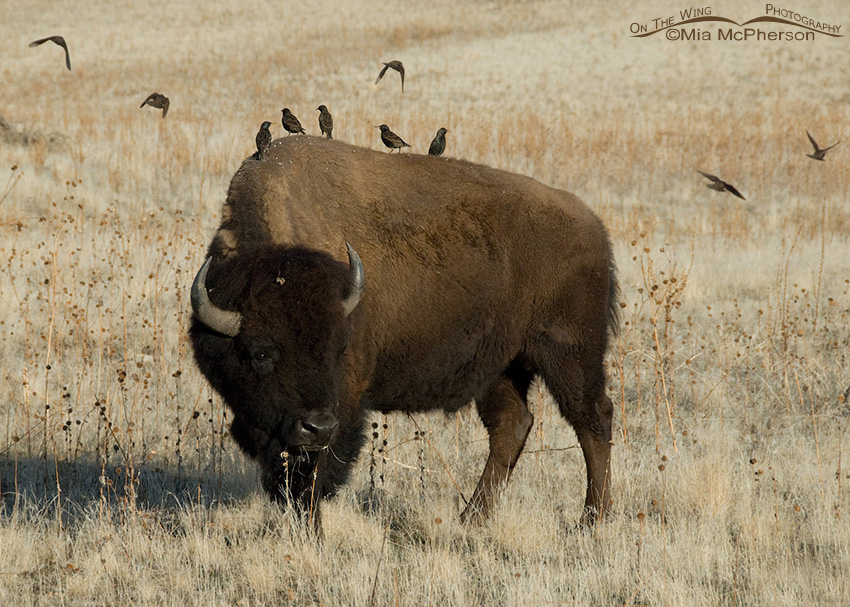
Certain species of birds ride on the backs of Bison and feed on the insects they find in the Bison's fur; European Starlings are among those birds.

Red-winged Blackbirds are birds that I associate with spring, the males begin calling perched on top of reeds, cattails, grasses and shrubs and flash their brightly colored coverts to attract a mate.
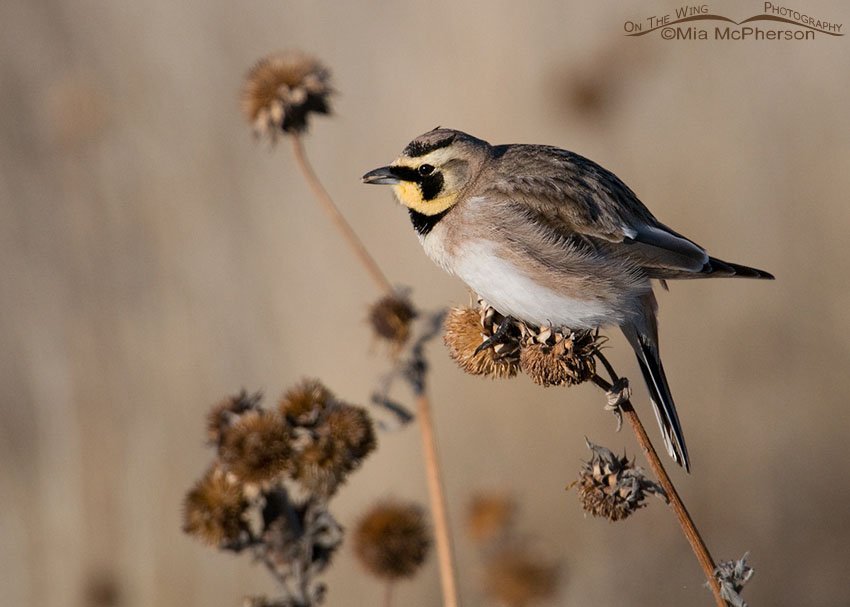
Yesterday I was delighted to be able to photograph this male Horned Lark perched high on dried sunflower seed heads as it ate.