Banking American Kestrel Female
The term "Banking" in my title doesn't mean this female American Kestrel is heading to the closest ATM or to a local branch of Wells Fargo because this little beauty doesn't care one cent about money!


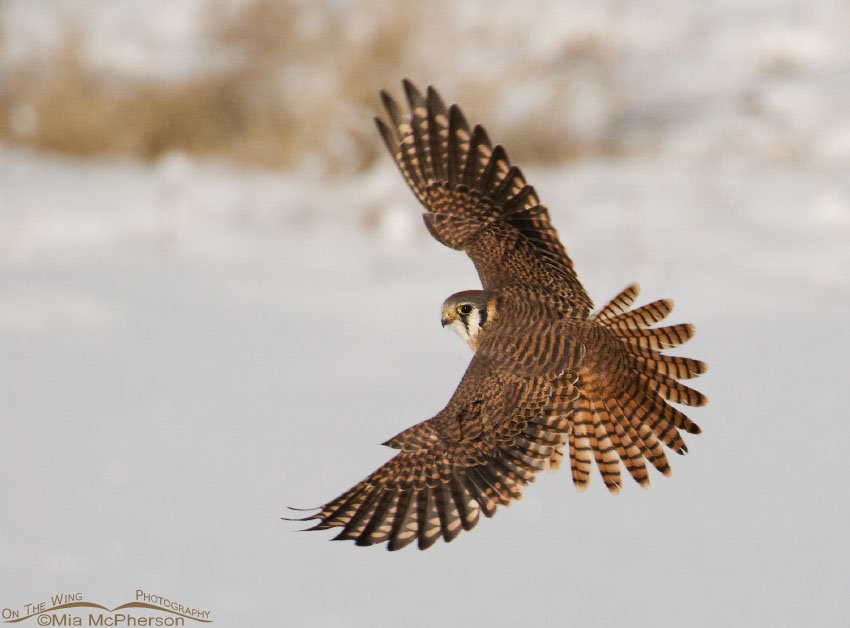
The term "Banking" in my title doesn't mean this female American Kestrel is heading to the closest ATM or to a local branch of Wells Fargo because this little beauty doesn't care one cent about money!

Yesterday morning's sunny weather felt lovely compared to Sunday which was gray, windy, rainy and snowy and maybe this male Red-winged Blackbird was feeling the difference in weather too.

American Kestrels are fascinating falcons, they are tiny, colorful and at times quite pugnacious.
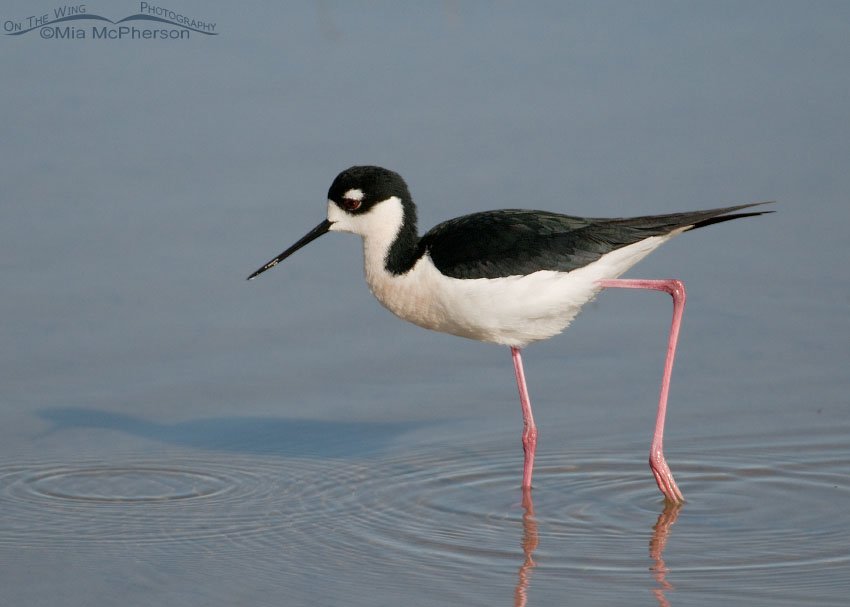
In yesterday's post I mentioned that I have seen my first of the year American Avocets and not long after they arrive Black-necked Stilts will also be making their appearance too.
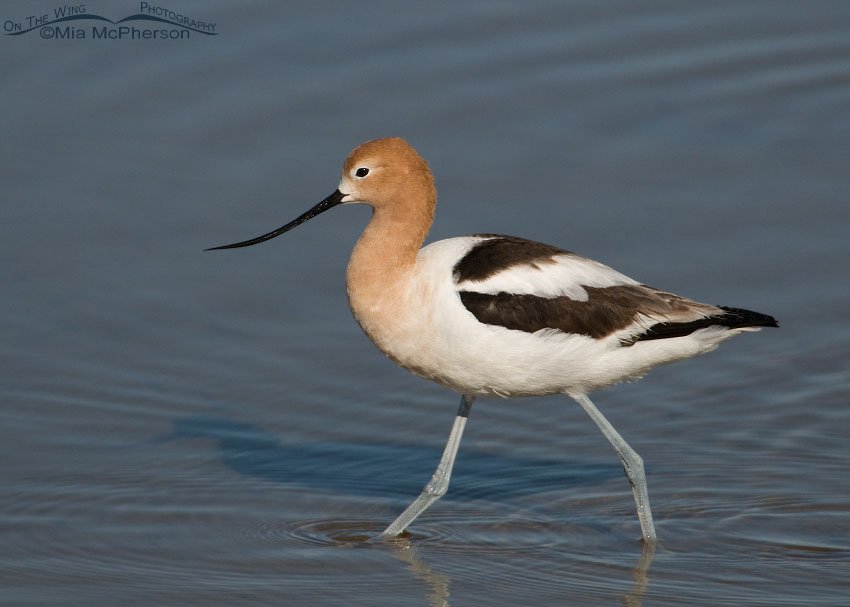
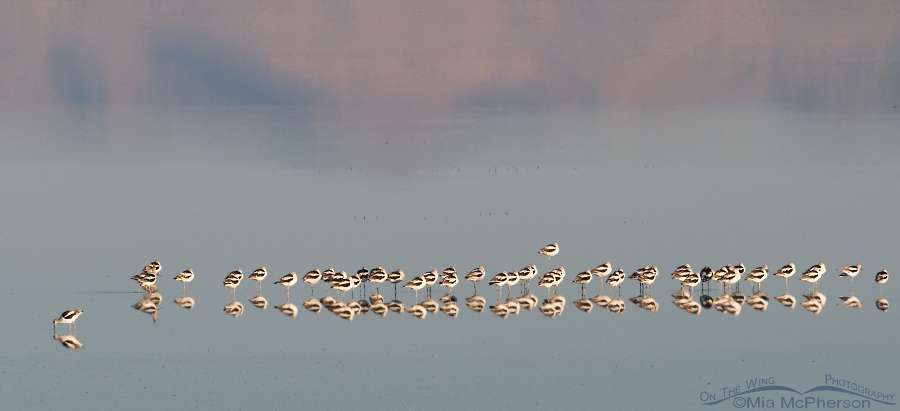
Three days ago I saw my first of the season American Avocets flying over the causeway to Antelope Island State Park and I let out a gleeful "whoop"!
It won't be long before the American White Pelicans are back at Bear River National Wildlife Refuge which is where I photographed the pelican in the image above last spring.
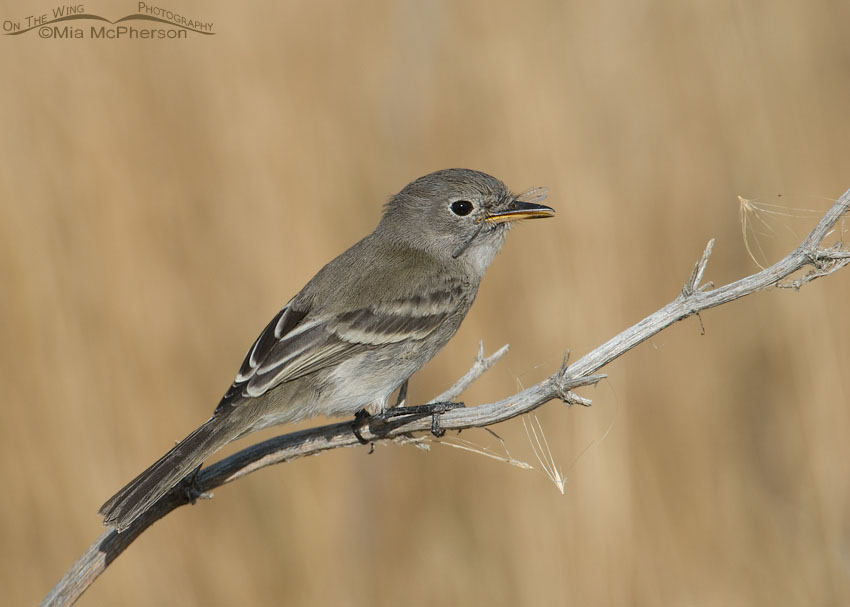
Gray Flycatchers are generally found in sagebrush and arid busy habitats so it was a real treat to see this one in the marshy habitat of the refuge.
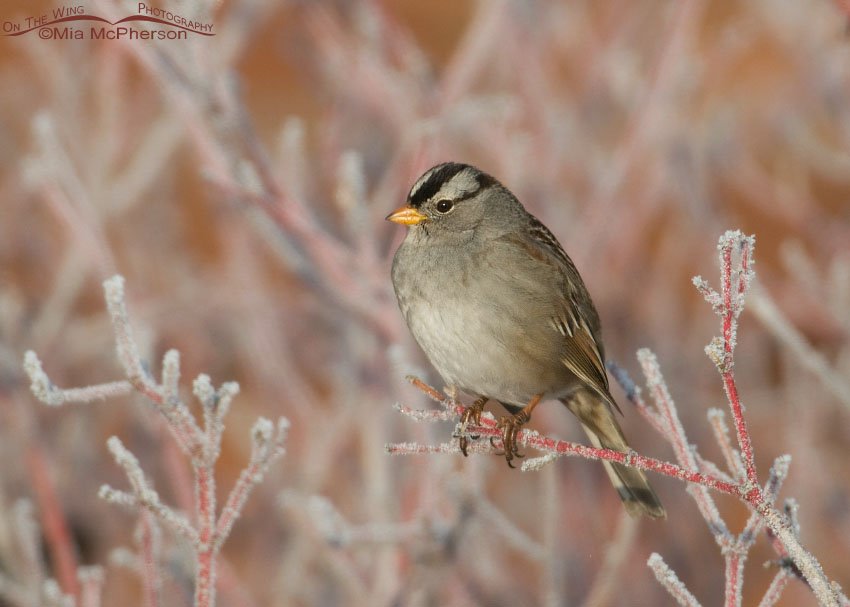
I like the setting contained in this image with a frost covered branches of a shrub with reddish bark that the White-crowned Sparrow perched on close to the entrance to Farmington Bay Waterfowl Management Area.
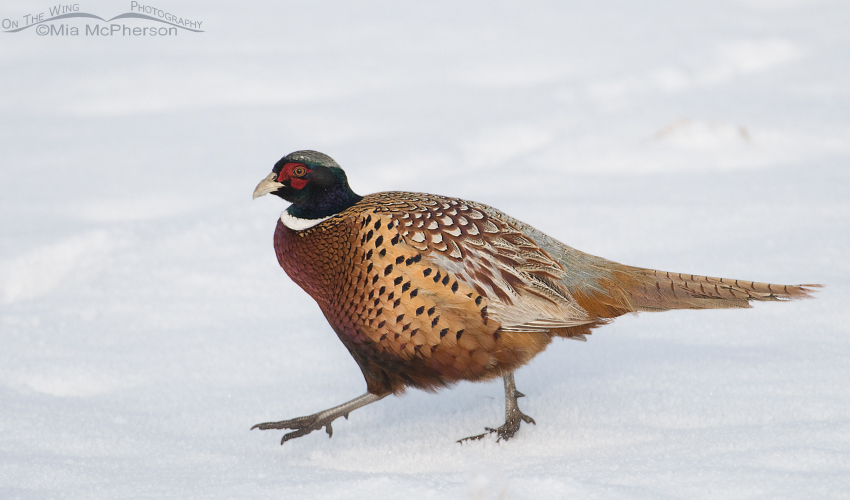
Male Ring-necked Pheasants add a vivid splash of color against a field of white at Farmington Bay Waterfowl Management Area, I photographed this male a few days ago as it foraged in the snow.

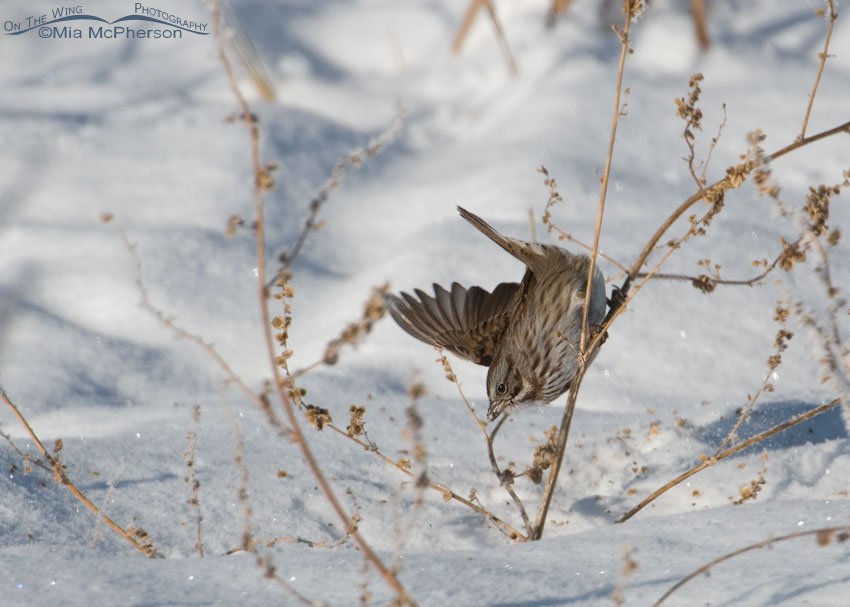
While photographing Barn Owls last January I caught a small movement out of the corner of my eye and noticed a Song Sparrow foraging for seeds on the snow covered ground.

Rough-legged Hawks are among my favorites of the raptors that over winter in the Salt Lake Valley of Utah because I only see them at this time of the year while they wait to head back to the subarctic and Arctic to breed.

Last week I did a post on the many nicknames used for Barn Owls and among them was "Ghost Owl" and for some reason when I first looked at this frame I thought the blurred wings did make it look "ghostly".
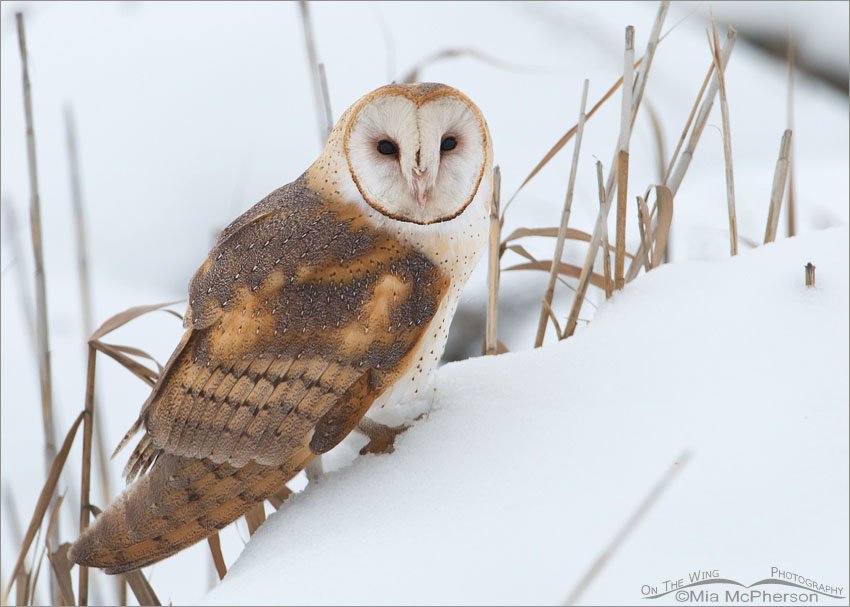
I spotted this beautiful American Barn Owl on a snow bank yesterday along the side of a dirt road at Farmington Bay Waterfowl Management Area in northern Utah.

I couldn't find Ten Lords a Leaping to photograph or in my archives but did locate one Gray Ghost a Leaping which tops the Lords for this bird photographer.

I prefer using the common name "Barn Owl" because that is most likely where I first saw one because I started my life out as a farmer's daughter and saw plenty of barns.

It might look like this Great Blue Heron is hacking up some type of fluid seen in between and to the left of its bill but that is actually a hunk of ice attached to the heron's breast feathers.

The American Kestrel had just finished devouring a small bird of some sort, I really couldn't tell what it was because there were only a few small feathers left by the time I spotted the tiny falcon and when we stopped to photographer her.

Common Goldeneyes are diving sea ducks that over winter in the Salt Lake Valley where I see and photograph them at Bear River National Wildlife Refuge, along the causeway to Antelope Island State Park and at Farmington Bay Waterfowl Management Area.
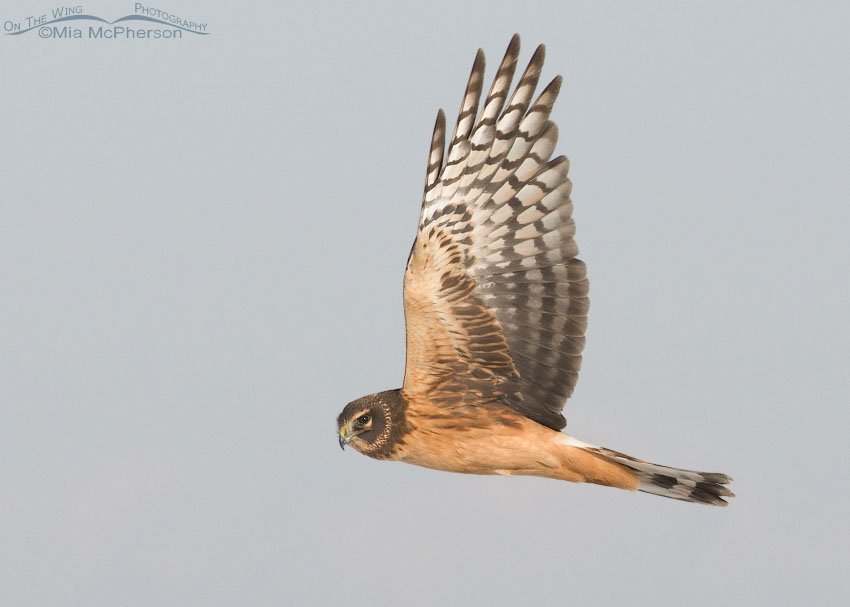
Eye color can be used to sex juvenile Northern Harriers, brown for juvenile females and yellowish for the males and this harrier is a definite brown-eyed beauty.
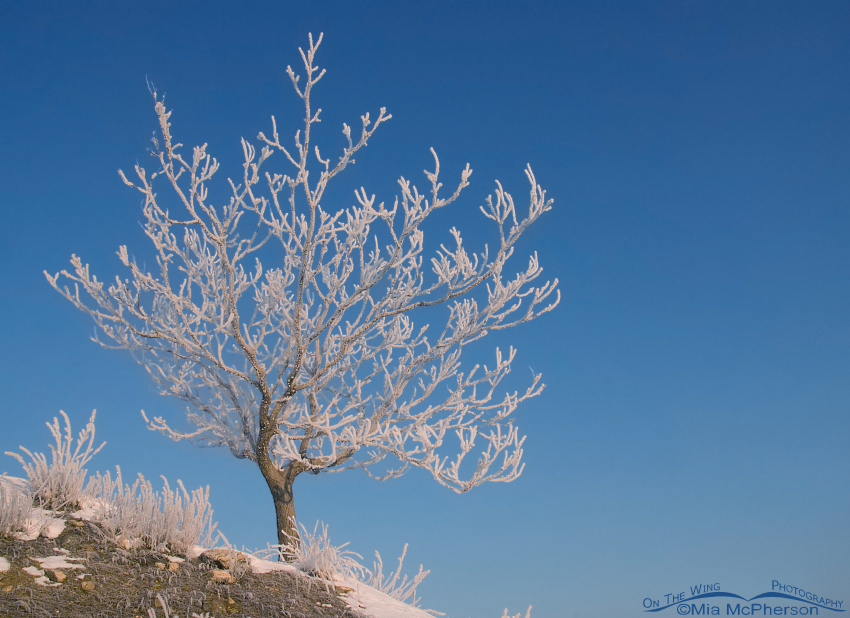
I have mentioned in recent posts that winter can be harsh in the Salt Lake Valley in posts with images I had taken at Farmington Bay Waterfowl Management Area so I wanted to share these two images taken there yesterday.
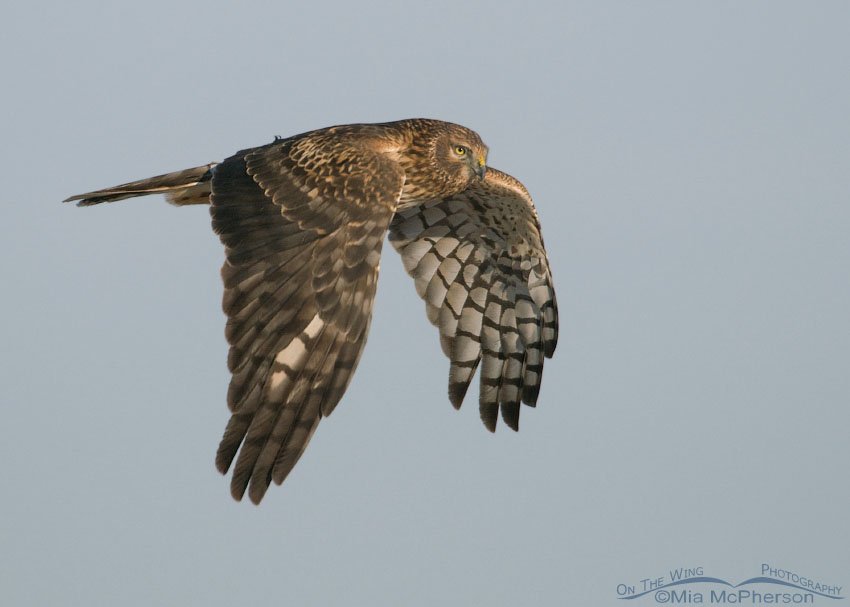
While I was photographing some ducks and grebes yesterday I spotted this female Northern Harrier in flight coming in from the south and when she flew over the water I was able to get a series of images of her against the sky.
Yesterday the lowest temperature I saw at Farmington Bay Waterfowl Management Area was -12F which reinforces the thought that "bird photography isn't for everyone" and that winters in Utah are hard on the birds.
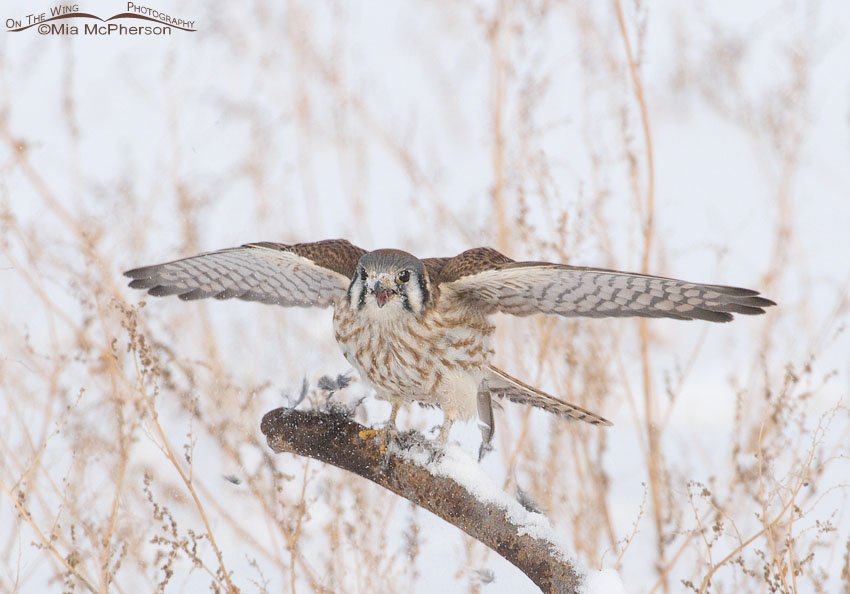
I normally see American Kestrels with voles as prey but seeing her with the American Pipit once again showed me why American Kestrels used to be called Sparrow Hawks which is why some people probably still use that name.
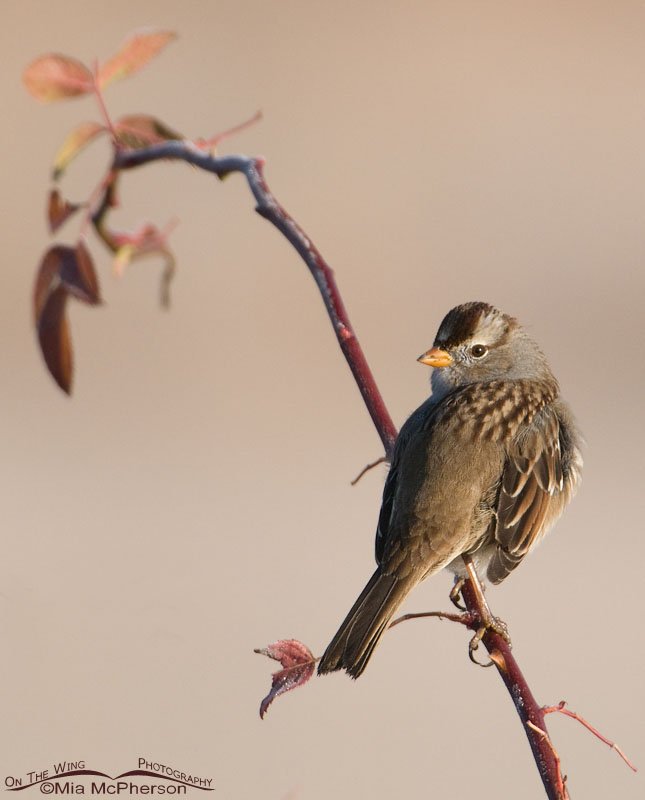
Simple things in nature delight me so being able to photograph this juvenile White-crowned Sparrow on a wild rose did just that, it delighted me.

Great Blue Herons are year round residents at Farmington Bay Waterfowl Management Area here in northern Utah which means they deal with bitter cold, snow covered ground and icy water.
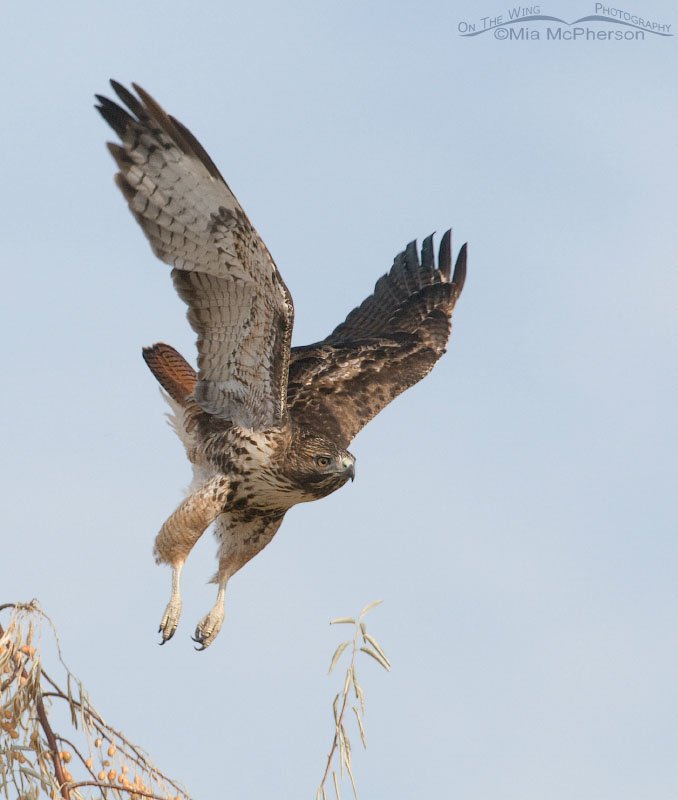
I was happy that I found this adult Red-tailed Hawk at Farmington Bay WMA and that it did lift off after a bit because as handsome as they can be perched they are even more beautiful On The Wing.
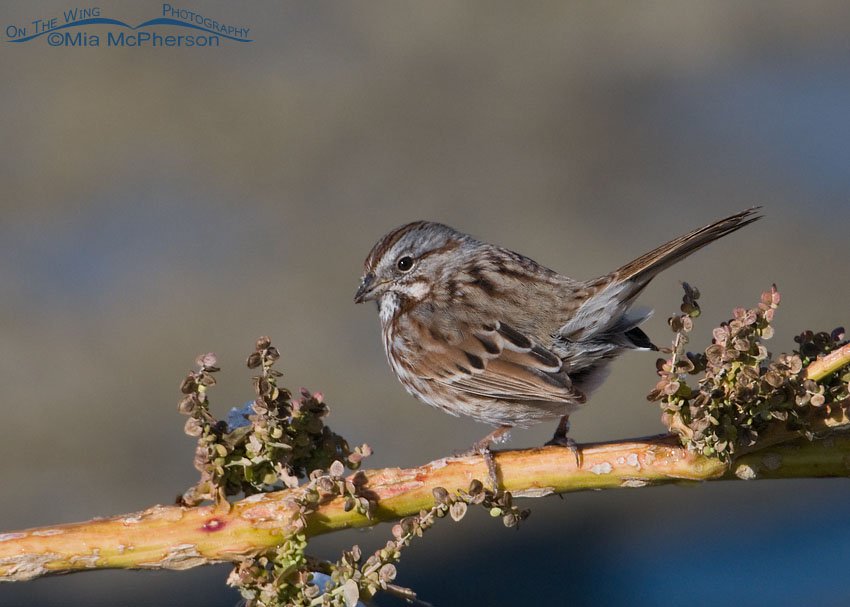
A few days ago while photographing some Greater Yellowlegs and Wilson's Snipes at Farmington Bay Waterfowl Management Area a couple of Song Sparrows also found their way into my viewfinder.
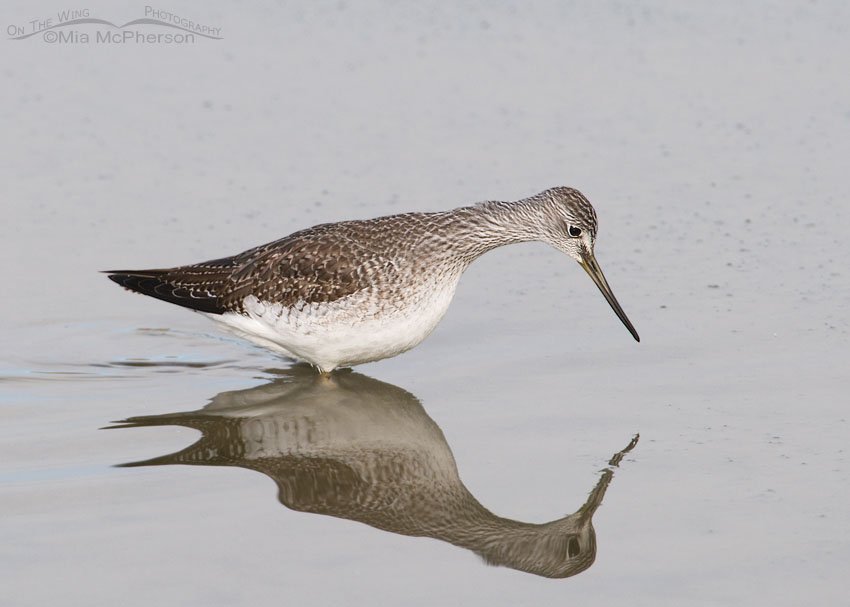
Yesterday I photographed two Greater Yellowlegs at Farmington Bay Waterfowl Management Area, there was snow on the ground and all around Farmington Bay the snow was falling heavily.

I woke up to a fine layer of snow on the ground this morning and silly as it may sound that gets me excited for the birds that over winter in the Salt Lake Valley such as this Rough-legged Hawk.

Cute Alert! Whenever I see Western Grebe chicks riding piggyback on their parents I can't help thinking that there is a definite cute factor going on right in front of me.