Winter Clashes With Spring – Seasonal Changes Make Bird Photography Interesting
Winter is clashing with spring right now in northern Utah and those seasonal changes can make bird photography interesting.



Winter is clashing with spring right now in northern Utah and those seasonal changes can make bird photography interesting.

The first of March always makes me think of and listen for Long-billed Curlews, our largest shorebird of North America.

Short-eared Owls are nomadic because they follow their main prey which is voles and if the vole population is low the Short-eared Owl density will also be low.
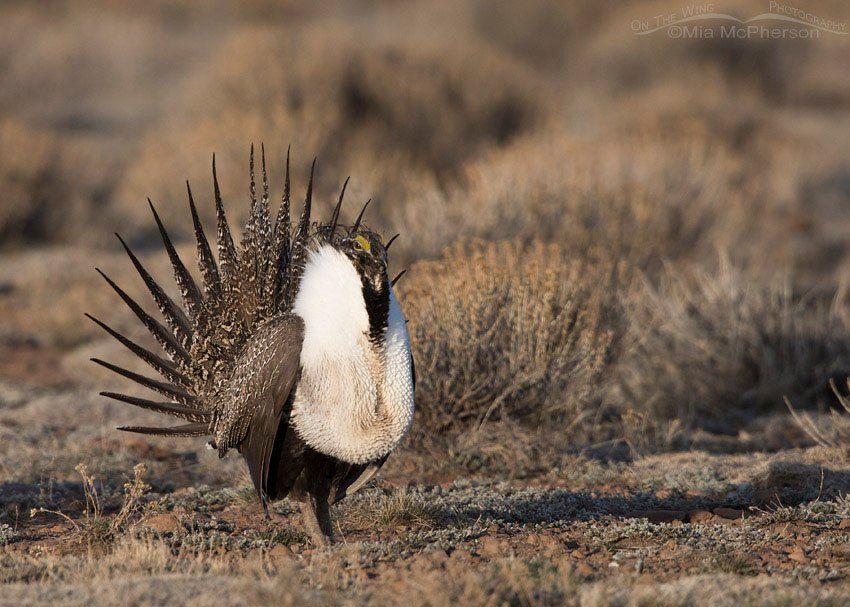
I'm dreaming of seeing Greater Sage-Grouse, Sandhill Cranes and White-tailed Prairie Dogs as spring warms up the sagebrush steppe.

This photo of a male Mountain Bluebird in Wayne County, Utah made me smile when I thought about the location where it was created because it is so wild and beautiful up there.

This morning my mind drifted back to June of 2009, to a bright, warm day on the Gulf coast of Florida and a strolling Yellow-crowned Night Heron that I photographed as waves churned up behind it.
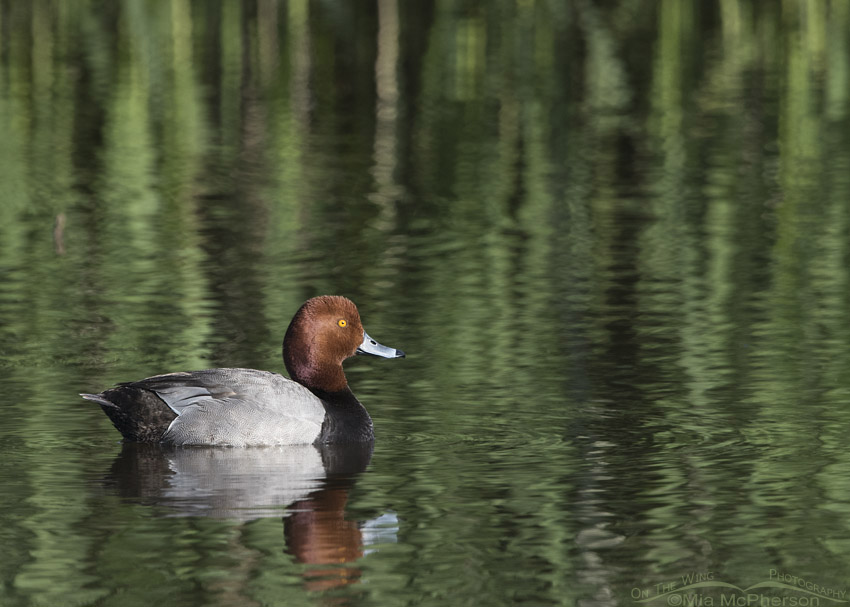
This Redhead drake photographed at the refuge in his breeding plumage sure stood out well from the water that was reflecting the spring growth of rushes and phragmites.

On a hazy, windy day in May of 2008 I was able to sand crawl on my belly close enough to some Black Skimmers to watch and photograph them courting.

I photographed this juvenile Roseate Spoonbill in May of 2008 from inside a lagoon at Fort De Soto's north while the immature spoonbill and a few adults preened and rested on the shoreline.

I was especially pleased when I found this Bananaquit perched on a colorful Bougainvillea in decent light for a few frames.
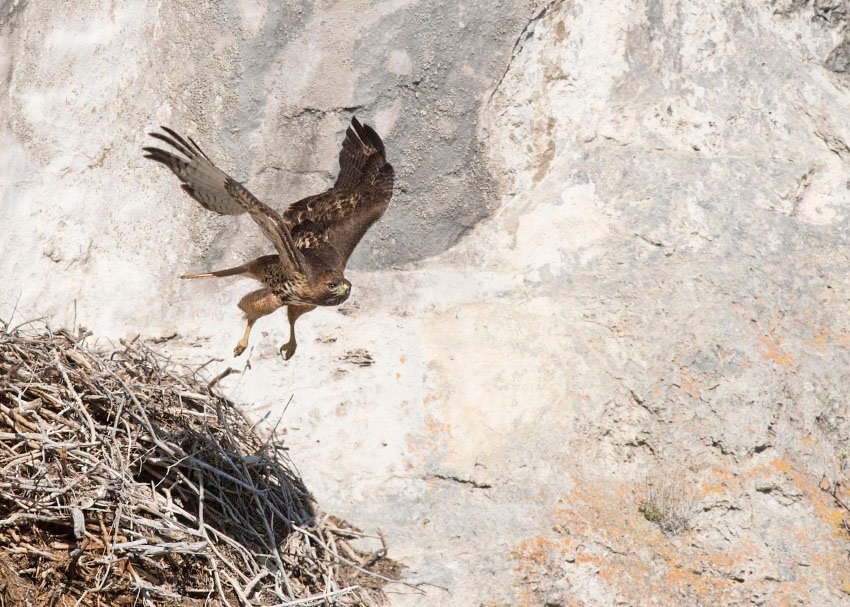
When I photographed this Red-tailed Hawk lifting off from the nest it was in mid-April and I don't believe they had laid their eggs yet.

I haven't been seeing the Short-eared Owls lately and that is most likely because their young are now on their own and they don't need to hunt as much because now they only need to feed themselves.

In this photograph the trio of Red Fox kits were close together outside of the den and I liked how they appeared to be waiting for something.
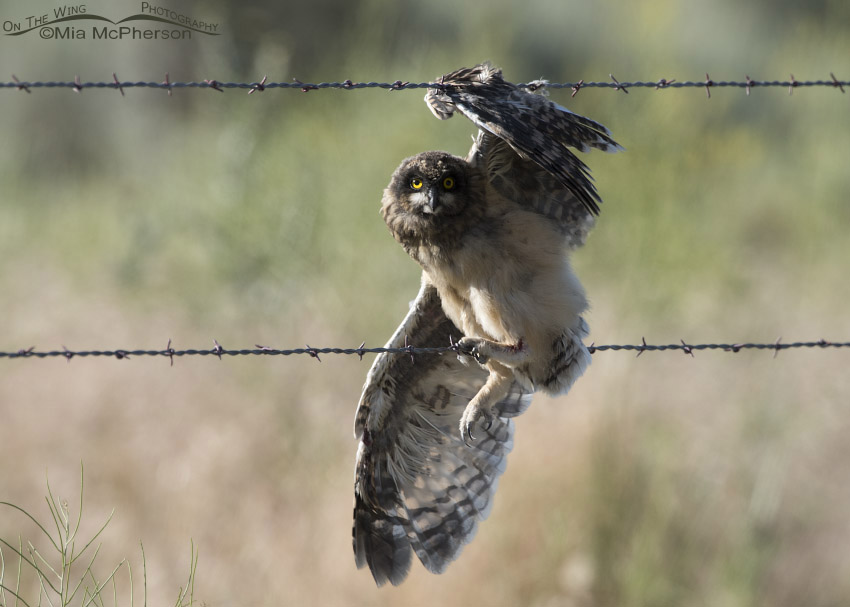
Right after seeing the adult I also saw a fledgling Short-eared Eared Owl about 8 to 10 feet from the adult hung up on barbed wire.

The Targhee National Forest is a wonderful place to find and photograph birds and wildlife including this Red-tailed Hawk juvenile in flight.

I spent the morning at Bear River Migratory Bird Refuge yesterday and one of the birds I photographed the most was this resting Double-crested Cormorant.

This Short-eared Owl fledgling spent a lot of time looking at the vehicle on the far side of the road parallaxing with its head tilted or bobbing up and down.

I was photographing this adult hoping to get it on lift off and in flight but looked away from my viewfinder to check my exposure exactly at the time it did lift off so I missed the shots.
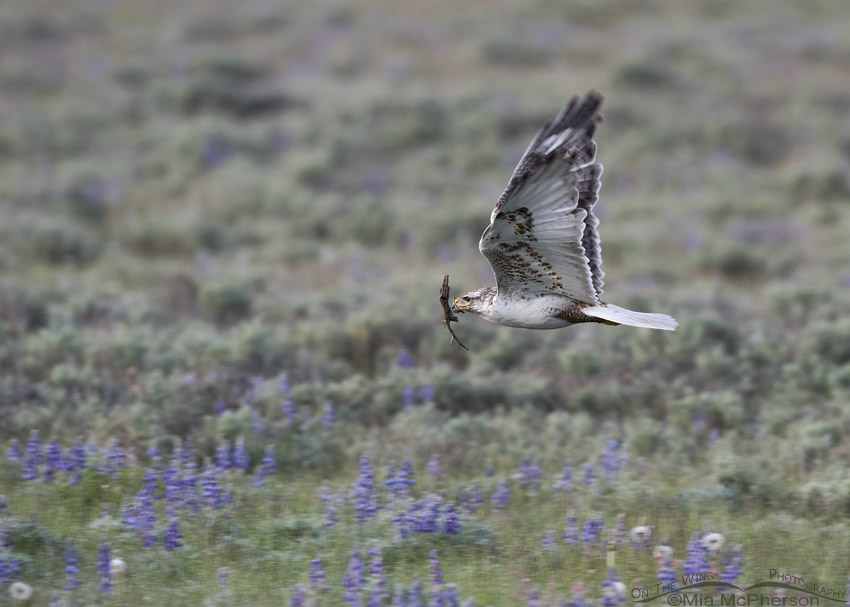
I was able to create several images of this Ferruginous Hawk in flight with nesting materials over a field of sage and lupines despite the low light.
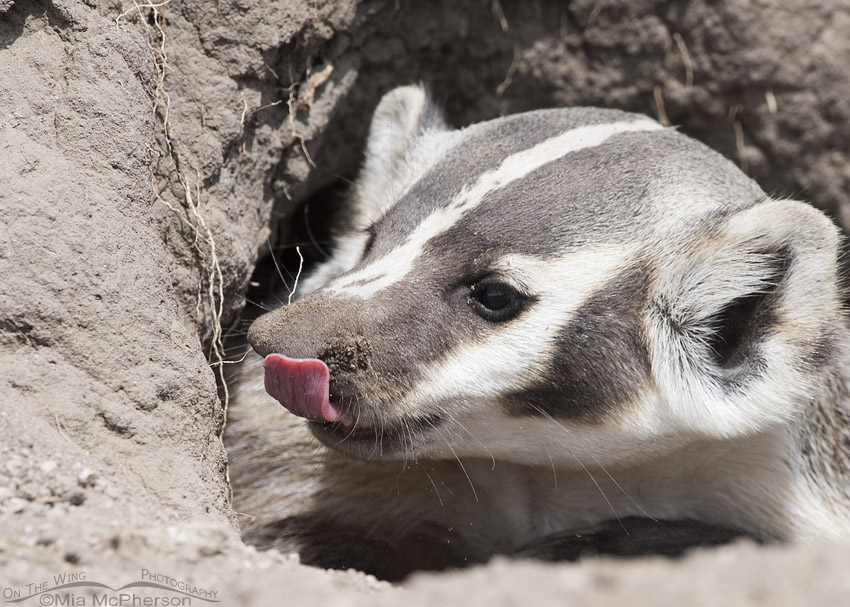
I'm pretty sure the American Badger at her den has cubs, they can have anywhere from one to five!

The male Short-eared Owl in Clark County, Idaho was a beauty even in the poor light.

I liked this image of a Tree Swallow near Modoc Creek because of the eye contact, head turn, colors and the pattern of the conifer needles in the background.

I photographed this little Chipping Sparrow yesterday evening at the Upper Lake campground at Red Rock Lakes National Wildlife Refuge.

I really liked this frame of the female Short-eared Owl stretching on a leaning fence post because of the eye contact, the view of her talons, fanned out tail and extended wing.

How could I resist taking images of a fledgling Short-eared Owl in tumbleweeds? I just couldn't.

I know that blurs aren't everyone's cup of tea but I have grown quite fond of this beautiful, shaking, Short-eared Owl blur.
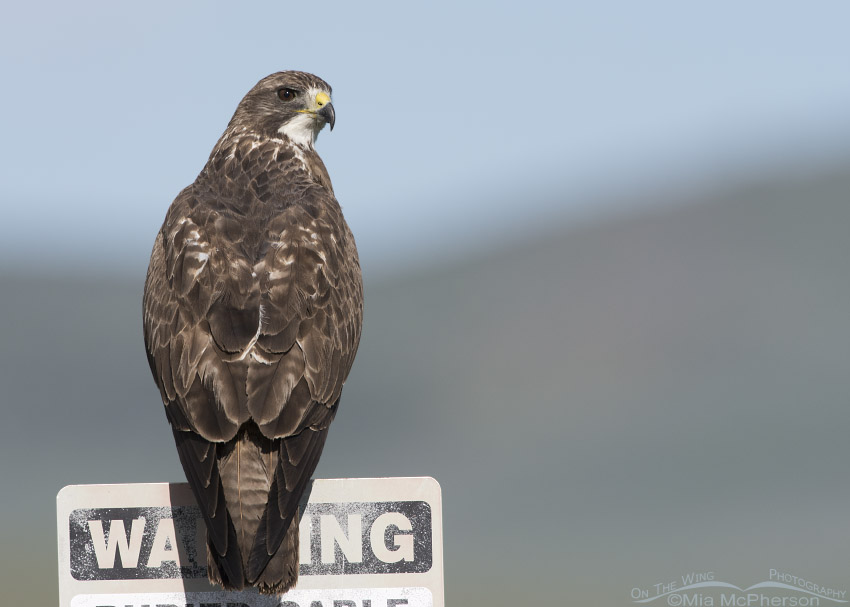
One thing I know for certain is that when the weather clears I know I am going to head back up there. And I will probably think about the title of this post... Warning - Swainson's Hawks Ahead.

It felt amazing to be alone with these northern Utah Short-eared Owl chicks for a few brief moments yesterday.

I photographed this rainy day Red-tailed Hawk in Clark County, Idaho last year as it perched on an old pole with glass insulators on it

This portrait of a Great Horned Owl chick in a hay barn might not have been taken in the most aesthetically pleasing location but I don't think the owlet gives a hoot about the rusty iron beams and corrugated metal walls.