Pair of Great Horned Owls in Montana
This mated pair of Great Horned Owls were resting in the opening of an old granary in Glacier County, Montana when I photographed them in June of 2009.



This mated pair of Great Horned Owls were resting in the opening of an old granary in Glacier County, Montana when I photographed them in June of 2009.

This Western Tanager was photographed last summer at Red Rock Lakes National Wildlife Refuge in the Centennial Valley of Beaverhead County, Montana.
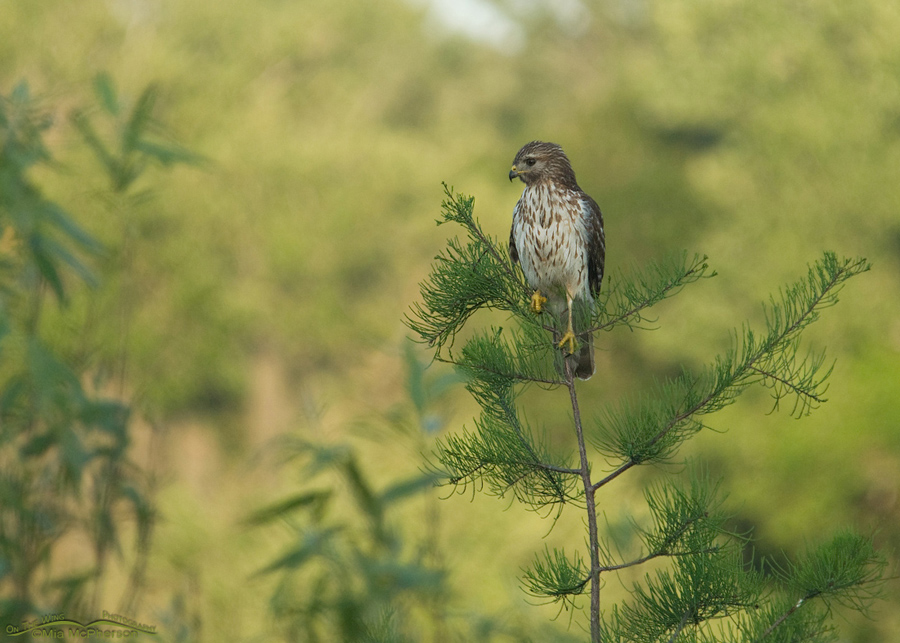
Five days ago I posted a Bald Eagle image where the eagle was small in the frame and explained that I felt that the setting was as important as the subject, I also feel that way about this image of a Red-shouldered Hawk juvenile perched in a tree.

One very foggy May morning I came across a small flock of Roseate Spoonbills in a tidal lagoon at Fort De Soto's north beach and photograph them for about 15 minutes before they flew off to find food.

Evening can have marvelous light too though as shown in the Roseate Spoonbill image above that I photographed in Florida as it hunted for prey in a tidal lagoon.

Sanderlings look very different in appearance during breeding season and winter and novice birders might even think they are two different species.

Just a simple post today to show the differences in the breeding and nonbreeding plumage of Royal Terns.

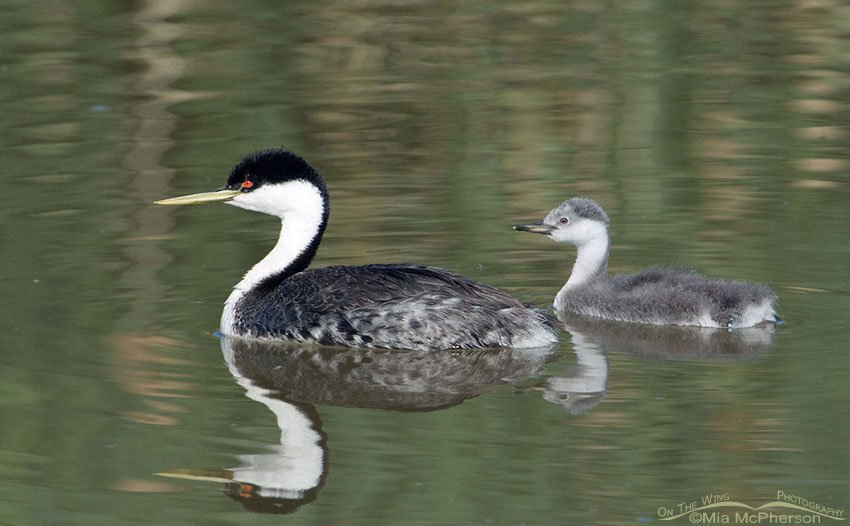
I photographed these rushing Western Grebes in early June of this year at Bear River National Wildlife Refuge in Box Elder County.

I photographed this female Blackpoll Warbler by the parking lot at Fort De Soto's north beach in 2009 during migration.

This image Sandwich Tern was taken at Fort De Soto County Park's north beach several years ago, it was a breezy, very warm day and there were schools of baitfish running just offshore in the Gulf of Mexico.

Just a very simple image today of a Reddish Egret (Egretta rufescens) flying over some sand dunes.

Just a simple image of a male Black-necked Stilt taken earlier this year at Bear River National Wildlife Refuge. Very graceful birds.
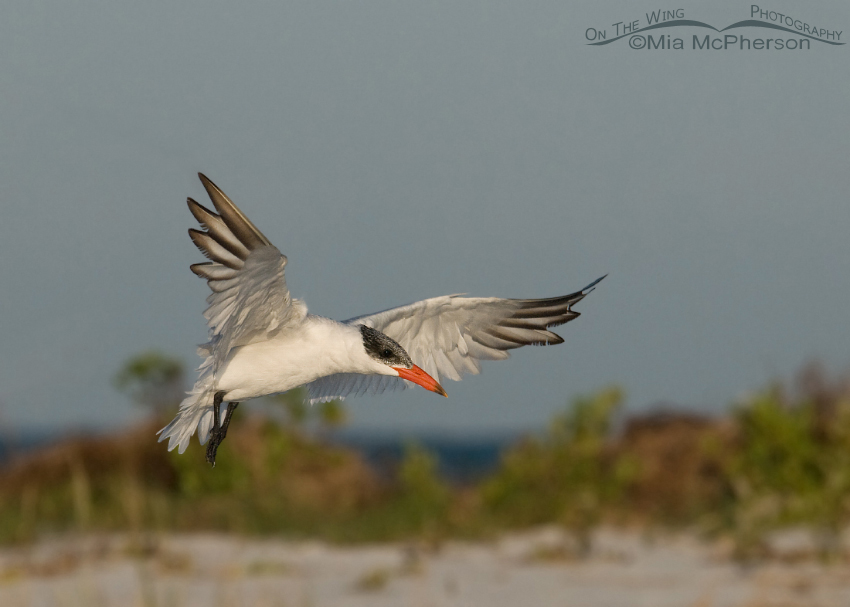
Caspian Terns (Hydroprogne caspia) are North America's largest tern with a wingspan of 50 inches and weighing in at 1.4 pounds.

The scientific name of Eastern Kingbirds is Tyrannus tyrannus, Tyrannus means "tyrant" and they are well named because they will harass any bird that comes near their nests including crows, ravens and much larger birds like hawks.

Least Sandpipers (Calidris minutilla) are the world's smallest shorebird, weighing in at a mere 0.7 ounces (20 g), a length of 6 inches and a wingspan of 13 inches.
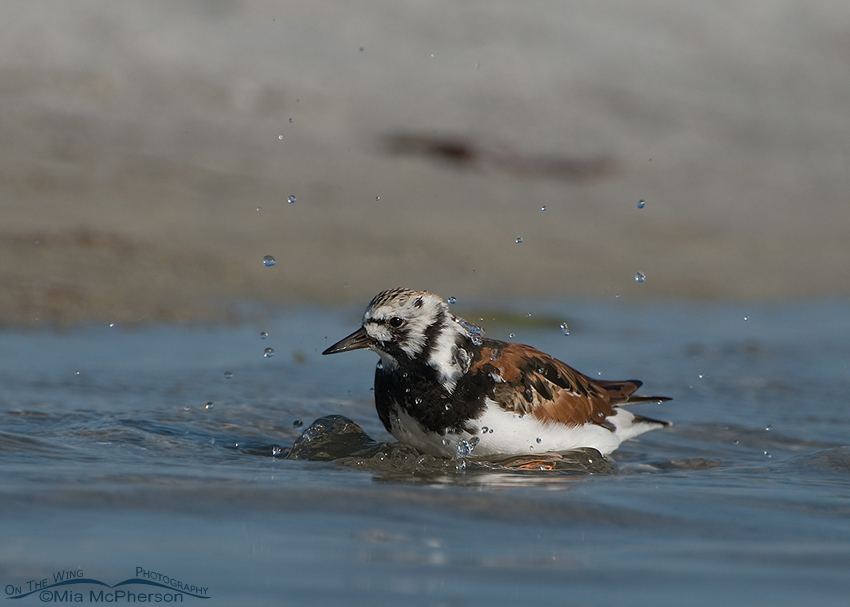
This Ruddy Turnstone (Arenaria interpres) image was created several years ago at Fort De Soto County Park's north beach in central Florida.
Here in Utah I am constantly watching the sky for billowing clouds of the smoke of a new fire. We need rain, we need a good soaking.
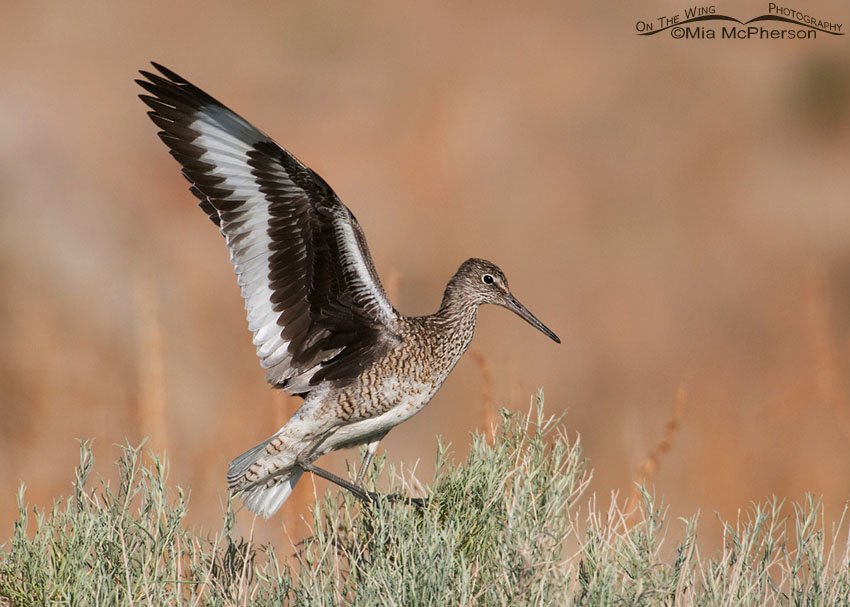
I've heard people call Willets "Plain Brown Birds". I reckon they may have never seen one looking like this Willet.
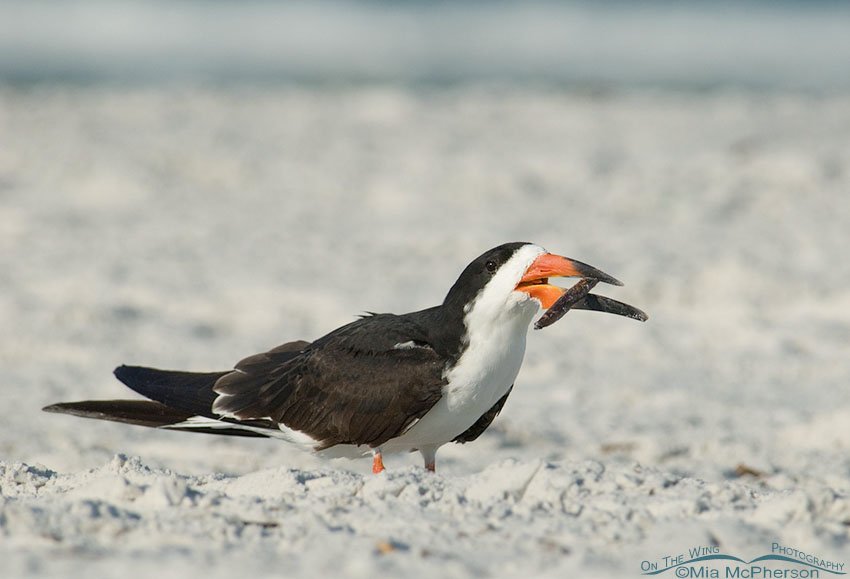
The Black Skimmer had a Mangrove seed pod in its bill and it was twirling the seed pod with its bill, at times the seed pod even went over the top of the bill but unfortunately I didn't get any images of that.
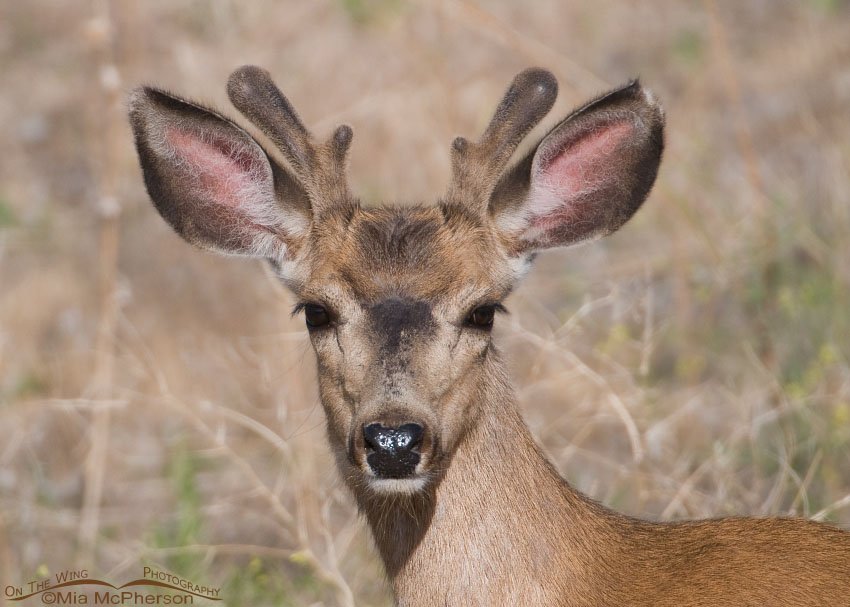
While out on Antelope Island State Park the other day I spotted a Mule Deer (Odocoileus hemionus) that was almost hidden by tall grasses and stopped to get some images.

Bear River Migratory Bird Refuge is an excellent location for finding and photographing American White Pelicans who have wing spans of over nine feet.

I believe these to be Mallards but if I am wrong I don't mind being corrected, I do have trouble with female duck ID at times and I appreciate all the help I can get with them.

There are times when I go out to photograph a specific species but come home with images of birds I didn't expect to see.

I had some luck with a cooperative Lark Sparrow this past Sunday where the handsome bird stuck around for quite a bit on several different perches.

Sometimes a picture says more than words so I'll just say Flaming Gorge is awesome at sunrise with storm clouds moving in.

Cheatgrass is invasive but I sure think it can be pretty especially with a lovely bird amongst it like this male Long-billed Curlew that I photographed on Antelope Island State Park recently.

It was the first time I have been able to photograph a California Gull with nesting material so I was quite pleased.

Last week I photographed a Killdeer bathing at Farmington Bay Waterfowl Management Area in Davis County, Utah.
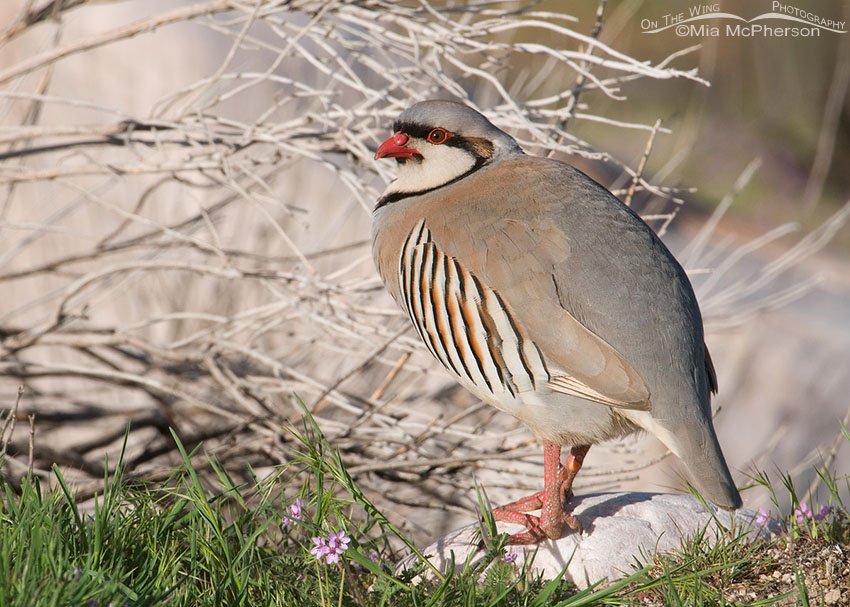
I liked that this spring time Chukar perched on a rock where a few of the Redstem Filaree were visible.
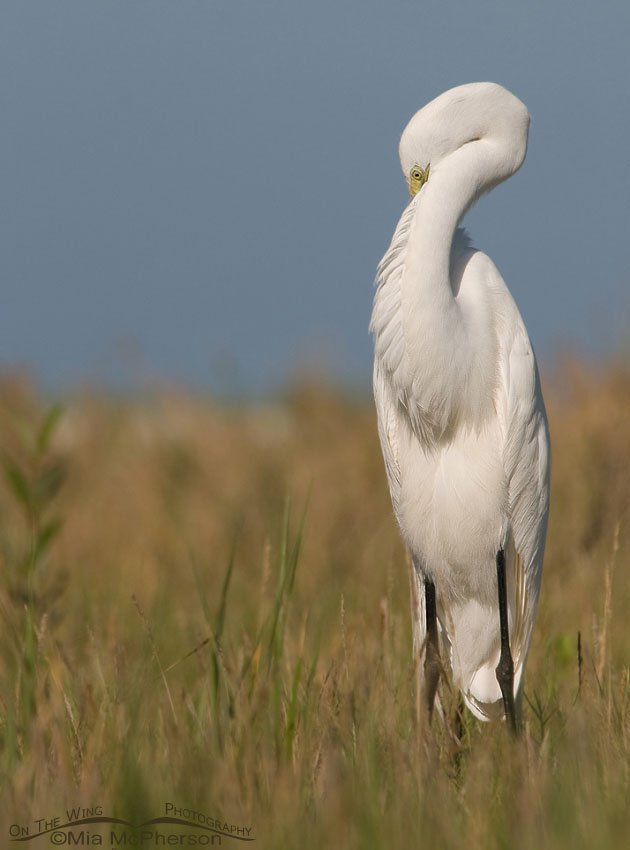
Just a simple Great Egret (Ardea alba) image that always seems to tickle my funny bone when I view it because of the pose.