Calling Juvenile Black-necked Stilt
Farmington Bay Waterfowl Management area is a great place to see Black-necked Stilts during the breeding season and to see their young later on.



Farmington Bay Waterfowl Management area is a great place to see Black-necked Stilts during the breeding season and to see their young later on.

Snowy Egret at dawn next to the Gulf of Mexico in Pinellas County, Florida

American Oystercatchers are specialized in that their diet consists of bivalves and they do use that flashy orange bill to pry some of them open.

Six years ago this morning I was photographing birds at Fort De Soto County Park and I wanted to share a few images and memories of that day.

Ring-billed Gulls are fairly common but as with any common bird I believe that they can be uncommonly beautiful.

I worked up two older Brown Pelican images to share this morning taken at Fort De Soto in 2009 and 2008.
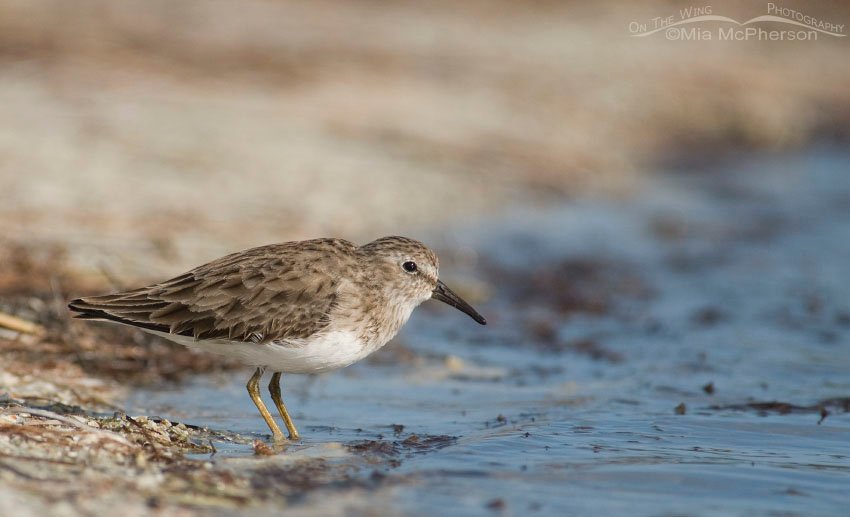
I came across this diminutive Least Sandpiper while photographing Greater Yellowlegs at a tidal lagoon at Fort De Soto's north beach in the fall of 2008.

I wanted to post a shorebird today that I haven't posted in a while so I picked this image where the late afternoon Dunlin gets the worm
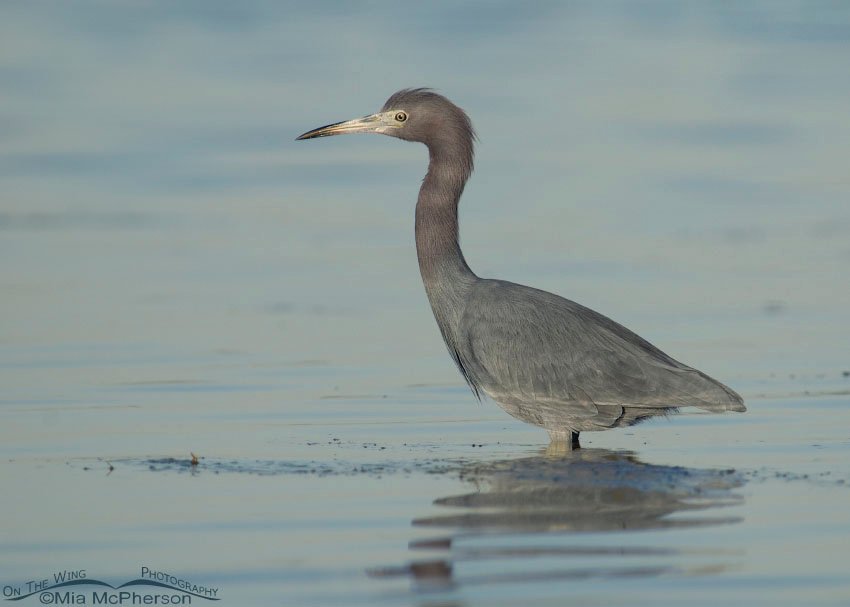
I missed the Little Blue Heron in Utah but I have fond memories of the day I photographed this one as the sun began to set over the Gulf of Mexico.

I enjoy watching Snowy Egrets foraging for prey and I had the opportunity to do that up close last week at Glover Pond with this egret.
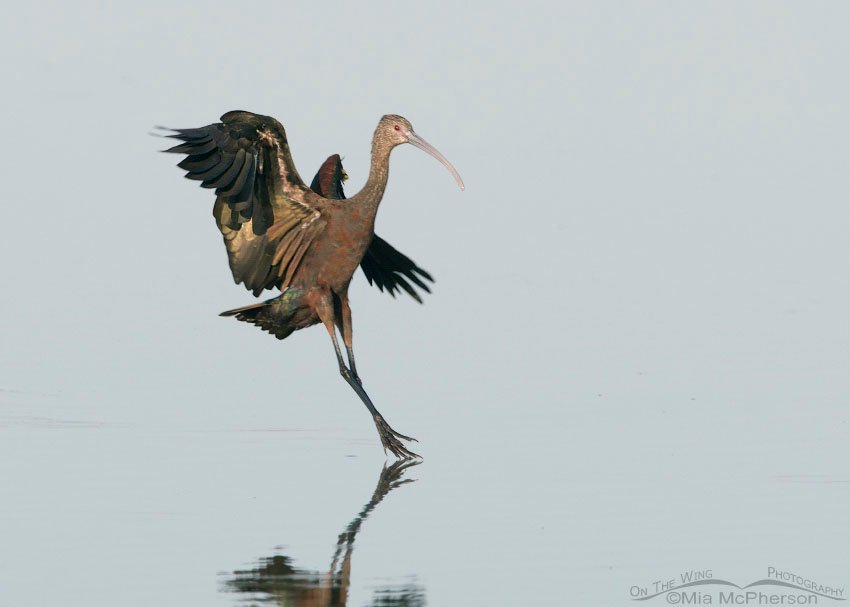
There were quite a few White-faced Ibis on Glover Pond near the Great Salt Lake Nature Center and I focused on them for a bit.

Yesterday I focused on a few wading birds I saw at Glover Pond near the Great Salt Lake Nature Center and that include Great Blue Herons and White-faced Ibis.

On my recent trip to Idaho and Montana I was delighted to photograph a foraging Solitary Sandpiper in a farm pond in Beaverhead County, MT.

Moving; even just a little bit, can change the background of an image even when the subject is stationary.

This photo of a Semipalmated Plover on the shore of the Gulf was purposely photographed so that the plover would be small in the frame
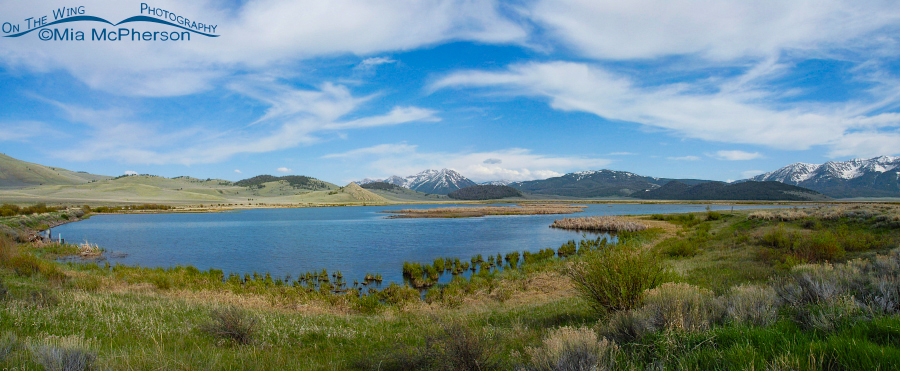
The amazing birds and animals keep me going back to Red Rock Lakes National Wildlife Refuge but the scenery and wildness of the area does too.
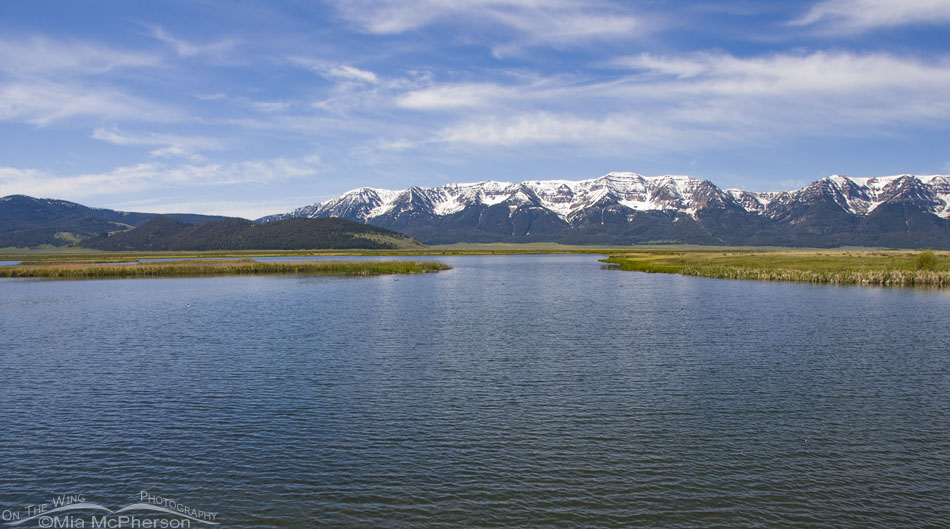
It is raining here in the valley this morning and snow is falling in the high country in the middle of June so I am sitting here dreaming of Red Rock Lakes National Wildlife Refuge.

The Reddish Egret is one of my favorite wading birds. Standing still they are a delight to the eyes and while hunting they can perform amazing turns, twists, gallops and appear to be dancing.

Normally I prefer to have my subjects larger in the frame than this image of a Willet tiptoeing on the surface of the Great Salt Lake as it landed.

As a bird photographer I feel it is very important to me that my images show my subjects and the settings they are in as accurately as possible.
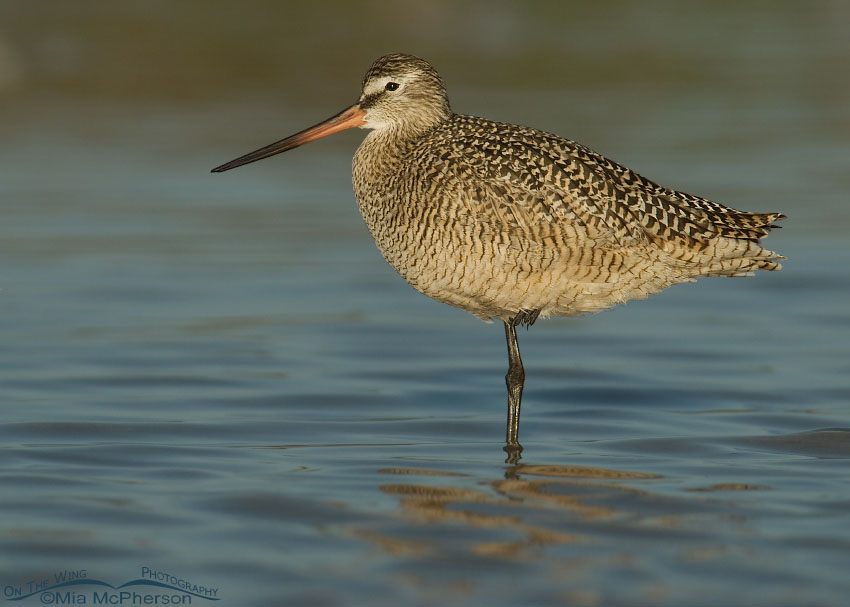
Photographing birds; wherever I am, allows me to feel a deep and sometimes profound connection to nature. I wouldn't have it any other way.

Dunlins are small shorebirds that are found in North America which exhibit remarkable differences between their breeding and nonbreeding plumages.

When I lived in Tampa, Florida the Whites Ibises were often called "Lawn Chickens" because they would feed in people's yards in big flocks.

I've mentioned in another post that "Some Days are Magic" and I felt that magic the morning I created this image of a Red-breasted Merganser.

Yesterday was a bit like a wonderful open air concert on Antelope Island with the calls of Curlews, Willets, Chukars, Red-winged Blackbirds and Western Meadowlarks floating through the air.
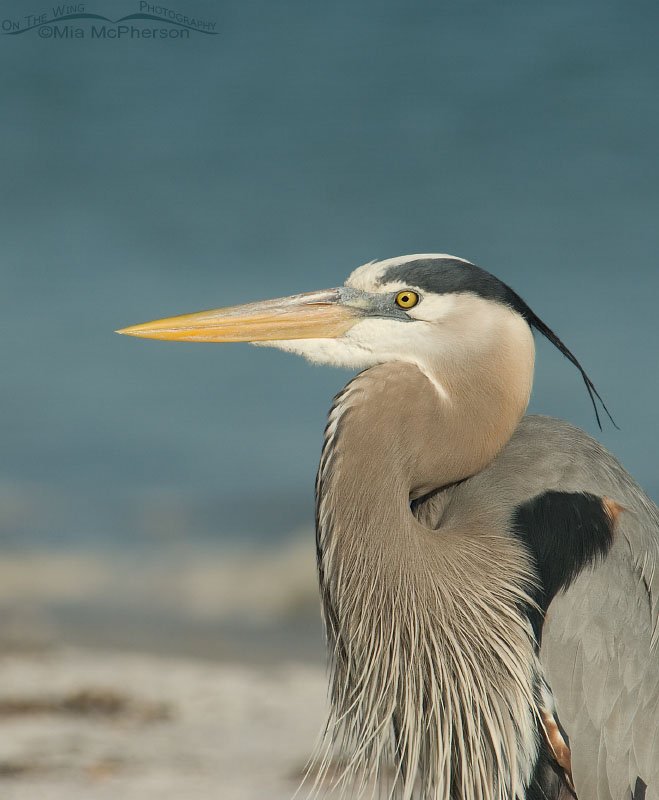
Great Blue Herons are wading birds that I photographed quite often at Fort De Soto County Park's north beach while I lived in Florida.

Clark's Grebes and their young are fascinating subjects to watch and photograph.
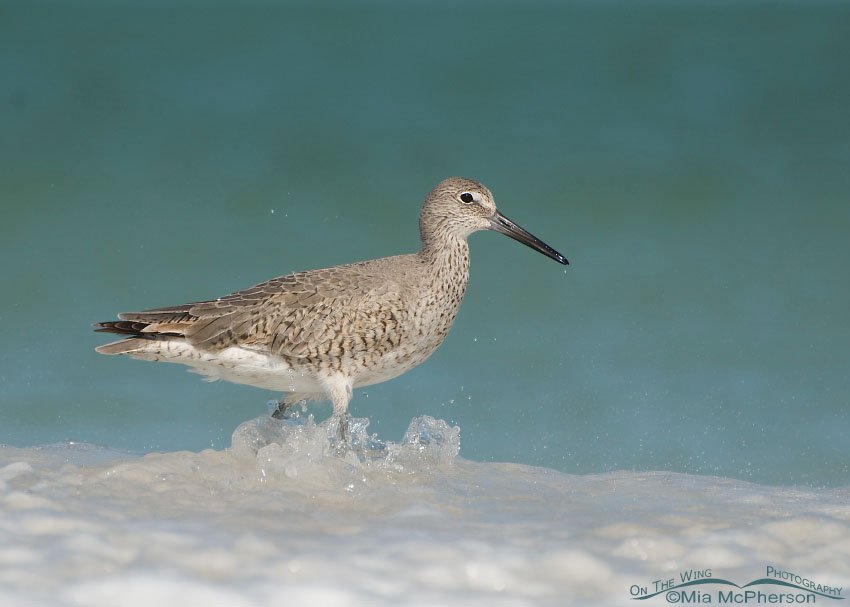
Yesterday for the first time this season I saw and heard Willets on Antelope Island State Park.
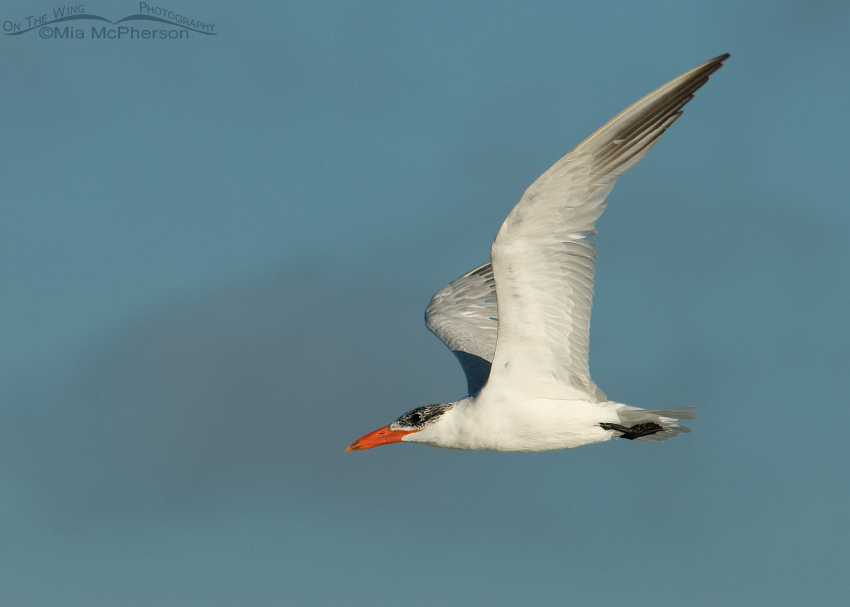
Soon Caspian Terns will be back in Utah flying over rivers, ponds, lakes, and other freshwater impoundments searching for prey.

I saw my first of the year Long-billed Curlews two days ago on Antelope Island State Park flying overhead. They weren't close enough to photograph but I know that soon I will have them in my viewfinder again.