Pied-billed Grebe with Prey at Farmington Bay – West Davis Corridor Impacts
In just a little over two weeks birders, hunters and bird photographers should have access to more of Farmington Bay WMA than we have had since March. Or will we?


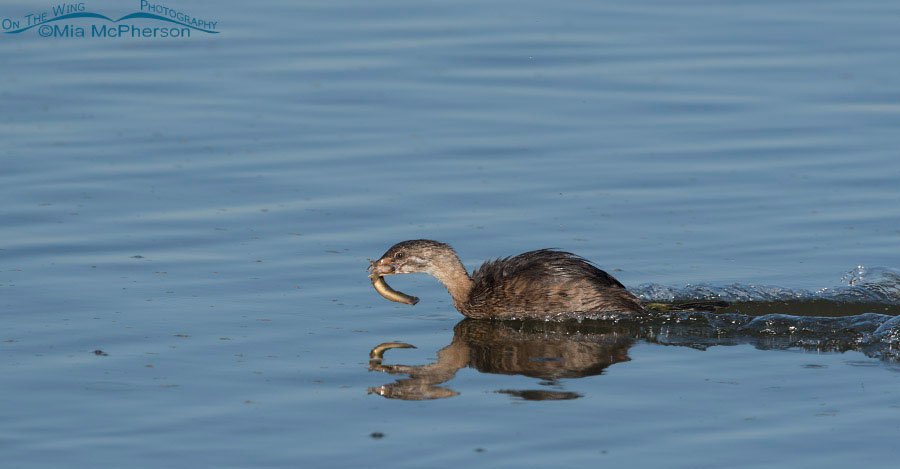
In just a little over two weeks birders, hunters and bird photographers should have access to more of Farmington Bay WMA than we have had since March. Or will we?
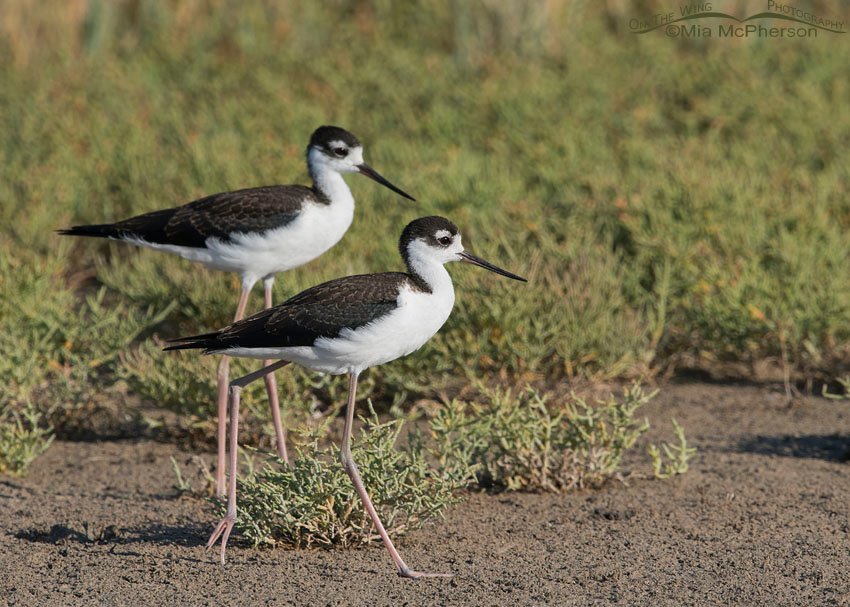
Thousands upon thousands of Black-necked Stilts make the marshes at Bear River Migratory Bird Refuge in northern Utah their home during their breeding season.

Some Tundra Swans migrate from the arctic tundra using the Great Basin hub of the Pacific flyway and huge flocks of them spend the winter here.

Bear River Migratory Bird Refuge was calling me yesterday morning and I answered that call and photographed several White-faced Ibis from the auto tour route.

This Great Blue Heron wandered past me one December morning at Fort De Soto County Park's north beach on a gray, windy day and because it was close I simply had to take a photo of the large wading bird.

I knew when I photographed this Snowy Egret in a shallow lagoon at Fort De Soto County Park that the dark reflections of the mangroves and mangrove roots on the water would produce a high contrast image.

Yesterday morning I drove up to Bear River Migratory Bird Refuge to see what birds I could find to photograph and I am glad I did because I had a wonderful juvenile Black-crowned Night Heron close up experience.

This photo of a preening Great Blue Heron on an old stump in the water of the Gulf of Mexico is far from perfect but I still like it for the behavior that it shows.

I haven't seen many chicks yet this spring but yesterday I saw a Mallard hen with her ducklings swimming behind her on a local pond and I had to aim my lens at them.
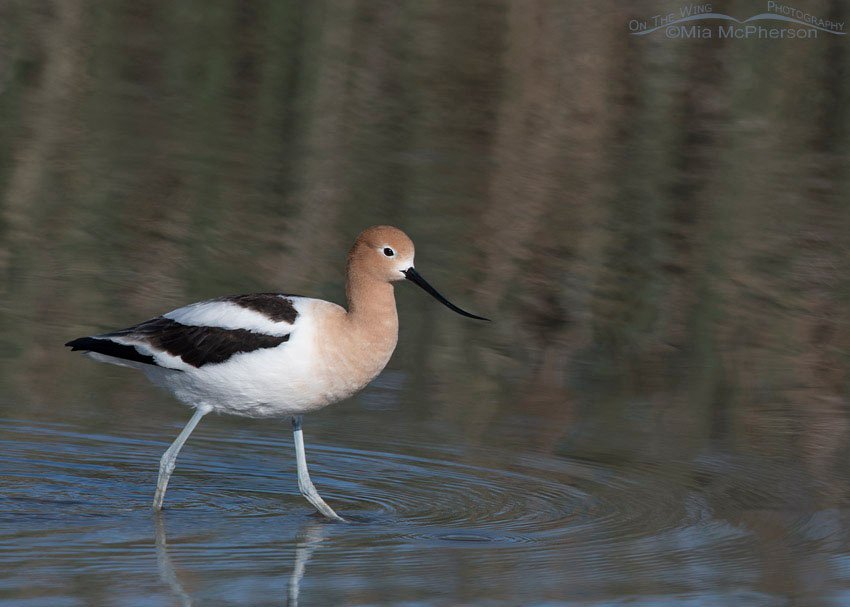
I'm happy with both images of this female American Avocet but I think I prefer the second image more because the reflections of the water add a sense of depth and more visual interest that I find lacking in the first photo.

What is really fascinating to me is that within two days of fledging Ruddy Turnstone chicks embark on their first migration to their wintering grounds.

The differences in breeding and nonbreeding plumage of Forster's Terns is enough that some bird watching and bird photography novices might even think that they are two different species of terns.
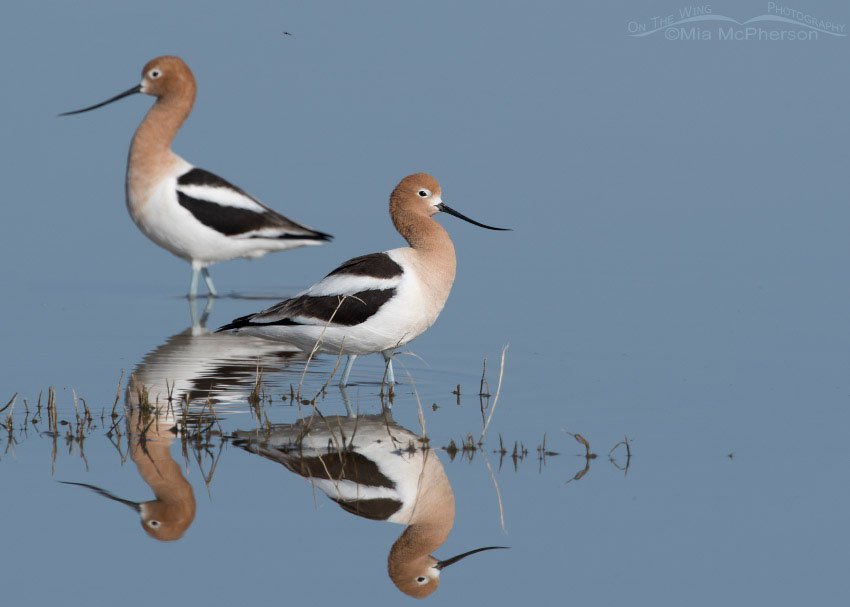
The pair of American Avocets were feeding in the grasses and the water right next to the edge of the grasses when I first saw them then the female squatted down on what I presume to be their nest.

Barn Swallows have returned for the nesting season here in northern Utah and if they aren't already building nests they will be constructing them very soon.

American White Pelicans are returning to their breeding grounds in Utah and I have already seen a few of them myself and though I haven't been able to photograph them yet I know I will soon.

I expect to see Greater Yellowlegs soon because they are one of the first shorebirds to migrate through Utah on their way to their breeding grounds.

Common Gallinules and American Coots are both from the Rallidae family and there are some similarities in their appearance, for instance both have a triangular bill with a frontal shield at the top.

Yesterday afternoon I was at my local pond where I photographed not one but two Pied-billed Grebes in flight. This is rarely seen and rarely photographed.
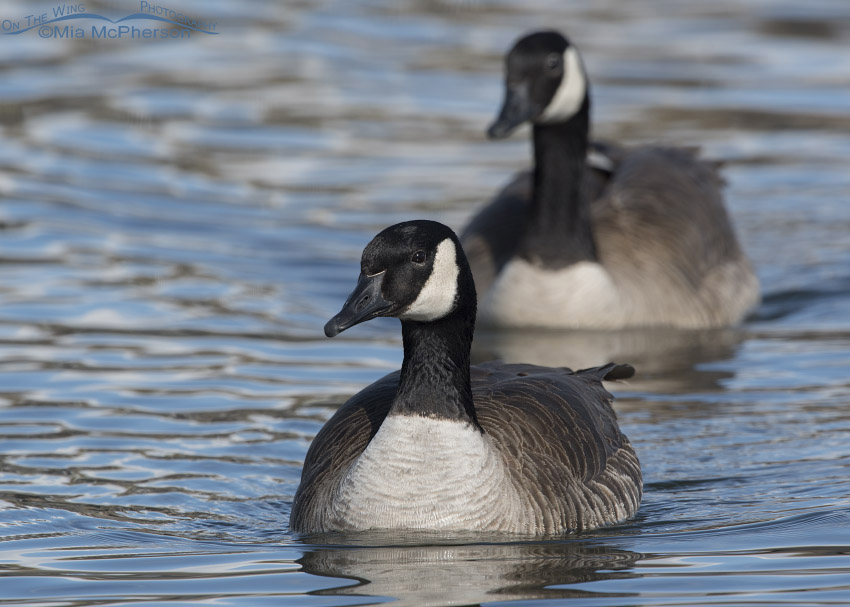
Because they are very common in most North America Canada Geese are often overlooked as subjects by some bird photographers.

American Coots are quarrelsome birds and they are quick to give chase whether it is over food or territory and they will fight, sometimes even to death, for both.
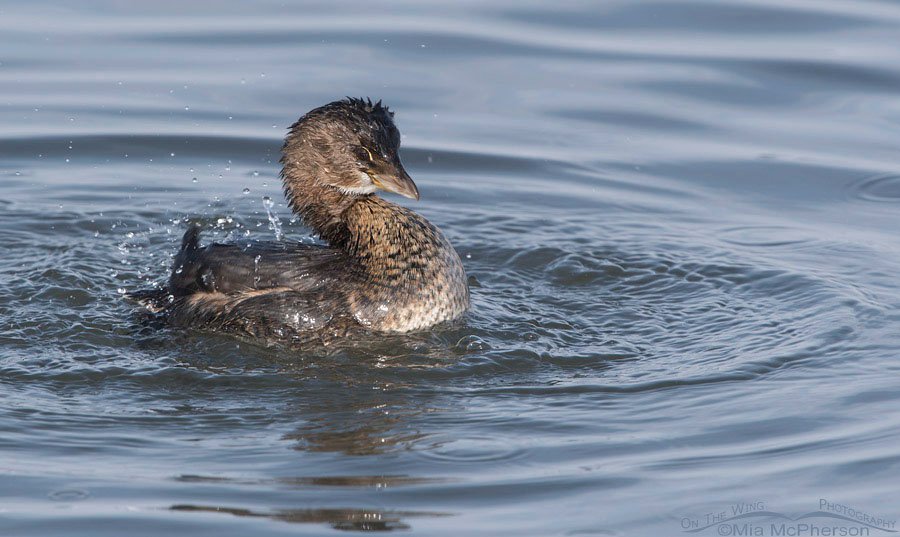
When I saw this Pied-billed Grebe bathing at Farmington Bay I couldn't resist photographing it as it splashed water all over itself.

The Ring-billed Gulls up close to me were bathing frequently so I focused on them for a bit to catch them splashing and dipping their heads and bodies into the water.

I'm seeing plenty of goldeneyes around right now and I have also begun to see the male Common Goldeneyes performing their courtship displays.
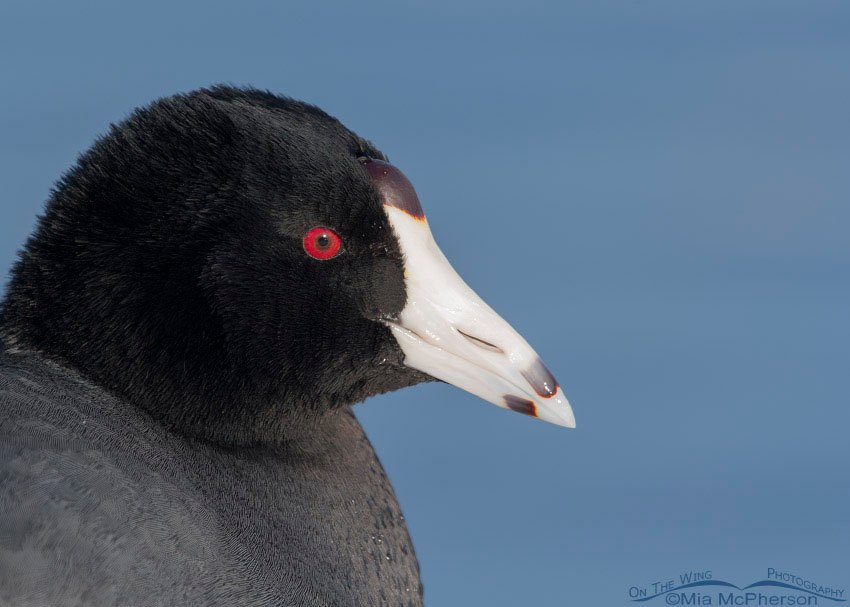
When the birds settled back down on the pond this American Coot walked up onto the shore with the open water behind it and I couldn't resist taking portraits of it.

Whenever I view this photo of a lone Black Skimmer in flight on a foggy Gulf shore I feel a wave of joy and peaceful feelings wash over me.

Two days ago I was surprised by being able to photograph a Common Merganser hunting close to the shoreline of a nearby pond in Salt Lake County.
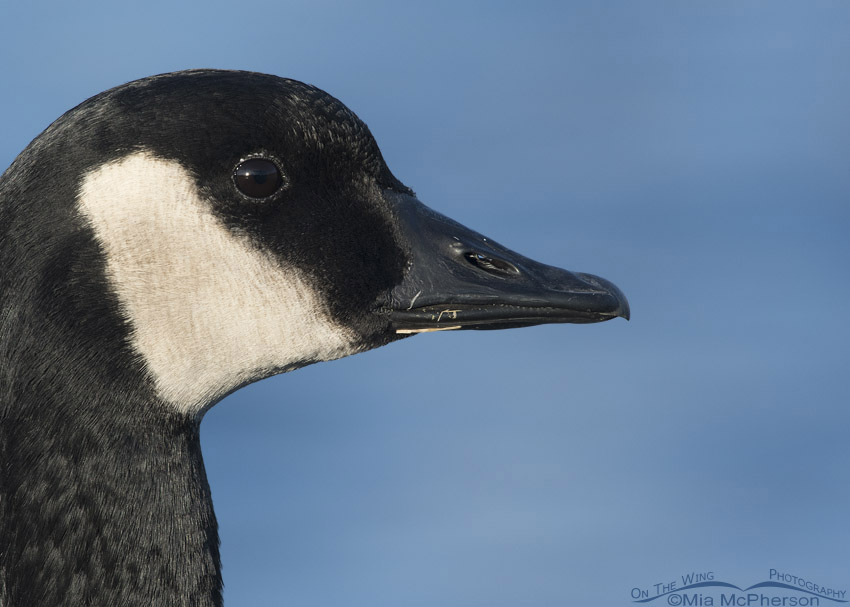
Three days ago when the sun broke through the clouds in the afternoon I went to the pond and was able to take several Canada Geese portraits with the blue water of the pond in the background.
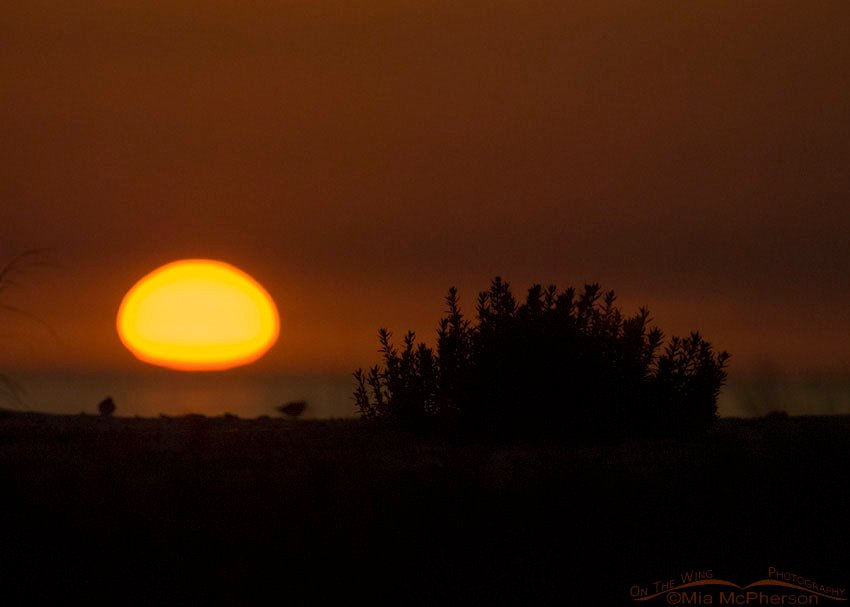
I feel worried for the future and I am filled with angst right now and I know I am not alone. However; I do know that even when times are difficult life is good. The sun rises after every sunset.

I photographed this Green Heron at Sawgrass Lake Park in Pinellas County, Florida with my first DSLR, a Nikon D70, when I was just getting into bird photography.

There were several hundred Canada Geese on the pond and because I have seen reports of Cackling and Snow Geese in the area I scanned the pond with my lens and spotted a lone Snow Goose.