
Photographing Young Spotted Sandpiper Chicks
I was able to get back out into the field yesterday and I had a marvelous time photographing young Spotted Sandpiper chicks and learning more about their behaviors near a creek in the Wasatch Mountains.
This was the first immature Green-tailed Towhee I have seen this breeding season and I am hoping that it won't be the last one I photograph this year.
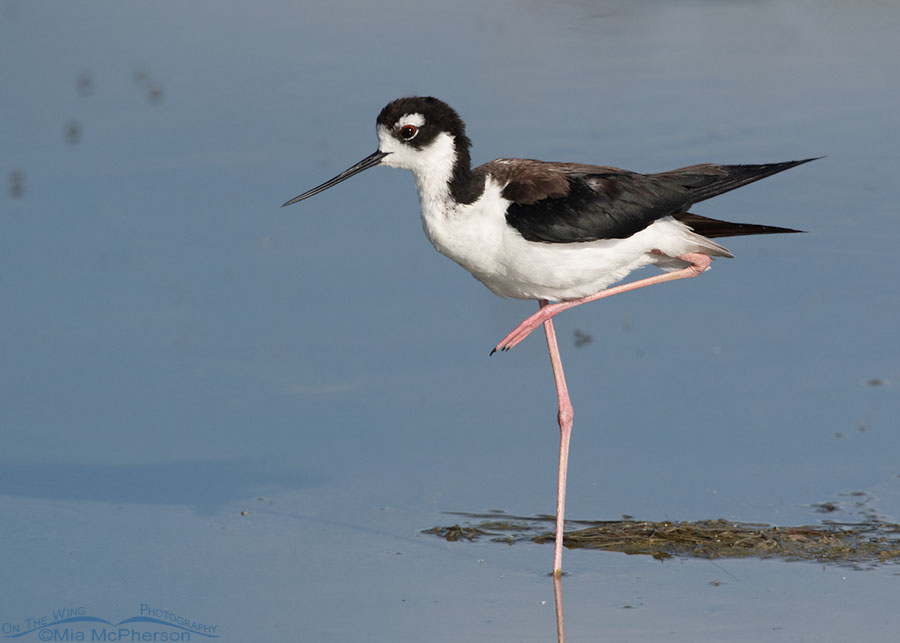
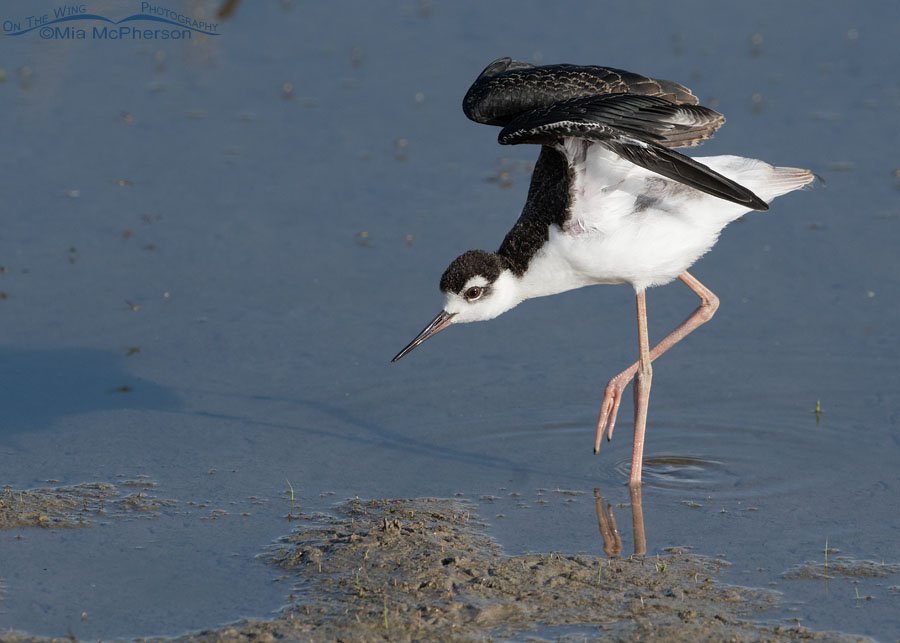
These two Black-necked Stilt photos were taken 9 days ago at Bear River Migratory Bird Refuge and I thought they could easily show the difference between the female and male of this species.
I spent part of my morning yesterday photographing American Avocet and Black-necked Stilt chicks from the auto tour route at Bear River Migratory Bird Refuge and it was a blast watching these young shorebirds.
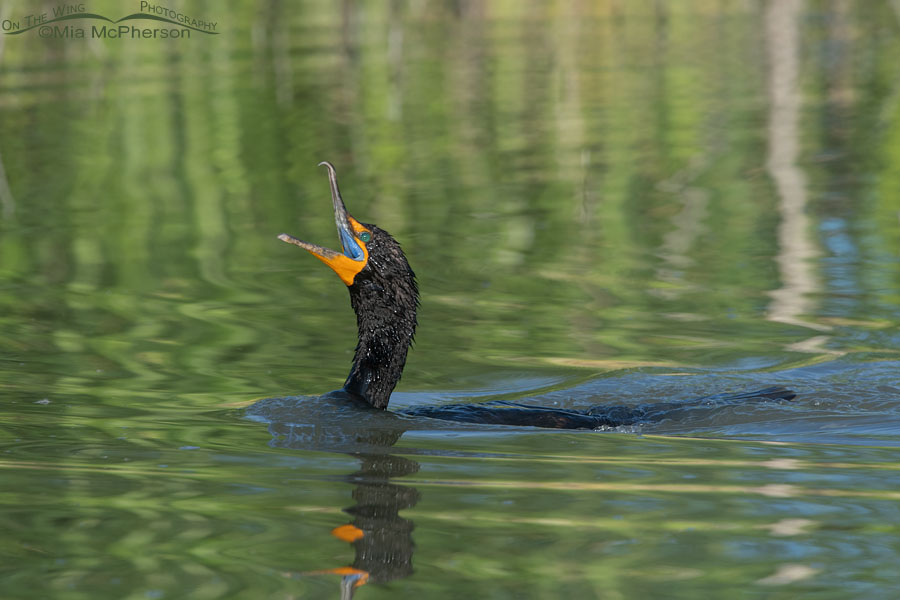
During the breeding season even the inside of the mouths of Double-crested Cormorants show changes, the lining inside their mouths turns into a deep, electric or cobalt blue.
It seems I also photographed an odd, little hitchhiker on the lore and bill of the White-faced Ibis when I took these photos.
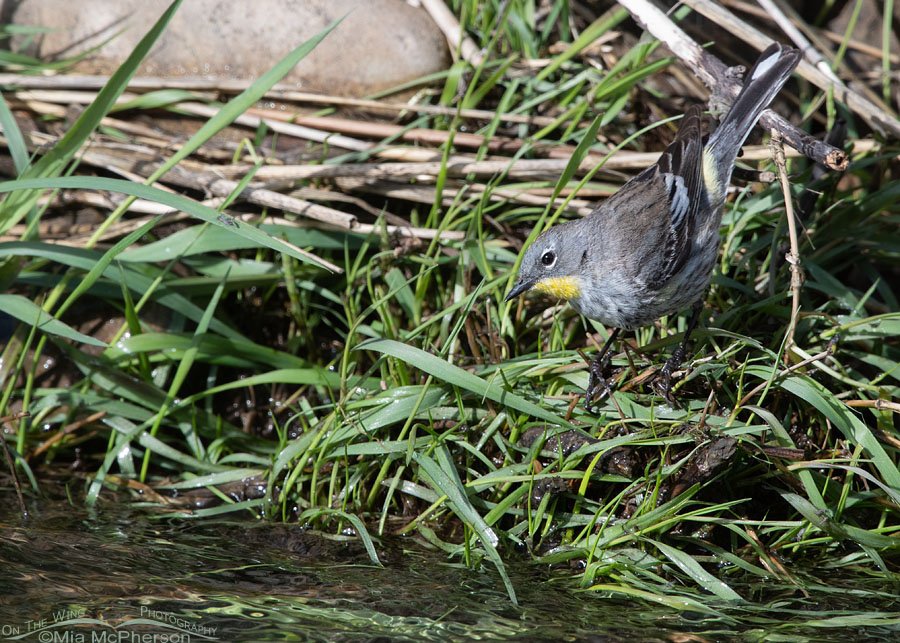
I took a couple hundred images of the Yellow-rumped Warblers as they flitted around in search of prey next to the creek and after reviewing my images I only found a few that I felt were worth keeping.
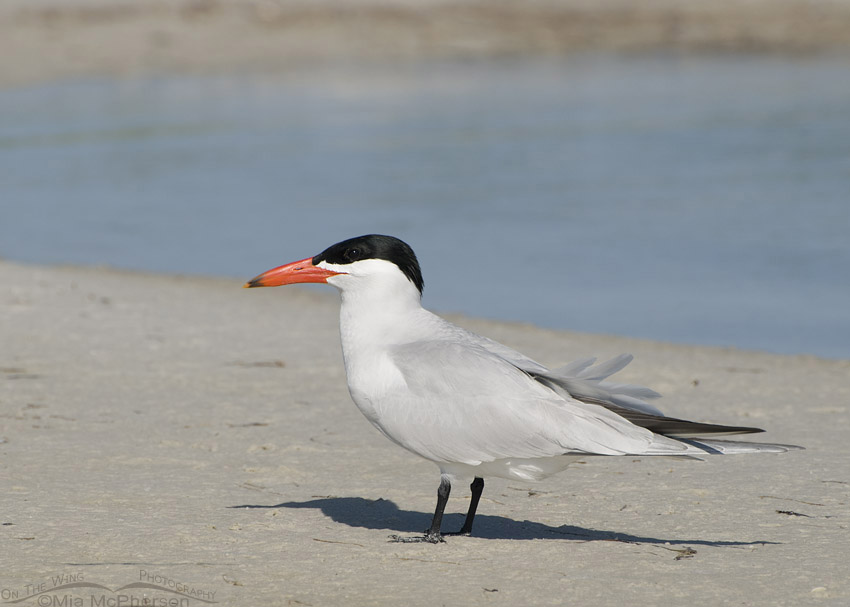
The day I came home from camping in the West Desert the first bird calls I heard were from several Caspian Terns in flight overhead that were squabbling and diving at each other.
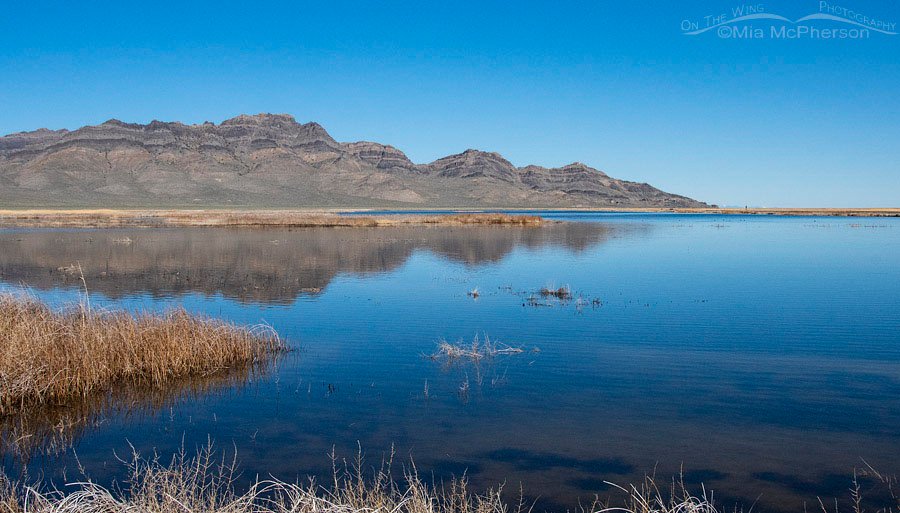
I went wandering to Fish Springs National Wildlife Refuge yesterday and it was delightful because of the clear skies, the cool weather and the grand views of the mountains.
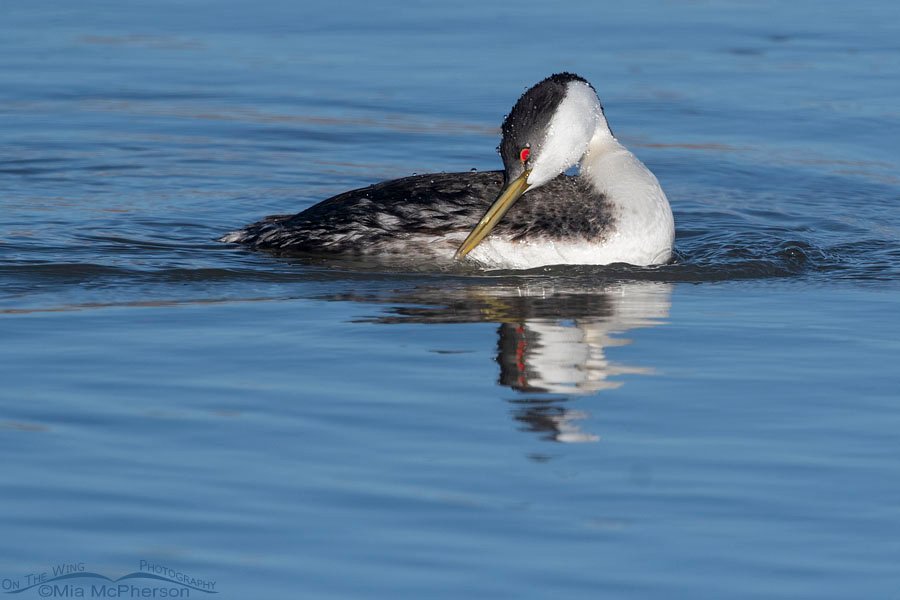
These elegant black and white Western Grebes are beautiful while they feed, preen, rest and stretch but they are even more striking when they dance across the water while performing their courtship ceremony.
I have plenty of photos of Clark's, Western and Pied-billed Grebes but few of Eared Grebes and I am hoping that this breeding season I will be able to have more of these small grebes in my viewfinder.
I spent my morning yesterday driving on the very muddy auto tour route at Bear River Migratory Bird Refuge and the birds that I photographed the most were Killdeer, it seemed like I saw them everywhere.
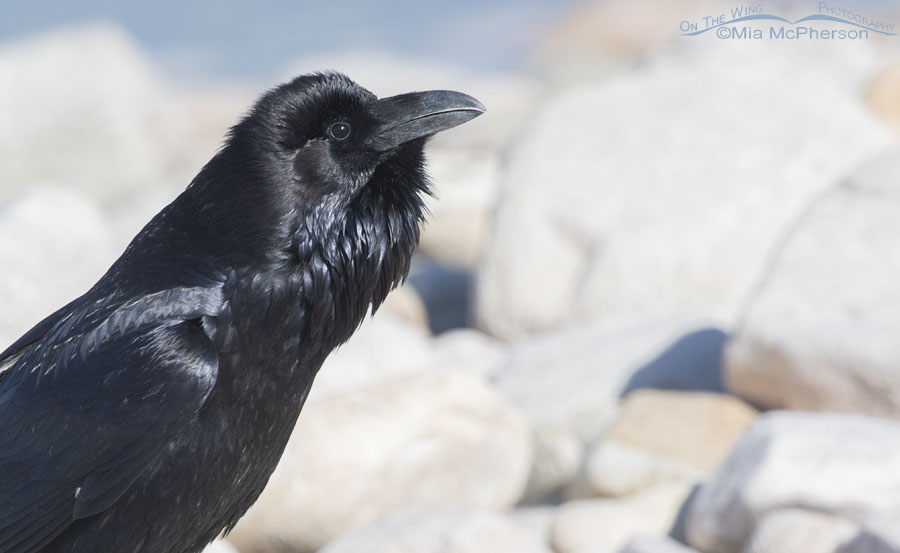
At first the Common Raven was near the side of the road but it moved down the rocks and got closer to the lake and where it poked around in the rocks.
This image of a splashing and bathing Royal Tern in a Florida lagoon was taken nearly ten years ago and I'd never processed it until today.
I was very excited to spot my first of year Sandhill Cranes yesterday near the causeway to Antelope Island where a pair of the cranes were foraging on the flats of the Great Salt Lake.
Migrating Western Grebes are already being reported at Utah Lake, Bountiful Pond and Farmington Bay WMA and before too long they will be found at other locations here in northern Utah.
On one of the brighter afternoons I spent just 15 minutes at the local pond and came away with lots of photos of winter California Gulls bathing, flying and landing and among those I liked this image the most.
I'd gotten the long distance images of the Bald Eagles at Farmington Bay that I wanted to take plus close up images of this adult eagle as it flew past me. It was a great morning to be at Farmington Bay.
Two days ago on my immature Double-crested Cormorant post I mentioned that prior to photographing the cormorant that I had been taking images of a Great Blue Heron, these two photos are of that heron.
It is winter here but the birds know that spring is around the corner and more gatherings like the ones I saw two days ago will happen again and I hope I am able to slow down and enjoy it.
I'm glad this Gadwall drake came in close so I could take a few photos of him before I turned my attention back to the pair of Hooded Mergansers.
At first I thought the single Red-breasted Merganser was a female until I noticed the white patches of feathers behind its neck on its sides and then I realized that the merganser was a male because females do not typically have those white patches.
Primarily I focused on a drake Common Goldeneye that was busy foraging for food and that kept diving under the surface of the water close enough to take frame filling images of him.
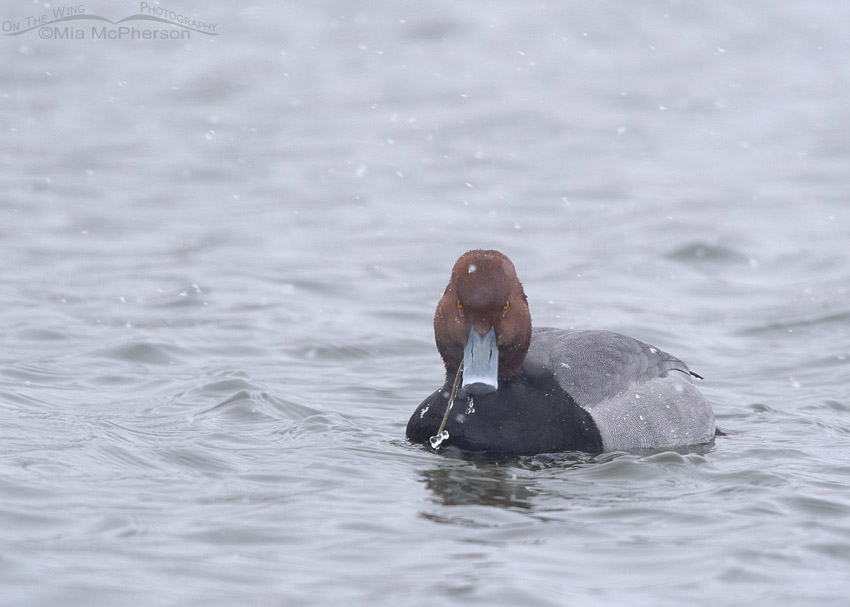
This Redhead isn't "angry" at all but it does look angry to my eyes and this morning I'm feeling about as angry as this duck looks. I'll explain but first I have to give a bit more information about how my mornings start.
I removed the "Just A" from the title for this post and added "Focusing On A" instead. Why? Because I was focused on observing and photographing this Ring-billed Gull drinking from an icy pond and I'm happy to say that I was.
I am itching to get back out into the field and one of the places I am most excited to get back to is Bear River Migratory Bird Refuge in Box Elder County, Utah because of the Tundra Swans that I know are there.
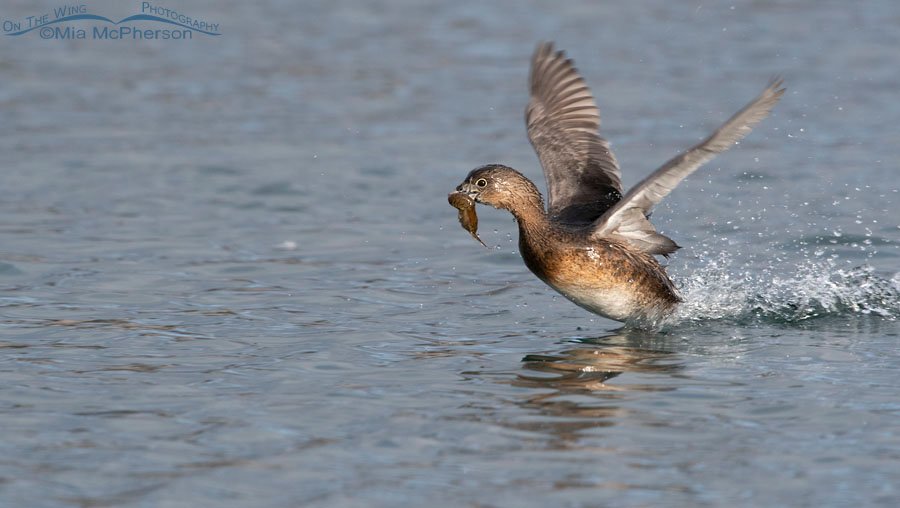
This image of a Pied-billed Grebe with a crayfish in its bill running across the water is one of those photos where I wish I could show the second grebe just outside of the frame chasing after it.
This morning I'm thinking back on warmer days where I took photos of Spotted Sandpipers on the Gulf Coast as they scurried among those oyster beds looking for food and somehow I feel just a little bit warmer looking at this photo and the howling wind doesn't seem quite so loud.
By sharing these photos today my intention is to show that there are times when photographic rules can be broken because the appeal of images or the lack of appeal is all about the individual tastes of the photographer taking the photos and those of the people that view them.
There were some images of the bathing Pied-billed Grebe I did like because they showed a view of the grebe I don't share all that often, the back side of the grebe. They have cute little bottoms, so why not?