Yellow-rumped Warbler, Fall Colors on the Refuge Plus a Unique Forster’s Tern Experience
There were birds that I photographed including this Yellow-rumped Warbler who perched out in the open with the fall colors of curly docks in the background.


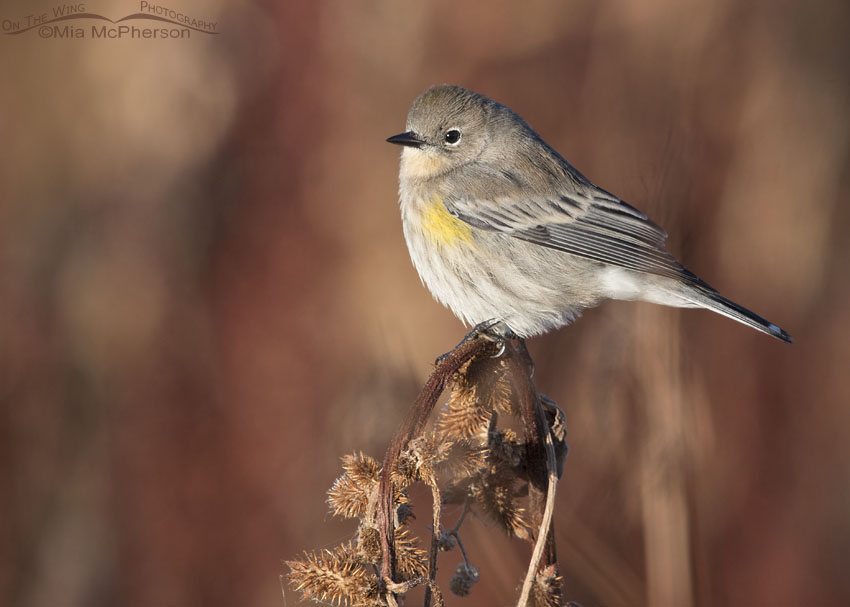
There were birds that I photographed including this Yellow-rumped Warbler who perched out in the open with the fall colors of curly docks in the background.
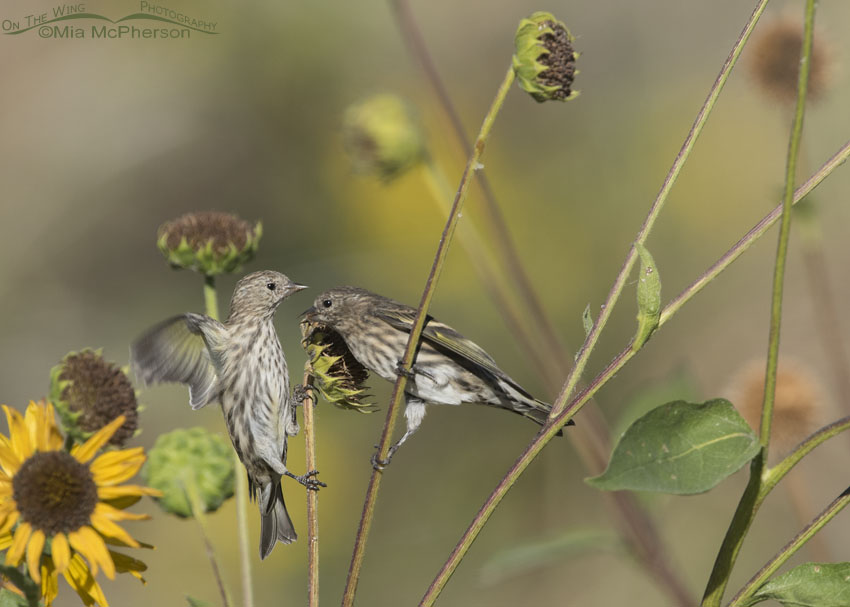
I took this photo of two Pine Siskins in the autumn of 2015 as they perched together on a wild sunflower at Farmington Bay WMA where they appeared to be having a tiff over the seeds.

Yesterday morning I was able to photograph and adult Song Sparrow eating while perched at Bear River Migratory Bird Refuge early in the morning.

Belted Kingfishers are year round residents in northern Utah but my best opportunities to photograph them at Farmington Bay WMA are during the winter.
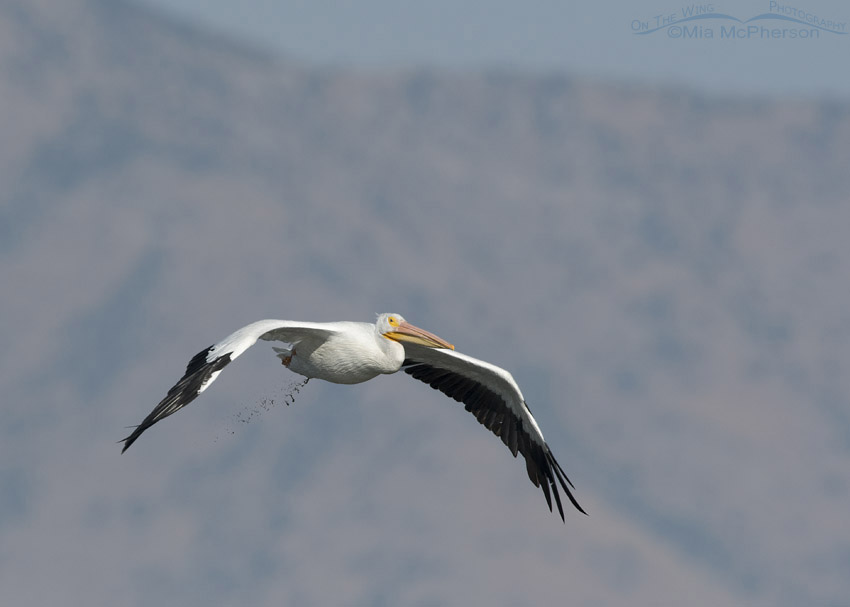
When I focused on this bird I didn't know I'd be photographing an American White Pelican dumping a load while flying over the marshes at the refuge with the Promontory Mountains in the background.
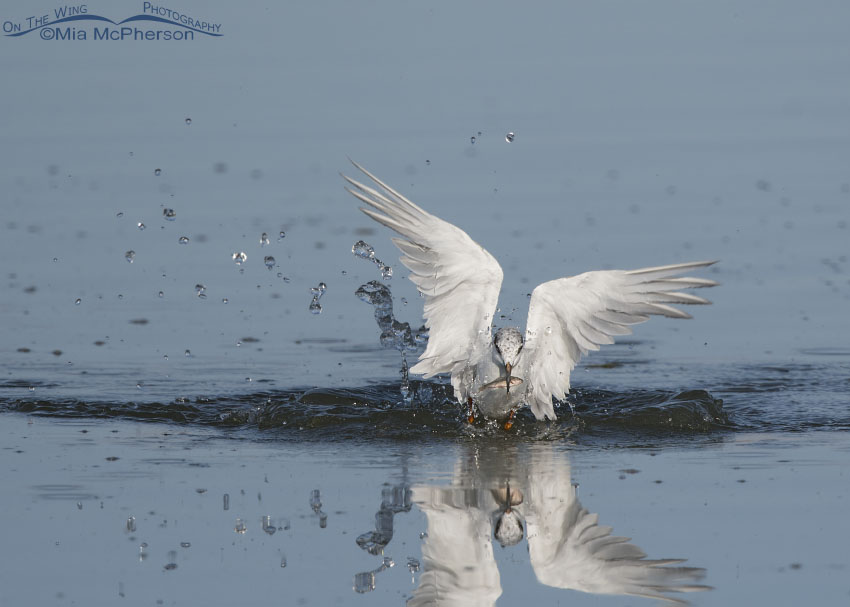
I have had fun photographing Forster's Terns the last few times I have gone to Bear River Migratory Bird Refuge, they are graceful, beautiful terns and they challenge my skills.
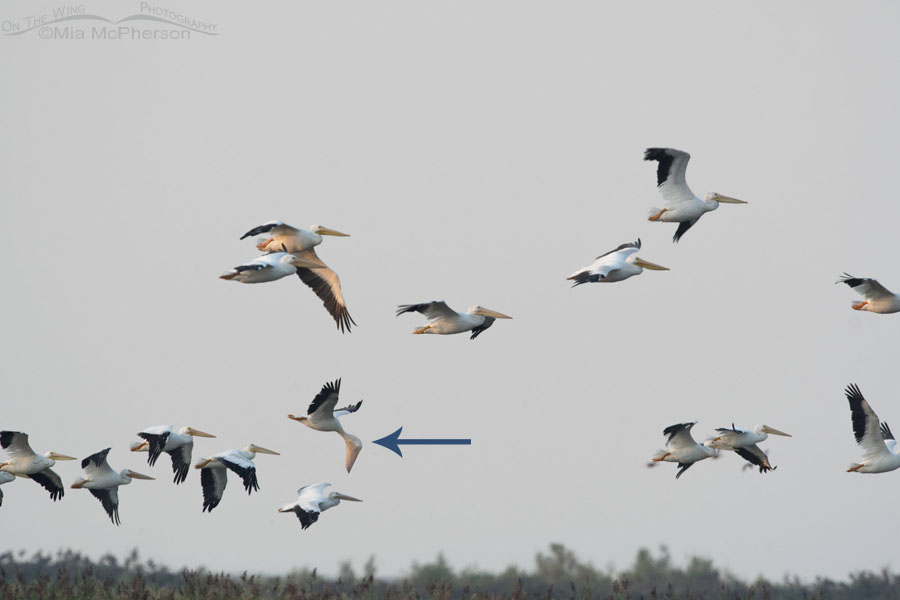
I just don't know but I do know I have never seen an American White Pelican in flight with its bill looking like this ever before and I have photographed them hundreds of times in flight.

I was positively amazed to see the Clark's Grebes rushing across the water this late in the year, personally I've never seen them rush past the end of July.
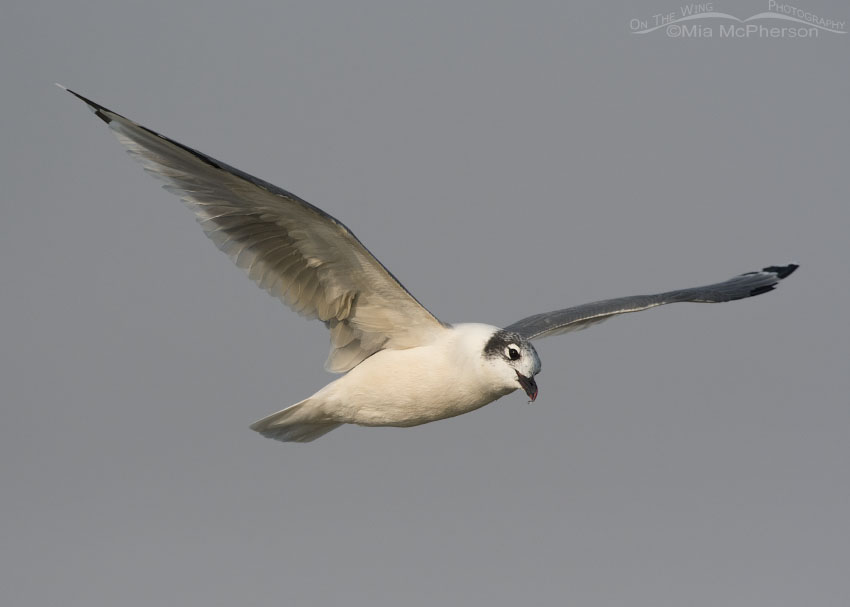
I did take some nice Franklin's and Ring-billed Gull photos in flight over the water of the marshes at the refuge despite the smoky sky.

Back in February there was still snow on the ground, ice on the water and Common Mergansers were at Farmington Bay WMA and some were sporting their breeding plumage.

When the young American White Pelicans are old enough to leave the island they fly to areas like Bear River Migratory Bird Refuge to learn how to catch fish on their own before they migrate in the fall.
In just a little over two weeks birders, hunters and bird photographers should have access to more of Farmington Bay WMA than we have had since March. Or will we?

To me it looks like this American White Pelican was doing an impression of a floating, domestic white turkey because when the pelican was facing me nearly head on the length of pelican's long bill seemed to disappear

Some Tundra Swans migrate from the arctic tundra using the Great Basin hub of the Pacific flyway and huge flocks of them spend the winter here.

Bear River Migratory Bird Refuge was calling me yesterday morning and I answered that call and photographed several White-faced Ibis from the auto tour route.
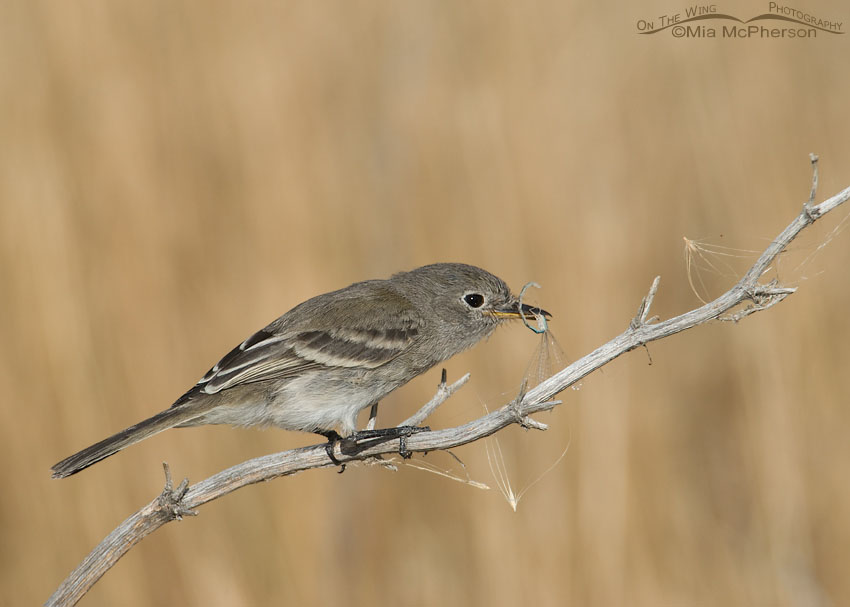
As I watched the Gray Flycatcher it flew towards me, snatched a damselfly from mid air then landed on a dead branch not too far away and proceeded to eat it while I photographed the bird.
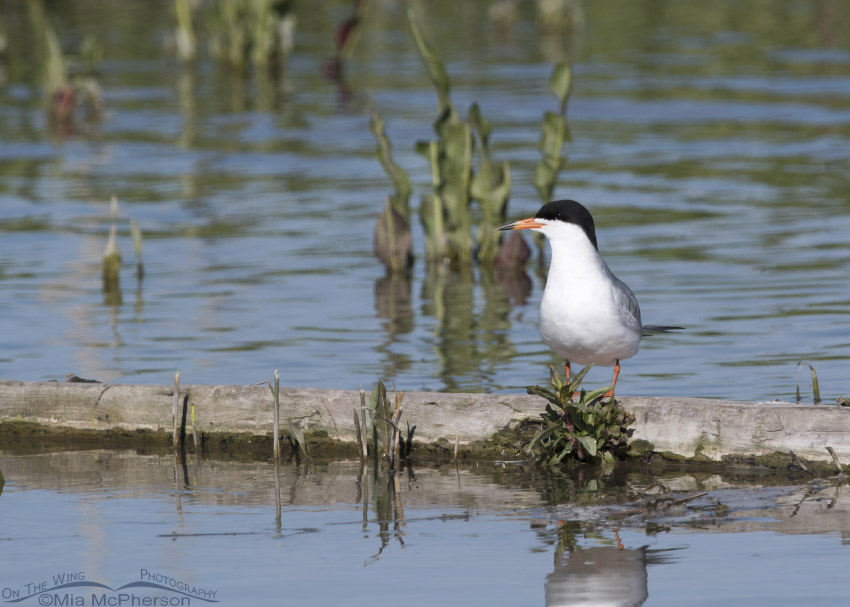
A little more than a week ago I spotted this Forster's Tern resting on a log in the water at Bear River Migratory Bird Refuge from the auto tour loop and I felt I had to hop out and take a few images from across the hood of my Jeep

People usually think of American Coot chicks as either cute or ugly, I'm in the cute camp when it comes to these chicks.

Yesterday morning I drove up to Bear River Migratory Bird Refuge to see what birds I could find to photograph and I am glad I did because I had a wonderful juvenile Black-crowned Night Heron close up experience.
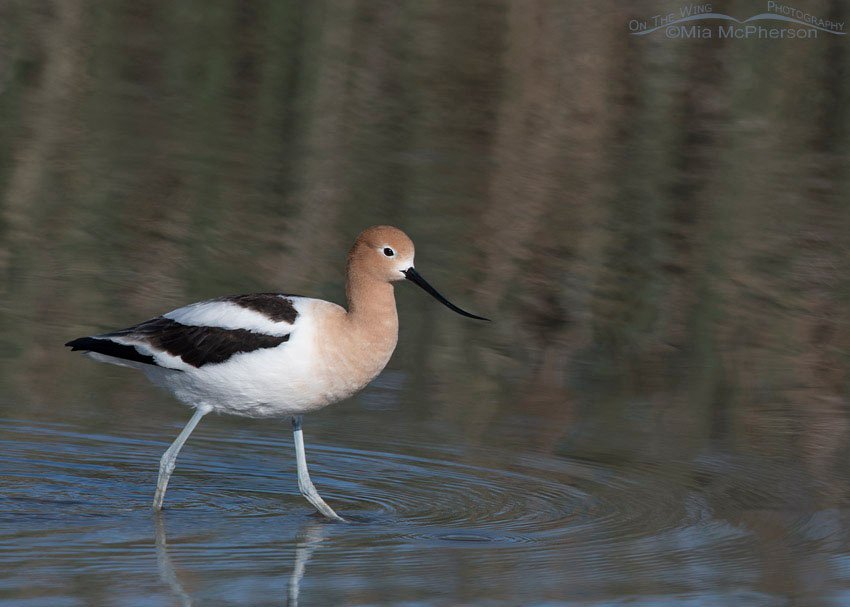
I'm happy with both images of this female American Avocet but I think I prefer the second image more because the reflections of the water add a sense of depth and more visual interest that I find lacking in the first photo.

The differences in breeding and nonbreeding plumage of Forster's Terns is enough that some bird watching and bird photography novices might even think that they are two different species of terns.
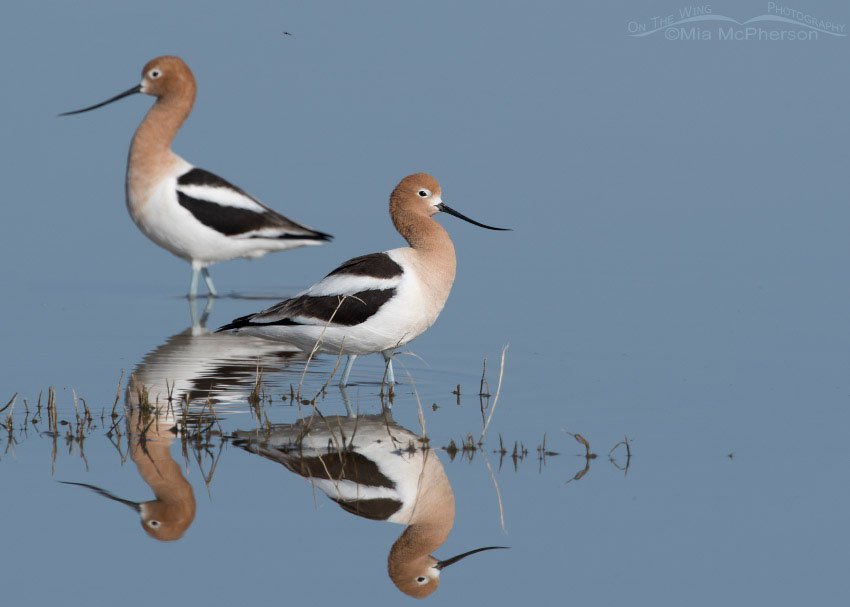
The pair of American Avocets were feeding in the grasses and the water right next to the edge of the grasses when I first saw them then the female squatted down on what I presume to be their nest.

Little Blue Herons start off their lives with white plumage, then look piebald with blue and white fathers and finally look more "blue" as adults.

I'm happy that the Clark's and Western Grebes have returned for their breeding season at the refuge and I look forward to photographing them while they are here.

I expect to see Greater Yellowlegs soon because they are one of the first shorebirds to migrate through Utah on their way to their breeding grounds.

When I came across this Western Grebe family image that I took at Bear River Migratory Bird Refuge I knew this was an image that made me think of spring.

Common Gallinules and American Coots are both from the Rallidae family and there are some similarities in their appearance, for instance both have a triangular bill with a frontal shield at the top.

I have mentioned before how one good bird can make a day and yesterday that bird was a male American Kestrel resting and preening at Farmington Bay WMA.
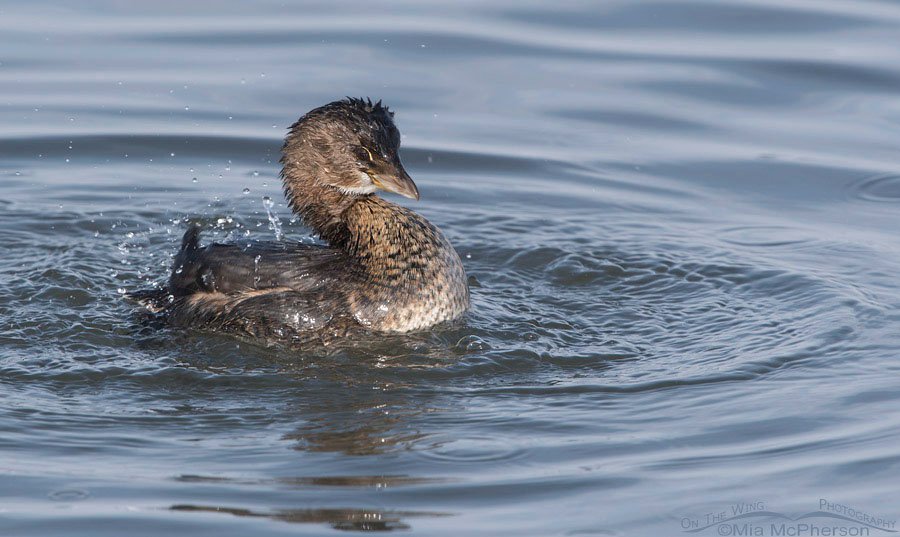
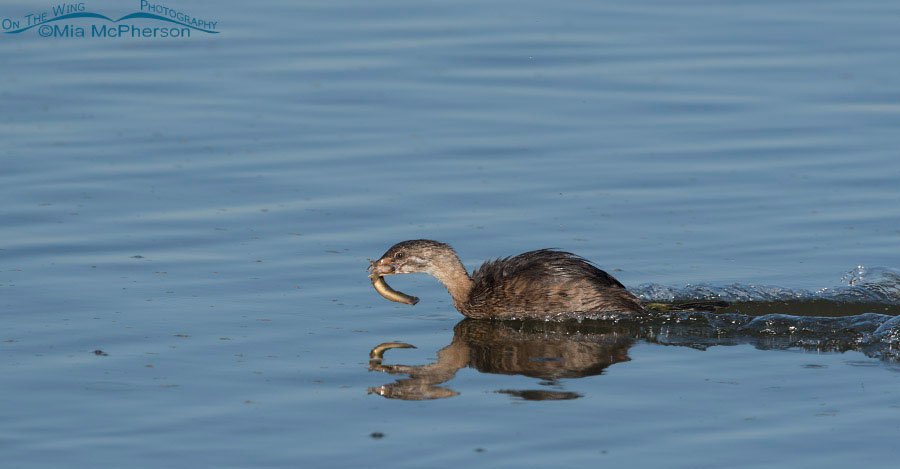
When I saw this Pied-billed Grebe bathing at Farmington Bay I couldn't resist photographing it as it splashed water all over itself.

The American Kestrel was perched on an arching wild rose branch with prey in his bill when I photographed him with snow covered ice and the Wasatch Mountains in the background