Live, Love, Laugh, Sing, Dance, Be, Do
I saw this quote that aligns with my philosophy of Live, Love, Laugh, Sing, Dance, Be, Do and thought I would share a post about the reason I like the quote.



I saw this quote that aligns with my philosophy of Live, Love, Laugh, Sing, Dance, Be, Do and thought I would share a post about the reason I like the quote.
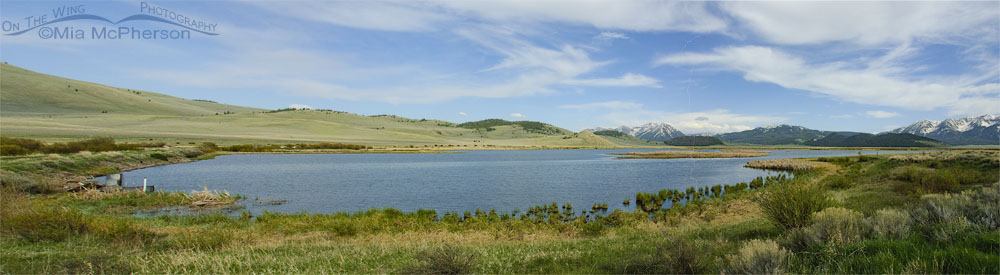
Today is World Water Day. The theme for World Water Day 2023 is: Accelerate Change. Every human being on this planet is roughly 60% water.
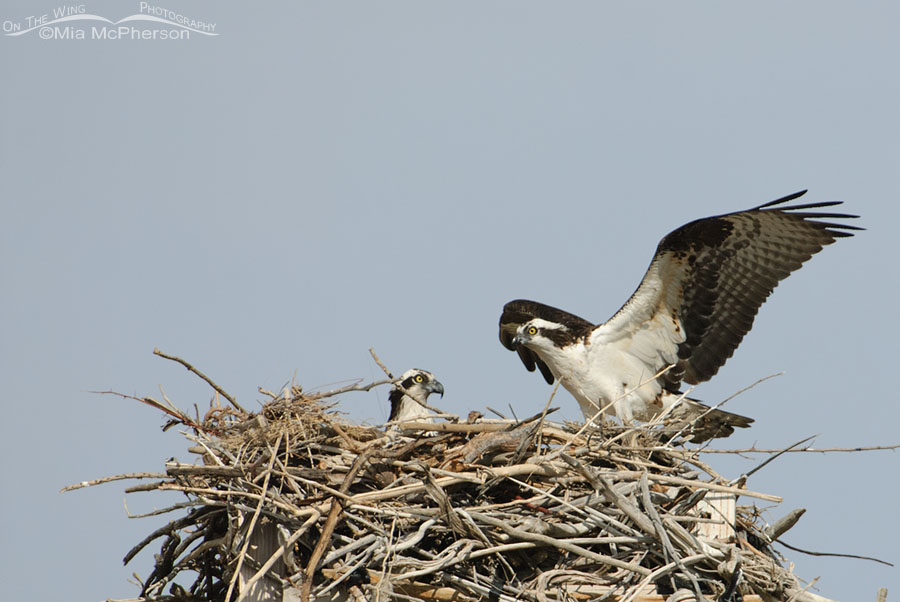
I was hoping to find my first of the year Swainson's Hawks yesterday but instead I spotted my first of year Ospreys.

I've posted about Thinking Pink and Shades of Blue so today I thought I'd share some images about Goin' Green.
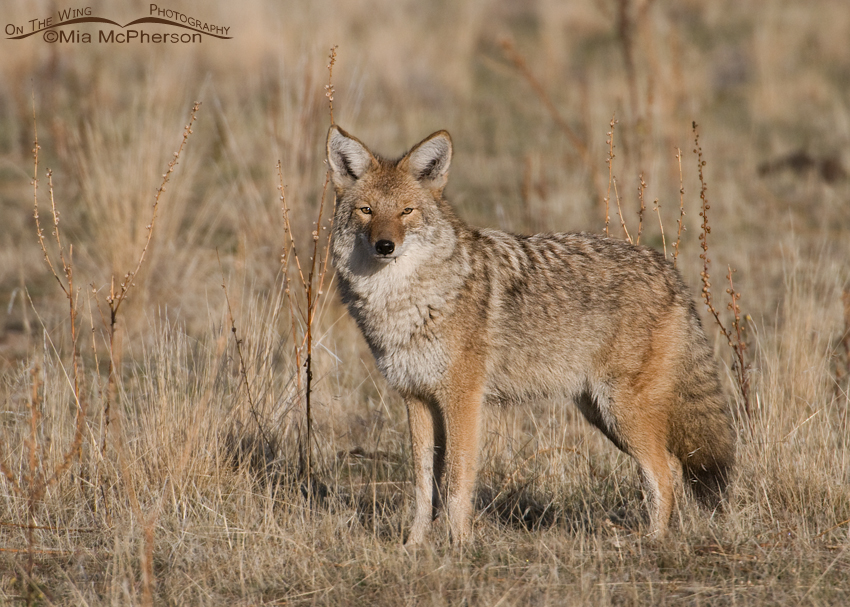
I wanted to share these images because today is Earth Day.
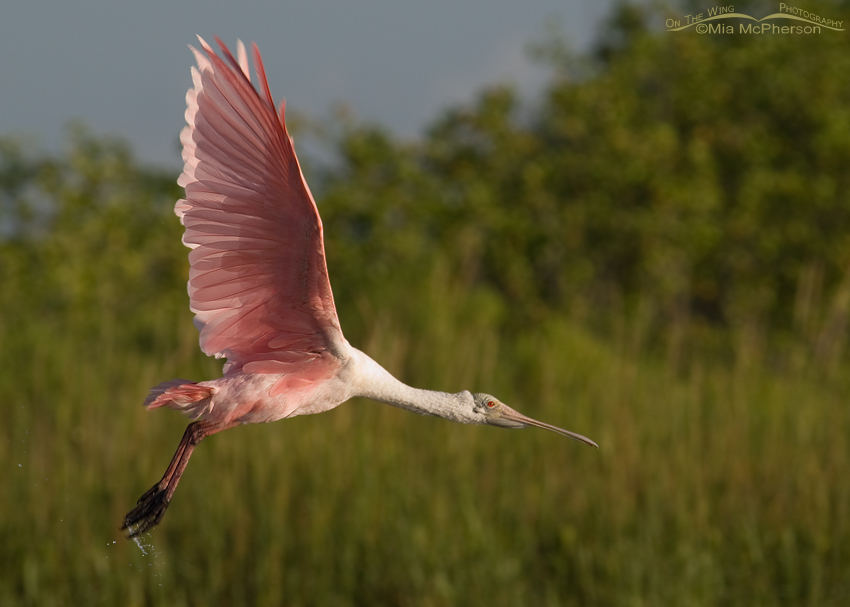
I'm not sure why I wanted to do a post using images with pinks but here they are, a flower, a bird and pink kissed clouds.
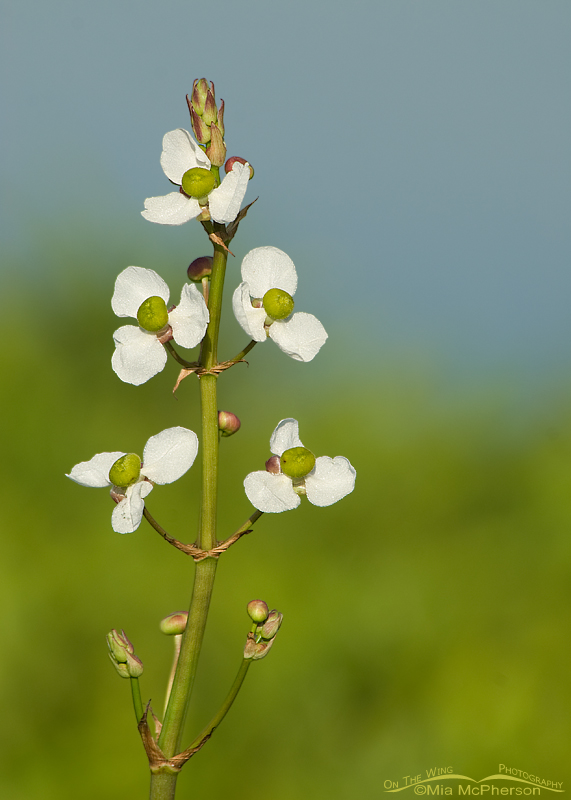
I photographed this Lance-leaved Arrowhead at Roosevelt Wetland in Pinellas County, Florida several years ago.
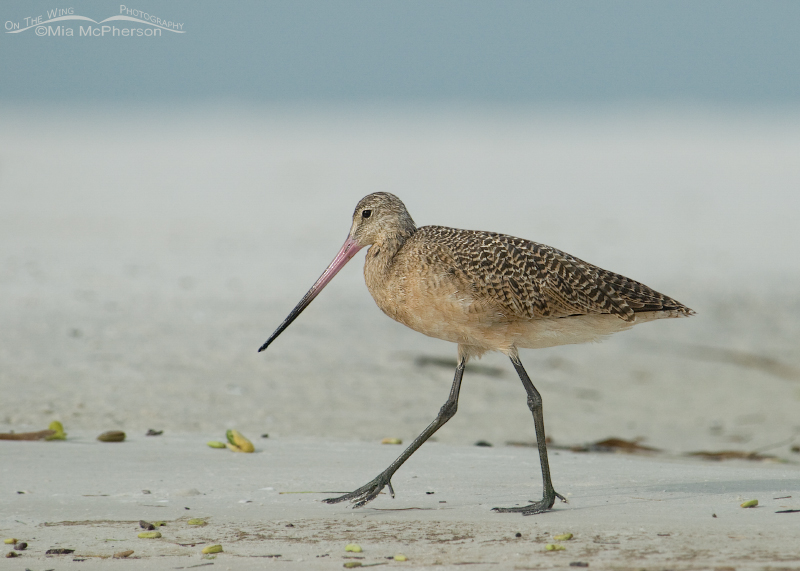
Several years ago while I was photographing at Fort De Soto's beautiful north beach I saw a Marbled Godwit flying in with a dark Tubeworm in its bill and took a few images of it from a distance.
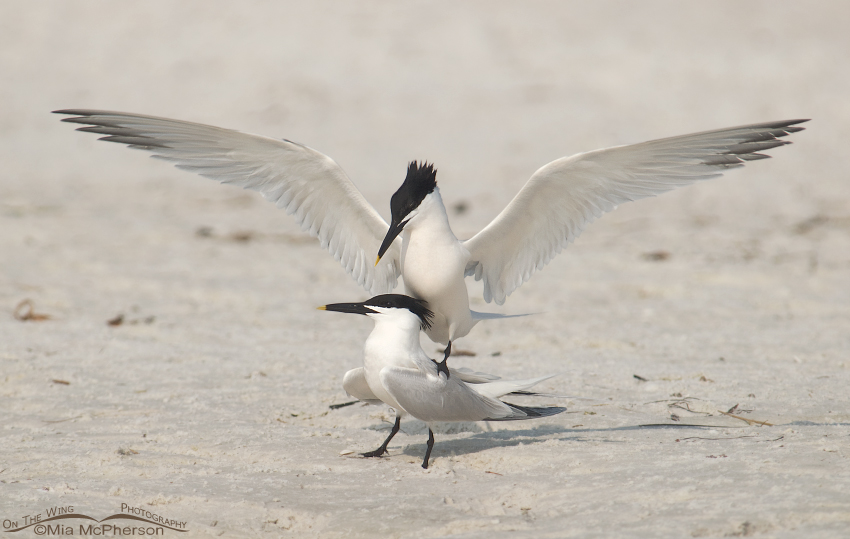
I can recall clearly the day I took this photograph of Sandwich Terns mating, I was sitting very low in a tidal lagoon on the north beach of Fort De Soto County Park in Florida, it was very warm and the water of the lagoon felt great on my skin when these two terns started a breeding display.
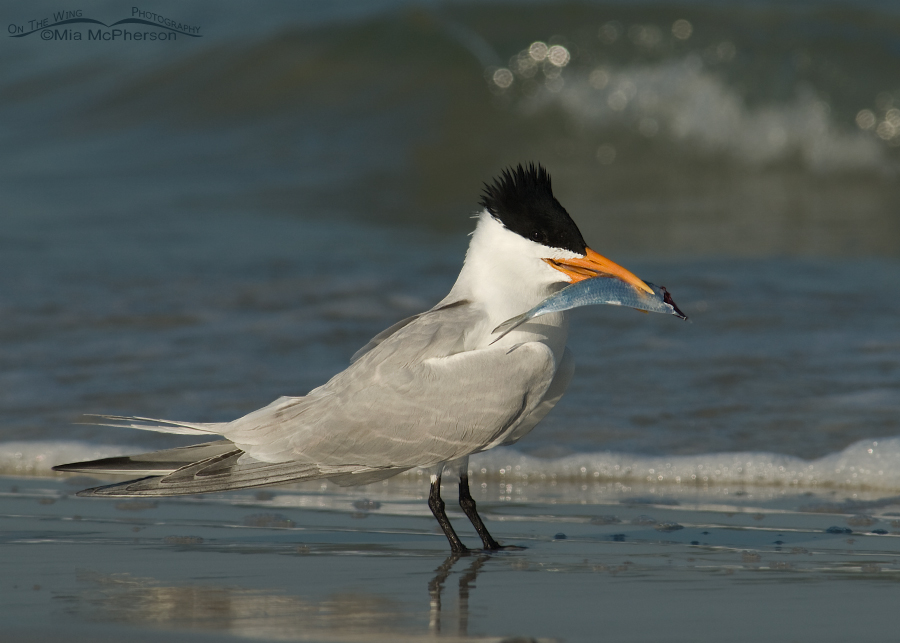
The majority of you voted for the correct answer: Juvenile Herring Gull, 1st winter Laughing Gull and Royal Tern
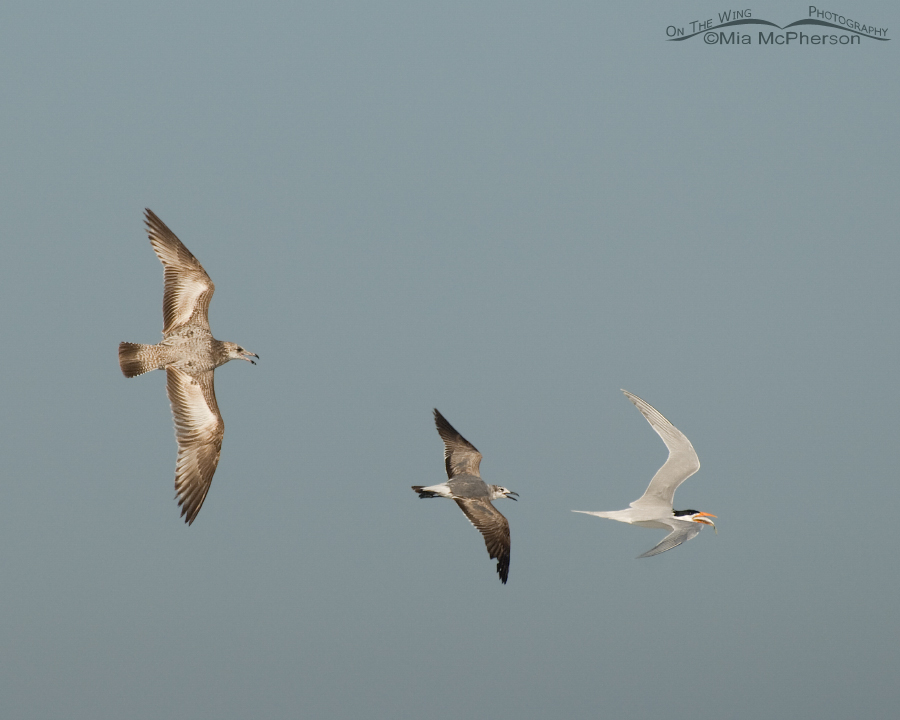
I came across this image this morning while working up my post Bird images from warmer days and all at 300mm or less and thought it might make a great image for a Bird ID Quiz.
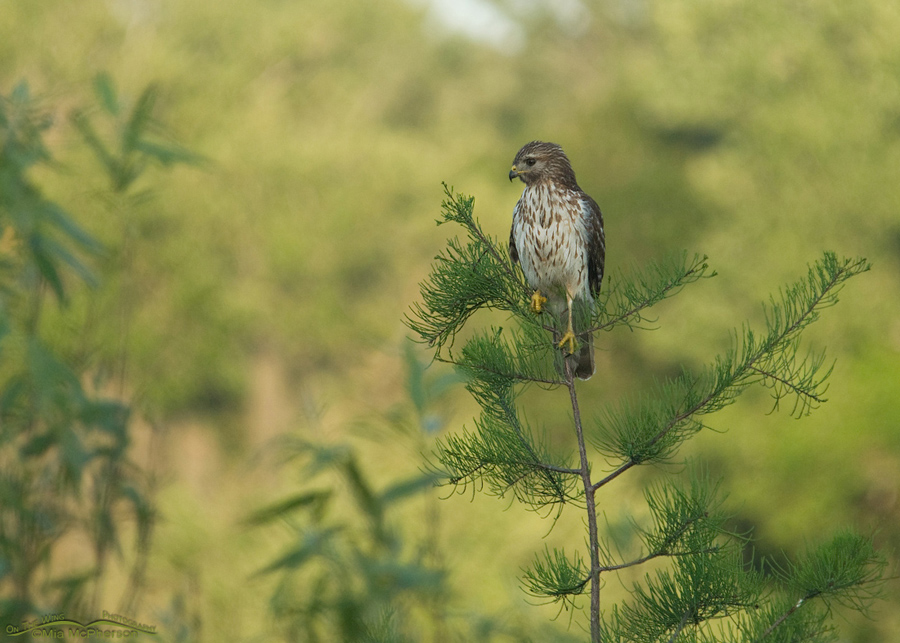
Five days ago I posted a Bald Eagle image where the eagle was small in the frame and explained that I felt that the setting was as important as the subject, I also feel that way about this image of a Red-shouldered Hawk juvenile perched in a tree.
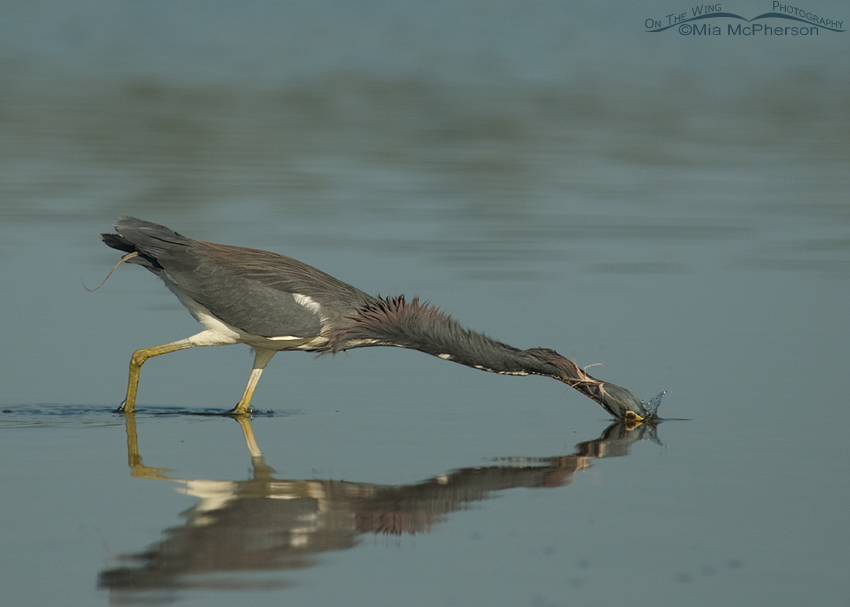
I am intrigued by how these herons evolved to have long necks that give them the ability to make lightning fast strikes at their prey some distance from their bodies.
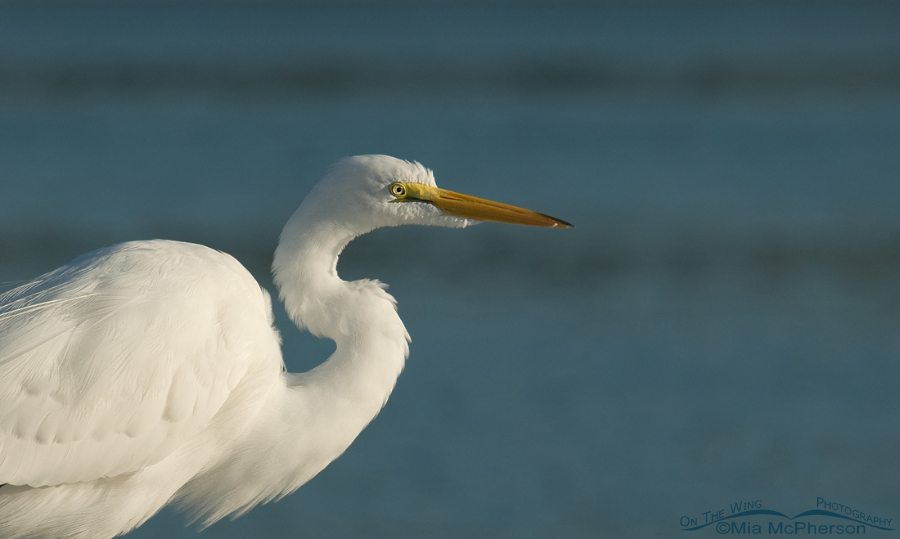
This Great Egret image was taken in Florida in 2009, the beautiful blue in the background is the water of the Gulf of Mexico.
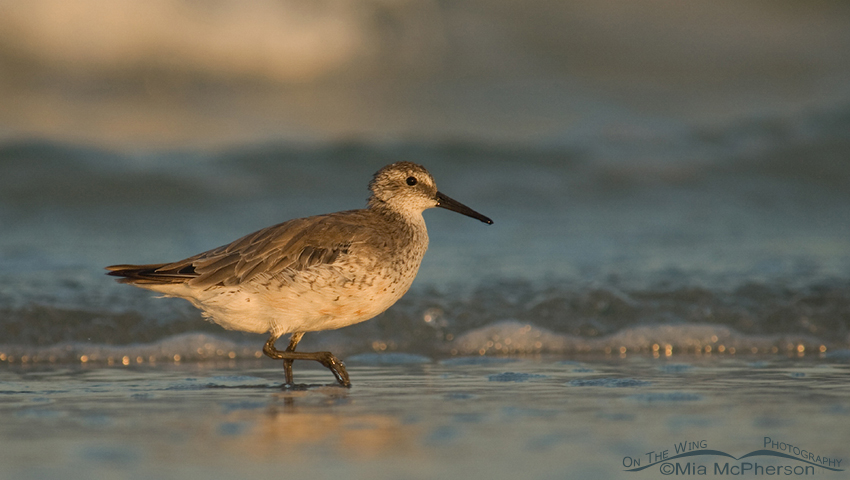
A simple image of a Red Knot taken in Florida in early morning light. Morning has been; and is, my favorite time of day to photograph birds and other wildlife because the rising sun can add drama and a warm glow to whatever subject I am photographing.
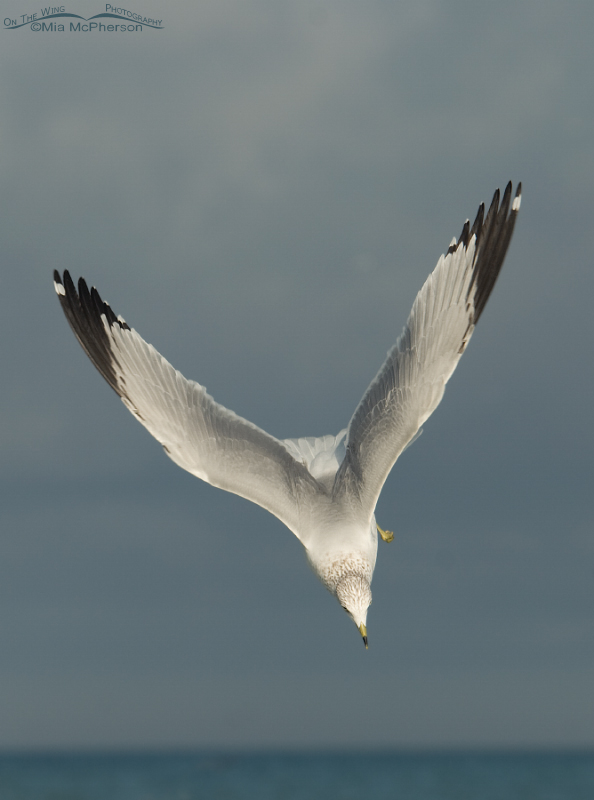
Just a simple image today that I have always liked because of the action even though I don't have great eye contact with my subject, a Ring-billed Gull.
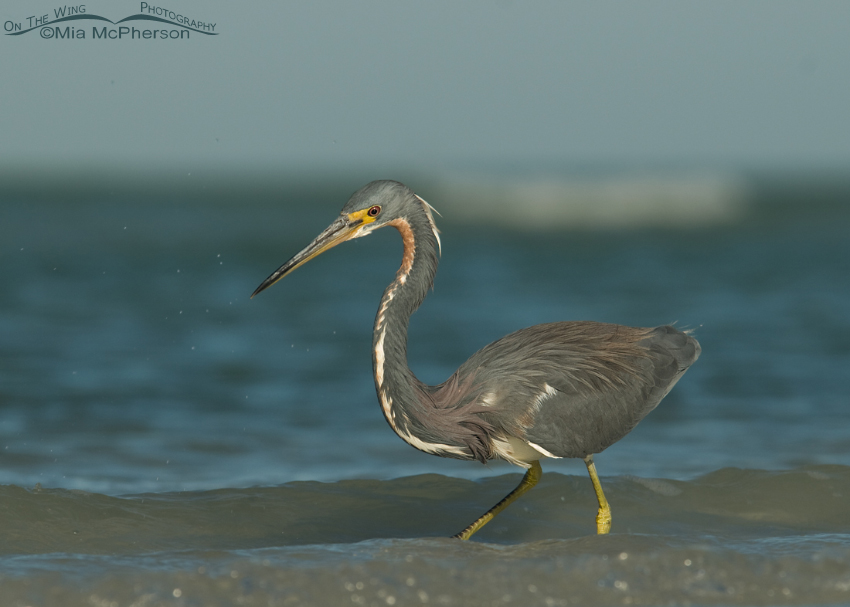
When I photographed this hunting Tricolored Heron I was laying flat on my belly in the shallows where the warm waters of the Gulf of Mexico gently lapped the shore.
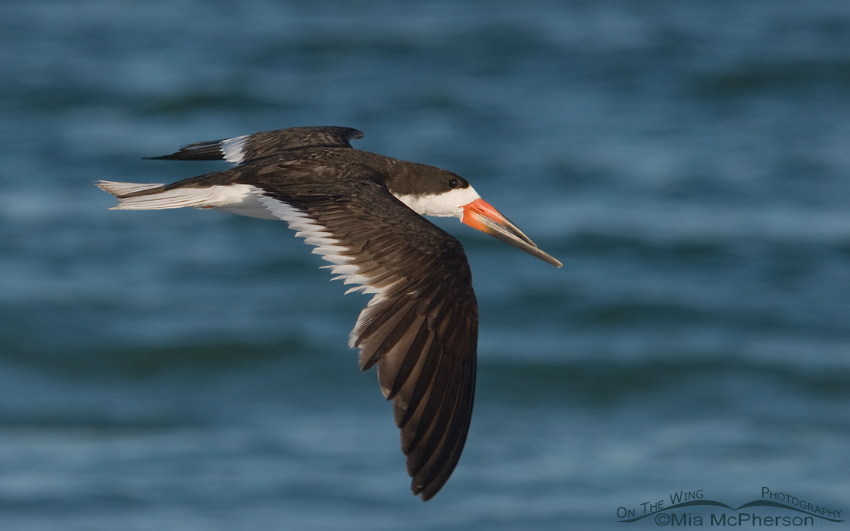
I took this photo in Florida in 2008 as the adult Black Skimmer flew by whilst giving me "the eye". Isn't the color of the Gulf of Mexico behind the bird simply delicious?
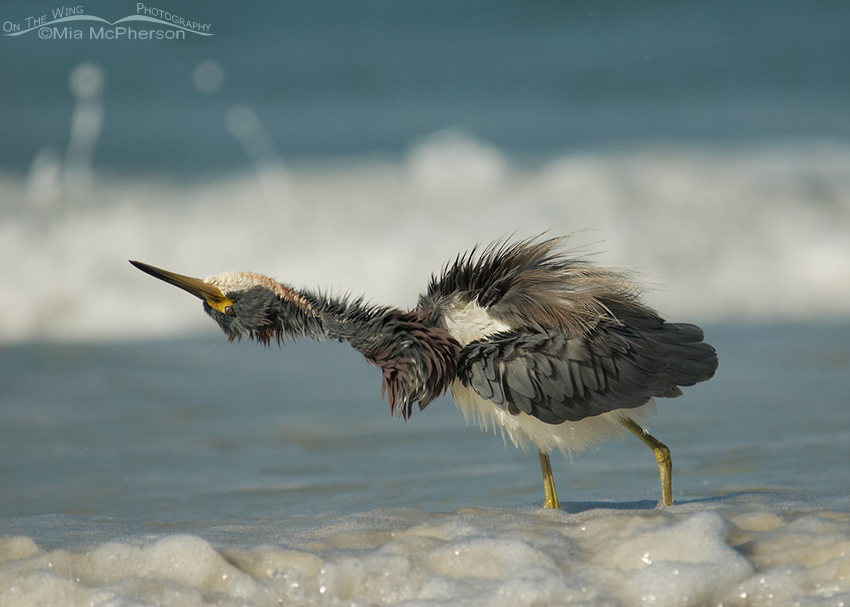
Maybe the Tricolored Heron thought Monday might look better upside down? Just a bit of humor for a Monday.
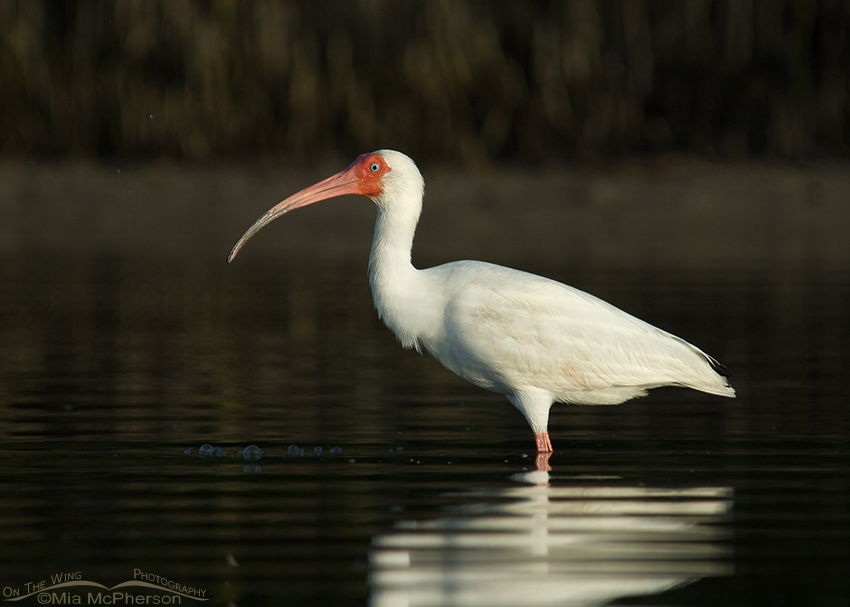
This is an adult White Ibis (Eudocimus albus) that I photographed at Fort De Soto's north beach that was feeding in a tidal lagoon by the mangroves
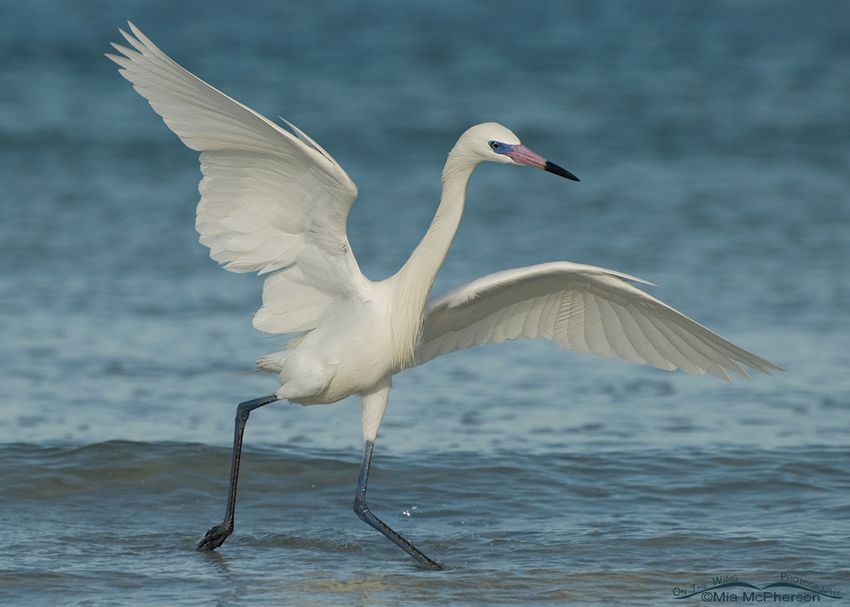
Wow, this is my 500th blog post and it has been great fun to share my images and the stories behind them. I thought I'd share a few images and bits about my thoughts on photography.
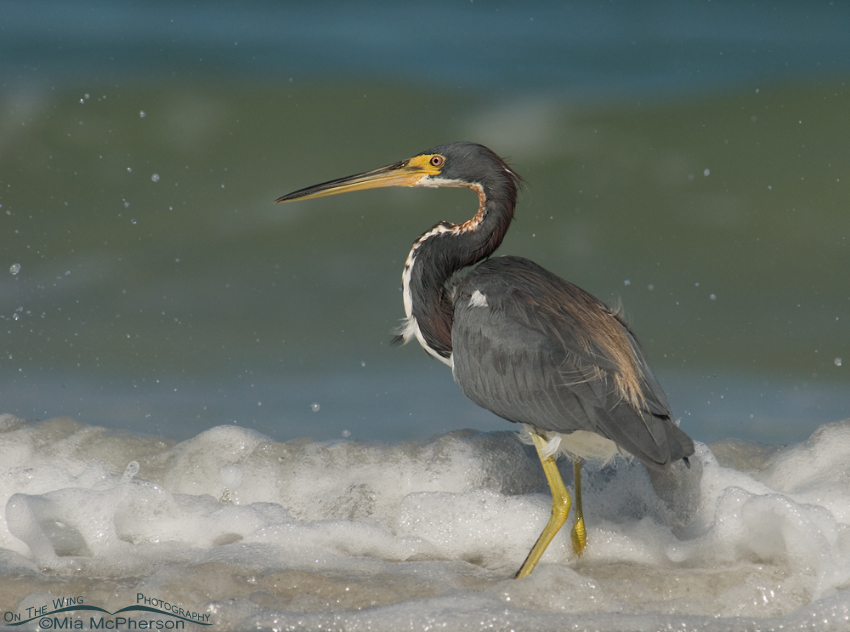
I photographed this Tricolored Heron (Egretta tricolor) a few years ago when I still lived in Florida.
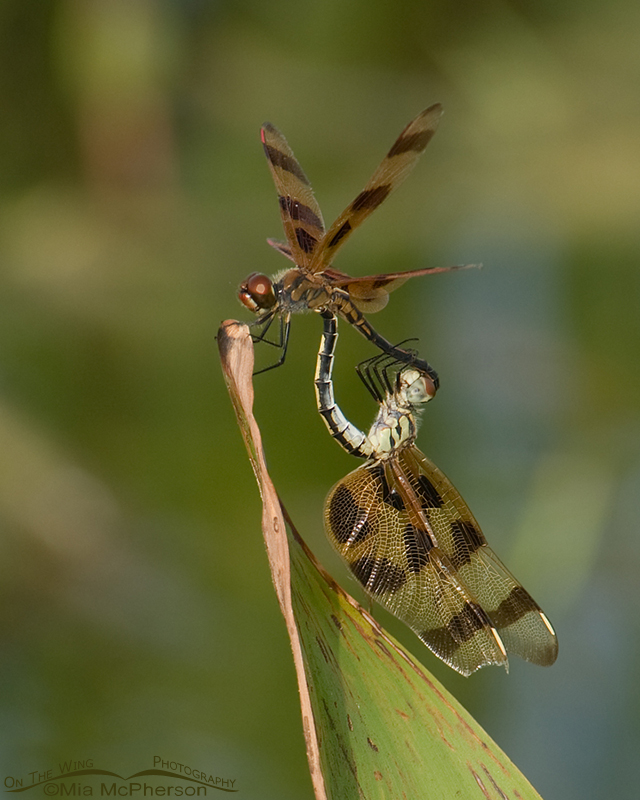
I am fascinated by "things with wings" and that includes dragonflies like these mating Halloween Pennants (Celithemis eponia).
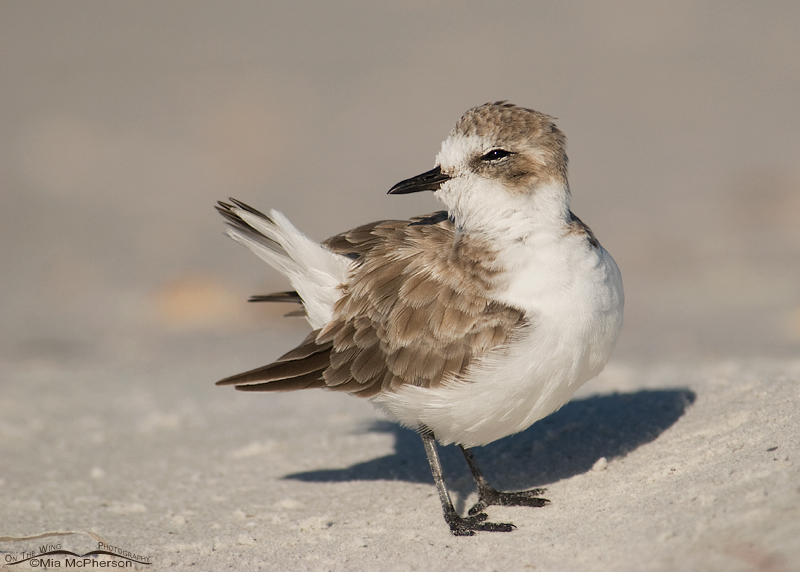
A simple image of a beautiful Snowy Plover (Charadrius alexandrius) in a rather goofy looking pose.
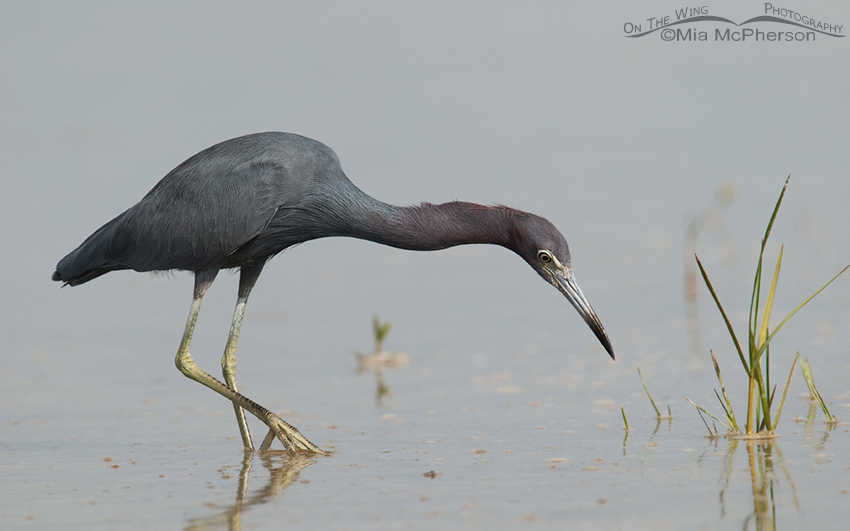
This Little Blue Heron (Egretta caerulea) was photographed in Florida as it hunted for prey in a shallow lagoon the edge of a marsh in late afternoon light.
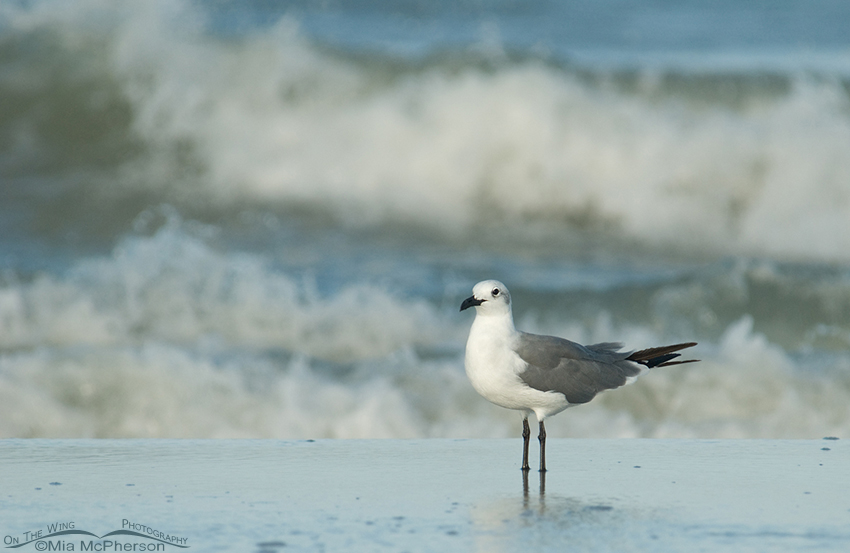
On the day that I photographed this Laughing Gull either Hurricane Ike or Gustav was out near the center of the Gulf of Mexico that was churning up the water
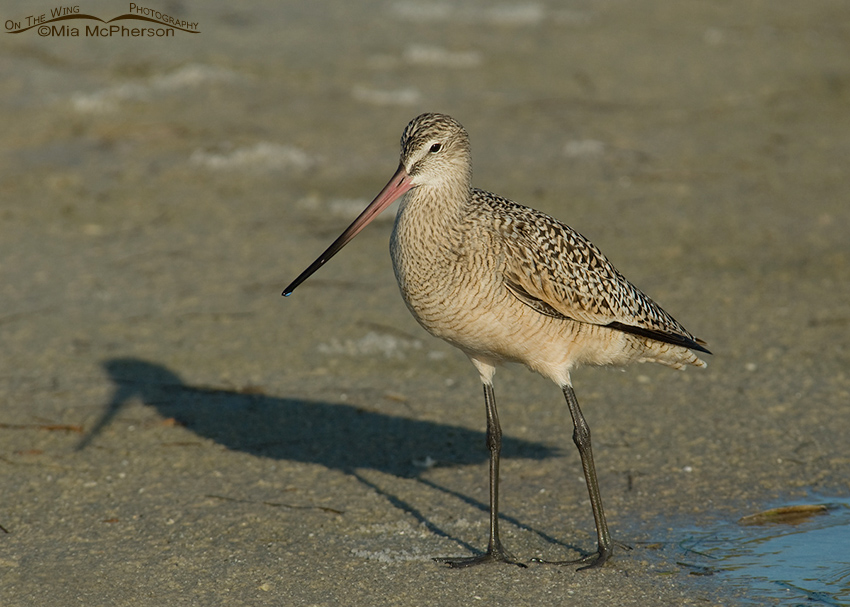
This Marbled Godwit had been feeding on the mudflats of a tidal lagoon at Fort De Soto's north beach.
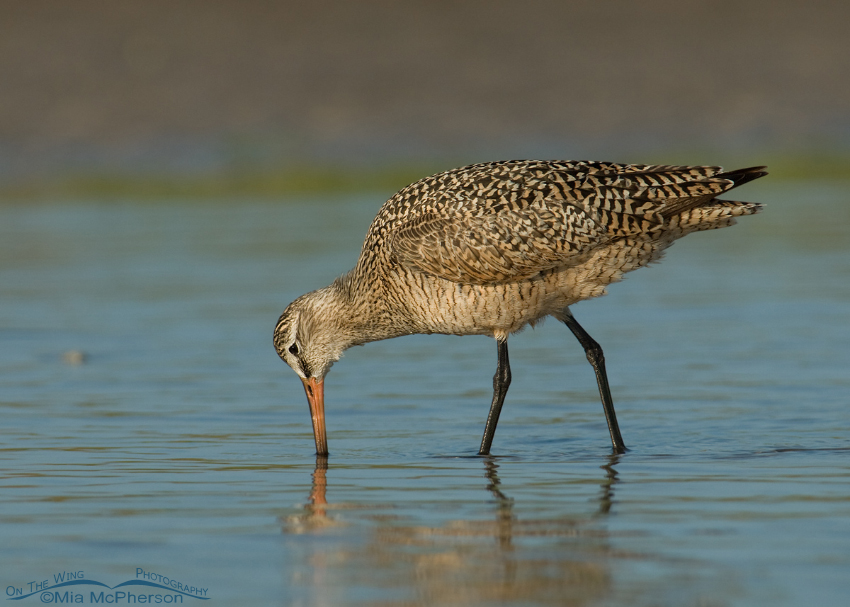
I love how peaceful this image is with the Marbled Godwit (Limosa fedoa) paying absolutely no attention to me as I sat very still in the warm waters of a tidal lagoon photographing it.
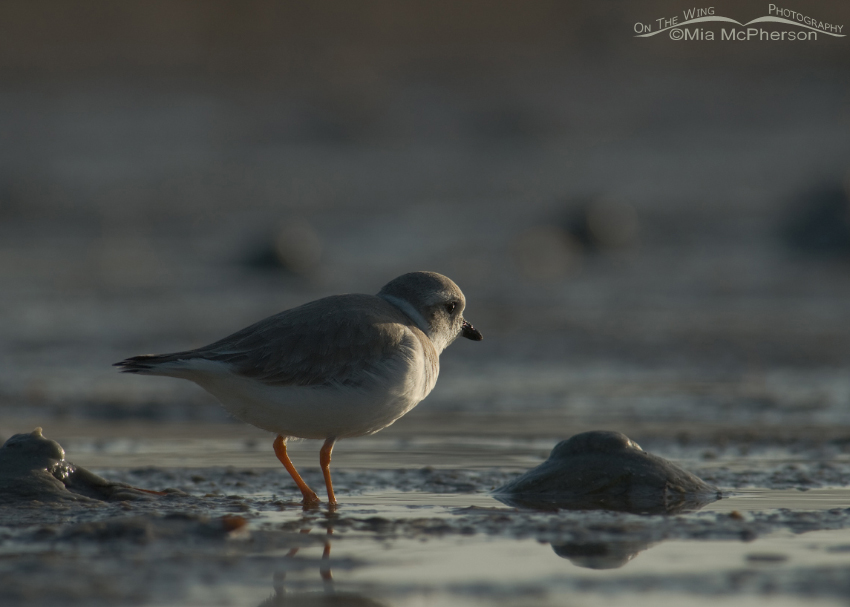
This Piping Plover image reminds me to try to photograph birds in other than perfect light. Sidelit and backlit images can be spectacular so I don't like passing up taking the chance that I might just get a great shot despite what some photographers think of as bad light.
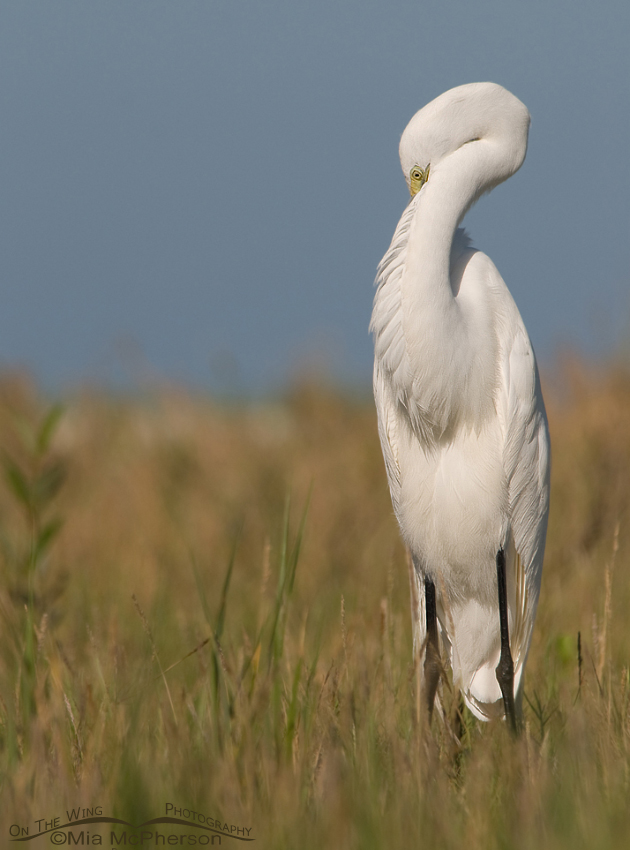
Just a simple Great Egret (Ardea alba) image that always seems to tickle my funny bone when I view it because of the pose.