Breeding Season for Killdeer at Bear River MBR
It is breeding season for Killdeer at Bear River MBR and for all of Utah.




It is breeding season for Killdeer at Bear River MBR and for all of Utah.
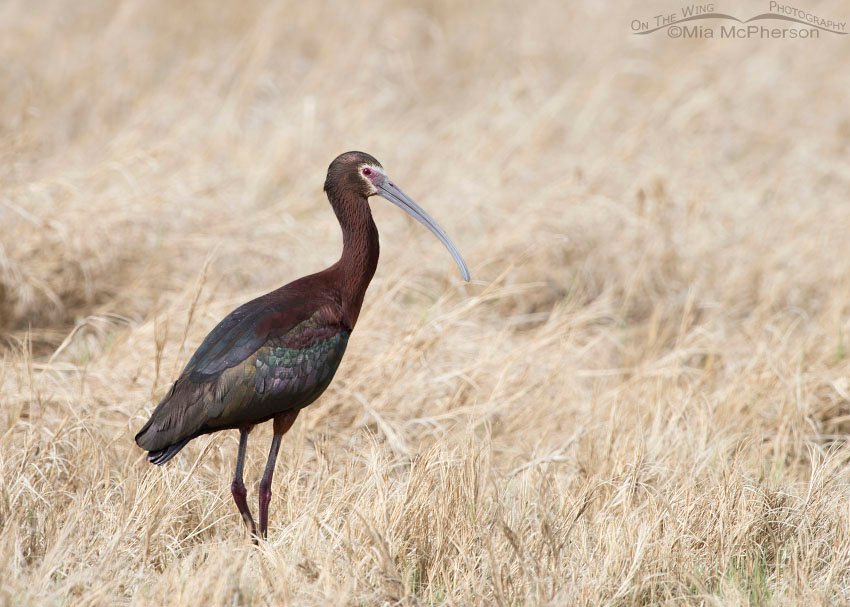
For weeks I have been seeing White-faced Ibis fly overs and yesterday I had my first opportunity to photograph them for the year at Bear River Migratory Bird Refuge.
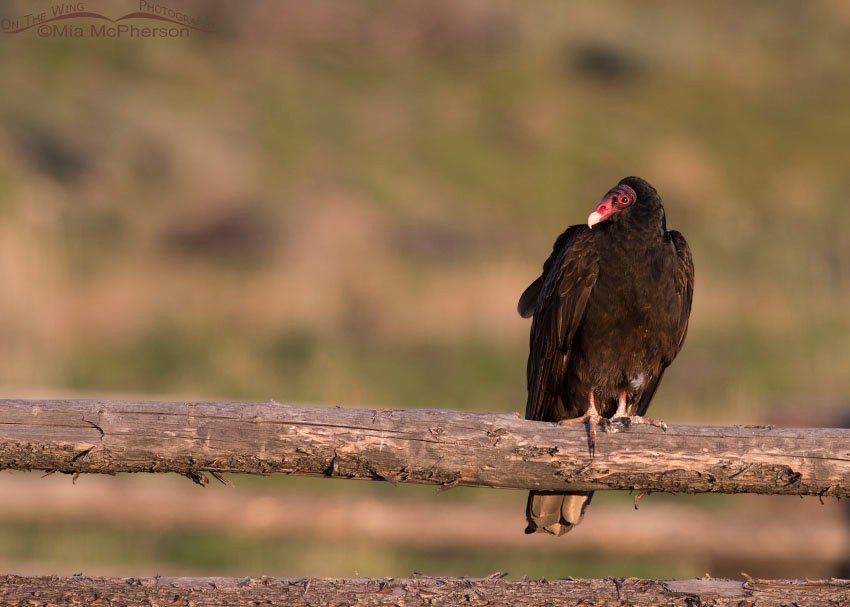
Two bald headed birds, but very different in appearance, one is a vulture who cleans up the earth and the other a wading bird with pink and carmine plumage.

The Long-billed Curlews on Antelope Island are fascinating subjects to photograph and observe or anywhere for that matter.
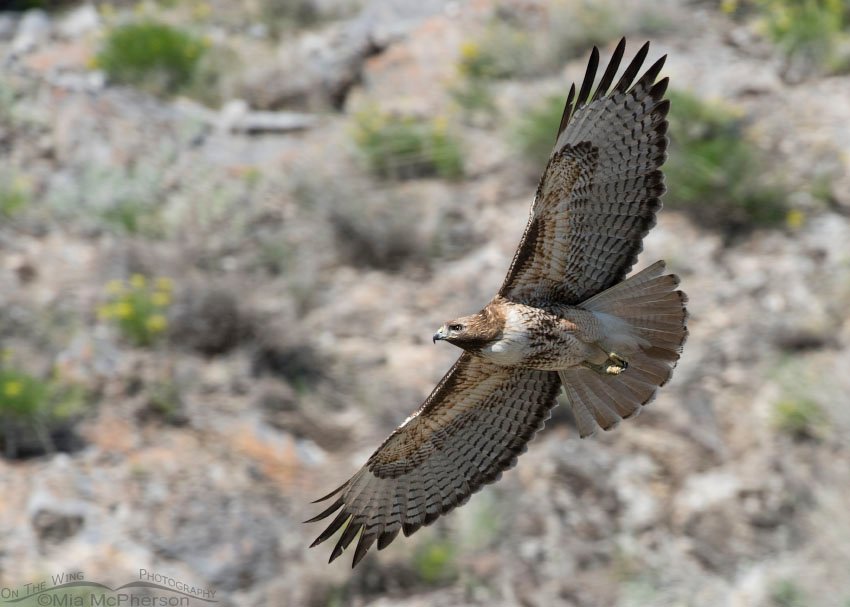
This banking Red-tailed Hawk is one of the pair that are busy building their nest and making nearby forays to find nesting materials.
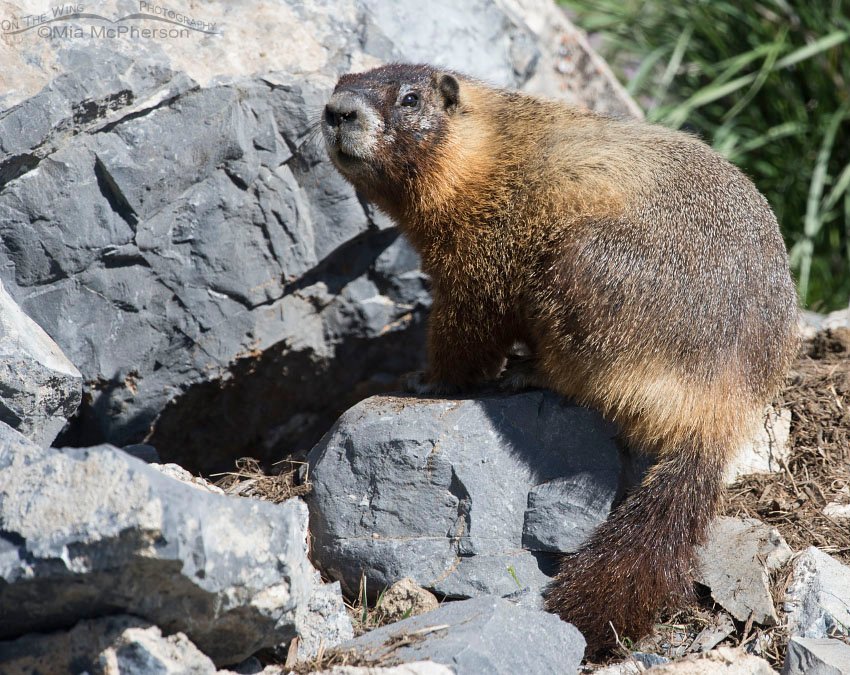
Finding a Yellow-bellied Marmot next to its burrow in northern Utah yesterday was a real treat for me especially since it stuck around for a bit.
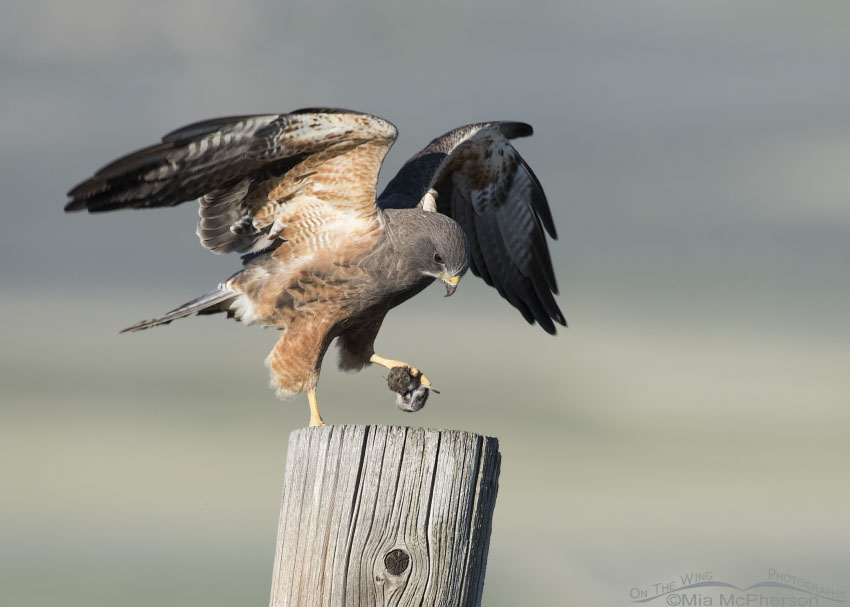
This Swainson's Hawk was right next to the road the entire time I photographed it and I was able to get a series of it it where the hawk nearly filled the frame from top to bottom.

I photographed Long-billed Curlews, Willets and Chukars along with a few other birds and a Pronghorn buck. It was a beautiful spring day.

This Gulf Coast Snowy Plover was photographed at Fort De Soto County Park in Florida and the park was the first place I had ever photographed this species.
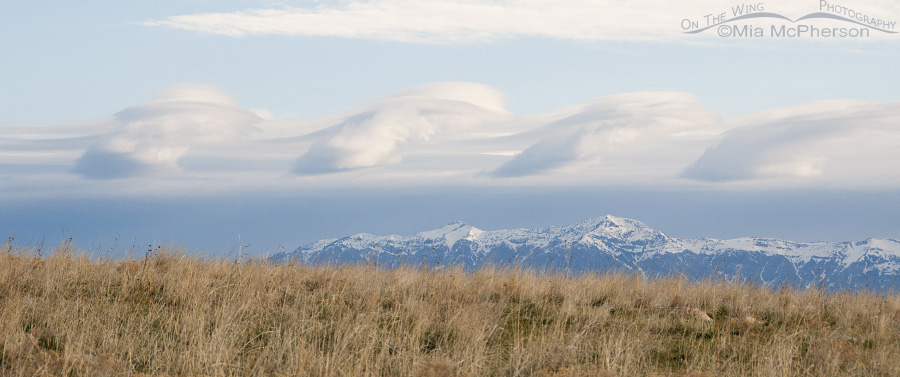
Seeing the Kelvin-Helmholtz wave clouds over the Wasatch Mountains as viewed from the south end of Antelope Island State Park made my day
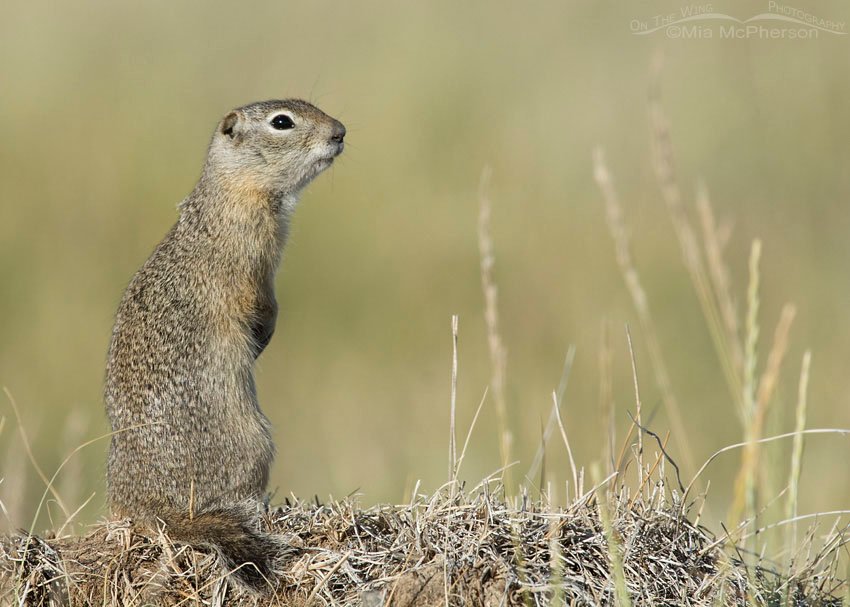
By doing more research I found out that Uinta and Richardson's Ground Squirrels and the rest of the ground squirrels in North America have been changed to Urocitellus.

April in northern Utah is a good time to see and photograph molting immature White-crowned Sparrows.

I came across this image yesterday that I took one day shy of a year ago while looking for another image in my files and thought that I would post it today because I like the wing position.
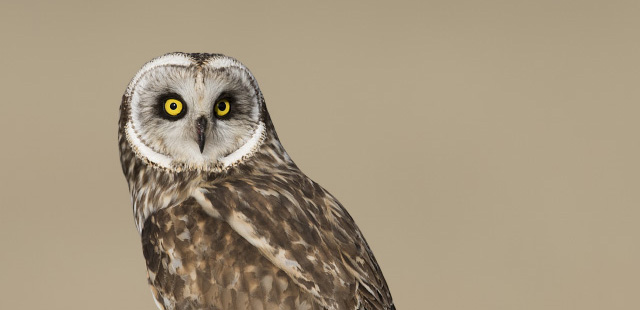
This image shows a Short-eared Owl nictitating membrane that is partially exposed. The dark line near the center of the eye is the edge of the nictitating membrane.
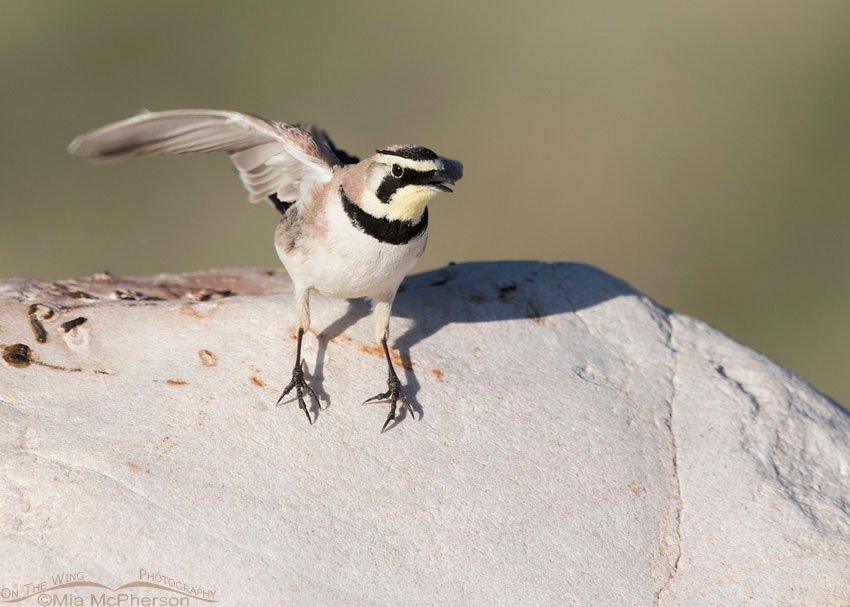
While I was focused on the lark a small bird; presumably a sparrow, zoomed past and I captured an image of a startled Horned Lark who reacted by raising his wings and calling while he moved down the rock a bit.

Yesterday at Bear River Migratory Bird Refuge I was able to photograph several first spring Red-winged Blackbird males.

When I photographed this Forster's Tern hovering over prey there were several others in the area doing the same thing which makes it difficult to decide on which bird to photograph.

I was able to take quite a few images of a very cooperative first spring Northern Harrier that was perched on an old post next to the road in Box Elder County.
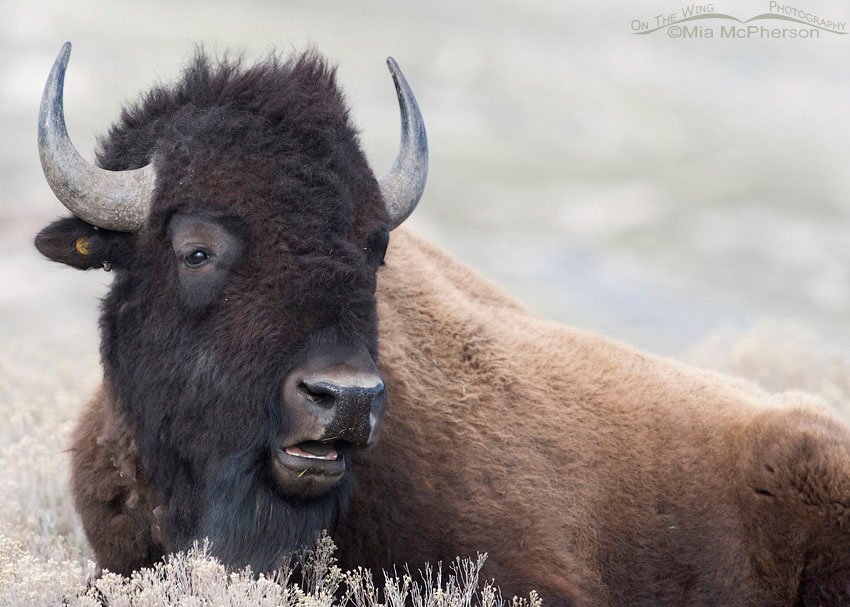
I was able to take a very nice series of low light American Bison bull portraits despite the lack of clear skies and sunshine on Antelope Island.

I mentioned in my post about Short-eared Owls yesterday that I saw Burrowing Owls, Turkey Vultures and a third year Bald Eagle juvenile in northern Utah so I thought I would share a few more images form the northern Utah excursion.

Yesterday it was the northern Utah Short-eared Owls that made me so very glad that I am a bird photographer and that for a little while I am part of their world.

I was able to take this male Yellow-headed Blackbird portrait because the bird seemed more intent on catching midges than being nervous about me.
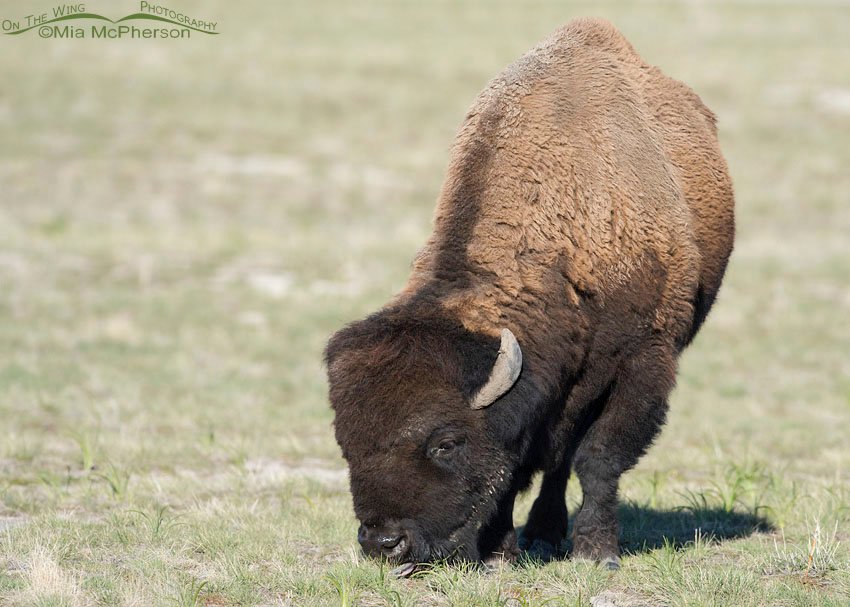
Seeing this Bison bull grazing on fresh grass isn't an unusual occurrence for me because I see them so often on Antelope Island but I also realize that there are quite a few people who haven't had the pleasure of seeing them in the wild like I do.

This Sage Thrasher and Lark Sparrow on rabbitbrush are only two of the birds that benefit from the rabbitbrush on Antelope Island.

I have only seen and photographed these two Great Blue Herons expelling bile in Florida and Utah. I wonder how often this occurs.

I always enjoy when the Clark's Grebes return to northern Utah and hope that this year I will be able to photograph their weed ceremony or them rushing.

Antelope Island Chukars don't just attract out of town visitors to the island, they still call in locals like myself to see, hear and photograph them.
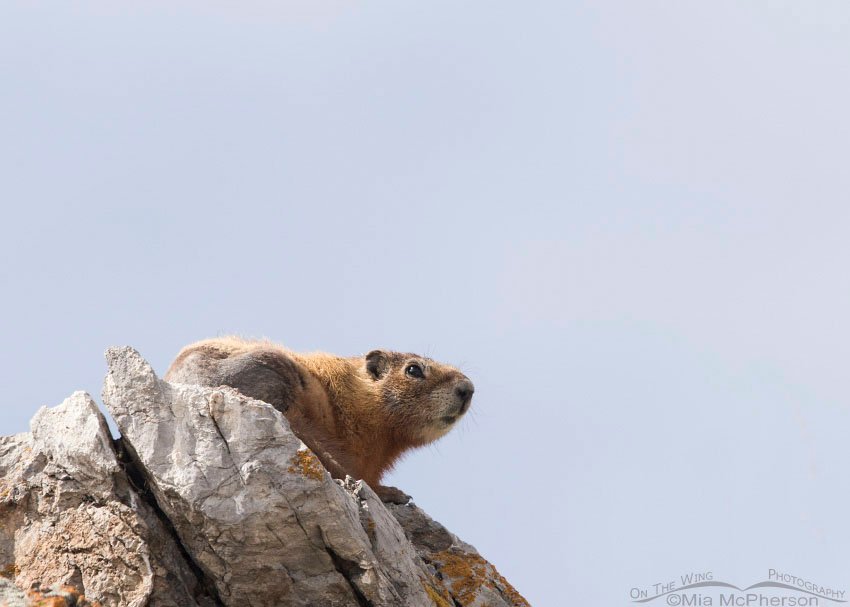
I was able to take images of a Box Elder County Yellow-bellied Marmot further south next to the road near the foothills of the Promontory Mountains.
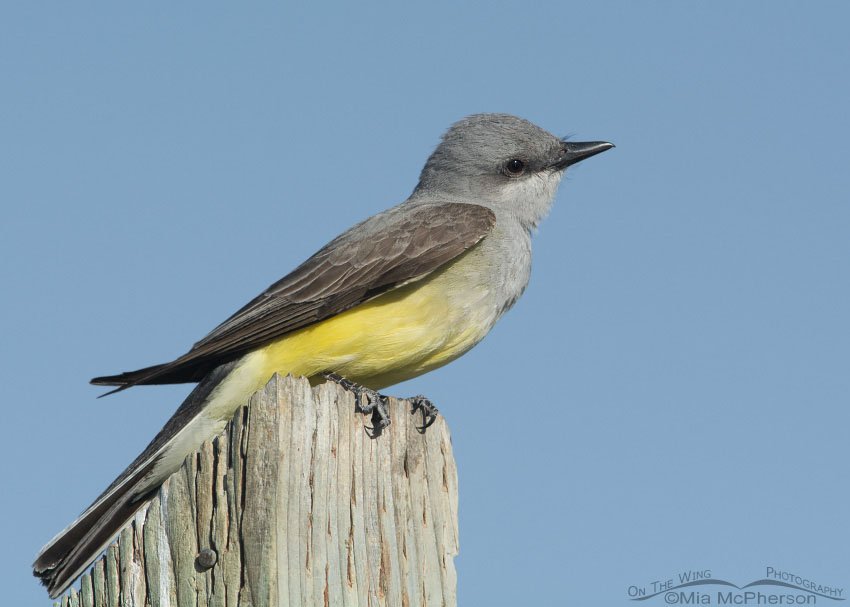
This adult Western Kingbird close up was photographed two years ago on Antelope Island State Park as it perched on a sign post close to a nest site.

More of the swallows will migrate to the refuge very soon and the Cliff Swallow nesting season will start.