Friday Photos – Wilson’s Plover
This Friday's Photo is that of a Wilson's Plover, a species I very much enjoyed photographing while I lived in Florida.


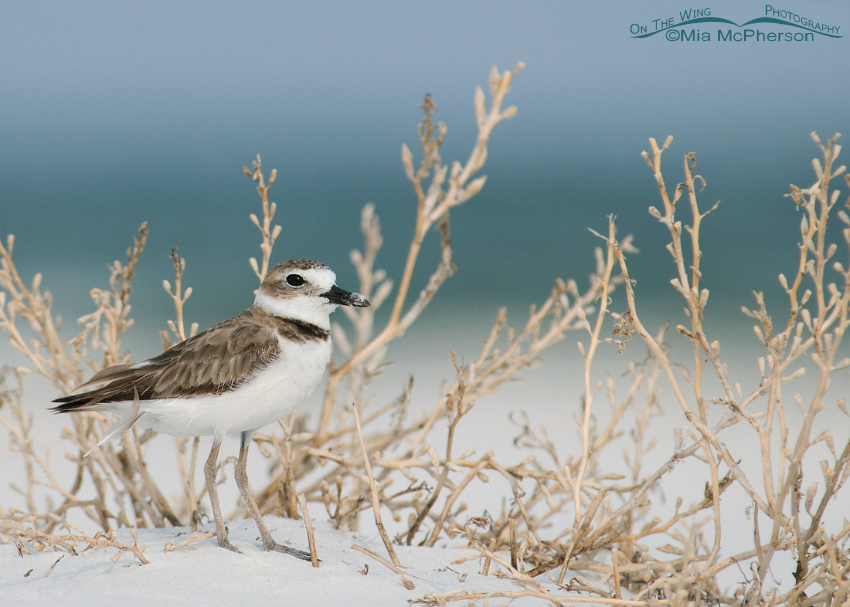
This Friday's Photo is that of a Wilson's Plover, a species I very much enjoyed photographing while I lived in Florida.

I love to photograph in pre-dawn light because of the subtle almost pastel tones that can be captured at that time of the morning.
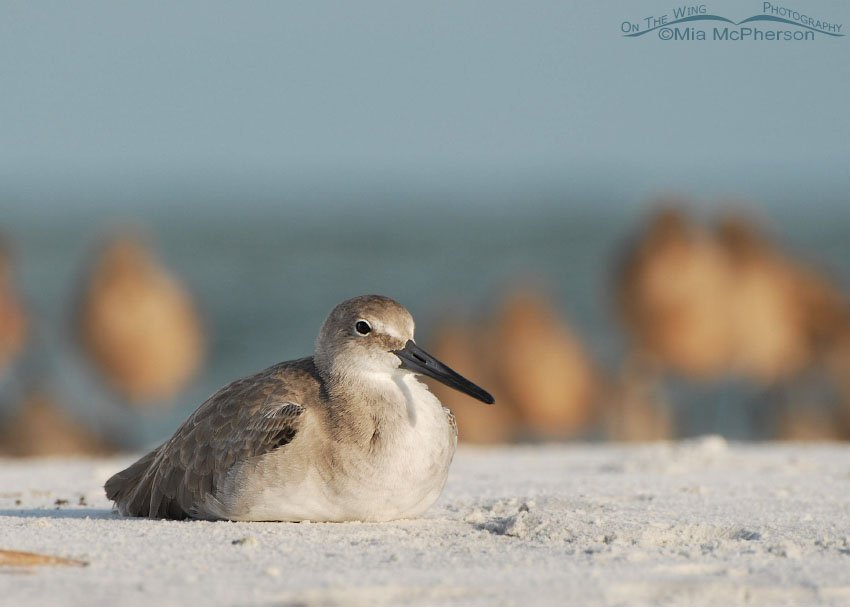
There are images that I have created that as soon as I see them on my monitor become listed as one of my favorites.

The first destination was Red Rock Lakes National Wildlife Refuge a place I've become very familiar with and a location that I think is incredibly beautiful.

I watched this American Oystercatcher juvenile and its sibling from the time they were just tiny chicks beginning the day after they had hatched.

Yesterday I observed an adult Willet defending its young from a group of Black-billed Magpies that were near the Willet's chicks.

I spotted this plover resting near the wrack line near the Gulf of Mexico during the winter and sand-crawled up close to it to get a low angle in the beautiful light.

Red Knots are on the edge of extinction and without further regulation of Horseshoe Crab harvesting in North America plus additional protection and conservation measures for Red Knots they may well disappear in our lifetime.

As a "Nature" photographer one of my goals is to create images that show the bird or animal's natural habitat within the frame

Sometimes I just feel so lucky being a bird photographer. Not only do I get to be outside in nature when I am photographing, but I get nice surprises too like when this Long-billed Curlew juvenile approached near enough to get head shots of it.

The juvenile Long-billed Curlew was foraging and preening in the vegetation on the ground below the adult perched on the boulder

When looking at a Greater Yellowlegs there is NO mistaking how they got the name "Yellowlegs".
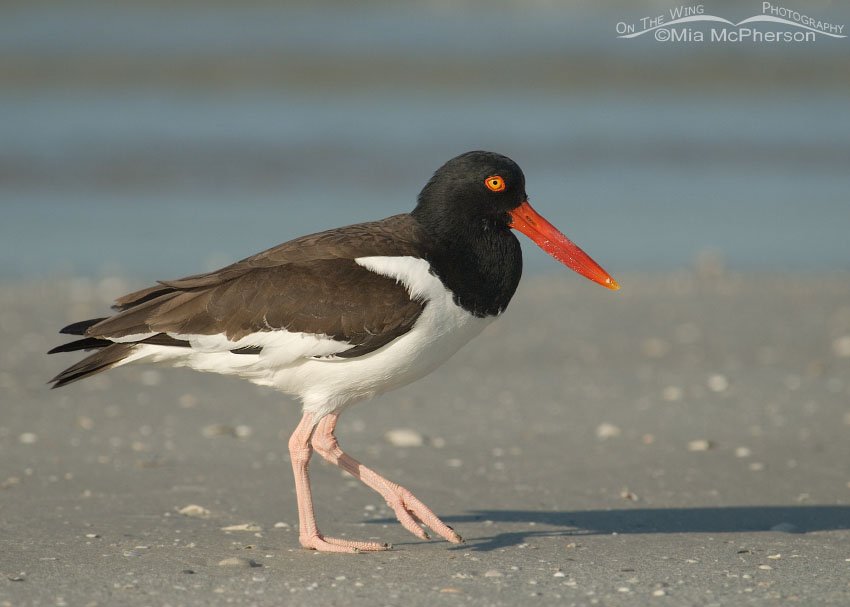
American Oystercatchers are fascinating birds to photograph, They can strike unusual poses and their plumage is spectacular in flight. I enjoyed watching them pry open bivalves with their long bill

One of the habits I have developed after becoming a serious bird photographer is observing and learning about bird behavior and the habitats
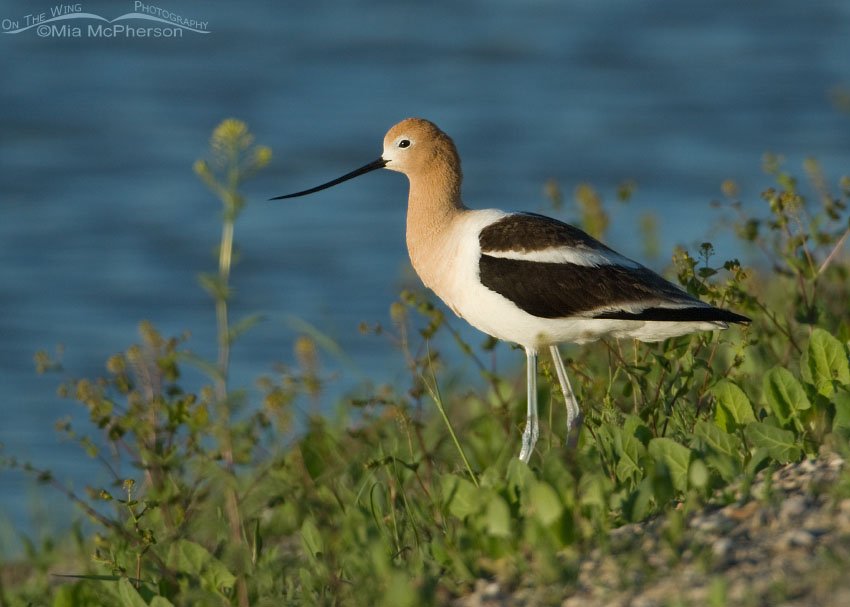
This is the time of the year that "midges" are as thick as flies on you-know-what at the Bear River Migratory Bird Refuge.
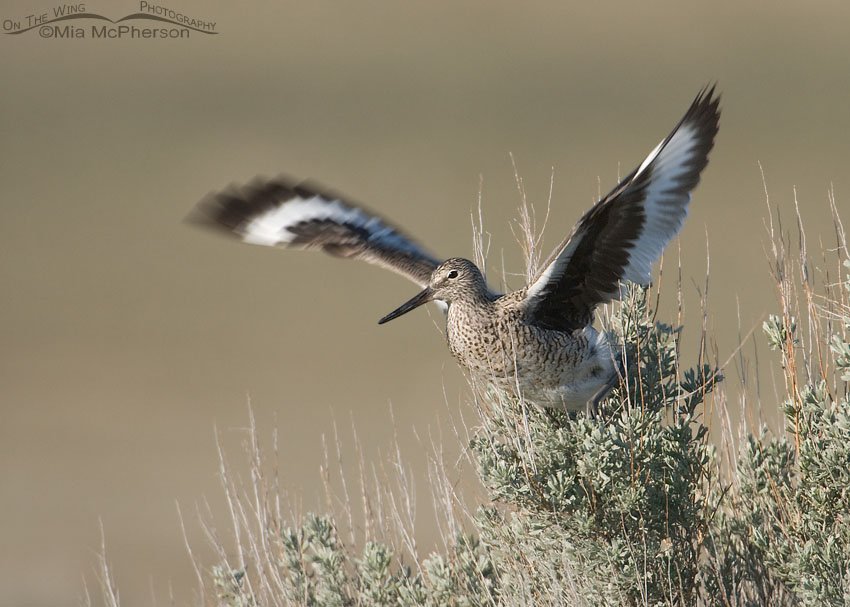
I hereby put the millions of biting gnats on Antelope Island on notice: No matter how many times you break through my insect repellent shield, I am still going to photograph birds on Antelope Island.
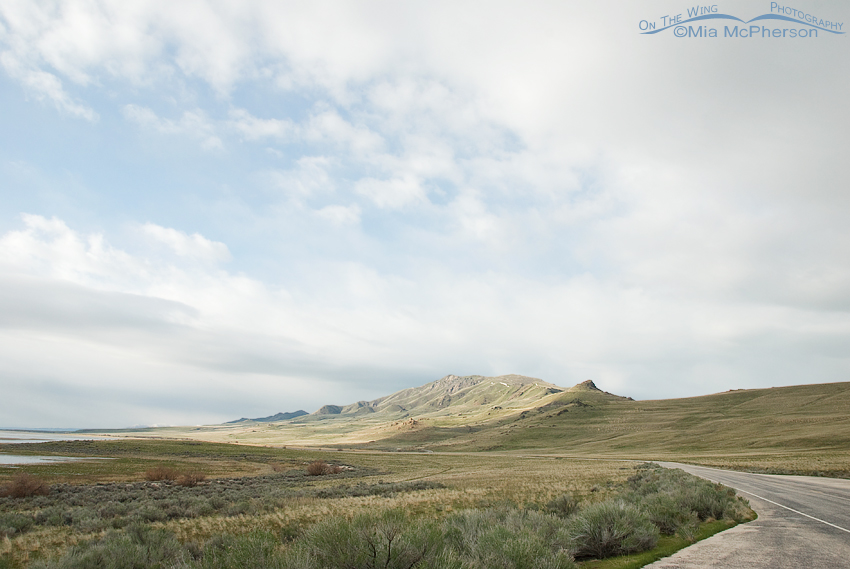
I've spent a few days out on Antelope Island State Park this past week and from all appearances spring is making its debut.

Spotted Sandpipers are fun to watch as they walk along the shoreline as they teeter, bob and bounce their rear ends up and down.
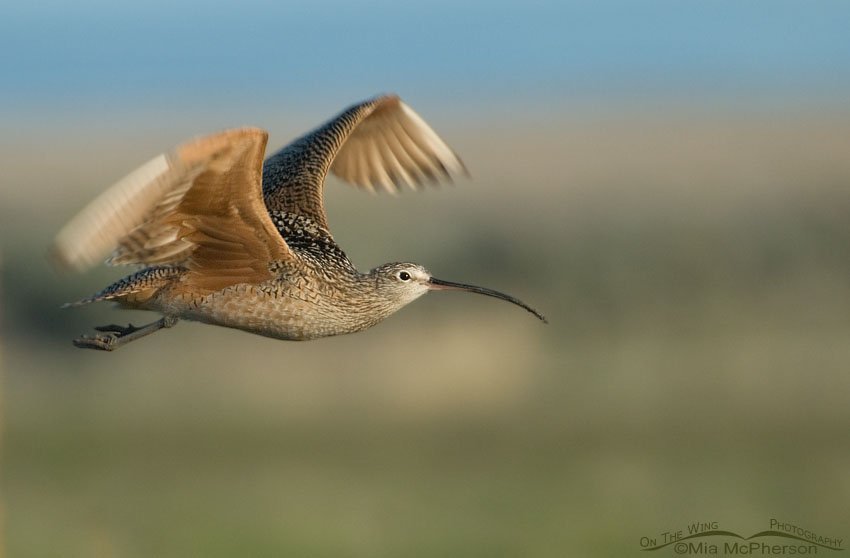
These are just a small selection of the cast and characters of the upcoming Spring Season

Be prepared to become addicted to birds. You will have withdrawals if you don't shoot often enough, your shutter button finger will develop a nervous twitch
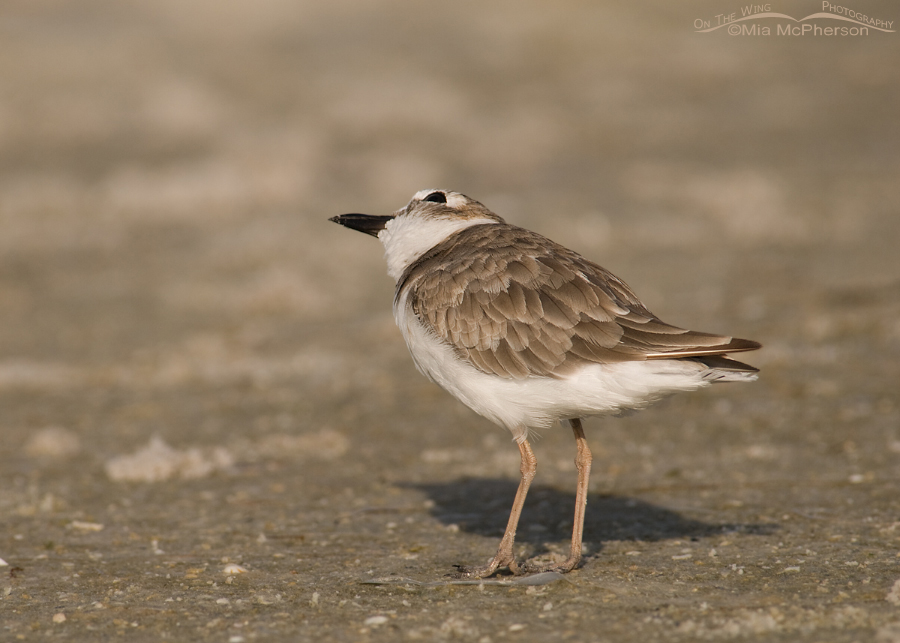
There are times that I open an image on my computer screen and I can't help but laugh. This is one of those images for me because of the tilt of the head of the Wilson's Plover.

I love watching Black-bellied Plovers hunting. They take a few steps, stop, look and listen, then do it all over again.
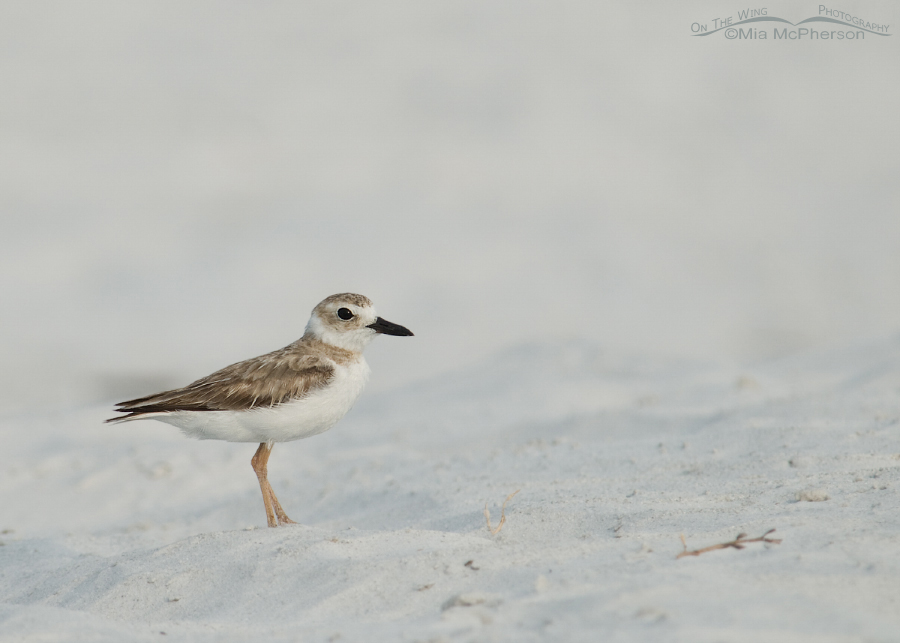
This juvenile Wilson's Plover was in the company of an adult bird and both of them were scurrying along some vegetation on the north beach of Fort De Soto.
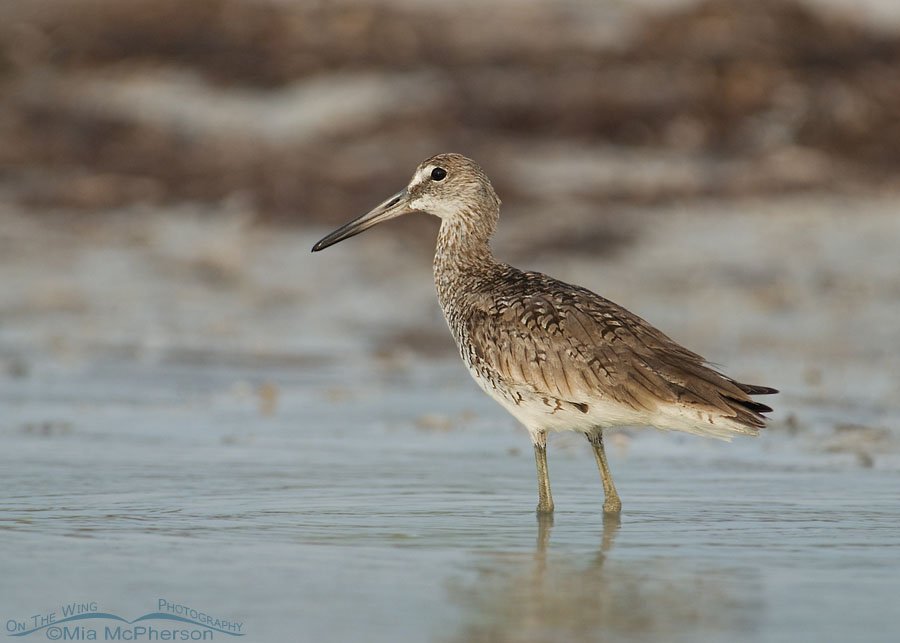
The Willet is thought by many people to be a "plain brown bird" but I find their subtle coloring quite appealing whether they are in breeding or nonbreeding plumage.
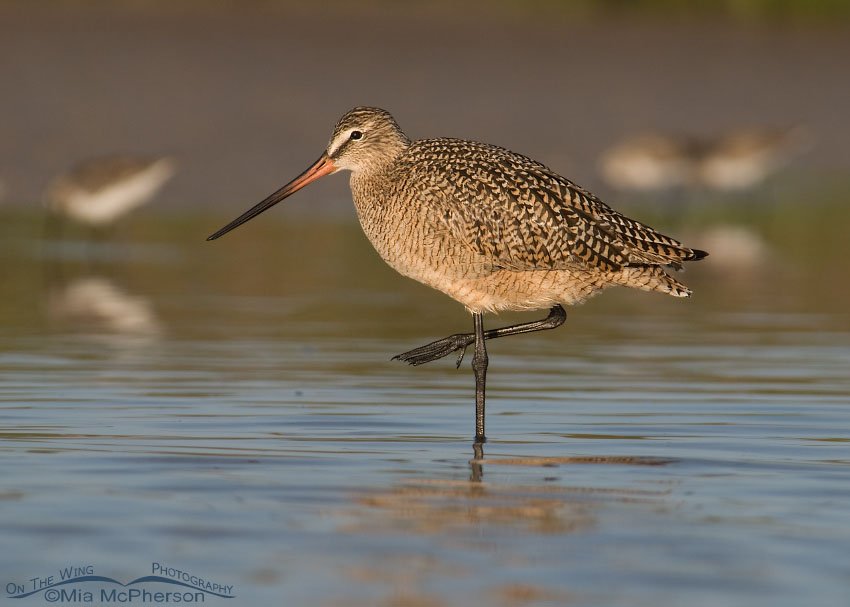
Marbled Godwits are graceful birds while on the ground, feeding and in flight.

Auto levels in Photoshop must be used with a light touch. Using auto levels can create too much contrast in an image, can cause color casts, it can brighten an image too much, it can strip the light and can make some images look very unnatural.

One of the easier medium-sized shorebirds to identify on Fort De Soto's beaches and tidal mudflats are the Ruddy Turnstones. The only other turnstone that frequents North America is the Black Turnstone and it occurs on the Pacific coast.

Proper rotation can make an image work. Improper rotation can cause the the person viewing to wonder what isn't right about an image.

Throughout the year you can see and photograph many different species of Plovers on Fort De Soto’s beaches, tidal lagoons and spartina marshes.

As a bird photographer it can some times be disheartening when you have great light, a wonderful setting and a beautiful specimen of a bird in front of your lens when you see the "jewelry" (bands) that some birds will be wearing.