Ruddy Turnstone in early morning light
I photographed this Ruddy Turnstone in early morning light at Fort De Soto County Park in Florida several years ago as it stood on the sandy beach.



I photographed this Ruddy Turnstone in early morning light at Fort De Soto County Park in Florida several years ago as it stood on the sandy beach.

The forecast is calling for snow today and there is already a heavy cloud cover so looked back through my files and found some Brown Pelican images taken on a warm February morning in Florida to post today.

This photo shows a Roseate Spoonbill and Wood Stork on the shoreline of a tidal lagoon at Fort De Soto County Park in Florida and it shows how the Wood Stork can dwarf the Roseate Spoonbill in height.

I can recall clearly the day I took this photograph of Sandwich Terns mating. I was sitting very low in a tidal lagoon on the north beach of Fort De Soto County Park in Florida.

Great Blue Herons are year round residents in both Florida and Utah although conditions during the winter months can be starkly different for these large wading birds in the two locations and climates.

Since I moved to Utah I think of Long-billed Curlews as my personal harbinger of spring.
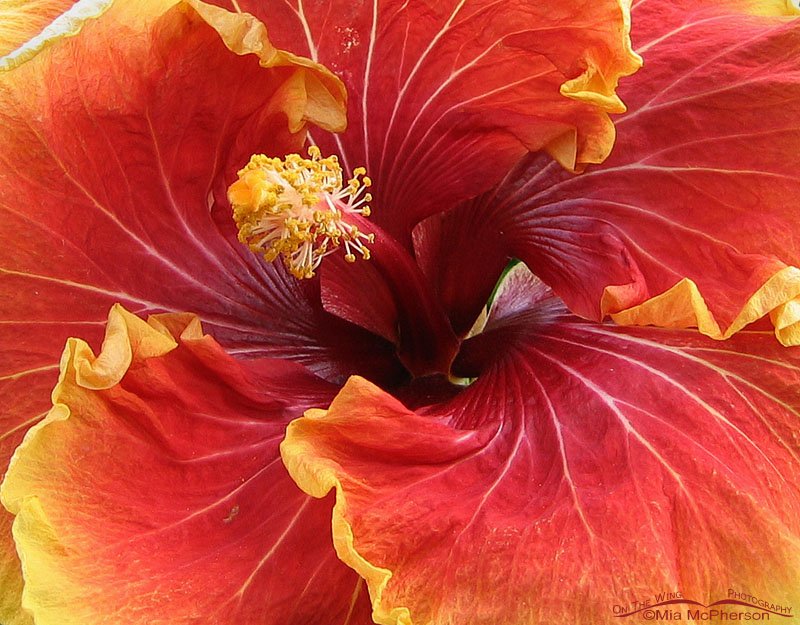
This flame-colored Hibiscus takes me back to a warm, sunny day in Tampa at the USF Botanical Garden, for awhile when I look at this I can forget the fog building outside my window and the snow on the ground.

I've always liked this image of a Tricolored Heron in breeding plumage that flew past me while I sat in the water of a tidal lagoon near a Spartina marsh in Florida. Warm water, a sea breeze, birds, nature and photography.

Awhile back someone told me that Mergansers don't change their plumage seasonally, which is of course incorrect as all three species of mergansers that live in North America do.

I love winter, I love seeing snow on the mountains and feeling the crispness in the air but I am getting tired of gray cloudy days and heavy fog so I thought I would post a few bird images from warmer and sunnier days that I took while I lived in Florida.
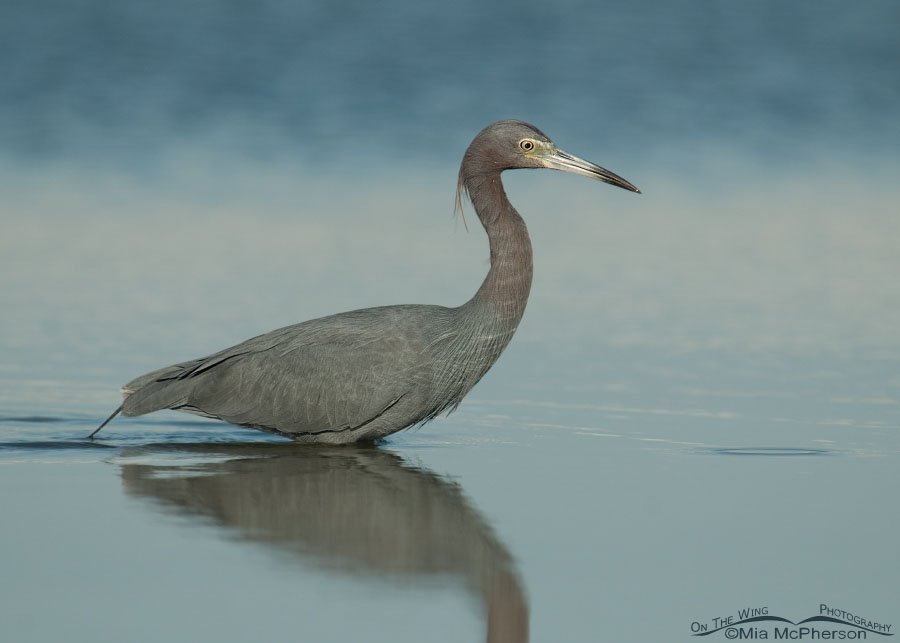
I don't know how much snow fell over night here in the Salt Lake Valley because it is still dark outside and while I am truly not "blue" about it I thought some images from warmer times of a blue bird might be in order for a Monday.

The majority of you voted for the correct answer: Juvenile Herring Gull, 1st winter Laughing Gull and Royal Tern

I came across this image this morning while working up my post Bird images from warmer days and all at 300mm or less and thought it might make a great image for a Bird ID Quiz.

Gray skies, freezing temps and the inversions are beginning to get to me so I thought I would share some bird images from warmer days on Fort De Soto County Park's north beach in sunny Florida.
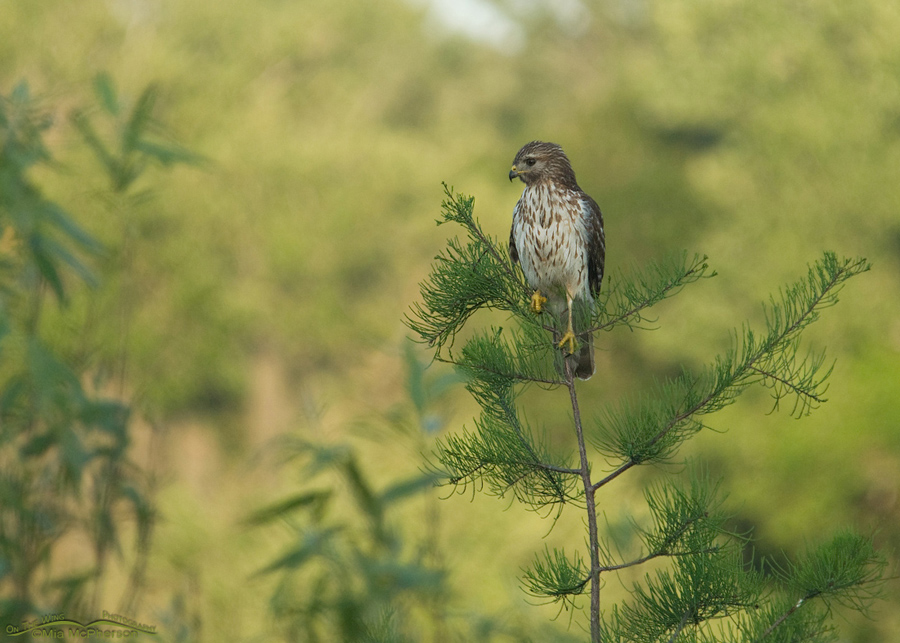
Five days ago I posted a Bald Eagle image where the eagle was small in the frame and explained that I felt that the setting was as important as the subject, I also feel that way about this image of a Red-shouldered Hawk juvenile perched in a tree.
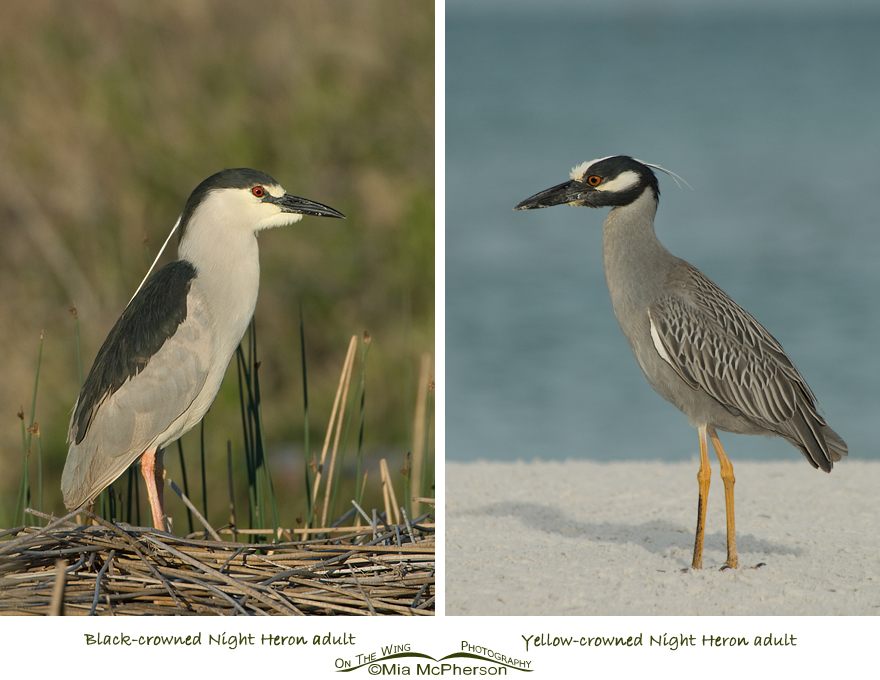
The adult Black-crowned and Yellow-crowned Night Herons aren't terribly difficult to tell apart though the juveniles can be more of a challenge.

One very foggy May morning I came across a small flock of Roseate Spoonbills in a tidal lagoon at Fort De Soto's north beach and photograph them for about 15 minutes before they flew off to find food.

This image soothes me because of the still water, the relaxed pose of the calm Snowy Egret and the memories of how delightful it was to be on the north beach of Fort De Soto

These two "Great" images were taken two minutes apart of two different "Great" wading birds in Florida.
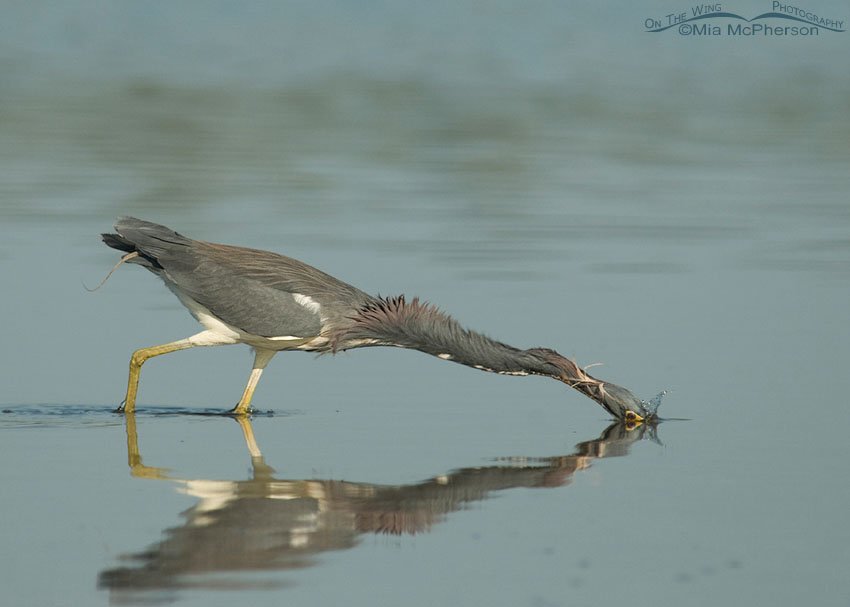
I am intrigued by how these herons evolved to have long necks that give them the ability to make lightning fast strikes at their prey some distance from their bodies.
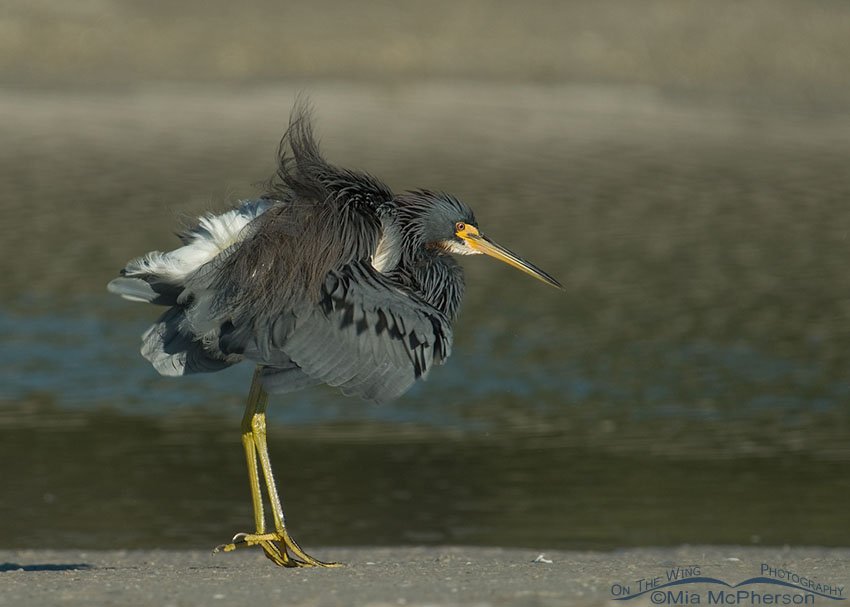
The Great Blue Heron I photographed on Christmas Day seems to have focused my attention on wading birds, yesterday it was Reddish Egrets and this morning I present a Tricolored Heron shaking its feather while on tip toes

These two Reddish Egrets; a dark and a white morph, were photographed on the same day at Fort De Soto's north beach in May of 2009 and both of them were showing signs of being in breeding plumage.
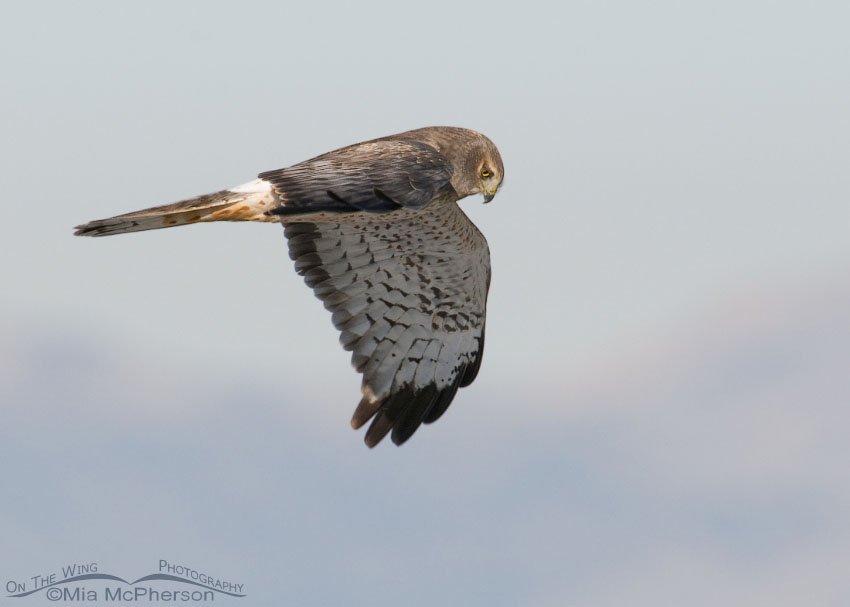
Yesterday I took a stroll down memory lane, actually I looked for images I have taken either on Christmas Eve or Christmas Day in my files but in a way that is taking a stroll down memory lane.

Evening can have marvelous light too though as shown in the Roseate Spoonbill image above that I photographed in Florida as it hunted for prey in a tidal lagoon.

This Great Egret image was taken in Florida in 2009, the beautiful blue in the background is the water of the Gulf of Mexico.

I photographed this Short-billed Dowitcher and the out of focus Sanderling the day after a storm had pushed mounds of Sargassum seaweed onto the wrack line and the birds were busy looking for food within it.

A simple image of a Red Knot taken in Florida in early morning light. Morning has been; and is, my favorite time of day to photograph birds and other wildlife because the rising sun can add drama and a warm glow to whatever subject I am photographing.
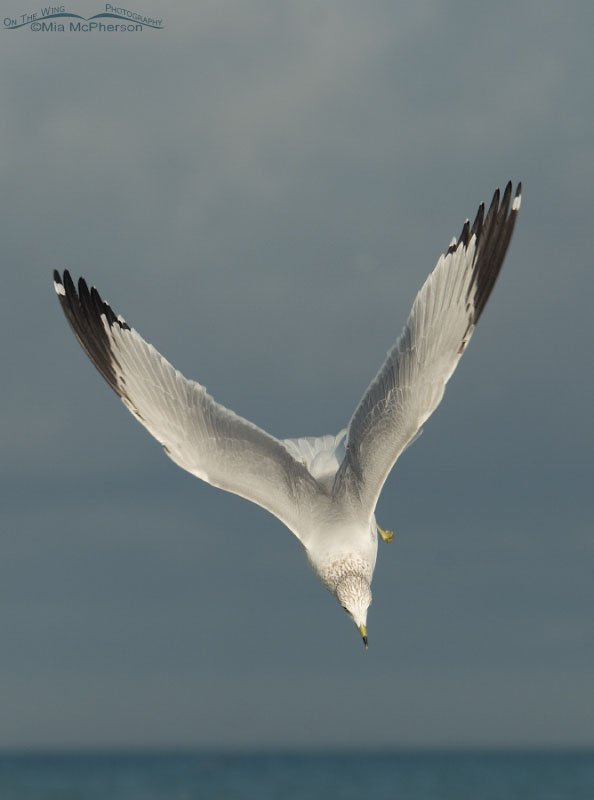
Just a simple image today that I have always liked because of the action even though I don't have great eye contact with my subject, a Ring-billed Gull.
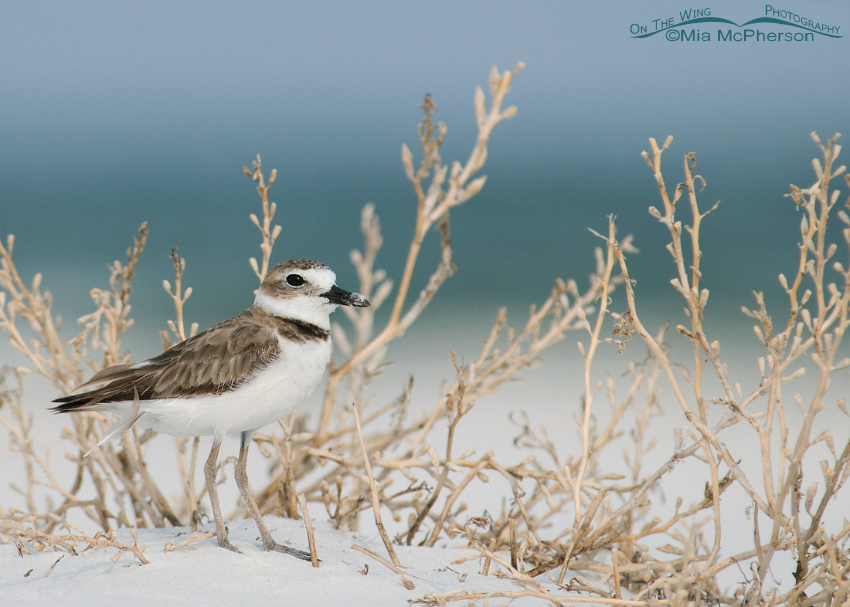
This Wilson's Plover and its mate were being run ragged chasing after the two chicks they had fledged, this adult stopped in front of me where I had laid down in the sugary white sand and rested a few moments in the dried Sea Purslane stalks.

Sanderlings look very different in appearance during breeding season and winter and novice birders might even think they are two different species.