Least Chipmunk Eating Utah Serviceberry Berries
I'm always happy to photograph the other things I see while I am out photographing birds and that includes cute critters like this Least Chipmunk nibbling on the fruits of the Utah Serviceberry shrub.



I'm always happy to photograph the other things I see while I am out photographing birds and that includes cute critters like this Least Chipmunk nibbling on the fruits of the Utah Serviceberry shrub.
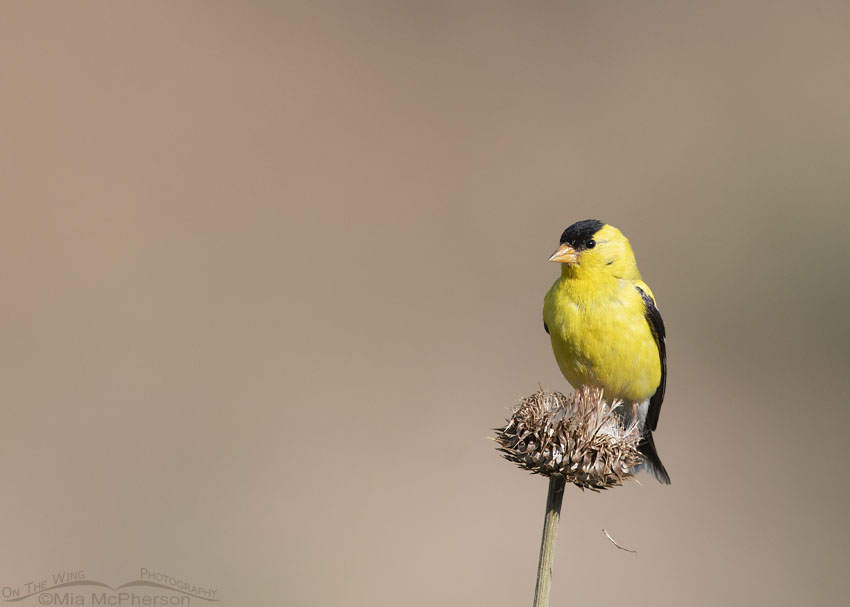
Today I am keeping it short and sweet and sharing one photo of a male American Goldfinch perched on a dried Musk Thistle blossom plus a short video clip I took of him as he lifted off and flew away.
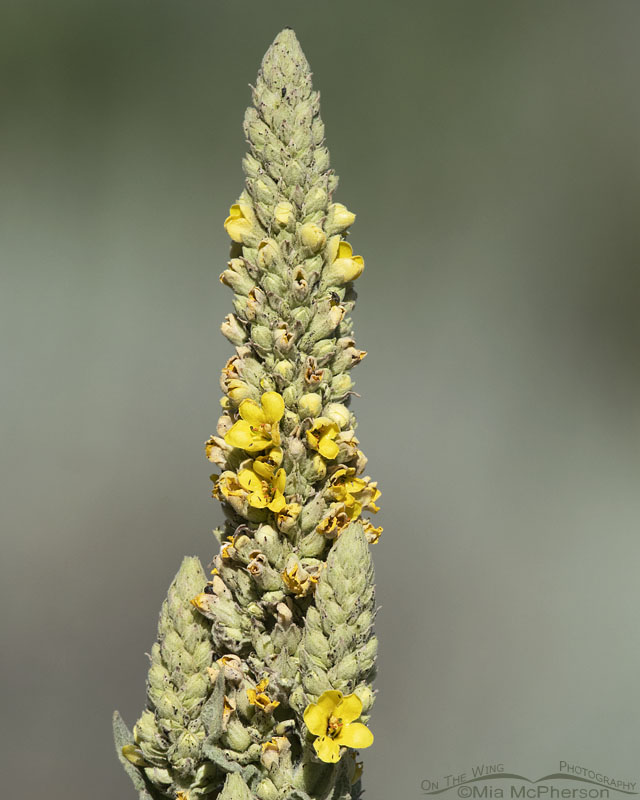
As a child I remember plucking the leaves of Common Mullein just to touch them because the leaves were as soft as well worn flannel, their yellow flowers didn't interest me much but the soft leaves sure did.
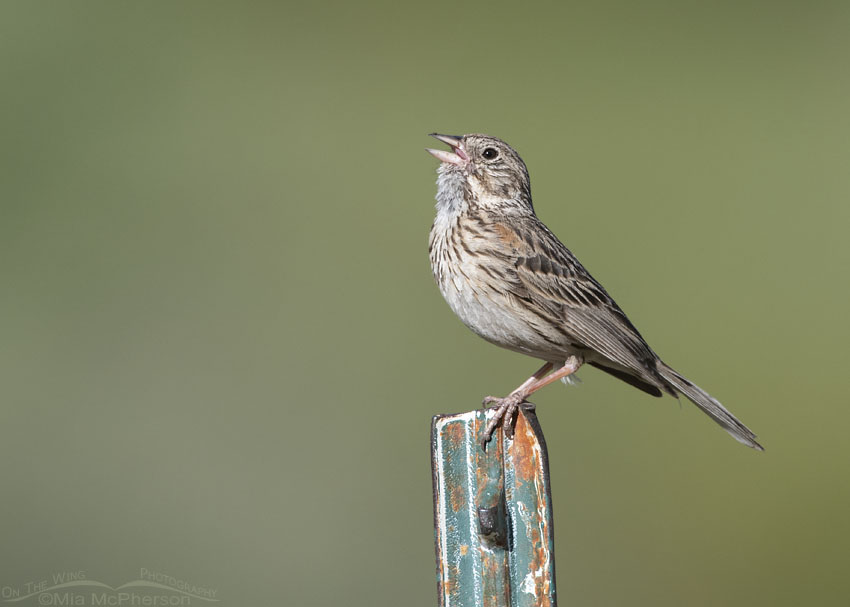
For several weeks I repeatedly saw and heard a Vesper Sparrow in a canyon in the Wasatch Mountains and early in July I was able to take some decent images of it as it sang on a metal post.

Yesterday in a Wasatch Mountain canyon I found a cooperative female American Robin resting on a perch on a hillside covered with sagebrush.
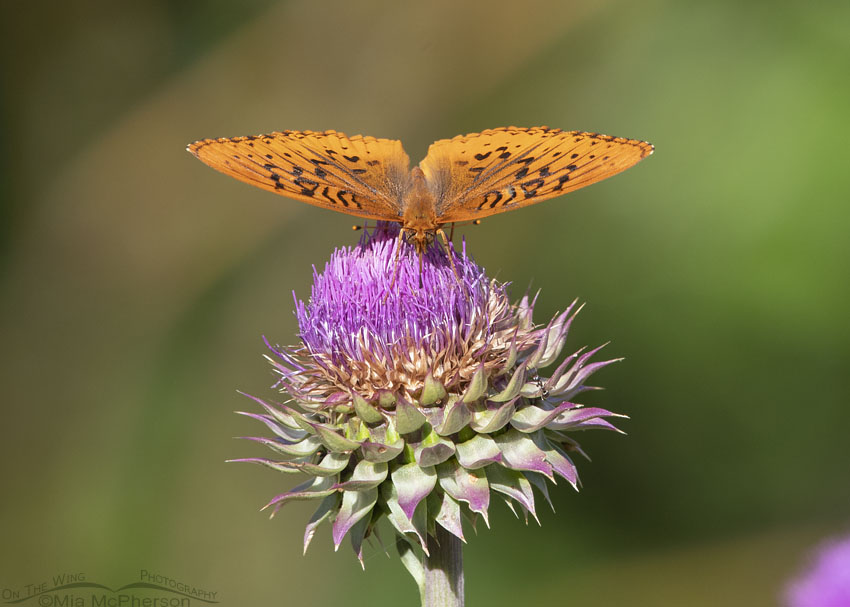
I'm going to ask for help later on today from bugguide.net with the identification of this fritillary butterfly. I don't normally have to ask for identification assistance but I need it for this other thing with wings.

Northern Yellow Warblers are anything but mellow instead they are frenetic, hyperactive, frenzied, energetic and move so quickly they sometimes make me dizzy trying to track them with my long lens.

Last month I had a few opportunities to photograph juvenile Mountain Bluebirds in a Wasatch Mountain canyon while they were being fed by adults and as they learned to hunt on their own.

A flash of yellow, black and white on a purple flower immediately drew my eyes to a male American Goldfinch feasting on the seeds of a Musk Thistle so I stopped, turned my Jeep off and proceeded to photograph the bird.

Since a flock of waxwings can be called an “ear-full” of waxwings I thought I'd share a group of Cedar Waxwing photos I have taken over the last month in a canyon in the Wasatch Mountains east of Salt Lake City.
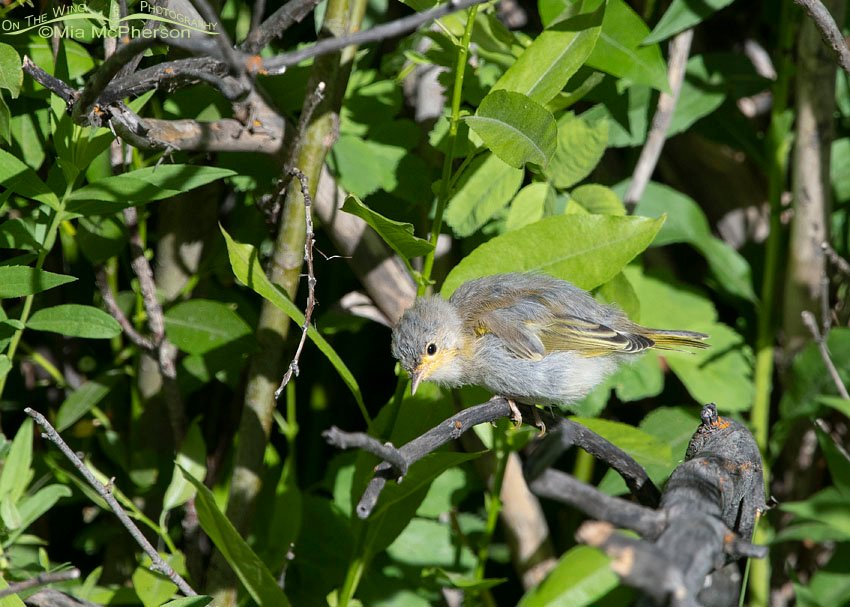
Imagine moving down a gravel road and seeing just a tiny flash of movement and light-colored plumage in a stand of green vegetation and trying to figure out if it is a bright leaf in the breeze or a fledgling Northern Yellow Warbler in a split second.

I have truly been enjoying being able to photograph Gray Catbirds this spring and summer because they are challenging to get out in the open, because I think they are dashing in appearance and their songs always delight me.
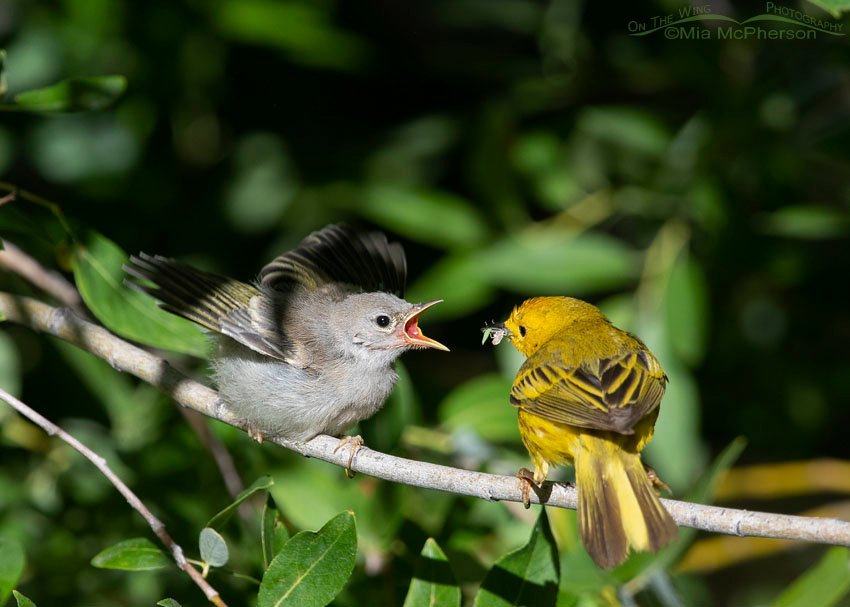
Yesterday I had fun and frustration while photographing Northern Yellow Warblers feeding their fledglings up in a Wasatch Mountain canyon, fun because it is always great to see them and frustration because of the setting they were in combined with a breeze.

I pulled over to the left side of the road after I passed the bush and the bird and I succeeded in getting the Cedar Waxwing in fairly good light with a cloudy sky background.

I'm wondering now if Great Blue Herons here in Utah might already be adapting to climate change by moving higher up into the mountain valleys and canyons that have suitable food and water supplies to breed and nest.

I'm going to keep trying to obtain better photos of the Gray Catbirds with the Black Twinberry berries and perhaps before long the catbirds will bring their young to feast on these berries too!
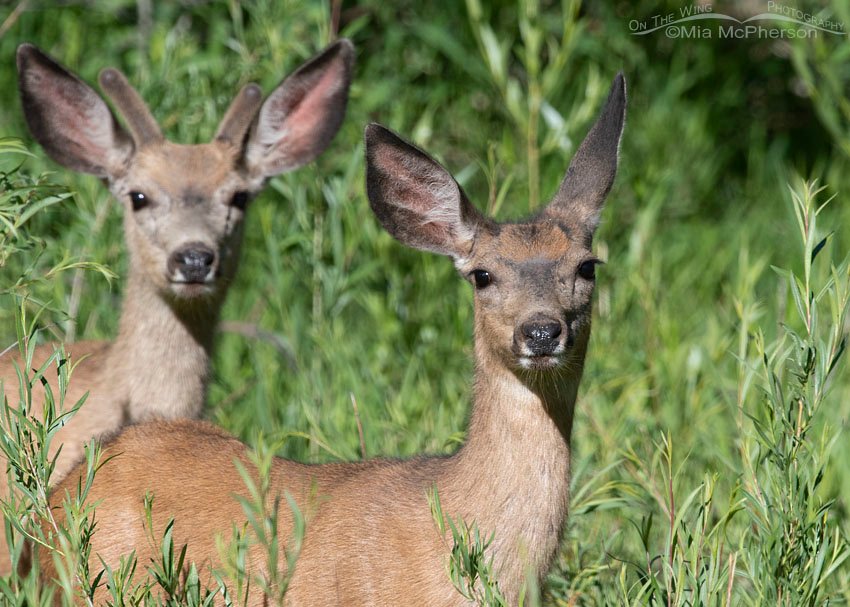
I haven't photographed Mule Deer in a while so when I saw a pair of them in willows next to a creek last week I felt I had to take their photos, especially because of all the lush greenery that surrounded them.

Gray Catbirds aren't flashy and except for the spot of cinnamon colored feathers under their tails they are mostly an overall gray with a black cap. While their appearance isn't dazzling the variety of songs they sing certainly can be.
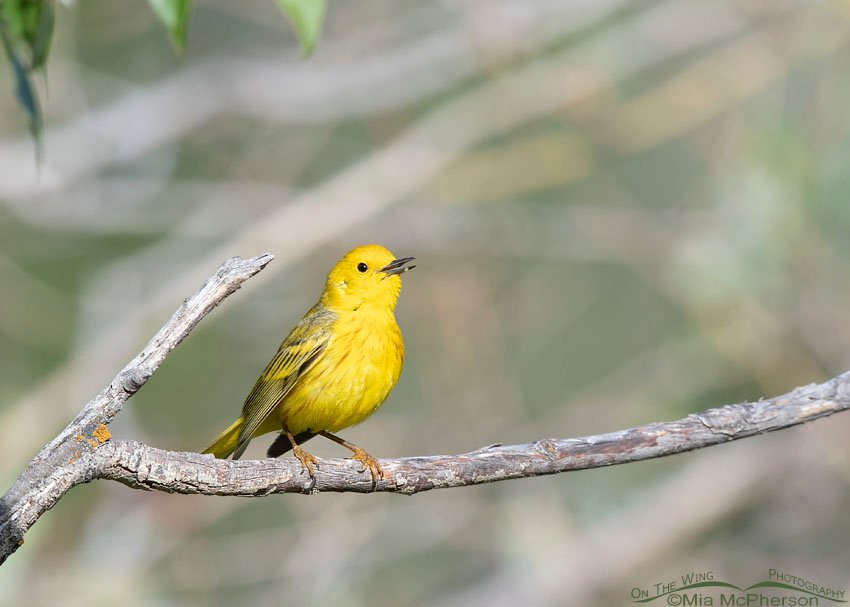
Spending time photographing Northern Yellow Warblers can try the patience of even the most patient photographer because they are so flighty, small and move quickly but it can also be rewarding when you get photos that you like.

Luck was on my side when I found the family of Mountain Bluebirds in good light plus they were close enough to take quality photos of them, first the male then the female and the juveniles.

Even though this adult Cedar Waxwing is small in the frame because I photographed it from quite a distance it is one of my favorite images taken in the Wasatch Mountains four days ago.

While these Barn Swallow photos aren't million dollar shots the experiences I shared with my mother while we photographed this bird together are worth everything to me.
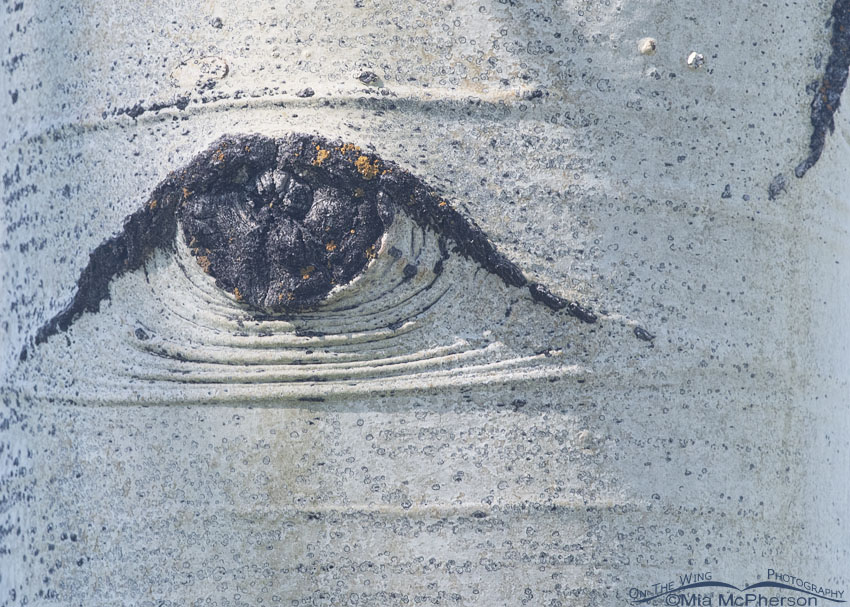
I love seeing the Aspen eyes of the forest upon me and I find myself happy to photograph them whenever I can.

I've been photographing nesting Cedar Waxwings and I have to say that it tests my skills and is a true challenge because of the light, how quickly these birds move and the cluttered habitat.

After a bit the female Mountain Bluebird did something surprising... She flew in so close that I could only take close ups of her as she appeared to forage at the edge of the dirt road.

I enjoyed my time yesterday morning photographing the Gray Catbird and the Hound's Tongue in bloom but I really wish I had been as happy with my catbird photos as I am the wildflower images.

I spotted a flash of black, white and red as a bird landed in the aspen tree that was closest to me above where the wrens and swallows are nesting and realized that a male Red-naped Sapsucker had flown in and was foraging for food in the buds of the aspen.

While photographing some Pine Siskins that were foraging and gathering nesting materials I caught some movement out of the corner of my eye and spotted a Chipping Sparrow with nesting materials in its bill.

While I photographed nesting House Wrens in the High Uintas the last day of May I also photographed nesting Tree Swallows in the same Aspen tree in a cavity a bit lower on the trunk.
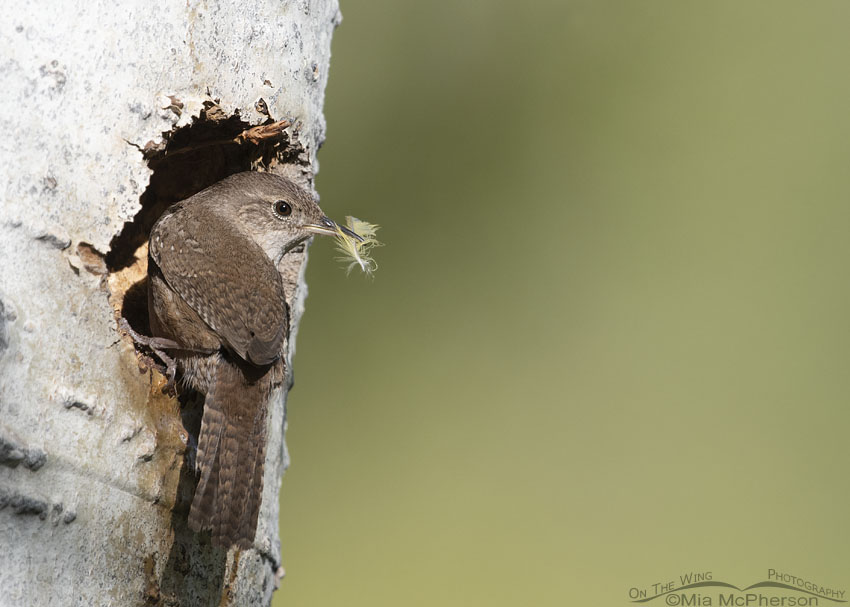
Two days ago I spent time photographing nesting Northern House Wrens in the high Uintas near Mirror Lake Highway, of interest to me is that two years ago I photographed Red-naped Sapsuckers using this same nesting cavity.