Utah’s West Desert In Bloom
Native or introduced these purple wildflowers were a joy for me to see and photograph in the West Desert of Utah.


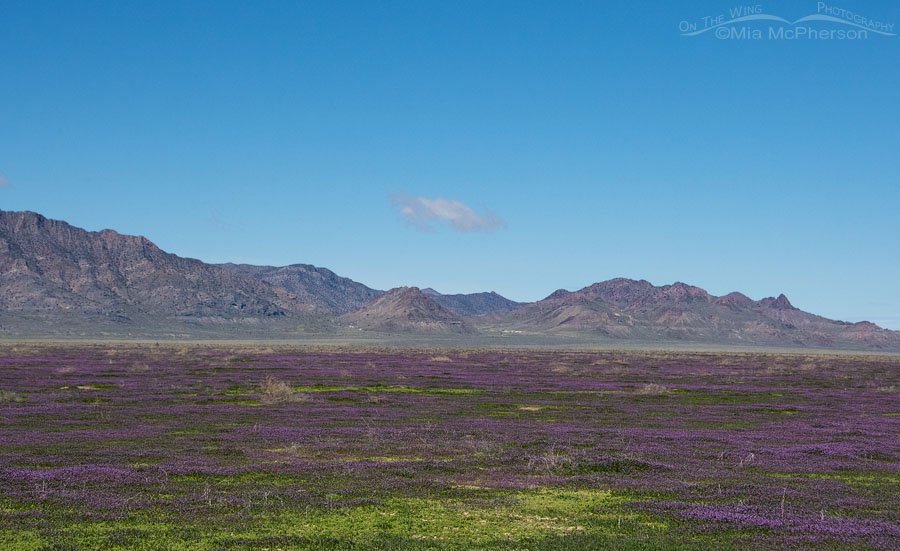
Native or introduced these purple wildflowers were a joy for me to see and photograph in the West Desert of Utah.
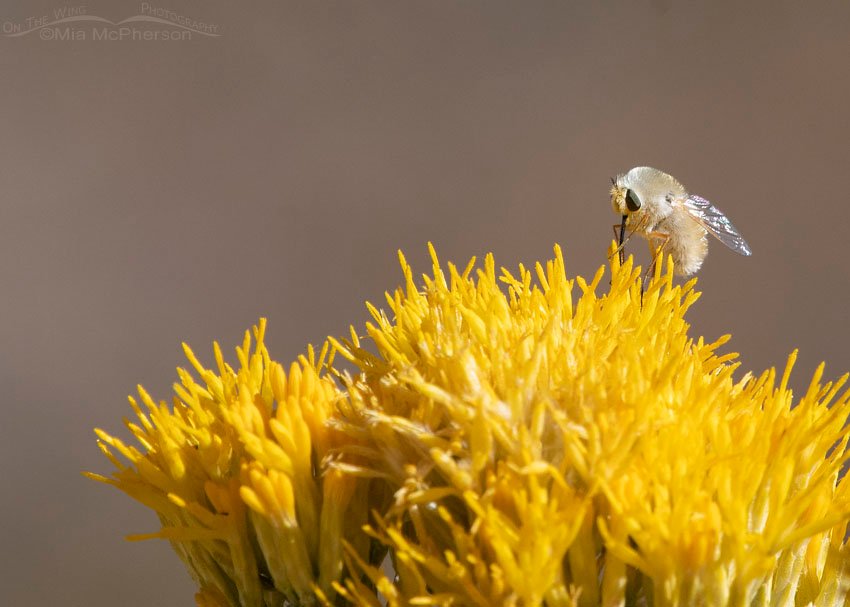
I photographed some of the cutest, fuzzy Bee Flies in the world this week nectaring on Rabbitbrush and Curlycup Gumweed in the Stansbury Mountains of the West Desert.

I saw plenty of Western Branded Skipper butterflies nectaring on blooming rabbitbrush in both the canyons I explored yesterday morning and I can't resist, nor do I want to, photographing wildflowers and butterflies.

On Sunday I was up in Box Elder County looking for birds but I also felt I had to stop and take some images of Rocky Mountain Bee Plants that were blooming along side the road.

Last year I found plenty of Monarch Butterflies on the Rocky Mountain Bee Plants on Antelope Island and they were a delight to photograph as they fluttered around going from flower to flower sipping nectar from the delicate blossoms.

Last week while I was up in a canyon in the Wasatch Mountains I spotted a female Great Spangled Fritillary butterfly nectaring on a Musk Thistle so I felt I had to take photos of she sipped the nectar of the flower.
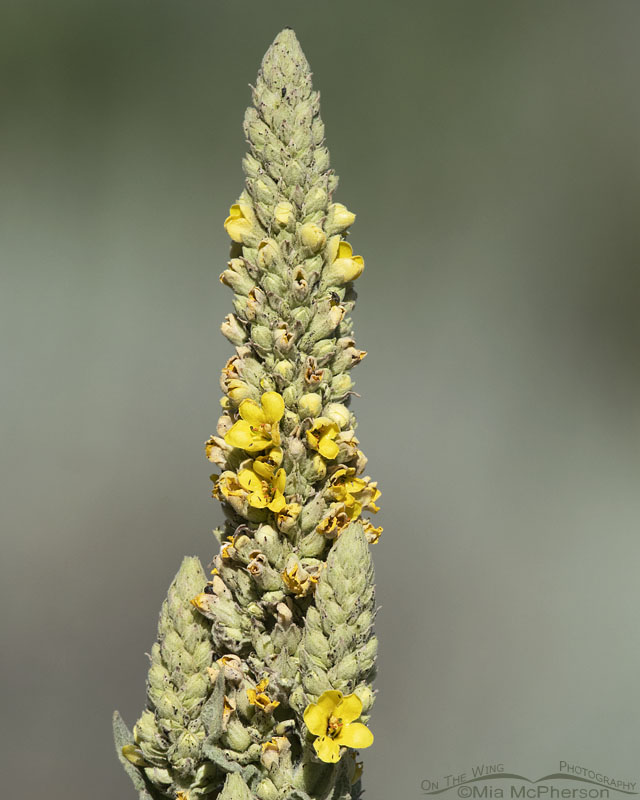
As a child I remember plucking the leaves of Common Mullein just to touch them because the leaves were as soft as well worn flannel, their yellow flowers didn't interest me much but the soft leaves sure did.

A flash of yellow, black and white on a purple flower immediately drew my eyes to a male American Goldfinch feasting on the seeds of a Musk Thistle so I stopped, turned my Jeep off and proceeded to photograph the bird.

I'm going to keep trying to obtain better photos of the Gray Catbirds with the Black Twinberry berries and perhaps before long the catbirds will bring their young to feast on these berries too!
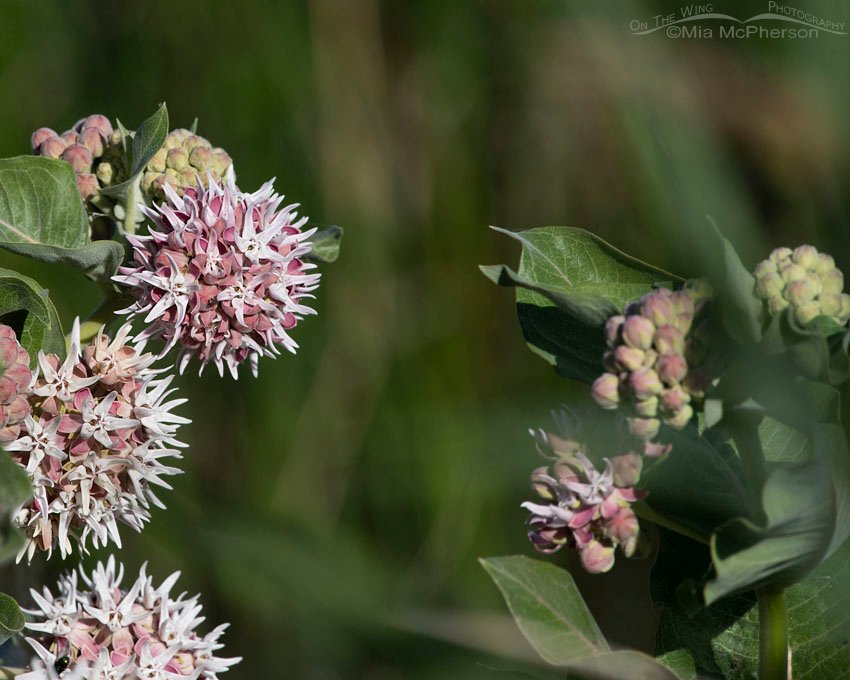
Showy Milkweeds are an important source of nectar for butterflies, especially Monarch Butterflies who not only use them as a nectar source but also use them for laying their eggs on and as a larval host.

I enjoyed my time yesterday morning photographing the Gray Catbird and the Hound's Tongue in bloom but I really wish I had been as happy with my catbird photos as I am the wildflower images.

Three days ago there was some Mountain Goldenbanner blooming next to a creek in the canyons of the Wasatch Mountains and I simply had to take some photos of these bright yellow wildflowers.
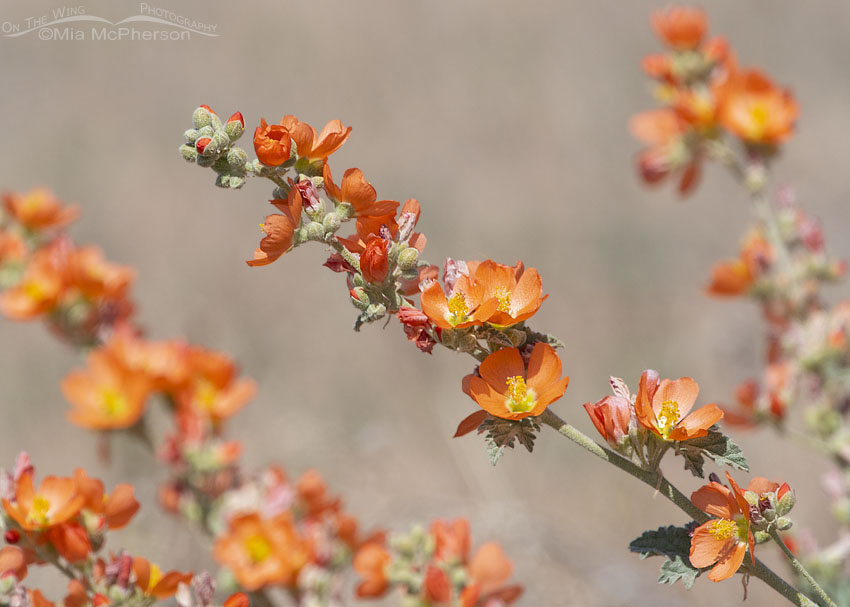
The wildflowers I photographed are Desert Globemallows (Sphaeralcea ambigua) and they were blooming abundantly on the road to the jetty, I don't think I have seen so many of them in full bloom before.

There may be a bit of sunshine today and I hope there is so me and my Mom can get out and enjoy some of the beauty that Mother Nature provides us with each and every day.
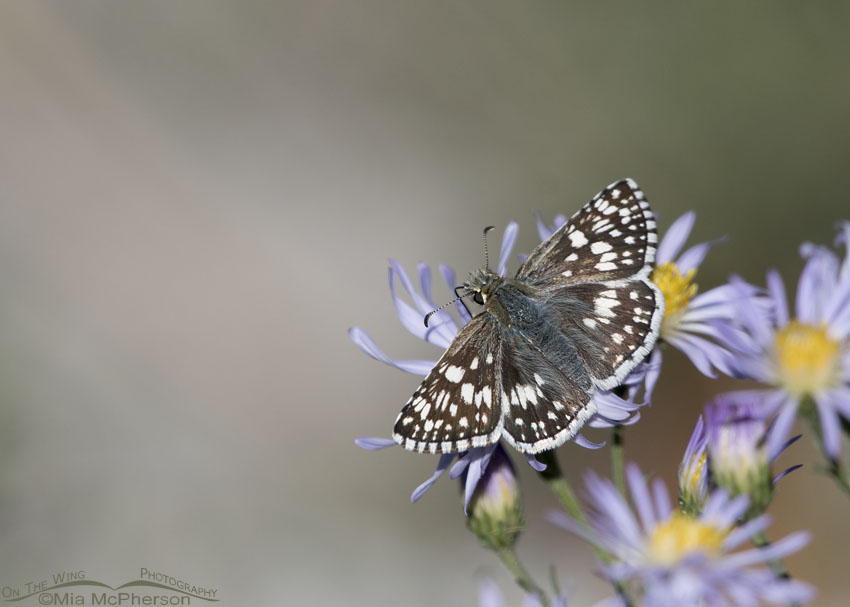
This is a Common Checkered-Skipper and can be found in most of the U.S., some southern parts of Canada and northern Mexico.
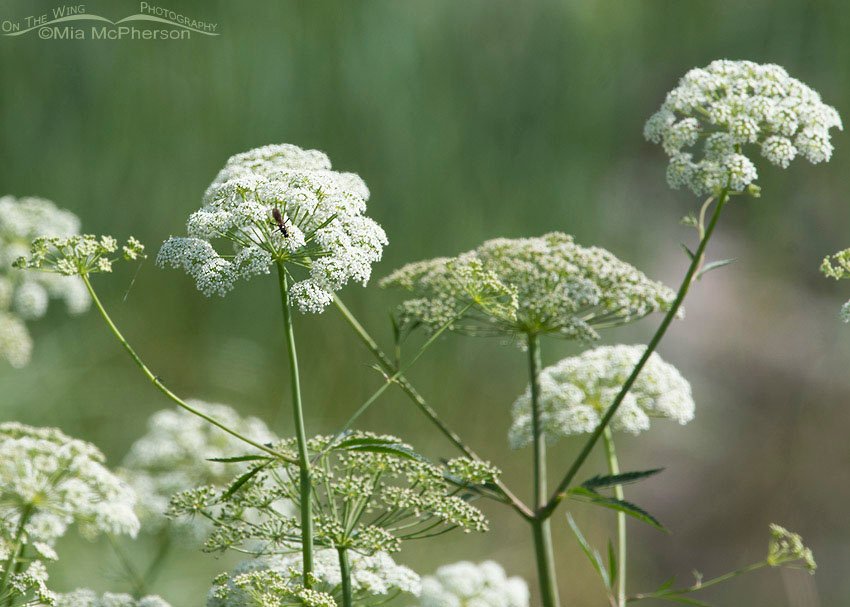
Earlier this year in July I spent some time in the Centennial Valley of southwestern Montana where I photographed this Gardner's Yampah near Elk Lake.
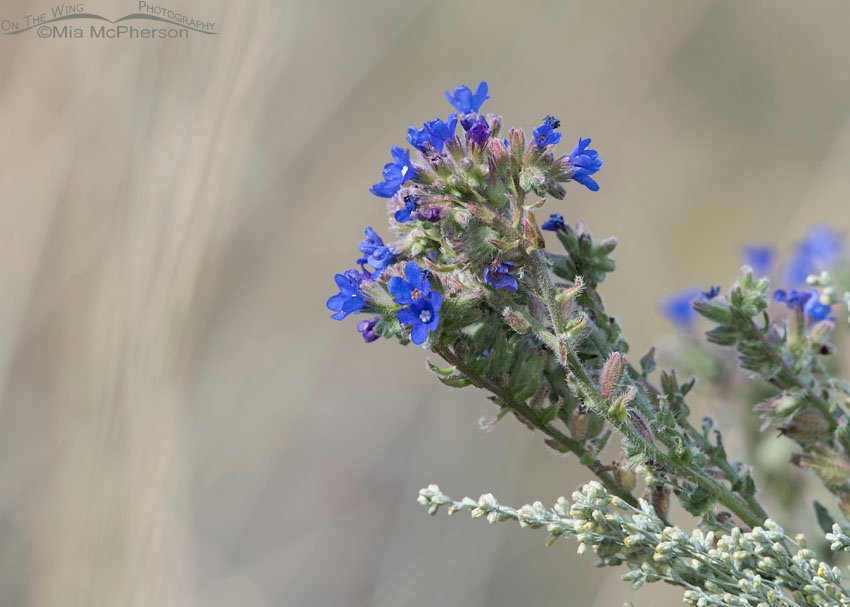
I don't know what species of wildflowers these blue flowers are, I just know that I enjoyed seeing and photographing them.
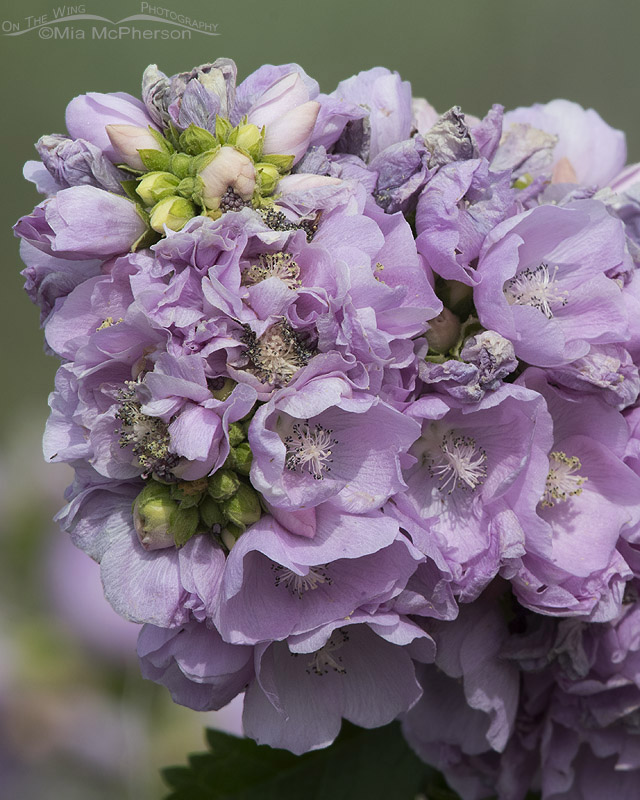
Streambank Globemallow has a few common names including Wild Hollyhock, Mountain Hollyhock, Mountain Globemallow and Streambank Wild Hollyhock

Each Prickly Poppy flower is about 3 to 5 inches across with yellow centers of clustered stamens and delicate petals that look like white crepe paper.

One of my favorite wildflowers is Lewis's Flax, I love how the blossoms move in a breeze because it seems like they are dancing and their blue color is appealing to my eyes.
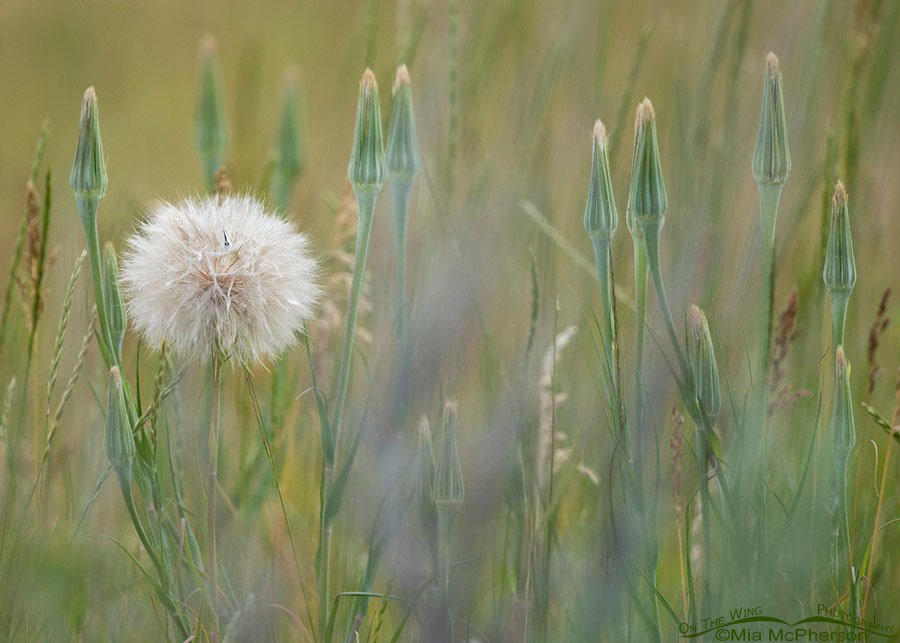
The scientific name is Tragopogon dubius but this forb has many common names including Yellow Salsify, Yellow Goatsbeard, Western Salsify, Wild Oysterplant and my favorite Western Goatsbeard.

Yesterday morning while in Box Elder County I was delighted to photograph a Western Kingbird with a Hint of Black Mustard in the background as it perched on a fence near the road.
I did get some images of the Song and White-crowned Sparrows on the wild rose and I like how this Song Sparrow had its back to me but gave me a nice head turn over its shoulder.
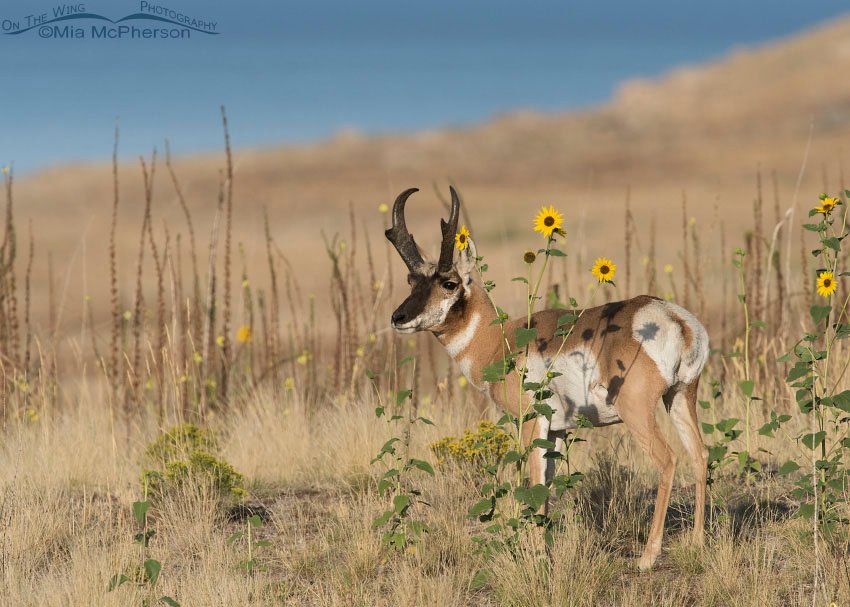
As many of my readers know I like to take portraits of the birds and animals I photograph but I also like to take images that show my subjects smaller in their native habitat.
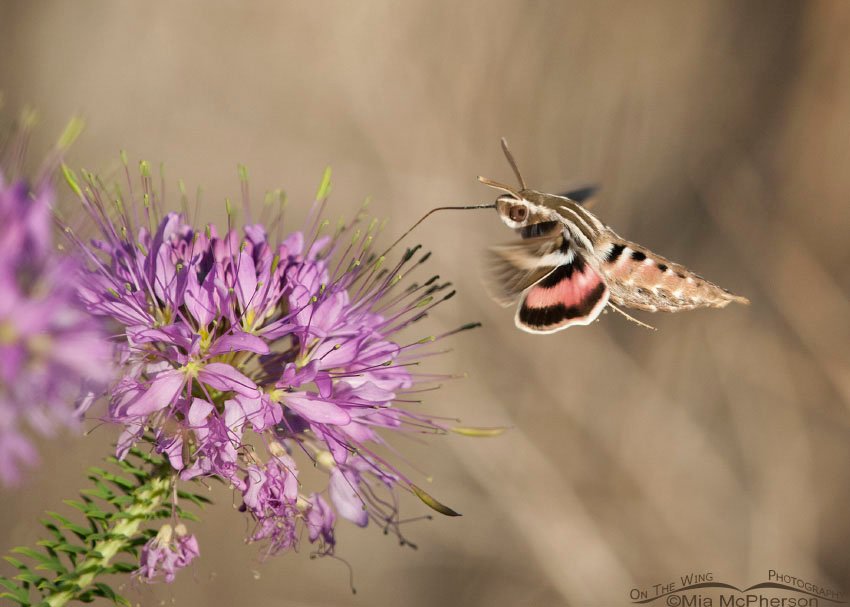
Yesterday was the first day of National Moth Week 2015 and the featured family of moths for this year are from the Sphingidae family which are commonly know as hawk moths, sphinx moths and hornworms.
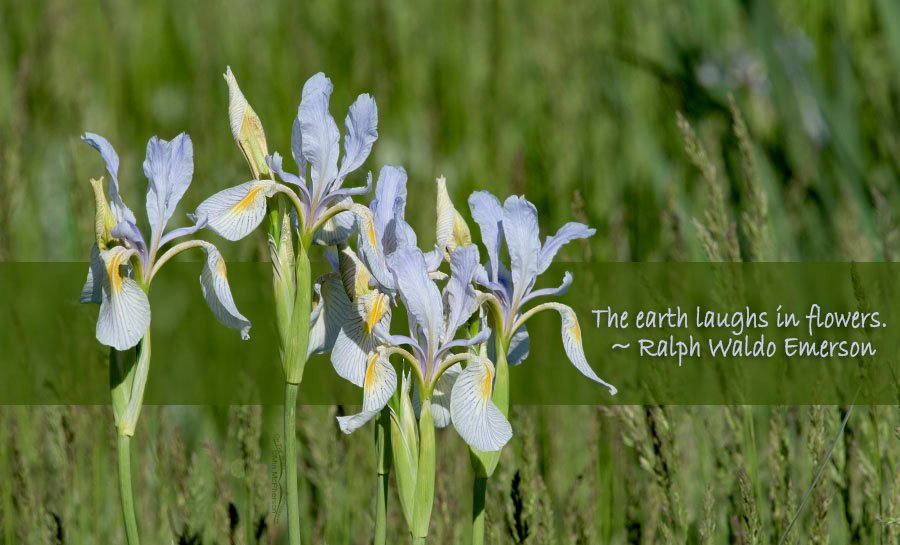
During the wildflower season is it easy to see why Emerson said that the earth laughs in flowers.

I always think of Sandhill Cranes whenever my thoughts drift to the Centennial Valley of Montana where I always hear their calls, see them in the fields or in flight over the marshes.

Once upon a time I paid more attention to wildflowers and insects and photographed them extensively when I had the chance so today I thought I would resurrect one of my old files.

I can't help but think of the birds I will see later in the year like this Rufous Hummingbird I photographed last August on Antelope Island State Park.
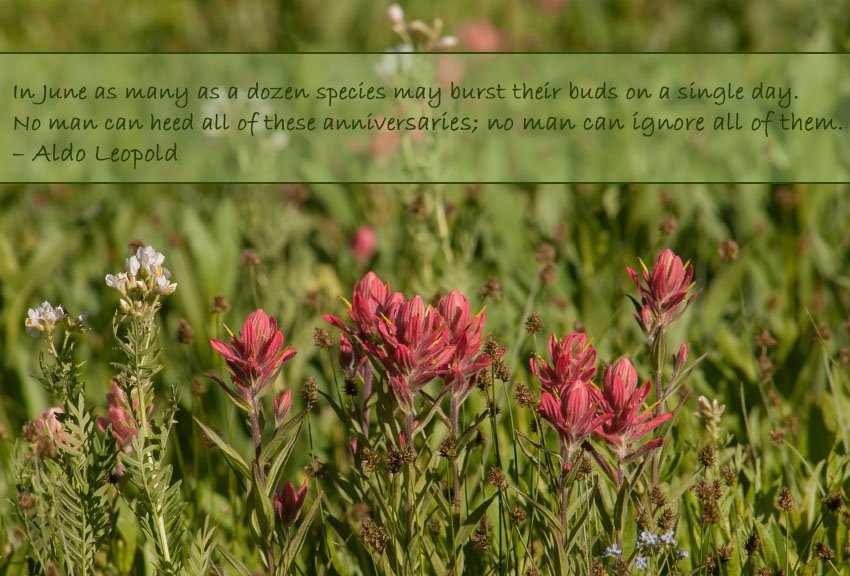
For many nature lovers it is the smaller more seasonal anniversaries that mean so much too.