Male Broad-tailed Hummingbird Nectaring And Landing Series
The Black Twinberry Honeysuckles weren't even in bloom quite yet yesterday in the Wasatch Mountains when I spotted this male Broad-tailed Hummingbird hovering near some to get nectar.



The Black Twinberry Honeysuckles weren't even in bloom quite yet yesterday in the Wasatch Mountains when I spotted this male Broad-tailed Hummingbird hovering near some to get nectar.

Male Broad-tailed Hummingbirds show a preference in the perches that they use to rest, to keep an eye on their territories and once they select a favorite perch it can be like striking gold for a bird photographer.
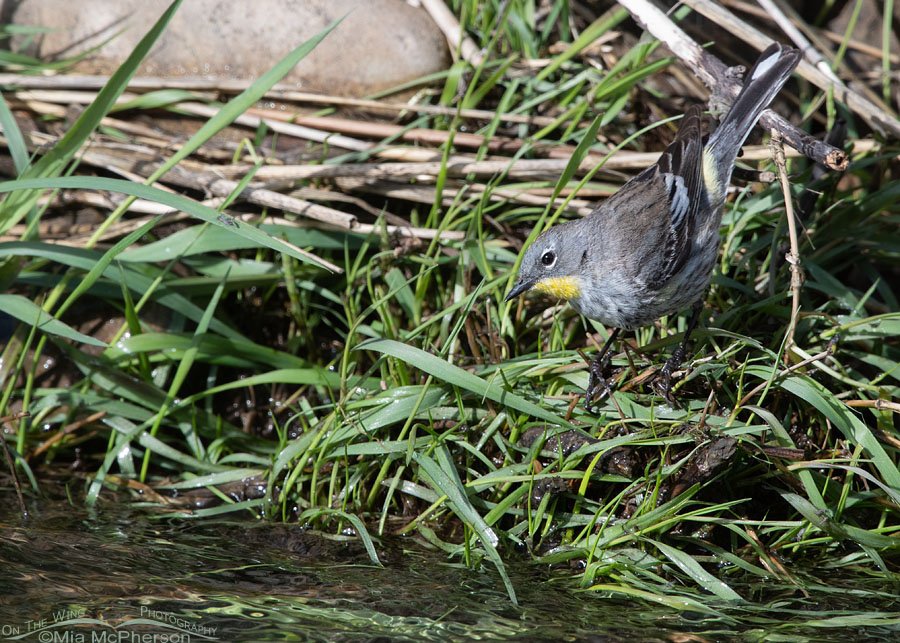
I took a couple hundred images of the Yellow-rumped Warblers as they flitted around in search of prey next to the creek and after reviewing my images I only found a few that I felt were worth keeping.
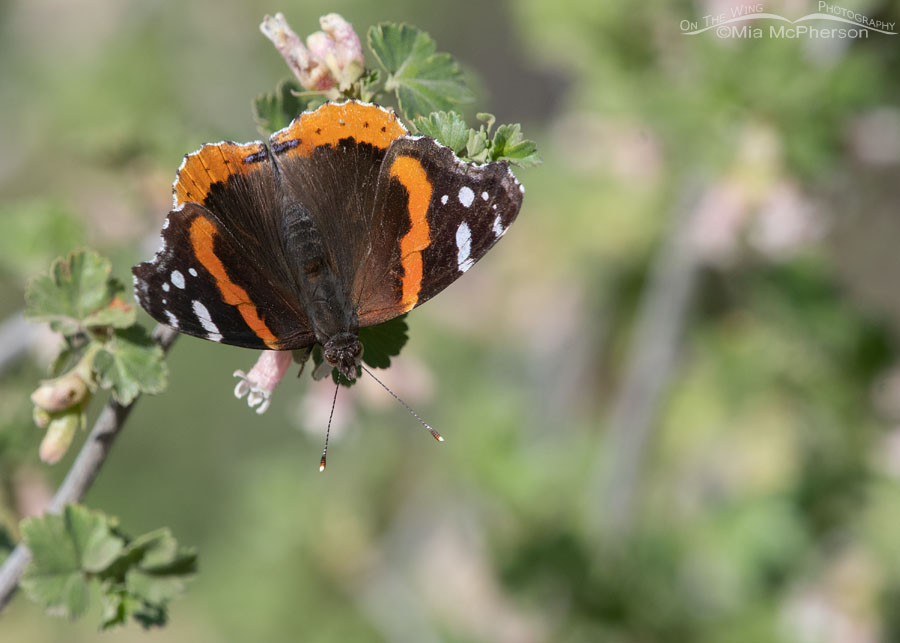
While I photographed male Broad-tailed Hummingbirds a few days ago in the West Desert I also took a few moments to photograph some of the butterflies nectaring on the blooms of the Wax Currant bush which included Red Admiral butterflies.

The fore and background of this image may be messy or cluttered looking but I love the way this photo shows the female Yellow-headed Blackbird in the habitat I find them in at Bear River Migratory Bird Refuge.

I don't know if the Ring-necked Pheasants eat the midges but I know that many of the other birds at the refuge do so I like to think of midges as bird food on the wing.
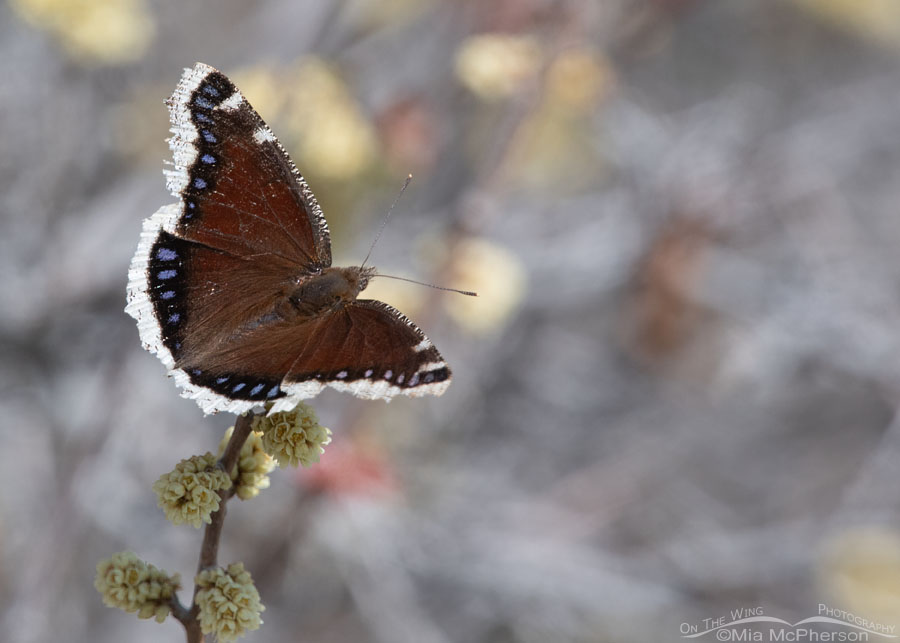
This Mourning Cloak butterfly I photographed five days ago not far from where I photographed the Painted Lady was also nectaring on Fragrant Sumac and it too looked a bit worn because they are a migratory butterfly species as well.
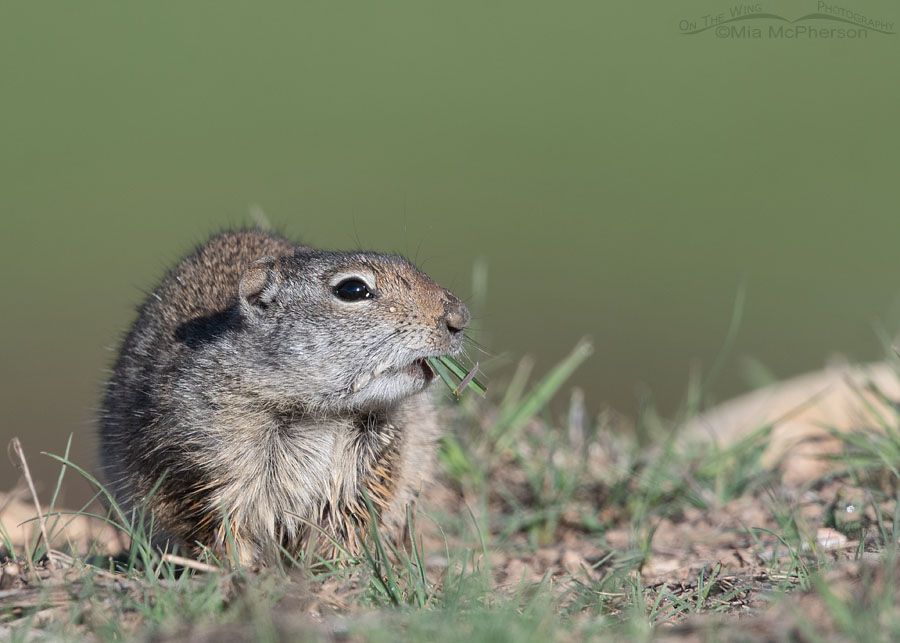
Two days ago while up in a canyon in the Wasatch Mountains I was able to finally realize a personal goal while photographing Uinta Ground Squirrels.
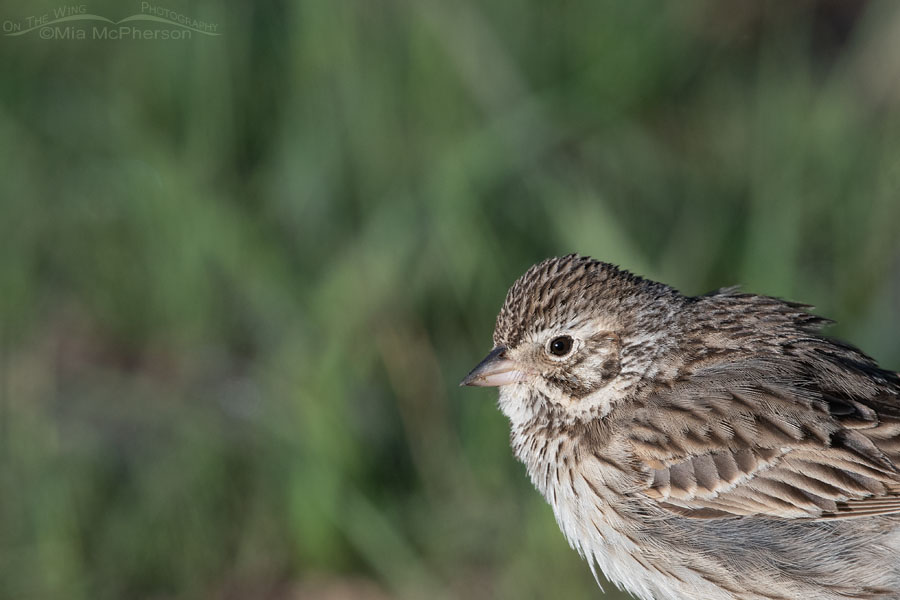
To my surprise when the Vesper Sparrow lifted off it flew onto the top of another sagebrush that was even closer to me which was nearly perfect for taking portraits of the sparrow and I took full advantage of the opportunity.
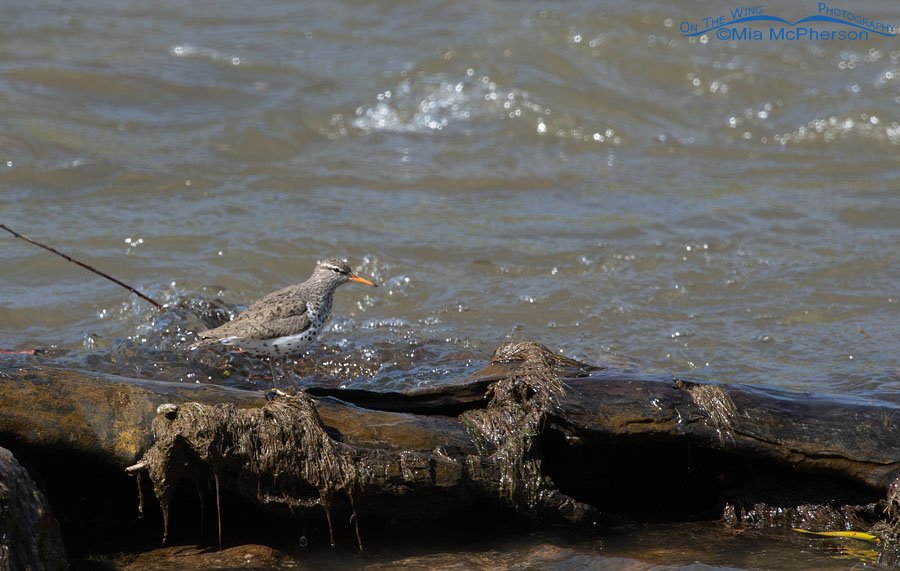
Two days ago while near the Weber River up in Summit County I heard a familiar sound and I knew from that sound that a Spotted Sandpiper was nearby.

When I opened this adult Cliff Swallow image on my computer at home the first thought I had was that it looked like the Cliff Swallow was surfing on a phragmites "wave".
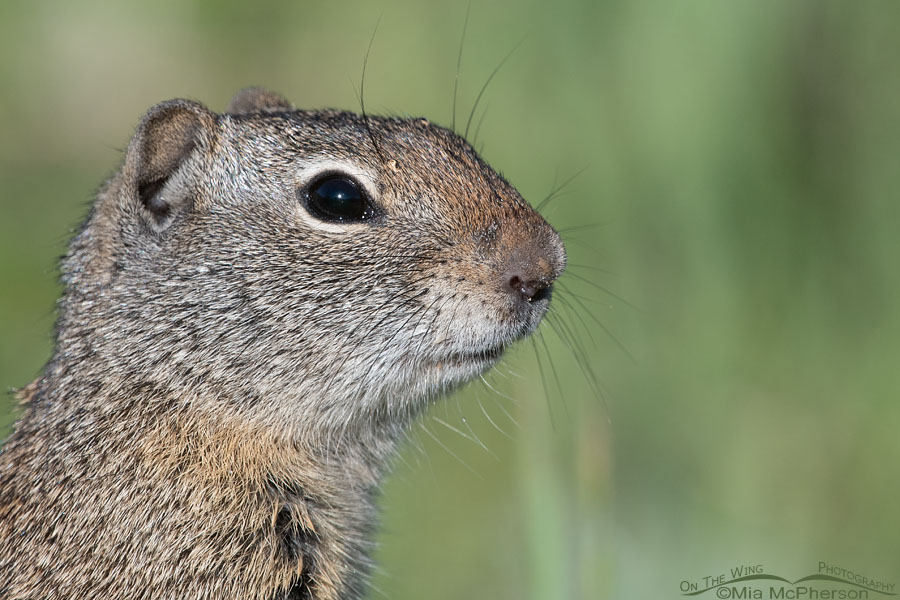
I didn't get any photos of the Uinta Ground Squirrels while I was up in the canyons last week and I will need to fix that soon because I adore these furry, dark-eyed ground squirrels.

When mom and I found this adult Green-tailed Towhee singing while perched on a blooming Utah Serviceberry of course we had to stop and take its photo!

The best bird I spotted that I could photograph was a male Red-tailed Hawk resting on a cliff face and what I loved about this photo was all the grasses, lichen, wildflowers and the sage high up on the cliff.

It really is a simple Great Blue Heron photo with the marsh, a stationary wading bird, vibrant spring growth and water at the top of the frame but it is also a very calming image for me because for a few seconds time stood as still as the heron.

Later in the morning and on the other side of the auto tour route I was able to take images of a hen Cinnamon Teal surrounded by lush, green spring growth while her mate kept an eye on her from a distance.
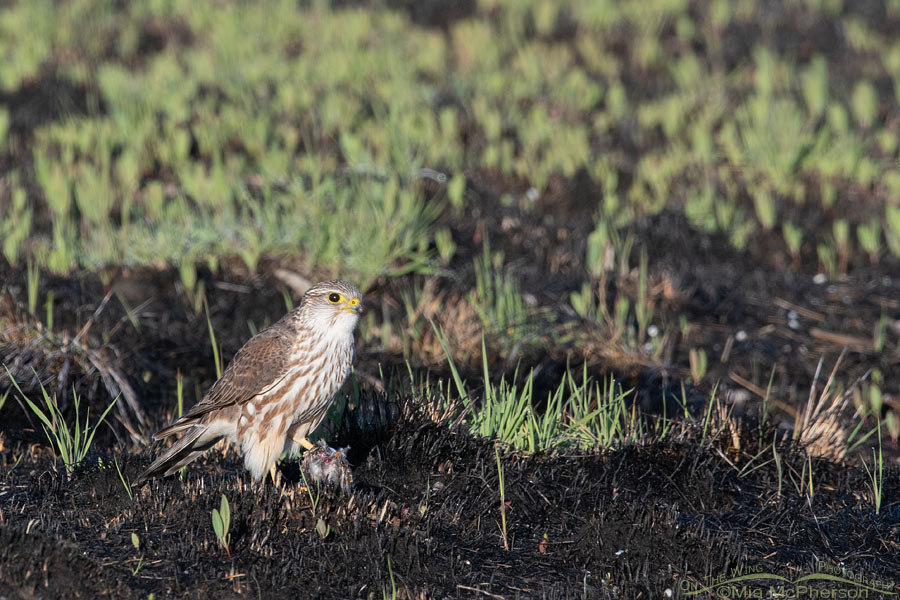
There isn't a single day in the field where I take my eyesight and my keen spotting abilities for granted and yesterday those attributes netted me not one but two Merlins while I was at the Bear River Migratory Bird Refuge.
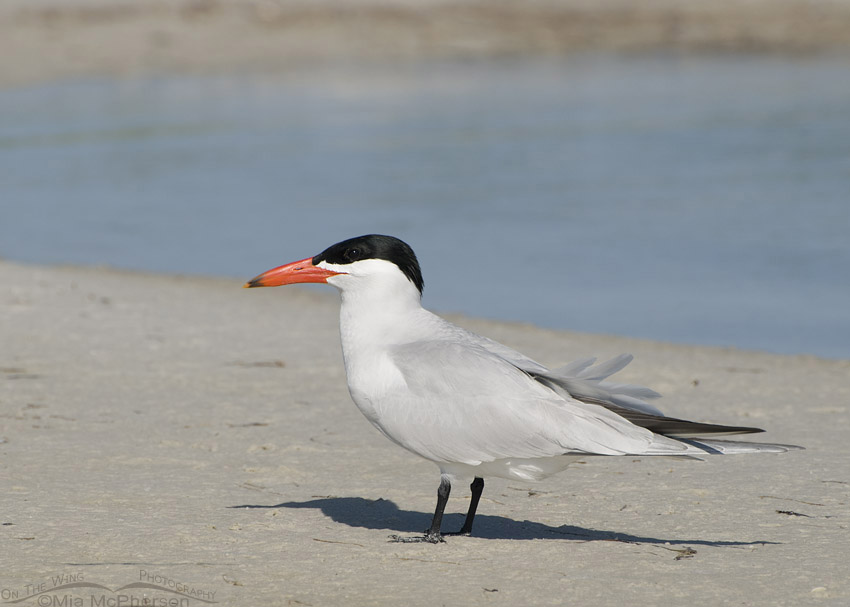
The day I came home from camping in the West Desert the first bird calls I heard were from several Caspian Terns in flight overhead that were squabbling and diving at each other.

It was a pleasure for me to see and photograph a Willet two days ago on Antelope Island State Park and this Willet even started calling which made it even more of a pleasure for me.

On my visit to Bear River Migratory Bird Refuge last week I didn't see large numbers of American White Pelicans but at this time of the year that is understandable because many of them are probably nesting on Gunnison Island right now.

These elegant black and white Western Grebes are beautiful while they feed, preen, rest and stretch but they are even more striking when they dance across the water while performing their courtship ceremony.

I don't see and photograph foxes as often as I would like to so this Red Fox was a surprise to me because I'd never seen one at this location before.
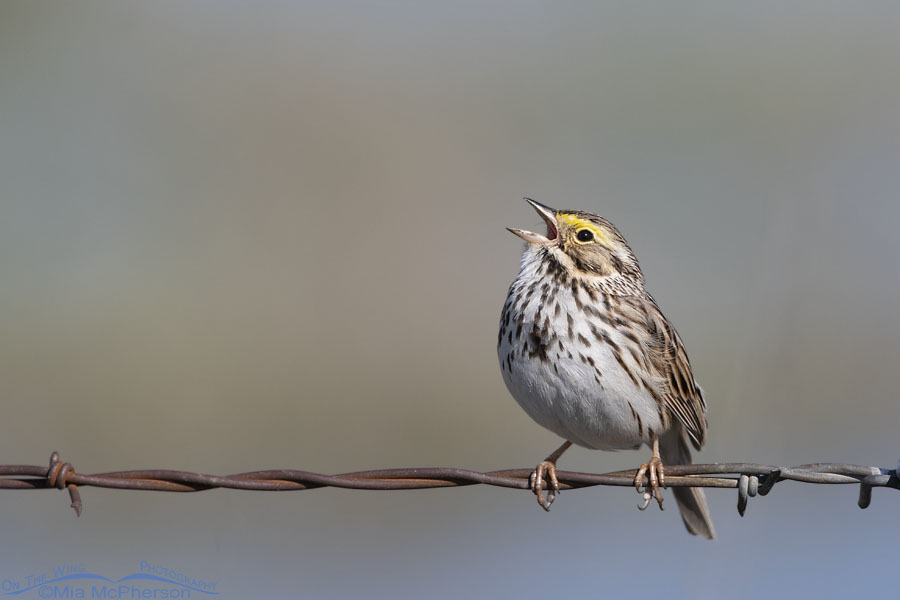
I wonder if GEICO knows that they can drive a birder/bird photographer bonkers as easy as they did me over the winter.

Tree Swallows were the most numerous of the swallows I saw and at the far northwest part of the auto tour route I found bunches of them resting in a stand of phragmites so I decided to get out, set up my tripod and photograph them from across the water.

I have plenty of photos of Clark's, Western and Pied-billed Grebes but few of Eared Grebes and I am hoping that this breeding season I will be able to have more of these small grebes in my viewfinder.
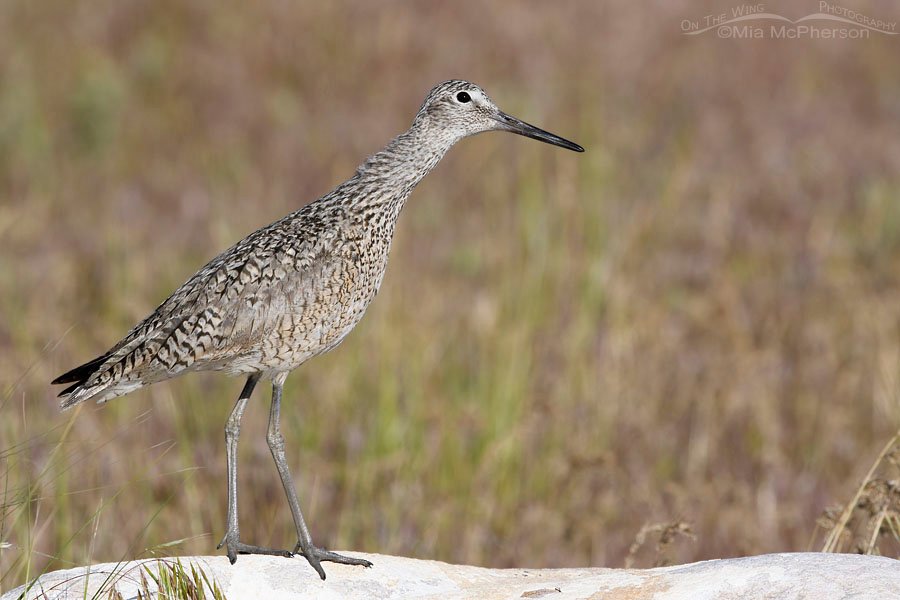
While looking for Sage Thrashers to photograph on Antelope Island two days ago I swear I heard a Willet call. It was just one distant call but my ears perked up right away.
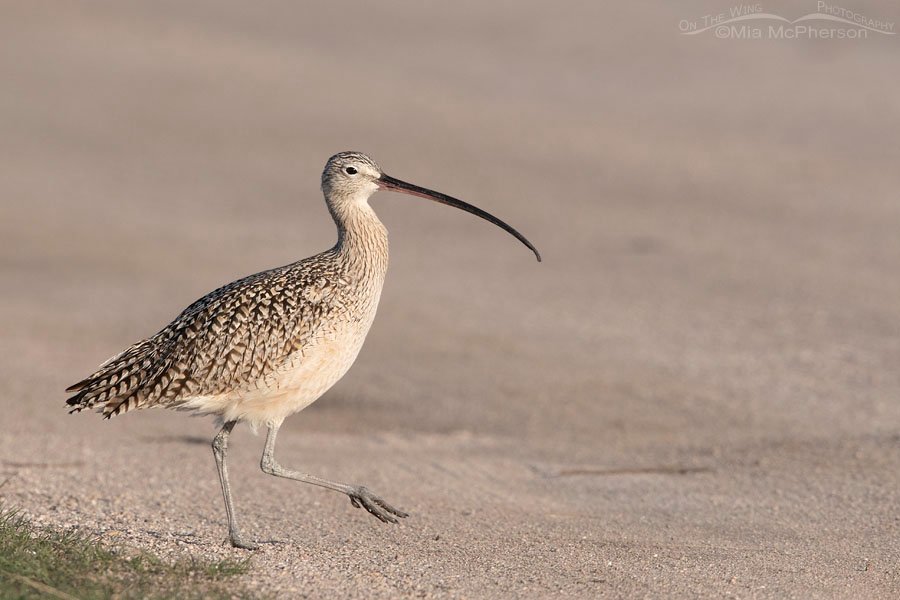
The road is nothing more than a sandy track that runs through a grassland area where in past years I have seen Long-billed Curlews displaying, fighting, courting and mating and I hoped to see that yesterday.

I had a great time photographing this beautiful rufous Red-tailed Hawk yesterday morning and I'm glad I had good light when I did.

I'm itching to get back out into the field because I want to see my first of the year Turkey Vultures on the wing.

So as of right now I am not sure whether I will be spending time on the island after the biting gnats come out which means if I am going to photograph Sage Thrashers displaying I need to find the thrashers some place else.