Sandhill Crane at Red Rock Lakes National Wildlife Refuge
So, each time we see or hear Sandhill Cranes we are listening to and looking at a real living fossil.



So, each time we see or hear Sandhill Cranes we are listening to and looking at a real living fossil.
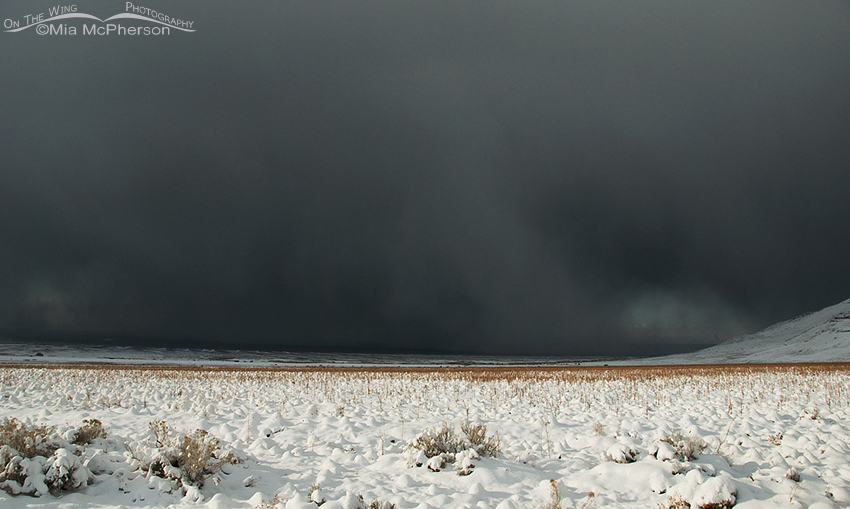
I mentioned that there had been low light, falling snow and that the weather conditions before photographing the Loggerhead Shrike and Prairie Falcon weren't great.

I took this photo in Florida in 2008 as the adult Black Skimmer flew by whilst giving me "the eye". Isn't the color of the Gulf of Mexico behind the bird simply delicious?
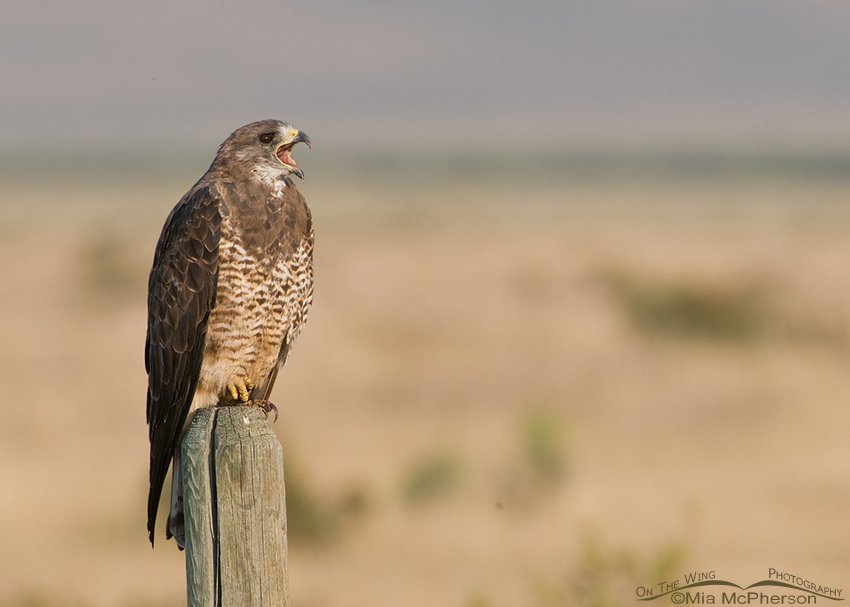
This adult Swainson's had two juveniles nearby that were perched on the conifer tree that their natal nest was in and the sun was getting close to setting. Sometimes I wish I could "speak" raptor so I could know what they are saying.

This image of a Northern Harrier and a juvenile Red-tailed Hawk in an aerial dogfight over Antelope Island State Park was taken the day before the recent snow storm started that we had here in the Salt Lake Valley over the weekend.

I think it is always important to try to remember that not everyone knows that there is such a thing as Birding or Bird Photography Etiquette. It could be a good time to bring the subject up; politely of course.
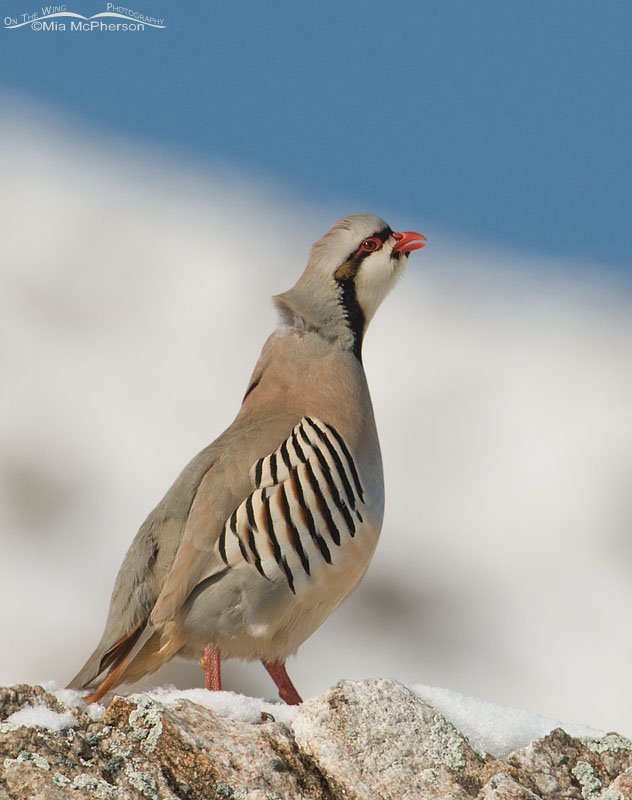
A simple image from a series of images I took last year of a Chukar calling on a rocky outcropping with a snowy mountain in the background.

When I photographed this Wood Duck drake I remember wishing that we had high thin clouds to diffuse the sunlight a bit. It still worked out okay though.

All photographers mess up, some times it is the focus, sometimes it is not having enough shutter speed for active subjects and sometimes a dial gets bumped and when it is not noticed it can affect all the images taken after it has been changed.

Just a few images taken 4 years ago today at the north beach of Fort De Soto.

It seems I have always had a fondness for Great Blue Herons although I don't recall the first time I ever saw one. Great Blues are large wading birds that have a prehistoric look to them and even their calls; more like a croak, sound like something from the long distant past.

I photographed this female Blackpoll Warbler by the parking lot at Fort De Soto's north beach in 2009 during migration.

Wow, this is my 500th blog post and it has been great fun to share my images and the stories behind them. I thought I'd share a few images and bits about my thoughts on photography.

While my mother was visiting Utah she was able to see how California Gulls chase and feed on Brine Flies, it is fascinating feeding behavior. As my mom watched, I photographed.

Male Yellow-headed Blackbirds (Xanthocephalus xanthocephalus) are flashy birds but I believe the females have a subtle beauty too.

In May of this year I camped at Antelope Flat in the Flaming Gorge National recreation Area and near the boat ramp there was an Osprey nest.

Four years ago today Hurricane Ike was out in the middle of the Gulf of Mexico and the waves that it generated made a strong splash at Fort De Soto County Park.
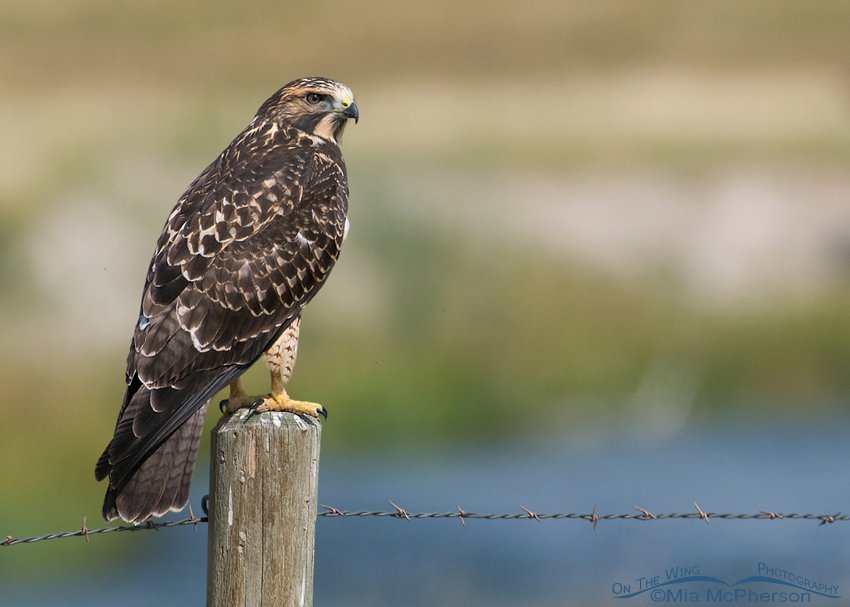
Not only did I see numerous Red-tailed Hawk juveniles on my recent trip to Montana, I also saw quite a few Swainson's Hawk (Buteo swainsoni) juveniles too.
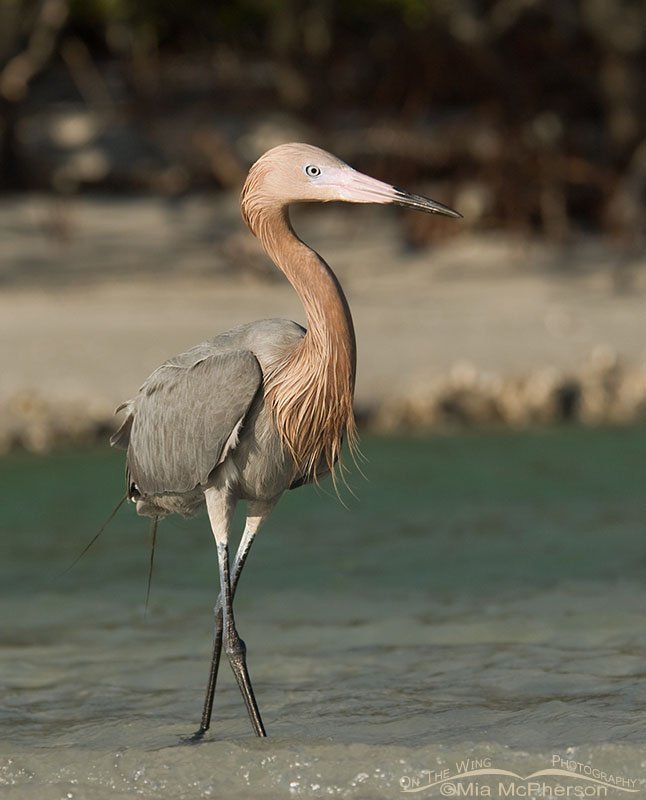
This adult Reddish Egret was going into breeding plumage, it has the pink and black bi-colored bill and the lores are turning bluish purple.

Not that long ago Common Gallinules (Gallinula galeata) were called Common Moorhens (Gallinula chloropus), it will take me some time to get used to the new name.
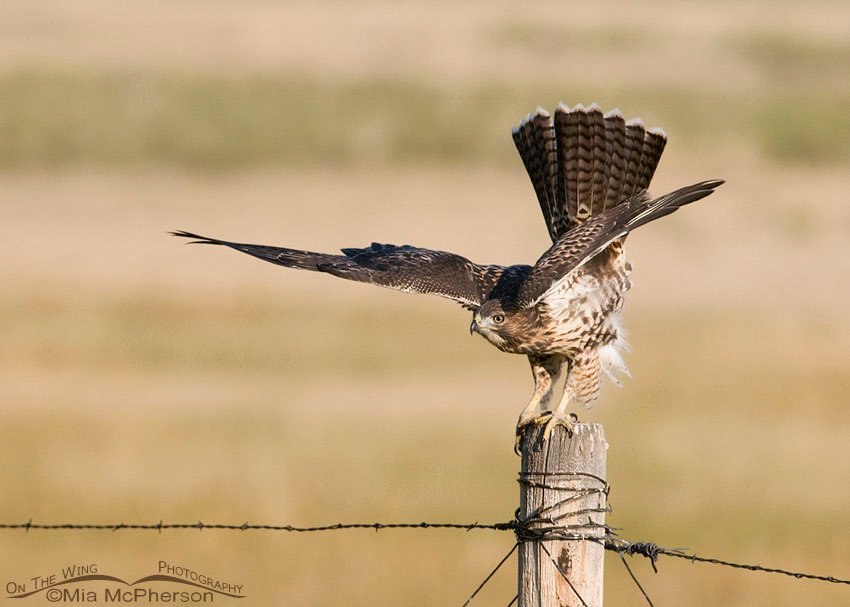
Some images strike my funny bone, this juvenile Red-tailed Hawk photograph sure has. This is but one of many captions that came to my mind after viewing it.

This image could have been better. I have no doubt about that. I did get the exposure right and I like the action. But there are far too many things about this photo that just don't work.

Ruddy Turnstones in breeding and nonbreeding plumage can appear to be two different species to novice birders and bird photographers as can several other bird species.
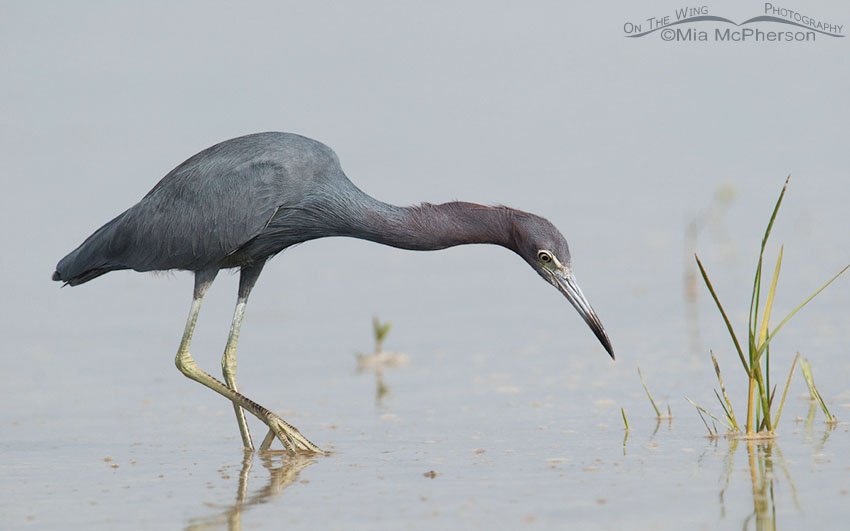
This Little Blue Heron (Egretta caerulea) was photographed in Florida as it hunted for prey in a shallow lagoon the edge of a marsh in late afternoon light.

I like the ribbons of different shades of blue in this image and even though the Semipalmated Plover (Charadrius semipalmatus) is small in the frame it stands out well from its habitat.

Wood Storks (Mycetaria americana) are the largest wading bird in North America and the only stork that breeds in the U.S.. Wood Storks are considered endangered primarily due to loss of habitat.
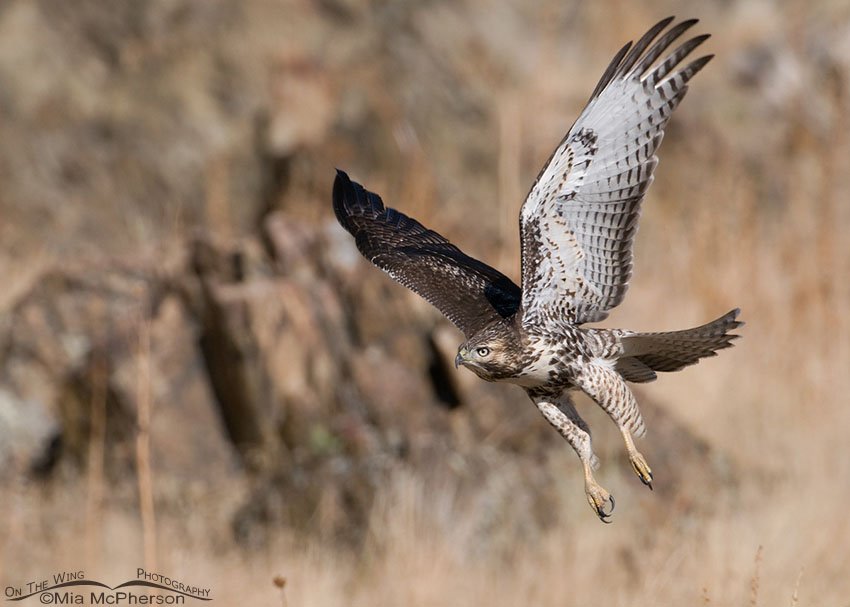
After having driven around the north end of the island we headed south thinking there probably wouldn't be much to shoot there... until I spotted this juvenile Red-tailed Hawk perching on some of the darker rocks on the island.
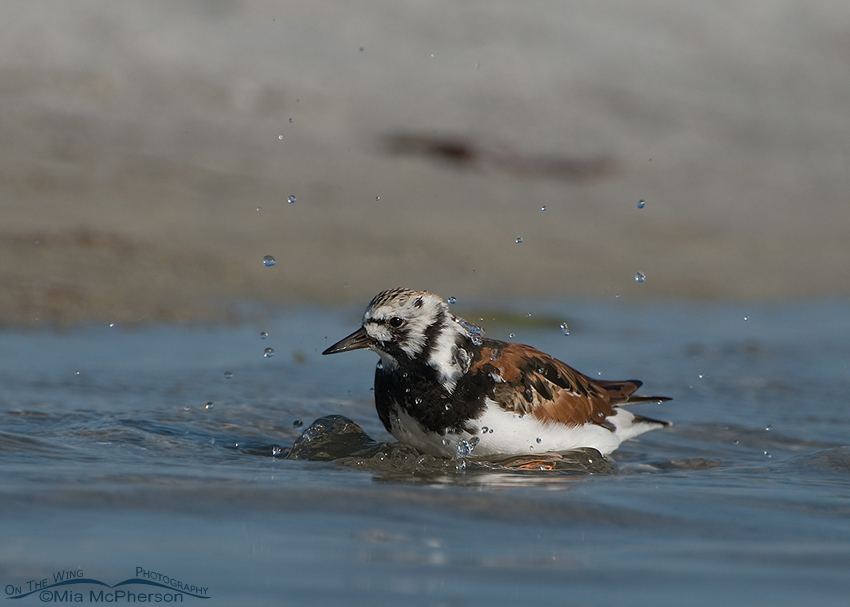
This Ruddy Turnstone (Arenaria interpres) image was created several years ago at Fort De Soto County Park's north beach in central Florida.
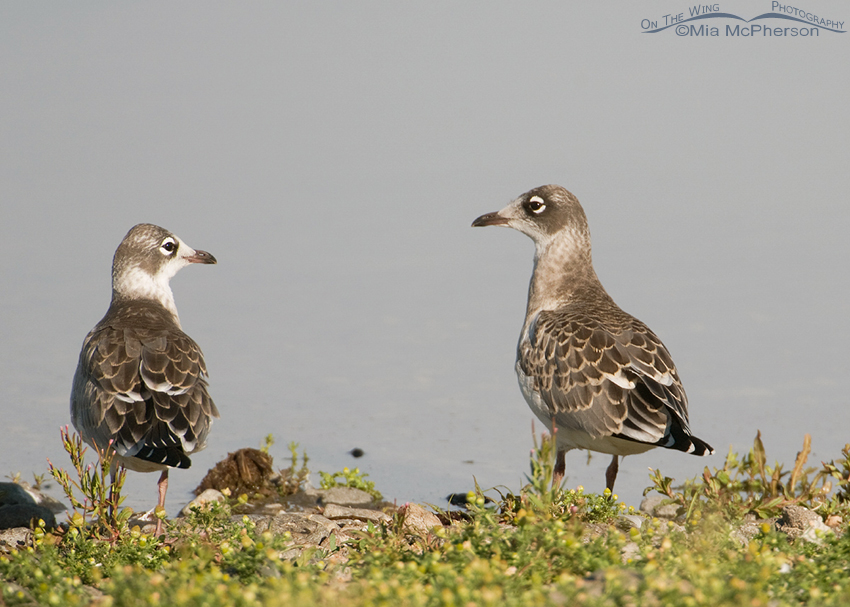
I like gulls, I know that gulls are not always a popular subject for many bird photographers and that they will often pass them by but to me they are as delightful, beautiful and fascinating as any other bird.

I photographed this Reddish Egret (Egretta rufescens) in October of 2008 at Fort De Soto's north beach.