Swainson’s Hawks Along the Road
There are so many Swainson's Hawks in northern Utah right now, I see them perched, on their nests, hovering over fields and soaring on the thermals after the sun warms up the air.


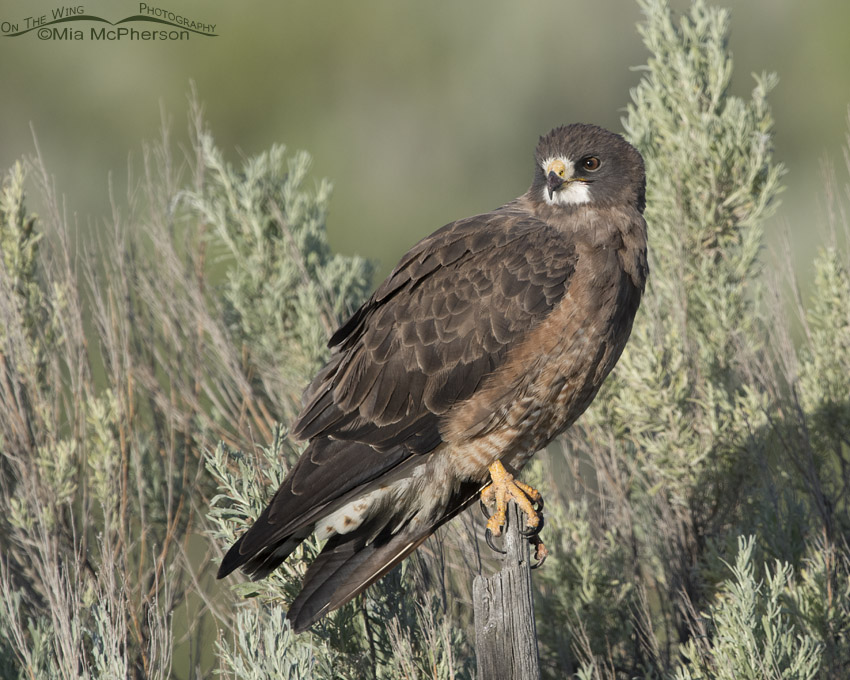
There are so many Swainson's Hawks in northern Utah right now, I see them perched, on their nests, hovering over fields and soaring on the thermals after the sun warms up the air.
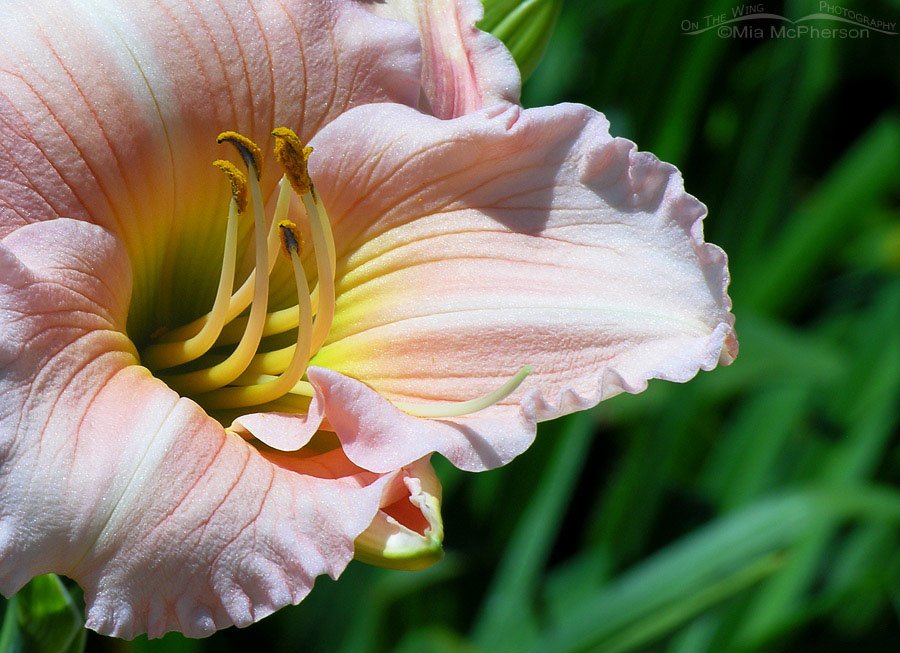
Last month I was looking through some of my earliest image archives and came across a photo of a peachy-colored Daylily that I had taken while exploring with my friend Patty at the Florida Botanical Gardens
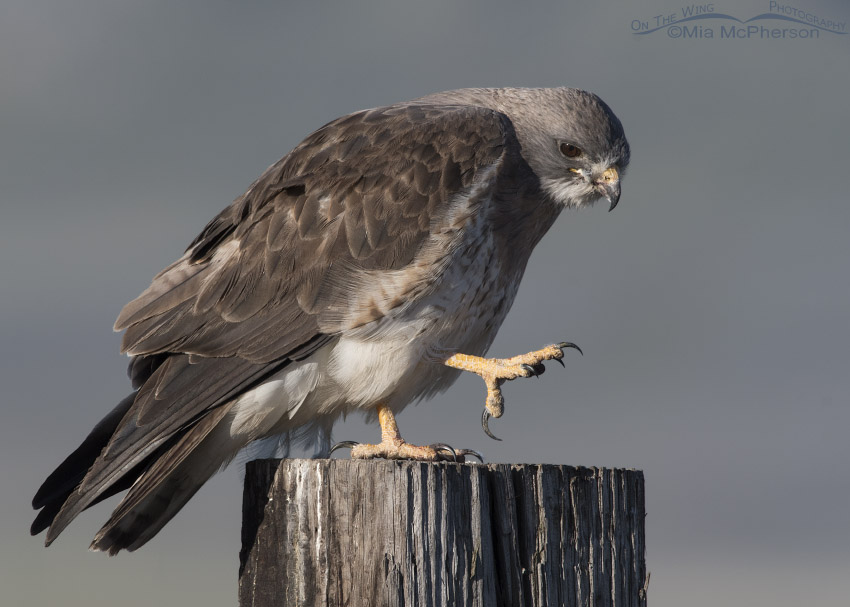
I always try to pay attention to what is going on in the background of my photos because by changing distance or angles the same bird, like this Swainson's Hawk, can look very different in my images.
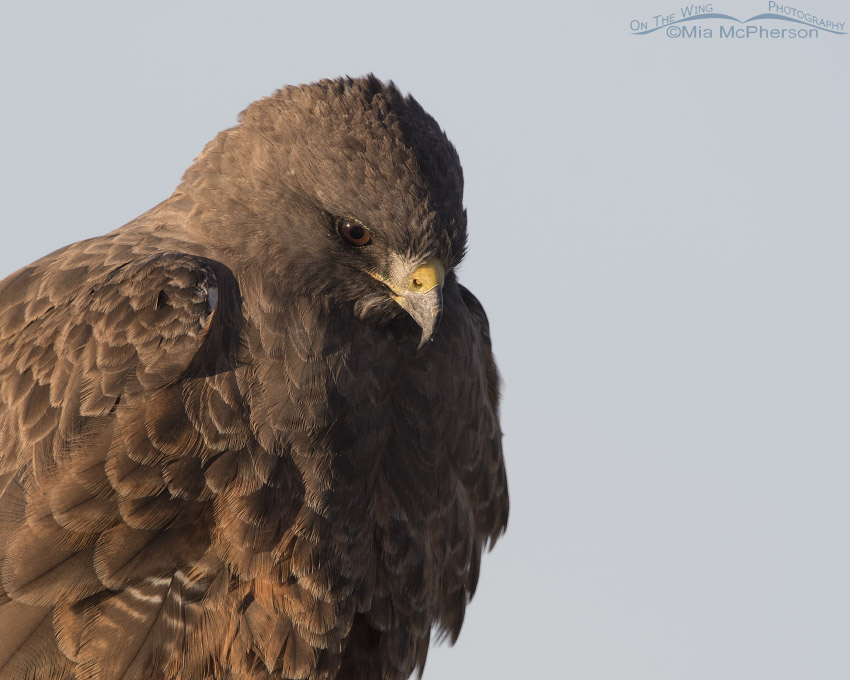
Yesterday morning in northern Utah I saw about a dozen Swainson's Hawks in about 2.25 miles, some were perched, some were in flight and all of them were wonderful to photograph.
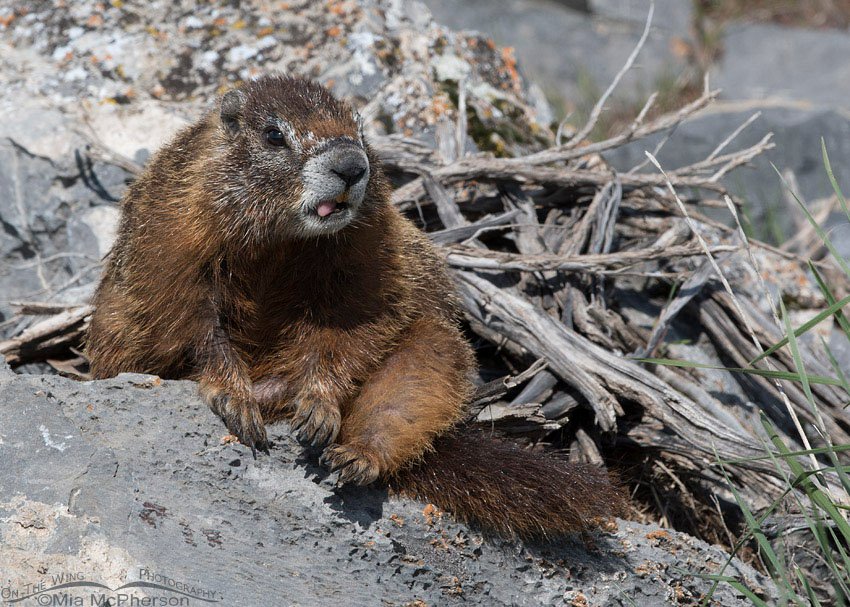
I had a great time photographing a roadside Yellow-bellied Marmot yesterday in northern Utah and the marmot was very cooperative. So cooperative that I took way, way too many images of it.

I was thrilled and delighted to photograph a very cooperative dark morph Swainson's Hawk up close yesterday morning in northern Utah.

I'm keeping my daily post simple today, as simple as a Mourning Dove close up I photographed on Antelope Island last spring taken while it moved through the dew laden grasses.
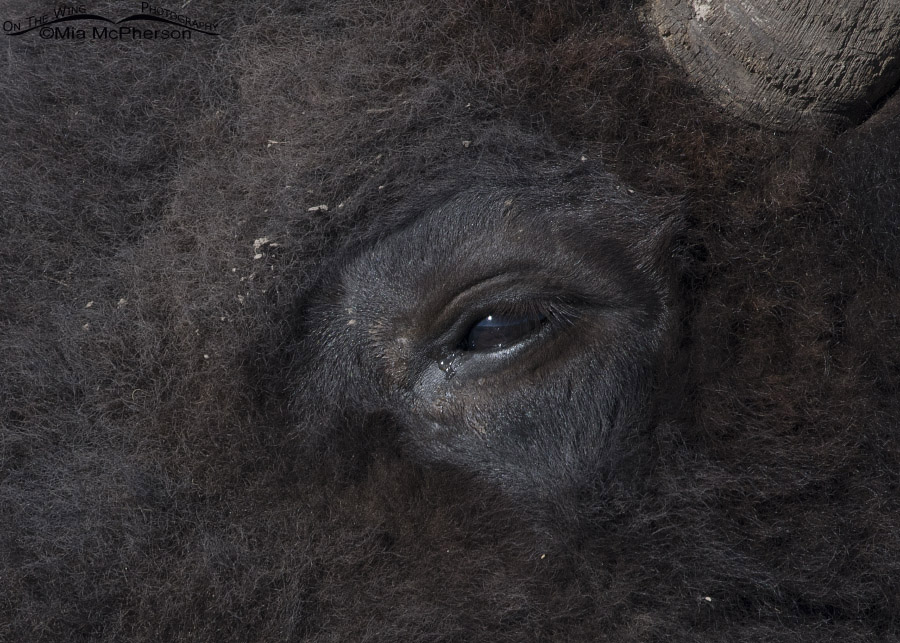
In this American Bison's tears I saw my own tears and deep concerns for what is happening to our environment now and the potential threats that future generations will have to face if we don't take action today.
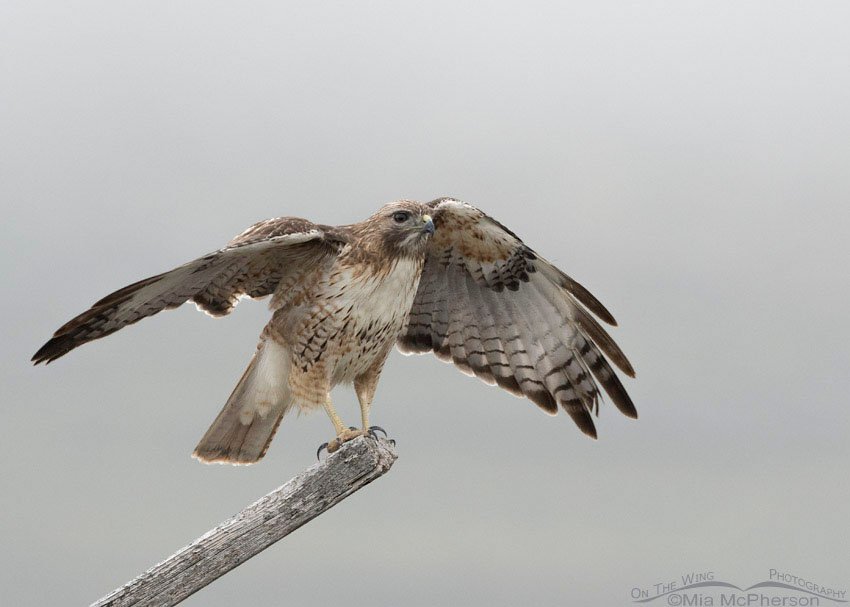
It wasn't "partly sunny" as predicted but I enjoyed myself while photographing the Turkey Vulture and Red-tailed Hawks on a foggy morning even though it tested my skills and techniques.

Yesterday morning I was able to spend time photographing a pair of Chukars on Antelope Island State Park in a grassy area that has begun to turn green.
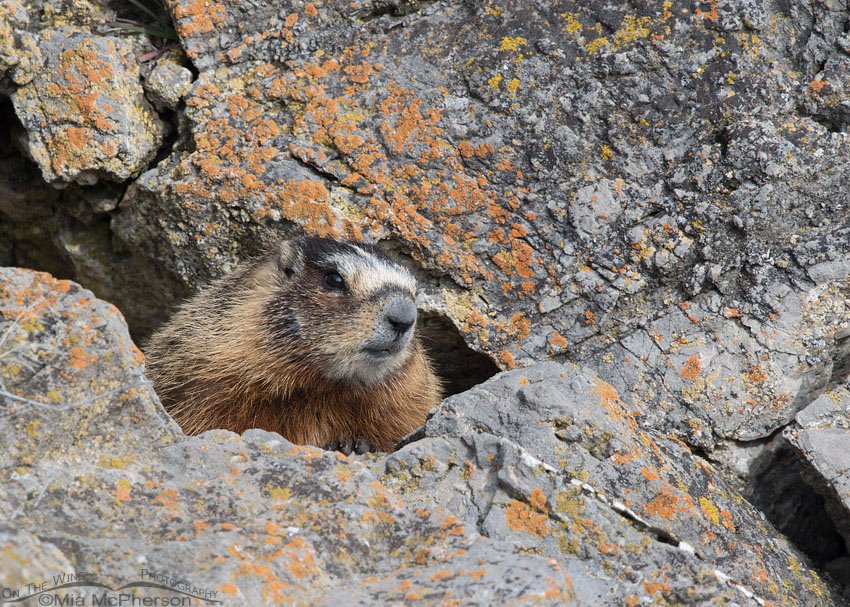
I am very fond of Yellow-bellied Marmots so when I spotted one clambering down some rocks into a crevice close to the road I became excited and as soon as I could I started taking photos of it.
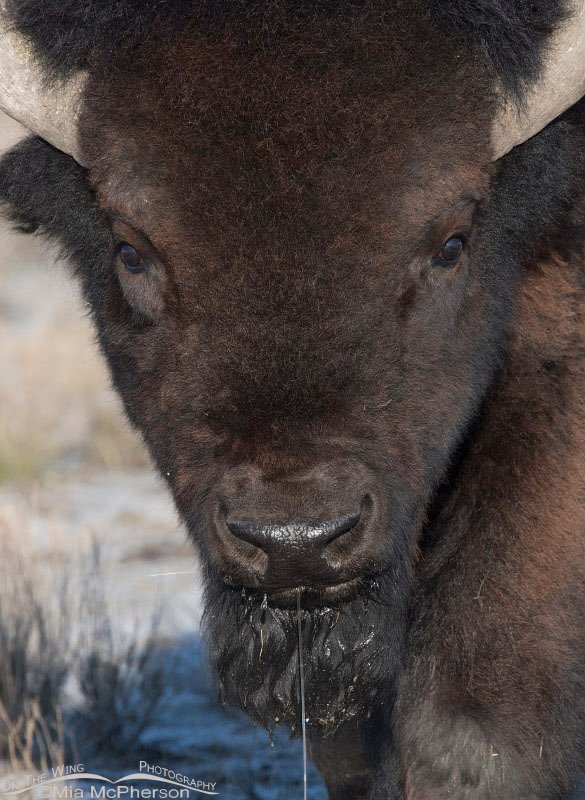
These portraits of bison bulls drinking from an iced over puddle were taken with my Nikon D500, my 500mm VR lens with a teleconverter attached from inside a vehicle.
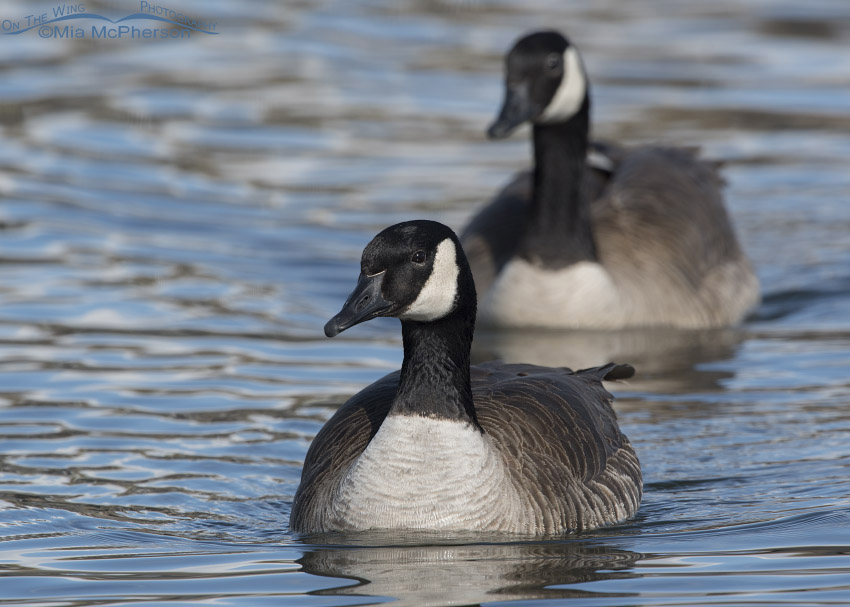
Because they are very common in most North America Canada Geese are often overlooked as subjects by some bird photographers.

I'm glad I took these portraits of Ring-billed Gulls in a snow storm, they will remind me of a gray, cold, stormy January day when I was just crazy enough to sit and photograph birds as snowflakes fell from the sky.
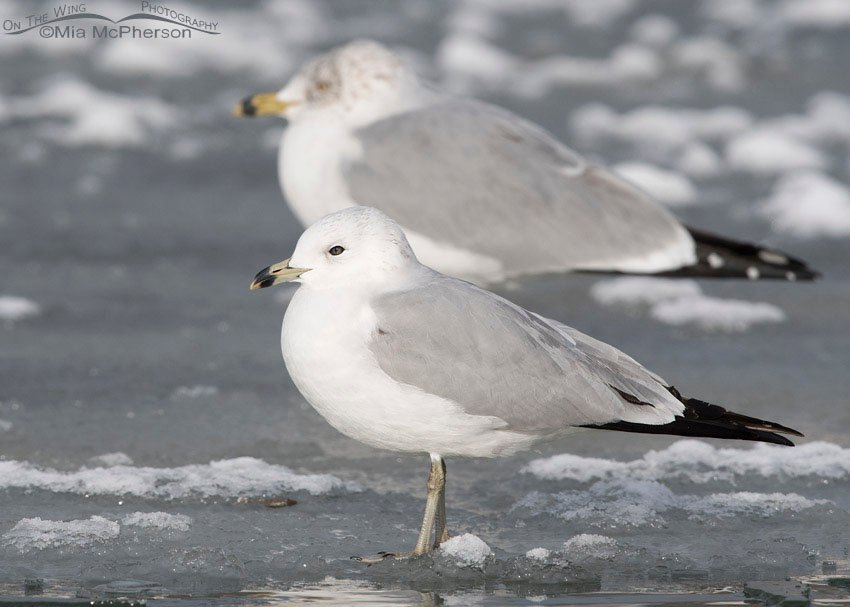
On January 3rd I photographed two unusual Ring-billed Gulls at my local pond in Salt Lake County, today I am sharing one of those gulls, the runty, second winter Ring-billed Gull.
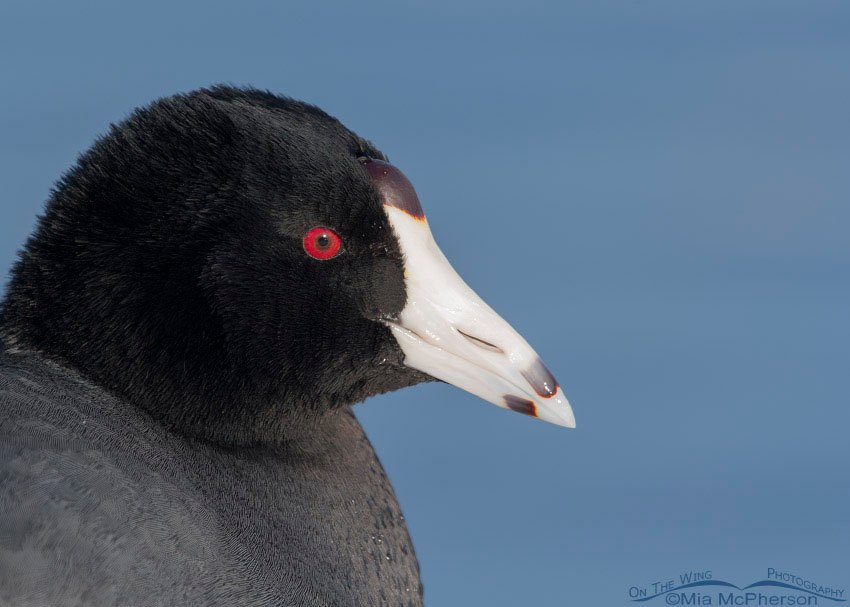
When the birds settled back down on the pond this American Coot walked up onto the shore with the open water behind it and I couldn't resist taking portraits of it.
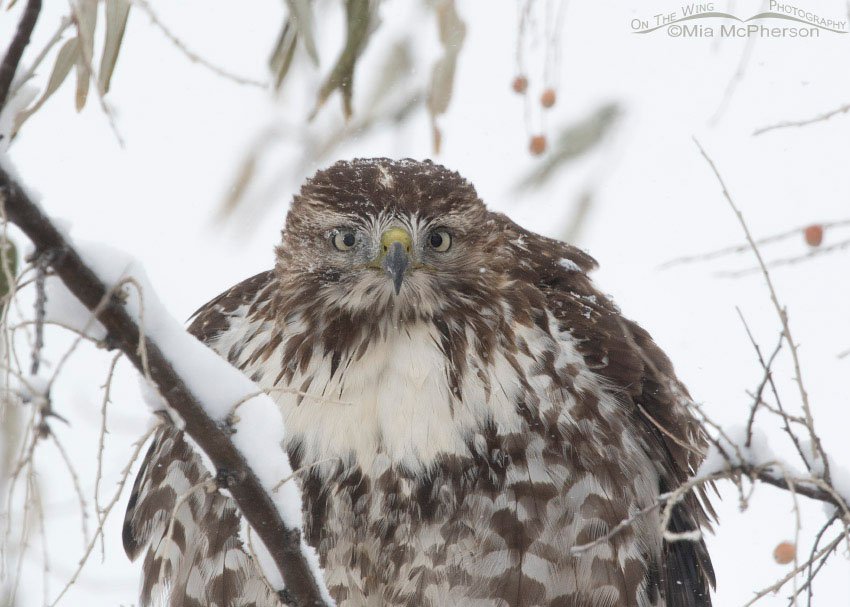
This first year Red-tailed Hawk close up in the snow storm was a reminder of how much our birds and wildlife have to struggle to get through the harsh winter.

Ten days ago I photographed a manky mallard at my local pond and when I pulled images of it up on my monitor I discovered that it has a hidden "face" and once I saw it I couldn't un-see it. Do you see it?

Two days ago I was surprised by being able to photograph a Common Merganser hunting close to the shoreline of a nearby pond in Salt Lake County.

The typical eye color for California Gulls is a very dark brown that appears almost black in most cases but there can be variations in their eye color.
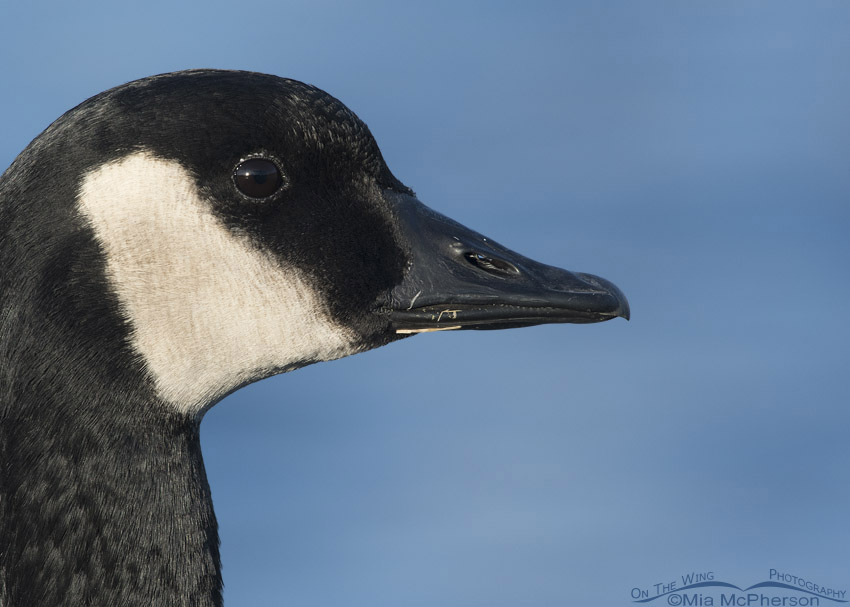
Three days ago when the sun broke through the clouds in the afternoon I went to the pond and was able to take several Canada Geese portraits with the blue water of the pond in the background.
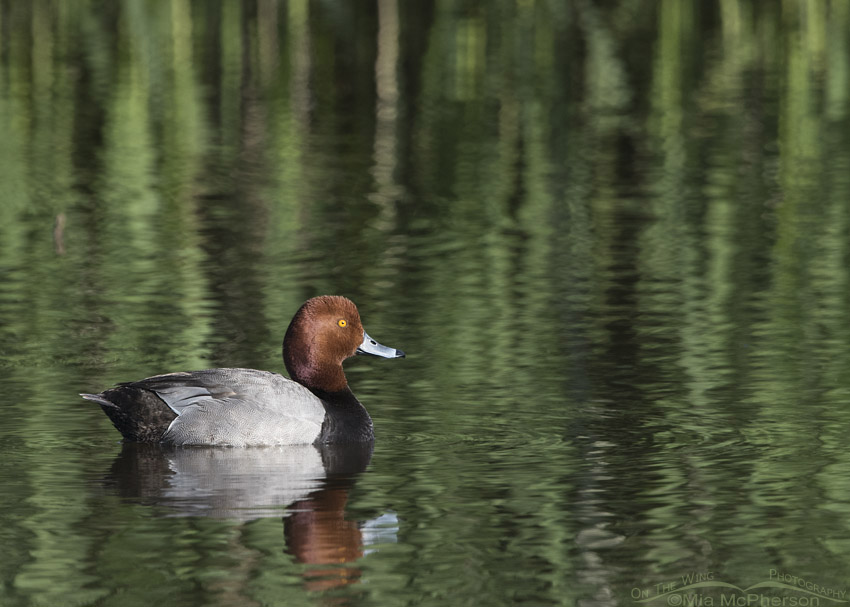
This Redhead drake photographed at the refuge in his breeding plumage sure stood out well from the water that was reflecting the spring growth of rushes and phragmites.

For most of the year Ring-billed and California Gulls are some of the most common gulls here in northern Utah and for some people it might be challenging to tell them apart.

I was able to lock on to the Herring Gull in flight with a sea urchin in its bill when it was close enough to me to fill the frame, it was almost too close at that point.

It was wonderful to be close to the juvenile Brown Pelican and to be able to take portraits of it plus I also enjoyed being able to see all the fine details of its plumage, the texture of its bill and look into its dark eyes.

Almost a year ago I felt very fortunate to be able to take a series of Snowy Egret portraits at Farmington Bay Waterfowl Management Area in Northern Utah.

At the time I created this image I didn't realize that when I took this portrait of the adult Red-tailed Hawk that I also photographed an ant. Can you see it?

While walking the boardwalk at the small rookery I was able to get close to this Great Egret that was resting under the canopy of a large tree and took this portrait of it.

Yesterday I had an immature Sage Thrasher get so close to me that I was able to take portraits of it as it perched out in the open.

This Clark's Grebe portrait shows the brilliant red eye, the smoothness of the sharp bill and tiny water droplets in the downy plumage of the grebe's face, crown and neck.