Hidden Short-eared Owl Fledgling
I know that this hidden Short-eared Owl fledgling image isn't one of my best because of the grasses in front of its face and the shadow of a stem falling on its left eye but I love it.



I know that this hidden Short-eared Owl fledgling image isn't one of my best because of the grasses in front of its face and the shadow of a stem falling on its left eye but I love it.

Yesterday I was able to take a series of fledgling Short-eared Owl portraits when this young owl perched on a metal post right next to a road in Box Elder County, Utah.
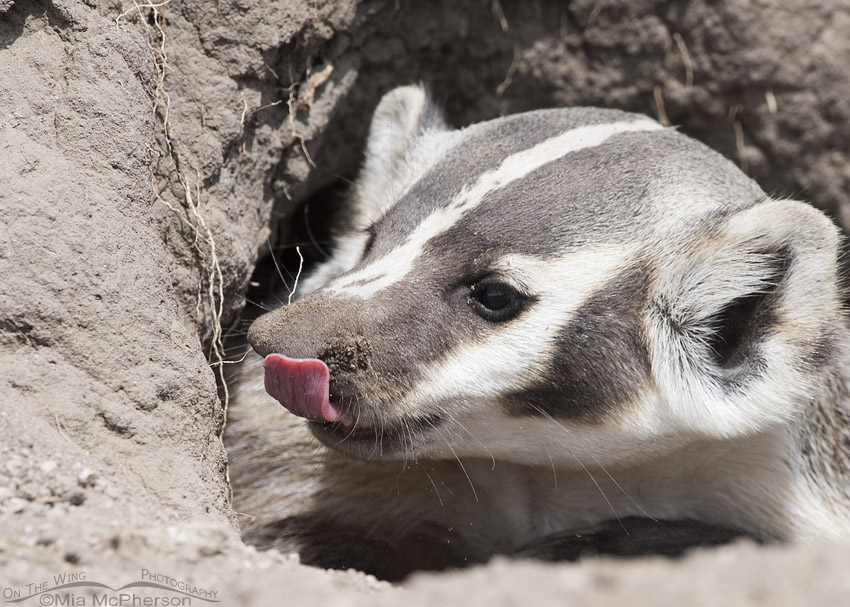
I'm pretty sure the American Badger at her den has cubs, they can have anywhere from one to five!

It felt amazing to be alone with these northern Utah Short-eared Owl chicks for a few brief moments yesterday.

I found an exceptionally obliging Turkey Vulture in Box Elder County warming up in the morning sun.

This might be the only image I have in my portfolio that shows a Great Egret with a loose head feather waving above its head at a jaunty angle.

It is breeding season for Killdeer at Bear River MBR and for all of Utah.
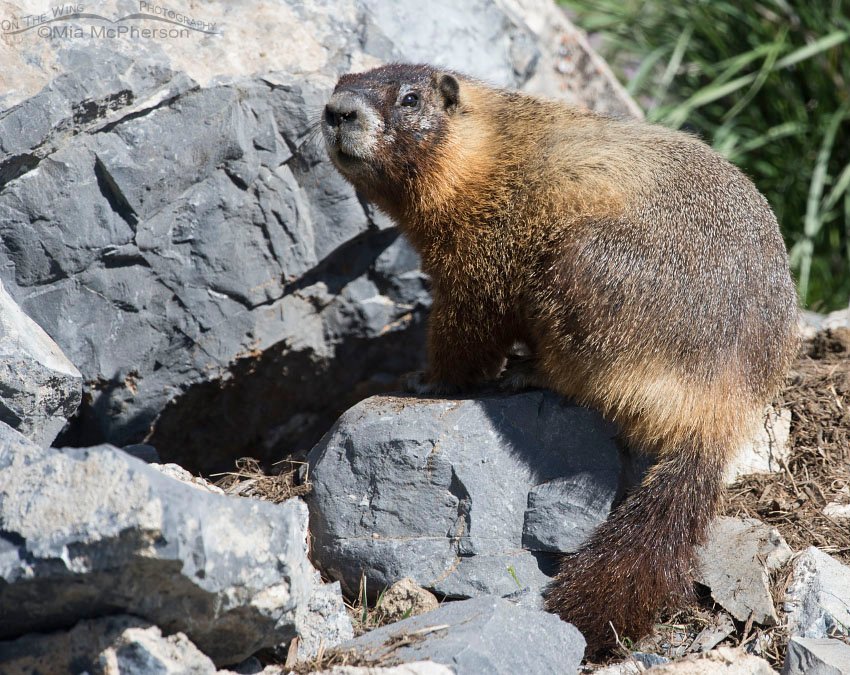
Finding a Yellow-bellied Marmot next to its burrow in northern Utah yesterday was a real treat for me especially since it stuck around for a bit.
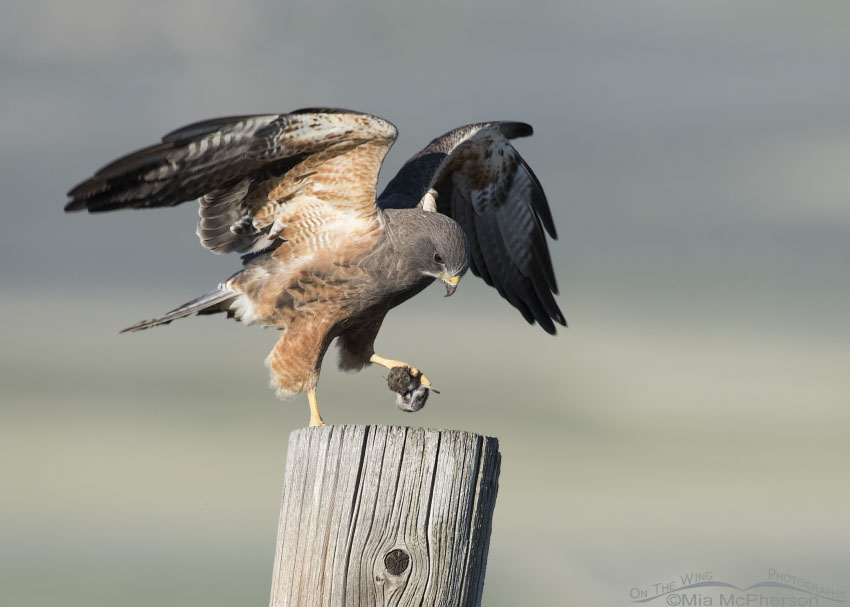
This Swainson's Hawk was right next to the road the entire time I photographed it and I was able to get a series of it it where the hawk nearly filled the frame from top to bottom.

April in northern Utah is a good time to see and photograph molting immature White-crowned Sparrows.
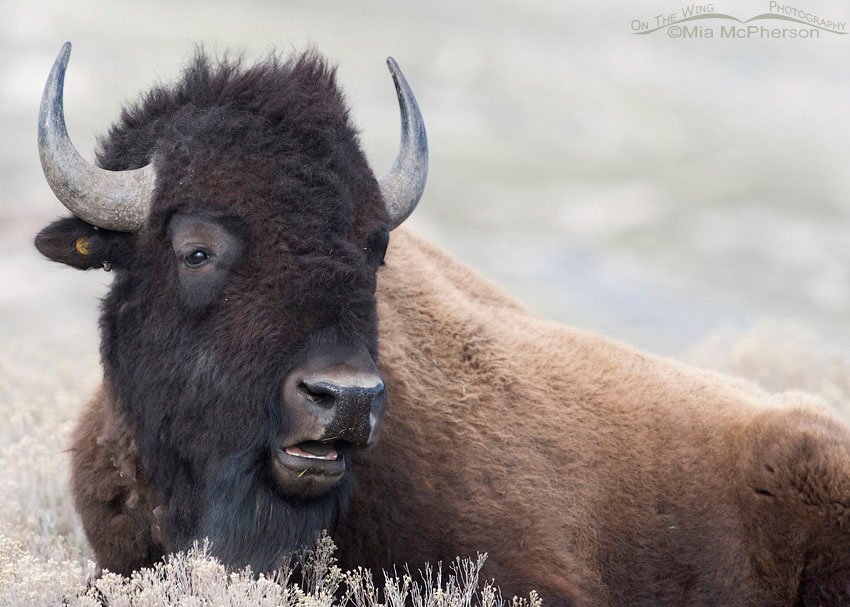
I was able to take a very nice series of low light American Bison bull portraits despite the lack of clear skies and sunshine on Antelope Island.

I was able to take this male Yellow-headed Blackbird portrait because the bird seemed more intent on catching midges than being nervous about me.
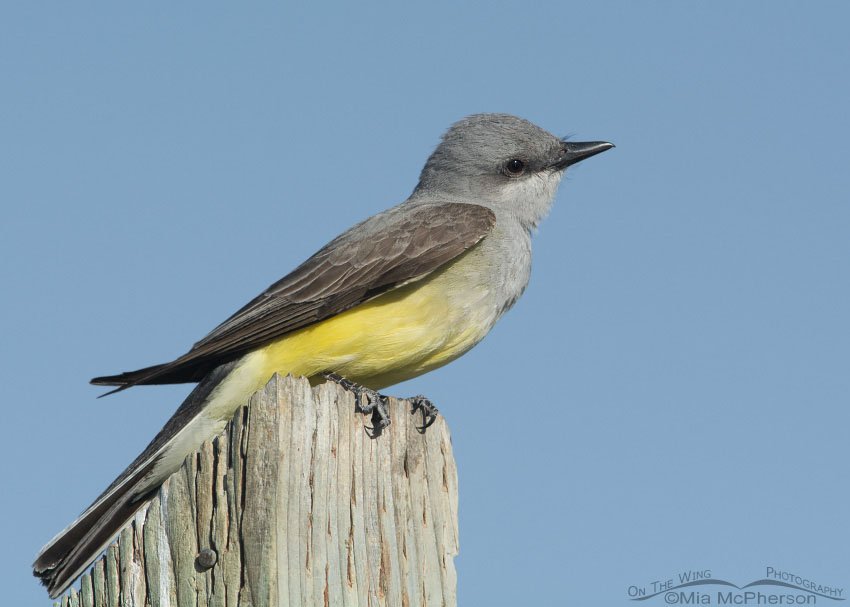
This adult Western Kingbird close up was photographed two years ago on Antelope Island State Park as it perched on a sign post close to a nest site.
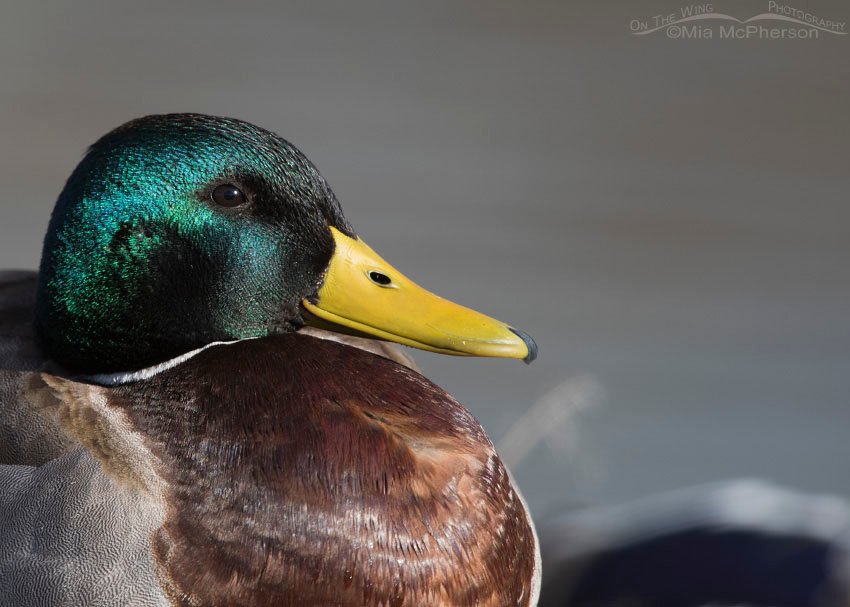
I was able to take a Mallard drake portrait of one of the ducks that were close and loved how this showed the blue green iridescence.
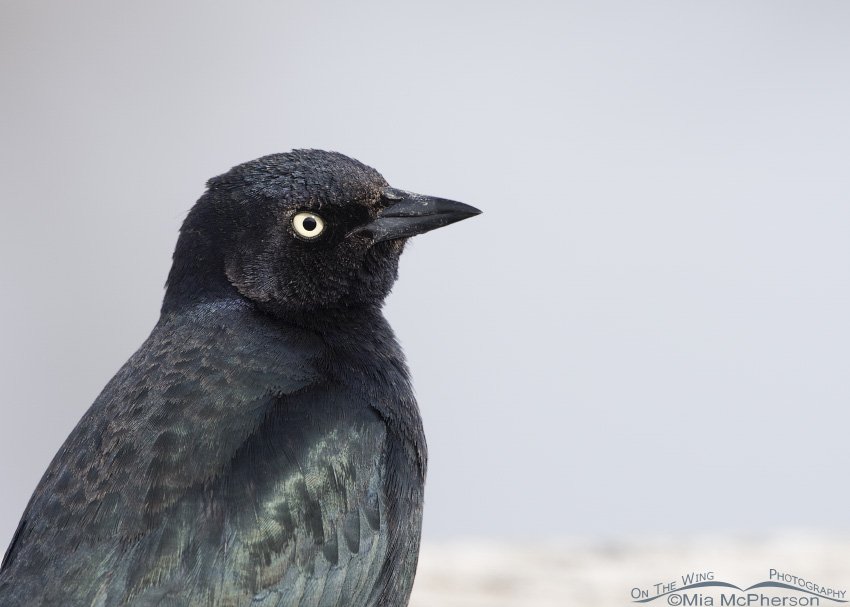
I was able to take this male Brewer's Blackbird portrait as it perched next to the road that shows the iridescent colors in his plumage quite nicely.

I went looking for a Snowy Owl and got Barn Owls in flight instead at Bear River Migratory Bird Refuge.

It is interesting to see this whirlpool effect of Northern Shovelers on the surface of the Great Salt Lake and to hear the sounds of their bills dabbling in the water.

The first bird I raised my lens for yesterday was this Black-billed Magpie in a snowstorm near the visitor center.
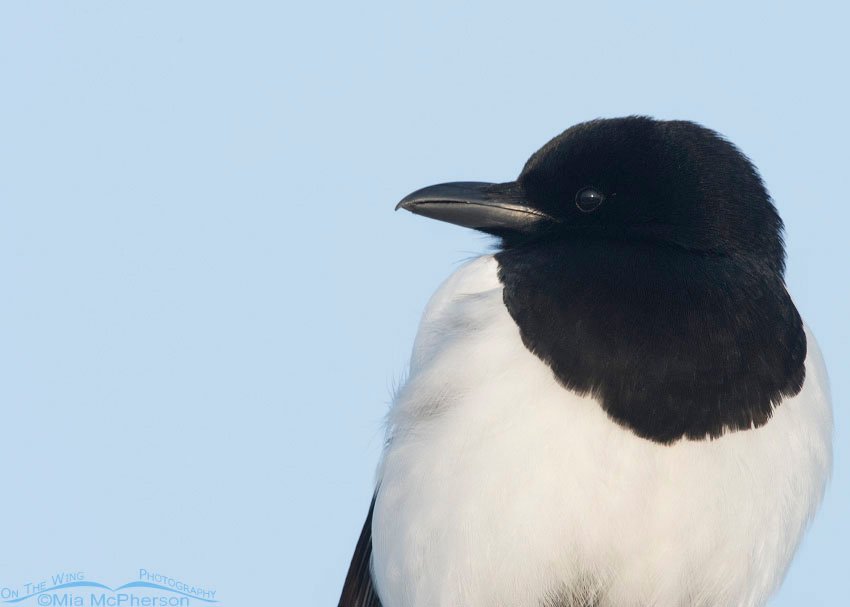
I only have a few portraits of an adult Black-billed Magpie and yesterday I was able to add several of them to my portfolio.
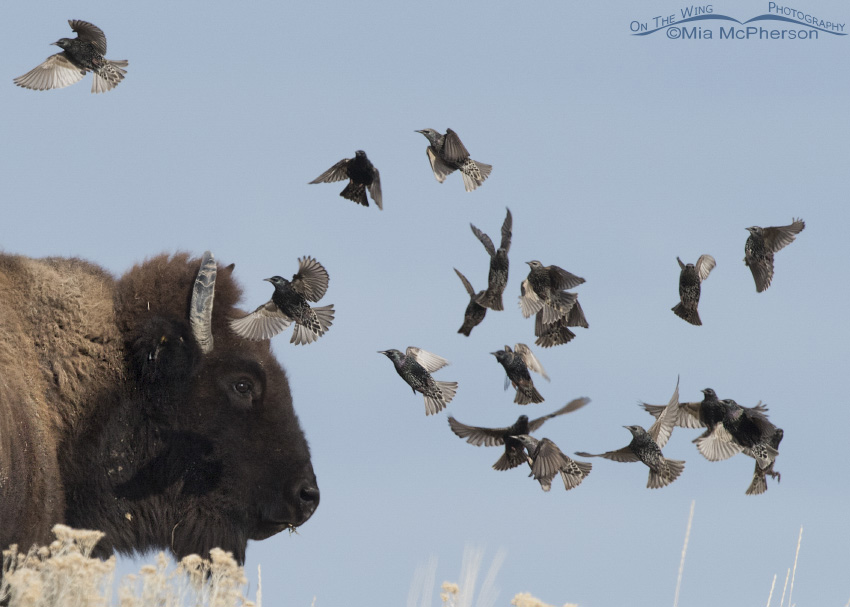
Most of the images I took that day on Antelope Island State Park had flocks of European Starlings and an American Bison or two in them.

It isn't often that I am able to take a Black-billed Magpie portrait so when a magpie flies in close enough to me I will jump at the opportunity.
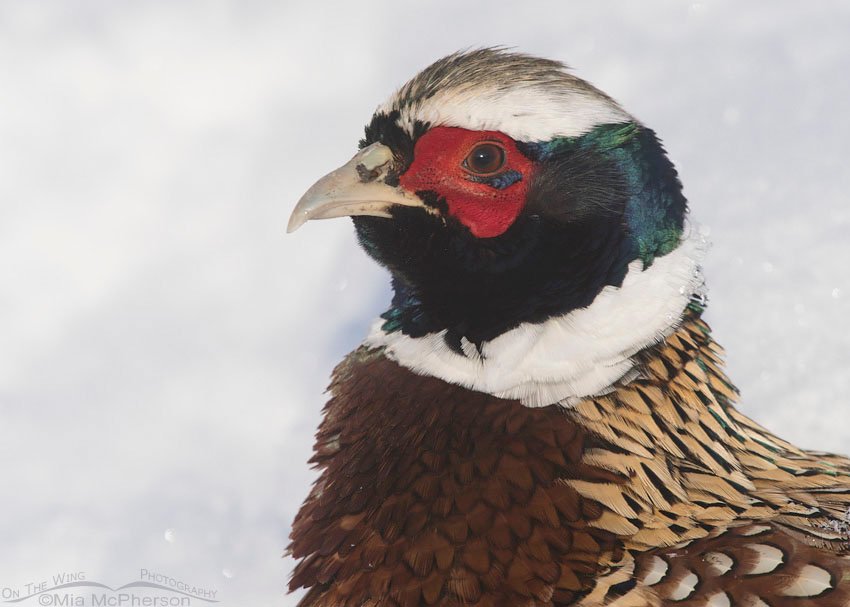
All of these male Ring-necked Pheasant portraits were taken yesterday morning at Farmington Bay WMA in the snow at 5°F.

When I can be close enough to see into the eyes of a fledgling Great Horned Owl and take a portrait of it I feel honored and enchanted.

Getting close up images of wild birds is always a thrill for me and having this immature White-crowned Sparrow come in close enough for portrait was a pleasure on the last day of November.

There has only been a few times that I have had the opportunity to get a Red-breasted Merganser portrait and each time it occurred in Florida.

I photographed this California Gull back in May on Antelope Island State Park in falling rain and like the streaks of rain in the frame.

Yesterday while up in one of the canyons of the Stansbury Mountains some movement caught my eye and when I looked closely I could see a small flock of Wild Turkeys in the junipers.

Farmington Bay's Snowy Egrets were the birds I photographed most yesterday because they were cooperative and because they were active, very active.
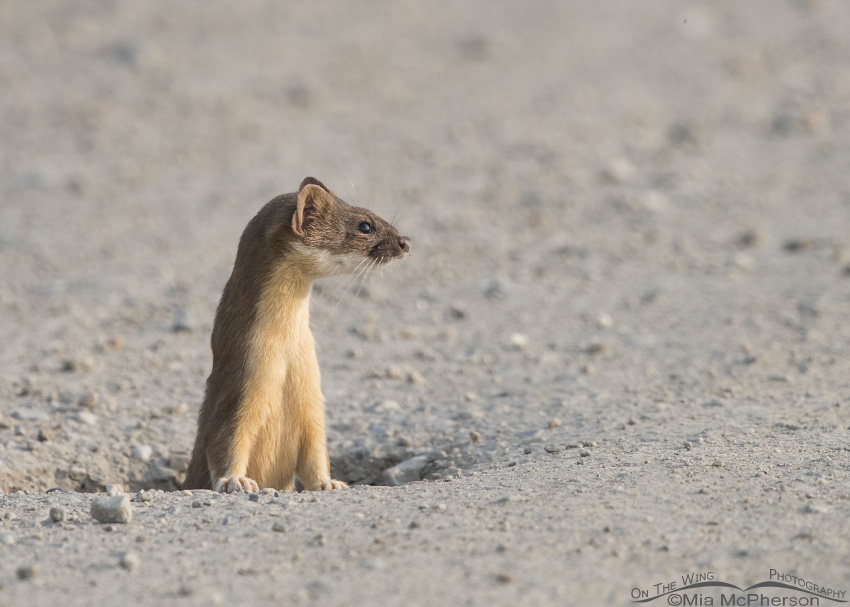
And this one of the Long-tailed Weasel at the side of the road that shows its face, dark eyes and cute rounded ears but it also shows that the weasel appears to be injured on the left of its nose.

A few days ago a Western Grebe popped up from under the water very close to me and I was able to take a quick series of portraits of it before it moved away.