
Mule Deer Doe in the Stansbury Mountains
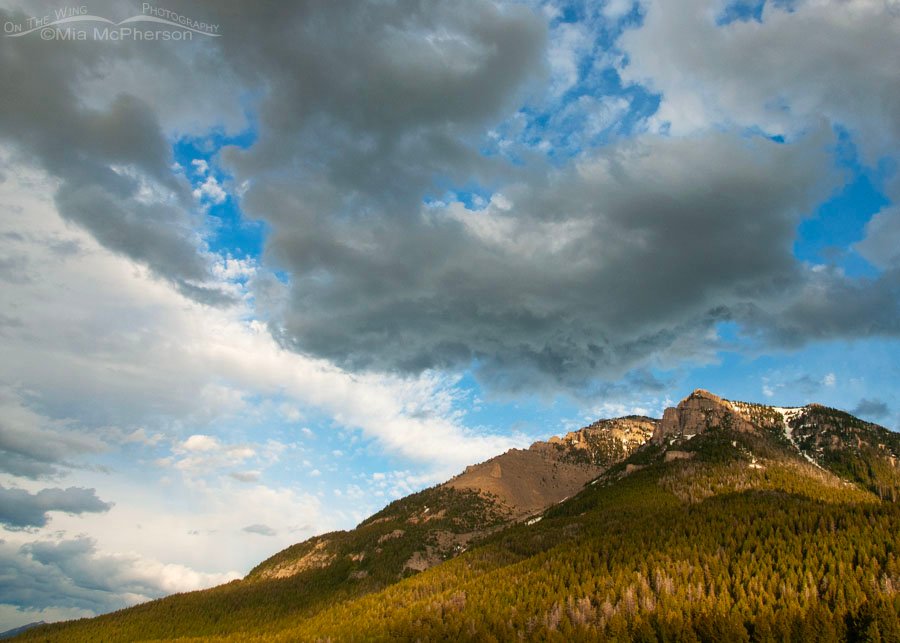
I photographed this Mule Deer doe while camping in North Willow Canyon in the Stansbury Mountain Range of Tooele County, Utah.
Two days ago I spotted this Chukar on Antelope Island State Park on the edge of the road near the marina, the Chukar was at road level but just beyond the rock there is a slope that drops about 25 to 30 feet.
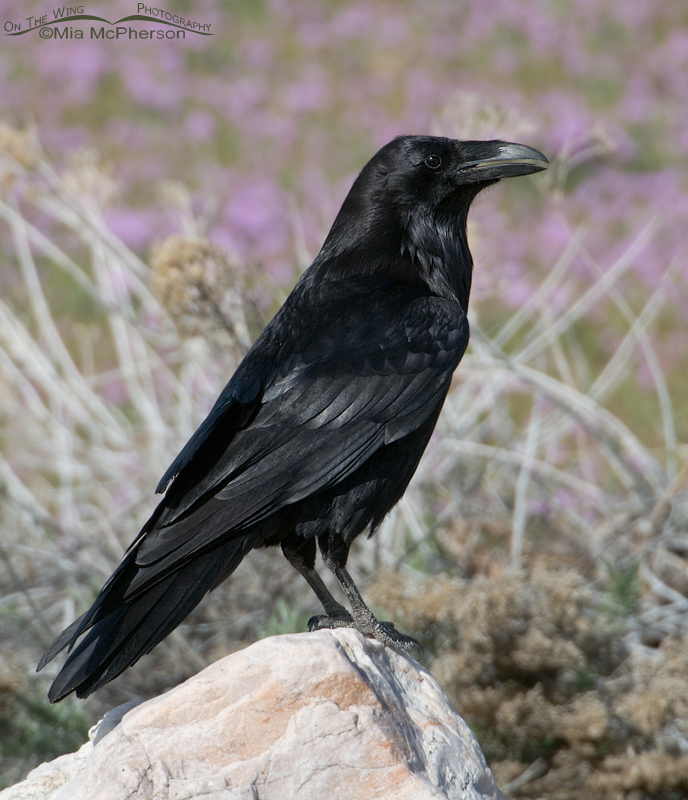
Yesterday I was lucky enough to find and point out this springtime Raven perched in front of a field of pink Filaree, a wildflower from the Geranium family.
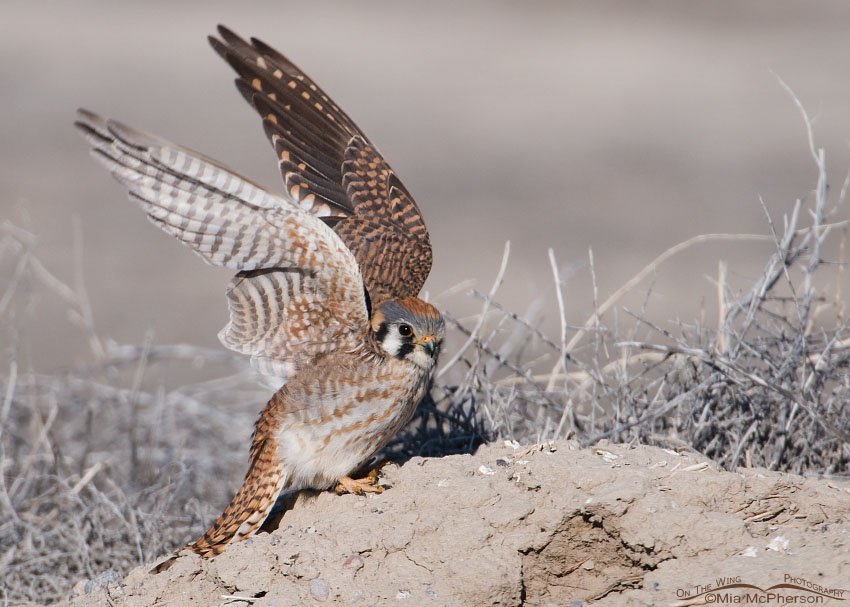
A few days ago I spotted this female American Kestrel on the road to Fish Springs National Wildlife Refuge, and I do mean in the road. She almost didn't move even when the pickup was 20 feet from her as we rolled to a stop.
This is just a simple Long-billed Curlew post with images I took not long before I discovered the Mountain Plovers on April 10th on Antelope Island State Park.
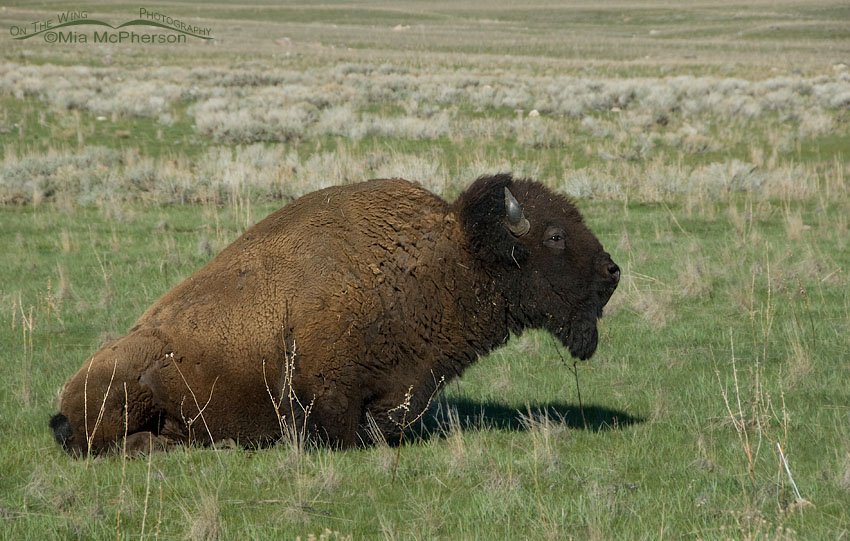
The American Bison on Antelope Island are starting to show signs of shedding their winter coats and for awhile they will look a bit ratty.
I wanted to share a few more of the Mountain Plover images I took which are a lifer bird for me as well as being rare in Utah.
What I saw through my lens was a Mountain Plover, a bird I have long dreamed of seeing. A rarity here in Utah.
This female Great Horned Owl was resting at the opening of an old granary in Glacier County, Montana when I photographed her.
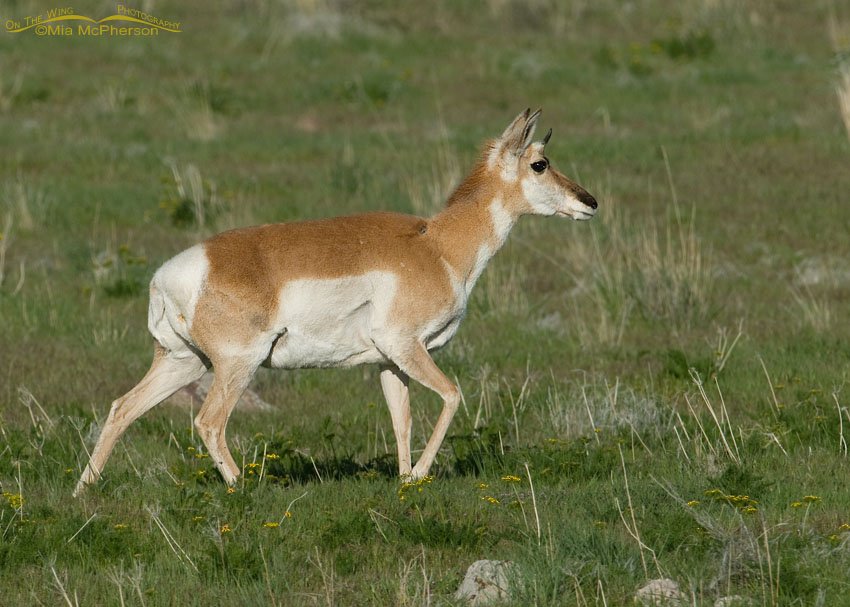
These Pronghorn images were taken a few years ago during the spring and I thought I would share them this morning partly because the yellow flowers in these images; Gray's Biscuitroot, have just started to bloom this year.
This male Tree Swallow in flight image was taken two years ago at Red Rock Lakes National Wildlife Refuge in Montana and for some reason I had not processed it until now.
Some times there is one bird that makes (or perhaps saves) a day, yesterday it was this Chukar for me. I can say I didn't get skunked!
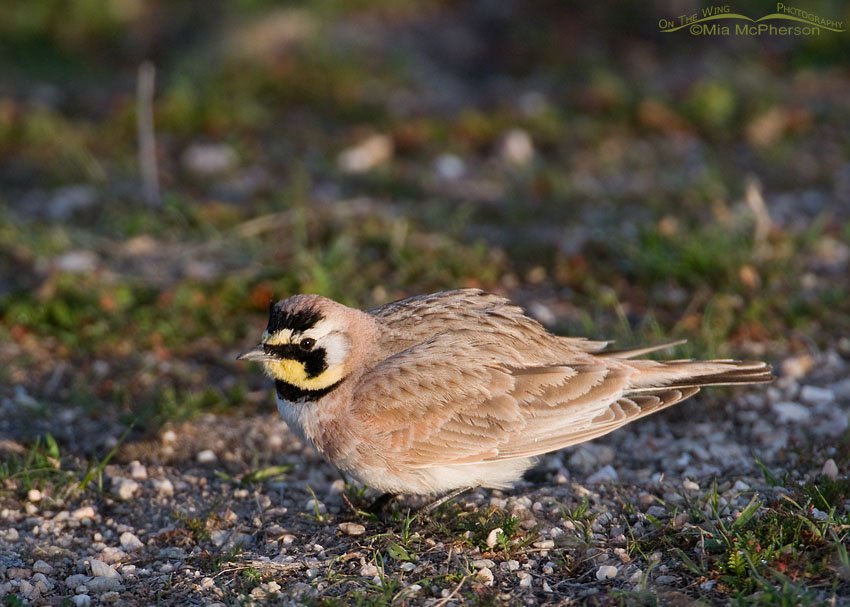
I photographed this male Horned Lark just two days ago and I'm tickled that I can see new growth of grasses in the frame.
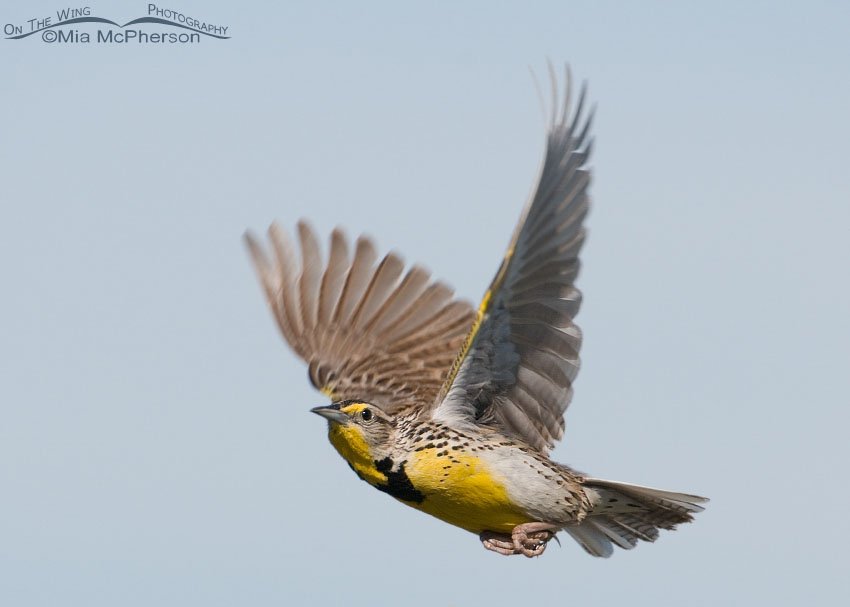
Normally we have Western Meadowlarks year round here in the Salt Lake Valley but because this past winter was harsh it seemed that they moved south for a bit. They are back now and singing their songs of spring.
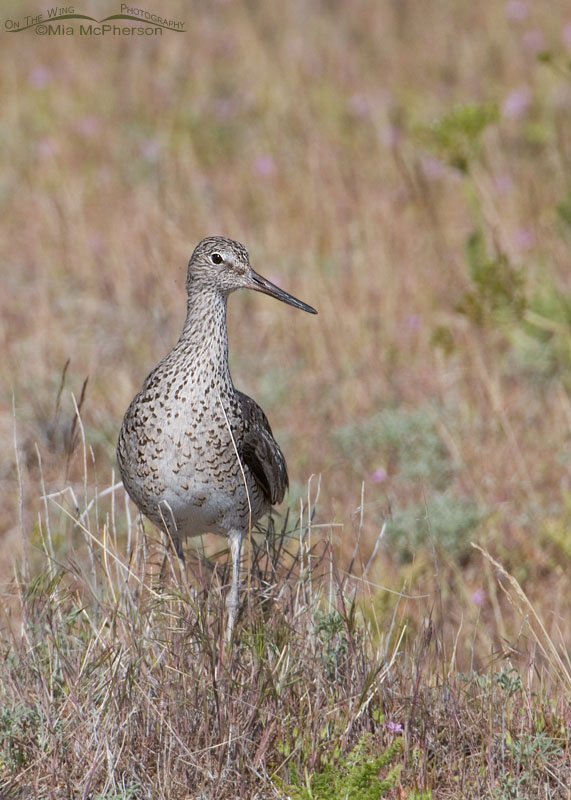
March is a month when I begin to anticipate the arrival of Willets, I have been listening carefully for them and hoping to catch sight of them along the causeway to Antelope Island any day now.
Fairly soon I'll be seeing many more of the male Red-winged Blackbirds perching at the top of rushes and cattails singing springtime serenades for the females and flashing their brilliantly colored epaulets
This mated pair of Great Horned Owls were resting in the opening of an old granary in Glacier County, Montana when I photographed them in June of 2009.
This Western Tanager was photographed last summer at Red Rock Lakes National Wildlife Refuge in the Centennial Valley of Beaverhead County, Montana.
Five days ago I posted a Bald Eagle image where the eagle was small in the frame and explained that I felt that the setting was as important as the subject, I also feel that way about this image of a Red-shouldered Hawk juvenile perched in a tree.
One very foggy May morning I came across a small flock of Roseate Spoonbills in a tidal lagoon at Fort De Soto's north beach and photograph them for about 15 minutes before they flew off to find food.
Evening can have marvelous light too though as shown in the Roseate Spoonbill image above that I photographed in Florida as it hunted for prey in a tidal lagoon.
Sanderlings look very different in appearance during breeding season and winter and novice birders might even think they are two different species.
Just a simple post today to show the differences in the breeding and nonbreeding plumage of Royal Terns.
I photographed these rushing Western Grebes in early June of this year at Bear River National Wildlife Refuge in Box Elder County.
I photographed this female Blackpoll Warbler by the parking lot at Fort De Soto's north beach in 2009 during migration.
This image Sandwich Tern was taken at Fort De Soto County Park's north beach several years ago, it was a breezy, very warm day and there were schools of baitfish running just offshore in the Gulf of Mexico.
Just a very simple image today of a Reddish Egret (Egretta rufescens) flying over some sand dunes.
Just a simple image of a male Black-necked Stilt taken earlier this year at Bear River National Wildlife Refuge. Very graceful birds.
Caspian Terns (Hydroprogne caspia) are North America's largest tern with a wingspan of 50 inches and weighing in at 1.4 pounds.
The scientific name of Eastern Kingbirds is Tyrannus tyrannus, Tyrannus means "tyrant" and they are well named because they will harass any bird that comes near their nests including crows, ravens and much larger birds like hawks.