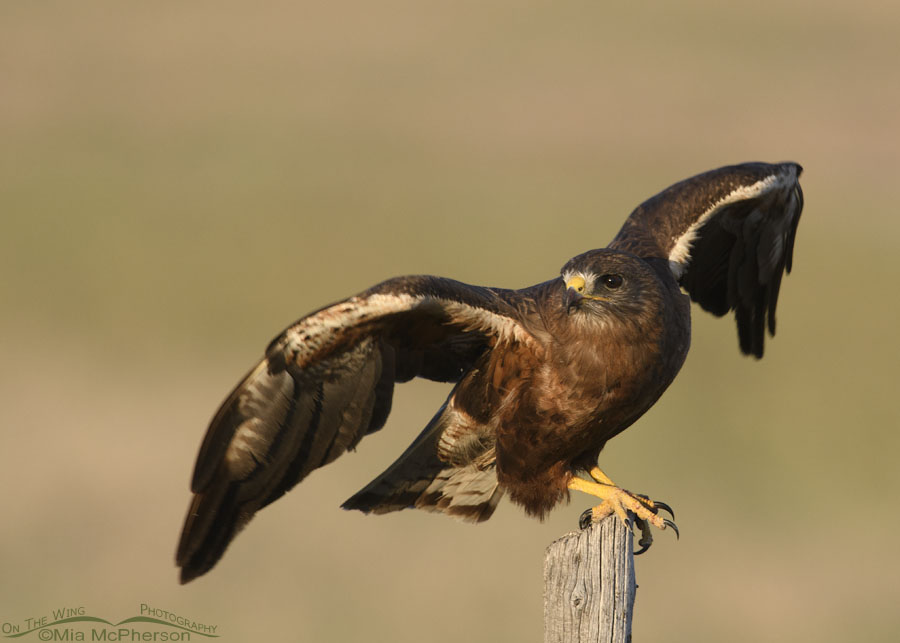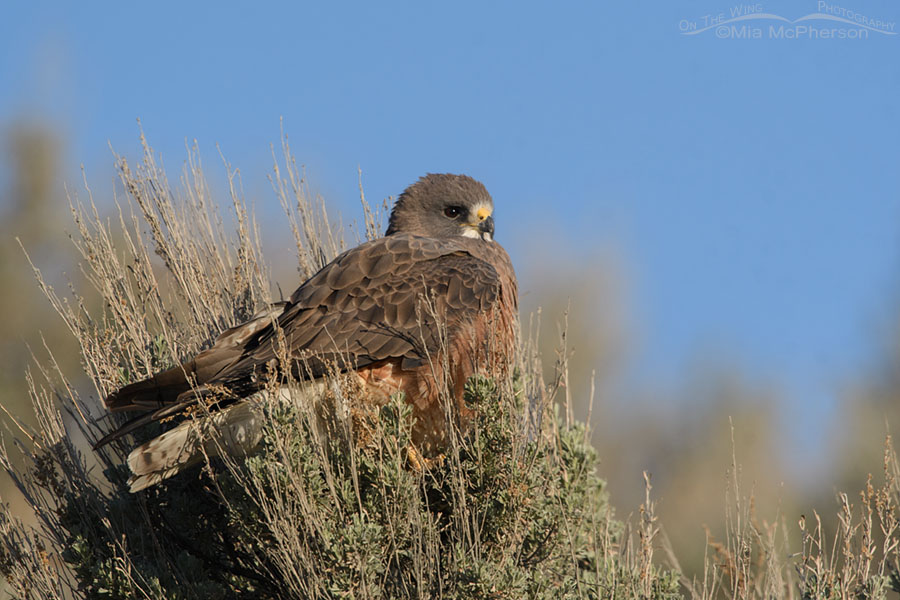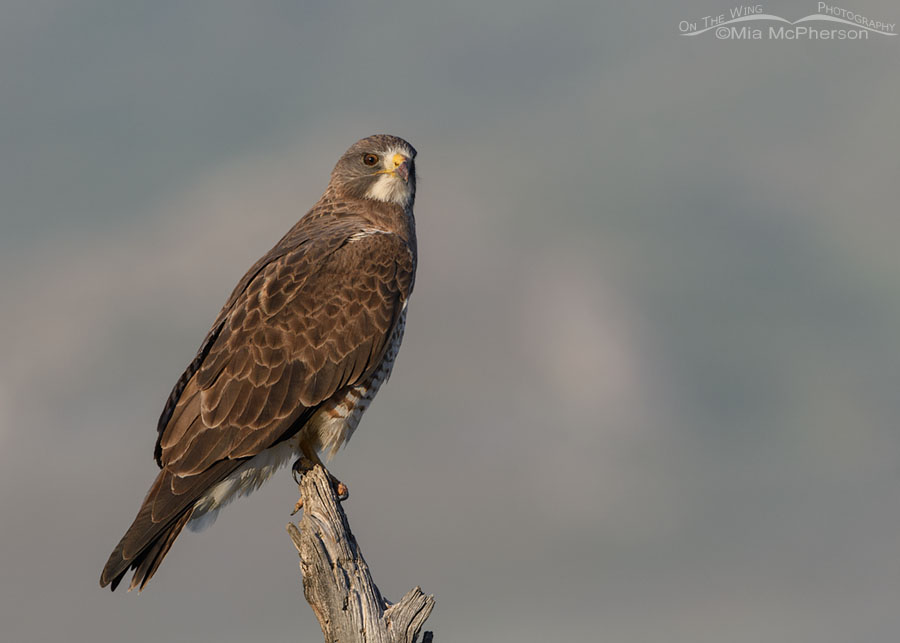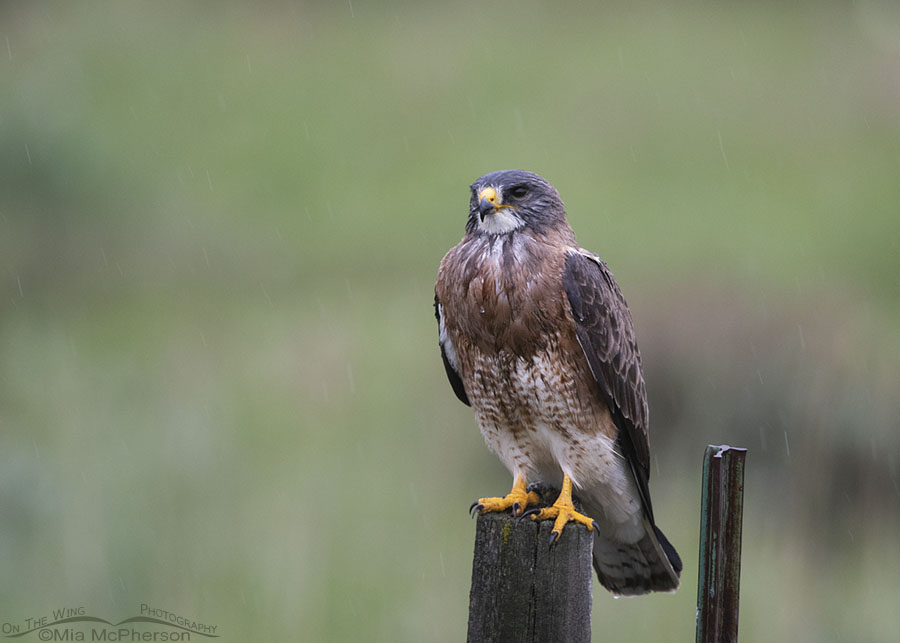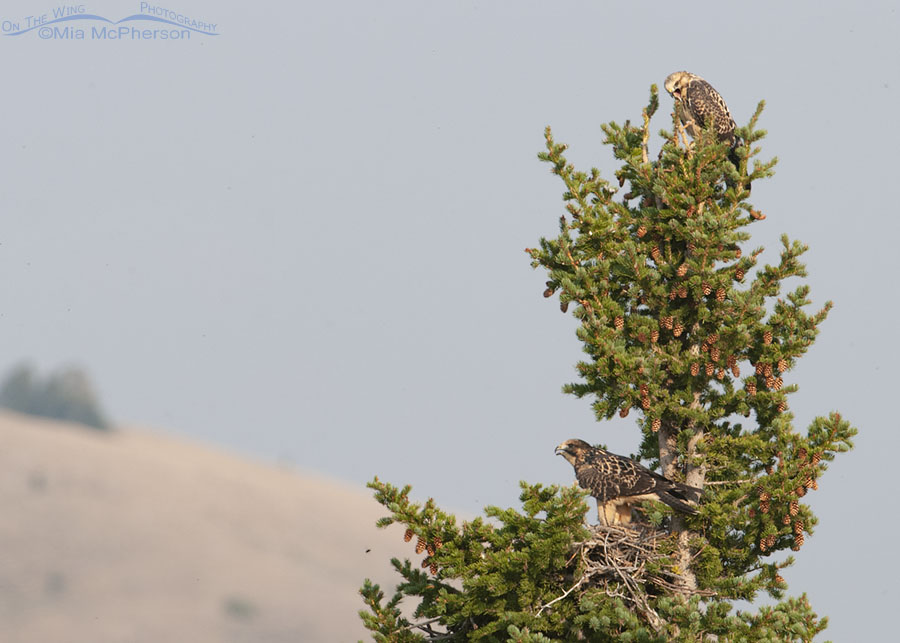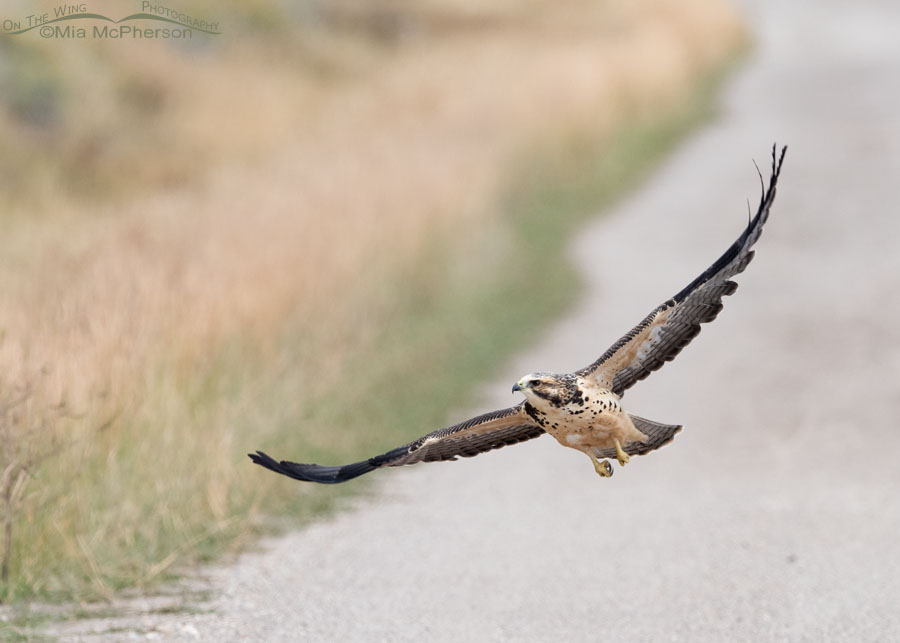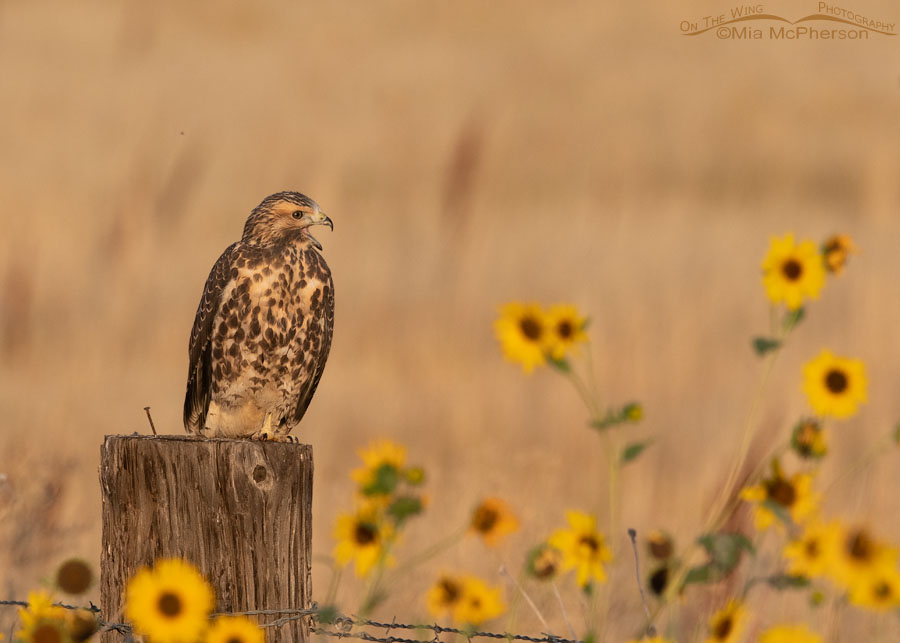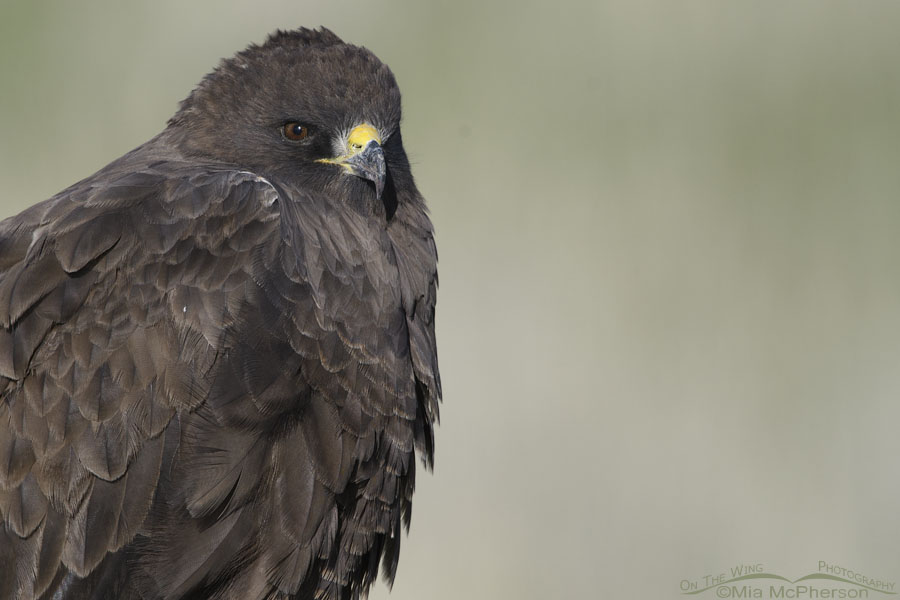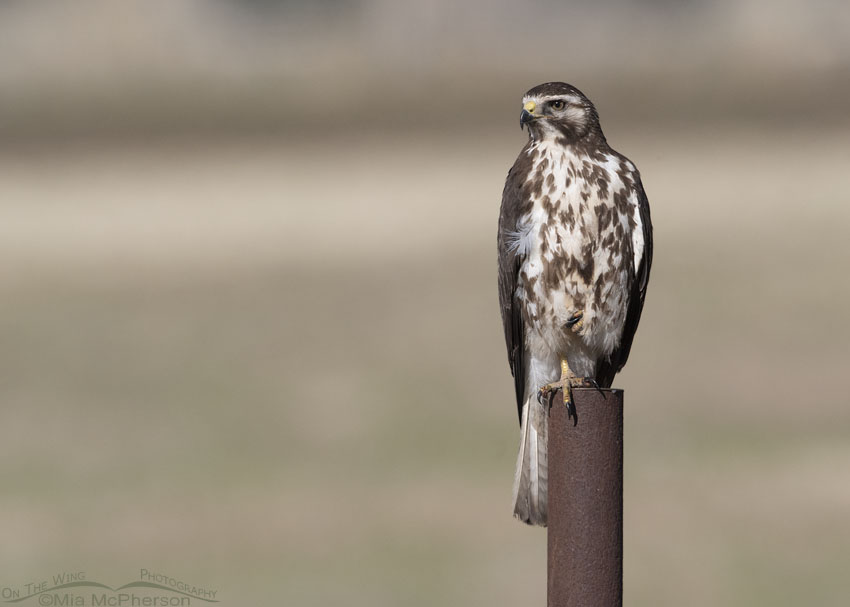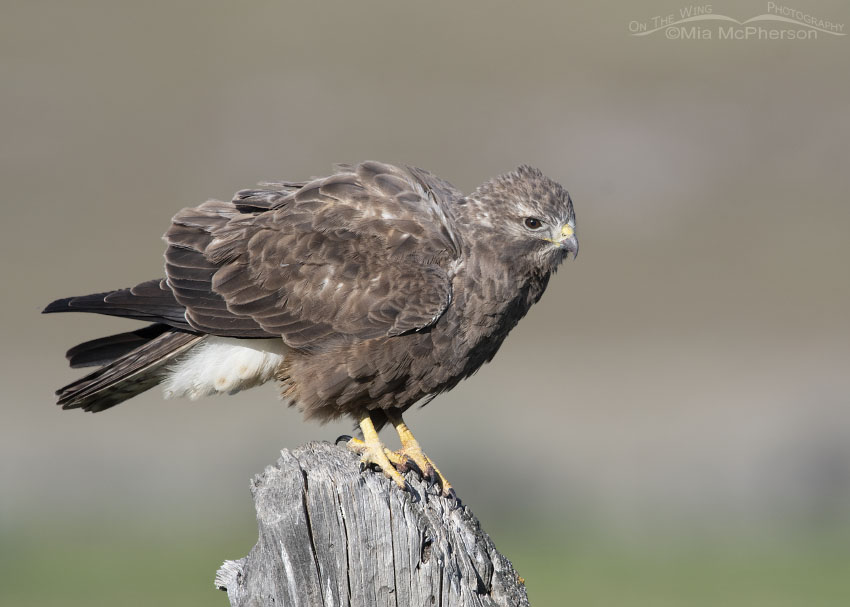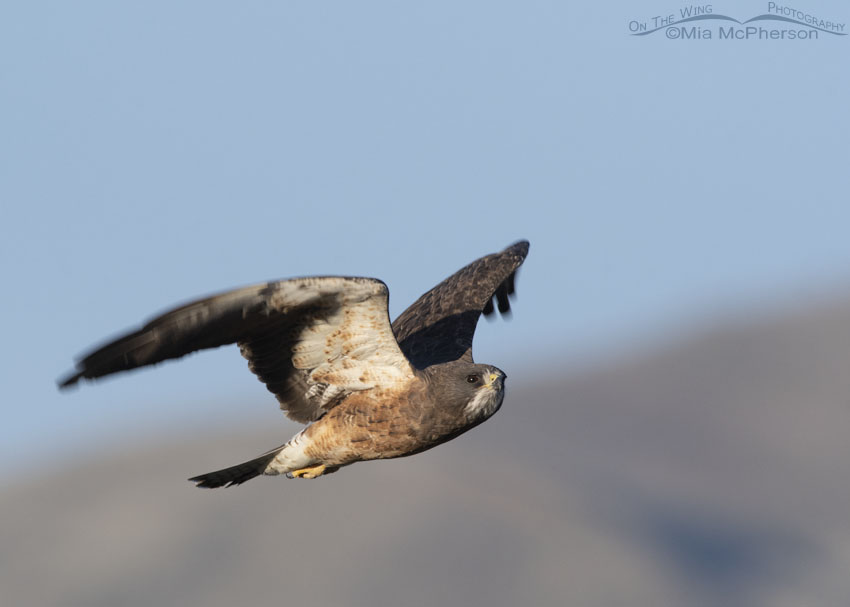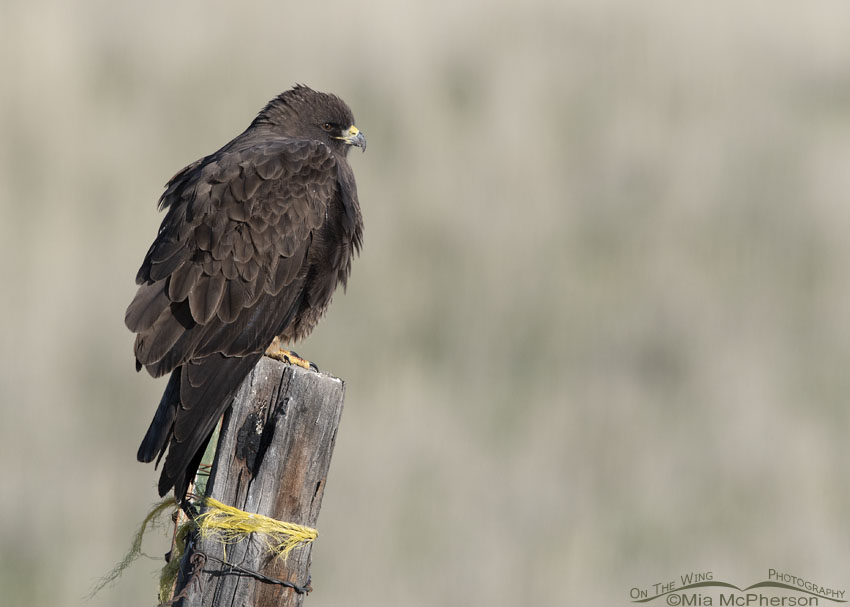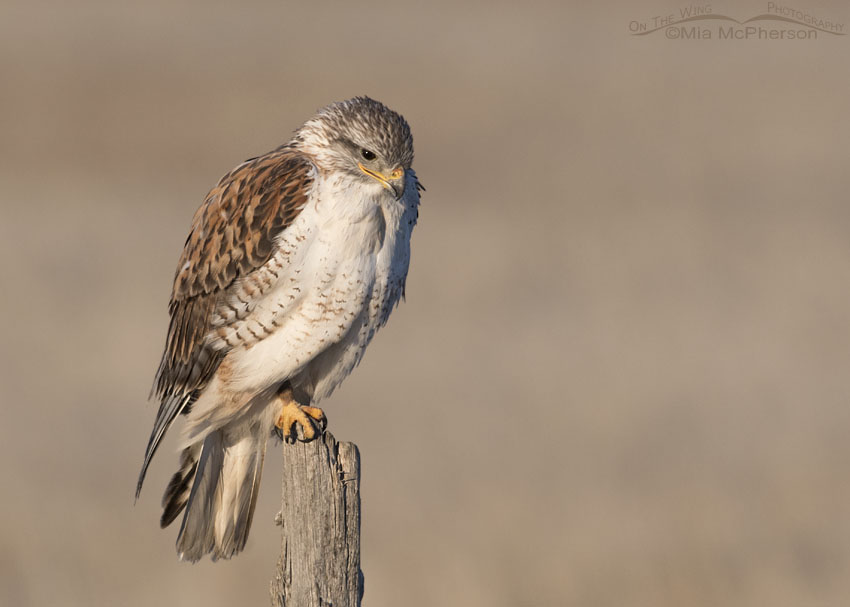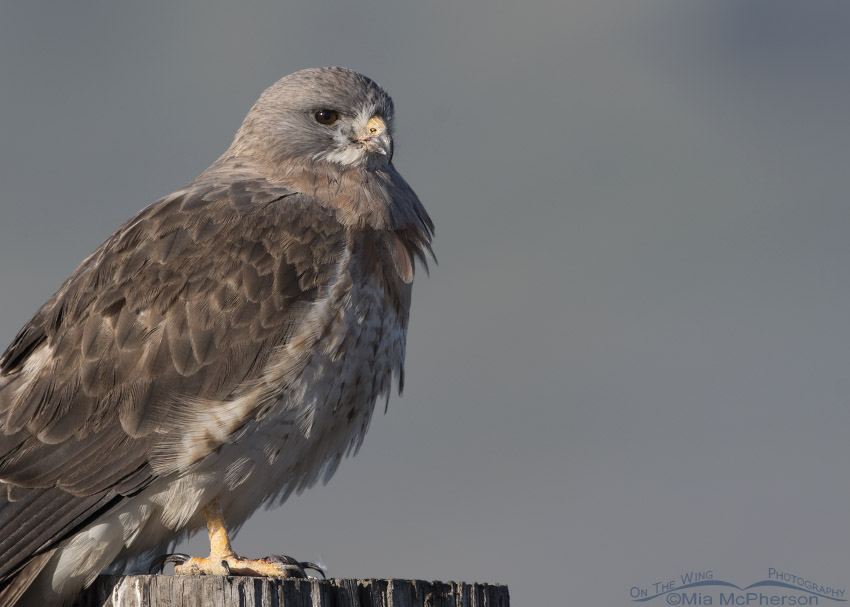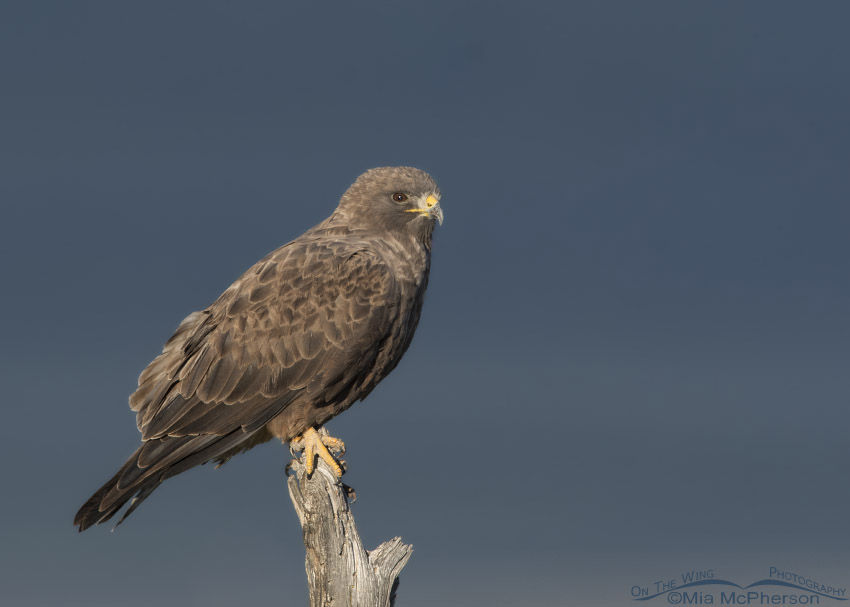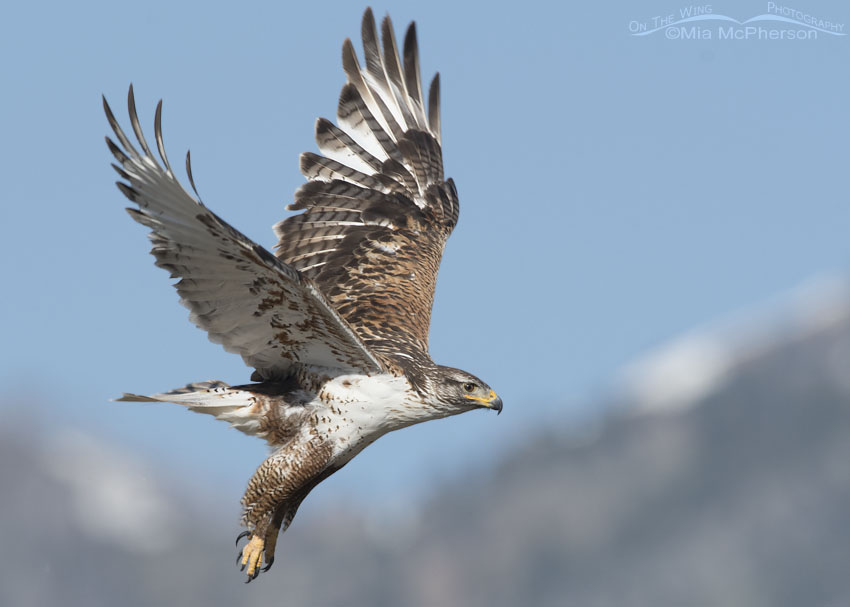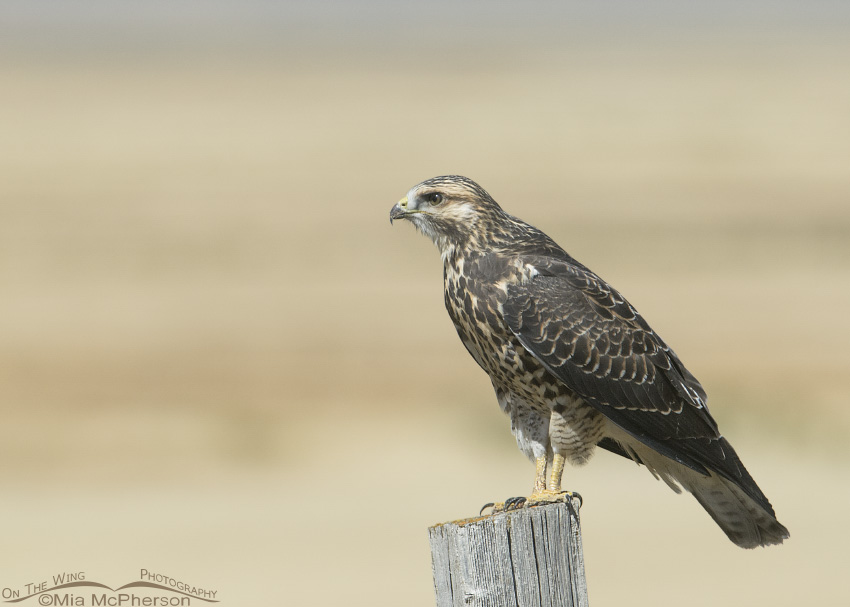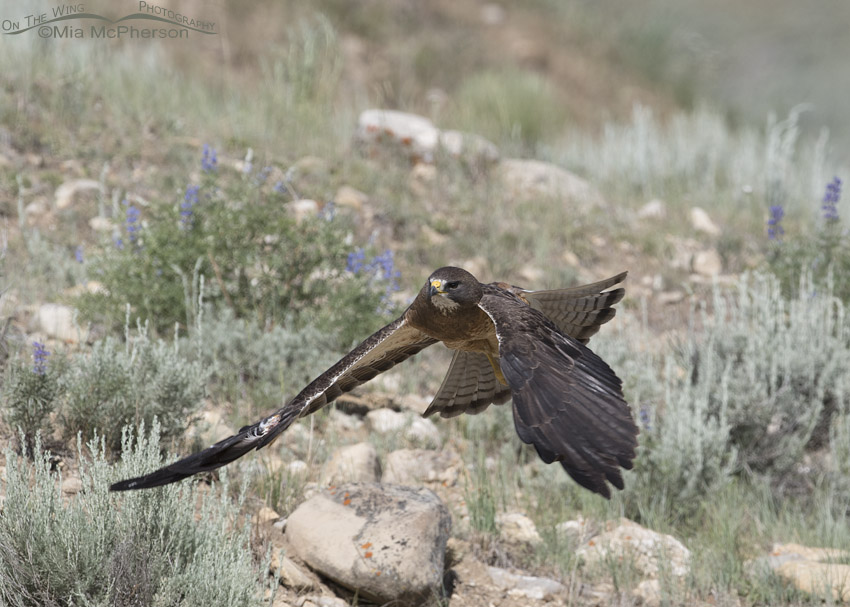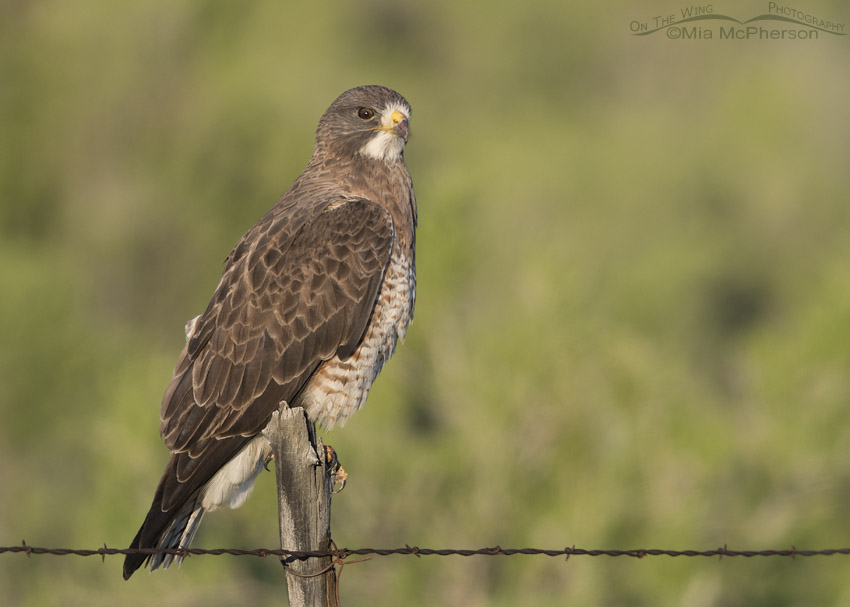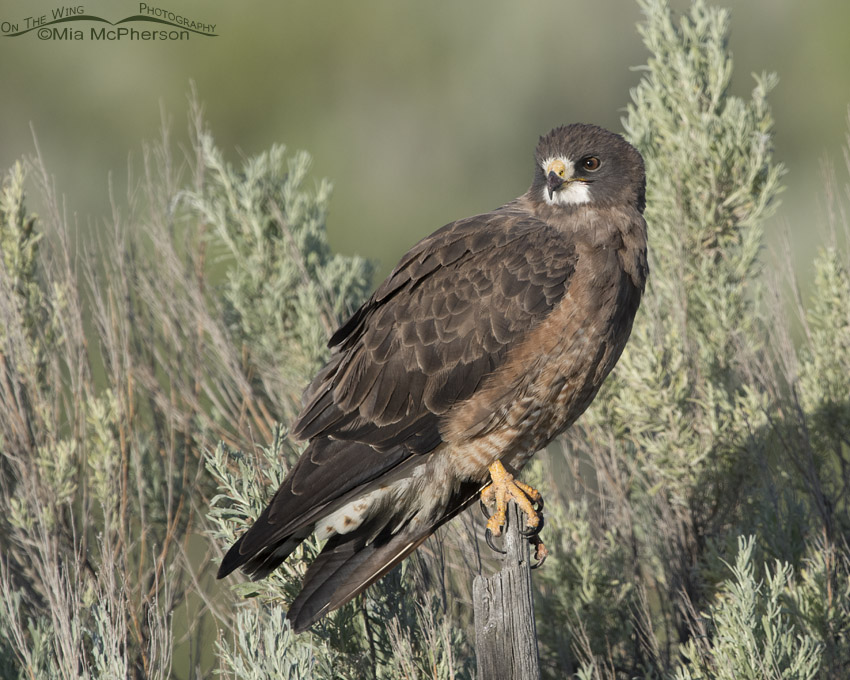

By Mia McPherson, on May 7th, 2012% Lately every where I go I see the word “Montana”, I see it on billboards, license plates, TV commercials, written on the side of semi-tractor trailers and on the back of camping trailers. Seeing the word “Montana” so often has gotten me anxious, antsy and itching to head north soon to see more of a state that beckons to me because I have fallen in love with it. I’m posting a smattering of images from my journeys in Montana.
 Snow on the 6th of June in Cut Bank, Montana
The first time I spent time in Montana other than driving through the state was in June of 2009, even though I have lived in other western states with wide open skies I realized then why Montana is called “Big Sky Country”. It delighted me to drive north from Idaho and see the wide open prairies with big fluffy clouds in the sky, to see the craggy cliffs along I-15, the lakes sparkling along the roads, mountains that still had snow up top and I am certain that I mumbled ohhhs, ahhs and “this is just so beautiful” too many times to count. That was the trip that Montana started flowing in my veins.
The morning I was to leave Montana on that first trip to head south I woke to snow coming down hard on the 6th of June. It snowed all the way south to just across the Idaho state line. I’ve been snowed on before in July but that was very high up in the Rocky Mountains of Colorado but still I was a touch surprised to see snow in June.
 Juvenile Great Horned Owl - Glacier County, Montana
I had a great time that first trip photographing juvenile Great Horned Owls in early morning light, they are so photogenic! I love those fluffy feathers by their rump, those big lovely eyes and the little nubbins of ear tufts. They don’t look as fierce as the adults do but one day they will also be “Tigers of the Sky”.
 Eastern Kingbird, Glacier County, Montana
On and near the farm I was staying at both Western and Eastern Kingbirds can be found hawking for insects from fenceposts, old farm equipment and from barbed wire during the summer months.
 Glacier National Park, Montana
I would be remiss if I didn’t post a few images from Glacier National Park which I believe is fantastic, stunning and incredibly amazing.
 Glacier National Park - The Crown Jewel of Montana
It is a cliché to say that a location is “The Crown Jewel” but I believe that it suits Glacier National Park well.
 The Madison River, Madison County, Montana
In Madison County there are many beautiful views of the Madison River, this view is from a bridge that crosses the river on the way to Cliff and Wade Lakes which are higher up in the Gravelly Range of the Beaverhead National Forest. The Madison River is classified as a Blue Ribbon Fishery and anglers come from all over the world to cast their flies for Brown Trout, Rainbow Trout and Mountain Whitefish. There are plenty of Ospreys and Bald Eagles in the area, I guess they know where the fishing is good too!
Madison County is west of Yellowstone National Park.
 Red-tailed Hawk lifting off, just above Wade Lake, Madison County, Montana
My words can not adequately describe Cliff and Wade Lakes. Cliff Lake, which is higher than Wade Lake, is nestled in between steep mountains covered Aspens, Firs and Pines. Near the campground the bottom of the lake has a sandy bottom and the water can be the most delicious shade of turquoise.
Ospreys and Bald Eagles soar over the lake looking for fish below. The calls of both birds echo against the mountain walls. There are other raptors in the area including Red-tailed Hawks and during warmer months Turkey Vultures float on the thermals. It is said there is a Great Gray Owl in the area but I haven’t seen it yet. More birds include Northern Flickers, migrant warblers, Common Mergansers, White-crowned Sparrows, Great Blue Herons, Mountain Chickadees and a nemesis bird for me; Gray Jays who are also known as “Camp Robbers”, so far the only thing they have robbed from me is the opportunity to get some acceptable images of them! There are many more birds there too.
Ah, just writing about Cliff Lake makes me smell the aroma of coffee brewing plus the smokey scent of frying bacon and crisp mornings.
 Chipmunk at Cliff Lake, Montana
One of the mammals I photographed at the campsite of Cliff Lake was this Chipmunk who popped up out of its burrow just before the sun set behind the mountain bathing it in brilliant light. I’m not sure exactly which species this Chipmunk is so if anyone knows, please let me know. There are Moose near Cliff and Wade Lakes also.
More great fishing can be found in Cliff and Wade Lakes, Wade Lake holds the Montana State record for a Brown Trout at 29 pounds.
 Pronghorn doe on a ridge, Madison County, Montana
In between the Gravelly Range and the Madison River after leaving Cliff and Wade Lakes there are smooth slopes and ridges covered with Sagebrush where cattle graze and Pronghorns roam. This lovely doe and several others were being closely watched by a buck in rut. The Madison Mountain Range definitely creates a wonderful background for this unique and wonderful creature.
 An old homestead in Madison County, Montana
When I saw this old homestead I simply had to stop and take photos of it. The rocks for the building construction were probably collected nearby, I have no idea of when it was built but I’m guessing it was a long time ago. The homestead is on a grassy plain with very little to break the wind, it must have been very challenging to live there when the winds would blow hard or in depths of Montana’s frigid winters. I wish I knew more about the people who built and lived in that homestead, what they thought about the incredible area and if children’s laughter rang out across the valley. Were they happy in a place I felt was a paradise? I’ll never know but I like to muse about it.
 Old Barn on the way to Red Rock Lakes National Wildlife Refuge, Montana
I’ve spent a great deal of time on my journeys to Montana at Red Rock Lakes National Wildlife Refuge and I usually enter from the west by getting off of I-15 and heading east from Monida on a 30 mile gravel road. I’ve posted a different image of this ancient barn on another post I wrote about the refuge but I can’t seem to get enough views or images of it. Perhaps this barn represents a “Welcome” sign to me just by knowing one of my favorite photographic locations is only a few miles up the road. I think of it as “my barn” now, not in a possessive sense but more like I am saying “my friend”.
 Male Mountain Bluebird, Red Rock Lakes NWR, Montana
During the summer months; on the way to and within the refuge at Red Rock Lakes, Mountain Bluebirds flit about, fly up from the road, perch on fenceposts and nest in the boxes that wonderful people in the valley have provided for them. Their blues are wonderfully vibrant against a background of the gray greens of Sagebrush.
 Male Tree Swallow, Red Rock Lakes NWR, Montana
Another species often seen along the roads to and in Red Rock Lakes National Wildlife Refuge are Tree Swallows, in fact they often compete with Mountain Bluebirds for the nest boxes. I have a fun series of images about that kind of competition. I love seeing all the different types of swallows on the refuge because they eat the mosquitoes and other bugs that… well… bug me.
 Rainbow and clearing storm at Red Rock Lakes NWR, Montana
The weather at Red Rock Lakes NWR is very changeable, it pays to bring clothes for cold and warm days all summer long. It can be bright and sunny and then huge storms will rush through the Centennial Valley while the cracks of thunder and lightning reverberate off of the Centennial Mountains and small white caps form on the lakes.
I’ve heard it said that “mountains create their own weather”.
 Lake mist over the Lower Lake at Red Rock Lakes NWR, Montana
Large bodies of water can create their own weather too. Mornings at the refuge can be misty to very foggy near the lakes. The image above shows the morning mist rising from the Lower Lake.
 Pronghorn buck in a fog, Red Rock Lakes NWR, Montana
The fog can be very dense at times making it difficult to see birds or animals approaching. This Pronghorn buck along with several does and young wandered past in one of those dense fogs near the Lower Lake campground.
 Female Short-eared Owl at Red Rock Lakes NWR, Montana
Photographing this female Short-eared Owl at the edge of a fog was delightful, the fog behind the owl created a velvety, buttery smooth background. I have such fond “Montana” memories of the morning I photographed her.
 Calling Wilson's Snipe, Red Rock Lakes NWR, Montana
Along the Upper Lake’s eastern most section there are riparian habitats where many different species of warblers, ducks and shorebirds can be found along and in the streams. This Wilson’s Snipe was perched on a fencepost calling when we stopped to take some photos of it. I felt very lucky getting as many images of it as I did since in Florida about the only pictures I got were of the backside of the birds as they flew away.
 Calling juvenile Swainson's Hawk, Red Rock Lakes NWR, Montana
There are; of course, bright, sunny days in the Centennial Valley where the mornings start off cool but the sun soon warms everything up and my layered clothing gets shed slowly. It was a beautiful day when I photographed this juvenile Swainson’s Hawk calling to another hawk overhead. It was young enough that it approached us rather closely few times.
 Below the dam at the Lower Lake at Red Rock Lakes NWR, Montana
Mornings can be golden at Red Rock Lakes National Wildlife Refuge and evenings just as glorious.
Montana is once again beckoning to me. I can hear it calling.
Mia
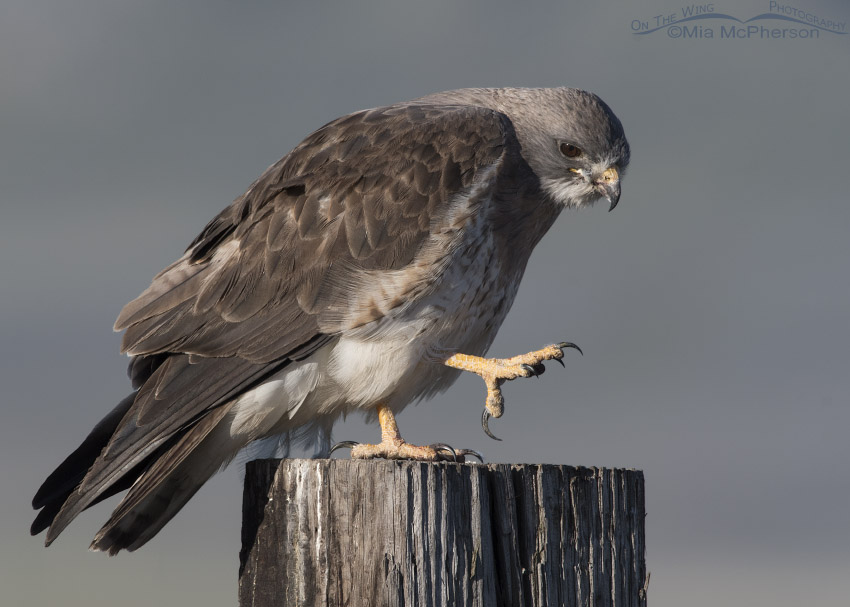
By Mia McPherson, on April 16th, 2012%  Perched Swainson's Hawk adult - Nikon D300, f6.3, 1/1600, ISO 640, +0.7 EV, Nikkor 200-400mm VR with 1.4x TC at 400mm, natural light, not baited
Last week while searching for Golden Eagles to photograph in Box Elder County, Utah I spotted two Swainson’s Hawk (Buteo swainsoni) adults; my first of the year sightings, the first one perched on a power pole. Normally I prefer perches that are not so obviously man made but I was hoping for some lift off shots.
 Adult Swainson's Hawk lifting off - Nikon D300, f6.3, 1/1600, ISO 640, +0.7 EV, Nikkor 200-400mm VR with 1.4x TC at 400mm, natural light, not baited
In this next frame the hawk did just that, it lifted off.
 Swainson's Hawk spreading its wings - Nikon D300, f6.3, 1/1600, ISO 640, +0.7 EV, Nikkor 200-400mm VR with 1.4x TC at 400mm, natural light, not baited
Taking off from the power pole it didn’t take long for the Swainson’s to spread out its magnificent wings. It was looking at something across the road to the east where a farmer was working in a field. The farmer may have been stirring up insects or causing small rodents to scurry across the soil in plain view of the raptor.
 Swainson's Hawk in flight - Nikon D300, f6.3, 1/2000, ISO 640, +0.7 EV, Nikkor 200-400mm VR with 1.4x TC at 400mm, natural light, not baited
Instead of grabbing prey from the field the hawk wheeled over it and headed back towards the perch it had left only moments before.
 Swainson's concentrating on its landing perch - Nikon D300, f6.3, 1/2000, ISO 640, +0.7 EV, Nikkor 200-400mm VR with 1.4x TC at 400mm, natural light, not baited
This Swainson’s seemed to prefer perching on the thin wire attached to the power pole rather than on top of it, I imagine that it takes concentration to land on such a tiny perch.
 Swainson's Hawk prior to landing - Nikon D300, f6.3, 1/2000, ISO 640, +0.7 EV, Nikkor 200-400mm VR with 1.4x TC at 400mm, natural light, not baited
Here the perch was just slightly above where the hawk was. I wish the angle of the light had lit up the underside of the bird better, but I am still happy with this pose, the sky/cloud background and the intense look of concentration in the eye of the Swainson’s.
 Swainson's Hawk about to land - Nikon D300, f6.3, 1/1600, ISO 640, +0.7 EV, Nikkor 200-400mm VR with 1.4x TC at 400mm, natural light, not baited
Wow, I love this pose and wish I could have gotten it without the wires in the background.
 Swainson's Hawk flying away - Nikon D300, f6.3, 1/2000, ISO 640, +0.7 EV, Nikkor 200-400mm VR with 1.4x TC at 400mm, natural light, not baited
Another Swainson’s Hawk came in and landed on top of one of the power poles nearby and although I took images of it, the angle was rather steep.
Then the Swainson’s that had landed on the wire took off and I was able to get this image as it flew past.
I’m hoping to have many more opportunities to photograph Swainson’s Hawks this year both in Utah and Montana, heck just about anywhere I can find them!
Mia
* I am away for a few days so I have scheduled this post ahead of time. Please feel free to share it.
By Mia McPherson, on November 30th, 2011% 
Perched female Rough-legged Hawk (Buteo lagopus) ~ Antelope Island State Park
Nikon D300, f7.1, 1/400, ISO 640, +0.7 EV, Nikkor 200-400mm VR with 1.4x TC at 400mm, natural light, not baited or set up
After two winters with very few Rough-legged Hawk photographing opportunities the tide as turned and I’m seeing Roughys in a lot of places and I have had quite a few chances to photograph these handsome raptors. Rough-legged Hawks breeding in the high Arctic and because they do they are not used to human presence and are a challenge to approach… most of the time. Last week though I had the opportunity to photograph a very cooperative Roughy while it preened.
I’m not sure the bird above is the same bird in the following images but both were in the same general location.
Normally I like to post an image then some text content, but in this case I’ll just post the images and their techs. Rough-legged Hawks are beautiful and as you will see in these images; they can even look quite comical.

A yawning Rough-legged Hawk
Nikon D300, f9, 1/1600, ISO 640, +0.7 EV, Nikkor 200-400mm VR with 1.4x TC at 400mm, natural light, not baited or set up

Side view of a Rough-legged Hawk
Nikon D300, f9, 1/1000, ISO 640, +0.7 EV, Nikkor 200-400mm VR with 1.4x TC at 300mm, natural light, not baited or set up

A backward look from the Rough-legged Hawk
Nikon D300, f9, 1/1000, ISO 640, +0.7 EV, Nikkor 200-400mm VR with 1.4x TC at 400mm, natural light, not baited or set up

A Regal looking Roughy
Nikon D300, f9, 1/800, ISO 640, +0.7 EV, Nikkor 200-400mm VR with 1.4x TC at 400mm, natural light, not baited or set up

The Funky Chicken Pose
Nikon D300, f9, 1/1000, ISO 640, +0.7 EV, Nikkor 200-400mm VR with 1.4x TC at 400mm, natural light, not baited or set up

Looking Pretty
Nikon D300, f9, 1/640, +0.7 EV, 200-400mm VR with 1.4x TC at 400mm, natural light, not baited or set up

What are you looking at?
Nikon D300, f9, 1/640, +0.3 EV, Nikon 200-400mm VR with 1.4x TC at 400mm, natural light, not baited or set up

I’m so pretty…
Nikon D300, f8, 1/1000, ISO 640, +0.3 EV, Nikor 200-400mm VR with 1.4x TC at 360mm, natural light, not baited or set up

Does this rock make my feet look big?
Nikon D300, f8, 1/640, +0.3 EV, Nikkor 200-400mm VR with 1.4x TC at 400mm, natural light, not baited or set up

This is my best side…
Nikon D300, f8, 1/640, ISO 640, +0.3 EV, Nikkor 200-400mm VR with 1.4x TC at 360mm, natural light, not baited or set up
I hope these photos told a story, if they did they are probably better than I could have written.
Mia
By Mia McPherson, on February 8th, 2011% 
Northern Harrier (Circus cyaneus) male after lift off
Davis County, Utah
Nikon D200, f6.3, 1/2000, ISO 400, Nikkor 200-400mm VR with 1.4x TC at 280 mm, natural light, not baited
Recently a question was asked by a new member on a nature photography critique forum where I am a member that struck my funny bone and I just had to reply. The person basically wanted to know what the secret is to photographing birds and after thinking about it for a few moments I replied to their question, not just once but three times and honestly I could have posted much more to answer their question.
I’m taking the liberty of editing my own words again instead of quoting directly from the thread. Some of my replies are serious, some are funny and tongue in cheek. Some are both. I’ll let you be the judge of when I am serious or not.
The most important is this:
There is NO magic or undisclosed secret to help with bird photography, it takes skill, it takes patience, it takes enormous time in the field, it takes practice, hard work and determination.
An important point:
The first thing I would suggest is to get a bird guide book, you have to be able to tell the difference between a domestic chicken & a grouse. Or how to tell a native turkey in the field and I’m talking about the ones with feathers at this point.
The Children’s Golden Guide to Birds is great for its intended audience but if you can afford to pay for your gear by yourself you should look for a more grown up field guide. The illustrations, pictures and contents will help you with bird ID.
Snowy Egret (Egretta thula) in flight
Fort De Soto County Park, Pinellas County Florida
Nikon D200, handheld, f6.3, 1/1500, ISO 200, Nikkor 80-400mm VR at 175mm, natural light
Read up on species in your local area, find out when they are there. Birds do migrate, some don’t. Learn to recognize them by sight and find out what season you might expect to see them. And even better, study their behavior because that can help you get some great action photos.
Learn about exposure, white birds should look white and not muddy or gray in appearance. Black birds should look dark but not so dark as to not show any feather detail.
Know what the color a bird actually is for post processing later. An American Kestrel; for instance, shouldn’t look like it lives at a nuclear power plant by glowing far too brightly or if it is WAY too colorful to be natural & realistic. A Snowy Egret should not look like it fell into a vat of pale grey paint.
If the techs aren’t good and the exposure is bad nothing you do in PhotoShop is going to make a poor image great.
Seriously, would you rather spend two hours trying to fix an image that is poor in quality and even after that amount of time invested still isn’t going to be great or spend that two hours in the field trying to create that great image right out of the camera?? That is an easy answer for me. Get it right in the camera to save time on post processing later.
Review each of your images prior to deleting and ask yourself “What could I have done to make this image better?” Learn to develop a love/hate relationship with culling. I love it when I nail shots all day long, I hate it when I have messed up more images than I care to count.
Develop a callus on your behind because when you mess up you’ll spend a lot of time kicking your own butt.

Low angle Semipalmated Plover (Charadrius semipalmatus) adult
Fort De Soto County Park, Pinellas County, Florida
Nikon D200, handheld, f5.6, 1/1600, ISO 320, Nikkor 80-400mm VR at 400mm, natural light
Bird photography is NOT glamorous. Trust me on that.
All of the photos you see where a bird photographer is smiling into the camera wearing clean, dry clothes were taken before they started photographing that day.
If you want to get that “low angle” bird photographers so often talk about be prepared to get dirty, learn how to belly crawl through mud, sand, grass, bird poop and things you don’t even want to think about. And when there is an algae bloom in the shallow water get some nose plugs or a portable oxygen tank.
Think of sand crawling as a free or low cost dermabrasion. Get your tetanus shots updated.
After laying in the sand whether it is wet or dry you will end up looking like a sugar-covered donut. You will have sand on your face, in your ears and in places sand is not supposed to be.
When it is hot while shooting you will sweat, NO amount of antiperspirant is strong enough. Your brow will sweat and it will run down into your eyes blinding you temporarily. Carry a kerchief, wipe your eyes as needed.
Carry an extra set of clothes and shoes for days you really get down & dirty shooting or you may have to make the drive home smelling like seagull poop. At the very least carry a heavy towel to toss over your car seat or it may end up smelling like an old tuna can.
If you are shooting up at birds for long periods of time invest in a heating pad because your shoulders will scream at you. Or buy a partnership into a local massage parlor.
When photographing birds flying directly over your head be sure to keep your mouth closed as you never know when they might decide to flush out their systems.
Look before you sit, fire ants are not fun. Neither is sitting in goose poop. Shrimp do tickle when they walk around on your legs as you sit in the water photographing birds.
Get long johns, great gloves, heat packs and the warmest coats you can get if you are going to photograph in cold weather or you might freeze something off. Remember to wear sun protective clothing in the summer or you might toast your buns.. or something else.
You may end up at the end of a shoot appearing to others like you have rolled around in the mud. If you got great shots that day, would it really matter?
There seems to be a “uniform” pro photographers wear, ignore that. Wear what you are comfortable in. Impress them with your photos not your clothes.

Swainson’s Hawk (Buteo swainsoni) juvenile
Red Rock Lakes Nationa Wildlife Refuge, Montana
Nikon D200, f7.1, 1/640, ISO 250, Nikkor 200-400mm VR with 1.4x TC at 400mm, natural light, not baited
Be prepared
Be prepared to be frustrated. Be prepared to get many more blurry shots than you get that are sharp.
Be prepared to sit for hours waiting for “the” shot. Be prepared to have missed it because you reached for your cup of coffee at the precise moment the bird did something fantastic.
Get a bumper sticker that says “Caution, Frequent Stops – Bird Photographer on Board” or be prepared to get rear-ended. Realize that non bird photographers don’t know why we drive erratically at times, they just think we are insane.
Buy cases of insect repellent. In some locations you may need pepper spray and not just for 4 legged animals.
Carry something to snack on or your stomach grumbling will scare off the birds. I’m serious!
Don’t leave your spare batteries or memory cards in the car, you will be sorry.
Be prepared for non-bird photographers to look at you like you have horns growing out of your head. They don’t understand the language of bird photographers. You may as well be an alien.
If you talk to a non-bird photographer for five minutes about the ID of a bird their eyes will glaze over. If you talk to a non-bird photographer for 10 minutes about the technical difficulties of settings, light, composition and the like their pulse will slow, call 911 because they are certifiably bored to death.

Juvenile Burrowing Owl
Davis County, Utah
Nikon D200, f6.3, 1/320, ISO 320, Nikkor 200-400mm VR with 1.4x TC at 400mm, natural light, not baited
Learn ethics, know when you are getting too close by being aware of the bird’s behavior, you can tell when you get too close because they get alarmed.
Follow local, state and federal guidelines & rules about how close to approach and what land you need to stay off of.
Don’t mess with nesting birds.
Pack out what you carry in.
Be considerate of other bird photographers when you approach them while they are on birds. I’ve spent long periods of time getting close to my subjects just to have some rude person walk up quickly to “grab a shot” who flush the birds I have so patiently approached. Most bird photographers are great people and don’t mind if you approach in a slow way and don’t flush the birds. Ask them about approaching them in a quiet voice, if you yell I hope you have good traction on your shoes.
Don’t jump in front of another photographer to get your shot. Or be prepared… for anything. Just saying…

Willet (Tringa semipalmata) foraging in early morning light
Pinellas County, Florida
Nikon D200, handheld, f5.6, 1/1250, ISO 400, Nikkor 80-400mm VR at 400mm, natural light
I shoot a lot without a tripod, handhold my 70-300mm VR, my 80-400mm VR, most of the time I am resting my 200-400mm VR on my noodle or shooting handheld in bursts. Perhaps less than 5% of my images are taken using a tripod. I know plenty of bird photographers who shoot handheld and get sharp images. Tripods can be handy though if you don’t have IS or VR or if you expect to be on the birds a long time.
Be aware that you may have to sell your first born to be able to pay for your “dream” lens. Just kidding… well maybe not.
If you hear someone say “I’d kill for that lens”… run like the wind. Seriously.
When your spouse asks why there is a second mortgage on the house pretend you have lost your hearing completely and hide the expensive lens.
Get used to getting up at o’dark hundred, you want to be there for early morning light.
You will dream about birds, it won’t be as bad as the movie “The Birds”, but it might get scary night after night. If you wake up after one of those dreams with a tickle in your throat do check for feathers.
Weather forecasters lie. If they predict “partly sunny” you’ll get thick heavy clouds with little light. If they predict a mostly cloudy morning chances are the sun will be shining. I wish I could get paid to be wrong so often!
Remember that your digital camera has a buffer and it will fill up exactly when the bird strikes an amazing pose. Been there and done that.

Loggerhead Shrike (Lanius ludovicianus) with spider
Davis County, Utah
Nikon D200, f7.1, 1/1000, ISO 400, Nikkor 200-400mm VR with 1.4x TC at 400mm, natural light
I’m self taught so I can’t speak about taking workshops but they do seem to help some people. Learn your camera & gear intimately, know when you are pushing it to its limits. Know the level of your own skills.
You need to be able to change your settings very quickly as birds aren’t high paid fashion models, birds are wild and move whenever, however and where ever they want.
For me a large part of the joy I get photographing birds is being out in nature with them and immersing myself in the bird’s world rather than sitting in a lounge chair in a back yard sipping a cold one with my tripod in front of me.
Be aware that light can be your enemy or your friend when it comes to bird photography. Learn to work with it rather than fight it.
You can probably learn from books, workshops or instructional CD’s but they are no substitute for “Practice, practice, practice”.
If you don’t have patience bird photography might not be for you.
A sense of humor helps. Without it you may go batty and bats do not have feathers despite their ability to fly.
Be prepared to become addicted to birds. You will have withdrawals if you don’t shoot often enough, your shutter button finger will develop a nervous twitch and your left eye lid will close when ever a bird flies by.
There is no Bird Photographers Anonymous. I don’t need support for my addiction thank you very much!
Hi, I am Mia and I am a bird photography addict!
So, do ya still wanna be a bird photographer?
Mia
By Mia McPherson, on September 20th, 2010% I spent last week in southern Montana at Red Rock Lakes NWR, it is a gorgeous location and you never know what bird or animal will show up in your viewfinder. Weather conditions there can change from dense fog to the golden light of early morning rather quickly or from strong midday light to the darkness created by thick, foreboding storm clouds.
I was excited while I was on the refuge when a female Short-eared Owl (Asio flammeus) flew up from the gravel road and landed on a fencepost in a heavy, swirling fog. Not only was I seeing the beautiful owl, I was going to have the opportunity to take images of it in low light and fog. A challenge I was more than willing to meet.

Short-eared Owl in a fog at Red Rock Lakes, NWR, Montana
D200, f7.1, 1/640, ISO 400, 200-400mm VR with 1.4x TC at 350mm, natural light, not baited
Oddly though there seem to be people who don’t like foggy or low light shots. I posted one of my foggy Short-eared Owl photos on a Nature Photography site where I am a member just before a friend of mine posted a Swainson’s Hawk (Buteo swainsoni) taken in the same area taken in clear afternoon light two days later. One of the other members there unfavorably compared my foggy owl image to my friend’s hawk photo. While I can respect that other people’s tastes differ from mine and actually expect it, I know I wouldn’t nor couldn’t honestly compare the two images of two different species, in two settings under extremely different lighting conditions.
The hawk image below is the same bird, on the same post taken the same day as my friend’s hawk image just at a different moment.

Juvenile Swainson’s Hawk along the road to Red Rock Lakes, NWR, Montana
D200, F7.1, 1/1000, ISO 250, 200-400mm VR at 1.4x TC at 400mm, natural light, not baited
Comparing apples to oranges.
Yes, apples and oranges are both fruit but their tastes are quite different, their texture isn’t at all alike nor is the fragrant aroma of the fruits. Personally I love them both and on any given day one might appeal to my tastes more.
I would not compare a Picasso to Monet, a Rubens to a Warhol or a Salvador Dali to a Cézanne. Their artistic techniques, personal styles and even their very brushstrokes are remarkably individualized. Though I can and do appreciate the unique flavors of their styles and techniques when I view their art.
I adore a good hamburger on a sesame bun, a burger suits my tastes just fine, but lettuce, tomato and mayonnaise only, skip the pickle and cheese please. I am also delighted with a serving of a perfect Châteaubriand drizzled with Béarnaise Sauce. It is certainly richer than a simple burger yet they are still both beef. Strawberry Shortcake or Pavlova, they have strawberries in common though their taste and texture are not the same.
It’s all a matter of taste.
I knew at a young age that because of the many geographic locations where I lived and explored combined with my unrestrained delight in not only seeing nature but feeling a strong attachment to it would inspire me to see the world; and now my photography, with my eyes wide open, delighting in the large and seemingly minute differences I am privileged to see each day in nature.
As an avian photographer I have worked to develop my own personal style, something that a great many excellent photographers do. I’m certainly not hesitant to take a leap and try something new with my photography, to appreciate another photographer’s personal style or post an unusual image to have other photographers whose work I appreciate and respect share their thoughtful, honest critiques.
Additionally I relish the possibility of photographing birds in different poses, settings, weather conditions and light and approach each day that I am out photographing with eager anticipation of what wonderful creatures I might see. Life will be far too short for me to become a photographer who has grown as stagnant as a pond with no outlet and far to little fresh water flowing in.
Maybe my tastes about the light in my images and the weather conditions are more varied than most or perhaps more refined. I’m perfectly fine with that and with my photographic work.
Mia
|
Photographing a Tricolored Heron from a tidal lagoon

Focusing on Wildlife Contributor

|