Great Blue Heron Memories From Fort De Soto
It seems a little dreamy, but some of these Great Blue Heron photos taken at Fort De Soto County Park in Florida are almost 20 years old now!


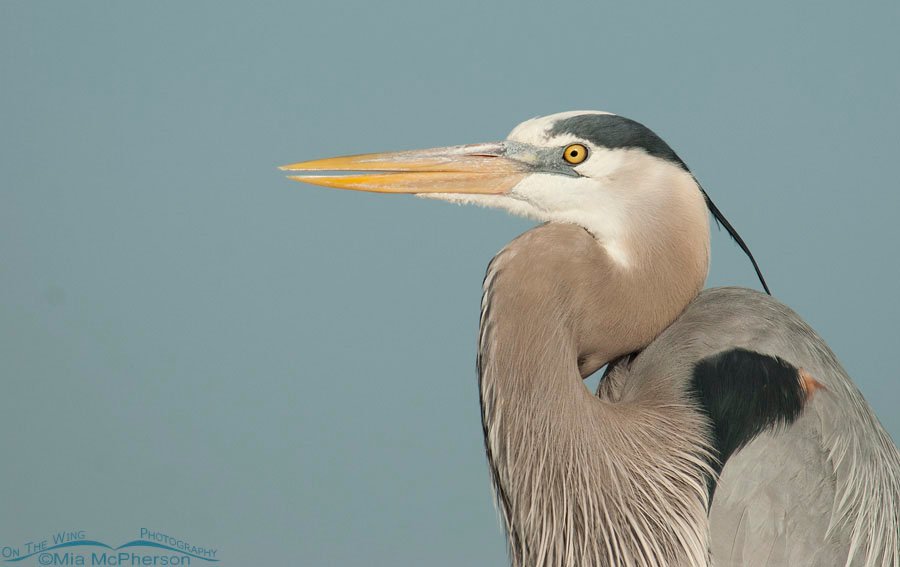
It seems a little dreamy, but some of these Great Blue Heron photos taken at Fort De Soto County Park in Florida are almost 20 years old now!

I dug way back into my archives for this photo of a Willet with waves rolling in from the Gulf of Mexico, taken in 2008 at Fort De Soto County Park in Florida.

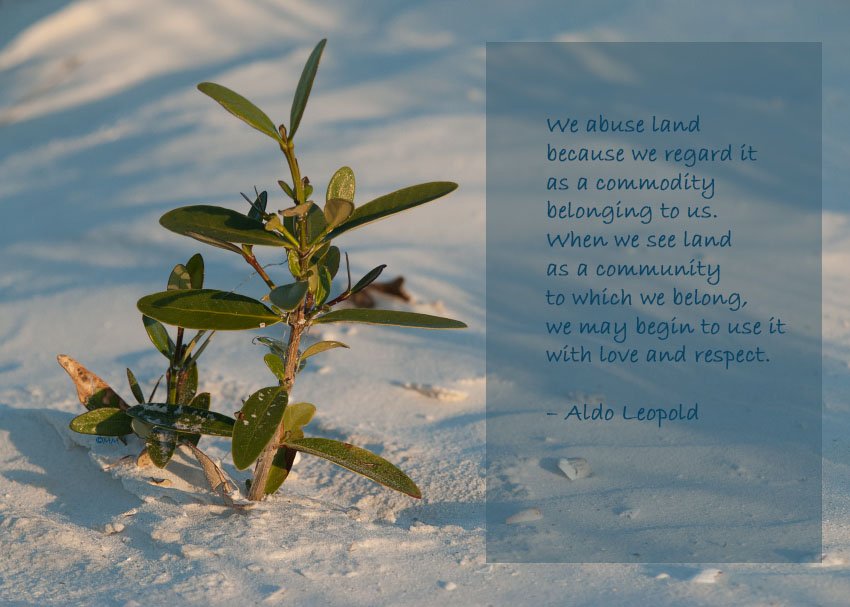
I saw this quote that aligns with my philosophy of Live, Love, Laugh, Sing, Dance, Be, Do and thought I would share a post about the reason I like the quote.
Today is World Water Day. The theme for World Water Day 2023 is: Accelerate Change. Every human being on this planet is roughly 60% water.

This is just a simple post of a foraging Western Sandpiper that I found while working on moving my images from their old galleries to the new ones yesterday.
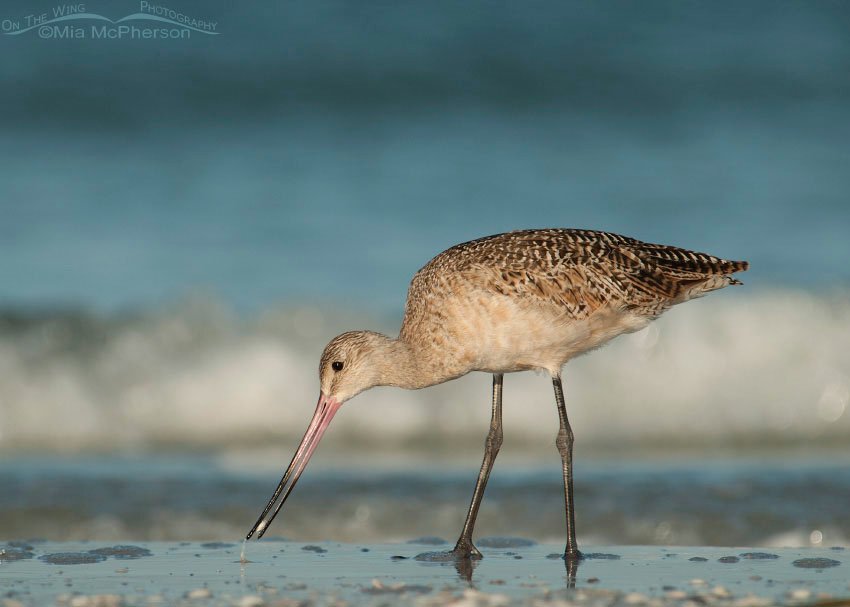
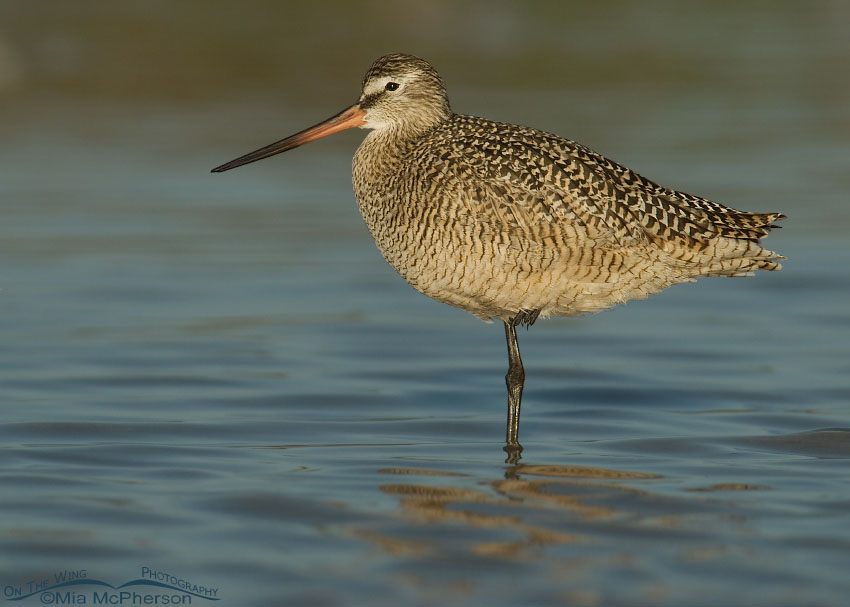
Marbled Godwits are migrating through Utah on their way to their breeding grounds right now so I thought I'd feature this one on my post today.

Two days ago I saw my first of the year Sage Thrasher and now I am hoping to see and hear my first of the year Long-billed Curlews as well.

One July morning at 2008 I came across quite a few Common Terns at Fort De Soto County Park's north beach.

I'm glad the Double-crested Cormorant didn't decide to relive itself as it came in to land or I might have been wearing white-wash!
I'm a nature lover and a photographer who sees the natural world not just from behind my camera but with every breath and step that I take.

The best light can be fleeting though so it is always best to photograph as much as you can during the "golden hours".

Anyone who has worked on their own web site that allows comments knows that there are times you get a strange comment that make you scratch your head.

After posting Great Blue Heron images yesterday I decided to post images of Great Egrets which are also a large wading bird species this morning.

It rained most of the day here so I looked at a few Brown Pelican images taken in December in Florida where it was much sunnier in 2008.

If I were an Anhinga and stretching it even further if I were a male Anhinga this is what I would look like today.

Tricolored Herons are smaller than Great Blue Herons and larger than Snowy Egrets and all three of these wading birds hunt in many of the same locations along the Gulf Coast.
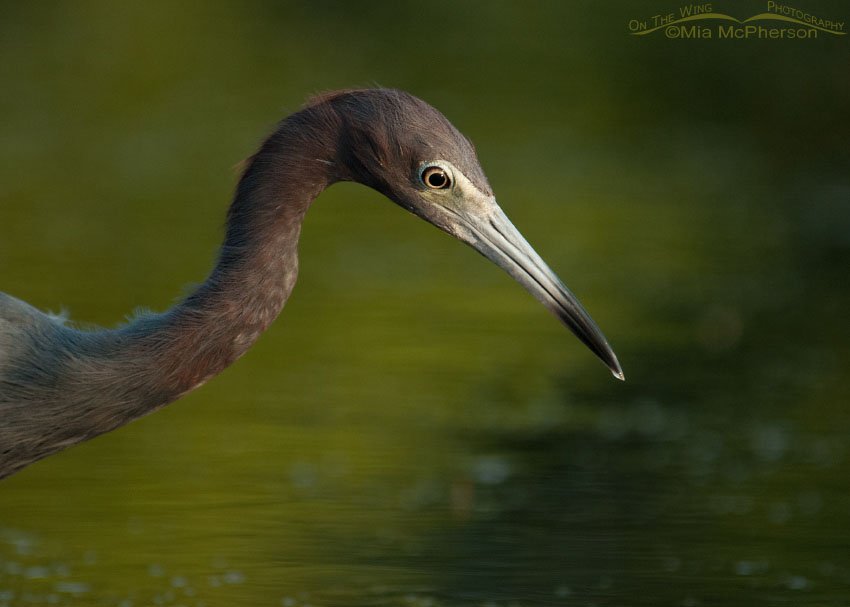
This is another image I came across last week and wondered why I hadn't processed it because I don't have many Little Blue Heron portraits in my portfolio.
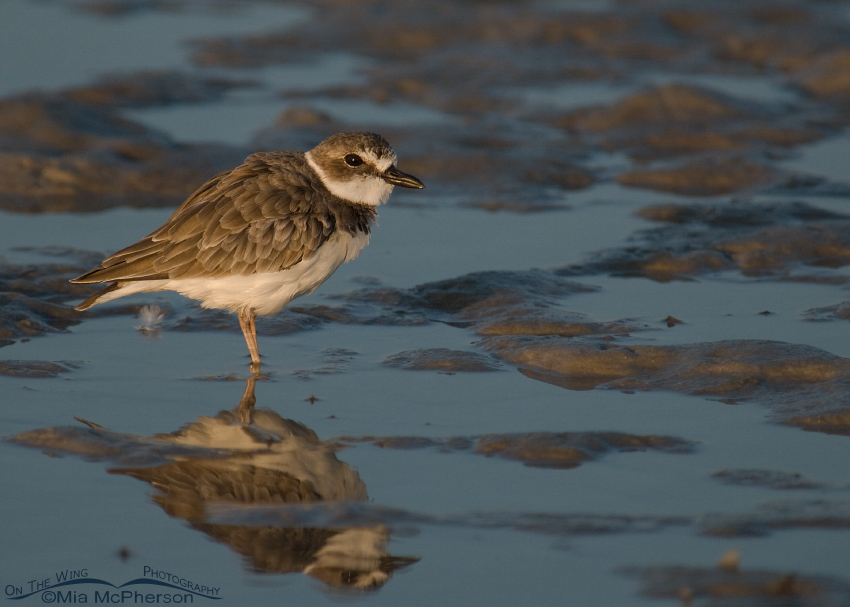
I was covered in mud after laying in the mudflat to photograph this Wilson's Plover and I didn't mind a bit.

The reason Utah got uglier is that today Crow hunting killing season begins for the first time in the state so the day is already off on a bad start.

I worked up two older Brown Pelican images to share this morning taken at Fort De Soto in 2009 and 2008.

These two White Ibis images were taken 19 frames apart and the color of the water changed dramatically as the ibis and I moved north

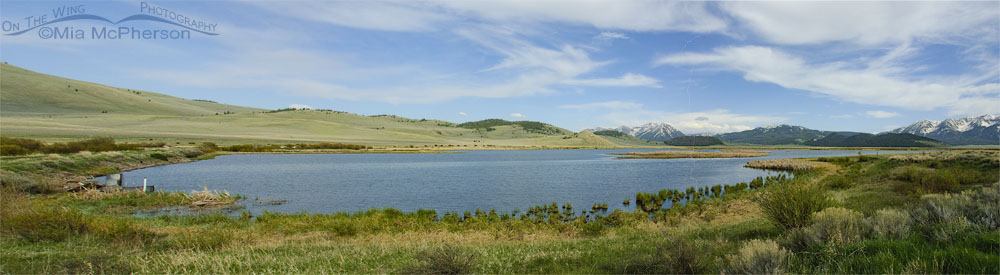
Today I am focusing on older posts that have some of my favorite locations in them starting with Red Rock Lakes National Wildlife Refuge

The Fourth of July is just a day away and soon many campgrounds, parks and beaches will be filled with people celebrating and sadly leaving trash behind.
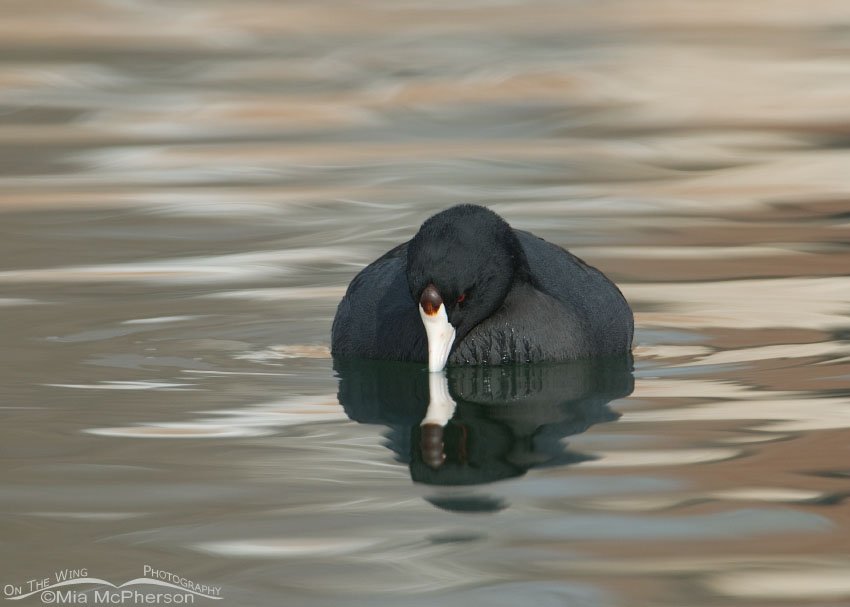
I believe that even without what some may consider "the perfect head angle" that we can create interesting and compelling avian images.
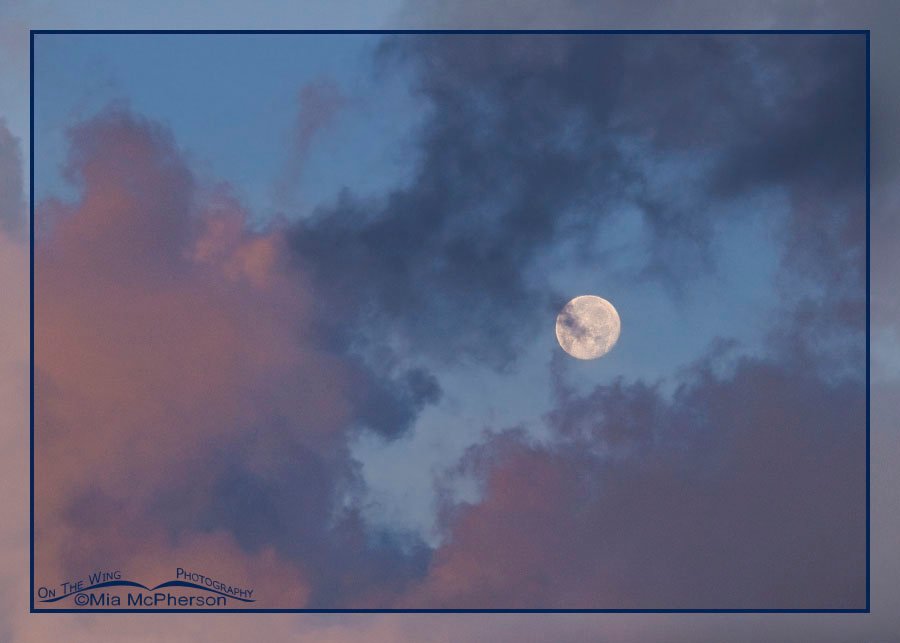
Happy Summer Solstice.

Just a simple post of an American Oystercatcher about to be awash in sea foam at Fort De Soto's north beach taken back in September of 2008.
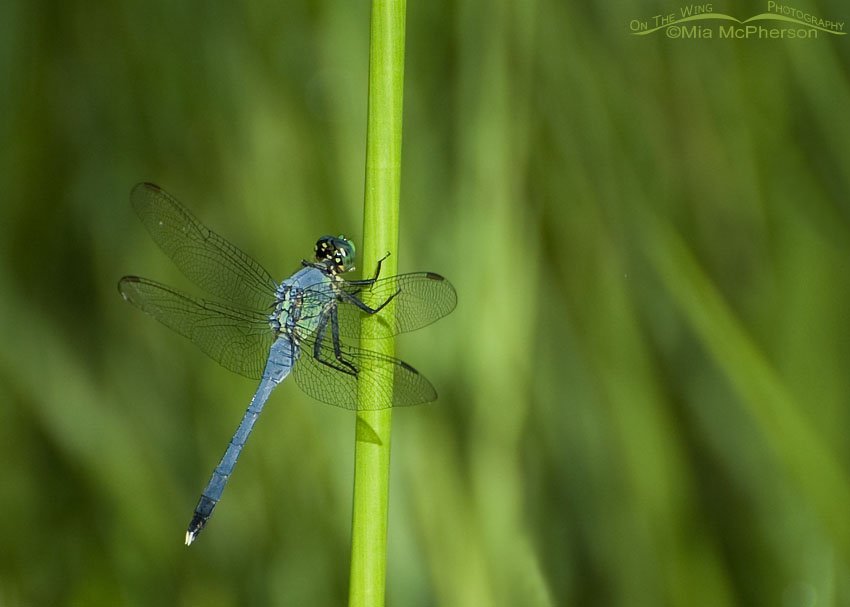
Sawgrass Lake Park in Pinellas County, Florida is a wonderful location for birds and other things with wings including Eastern Pondhawk dragonflies.
Photographing birds; wherever I am, allows me to feel a deep and sometimes profound connection to nature. I wouldn't have it any other way.

Happy Mother's Day 2014!

When I lived in Tampa, Florida the Whites Ibises were often called "Lawn Chickens" because they would feed in people's yards in big flocks.