American Pipits
American Pipits were known for a long time as Water Pipits because they feed at the edge of tundra puddles and wet alpine meadows.




American Pipits were known for a long time as Water Pipits because they feed at the edge of tundra puddles and wet alpine meadows.
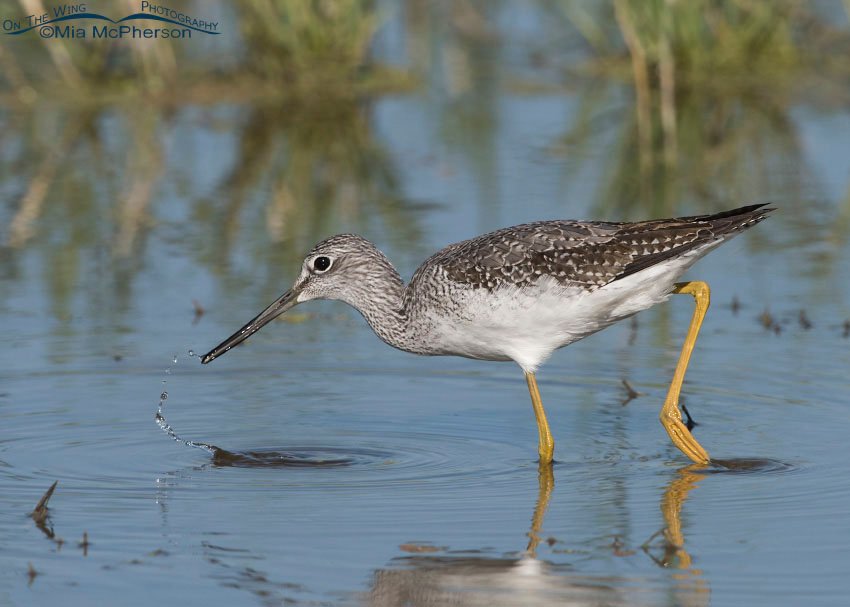
I've been able to photograph several shorebird species the past week and although Greater Yellowlegs are common at Farmington Bay WMA I still think they are quite lovely.
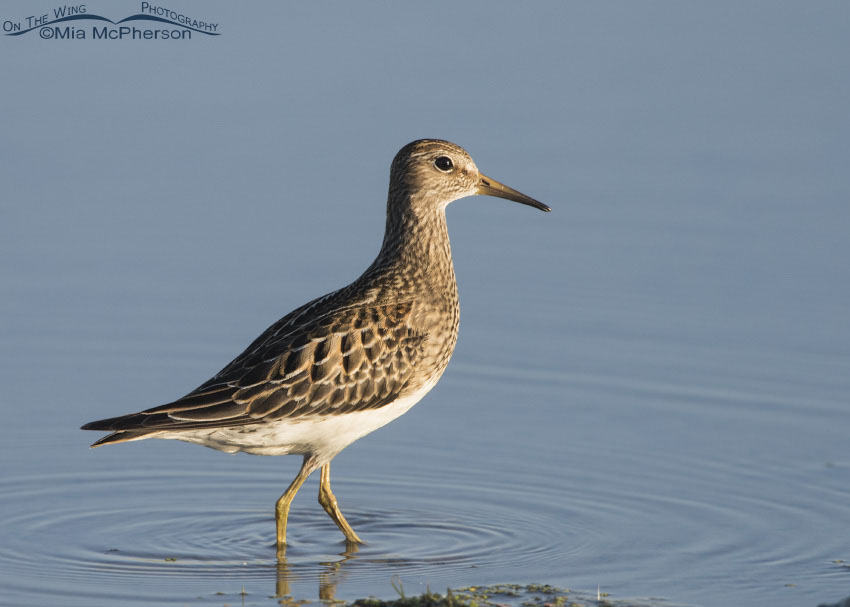
It isn't every day that I add a lifer to the list of shorebirds I have seen and photographed but yesterday I did when I saw and photographed a Pectoral Sandpiper.

Farmington Bay's Snowy Egrets were the birds I photographed most yesterday because they were cooperative and because they were active, very active.

After a long, hot summer I always look forward to the first day of autumn because it usually means cooler temperatures along with the scenery becoming more colorful as the leaves begin to turn.
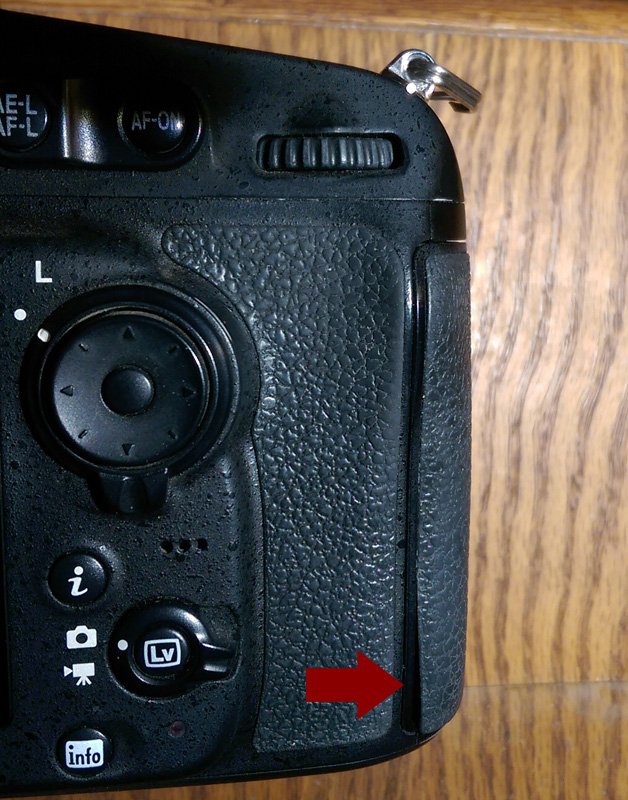
Yesterday I noticed that the rubber grip on my Nikon D810 memory card door has loosened up on a camera that is only 13 months old.
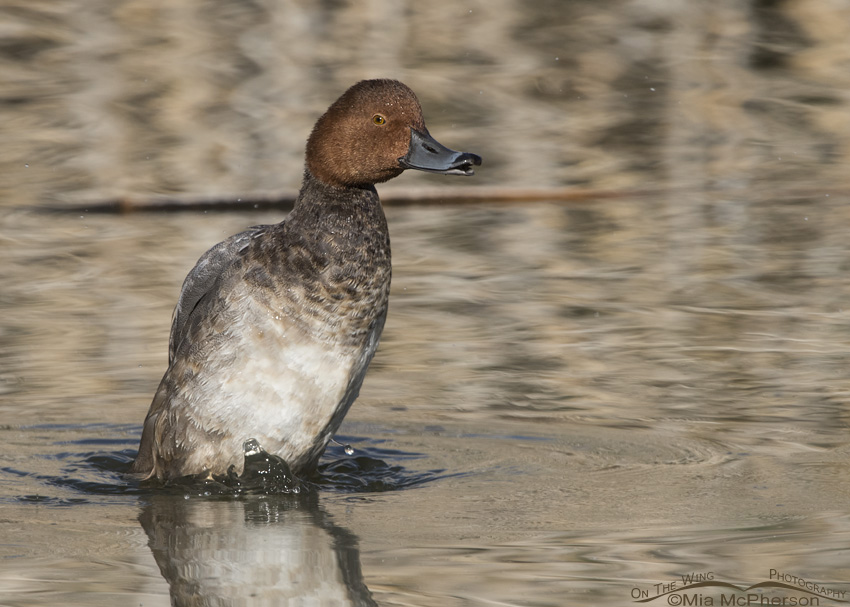
The Redheads at Bear River Migratory Bird Refuge are getting closer to being in their breeding plumage which they normally show from October through June.
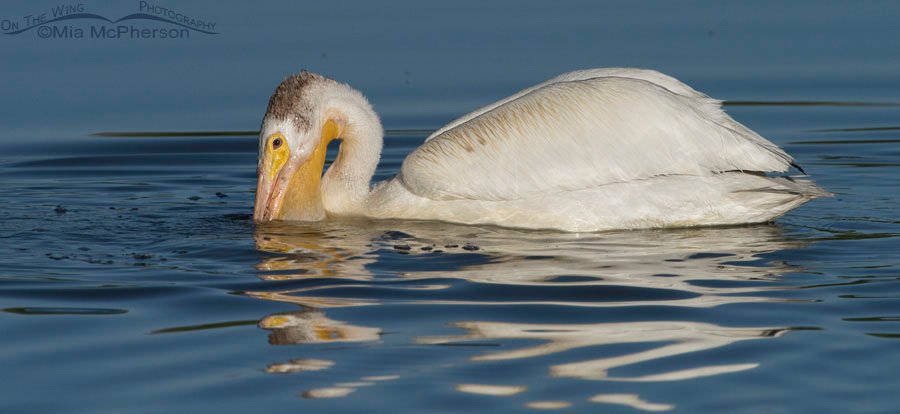
This American White Pelican image was taken in July near the auto tour loop at Bear River Migratory Bird Refuge and I like how it shows the pelican fishing for food.
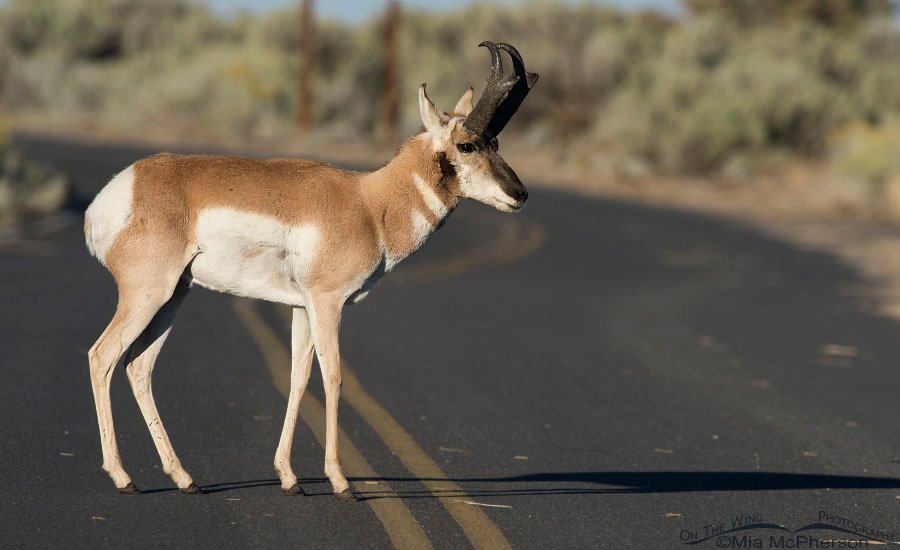
Yesterday morning I photographed this Pronghorn buck in the road near Ladyfinger Point on Antelope Island State Park as he stood next to the double yellow lines.
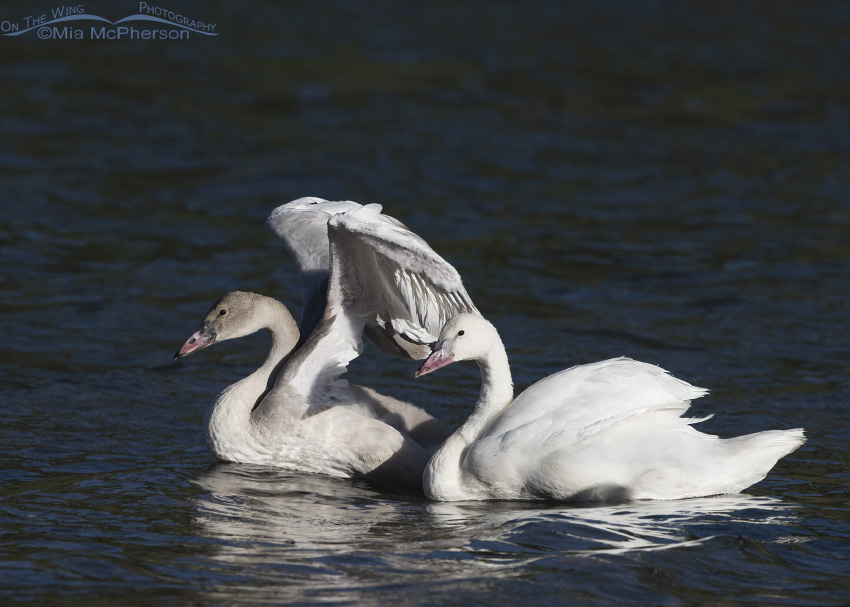
In my last post on the Trumpeter Swan Cygnets On Elk Lake I mentioned that the cygnets spent a lot of time preening and part of the reason they do is they are molting.
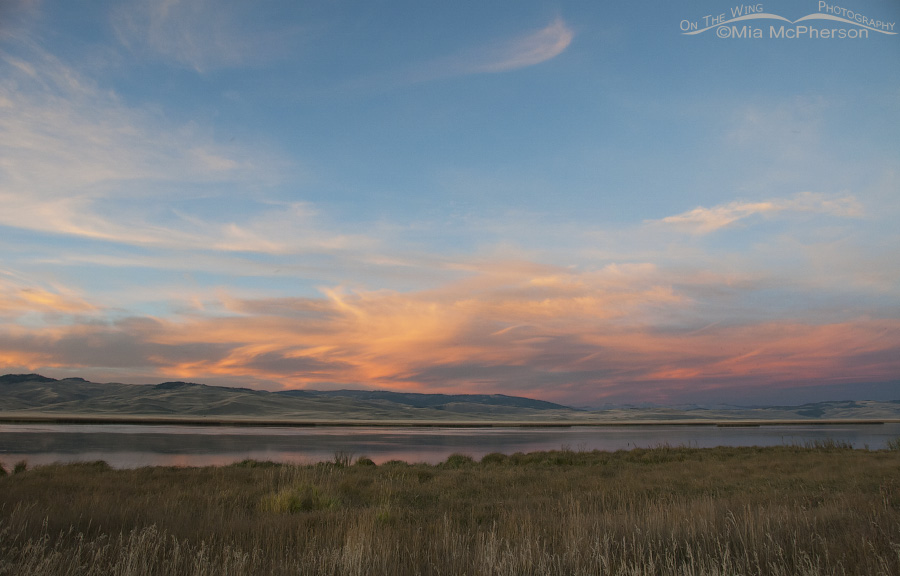
My focus is usually birds and animals but as many of you know I also can't resist taking images of the beautiful views I see such as these two views of Red Rock Lakes National Wildlife Refuge last week.
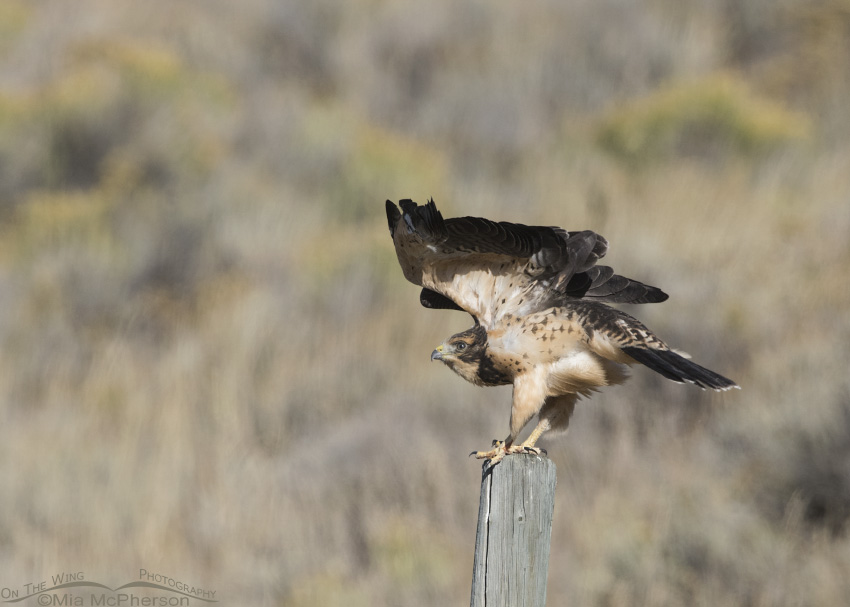
I had wanted to post this photo of a juvenile Swainson's Hawk last week from Montana but because my cell signal was so cruddy I didn't get this image uploaded.

Early on the second morning when I was in Montana last week I was able to photograph this male Northern Flicker on the side and top of a weathered fence post.

I photographed a Swainson's Hawk family for several mornings while I was in Montana and this is one of the juveniles I focused on.
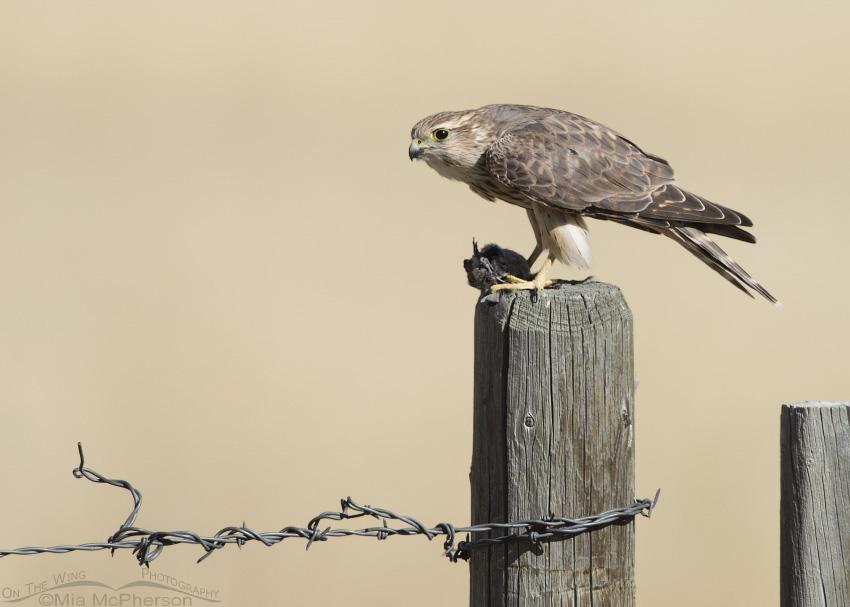
I don't often have the opportunity to photograph Merlins so I was plenty excited to find one yesterday on the South Valley Road in the Centennial Valley that stuck around for a bit!
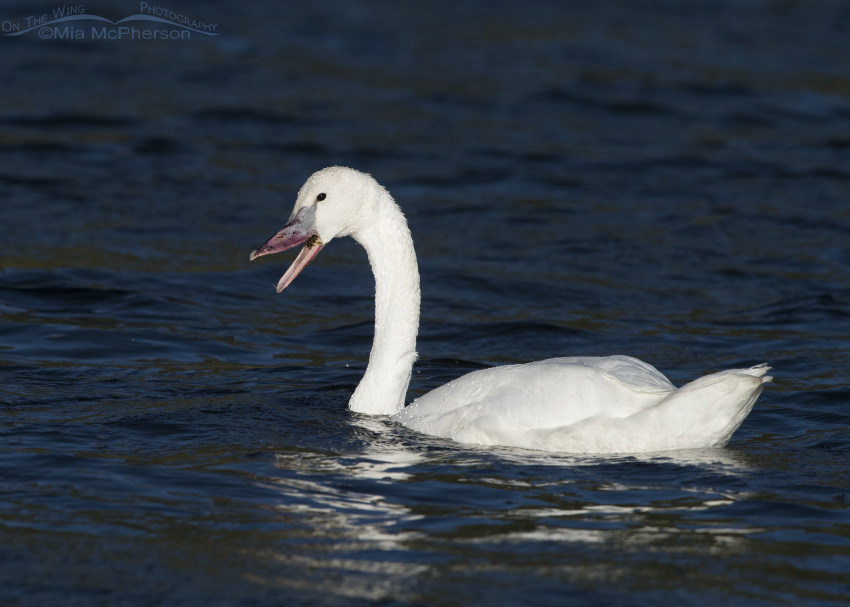
I am totally enamored by Trumpeter Swans, they are not only graceful and beautiful but the adults seem like such caring parents and keep an ever watchful eye on their young.
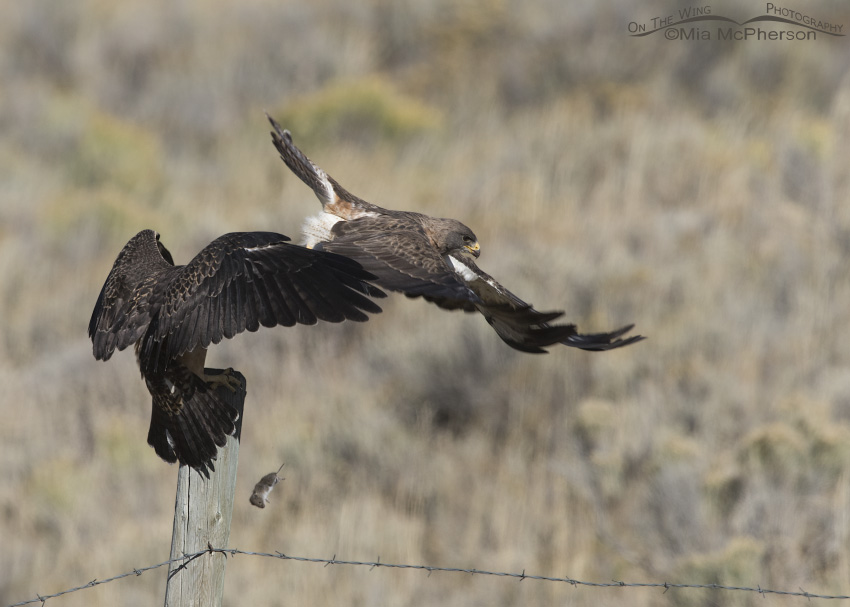
I sat with some juvenile Swainson's Hawks yesterday morning for quite some time and it eventually paid off when an adult came in to hand off prey but the young hawk missed.
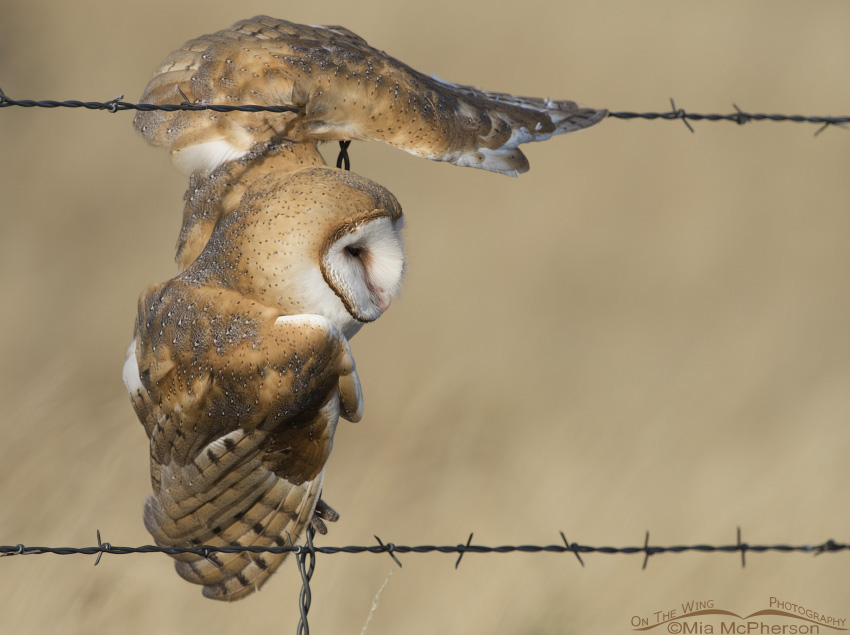
Yesterday morning I saw a sight that made me ill to see and that is a Barn Owl hung up on a barb wire fence on the south side of the Centennial Valley.
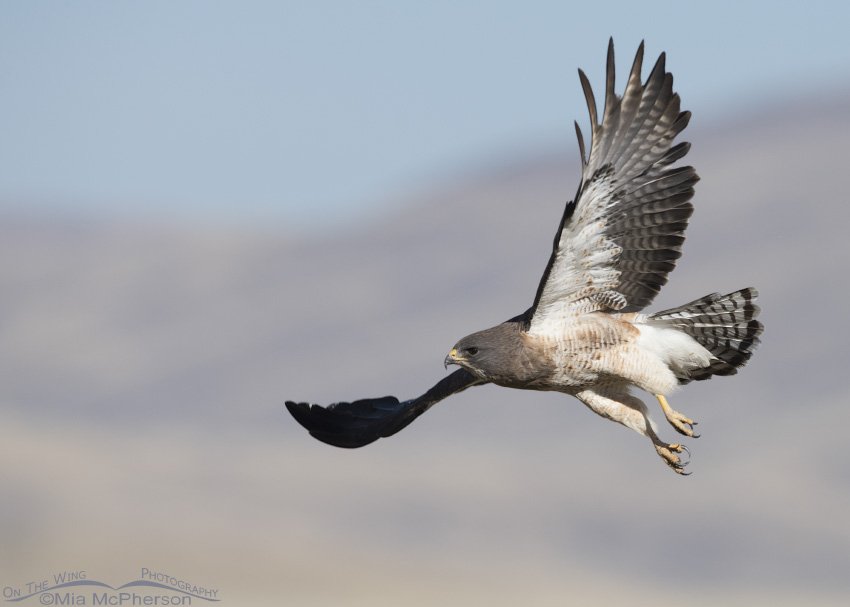
I am enjoying my time in the Centennial Valley especially when I can spend time photographing raptors like this adult light morph Swainson's Hawk.
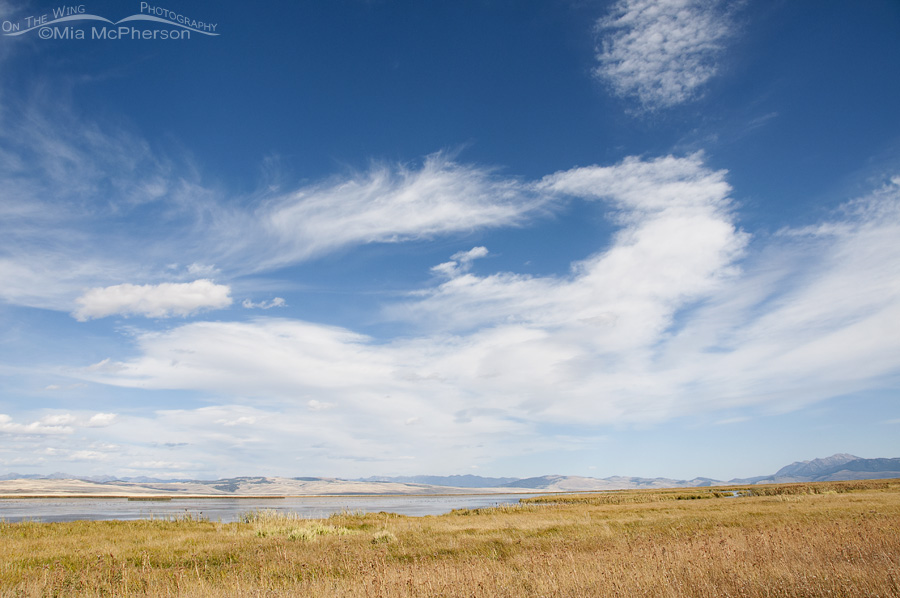
I am camping in one of my favorite locations in the world right now, Red Rock Lakes National Wildlife Refuge in Montana.

About half the world's shorebird populations are in decline and with climate change and rising sea levels habitat loss is happening at a faster rate than ever before.
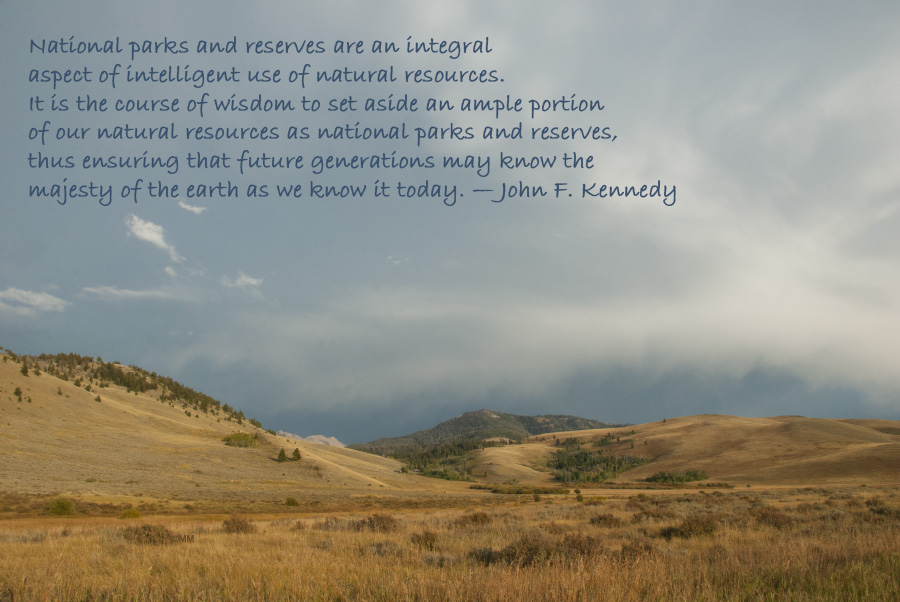
This image was taken last year at Red Rock Lakes National Wildlife Refuge looking east towards Henry's Lake, Idaho.
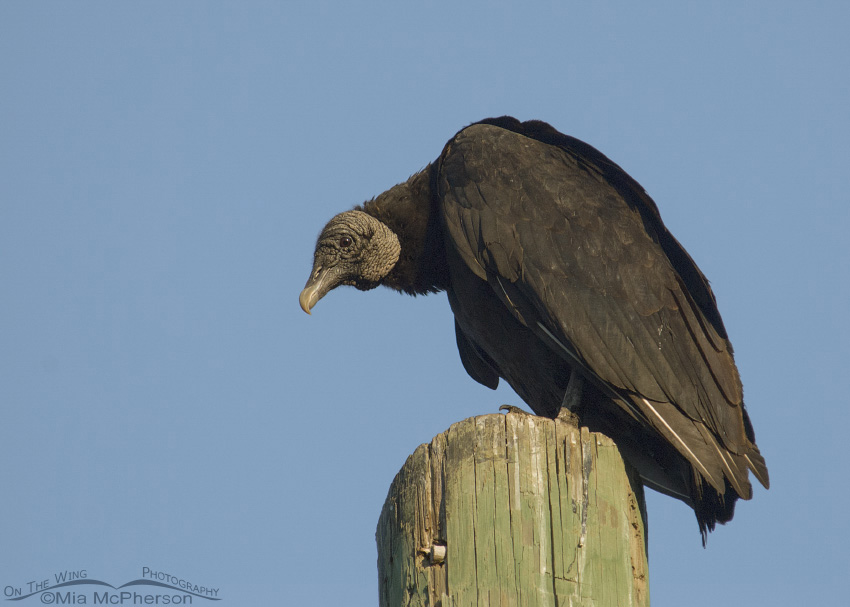
Sure, vultures aren't are handsome as Bald Eagles but they do serve an ecological function of cleaning up carrion so in essence they are nature's recyclers.
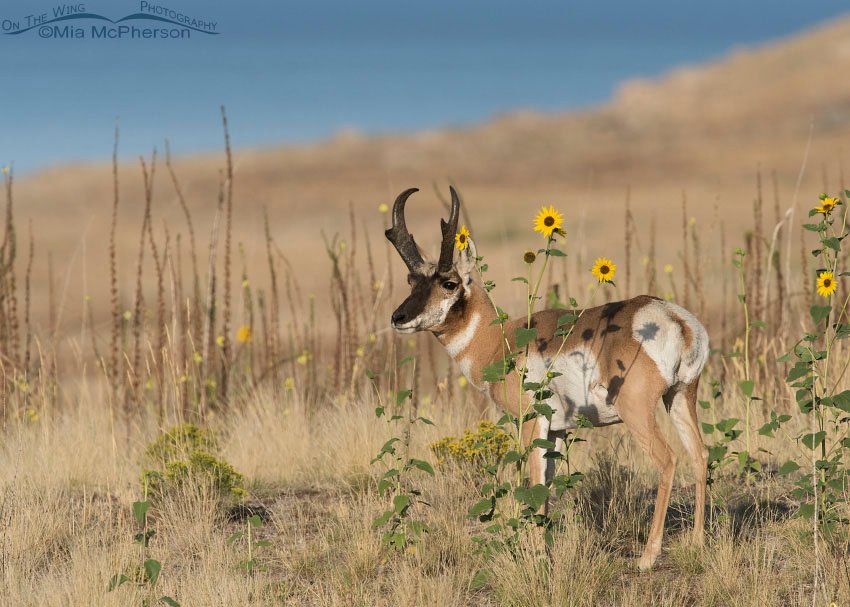
As many of my readers know I like to take portraits of the birds and animals I photograph but I also like to take images that show my subjects smaller in their native habitat.

The Sage Thrashers on Antelope Island State Park are busy getting ready for migration and the thrashers hatched this year appear to be almost ready to go.
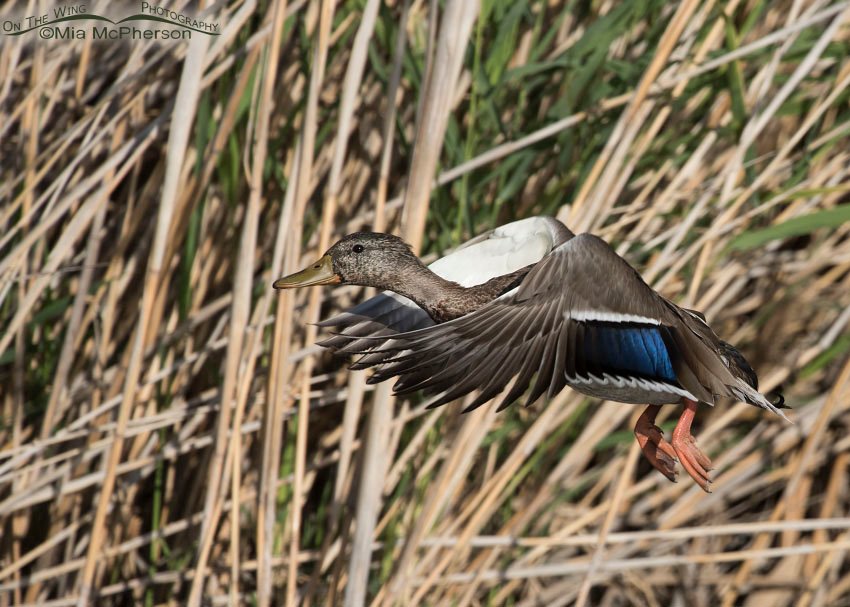
Yesterday at Bear River Migratory Bird Refuge I was able to photograph a Mallard drake as it lifted off from the water on the south side of the auto tour loop.
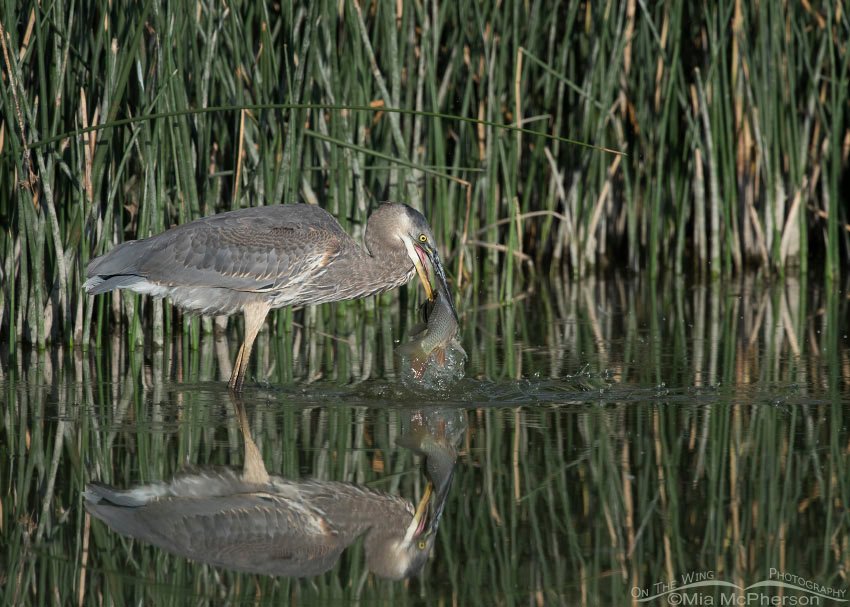
The first day of September signals to me that cooler weather is arriving so I took a look back at some of the images I have taken in September from 2008 on.
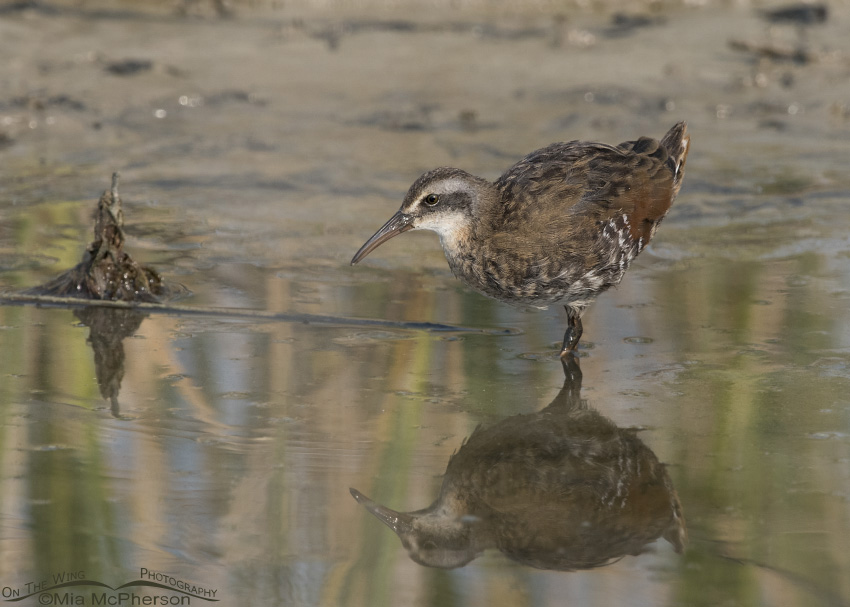
I am always thrilled when a Virginia Rail comes out into the open because typically they are shy, secretive marsh birds.
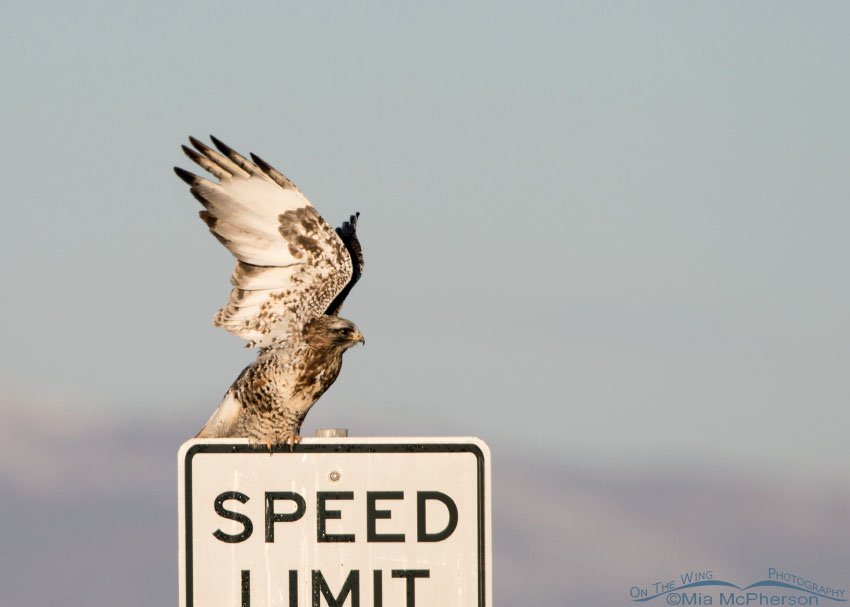
I came across this image of a male Rough-legged Hawk taken this past February and it caused me to wonder what this upcoming winter will be like.

Two days ago at Bear River Migratory Bird Refuge I found a couple of Western Grebes preening in an area where the reflections on the water are always wonderful so I took a series of images.