Friday Photos – Coyote In A Prairie Grassland
Coyotes and wolves help to cull out the sick and weak animals in herds of deer, antelope and elk which in turn can help to keep those herds in better health




Coyotes and wolves help to cull out the sick and weak animals in herds of deer, antelope and elk which in turn can help to keep those herds in better health

A few days ago I had the opportunity to take images of California Gulls feeding on brine flies along shoreline of the Great Salt Lake next to the causeway to Antelope Island

I often forget that by backing up my zoom, swapping my long lens for a wide angle lens or backing up physically I can get the "whole picture".
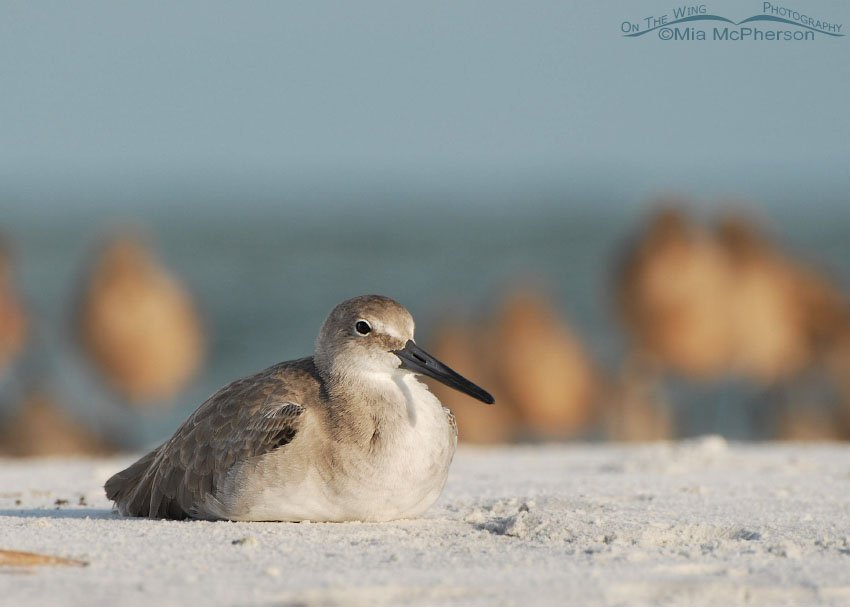
There are images that I have created that as soon as I see them on my monitor become listed as one of my favorites.

The first destination was Red Rock Lakes National Wildlife Refuge a place I've become very familiar with and a location that I think is incredibly beautiful.

I am always looking for the unexpected birds to show up in locations where I might not expect them them to be and this Short-eared Owl was a bit of a nice surprise.

There were high thin clouds and that worked in my favor to photograph these large white birds without blowing out the whites.

As much as I love going to Antelope Island State Park to photograph birds I also enjoy going there to see and photograph the furry animals that can be found there.
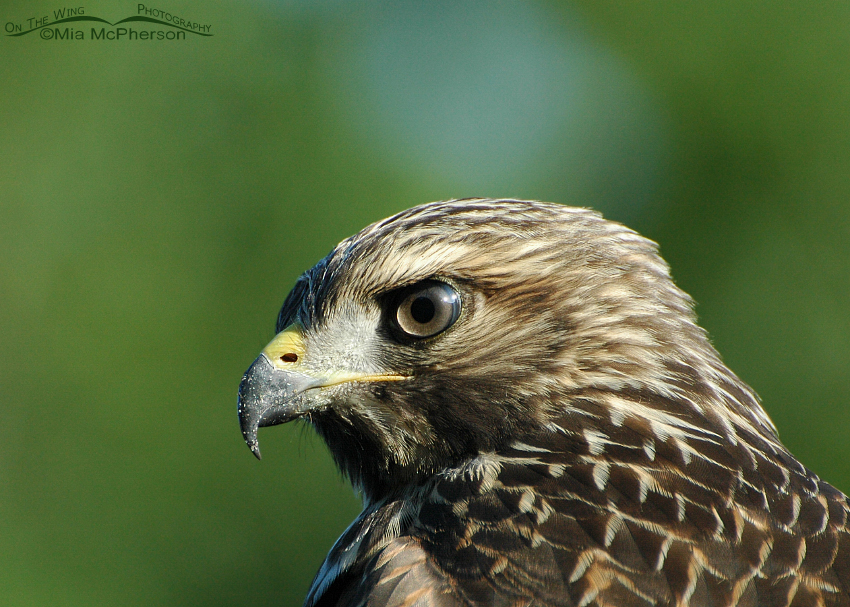
This very cooperative juvenile Red-shouldered Hawk was used to the people who frequented Sawgrass County Park and it would land very close to humans.

This spring and summer I've a little been disappointed by how few Clark's Grebe images I have been able to take.
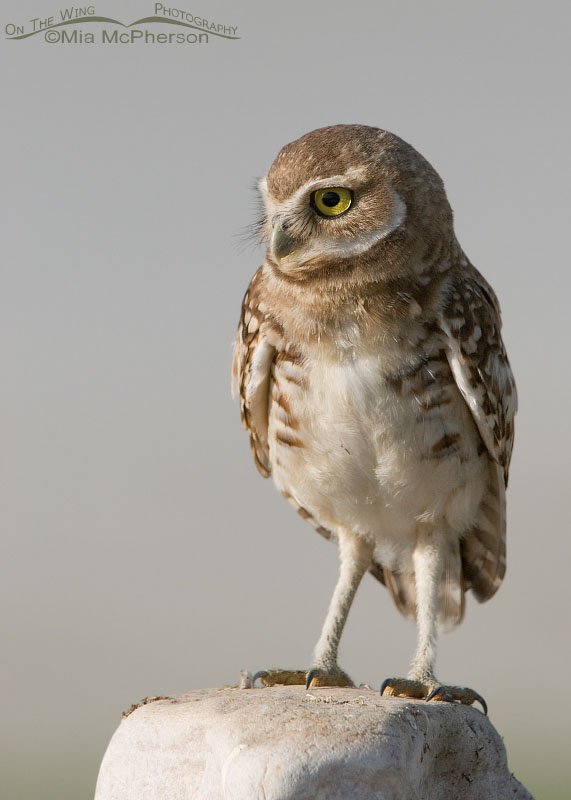
This is probably one of the moments where the juvenile Burrowing Owl looked more serious than at other times.

Yesterday the monsoons came up from the south which meant lots of rain on moisture laden winds.

My friends say when my images have such a low angle that I must have been "Down 'n dirty". Well I know for sure I was dirty, I had sand everywhere!

For the past two days I have been having an amazing time photographing a family of Red-tailed Hawks; including at least 4 juveniles, in Tooele County, Utah

Worth the sand in my clothes, scrapes on my knees and looking like something the cat had wanted to drag in but decided it was way too dirty? You betcha!

I watched this American Oystercatcher juvenile and its sibling from the time they were just tiny chicks beginning the day after they had hatched.
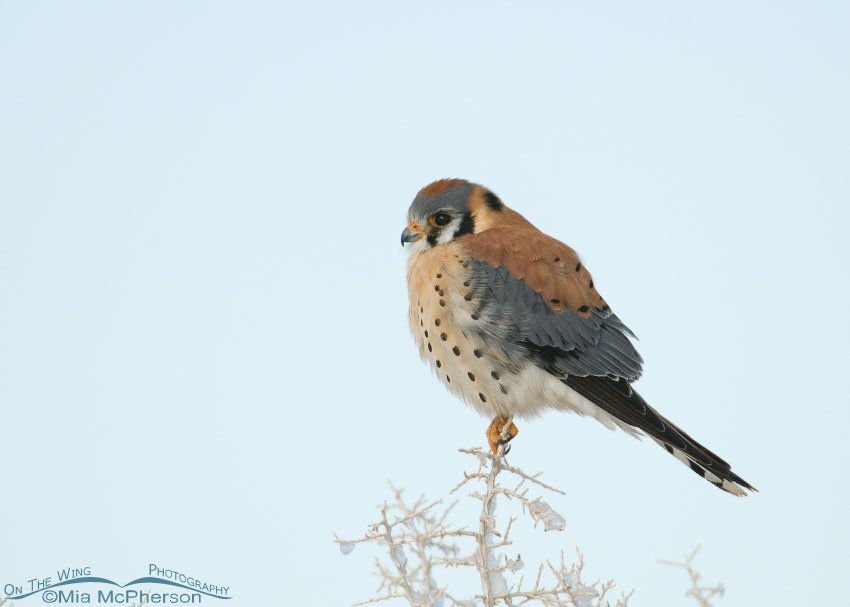
The American Kestrel is our smallest falcon in North America but what they lack in size I feel they make up for in attitude.
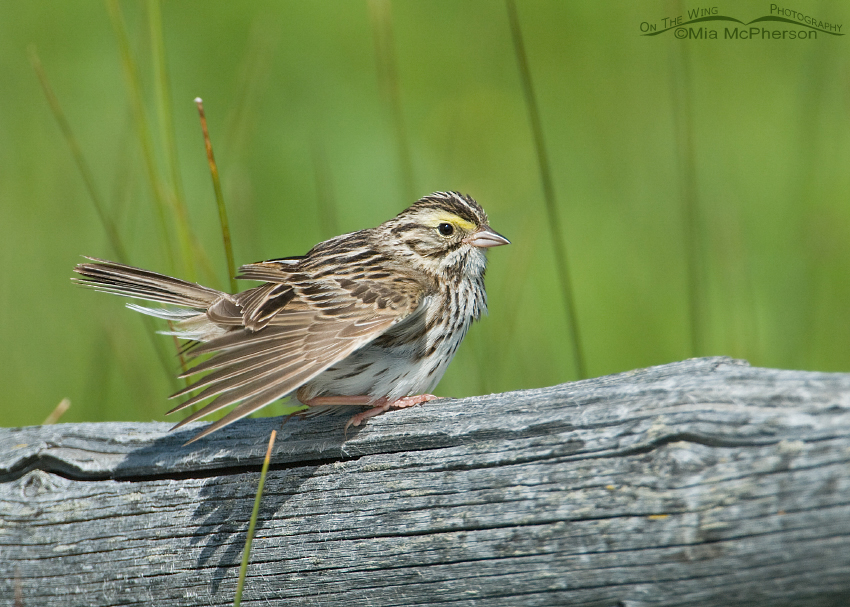
These Savannah Sparrows were nearly as much fun to observe as they were to photograph. They are very active birds and it was a challenge to keep up with them

Yesterday I observed an adult Willet defending its young from a group of Black-billed Magpies that were near the Willet's chicks.
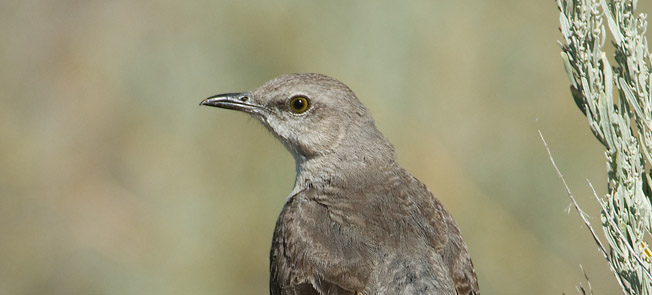
A Loggerhead Shrike flew into a sagebrush and right after that I could hear a bird that sounded upset. The upset bird was this Northern Mockingbird.

I spotted this plover resting near the wrack line near the Gulf of Mexico during the winter and sand-crawled up close to it to get a low angle in the beautiful light.

I really, really, really wish these young American Barn Owls had been perched on something that looked more natural than old bent metal with droppings all over it

Nikon's Image Overlay Function. Yes, I was experimenting with a little bit of Summer Lunacy. This is a bit whimsical and it makes me smile.

Reddish Egrets seem to be natural born "Dancers" when they are hunting for prey, they twirl, spin, piroquette and dip.

Red Knots are on the edge of extinction and without further regulation of Horseshoe Crab harvesting in North America plus additional protection and conservation measures for Red Knots they may well disappear in our lifetime.
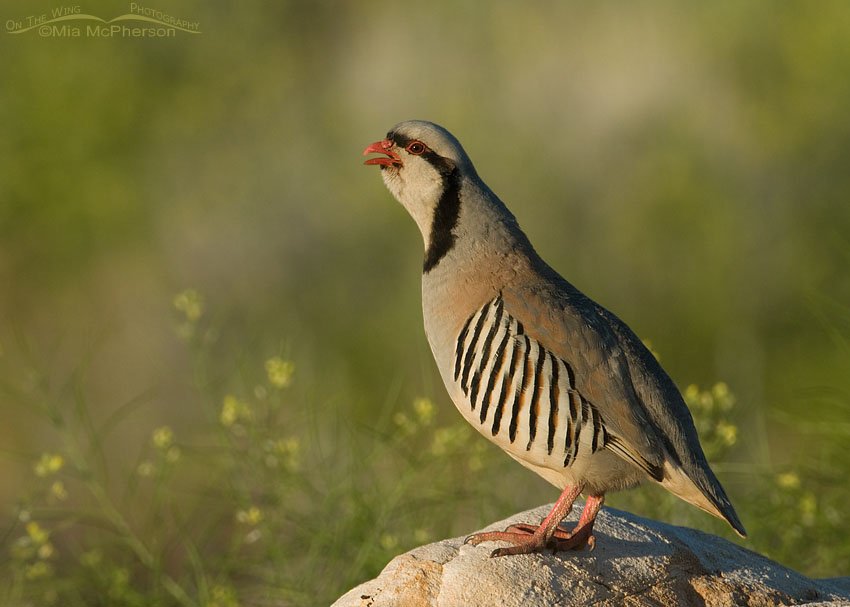
Photographs of the Chukars on Antelope Island State Park, Utah throughout the year.

As a "Nature" photographer one of my goals is to create images that show the bird or animal's natural habitat within the frame

Sometimes I just feel so lucky being a bird photographer. Not only do I get to be outside in nature when I am photographing, but I get nice surprises too like when this Long-billed Curlew juvenile approached near enough to get head shots of it.

This young Yellow-crowned Night Heron moved very slowly and it seemed to do that deliberately.

The juvenile Long-billed Curlew was foraging and preening in the vegetation on the ground below the adult perched on the boulder