What Do You Mean It Is Only Thursday?
Pfflllt!! This American Bison calf seems to be saying exactly how I feel. What do you mean it is only Thursday? Why not the weekend?


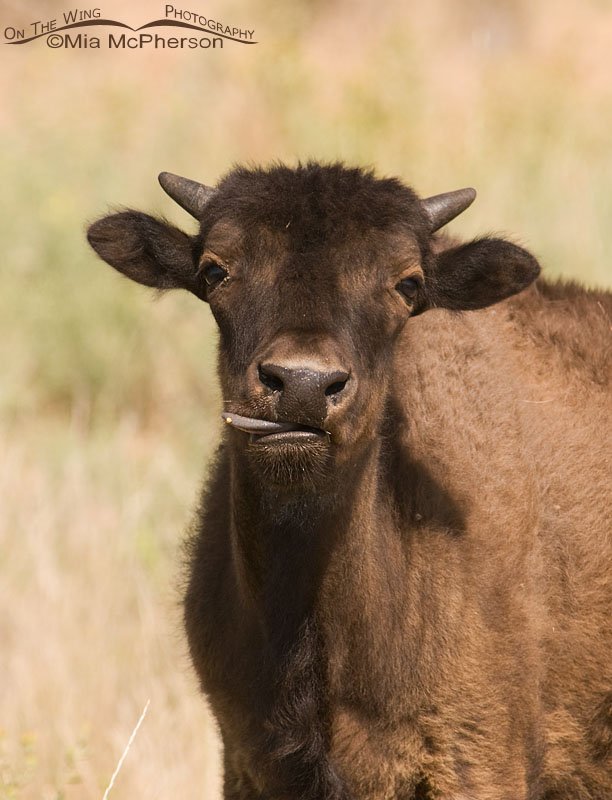
Pfflllt!! This American Bison calf seems to be saying exactly how I feel. What do you mean it is only Thursday? Why not the weekend?

Today I have just a few images of a Red-tailed Hawk I spotted yesterday on a power pole in Utah County near the southern part of the Oquirrh Mountain Range.
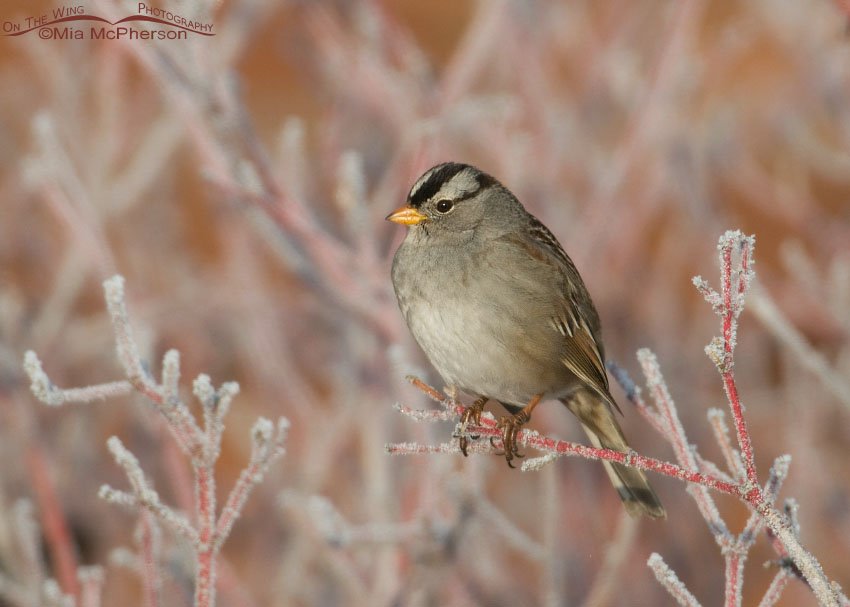
I like the setting contained in this image with a frost covered branches of a shrub with reddish bark that the White-crowned Sparrow perched on close to the entrance to Farmington Bay Waterfowl Management Area.
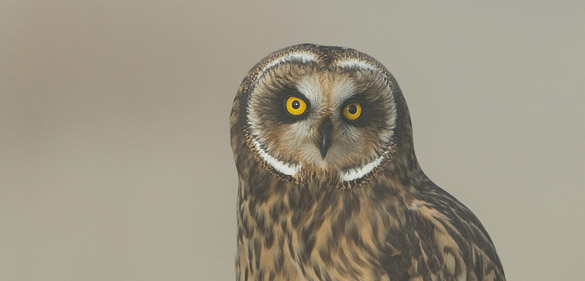
Both images are appealing to me because I enjoy the foggy softness of the female Short-eared Owl image and the warm, golden tones of the male Short-eared Owl photo.

As I photographed them I saw both Great Horned Owls turn their alert eyes to the sky and although I remember looking up into the sky myself I recall I didn't see anything but the much keener eyes of the owls probably did.

I found this image of a Snowy Egret landing on the shore of the Gulf of Mexico that I photographed on a hot May day in Florida five years ago.

But for me the "Snow Birds" I have grown to love here in Utah are Rough-legged Hawks who only visit in the winter and spend the rest of their lives breeding in high subarctic and Arctic regions.
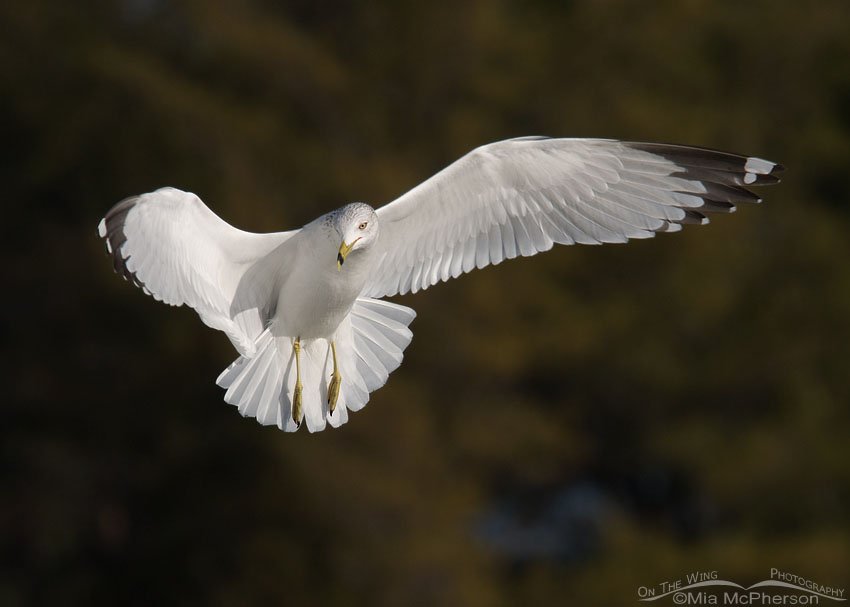
The day I photographed this Ring-billed Gull at Fort De Soto's north beach there were baitfish in the hundreds of thousands running just off shore and pelicans, egrets, terns and gulls were all in a feeding frenzy.
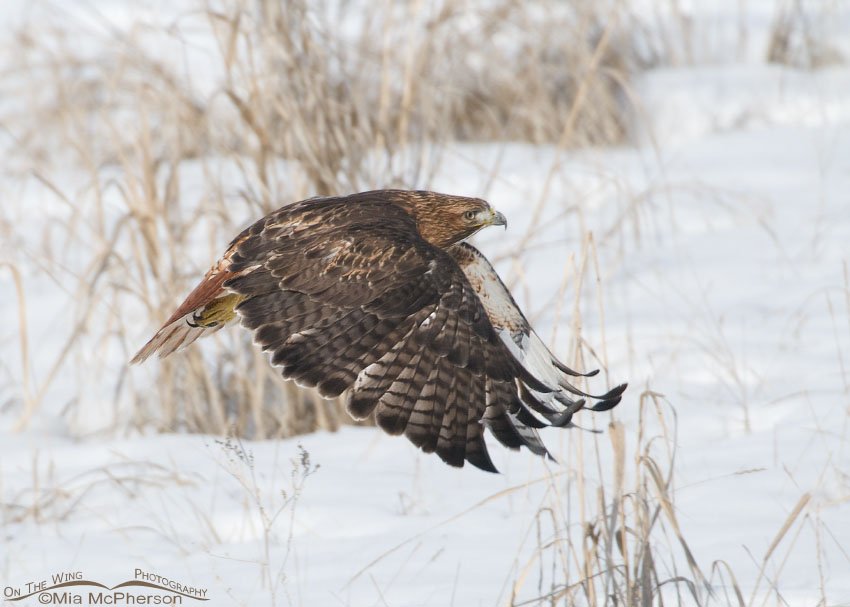
One of the birds I photographed yesterday was this handsome Red-tailed Hawk that I spotted in a tree at Farmington Bay Waterfowl Management Area.
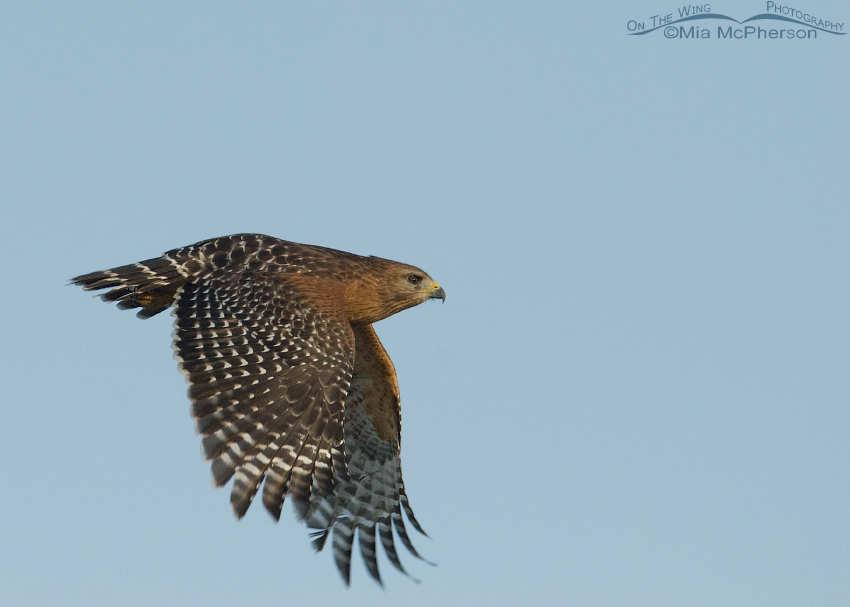
This Red-shouldered Hawk photo was taken in Florida in November of 2008 just after the hawk lifted off from an old snag near a Great Blue Heron I had been photographing.
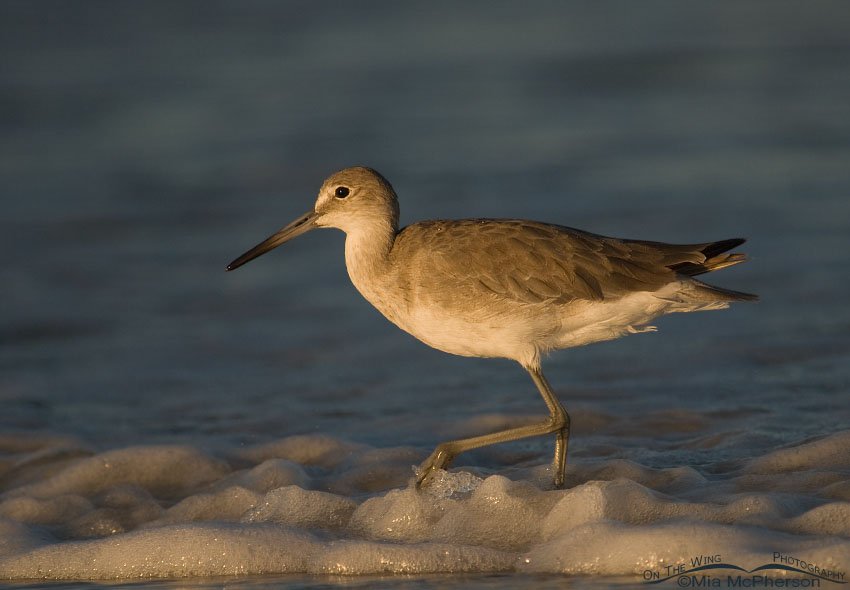
For those of us; including myself, who are tired of gray, cold days I thought this Willet photographed in Florida might delight in the sweet light, sea foam and warm Gulf waters the image contains.

My post for today is just a simple image of a Tricolored Heron I photographed as it hunted in the surf of the Gulf of Mexico in coastal Florida one June day in 2008.
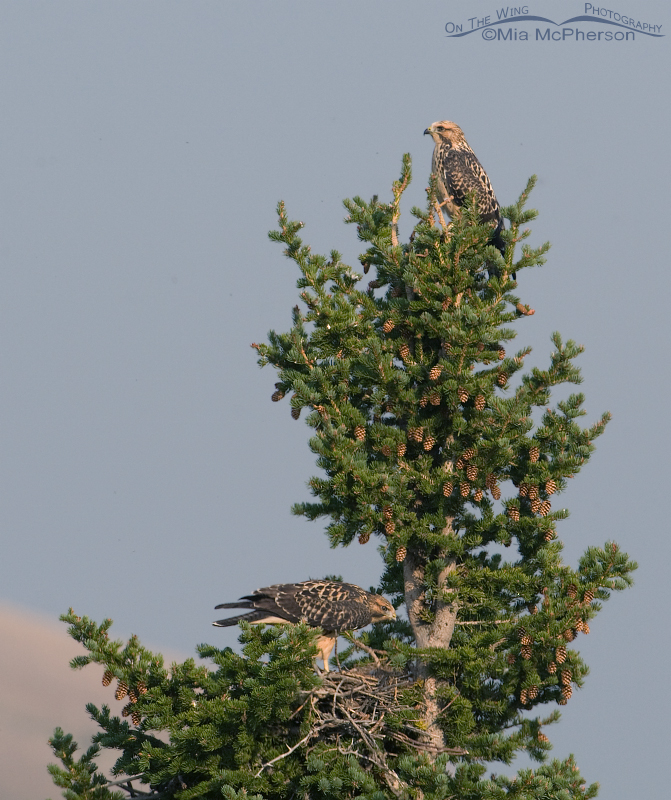
I can barely wait until spring when the Swainson's Hawks will migrate back from South America to fill the skies here with their beauty.

Farmington Bay Waterfowl Area used to be my "go to" place for photographing Northern Harriers but this winter they are hard to find.
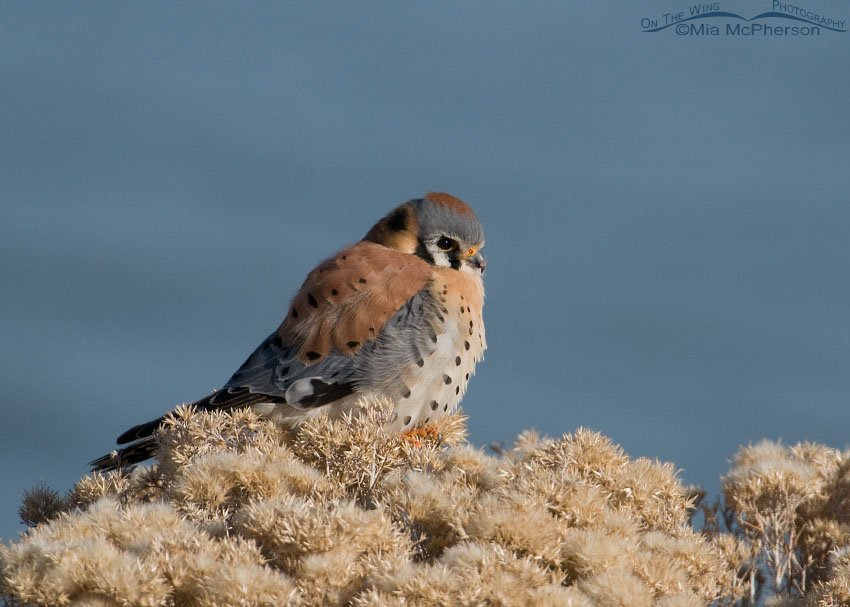
I was going to do a post about a Bald Eagle this morning but at the last minute had a change of mind and decided to work up this male American Kestrel that I photographed resting near the shore of the Great Salt Lake.

This morning I wanted to share another "happy accident" of this Marbled Godwit blur in flight taken along the Gulf of Mexico in coastal Florida.

The weather forecast for today isn't as bright as it was on the day last January when I photographed this Chukar walking across a field of fresh snow instead the forecast for today is rather dreary.

Even though I have been a bird photographer for some time now I still get a thrill when I am eye level with a bird of prey because it feels as if I am more strongly connected to the raptor when they fly in close at eye level.

In January in Florida the Great Blue Herons are already going into breeding plumage and have begun courtship displays and have started building their nests.
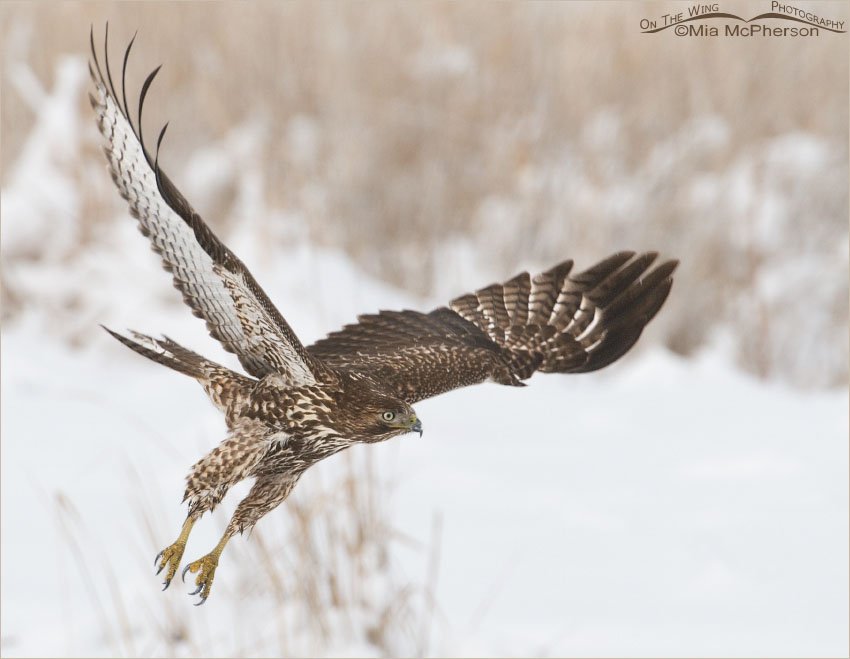
In the winter I shoot a lot in fog, smog and low light conditions here in northern Utah but if you follow my blog you probably already know that and have heard me mention it a time or two (or four or a hundred).
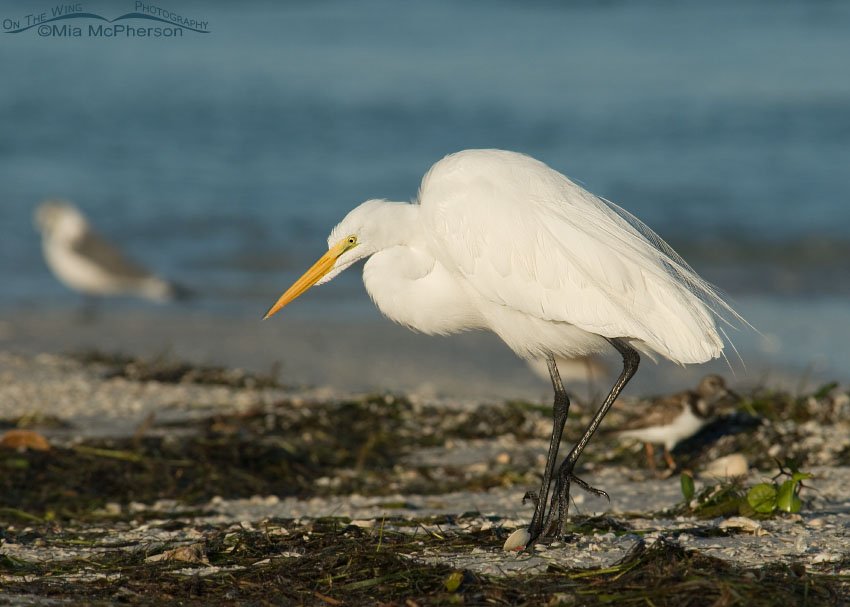
Five years ago today I photographed this Great Egret foraging in a wrack line along the Gulf of Mexico in Florida at Fort De Soto.
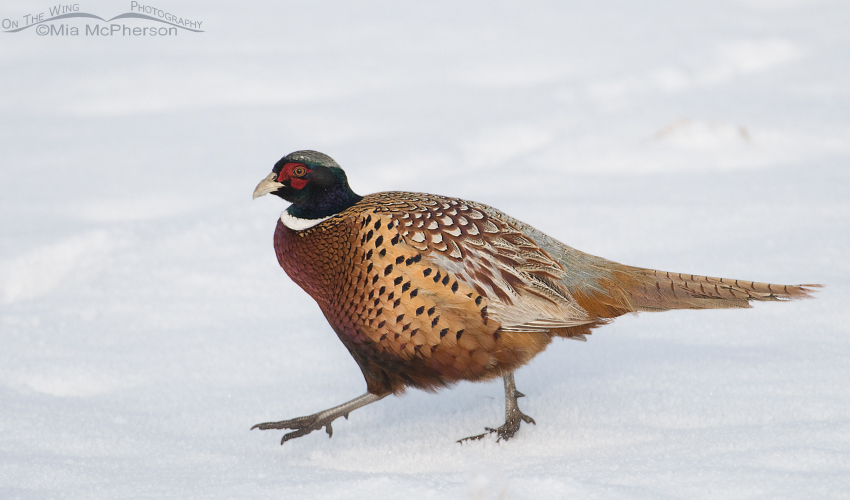
Male Ring-necked Pheasants add a vivid splash of color against a field of white at Farmington Bay Waterfowl Management Area, I photographed this male a few days ago as it foraged in the snow.

Seeing the tail end... of 2013 on this last day of December.

While photographing Barn Owls last January I caught a small movement out of the corner of my eye and noticed a Song Sparrow foraging for seeds on the snow covered ground.

Two years ago I photographed this male Short-eared Owl in Glacier County, Montana on a fence post on the perimeter of some CRP (Conservation Reserve Program) land on an August evening.
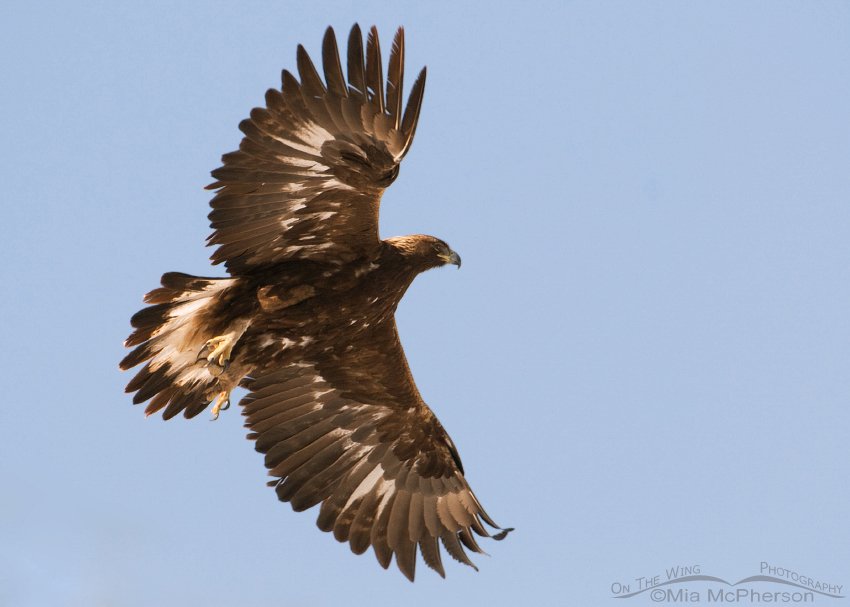
I have had so many opportunities with Golden Eagles and each time something goes wrong.

Rough-legged Hawks are among my favorites of the raptors that over winter in the Salt Lake Valley of Utah because I only see them at this time of the year while they wait to head back to the subarctic and Arctic to breed.

Last week I did a post on the many nicknames used for Barn Owls and among them was "Ghost Owl" and for some reason when I first looked at this frame I thought the blurred wings did make it look "ghostly".

Happy Holidays - White Crowned Sparrow
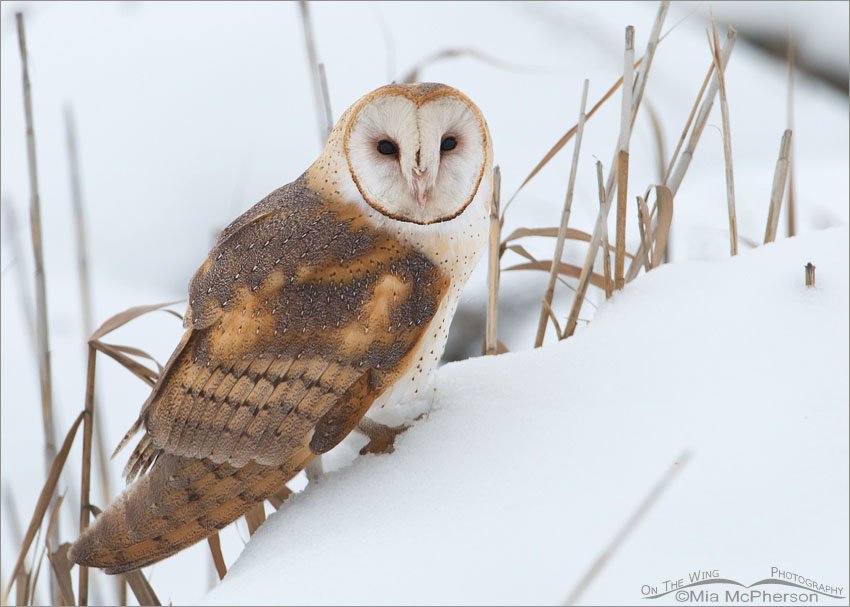
I spotted this beautiful American Barn Owl on a snow bank yesterday along the side of a dirt road at Farmington Bay Waterfowl Management Area in northern Utah.