Western Meadowlark On The Wing
Five days ago while on Antelope Island I photographed this Western Meadowlark as it sang on the stump of a dead Sagebrush.



Five days ago while on Antelope Island I photographed this Western Meadowlark as it sang on the stump of a dead Sagebrush.

I saw my first of the year Long-billed Curlews two days ago on Antelope Island State Park flying overhead. They weren't close enough to photograph but I know that soon I will have them in my viewfinder again.

Photographing this California Gull on the wing was a highlight of my morning the day I took this photo. I love to photograph gulls.

These Great Blue Heron photos were taken of the same bird, photographed at same location on the same day just one minute apart.

There is a quality that feels very tranquil about this Tricolored Heron image for me. It may be the still, silky texture of the water or the soft pastel color of the water created by the early morning light.
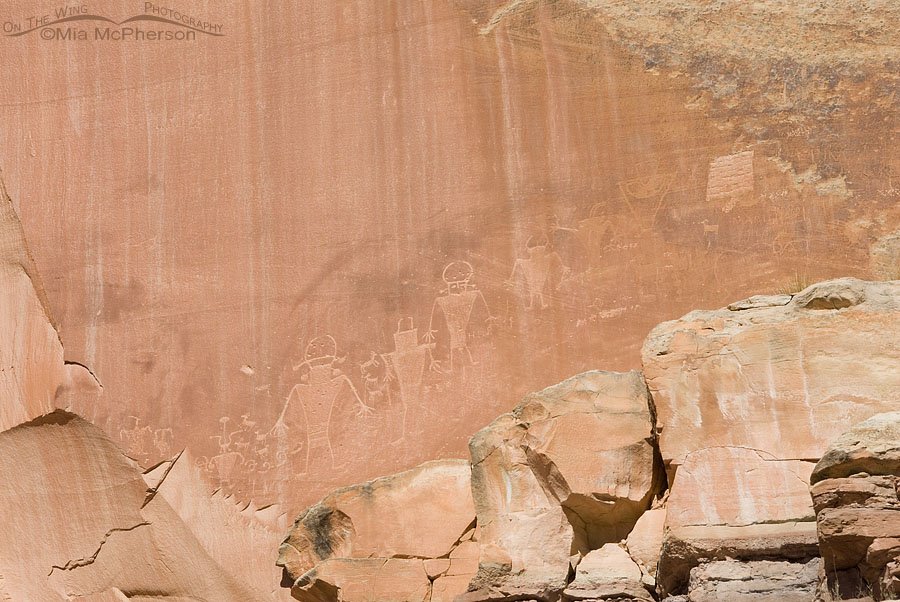
I get so excited when I see and photograph the Rock Art of Utah and I always wonder about the artists and ancient people who created them.
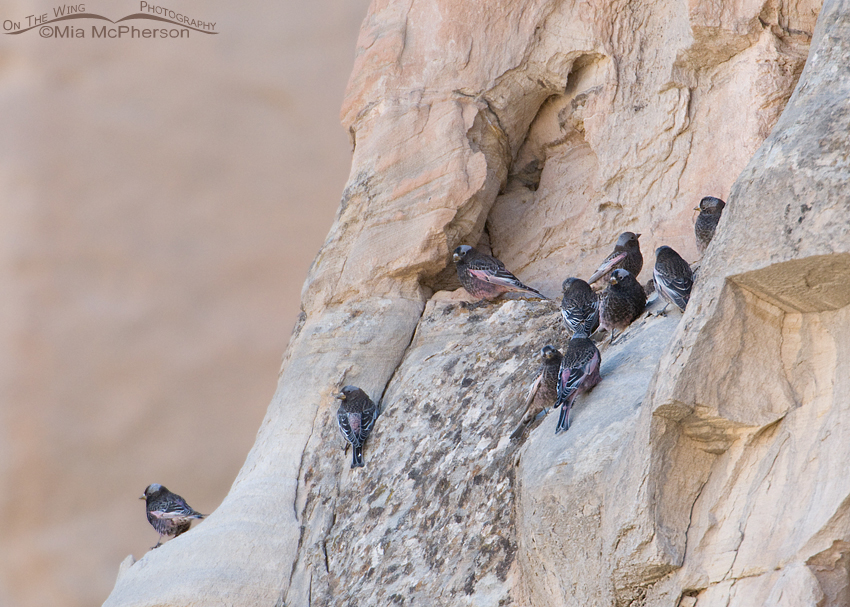
One of the biggest surprises for me on my recent trip to southern Utah was coming across a "bouquet" of 500 or more Black Rosy-Finches that were foraging along the side of Utah State Highway 24.

I am back from wandering, camping and photographing in several counties in southern Utah where I was delighted to find some Sandhill Cranes to photograph in Wayne County, Utah.

What can I say about this image of an adult Great Horned Owl feeding its young that is strongly back lit by the setting sun on Honeymoon Island State Park in Florida?
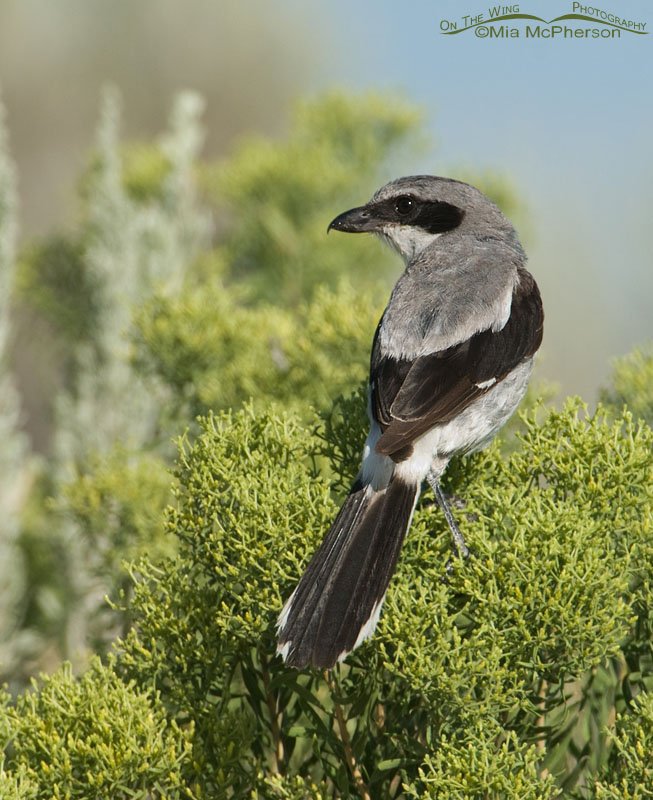
I'd forgotten all about this Loggerhead Shrike image that I had taken in July of 2011 and came across it the other day, I had meant to post it some time ago but as you all know life gets kind of busy at times.
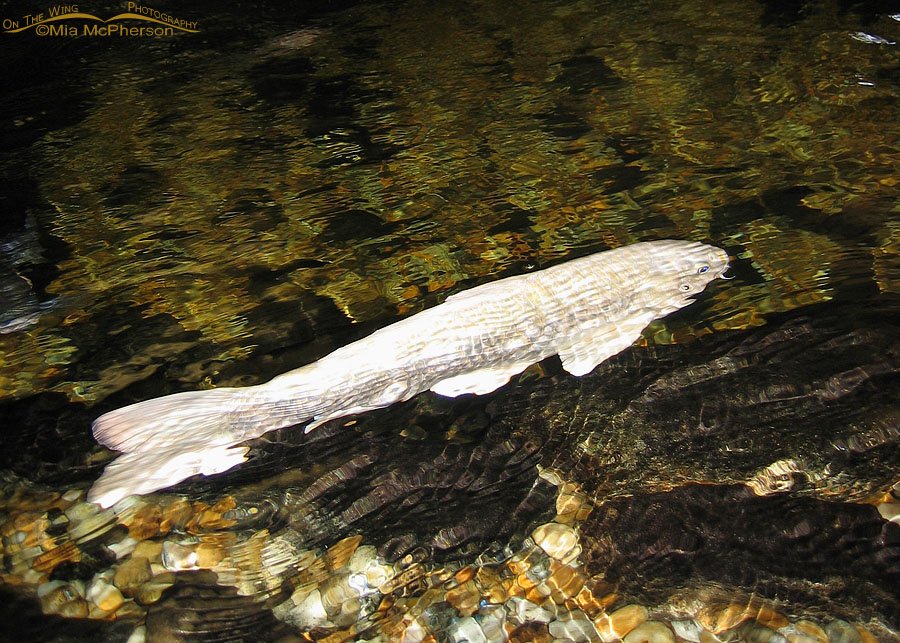
Long ago in a subtropical clime with plenty of heat, humidity and the occasional hurricane I used to photograph with a small point and shoot camera from Canon and had great fun doing it.
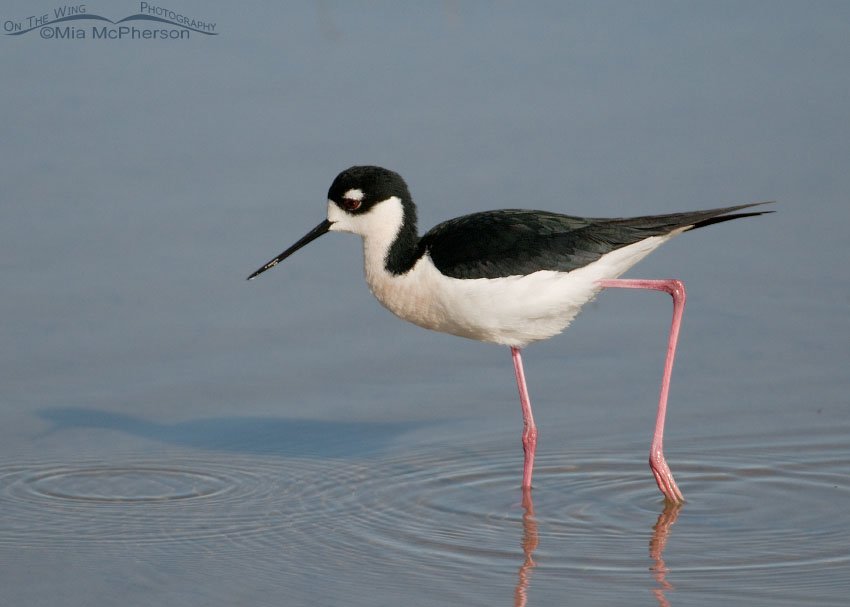
In yesterday's post I mentioned that I have seen my first of the year American Avocets and not long after they arrive Black-necked Stilts will also be making their appearance too.
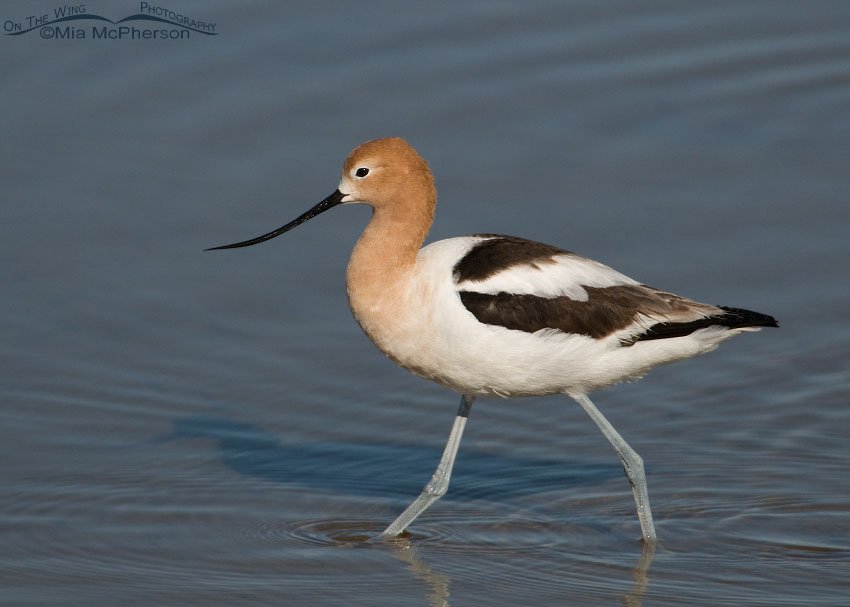
Three days ago I saw my first of the season American Avocets flying over the causeway to Antelope Island State Park and I let out a gleeful "whoop"!

In Florida it was not uncommon for me to see Brown Pelicans gliding just barely above the surface of the Gulf of Mexico like the juvenile shown in my image.

After seeing few Chukars on Antelope Island State Park over the winter it is a delight to see them perching on rocks, preening, calling and warming up in the first rays of sunlight on the island again.

I feel that as a bird photographer I need to care for my subjects every time I am in the field and that is amplified when there are young, defenseless chicks.
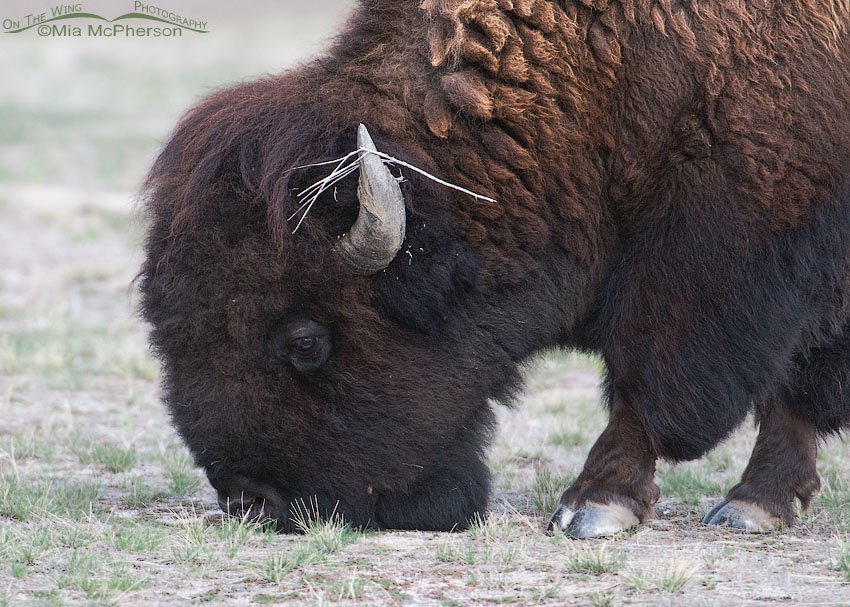
Antelope Island State Park in northern Utah is a place where the "Buffalo" still roam unfettered by fences in a wild and majestic location.
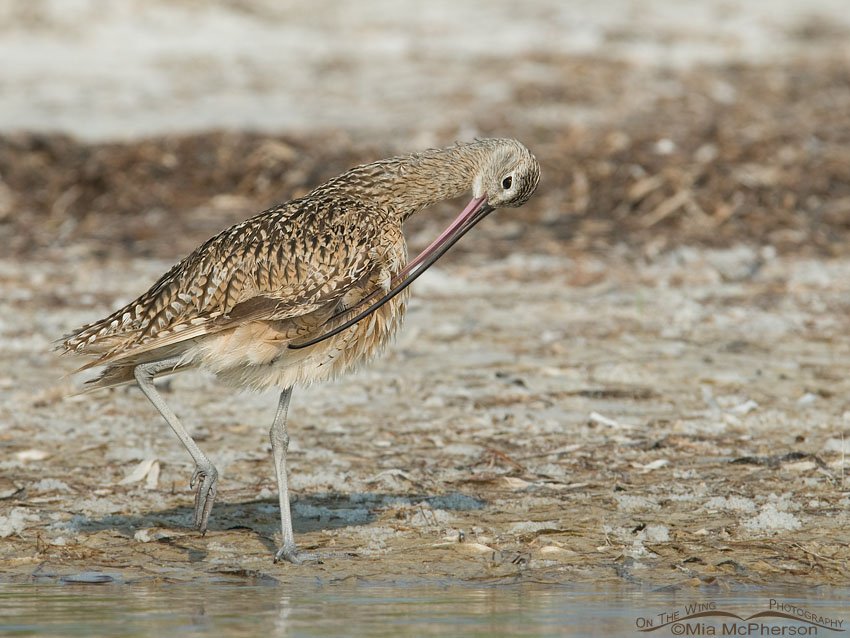
Preening in birds is essential for keeping their feathers clean, arranged correctly and for some birds it is a way to distribute oils from the uropygial gland which helps to keep the feathers clean and healthy.
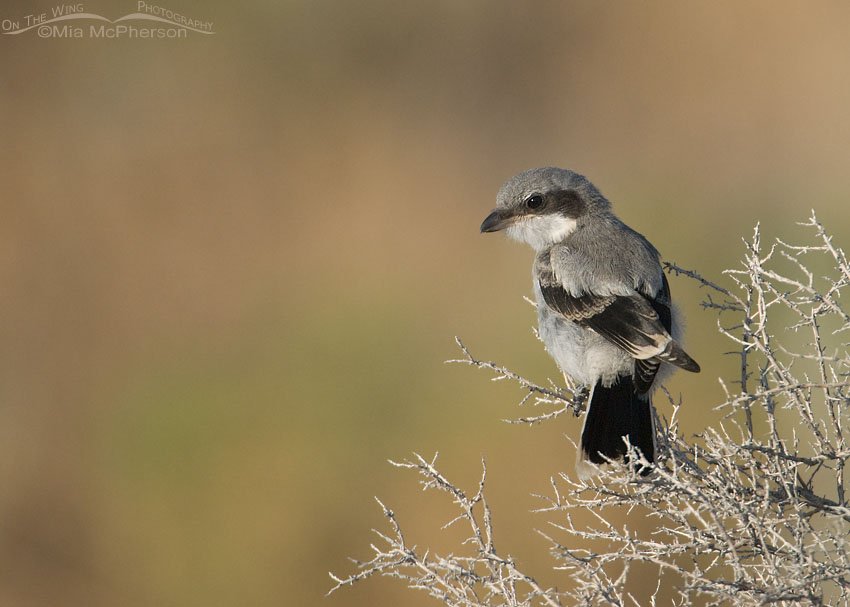
Last year about this time I wrote a post complaining about Loggerhead Shrikes being MIA but this year I don't have that complaint because I am seeing and hearing these "Butcherbirds" on Antelope Island.

Long-billed Curlews have begun to leave or have left their wintering grounds and should be winging their way to Utah and arriving here any day now.

Laughing Gulls are commonly seen at Fort De Soto County Park but novices to birding and bird watching might think they are three different kinds of gulls depending on their age and plumage.

As Spring Approaches it is a Great Time to be a Bird Photographer in Utah!

This Coyote image always makes me smile. It was taken in early March of 2010 as the Great Salt Lake began to thaw and there was a hint of spring in the air.

According to Birds of North America there are four foraging methods used by Red-breasted Mergansers which are Cooperative Herding, Individual Search, Shallow Diving and Deep Diving.
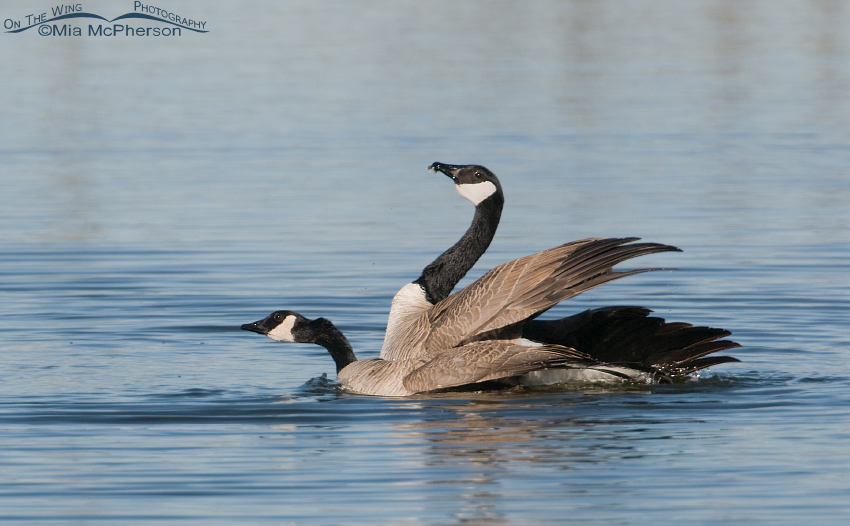
Officially it isn't spring yet but the Canada Geese here in the Salt Lake Valley don't seem to be paying much attention to our human calendars at all and have begun their mating season.
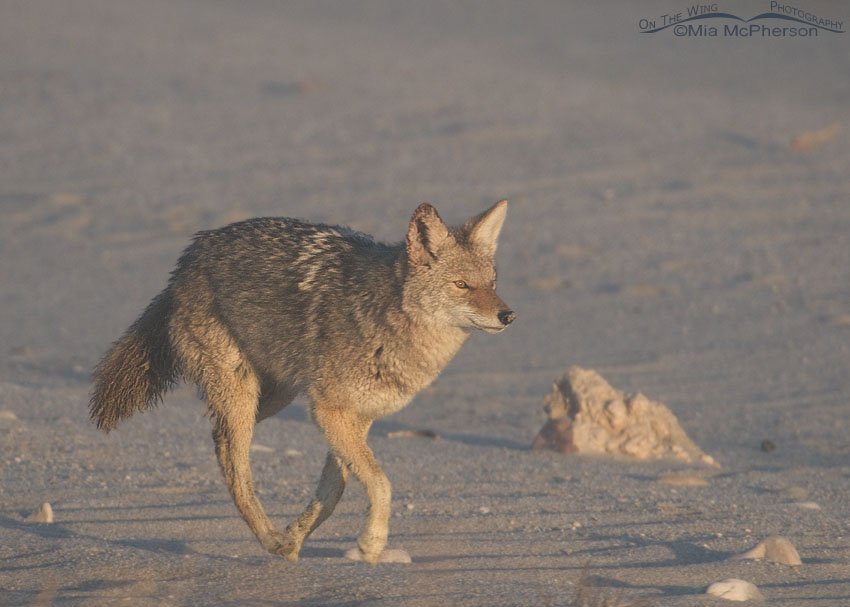
Starting the day photographing Coyotes always makes me want to howl with delight. They are amazing adaptable creatures who help to keep nature in balance.

I especially like the combination of old wood and owls, in this photo a juvenile Great Horned Owl is perched on an external structural beam of an old granary in Glacier County, Montana.

As soon as I crossed the north beach footbridge I spotted several Roseate Spoonbills in the tidal lagoon on my right. There were adults and a few juveniles, some were resting while others preened.

The last time I went to Antelope Island State Park I noticed that the Chukars were more visible than they have been for awhile and I also noticed a tiny wildflower called Redstem Filaree starting to green up.
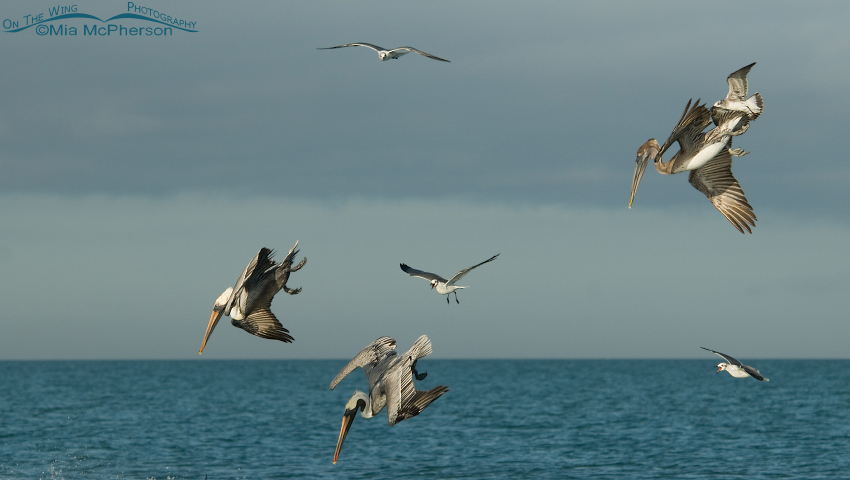
The recent arrival of American White Pelicans to the Salt Lake Valley started me thinking about the differences between Brown Pelicans and American White Pelicans.