Song Sparrow Adult With A Bill Full Of Prey For Its Young
Three days ago I found an adult Song Sparrow to photograph with its bill full of prey that the sparrow had gathered to feed its young.



Three days ago I found an adult Song Sparrow to photograph with its bill full of prey that the sparrow had gathered to feed its young.

I don't see Yellow Warblers foraging in sage very often so I was thrilled to photograph an adult female as she poked around a clump of sagebrush in the Wasatch Mountains yesterday.
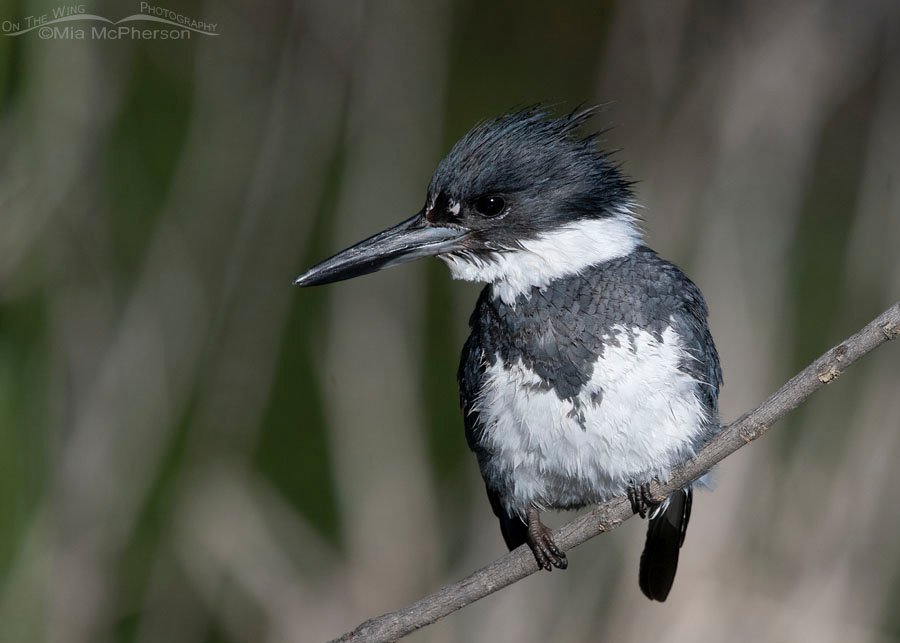
It is always a thrill when birds fly in close to me and that is what happened yesterday with a handsome male Belted Kingfisher.

I'm always happy to photograph "other things with wings" when I am out in the field so last week when I spotted my first of year Monarch butterfly I had to take a few photos of it.
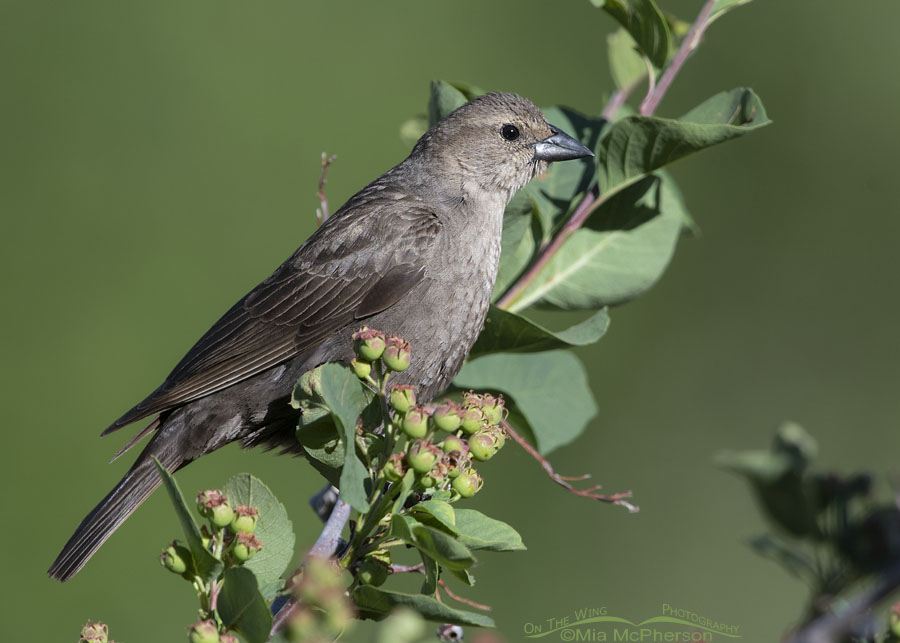
Three days ago one of the birds that the Song Sparrows chased off was an adult female Brown-headed Cowbird that landed on a serviceberry in front of me.

There have been a few times that the Song Sparrows have gotten so close to me that I've felt as if I could almost reach out and touch them.

Female Broad-tailed Hummingbirds do all the nest building, incubating, feeding and rearing of their young while they are here during their breeding season.

I don't know for sure if I will see another Short-eared Owl to photograph this year but I do know I had fun photographing these three.

When I spotted this sharp-looking, adult male Lazuli Bunting less than 30 feet away from where I sat in a mobile blind on the side of the road I almost jumped with joy.

Over time I have come to associate Say's Phoebes with sagebrush because I don't think I have ever seen or photographed one of these phoebes where there wasn't sage nearby here in northern Utah.
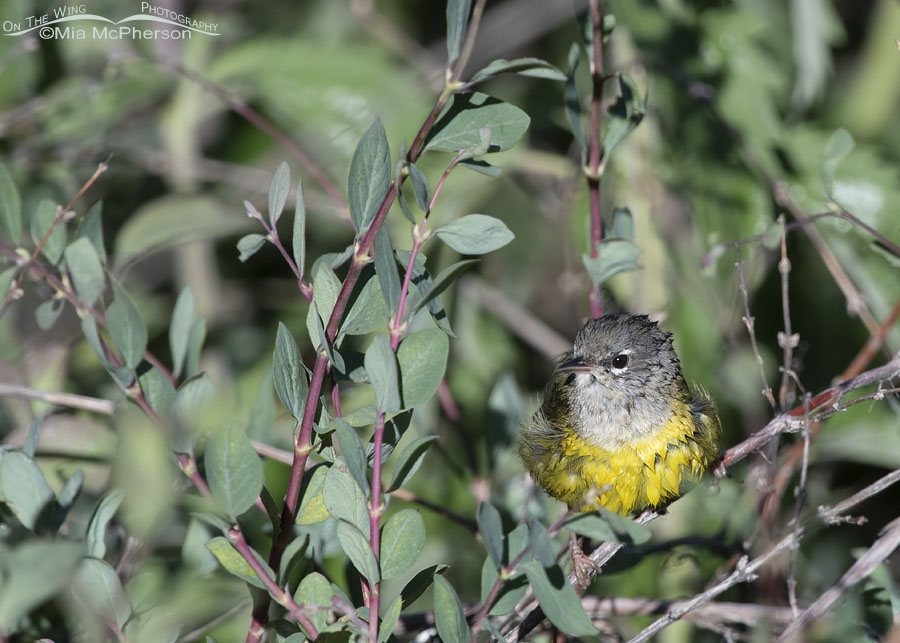
Yesterday I was allowed a peek into the leaf-bathing behavior of this MacGillivray's Warbler I photographed high in the Wasatch Mountains.

I don’t think it was a “King of the castle” kind of behavior going on but what do I know, I am not a bird!
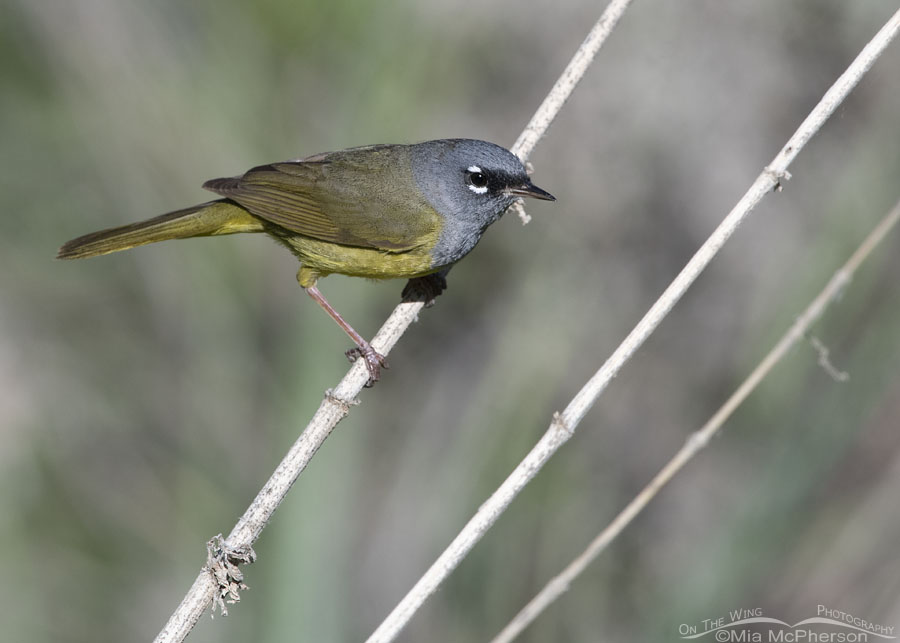
Despite the difficulties I have finding and photographing MacGillivray's Warblers I will keep trying to take better images of them.

This morning I'm grateful that I spotted a single Gray Catbird pop up on top of a snowberry bush yesterday morning because if I hadn't none of the following photos would have been possible.
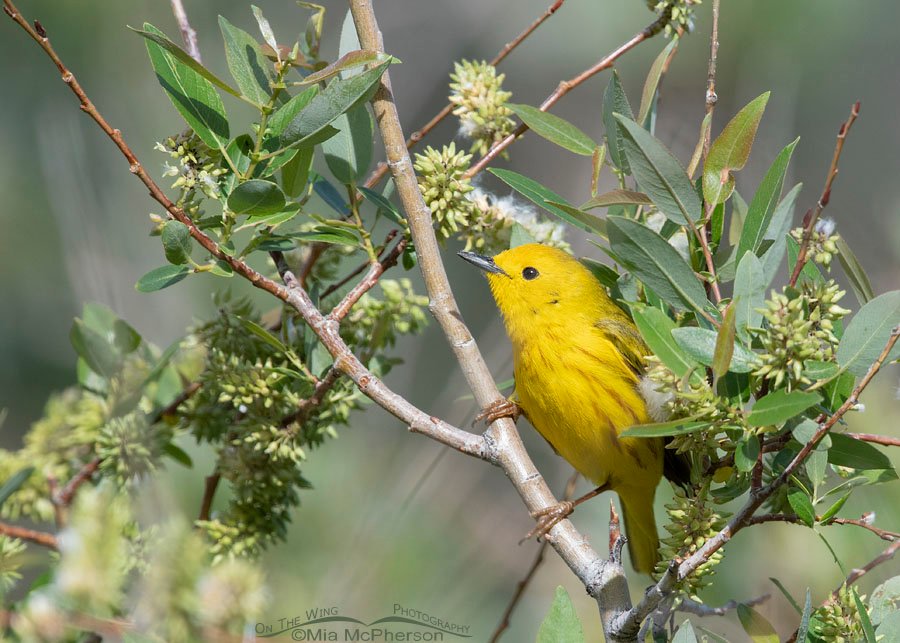
When this adult male Yellow Warbler landed in a willow near me I was more than happy to photograph him surrounded by the willows.

Yesterday I saw this female Black-chinned Hummingbird land on a willow branch not far from where I sat in a mobile blind and I was delighted to photograph her.
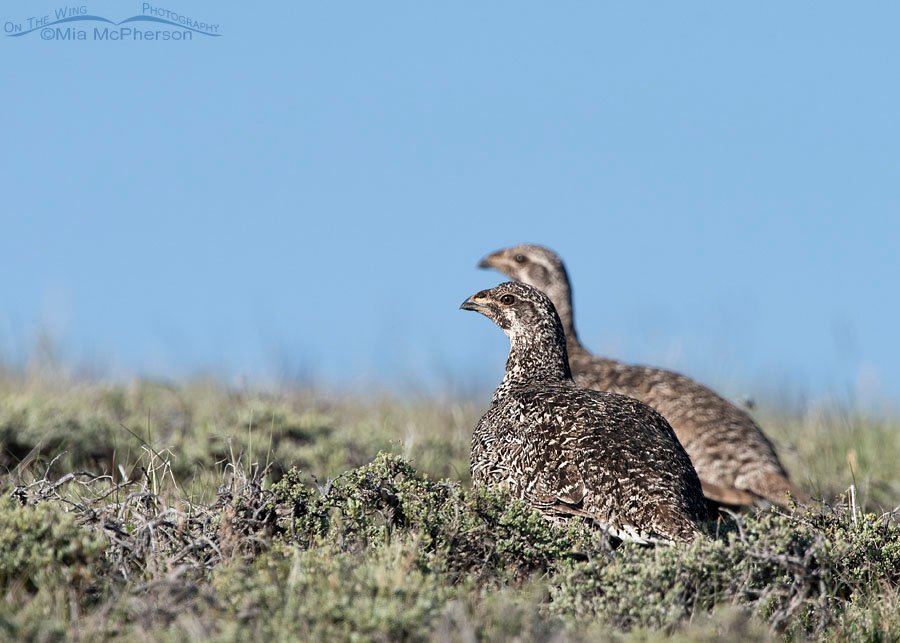
I found these two foraging Greater Sage-Grouse high up on the Aquarius Plateau in Wayne County, Utah five years ago today.

And I then had an "Ah ha" moment. No wonder I thought I was hearing a Cedar Waxwing when in actuality it was the American Robin calling out because of a predator that I did not see.

As I went through the images I took four years ago this photo of a female Mountain Bluebird perched on an old fence post with prey for her young in her bill stood out to me.

I heard the male Green-tailed Towhee before I could see him perched on the weathered post with lichens on the top so a view of him was no surprise for me.

The Song Sparrow didn't let the gray clouds overhead, the moisture in the air or its damp feathers stop it from singing to all the other birds within earshot. I have to admire that.

I have never heard so many American Goldfinches flying overhead for such a long period of time and I was in awe. I still am.

In April there was a bright, sunny morning when I had several opportunities to photograph adult Turkey Vultures warming up after a chilly night by thermoregulating.

Every time I've gone up into the Wasatch Mountains lately I have been searching and listening for Cedar Waxwings to observe and photograph.
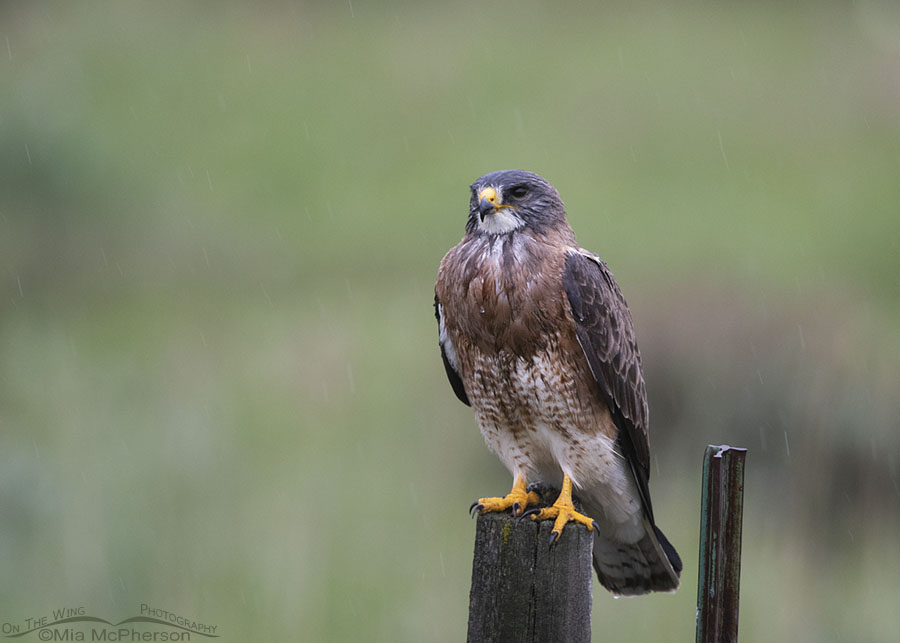
This adult male Swainson's Hawk was perched near his nest in a light rain and although he looked soaking wet that didn't appear to bother him much at all.
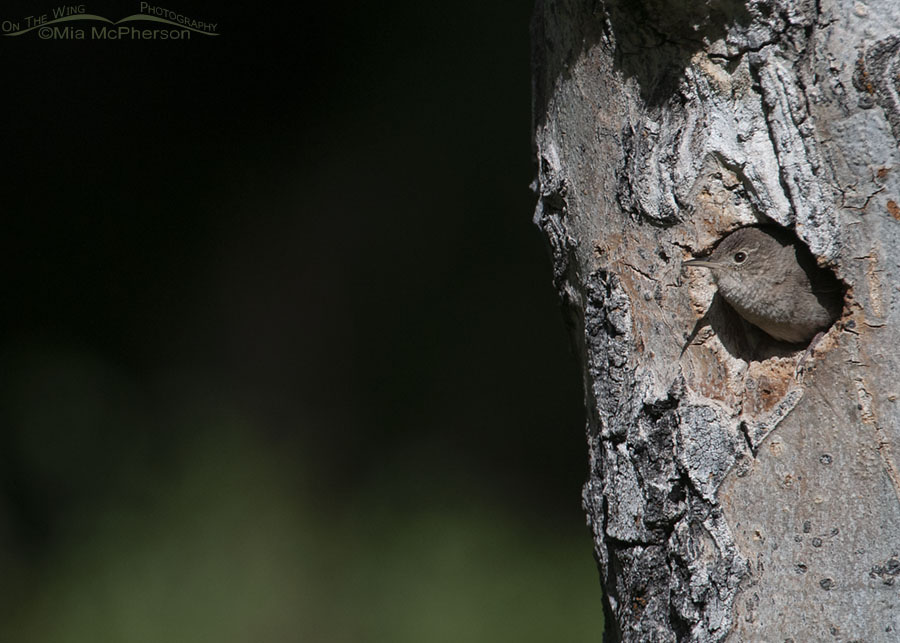
To photograph House Wrens and other birds I know I need to find them which means focusing my attention on the sights and sounds around me whenever I am out in the field which has worked extremely well for me.

The soft light of dawn has a special quality to it and I believe that it is evident in both of these American Oystercatcher photos.
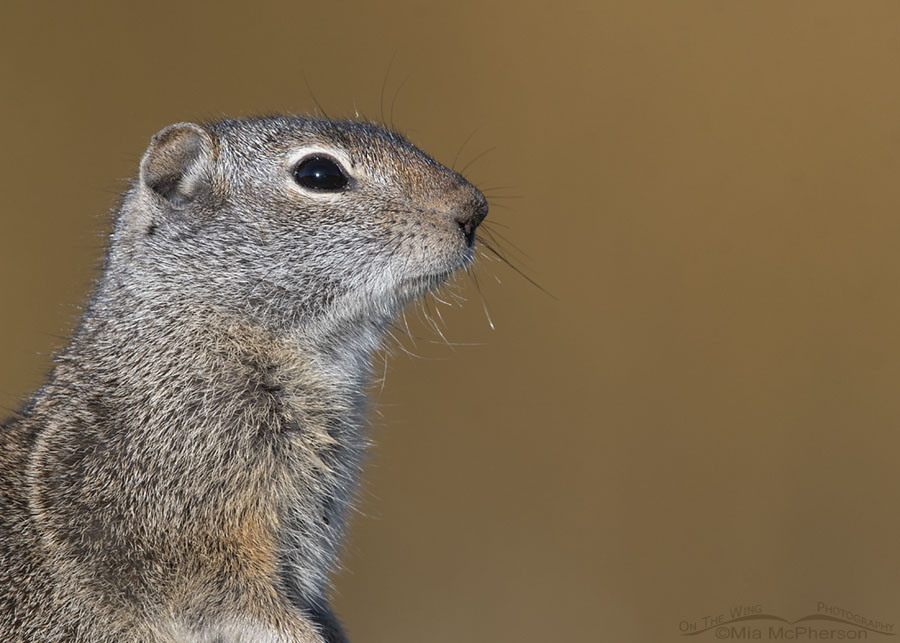
Early this month I was able to create this golden background by having leafless willows that line the creek below the road behind the Uinta Ground Squirrel when I photographed it.

I know that I have to be alert, paying attention and fast when it comes to photographing Ruby-crowned Kinglets or they will make the statement "she/he who hesitates is lost" a reality.

This morning I opted to go back in time to a "normal" Mother's Day by pulling a Black-bellied Plover photo from my archives that was taken on Mother's Day in 2009.