Reddish Egret Being Shadowed by Laughing Gulls
There were two Reddish Egrets (Egretta rufescens) on the north beach of Fort De Soto that day and it was a blast to watch them race around catching the small fish.



There were two Reddish Egrets (Egretta rufescens) on the north beach of Fort De Soto that day and it was a blast to watch them race around catching the small fish.

During the winter months I miss seeing large flocks of American White Pelicans (Pelecanus erythrorhynchos) soaring in the thermals, in the past few weeks I have been delighted to see them again.
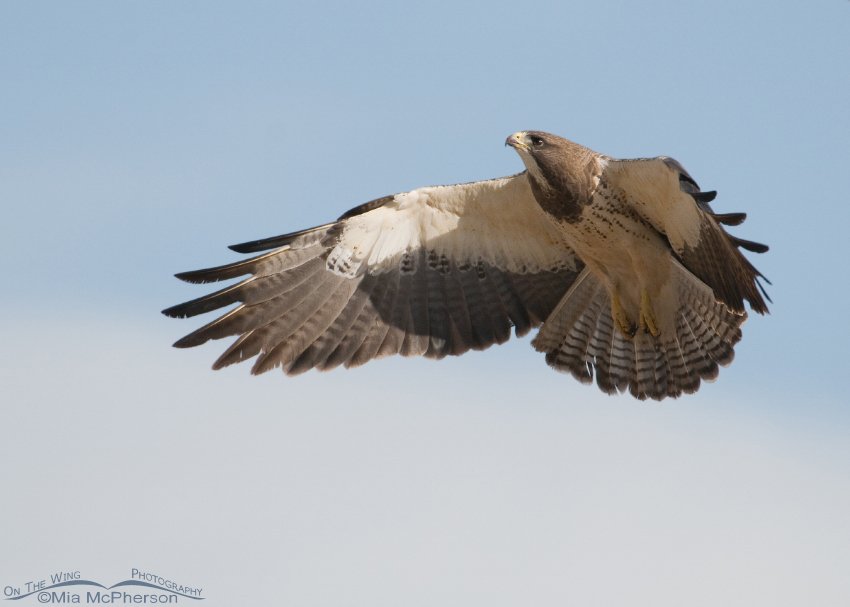
Last week while searching for Golden Eagles to photograph in Box Elder County, Utah I spotted two Swainson's Hawk (Buteo swainsoni) adults; my first of the year sightings, the first one perched on a power pole.

Brown Pelicans (Pelecanus occidentalis) were common year round along the Gulf coast when I lived in Florida. I would see them floating in the water, resting on sandbars and beaches, diving for prey and in flight.
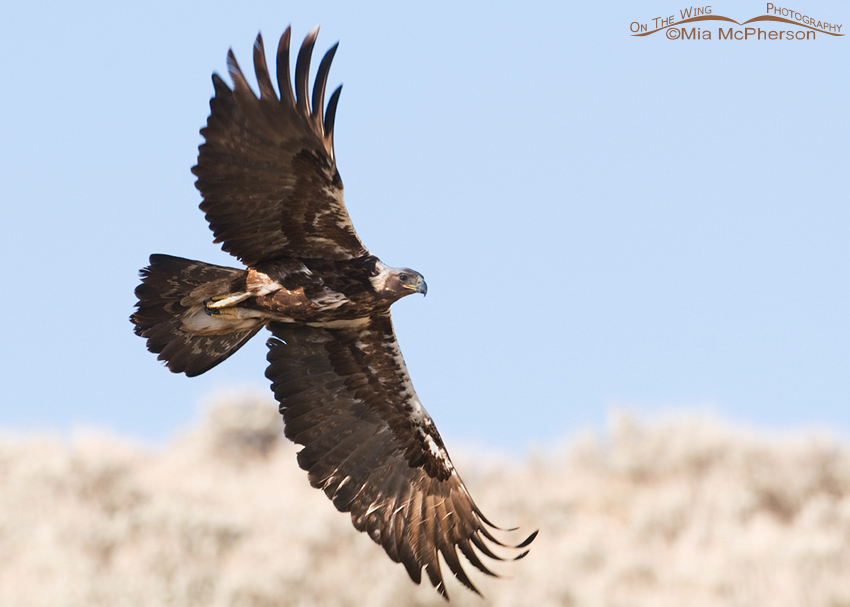
Golden Eagles (Aquila chrysaetos) have thus far been a nemesis bird for me and when I spotted one yesterday I thought I might finally get the shots I have long wanted.

In early spring after American Barn Owl (Tyto furcata) chicks have hatched there are opportunities here in Utah to see the adult owls hunting just after dawn breaks.
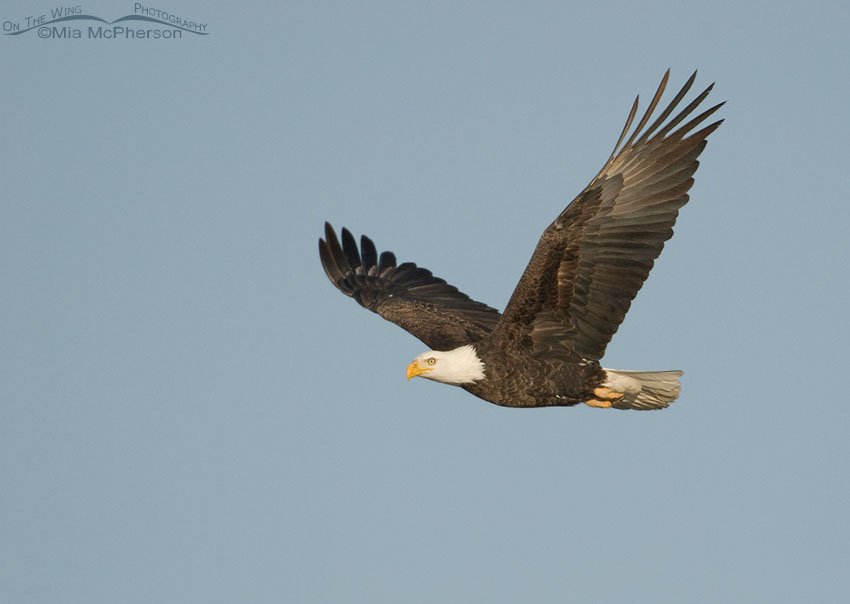
Normally during the month of February Farmington Bay Waterfowl Management Area has hundreds of Bald Eagles within its boundaries but that was not the case in February 2012.

White-faced Ibises (Plegadis chihi) breed and nest in the freshwater marshes around the Great Salt Lake. Generally they migrate south for the winter though this winter there were a few that stayed at Farmington Bay Waterfowl Management Area.
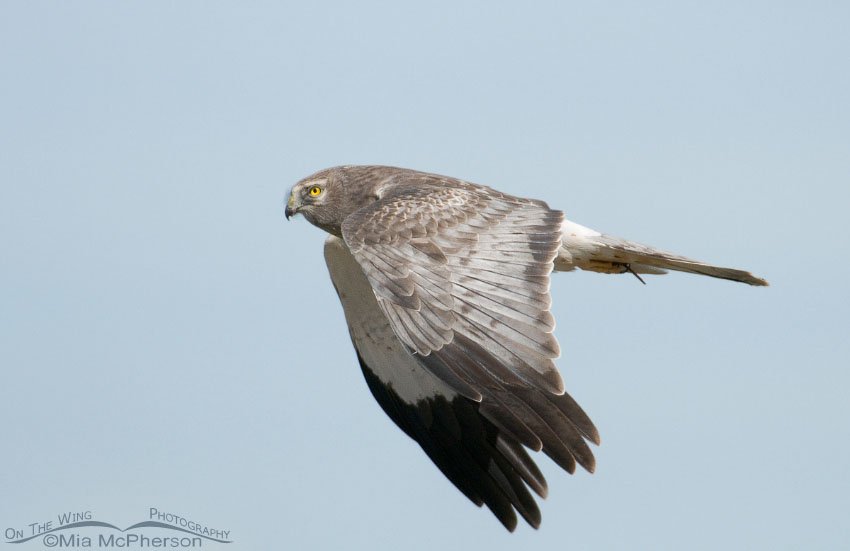
Just an image I took yesterday of this male Northern Harrier in flight. As simple as the image is I like the great eye contact it has.
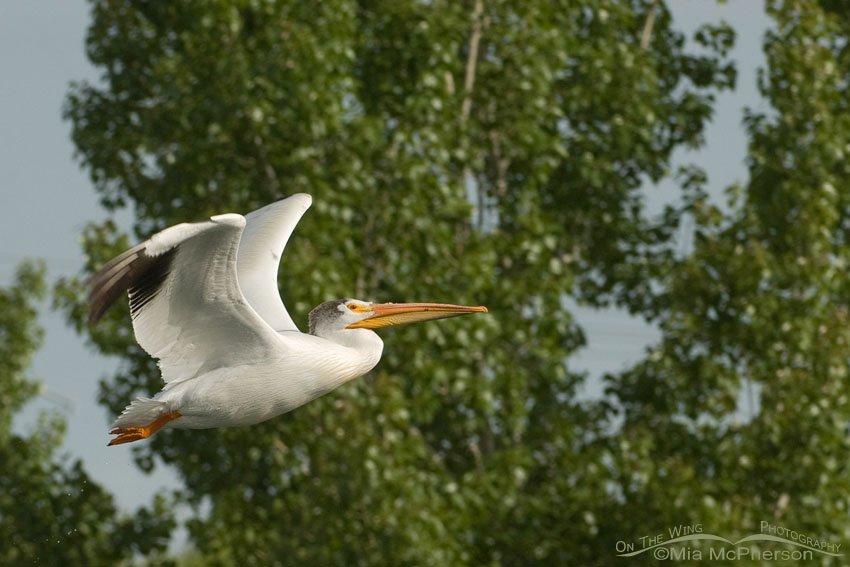
Not far from where I live there is a small pond where I photographed this American White Pelican (Pelecanus erythrorhynchos) just after it had lifted off from the water two springs ago.

This California Gull in flight was being buffeted by the wind, I had trouble keeping my lens steady because of it too.

I have had an amazing time photographing Prairie Falcons (Falco mexicanus) since last fall. Since the ducks are no longer near the causeway to Antelope Island I have had a more difficult time locating them because they are now searching for their normal winter diet of Western Meadowlarks and Horned Larks which are found more "inland" on the island.
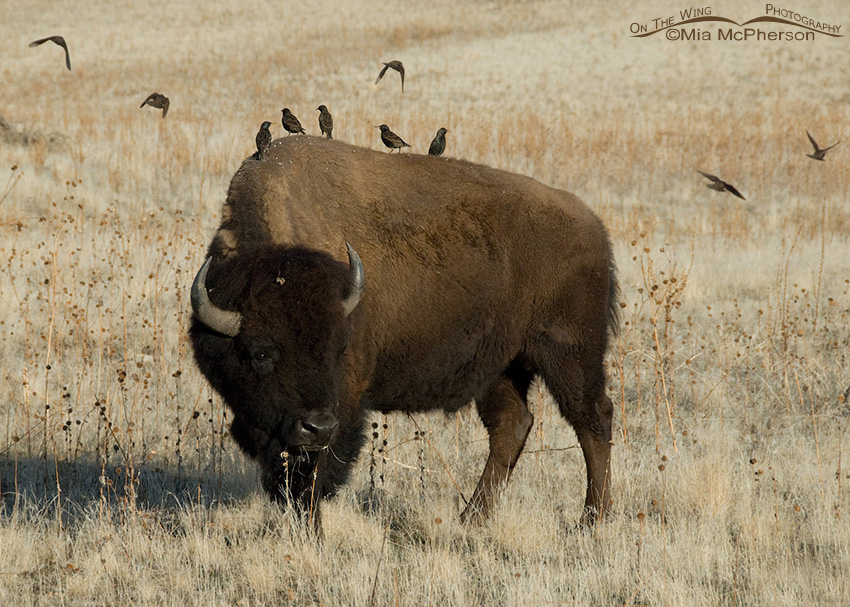
Certain species of birds ride on the backs of Bison and feed on the insects they find in the Bison's fur; European Starlings are among those birds.
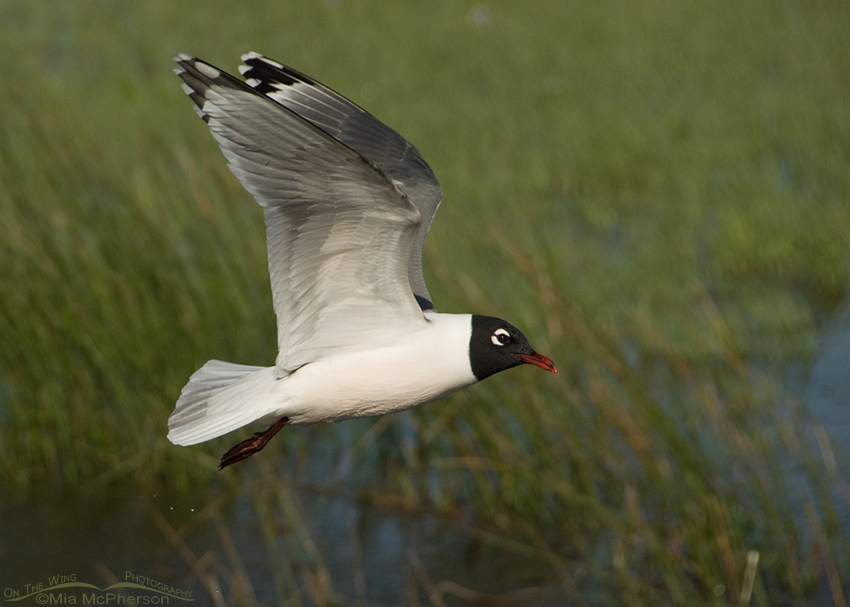
Last year while I was camping and photographing at Red Rock Lakes National Wildlife Refuge I saw a feeding frenzy that involved Franklin's and California Gulls in the flooded grasses and Sagebrush flats near the Lower Lake.

This is the third consecutive year that I have photographed Black-billed Magpies working on their nest in this same location on Antelope Island.

I was right on the ID and saw not just one but two of American Avocets in flying along the causeway. Wow, more "spring birds"!
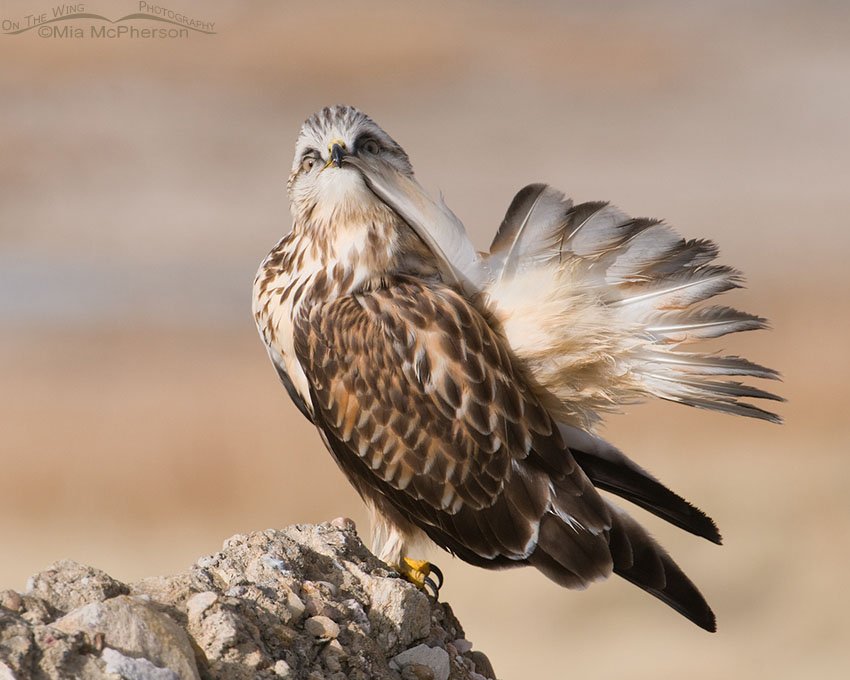
I have had such amazing experiences with Rough-legged Hawks this winter. I've captured them in flight, preening, eating, hovering, kiting, resting and so much more.

It was real slow for bird photography out on Antelope Island this morning but I did get a nice lift off shot from this Western Meadowlark.
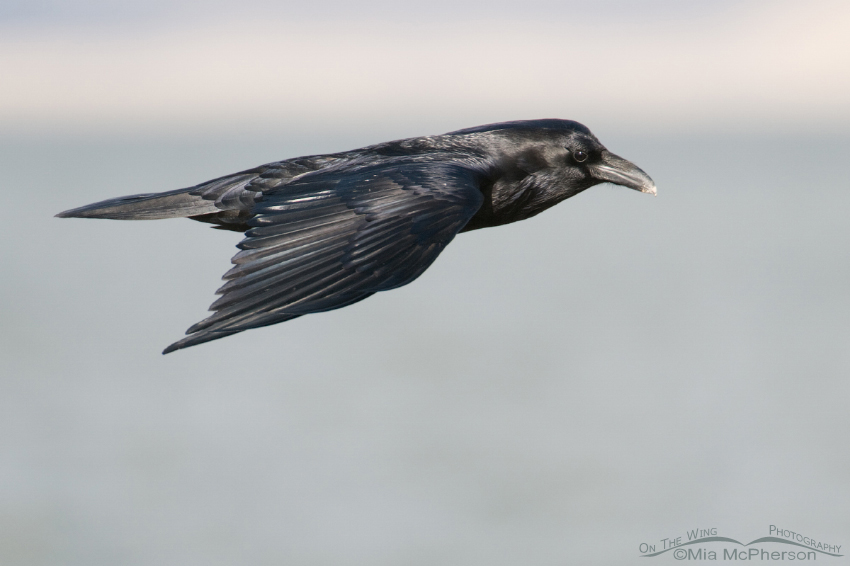
Ravens have always appealed to me even though some people might consider them "plain black birds". One of the reason I like them so much is that they are very smart and among the most intelligent birds in the world.
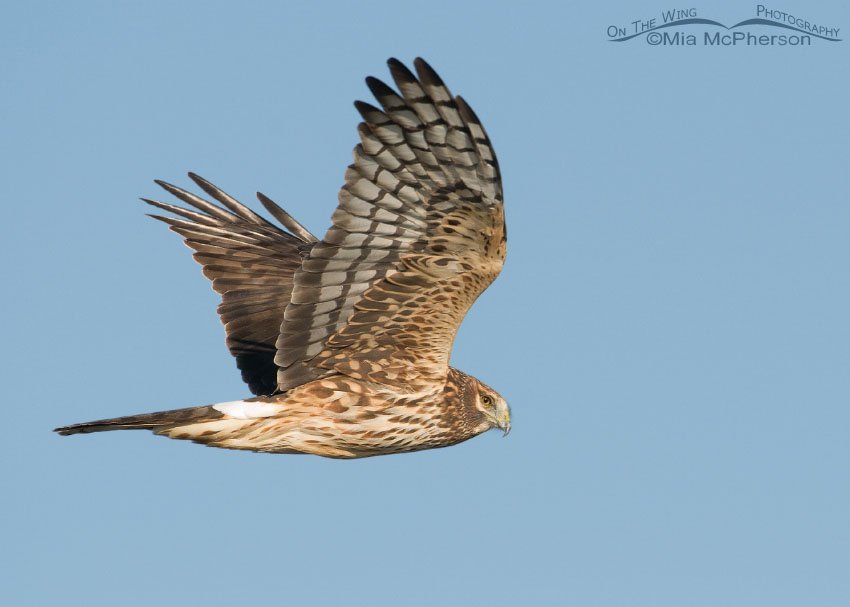
This female Northern Harrier was coursing along a road in search of prey and gave me great views of her pale yellow eye and bold barring under her wings.
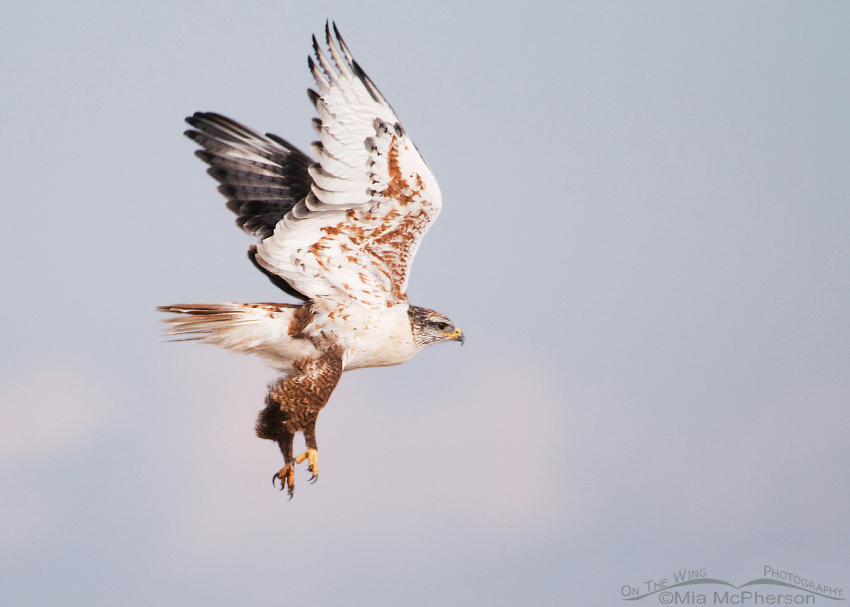
There aren't many people in the west desert of Utah thus the raptors and other birds that live there are not habituated to people so they are very skittish even when using a mobile blind.

The weather outside hasn't been good for bird photography today but since I am always behind on editing I thought I'd process this Red-breasted Merganser image that I took in Florida a few years ago.
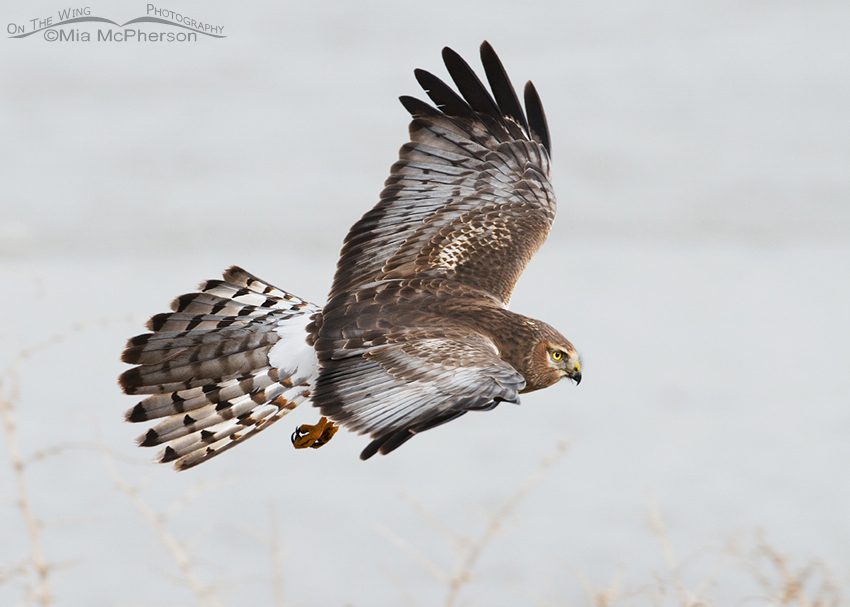
This Northern Harrier displayed interesting behavior, it didn't appear to be hunting but it would dive into the vegetation where it would make a sound that reminded me of parrots chattering.

These images are from an afternoon just like that when I happened to find and point out a lovely Rough-legged Hawk on a breezy day.

As 2011 comes to a close and 2012 is just hours away , I wanted to do one more blog post for the year.

Last week while out photographing I spotted a Prairie Falcon in the midst of a tussle with two Common Ravens in mid air. At times it seemed that the falcon was chasing the ravens and then the tables would turn and it appeared that the ravens were diving at the falcon.
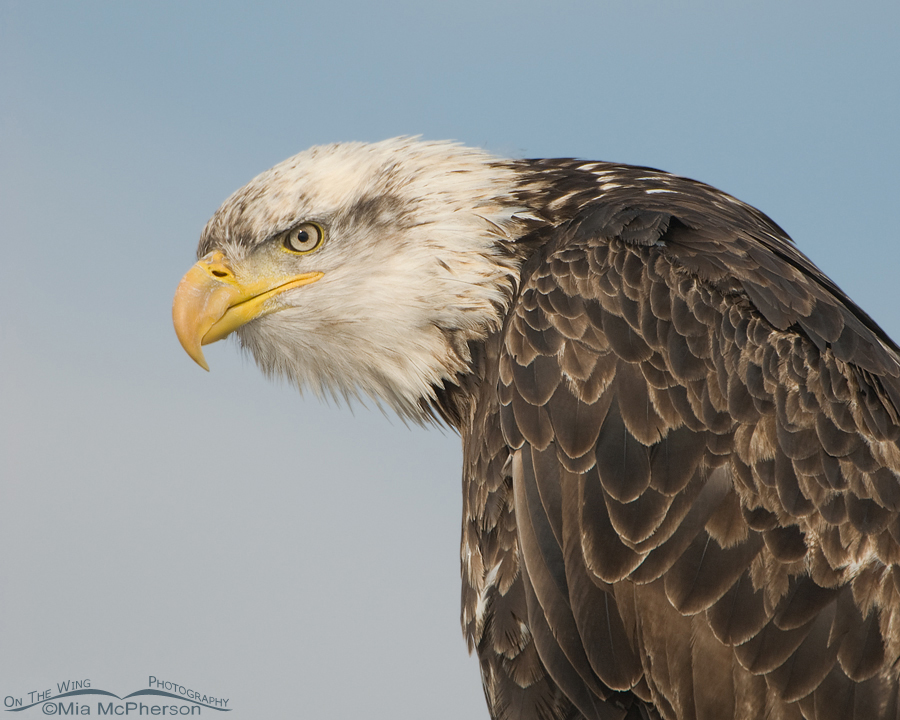
During the summer months I don't often see Bald Eagles unless I go up into the high country or travel north of Utah to Idaho, Wyoming or Montana but in the Salt Lake Valley many Bald Eagles come in to spend the winter.
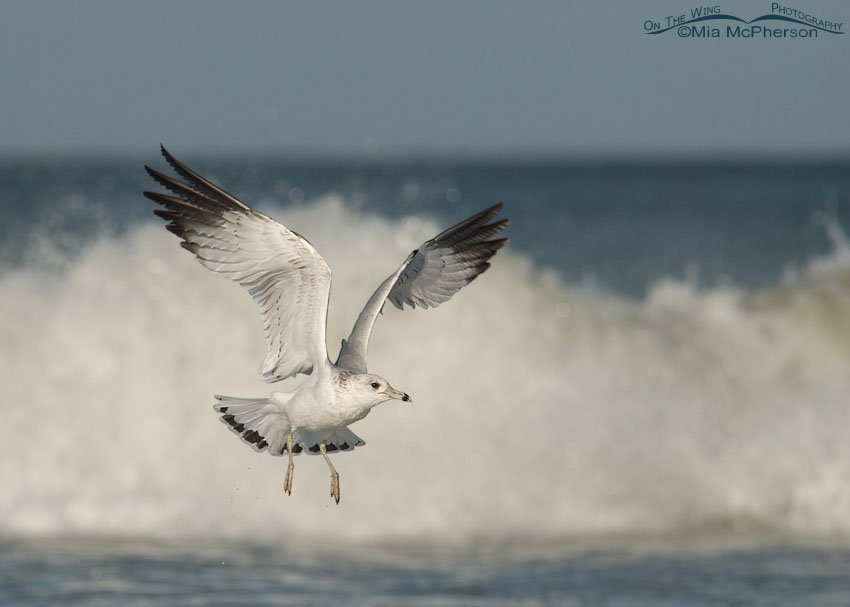
I am not sure why but it seems that many bird photographers avoid taking images of gulls, most of the time when I've asked them why they don't take more photos of gulls I hear "I just don't like gulls".

It seems that people either love high key images or they hate them. Personally; I believe that when a high key image is done well that they can be very appealing and have a place for them in my portfolio.

I can relate to the hawk in a way, just like it doesn't always get the prey it is intent on, I don't always get the shots I want.