Mountain Plovers – A Dream Come True
What I saw through my lens was a Mountain Plover, a bird I have long dreamed of seeing. A rarity here in Utah.



What I saw through my lens was a Mountain Plover, a bird I have long dreamed of seeing. A rarity here in Utah.
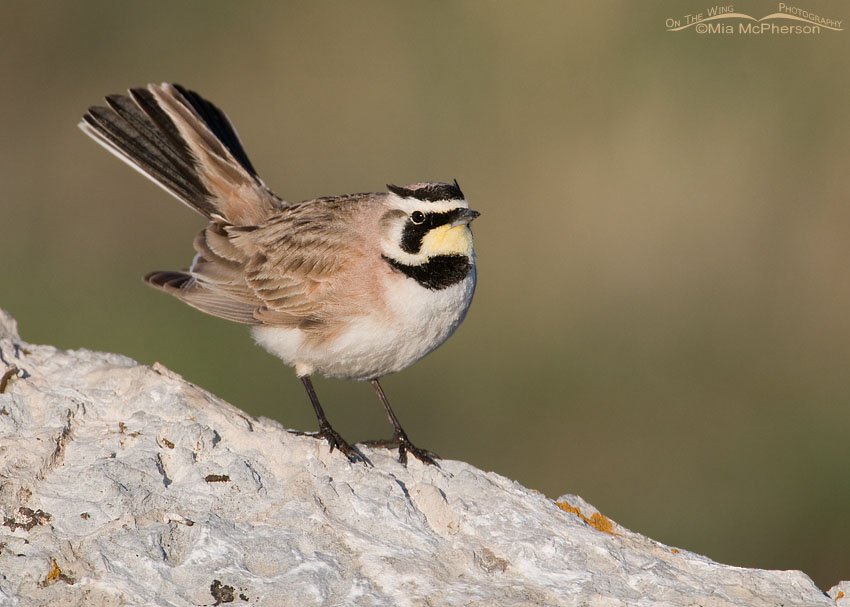
The only native true lark that lives and breeds in North America is the Horned Lark.
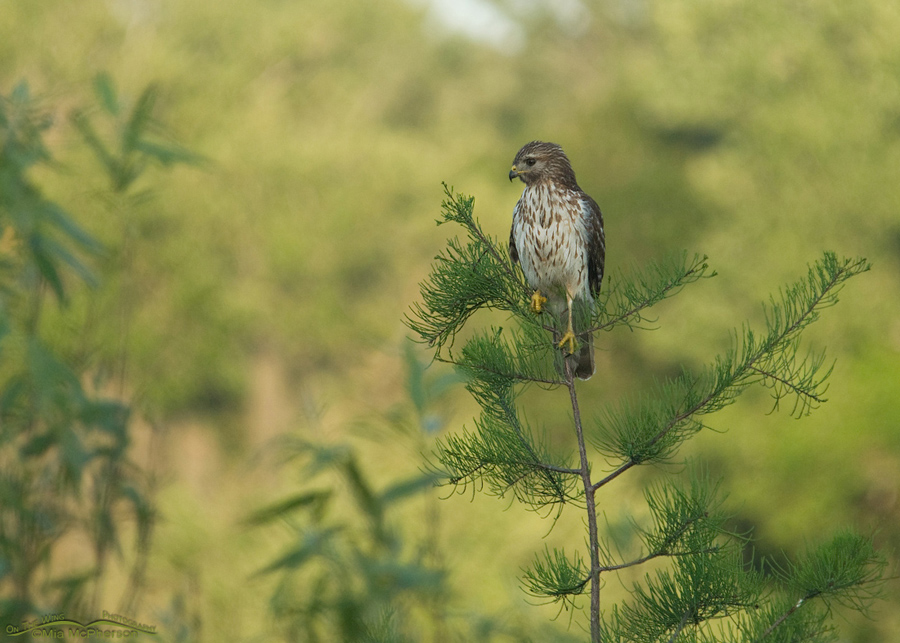
Five days ago I posted a Bald Eagle image where the eagle was small in the frame and explained that I felt that the setting was as important as the subject, I also feel that way about this image of a Red-shouldered Hawk juvenile perched in a tree.
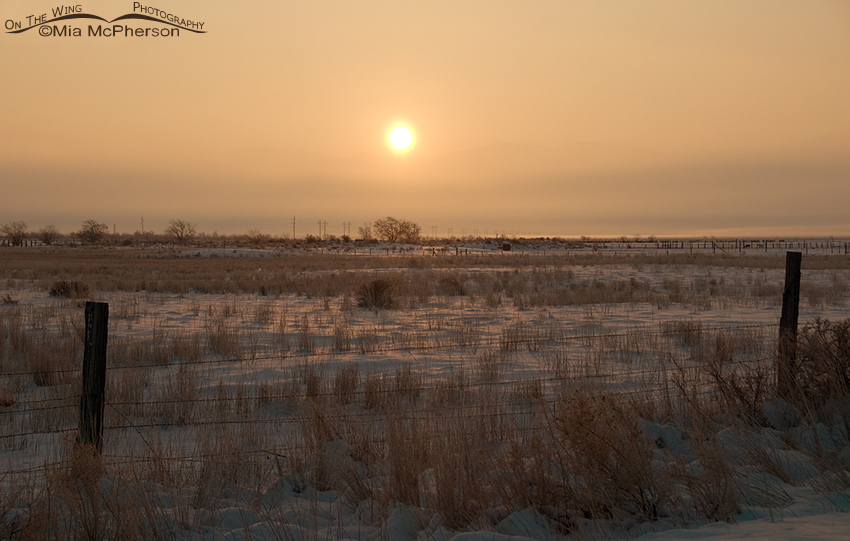
A few of my non-Utahn friends have asked me what an inversion is after I have mentioned it, this image might help to show what an inversion can look like.
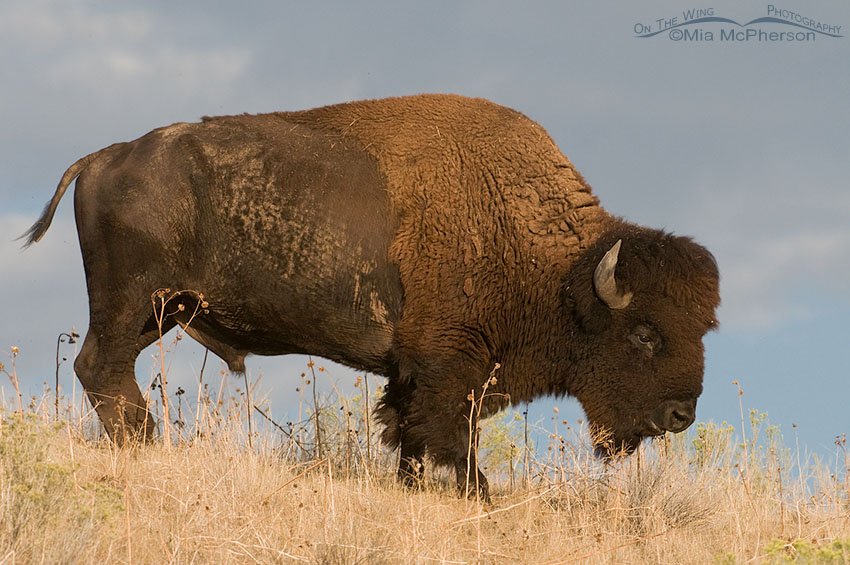
Three days ago things finally fell into place, a bull on a hill top, good light, eye contact and a clouds in the background.

I photographed this American Bison bull a few days ago on Antelope Island State Park as he was drinking from a freshwater puddle formed by rains over the weekend.
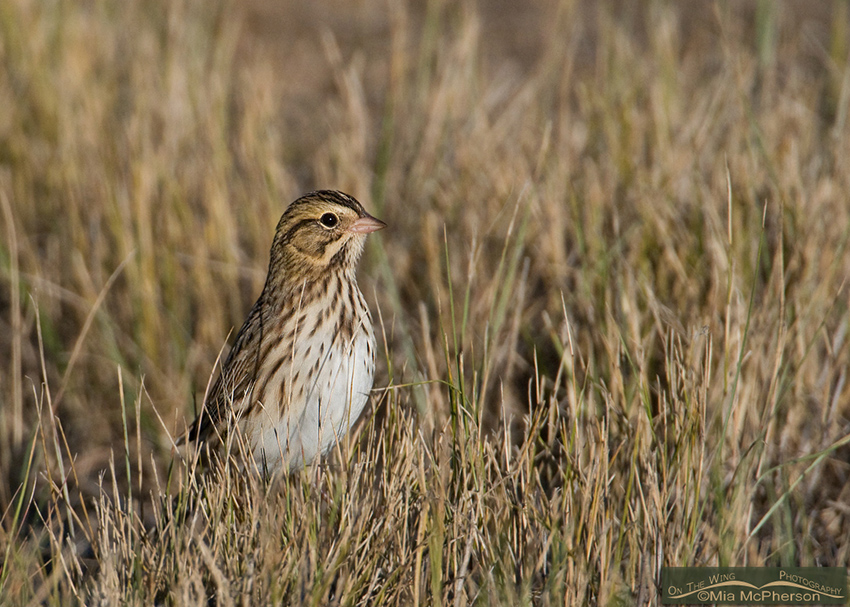
During my travels in Montana earlier this month I saw loads of Savannah Sparrows and although there were many in southwestern Montana I only photographed the ones on the farm in Glacier County.
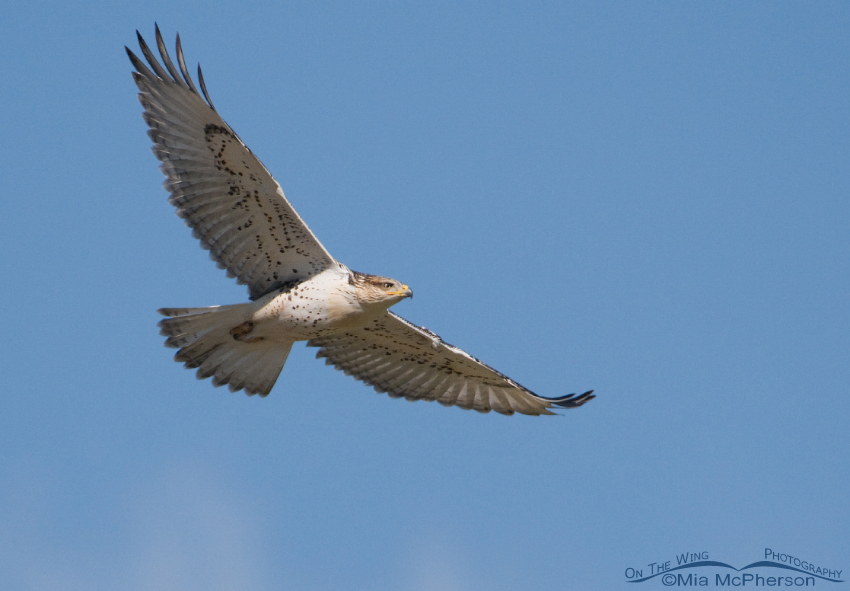
Ferruginous Hawks are the largest hawks found in North America. They inhabit low elevation, open areas in the western United States and some locations in southwestern Canada and winter in southwestern US and Mexico.
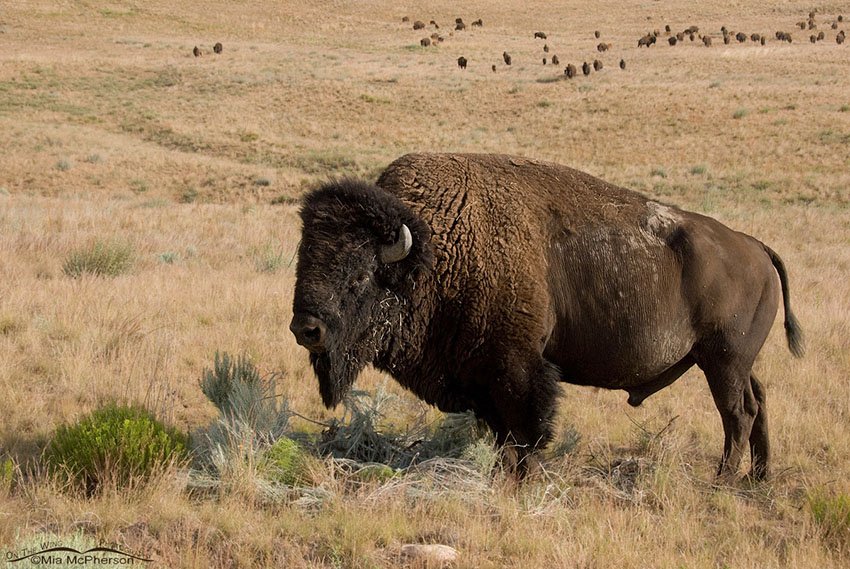
During the heat of summer the Bison on Antelope Island State Park wander down from the hillsides to the freshwater springs on a daily basis, can't say I blame them because it has been plenty hot here.

I simply could not resist posting this gorgeous Coyote pup that I photographed today even though I posted another one recently. I loved the look the pup was giving me, the warm, beautiful morning light and wonderful prairie setting.
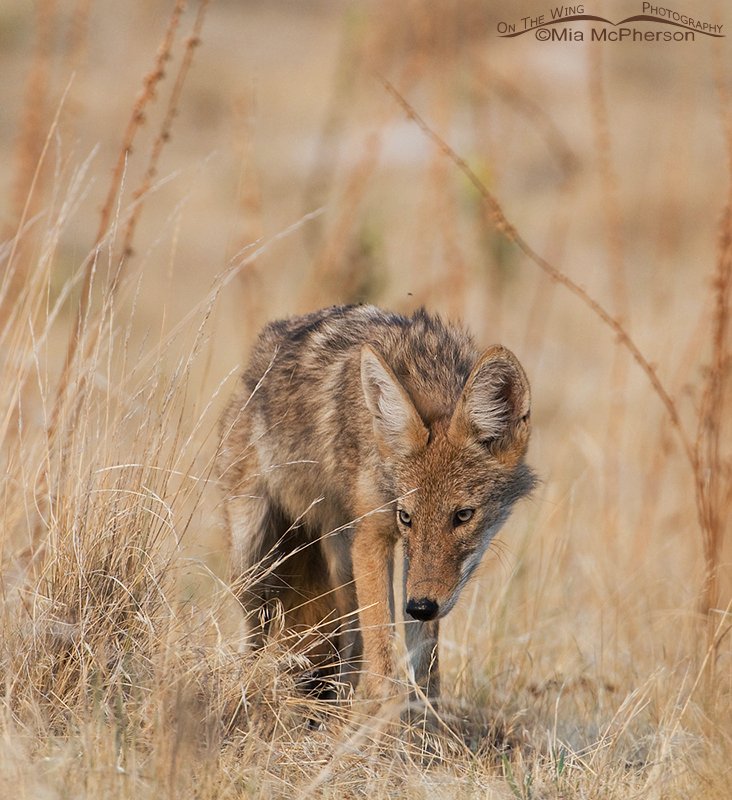
It might have been slow on Antelope Island State Park yesterday as far as birds go but it was a Coyote kind of day with 9 as a total tally for just a few hours spent on the island.

Why would a Moose (Alces alces) kiss a Porcupine? I'm really not sure, perhaps this Moose cow was curious about a slow-moving Porcupine on the ground and got a touch too close.

I haven't heard a Long-billed Curlew calling for several weeks here in northern Utah and I already miss hearing their calls.
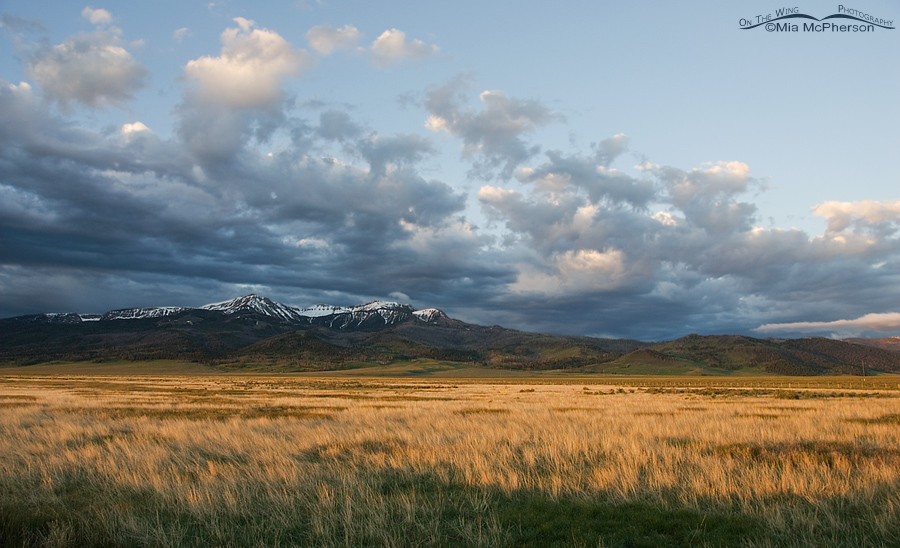
As many of my regular viewers know I love Red Rock Lakes National Wildlife Refuge in Montana. Just by being there I can feel my blood pressure drop, a sense of peace flows through my body and my mind (and camera) focuses on the wonders and intricacies of nature.

I photographed this female Greater Sage-Grouse while up in the Wasatch Mountains of Utah.

Chukars are not native to North America, they were introduced as game birds and in some areas they have thrived, one of those locations is Antelope Island State Park in northern Utah.
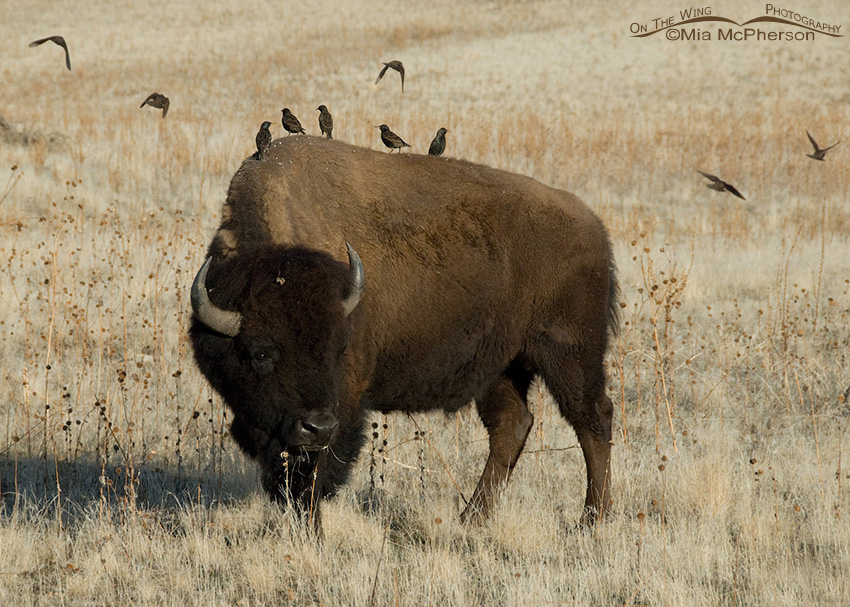
Certain species of birds ride on the backs of Bison and feed on the insects they find in the Bison's fur; European Starlings are among those birds.
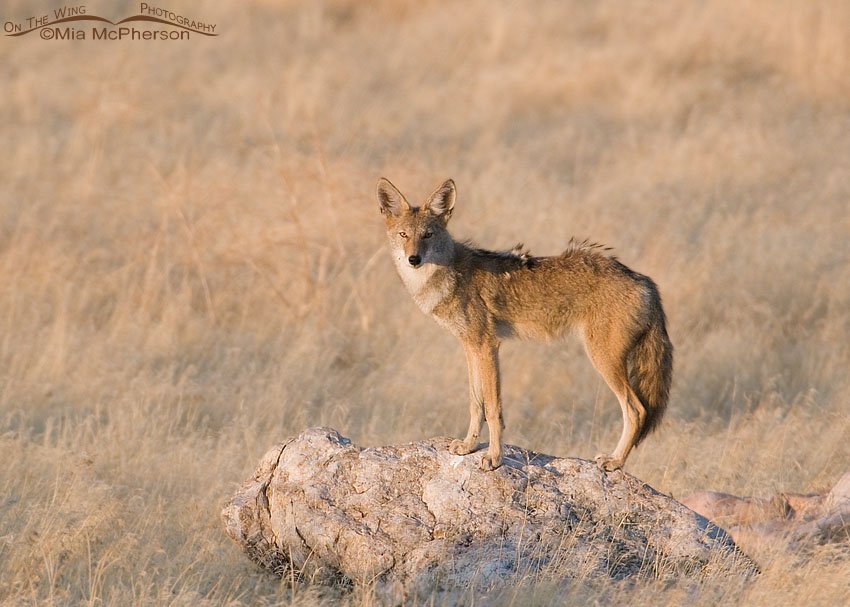
Last month I spotted this Coyote in the golden light of dawn while it hunted in the grasses on Antelope Island State Park. With light so sweet, how could I resist?

Coyotes and wolves help to cull out the sick and weak animals in herds of deer, antelope and elk which in turn can help to keep those herds in better health

Yesterday I observed an adult Willet defending its young from a group of Black-billed Magpies that were near the Willet's chicks.

Sometimes I just feel so lucky being a bird photographer. Not only do I get to be outside in nature when I am photographing, but I get nice surprises too like when this Long-billed Curlew juvenile approached near enough to get head shots of it.

Soon after that I saw the shape of a larger bird near where the Coyote had gone into the sagebrush which turned out to be an adult Short-eared Owl.

The grasses are beginning to turn golden with the summer heat, the Moth Mulleins are starting to bloom and the Great Salt Lake level is still rising from spring run off.
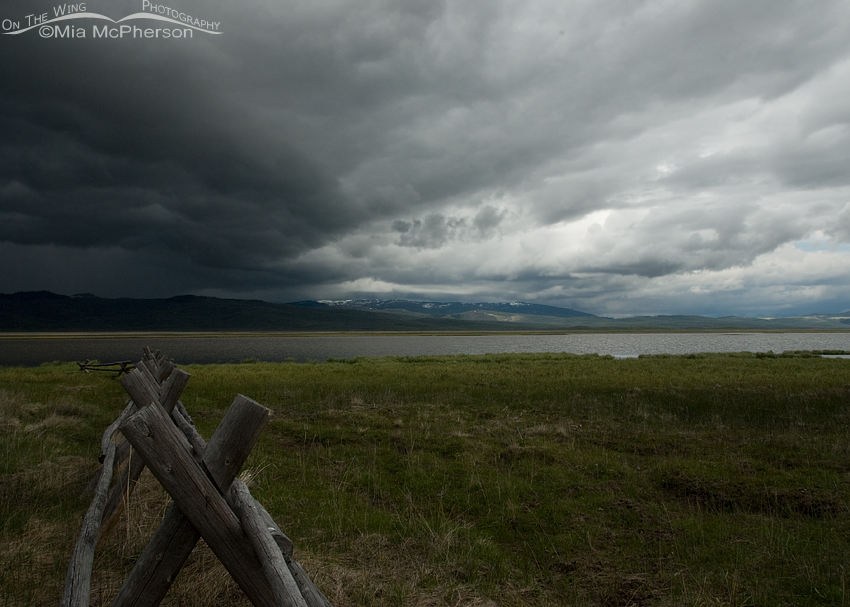
While at the refuge it rained, it hailed, there was thunder, lighting and at times even gale force winds but the biggest weather surprise after leaving the refuge was seeing snow falling lightly near Lima, MT... in June.
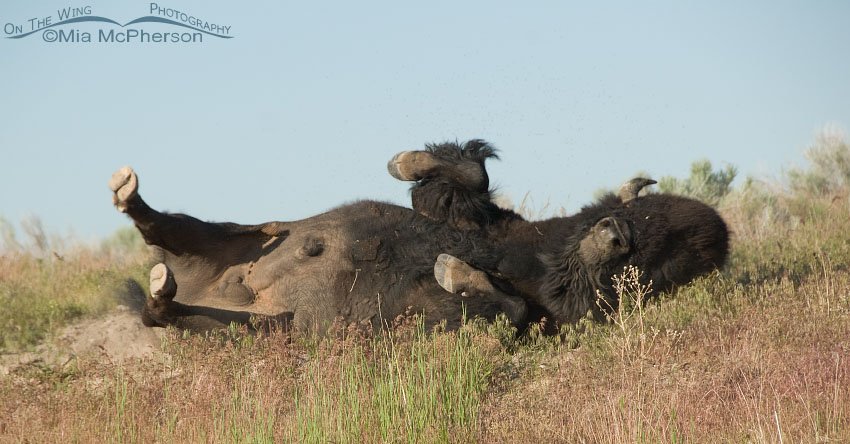
I think it is amazing to see a huge Bison; weighing up to and over 2200 pounds, rolling around on the ground with apparent ease.
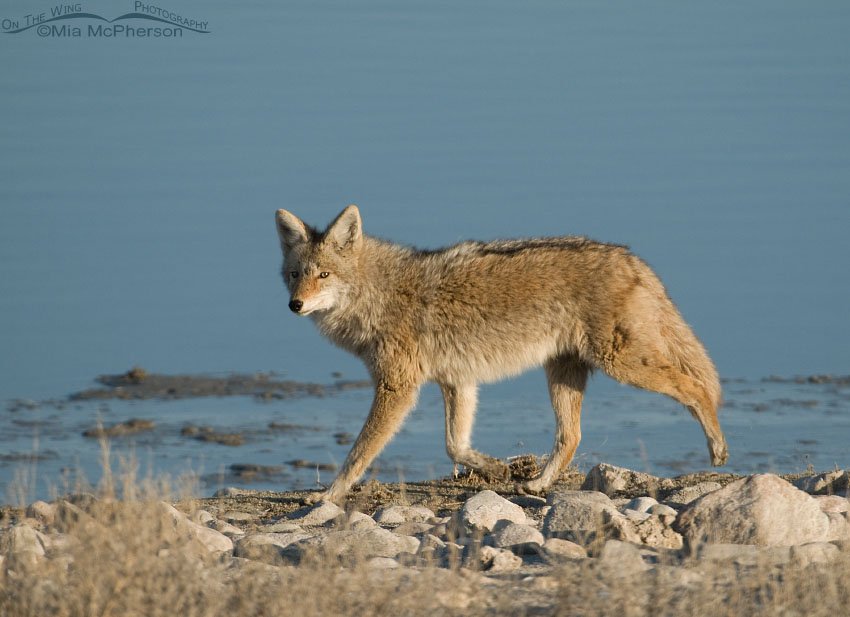
This Coyote still has its winter coat but before long it will shed it for the sleeker summer coat.
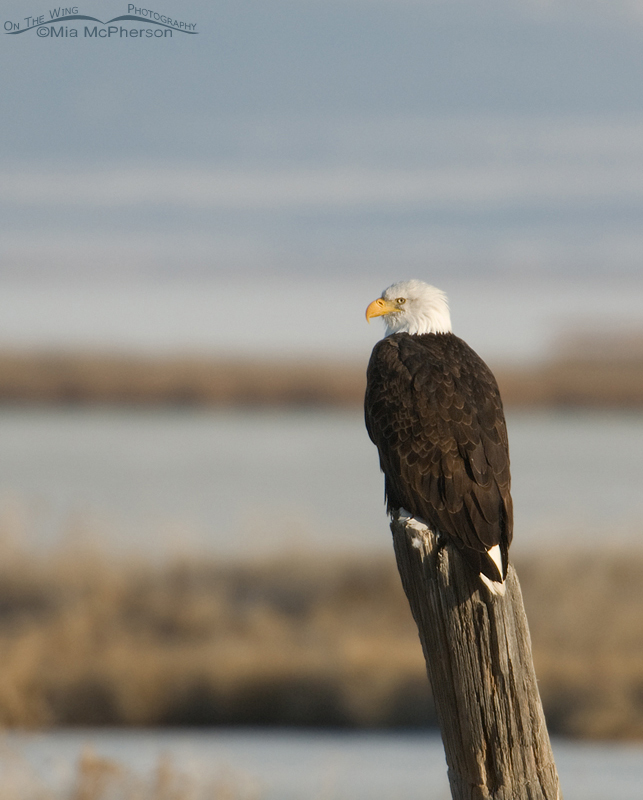
I believe these two eagle pictures illustrate what changes the depth of field settings can have on the appearance of an image.
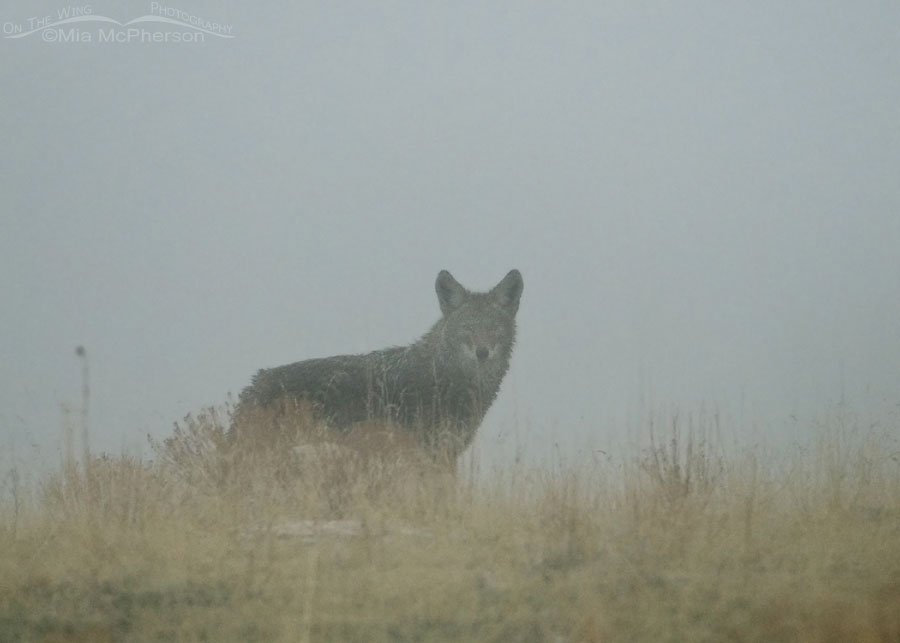
This Coyote standing on a hillside in the dense fog in particular looked more ghostly to me than the others I found.

The photographs I have attached to this post are of the same Great Horned Owl fledgling, taken in the same location on the same morning.
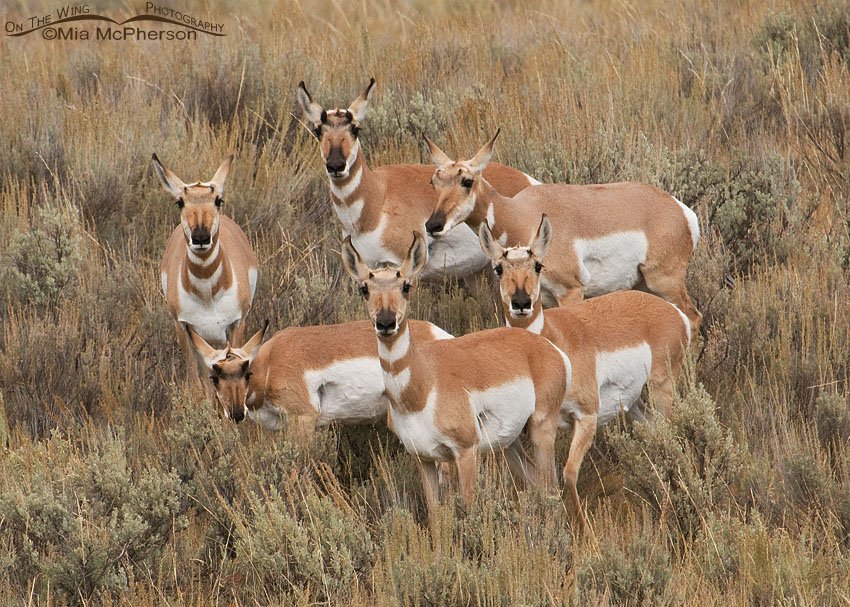
Pronghorns are North America's fastest mammal, they can attain speeds of more than 40 miles per hour, with spurts to 70 mph and can out run almost all of their predators.