Time To Keep An Eye On The Sky For Migrating Tundra Swans
With cold fronts moving in it is indeed time for me to keep an eye on the sky for flocks of Tundra Swans migrating back into northern Utah



With cold fronts moving in it is indeed time for me to keep an eye on the sky for flocks of Tundra Swans migrating back into northern Utah
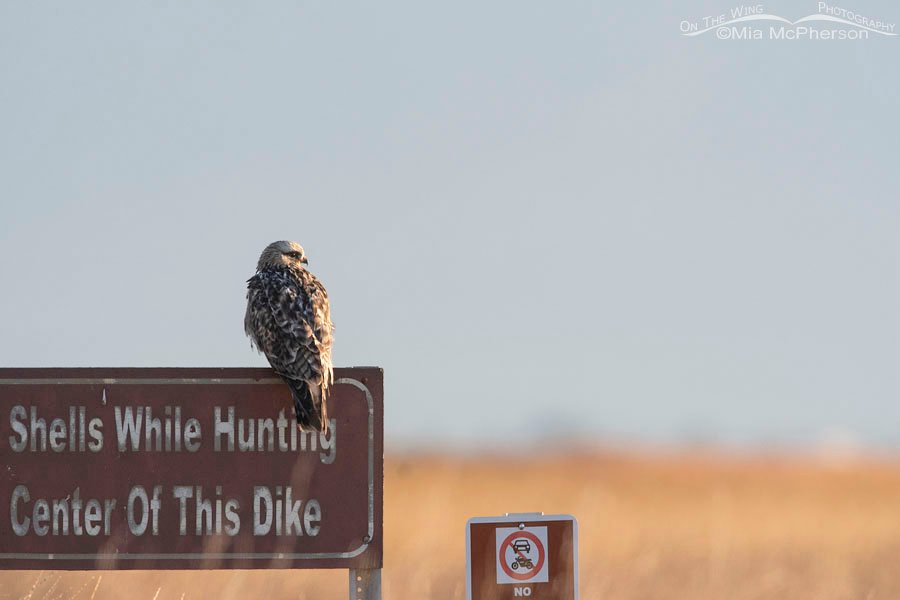
My big excitement yesterday morning was seeing my first, second and third of the year Rough-legged Hawks at Bear River Migratory Bird Refuge and the next thing was seeing all the changes that have happened at the refuge since my last visit.
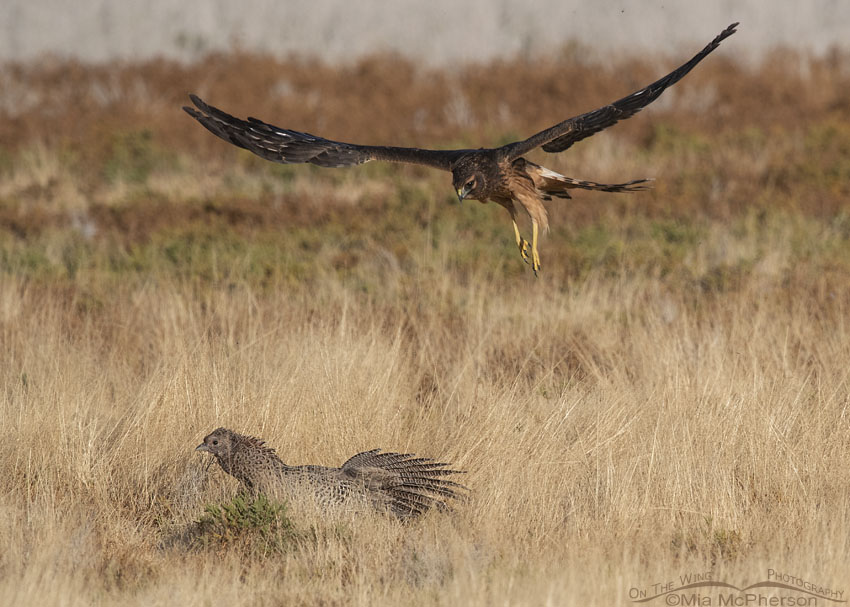
A few weeks ago I observed and photographed an immature female Northern Harrier repeatedly harassing a Ring-necked Pheasant hen out on the marshes at Farmington Bay.

The first time I remember seeing Cattle Egrets I was a child who had just moved to interior Florida, I think I was in the second grade at the time or about 7 to 8 years old and these white birds that followed cattle around seemed so fascinating and exotic to me.

The unusually colored feathers of this Great Blue Heron that I photographed on September 24th of this year caught my eyes because it has some white feathers in its crown where normally all the feathers are dark black.

I like gulls, I like the way they look, I like the way they fly, I like the way they try to steal food from each other and other birds, I like the challenges of photographing them and I really like how scrappy they are.

Four days ago I was able to photograph a Snowy Egret landing sequence that I liked because of the action of the bird, the setting and the lovely lighting I had at the time.

It has been a while since I photographed Snowy Egrets so having them in my viewfinder yesterday morning was a real treat especially since they will be migrating soon and I will go the winter without seeing them.
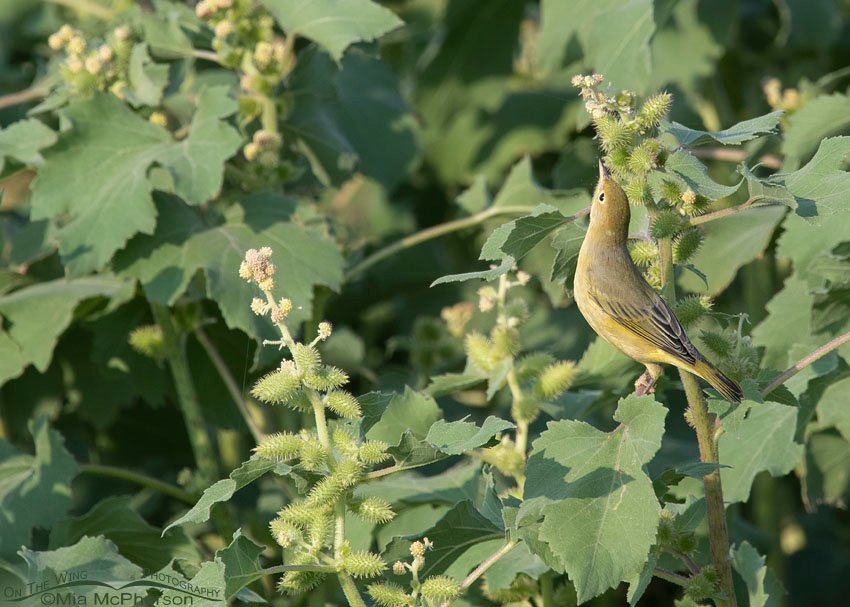
This spring and summer I have photographed Yellow Warblers primarily in mountainous riparian habitat so when I spotted one foraging in a Rough Cocklebur two days ago in the marshes at Bear River Migratory Bird Refuge I was happy to take photos of it.

Because of the avocet's determination to chase off this Greater Yellowlegs I was able to photograph it lifting off from the water with water still dripping from its feet and with the shorebird's head framed by its wings.

Two years ago when I photographed this stormy sky with a Great Blue Heron in flight I also photographed loads of other birds from the auto tour route including wading and shorebirds, geese, ducks, ibis, terns, gulls, rails, pelicans and coots.

It is always nice to be able to point out a lifer bird to someone else and that is what I did on June 25th after I spotted a tiny Snowy Plover at Bear River Migratory Bird Refuge foraging in the mud.

Last week when I took my Mom to Bear River Migratory Bird Refuge we were fortunate to see and photograph Killdeer mating while on the auto tour route.

In just a few weeks the White-faced Ibis that are in breeding plumage right now will begin to molt into their nonbreeding plumage and I thought this might be a good time to show some of the differences.

White-faced Ibis are abundant at Bear River Migratory Bird Refuge during their breeding season and they can be easily seen from the 12 mile, self-guided auto tour route feeding in the water impoundments or flying in loose flocks overhead.

When I lived in Florida I saw Snowy Egrets year round and that kind of spoiled me but here in Utah they leave for the winter and come back to the marshes and wetlands surrounding the Great Salt Lake for their breeding season.

Yellow-head Blackbirds made their presence known at Bear River Migratory Bird Refuge two days ago by displaying and because of their odd mechanical calls that sound like a rusty metal gate opening and closing.

My friends Amy and Bruce Barker saw a Western Grebe at Bear River Migratory Bird Refuge a few days ago and that has gotten me excited, I always miss the grebes during the winter.

Seeing a few flocks of Tundra Swans in flight two days in northern Utah was a reminder that these big, white swans have already begun their migration to their breeding grounds on the tundra of northern Canada and Alaska.

Two days ago I noticed one Pied-billed Grebe carrying vegetation in its bill which I presume it was gathering to build its floating nest at a small pond at Farmington Bay WMA and later on I heard the call of a Pied-billed Grebe, located the grebe and photographed it as it called.
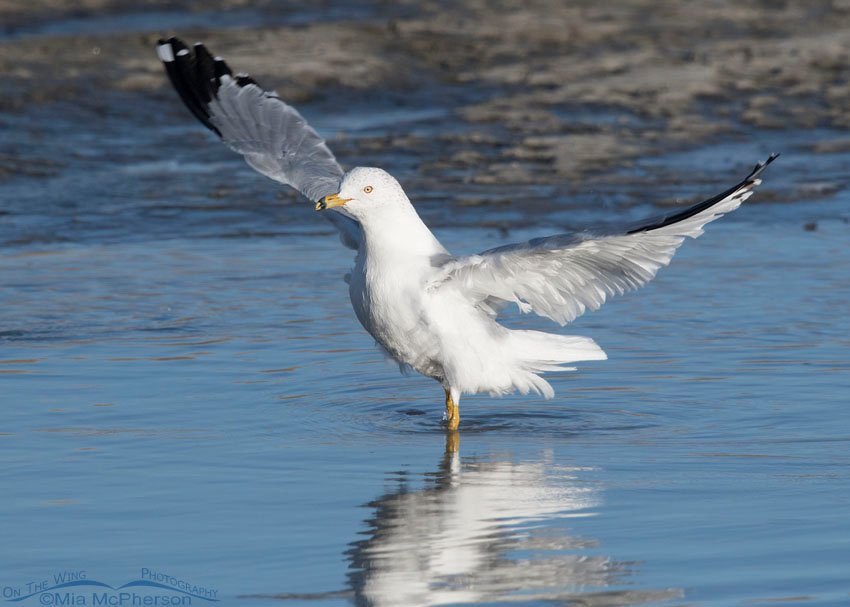
As much as I like the first photo where the Ring-billed Gull has its wings spread and its feet still in the water I like the second photo even more because of the action and how the bird is suspended over the water.

As I photographed this pair of Tundra Swans in flight I could hear the whir of their wings and the calls of the other swans that were still on the water and also getting ready to lift off.
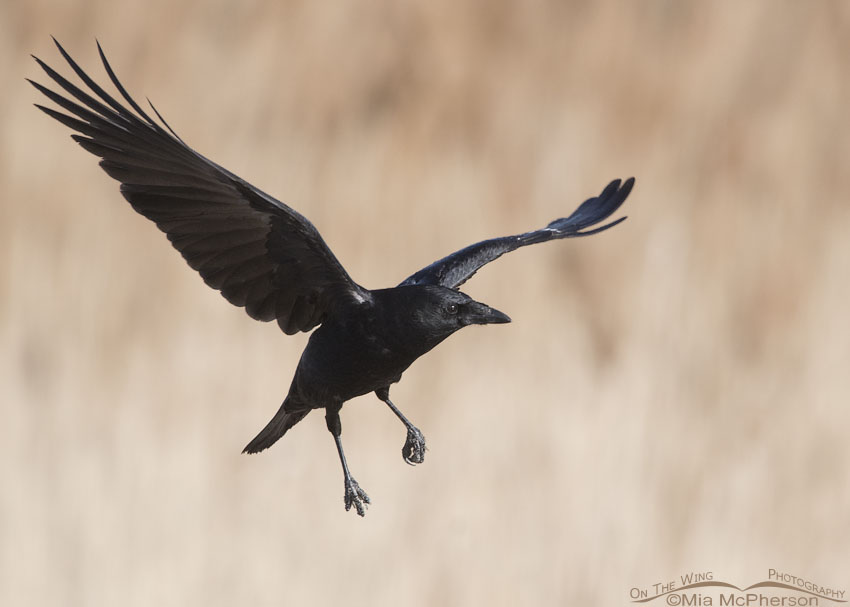
Yesterday the American Crows hung around with the Bald Eagles, Herring, California and Ring-billed Gulls to feast on those invasive fish which gave me an opportunity to photograph this one standing on a dead carp.

I had a blast photographing the Tundra Swans at the refuge yesterday and for the first time in a while I forgot about practically everything but the birds in front of me and the peace I find at the refuge.

One good bird can make my day... Yesterday that bird was an immature Red-tailed Hawk at Farmington Bay WMA that lifted off from a metal post and flew over the marsh.
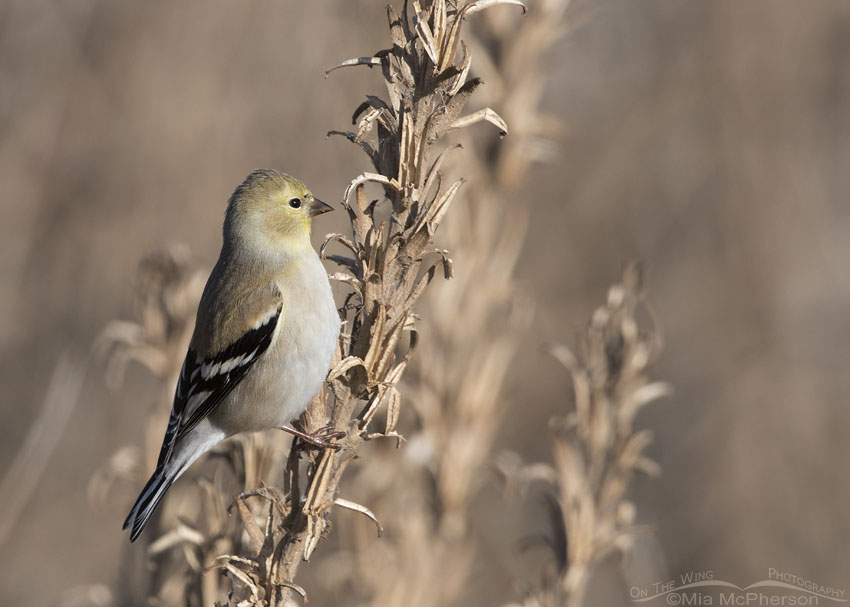
I photographed a couple of American Goldfinches that morning too, as usual I heard the finches well before I spotted them foraging in some vegetation next to the auto tour route.

So what did I do? I kept firing as the Snowy Egret flew past me keeping my focus on the eye of the bird and that is when I took this photograph of the egret in flight.
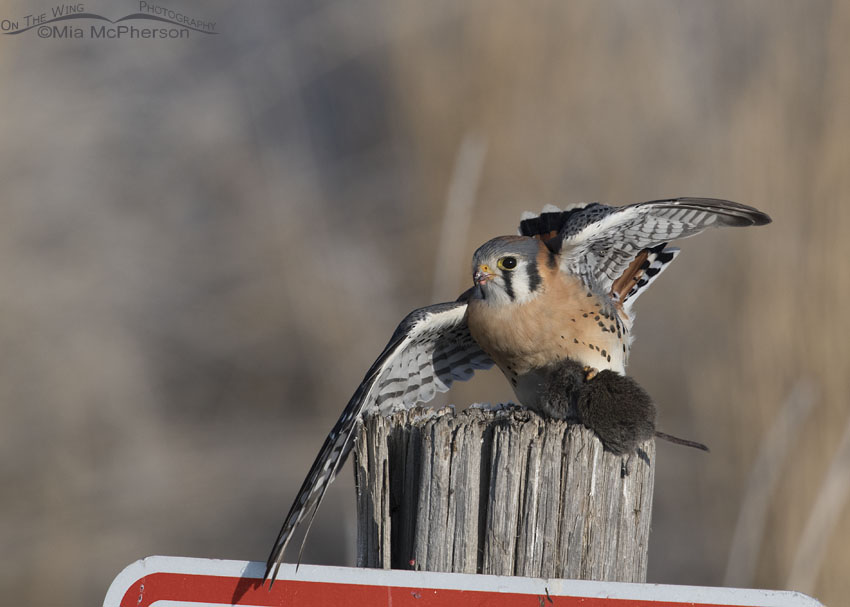
I've found American Kestrels to be "stickier" in cold weather and it wasn't much above 20°F when I photographed him as he consumed the vole bit by bit.
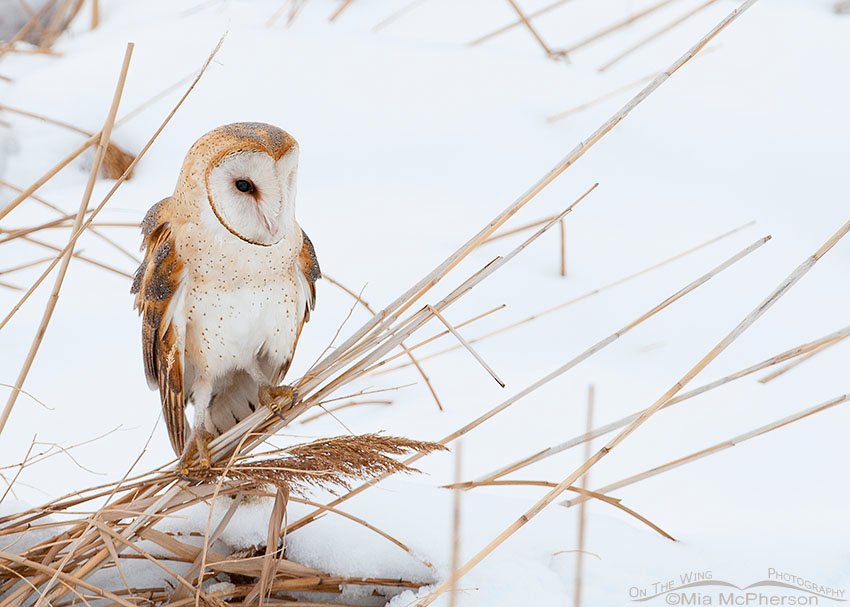
Four years ago I photographed a American Barn Owl in a winter white out at Farmington Bay WMA and I have to admit that photographing it was tough.
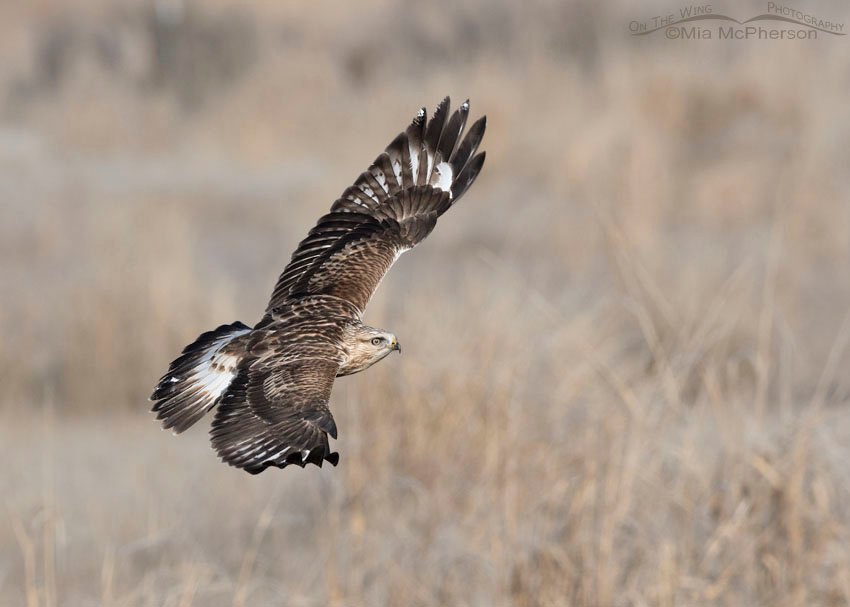
Eight days ago I spent time photographing an immature, light morph Rough-legged Hawk at Farmington Bay WMA in northern Utah.