Clark’s Grebe Taking A Drink
I photographed this Clark's Grebe taking a drink the end of October at Farmington Bay WMA near the four way.



I photographed this Clark's Grebe taking a drink the end of October at Farmington Bay WMA near the four way.

Seven years ago I could be found most often walking along the Gulf of Mexico at Fort De Soto County Park's north beach in search of birds to photograph.

Farmington Bay's Snowy Egrets were the birds I photographed most yesterday because they were cooperative and because they were active, very active.
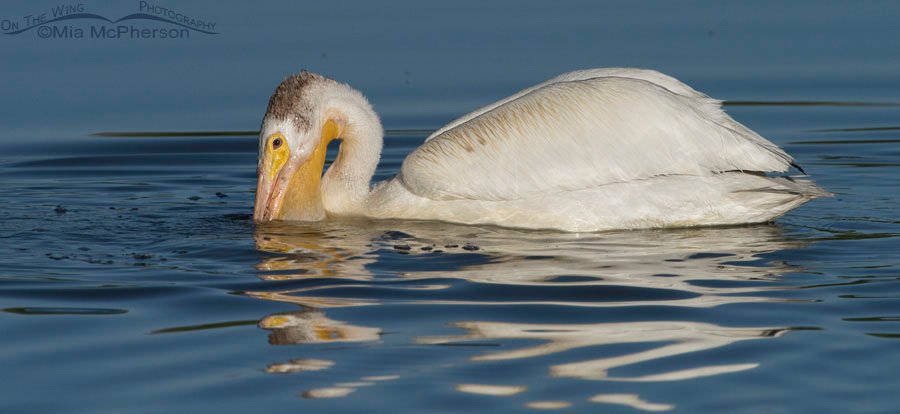
This American White Pelican image was taken in July near the auto tour loop at Bear River Migratory Bird Refuge and I like how it shows the pelican fishing for food.
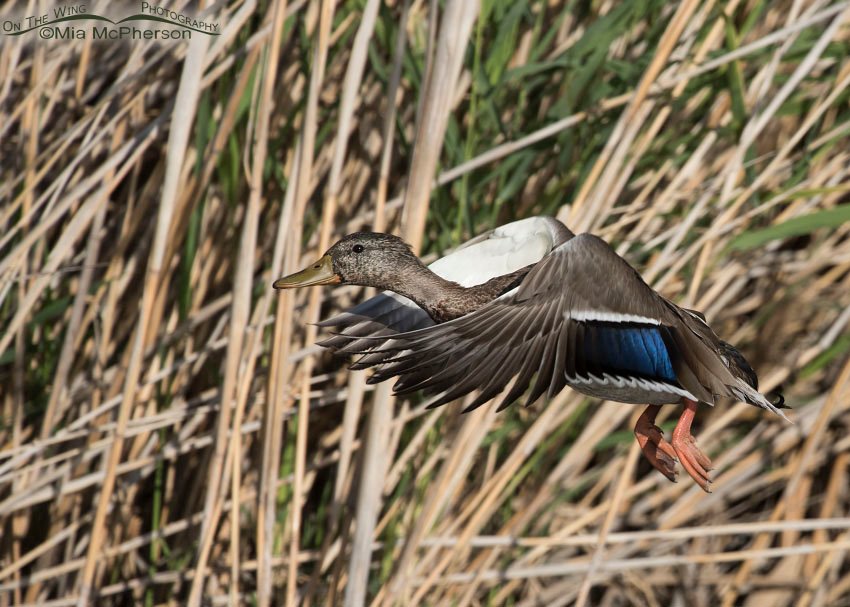
Yesterday at Bear River Migratory Bird Refuge I was able to photograph a Mallard drake as it lifted off from the water on the south side of the auto tour loop.
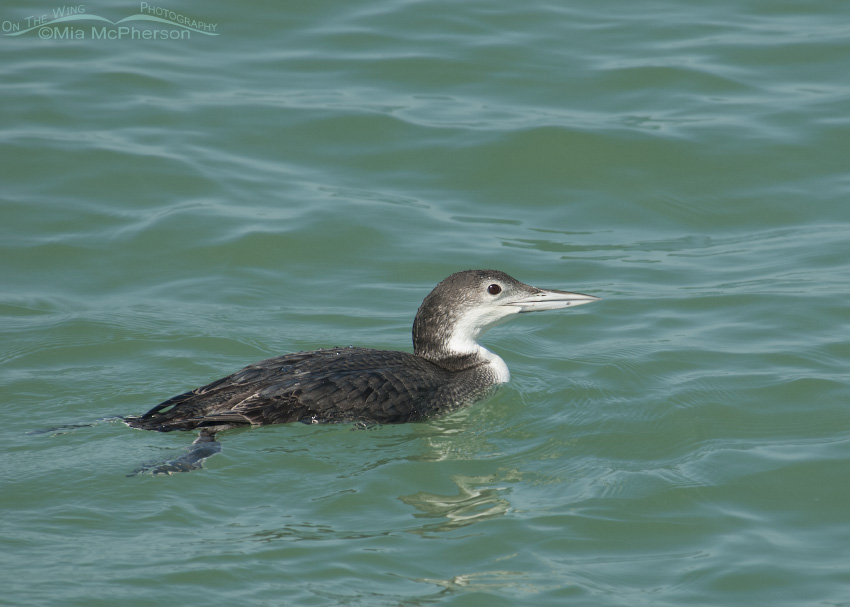
When I thought about our loony weather it reminded me of loons, specifically Common Loons because there have been many reports of them here this past week.

One July morning at 2008 I came across quite a few Common Terns at Fort De Soto County Park's north beach.

Shorebirds. They were what sparked my passion for bird photography. They were what drew me back to the Gulf Coast of Florida as much as I could be there.
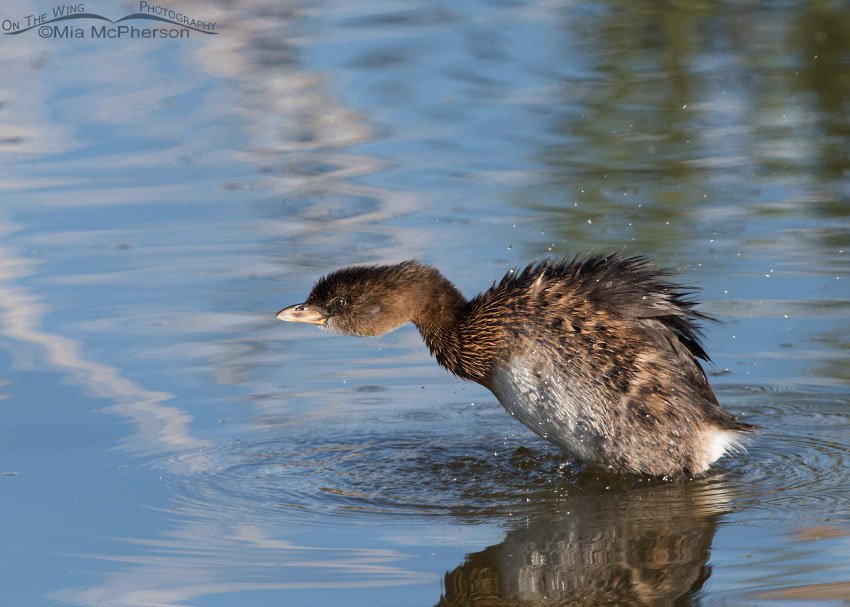
I'm seeing more and more Pied-billed Grebes and that excites me because these little guys might be small but they are tough. They kind of remind me of myself.

Even though the American Goldfinches are in their non-breeding plumage now I still think of them as gold.
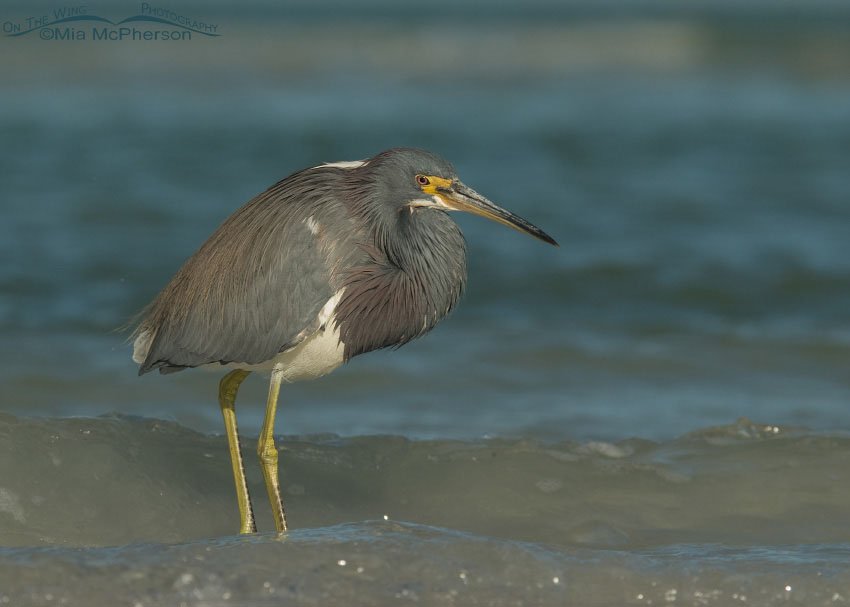
Just a simple Tricolored Heron image this morning that I created at Fort De Soto County Park in March of 2009.

Tricolored Herons are smaller than Great Blue Herons and larger than Snowy Egrets and all three of these wading birds hunt in many of the same locations along the Gulf Coast.
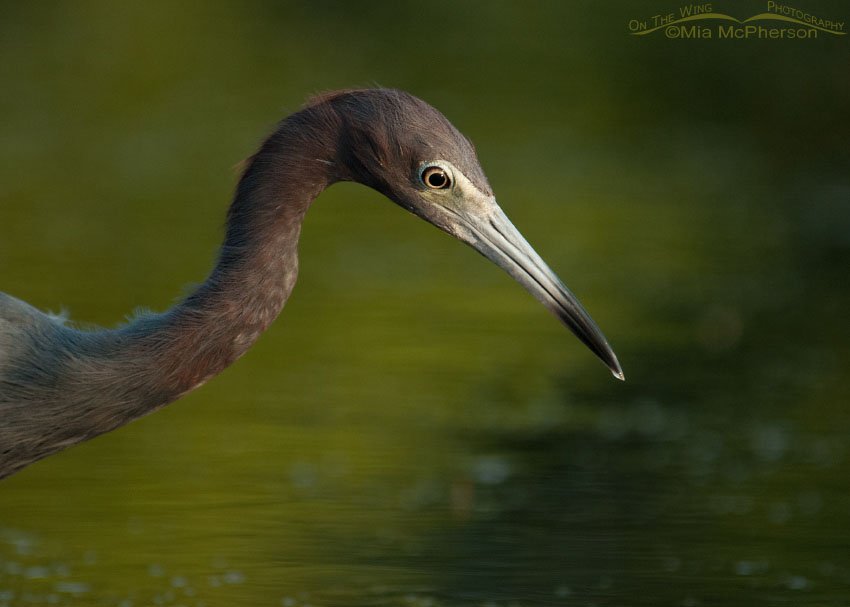
This is another image I came across last week and wondered why I hadn't processed it because I don't have many Little Blue Heron portraits in my portfolio.

Shorebirds were my bird photography spark birds and they ignited the fire I have within me to go out into the field as often as possible to photograph all wild birds

I wanted to post a shorebird today that I haven't posted in a while so I picked this image where the late afternoon Dunlin gets the worm
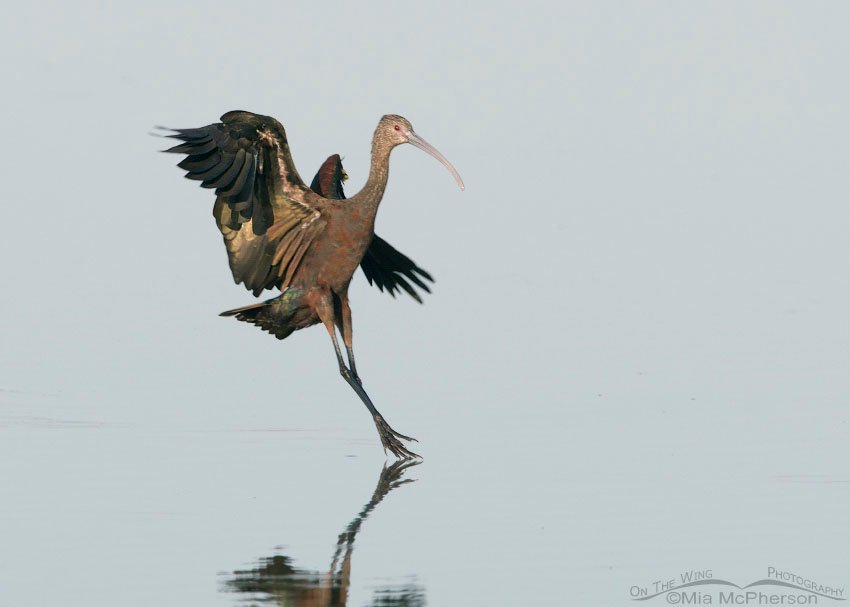
There were quite a few White-faced Ibis on Glover Pond near the Great Salt Lake Nature Center and I focused on them for a bit.

Dunlins are small shorebirds that are found in North America which exhibit remarkable differences between their breeding and nonbreeding plumages.

When I lived in Tampa, Florida the Whites Ibises were often called "Lawn Chickens" because they would feed in people's yards in big flocks.
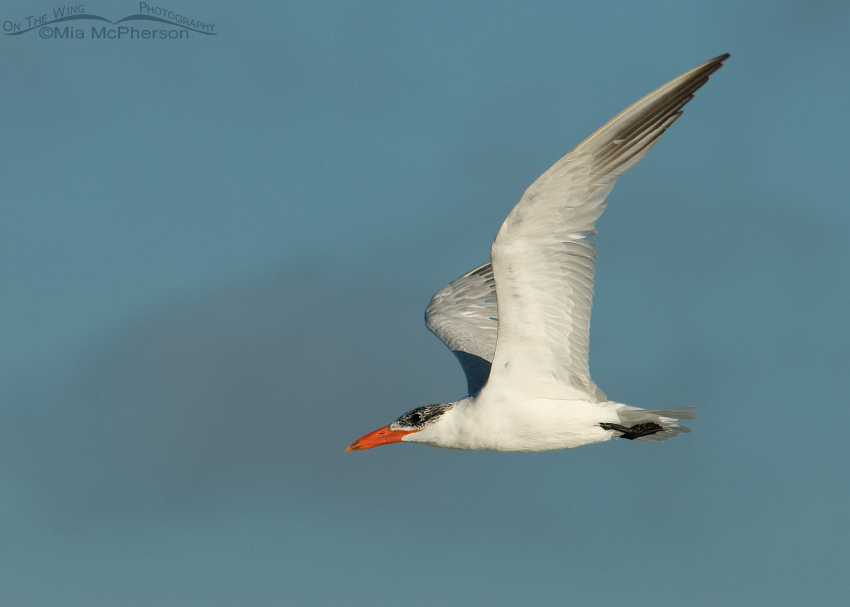
Soon Caspian Terns will be back in Utah flying over rivers, ponds, lakes, and other freshwater impoundments searching for prey.

Laughing Gulls are commonly seen at Fort De Soto County Park but novices to birding and bird watching might think they are three different kinds of gulls depending on their age and plumage.

According to Birds of North America there are four foraging methods used by Red-breasted Mergansers which are Cooperative Herding, Individual Search, Shallow Diving and Deep Diving.

Waves, warm sand, a camera in hand and a Tricolored Heron. Such simple things but they bring such great pleasure.

There isn't much of a change between the plumage in breeding and nonbreeding White Ibis, primarily the differences are in the legs, bill and lores.

I love the light and the mudflat setting I photographed this Black-bellied Plover in on a warm April morning in Florida several years ago.

This Black-bellied Plover was standing on a dunelet that wasn't much higher than the sand around it that had sparse short grasses which I found appealing.

This image of a Tricolored Heron perched in White Mangroves happens to be the first photo that I had taken of a this species that I was very happy with.
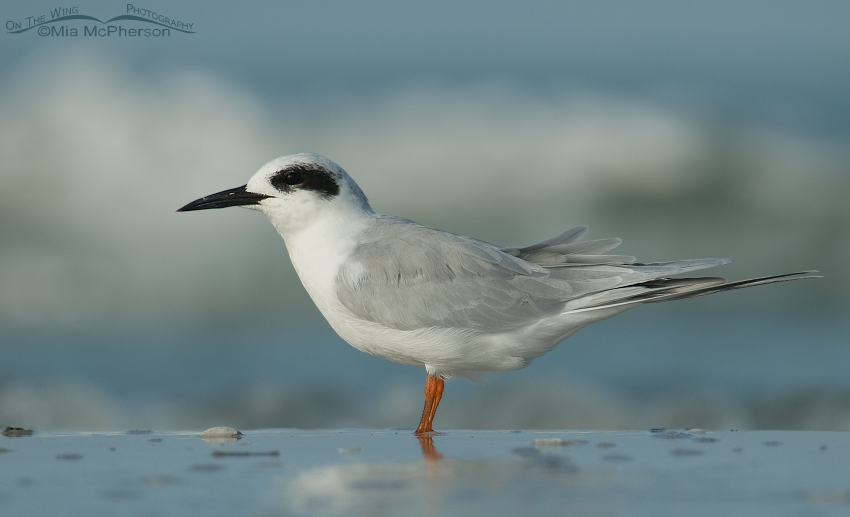
The nonbreeding Forster's Tern in these two images is the same bird and the images were taken ten frames and a few seconds apart as the tern stood on the shoreline of the Gulf of Mexico in Florida.

So I finally have images of the breeding plumage of this small shorebird that show the spots that gave this bird the name Spotted Sandpiper!

Laughing Gulls are quite noisy when they are in a flock but I never minded listening to them, in fact they often made me laugh.

Both of these Laughing Gull images were taken at Fort De Soto County Park's north beach in Florida, the image above shows a Laughing gull in nonbreeding plumage that was taken in September of 2008.