Western Meadowlark On The Wing
The smaller a bird is the harder it is to get flight shots of them and track them with a long lens so I was very happy to get this Western Meadowlark on the wing.


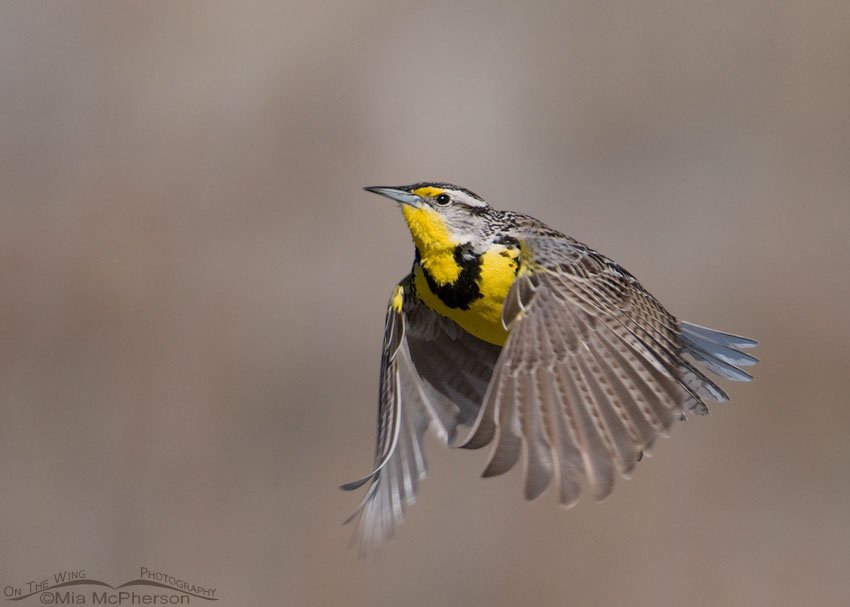
The smaller a bird is the harder it is to get flight shots of them and track them with a long lens so I was very happy to get this Western Meadowlark on the wing.
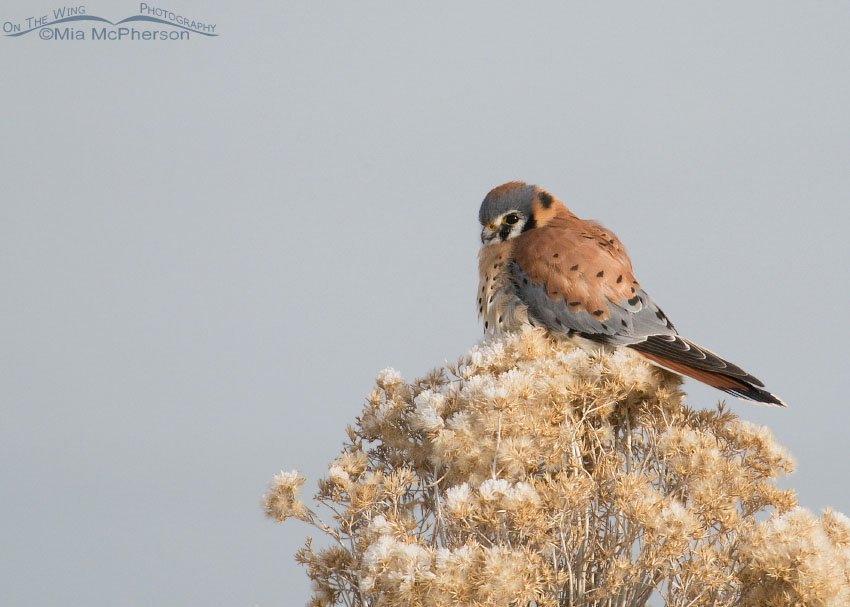
I know a lot of people are suffering because of the heat of summer so I though I would post an image of a male American Kestrel perched on a frosty Rabbitbrush.
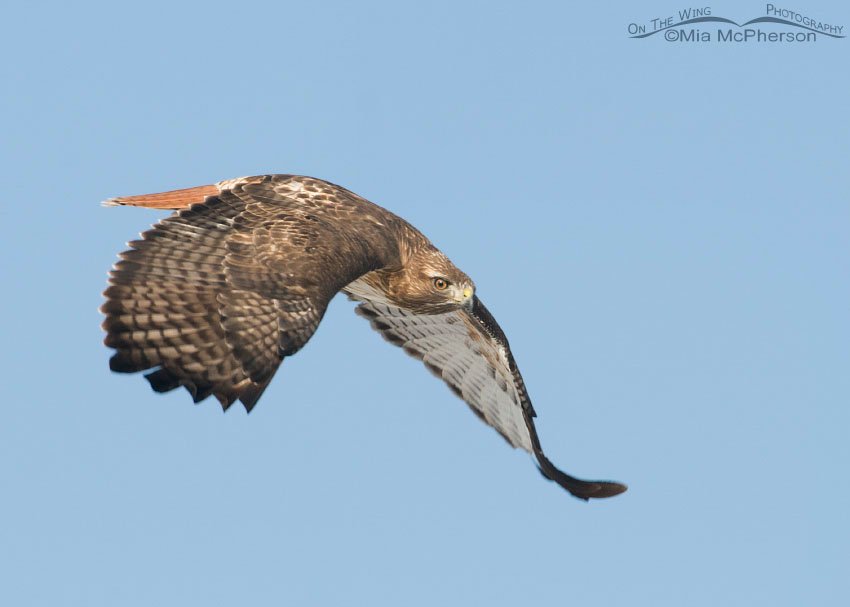
I love the stare of raptors because they always appear so serious, intense and they have a no-nonsense look to their eyes like this Red-tailed Hawk has.

A simple but fishy post today of an Osprey that flew over my head at Fort De Soto County Park taken 5 years ago in Florida.

When I lived in Tampa, Florida the Whites Ibises were often called "Lawn Chickens" because they would feed in people's yards in big flocks.
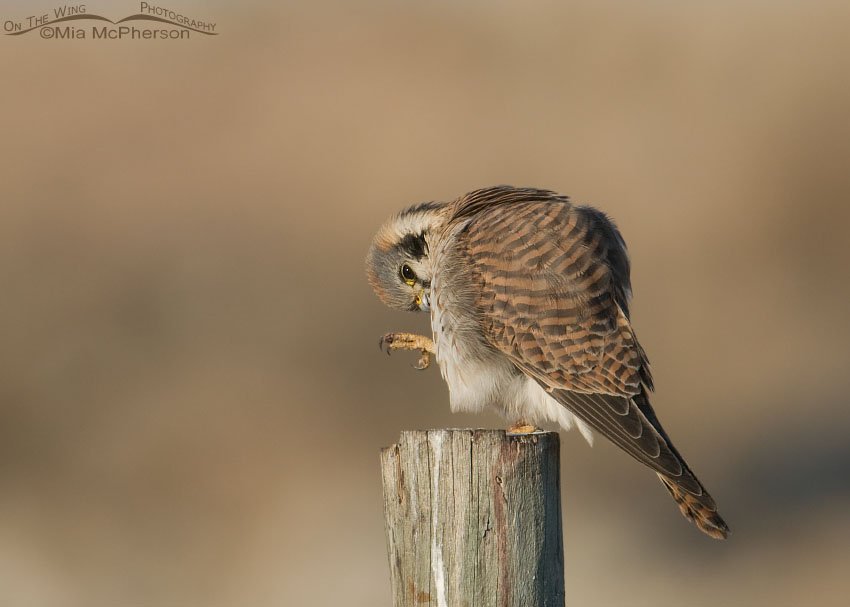
I have always liked this American Kestrel image because of the pose and how the female kestrel appears to be peeking at me while she preened.
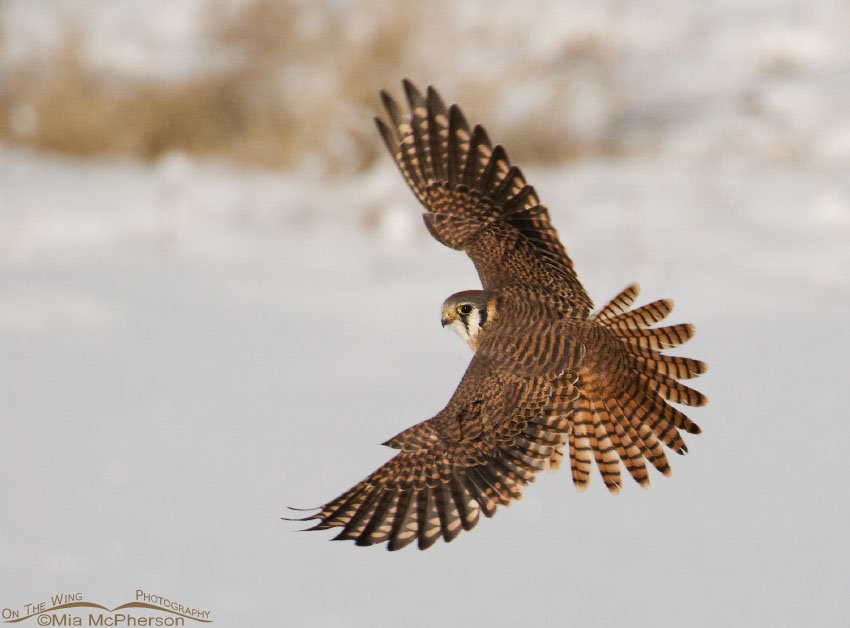
The term "Banking" in my title doesn't mean this female American Kestrel is heading to the closest ATM or to a local branch of Wells Fargo because this little beauty doesn't care one cent about money!

American Kestrels are fascinating falcons, they are tiny, colorful and at times quite pugnacious.

What can I say about this image of an adult Great Horned Owl feeding its young that is strongly back lit by the setting sun on Honeymoon Island State Park in Florida?
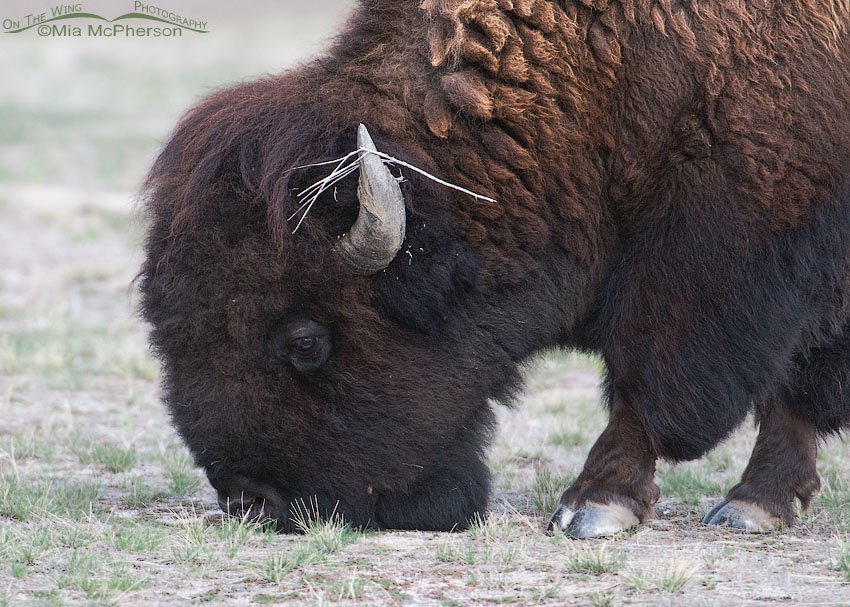
Antelope Island State Park in northern Utah is a place where the "Buffalo" still roam unfettered by fences in a wild and majestic location.

According to Birds of North America there are four foraging methods used by Red-breasted Mergansers which are Cooperative Herding, Individual Search, Shallow Diving and Deep Diving.
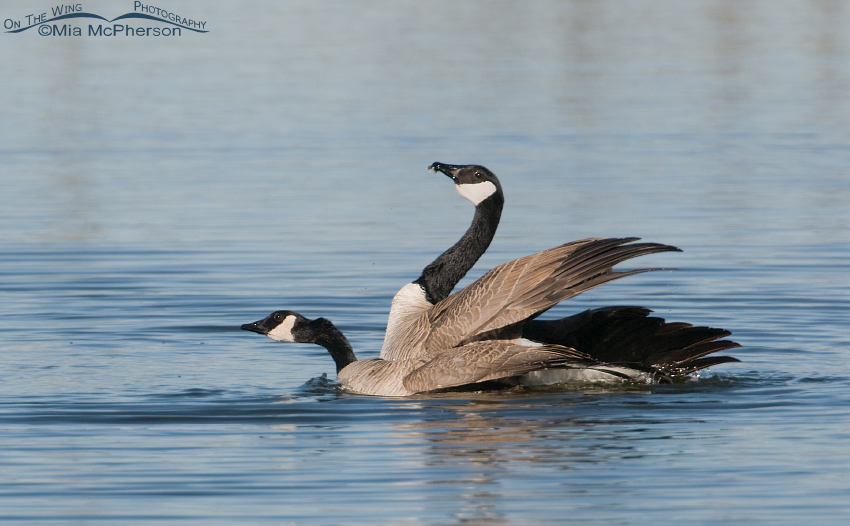
Officially it isn't spring yet but the Canada Geese here in the Salt Lake Valley don't seem to be paying much attention to our human calendars at all and have begun their mating season.
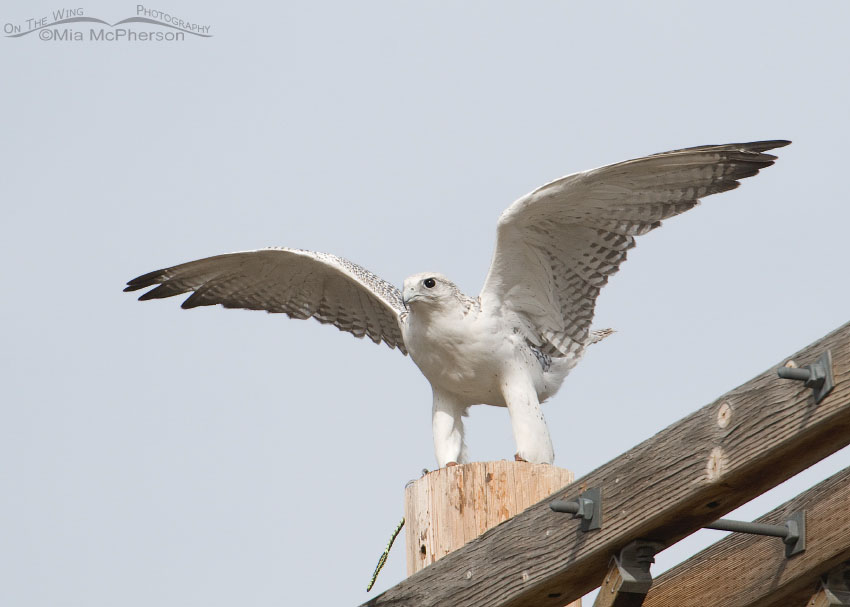
In the four and a half years I have been in Utah I have found, pointed out, and photographed four escaped falconry birds, one in 2009, and two in 2012.

One of two species of oystercatchers in North America the American Oystercatchers quickly stole my heart after I first saw them because of their colors, long bills, pink legs and their Goth-like black toenails.
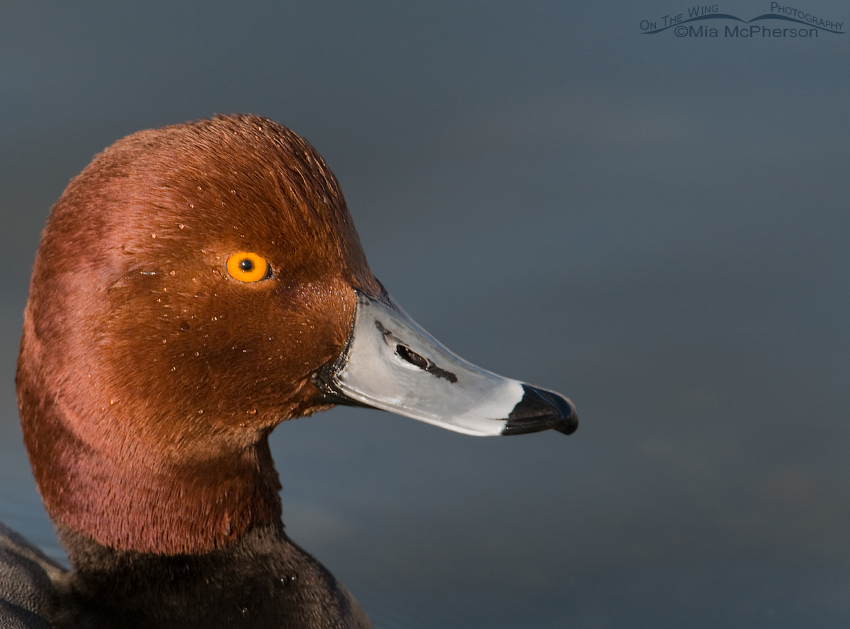
The sun came out for a few hours yesterday afternoon so I went to a pond near where I live and photographed some of the ducks including this very confiding Redhead drake.

It has been quite some time since I have photographed Pronghorn on Antelope Island State Park because it seems that the Pronghorn have kept mostly to the west and south sides of the island this winter.

There are times when one subject will make my day in the field worthwhile, yesterday it was a lone Coyote hunting for voles on the shoreline of the Great Salt Lake.

This Osprey flying in from the Gulf over the north beach of Fort De Soto came as a surprise to us so I had little time to prepare and get my setting right due to how fast the Osprey was flying.
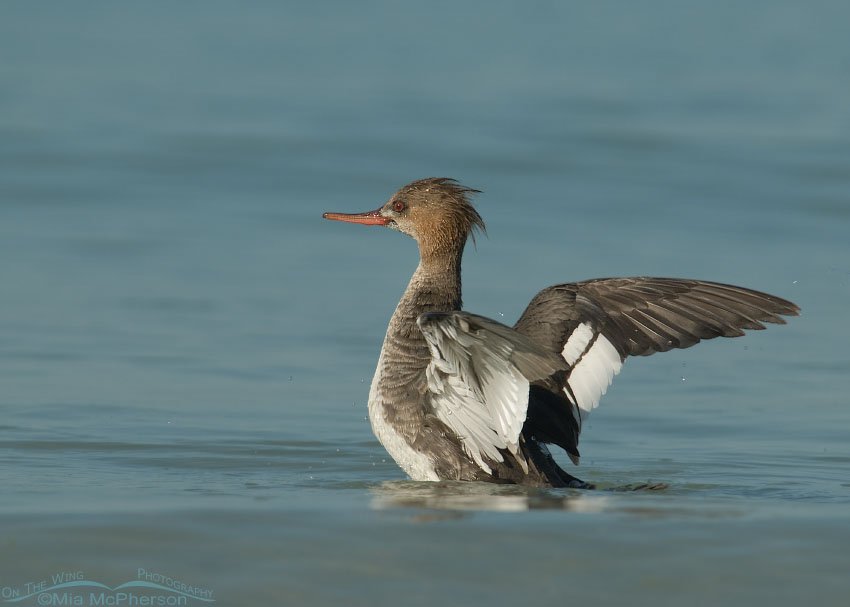
Sometimes I find an image appealing because of the memories it wakes up and not so much from the technical or compositional aspects, this Red-breasted Merganser image is one that isn't perfect but it does awaken memories and stirs my senses.
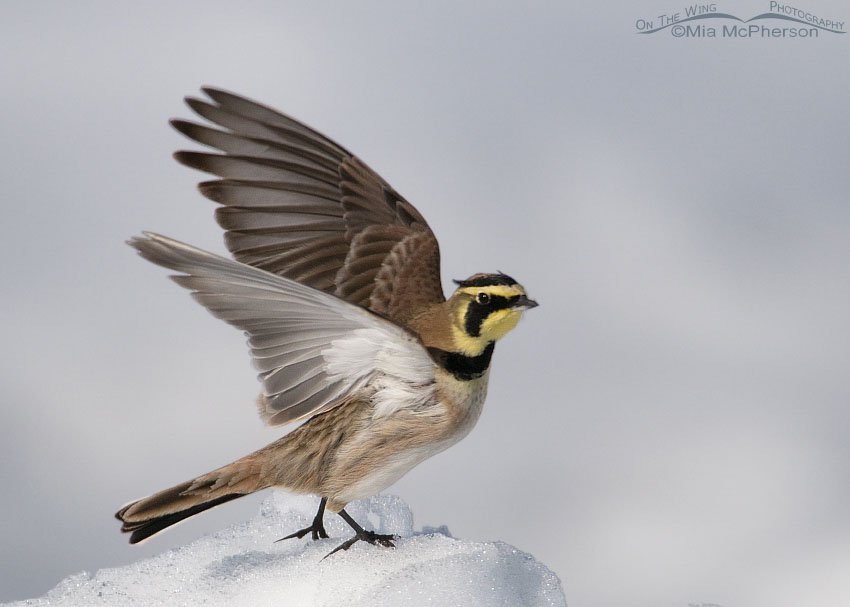
I have dreamed about getting a shot like this since I first started photographing Horned Larks, I wanted a shot of a Horned Lark at the precise moment it began to lift off with the wings lifted.

One year ago today the sky was cloudy, the fog was thick and the snow was blowing in northern Utah. I couldn't see the tops of the mountains or across the Great Salt Lake but I did spot this Short-eared Owl perched on a snow-covered bush on the causeway my way to Antelope Island.

Yesterday morning I spotted a lone Common Merganser at Farmington Bay Waterfowl Management Area nearly hidden in some phragmites and when we came around the corner the bird seemed to have disappeared but after a bit it came out from its hiding spot and gave us quite a show.
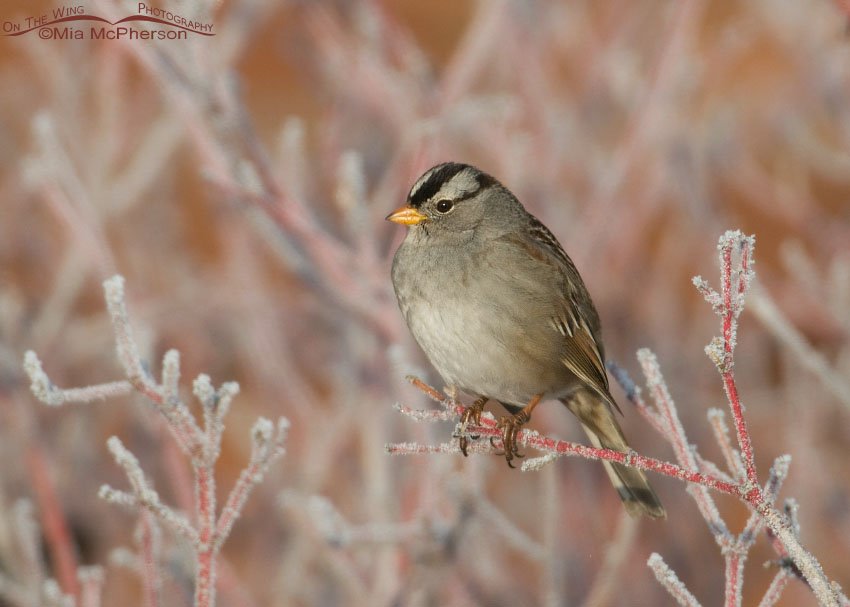
I like the setting contained in this image with a frost covered branches of a shrub with reddish bark that the White-crowned Sparrow perched on close to the entrance to Farmington Bay Waterfowl Management Area.

But for me the "Snow Birds" I have grown to love here in Utah are Rough-legged Hawks who only visit in the winter and spend the rest of their lives breeding in high subarctic and Arctic regions.
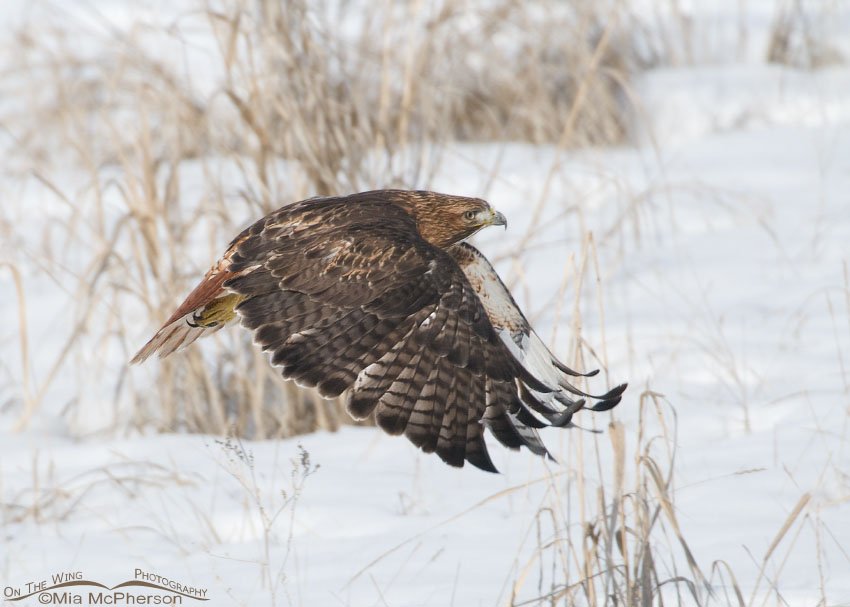
One of the birds I photographed yesterday was this handsome Red-tailed Hawk that I spotted in a tree at Farmington Bay Waterfowl Management Area.

Farmington Bay Waterfowl Area used to be my "go to" place for photographing Northern Harriers but this winter they are hard to find.
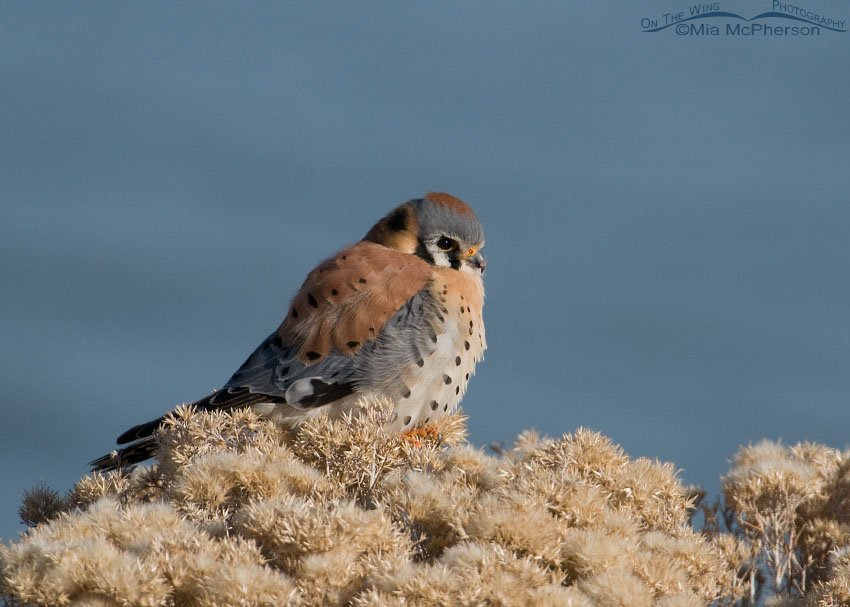
I was going to do a post about a Bald Eagle this morning but at the last minute had a change of mind and decided to work up this male American Kestrel that I photographed resting near the shore of the Great Salt Lake.

The weather forecast for today isn't as bright as it was on the day last January when I photographed this Chukar walking across a field of fresh snow instead the forecast for today is rather dreary.

Even though I have been a bird photographer for some time now I still get a thrill when I am eye level with a bird of prey because it feels as if I am more strongly connected to the raptor when they fly in close at eye level.
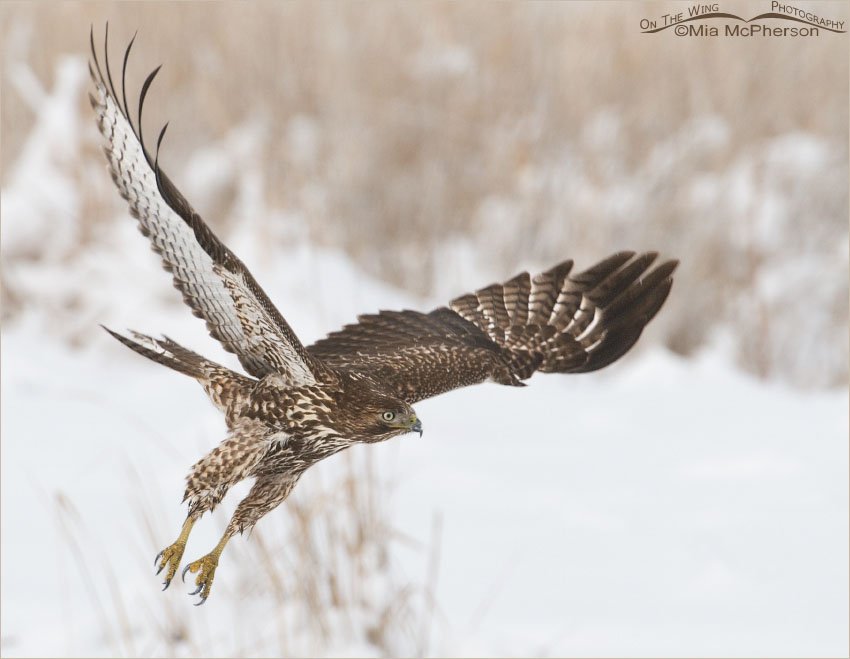
In the winter I shoot a lot in fog, smog and low light conditions here in northern Utah but if you follow my blog you probably already know that and have heard me mention it a time or two (or four or a hundred).