Chukar On A Bright Winter Day
The weather forecast for today isn't as bright as it was on the day last January when I photographed this Chukar walking across a field of fresh snow instead the forecast for today is rather dreary.



The weather forecast for today isn't as bright as it was on the day last January when I photographed this Chukar walking across a field of fresh snow instead the forecast for today is rather dreary.

Even though I have been a bird photographer for some time now I still get a thrill when I am eye level with a bird of prey because it feels as if I am more strongly connected to the raptor when they fly in close at eye level.
In the winter I shoot a lot in fog, smog and low light conditions here in northern Utah but if you follow my blog you probably already know that and have heard me mention it a time or two (or four or a hundred).
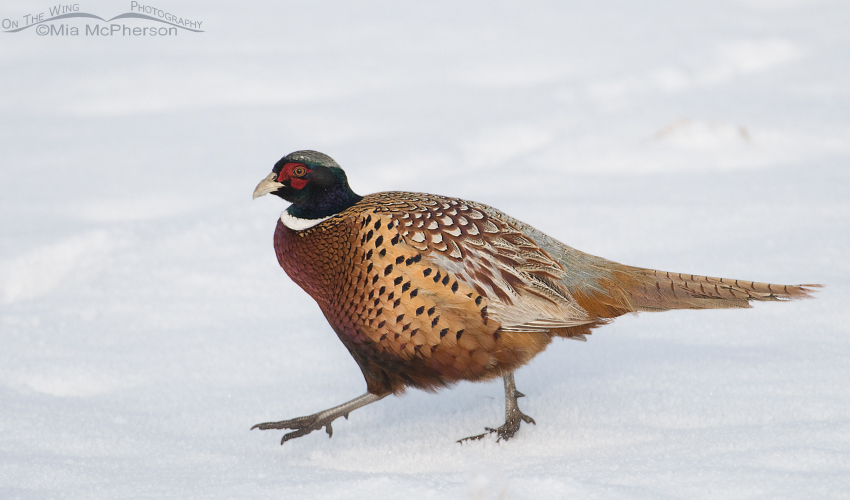
Male Ring-necked Pheasants add a vivid splash of color against a field of white at Farmington Bay Waterfowl Management Area, I photographed this male a few days ago as it foraged in the snow.

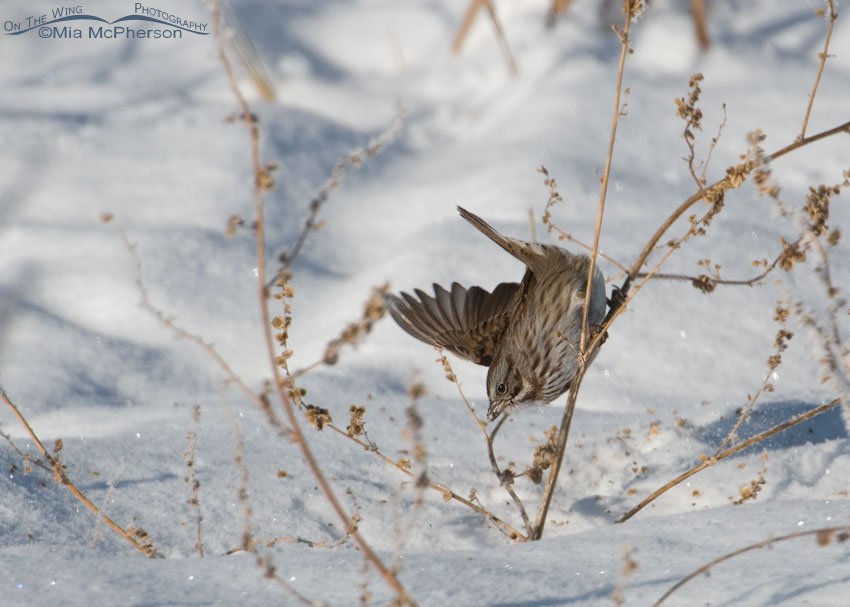
While photographing Barn Owls last January I caught a small movement out of the corner of my eye and noticed a Song Sparrow foraging for seeds on the snow covered ground.
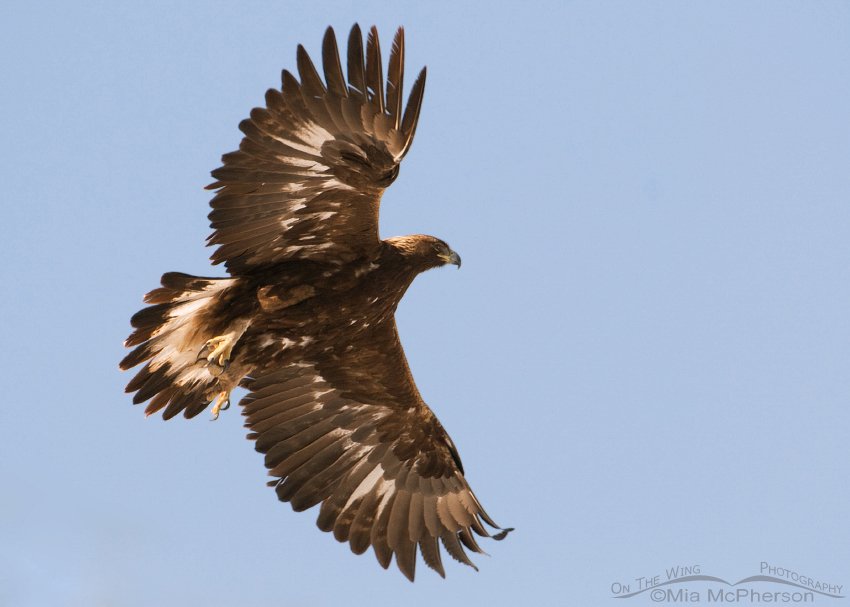
I have had so many opportunities with Golden Eagles and each time something goes wrong.

Rough-legged Hawks are among my favorites of the raptors that over winter in the Salt Lake Valley of Utah because I only see them at this time of the year while they wait to head back to the subarctic and Arctic to breed.

Last week I did a post on the many nicknames used for Barn Owls and among them was "Ghost Owl" and for some reason when I first looked at this frame I thought the blurred wings did make it look "ghostly".
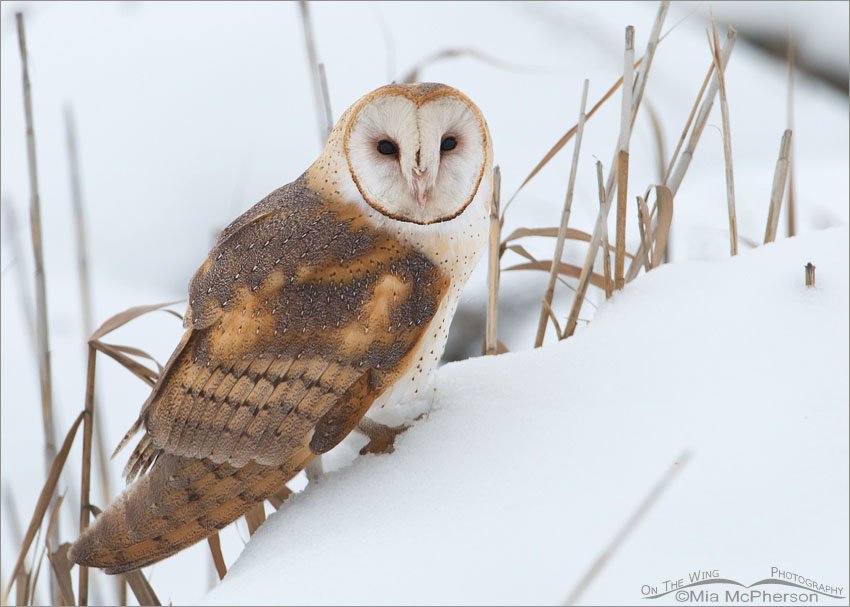
I spotted this beautiful American Barn Owl on a snow bank yesterday along the side of a dirt road at Farmington Bay Waterfowl Management Area in northern Utah.

I couldn't find Ten Lords a Leaping to photograph or in my archives but did locate one Gray Ghost a Leaping which tops the Lords for this bird photographer.
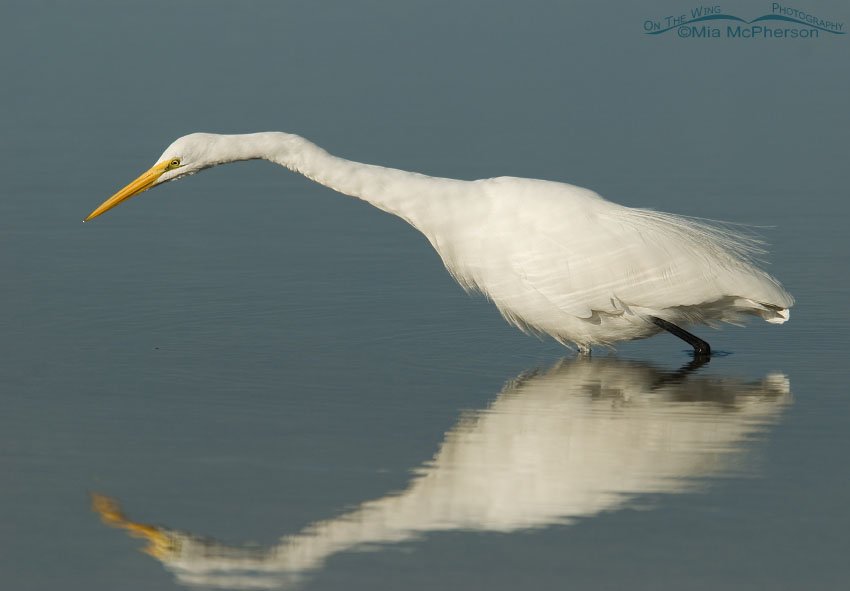
Just a simple Great Egret hunting in a quiet tidal lagoon today that takes me back to warmer memories spent with good friends on Florida's Gulf Coast.
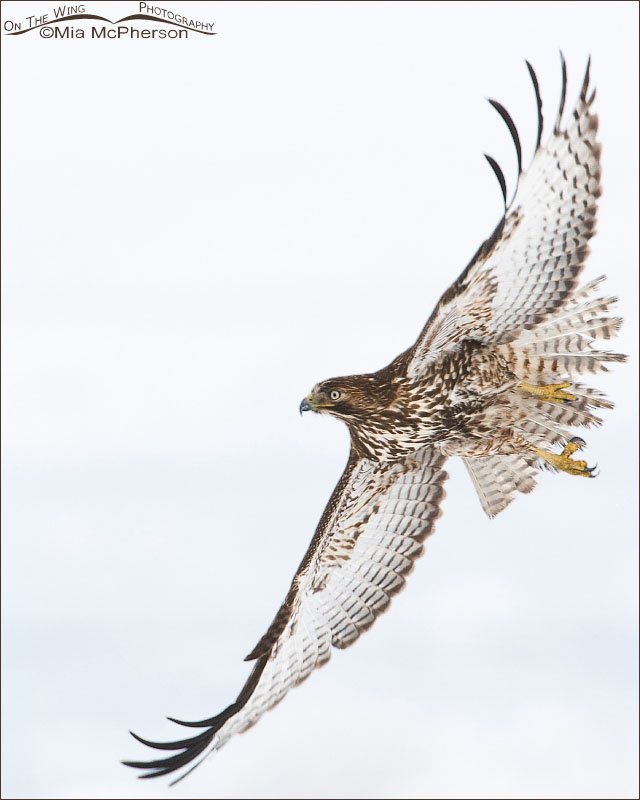
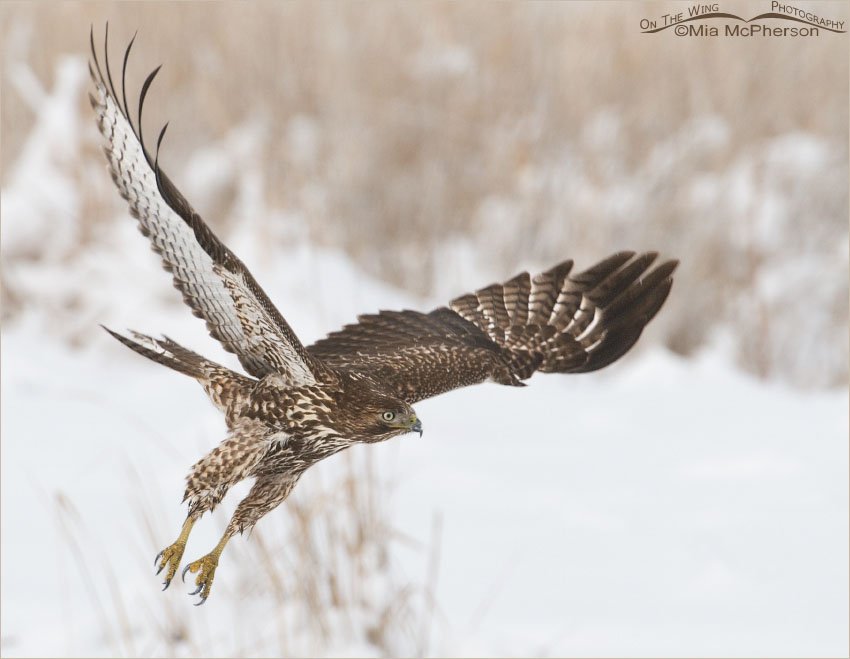
This Red-tailed Hawk image was taken just after the juvenile lifted off from the nest box and while I love the pose I do wish the light had been a bit better.

I prefer using the common name "Barn Owl" because that is most likely where I first saw one because I started my life out as a farmer's daughter and saw plenty of barns.

Patience is absolutely a must for bird photographers and it doesn't hurt to throw a little crazy in the mix too. Spending two hours in freezing temps to photograph a bird might be a little crazy.

It might look like this Great Blue Heron is hacking up some type of fluid seen in between and to the left of its bill but that is actually a hunk of ice attached to the heron's breast feathers.

Male Ring-necked Pheasants are a bold splash of rainbow colors against the white snow laying on the ground right now at Farmington Bay Waterfowl Management Area.

Common Goldeneyes are diving sea ducks that over winter in the Salt Lake Valley where I see and photograph them at Bear River National Wildlife Refuge, along the causeway to Antelope Island State Park and at Farmington Bay Waterfowl Management Area.
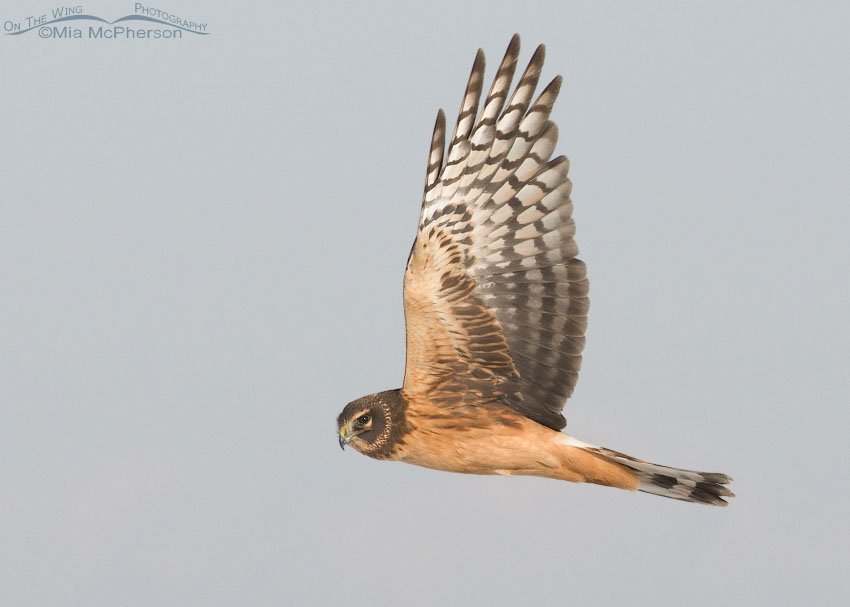
Eye color can be used to sex juvenile Northern Harriers, brown for juvenile females and yellowish for the males and this harrier is a definite brown-eyed beauty.
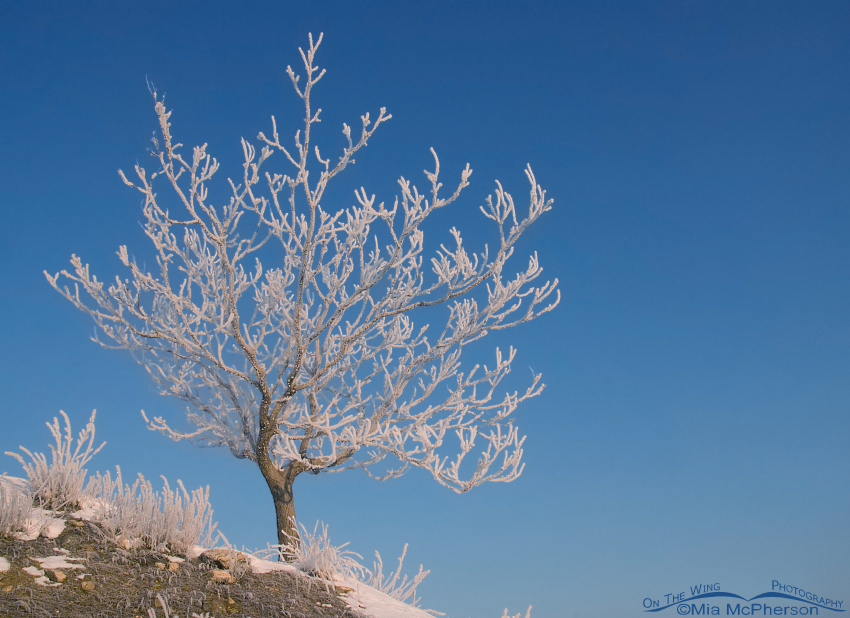
I have mentioned in recent posts that winter can be harsh in the Salt Lake Valley in posts with images I had taken at Farmington Bay Waterfowl Management Area so I wanted to share these two images taken there yesterday.

One of the food items that White-crowned Sparrows depend on during the harsh winters in Utah are the fluffy seeds of the Rabbitbrush that can be covered in hoar frost.
Yesterday the lowest temperature I saw at Farmington Bay Waterfowl Management Area was -12F which reinforces the thought that "bird photography isn't for everyone" and that winters in Utah are hard on the birds.
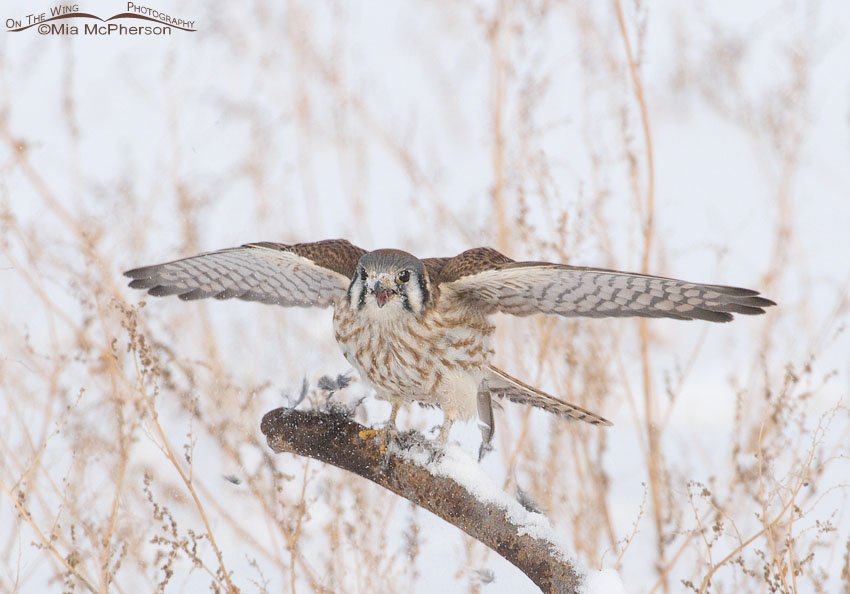
I normally see American Kestrels with voles as prey but seeing her with the American Pipit once again showed me why American Kestrels used to be called Sparrow Hawks which is why some people probably still use that name.
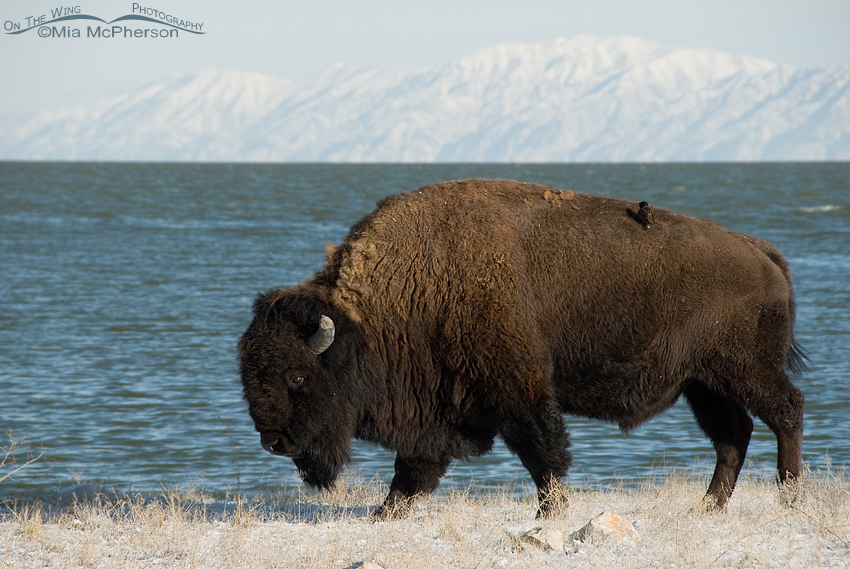
I love to get images of the American Bison and the Great Salt Lake in the same frame especially if there are mountains in the background so I was happy to get the snow covered Wasatch Mountains and the Great Salt Lake in this image
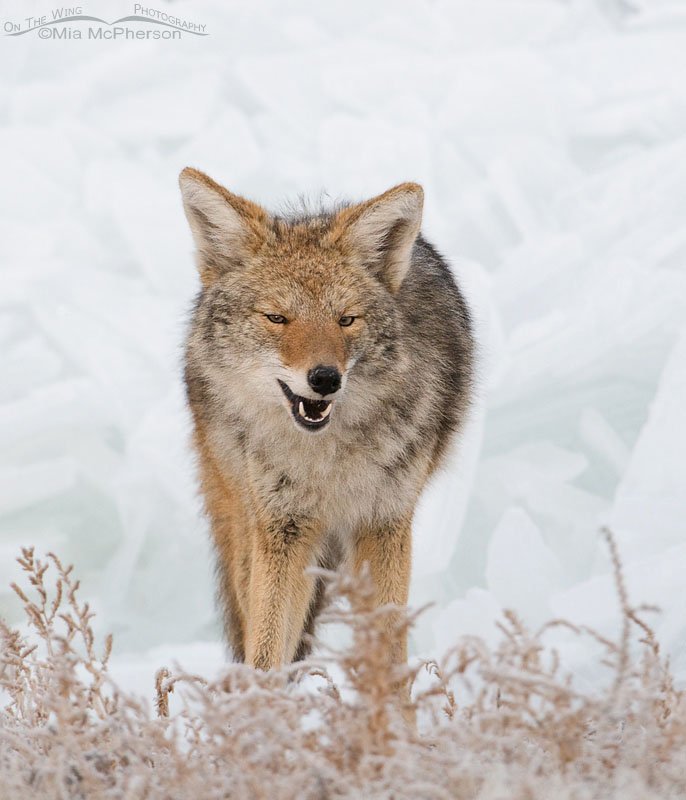
Yesterday I heard Coyotes calling on Antelope Island State Park, it has been a while since I heard the Song Dogs singing so I was thrilled to hear them.
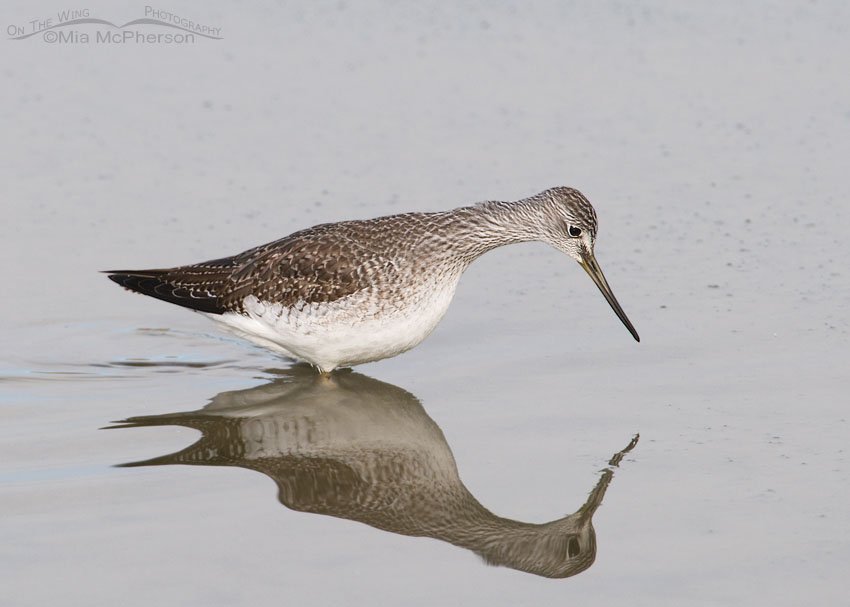
Yesterday I photographed two Greater Yellowlegs at Farmington Bay Waterfowl Management Area, there was snow on the ground and all around Farmington Bay the snow was falling heavily.

I woke up to a fine layer of snow on the ground this morning and silly as it may sound that gets me excited for the birds that over winter in the Salt Lake Valley such as this Rough-legged Hawk.
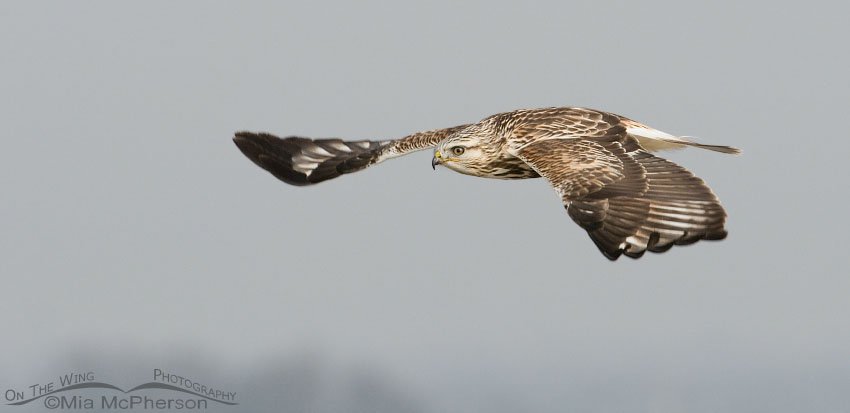
This past Sunday I saw my first of the season Rough-legged Hawks and I was absolutely thrilled. There were definitely five different birds and a possible sixth.
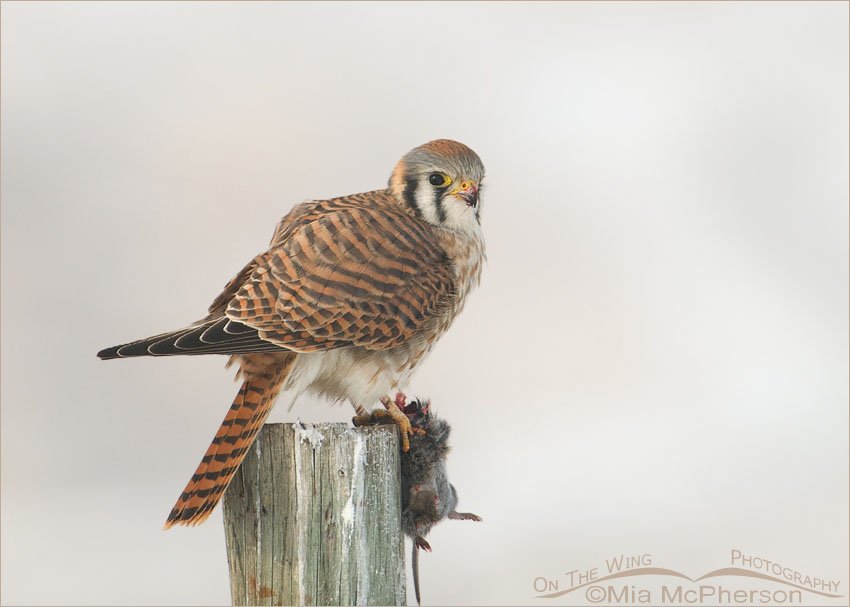
I would describe American Kestrels as tiny but tough, they are North America's smallest falcon but I don't think that hinders them at all.
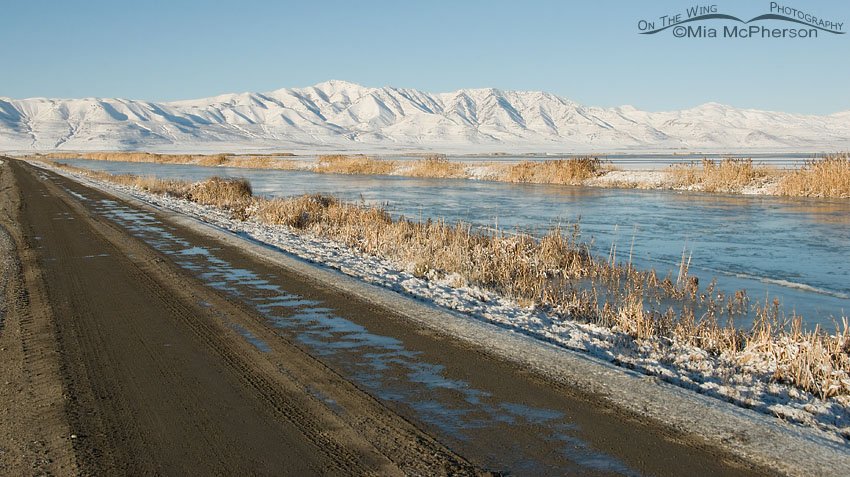
Yesterday on the local news I saw that Governor Herbert offered to fund the reopening of Utah's five National Parks which are Zion, Bryce Canyon, Canyonlands, Arches and Capitol Reef.

I know, I don't have eye contact from my subject which is one of the unspoken rules in bird and wildlife photography but I don't mind bending those rules when it comes to images that I find interesting or appealing.