Loggerhead Shrike in Winter
This Loggerhead Shrike was one of the few birds I photographed yesterday on Antelope Island before the Prairie Falcon with a Northern Shoveler as prey that I posted yesterday.


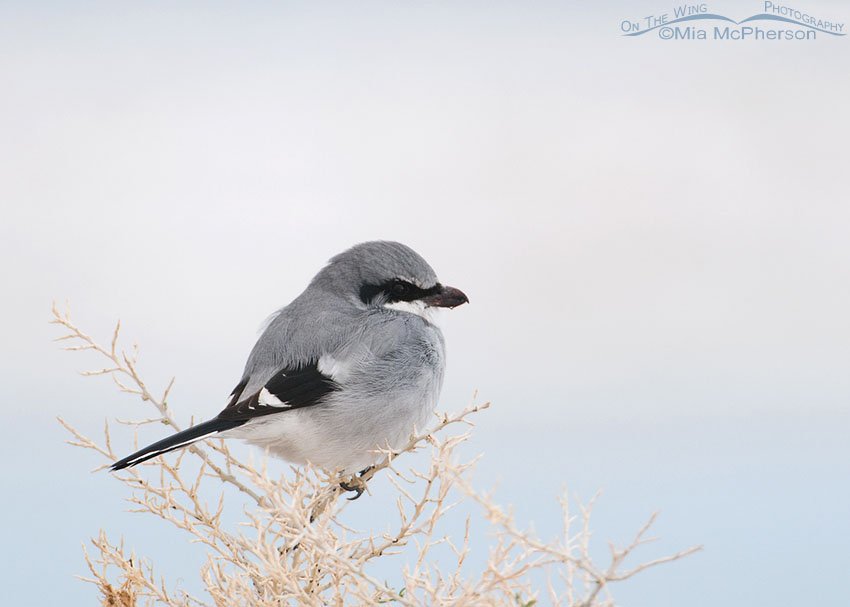
This Loggerhead Shrike was one of the few birds I photographed yesterday on Antelope Island before the Prairie Falcon with a Northern Shoveler as prey that I posted yesterday.

We've gotten a lot of snow in the Salt Lake Valley since Friday, I swept at least a foot of snow off my vehicle yesterday and about 3 to 4 inches on Friday, as I write this the snow is still falling.
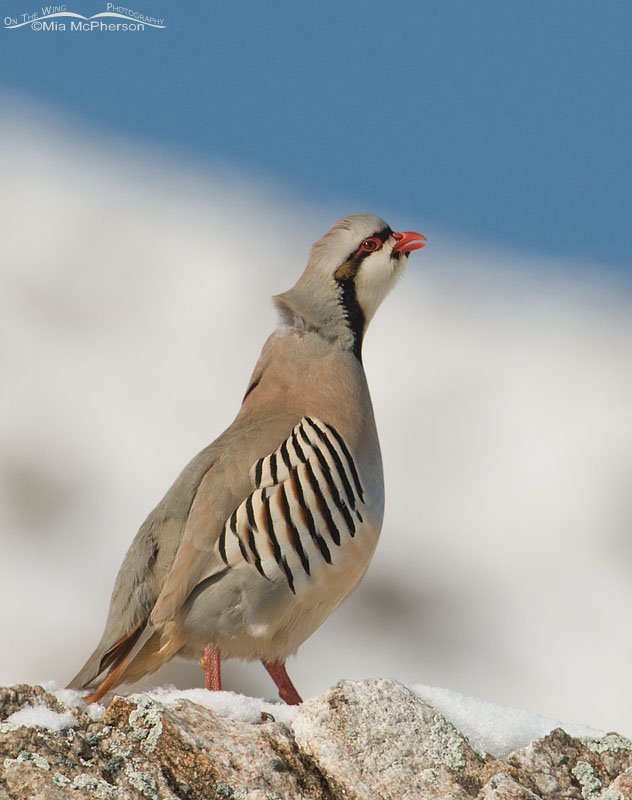
A simple image from a series of images I took last year of a Chukar calling on a rocky outcropping with a snowy mountain in the background.
I've wanted to capture images of a Coyote in blowing snow for a while now and I did get the chance yesterday, I really wish the foreground vegetation hadn't been in the way of a clear view of the Coyote.

Last winter was awesome for seeing Rough-legged Hawks and I am hoping they had another great breeding season and that they will show up here in large numbers to over winter.

Dunlins exhibit a vast difference between nonbreeding and breeding plumage, so different that a novice birder might mistakenly believe that they were two different species.
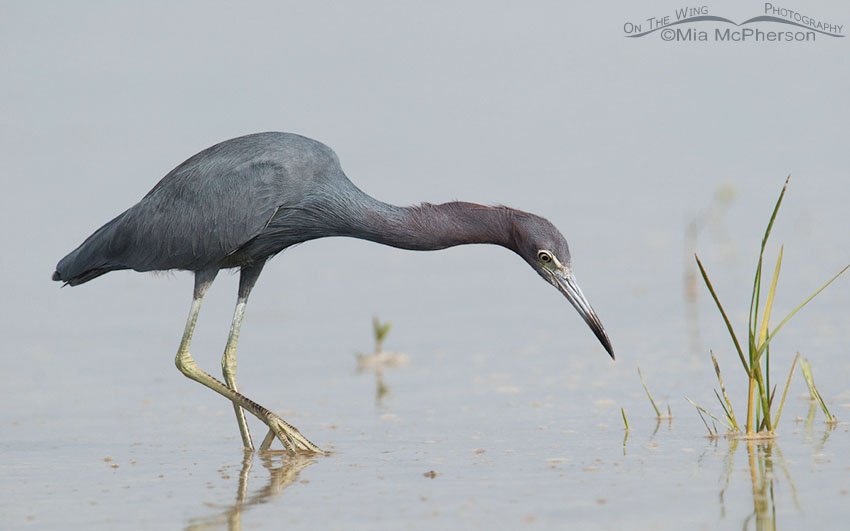
This Little Blue Heron (Egretta caerulea) was photographed in Florida as it hunted for prey in a shallow lagoon the edge of a marsh in late afternoon light.

Tundra Swans (Cygnus columbianus) by the thousands overwinter in the Great Salt Lake area, it is not uncommon to see huge flocks of them at Farmington Bay Waterfowl Management Area in northern Utah.
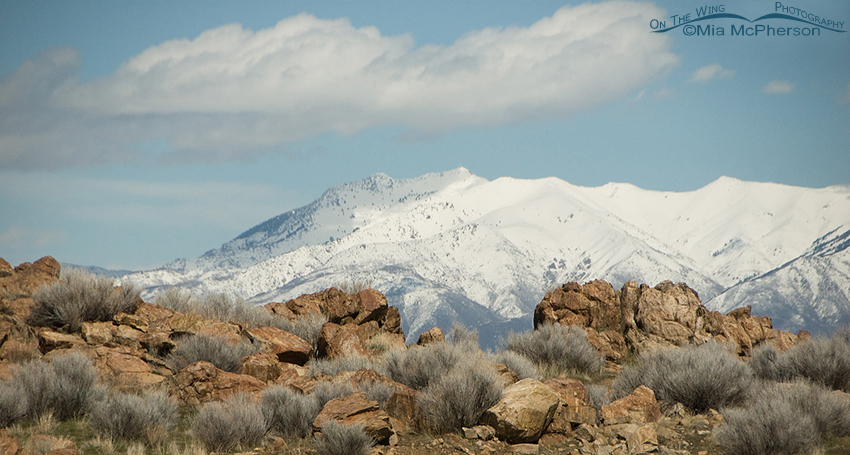
The temps are up all over the U.S. and almost everyone is feeling the heat, I know I am.
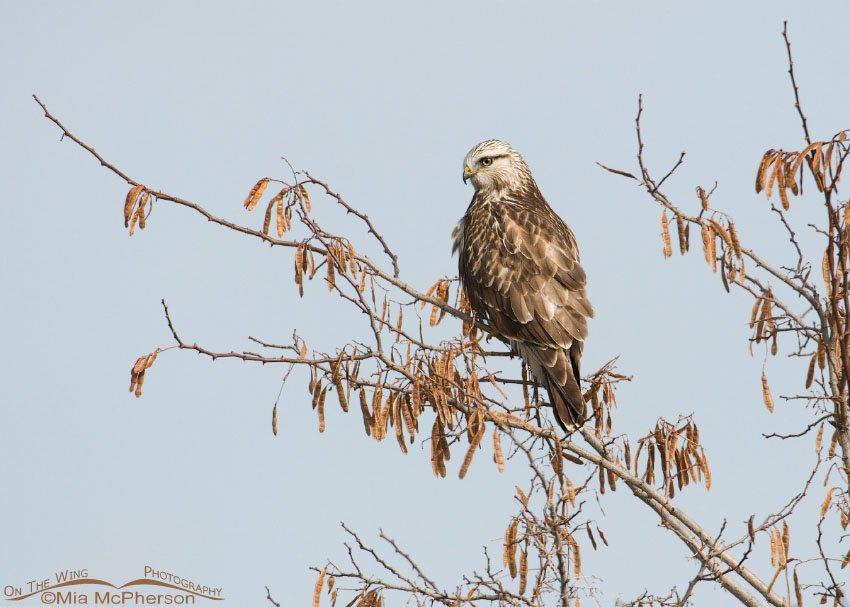
Rough-legged Hawks breed in the Arctic so we don't see them around here in northern Utah during the summer.
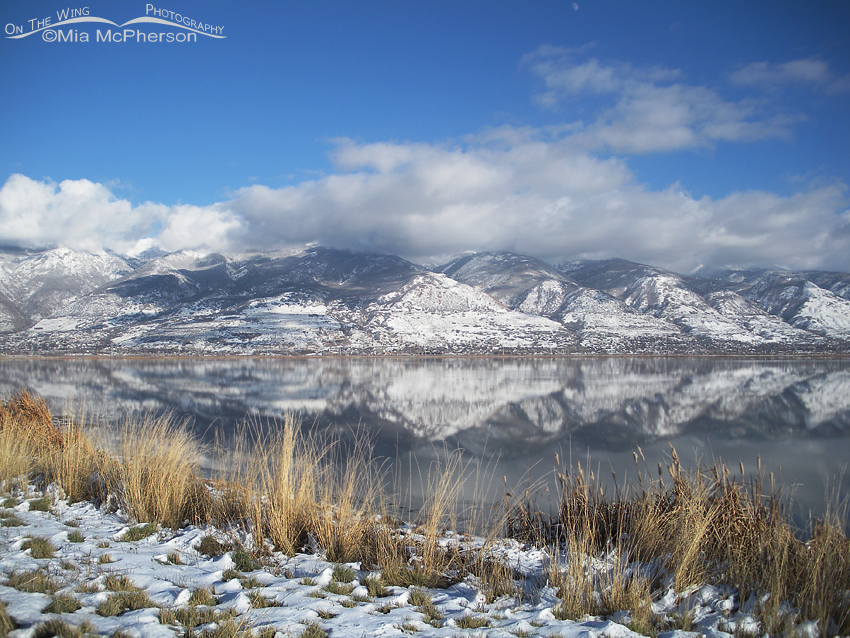
I decided to post an image that said... cold, snow and winter. Just looking at it seems to cool me down.
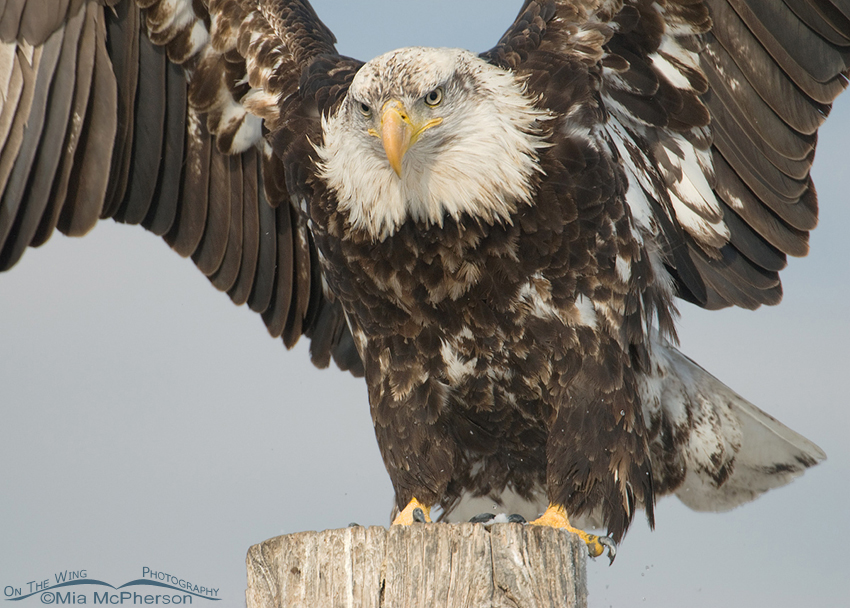
A few years ago I had some wonderful photo ops with this 4-year-old Bald Eagle at Farmington Bay Waterfowl Management Area

Some images are simply too funny not to share. Even with those huge feet this American Coot (Fulica americana) couldn't stay in top of the ice at a pond near where I live in Salt Lake County, Utah.

As much as I like to compose images that are full frame I find that I often allow myself a touch of extra space around my subject so I can recompose in post processing by making different crops.
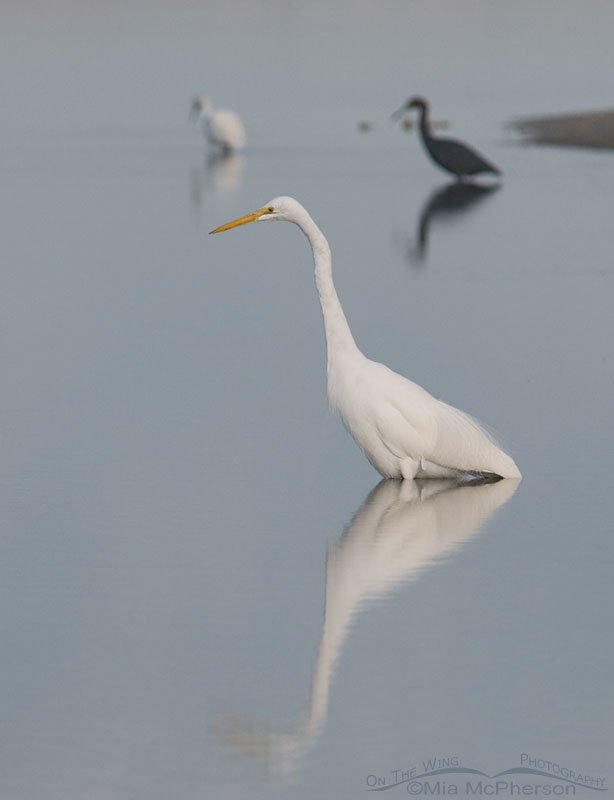
I've always liked the calm mood this image conveys partially because the stalking pose of the Great Egret (Ardea alba), the silky smooth surface of the water, the reflection and how the out of focus Snowy Egret and Little Blue Heron give the frame a depth that wouldn't be there without them.
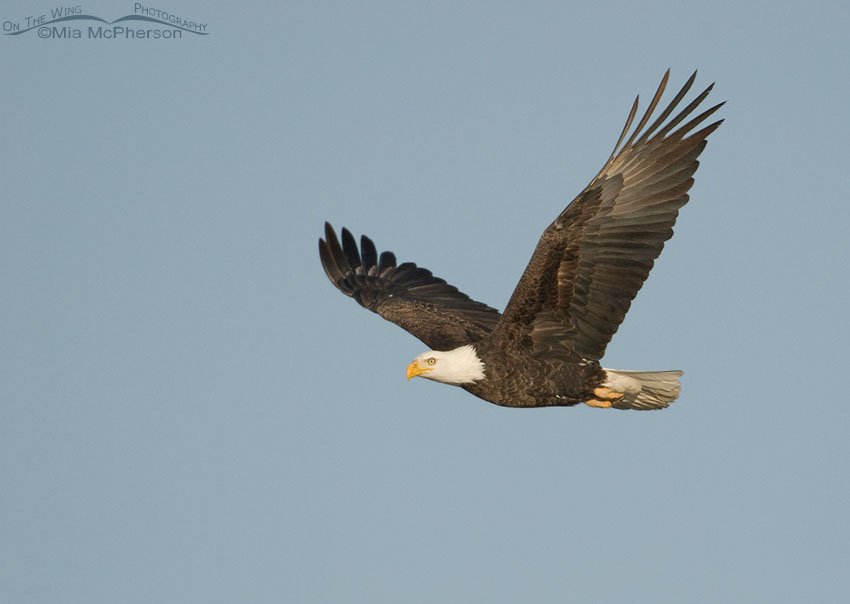
Normally during the month of February Farmington Bay Waterfowl Management Area has hundreds of Bald Eagles within its boundaries but that was not the case in February 2012.
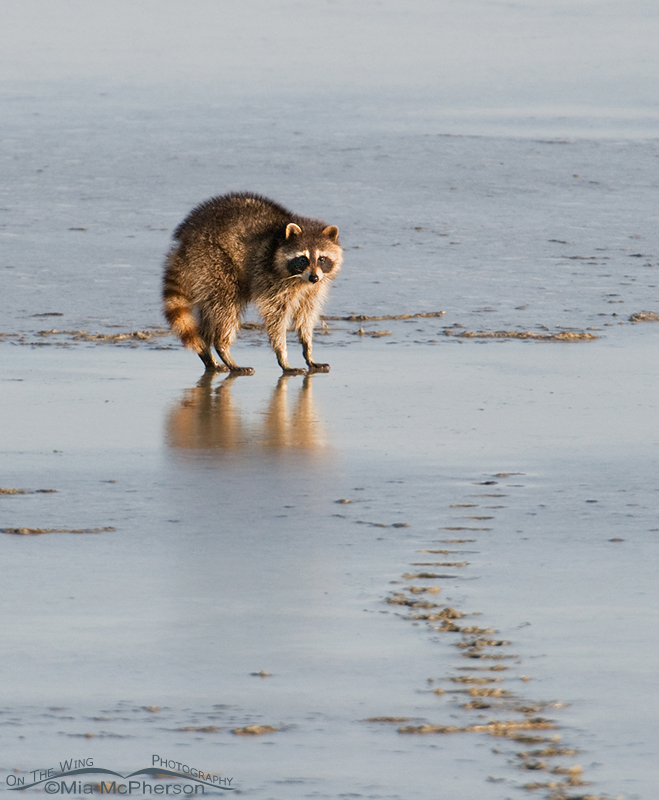
When I lived in Florida I saw Raccoons (Procyon lotor) all over the state. In the wild, the not so wild and in the streets of the cities. But that isn't how it is in Utah.

Chukars are not native to North America, they were introduced as game birds and in some areas they have thrived, one of those locations is Antelope Island State Park in northern Utah.

This California Gull in flight was being buffeted by the wind, I had trouble keeping my lens steady because of it too.

This is the third consecutive year that I have photographed Black-billed Magpies working on their nest in this same location on Antelope Island.

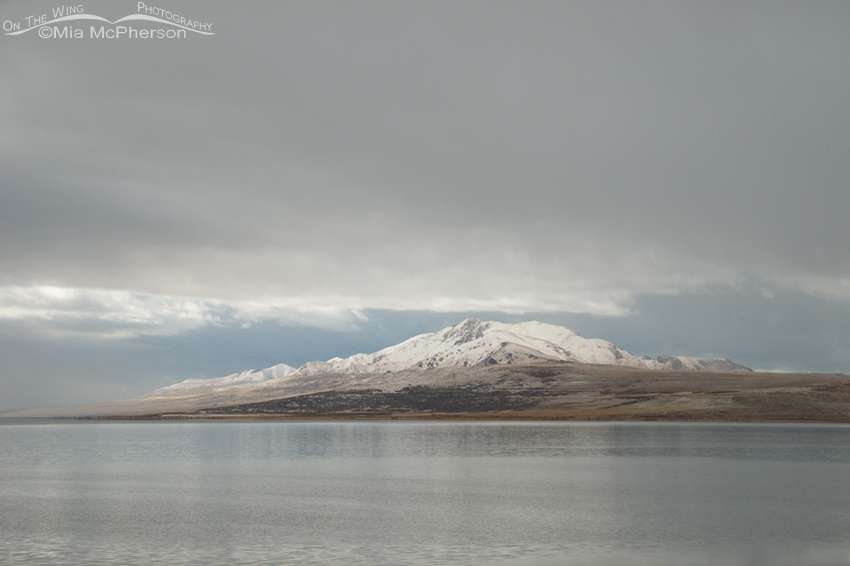
It snowed last night and the ground here was covered in white but the clouds were disappearing so off I went to photograph whatever I might find on Antelope Island State Park.
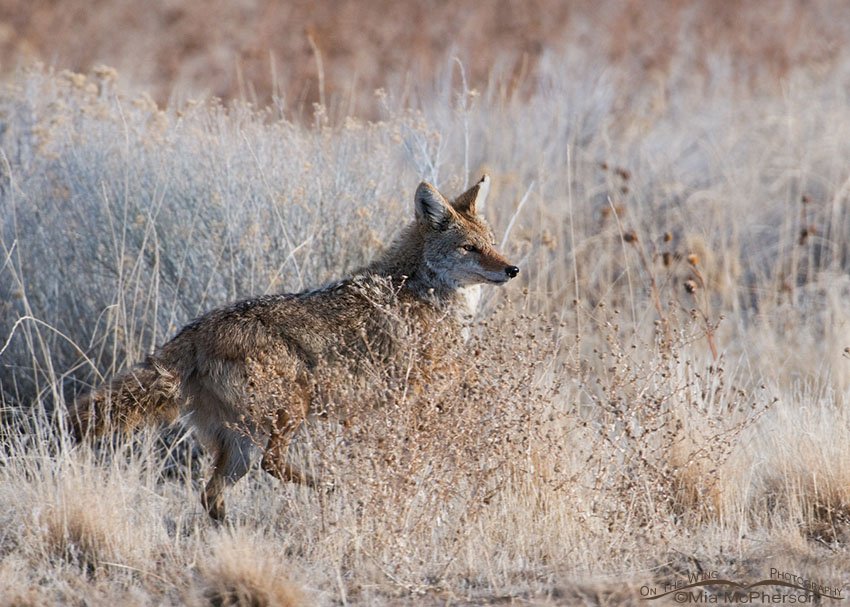
Normally I'd prefer to get a cleaner view of the Coyote for images but in this case I enjoy the habitat in the frame.
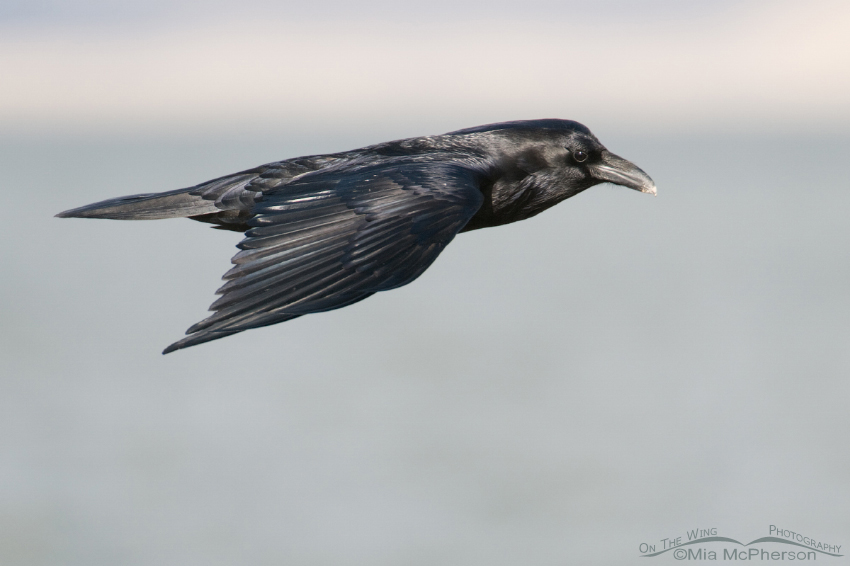
Ravens have always appealed to me even though some people might consider them "plain black birds". One of the reason I like them so much is that they are very smart and among the most intelligent birds in the world.
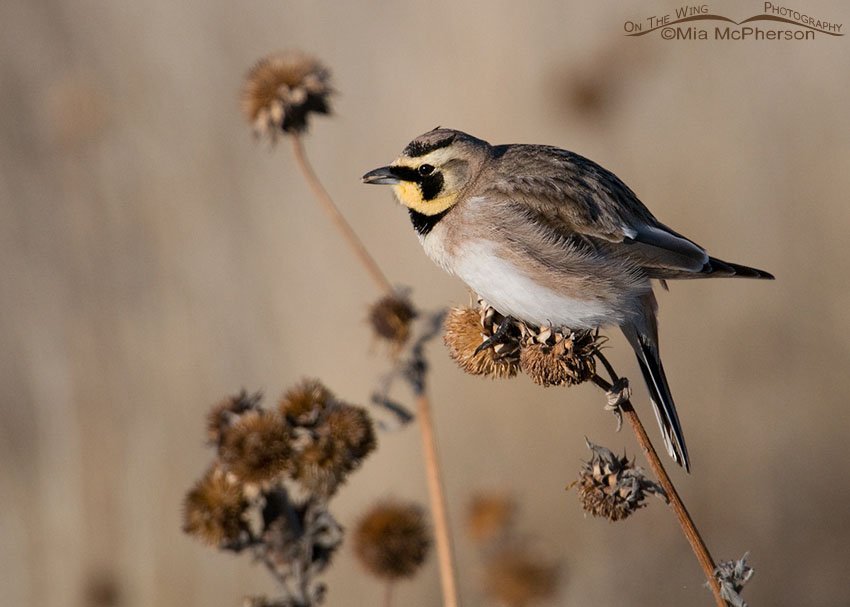
Yesterday I was delighted to be able to photograph this male Horned Lark perched high on dried sunflower seed heads as it ate.
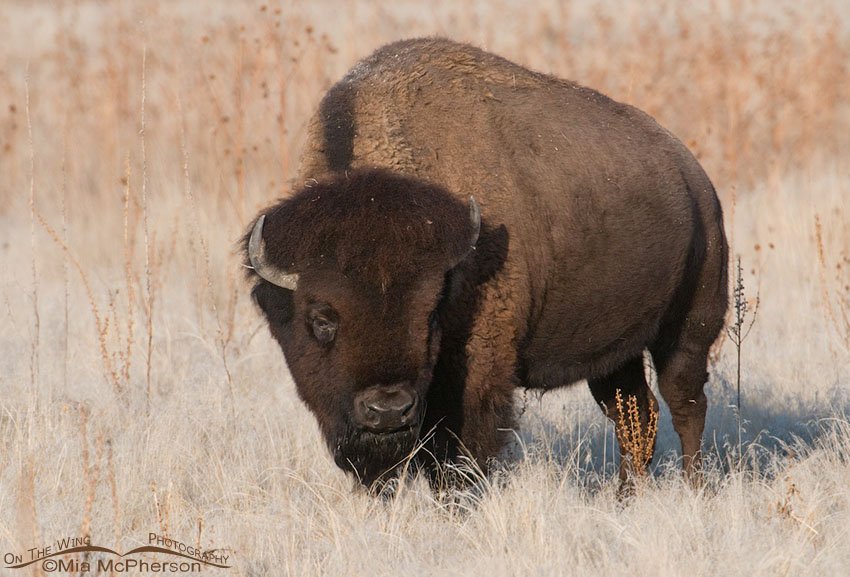
It tickles me to be able to photograph wild Bison.
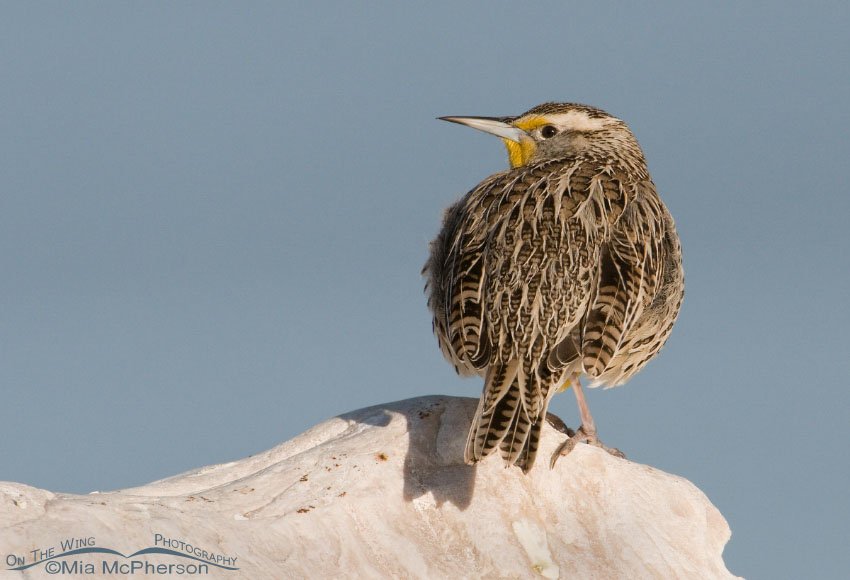
Tis the season of changes, for a bit it acts like winter and soon switches to act like spring. . The flute like call of Western Meadowlarks is a sound I associate with spring and lately I have been hearing them quite often.

I photographed this adult Bananaquit while on the island of Half Moon Cay in the Bahamas. The island was full of these birds.
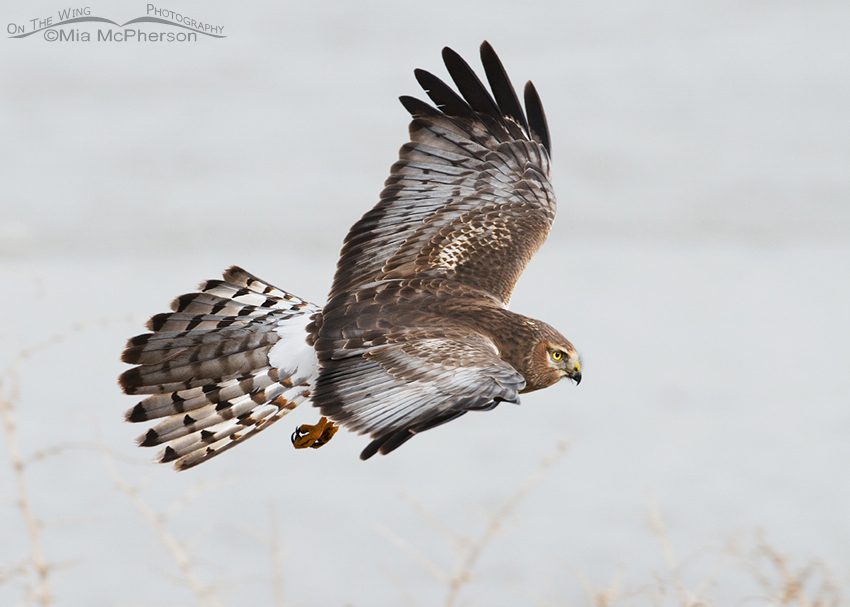
This Northern Harrier displayed interesting behavior, it didn't appear to be hunting but it would dive into the vegetation where it would make a sound that reminded me of parrots chattering.

American Coots are the most widely distributed members of the Rail family in North America and are very abundant in habitats with open water.
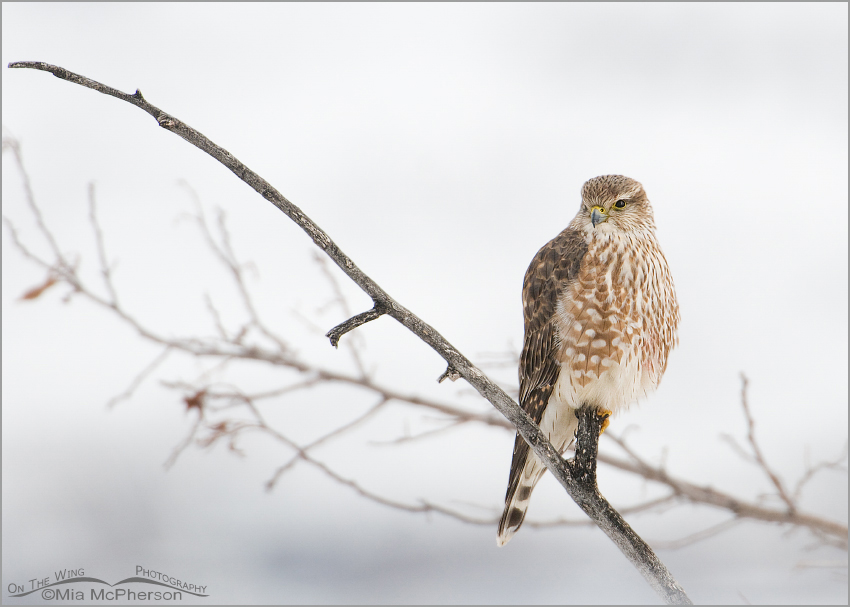
Merlins are winter visitors in the Salt Lake Valley so I have just a few more weeks to attempt photographing them. Merlins are used to be called "pigeon hawks" because their shape and flight patterns are similar to pigeons.