Female Great-tailed Grackle With Her Eyes Aglow
When I was at my local pond two days ago, I couldn't resist photographing a female Great-tailed Grackle whose eyes seemed to be aglow in the morning light.


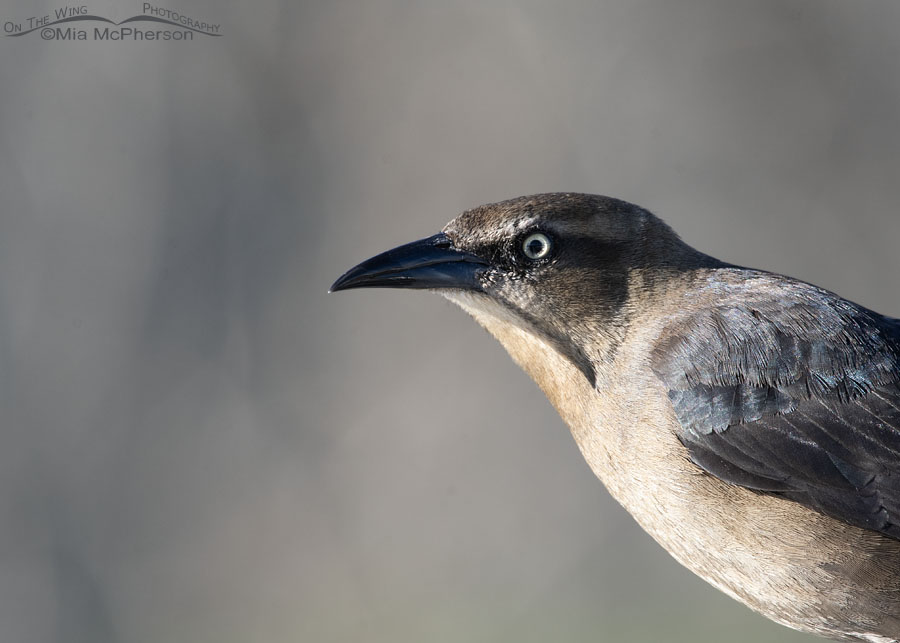
When I was at my local pond two days ago, I couldn't resist photographing a female Great-tailed Grackle whose eyes seemed to be aglow in the morning light.
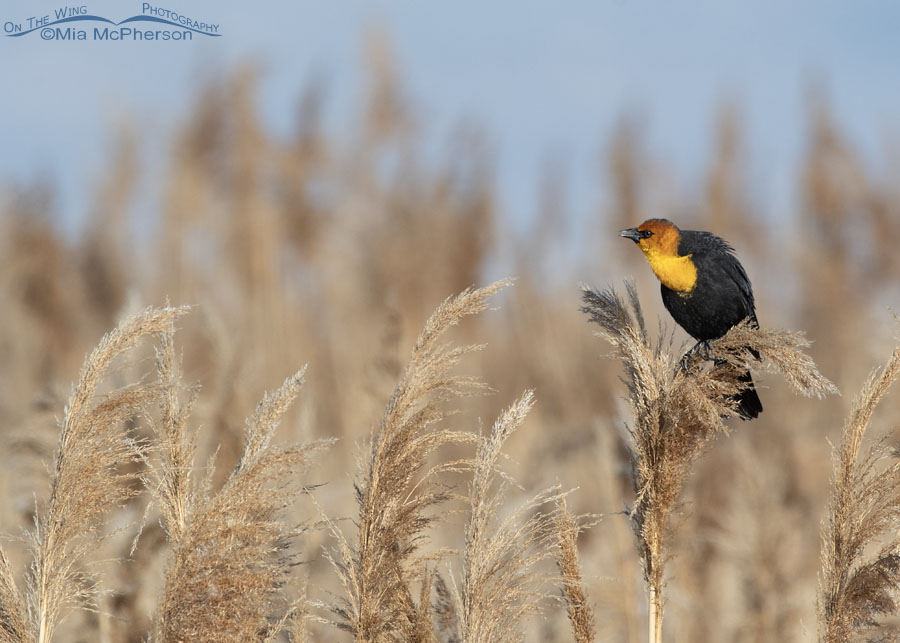
Earlier this week I stopped to take a video of a singing male Yellow-headed Blackbird on the auto tour loop of Bear River Migratory Bird Refuge. I'm glad I did.
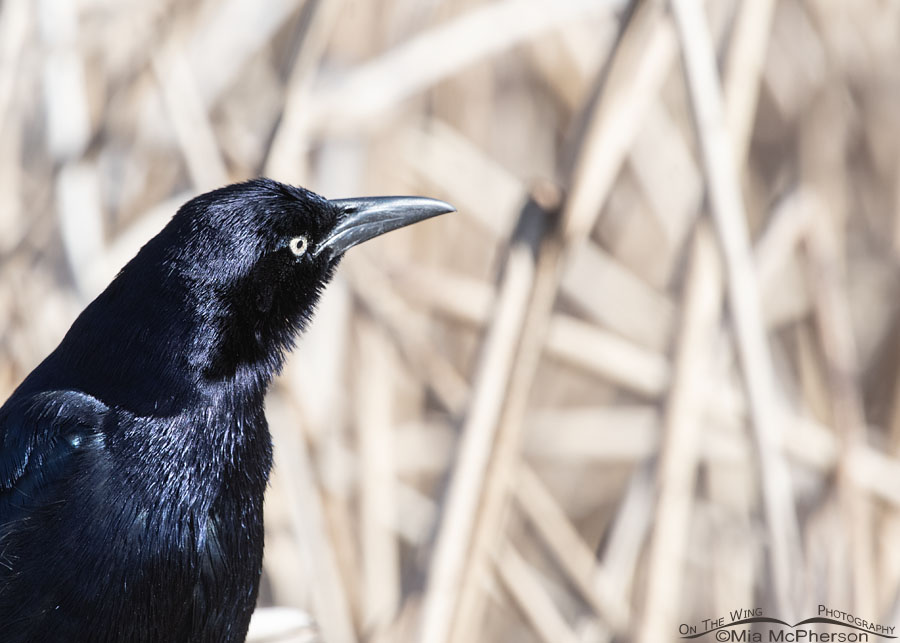
When I took this photo of a male Great-tailed Grackle, I wondered what the grackle was looking at so intently. The grackle even seemed disturbed by what it could see.
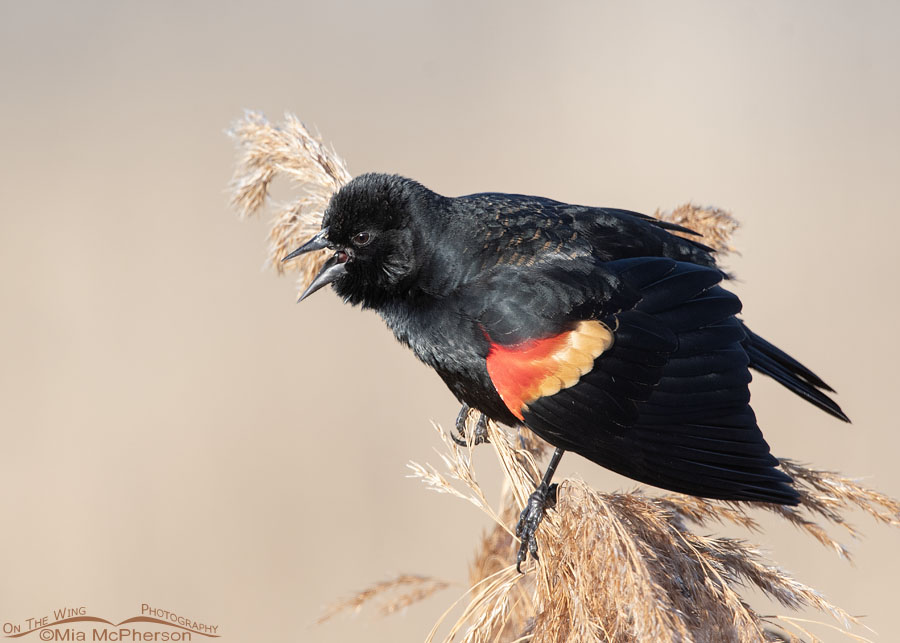
One week ago, my ears were delighted to hear this male Red-winged Blackbird singing and calling on the marsh at Farmington Bay WMA. His display was mesmerizing.
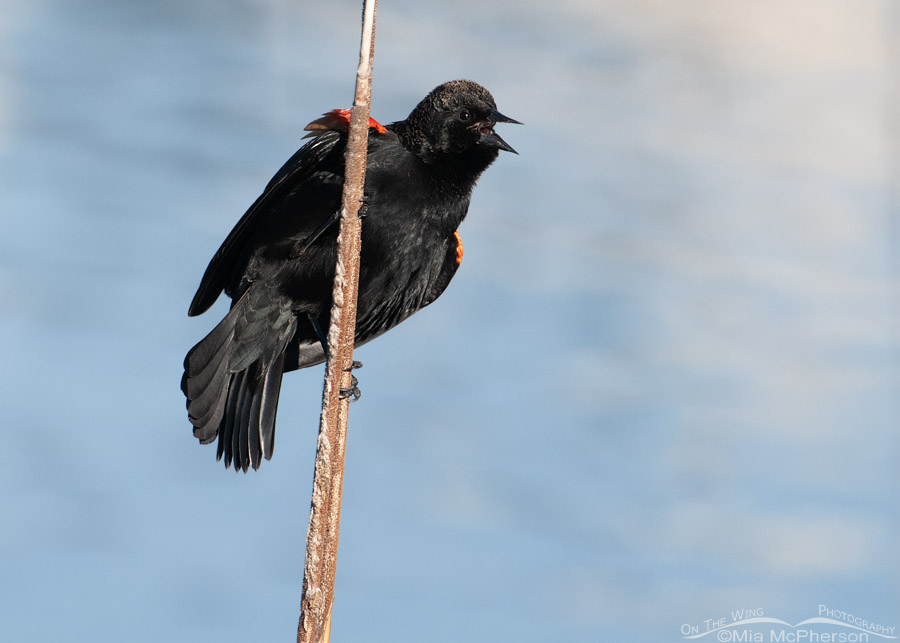
I dug way back into my files this morning to share this urban Red-winged Blackbird male singing. The date was February 23, 2014, the location was my local pond.
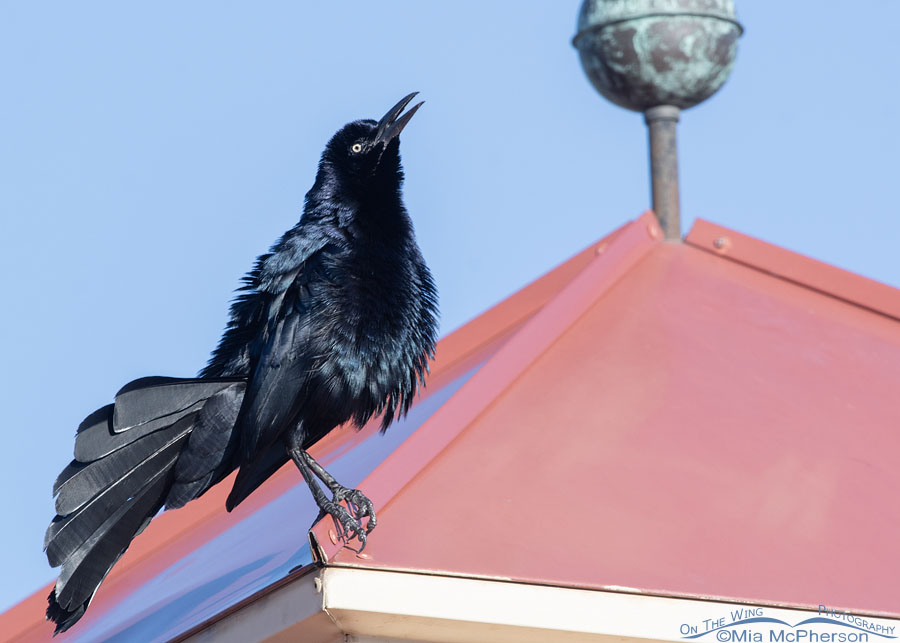
This male Great-tailed Grackle caught my eye two days ago at one of my local ponds because he was displaying on a red-roofed cupola against a bright blue sky.
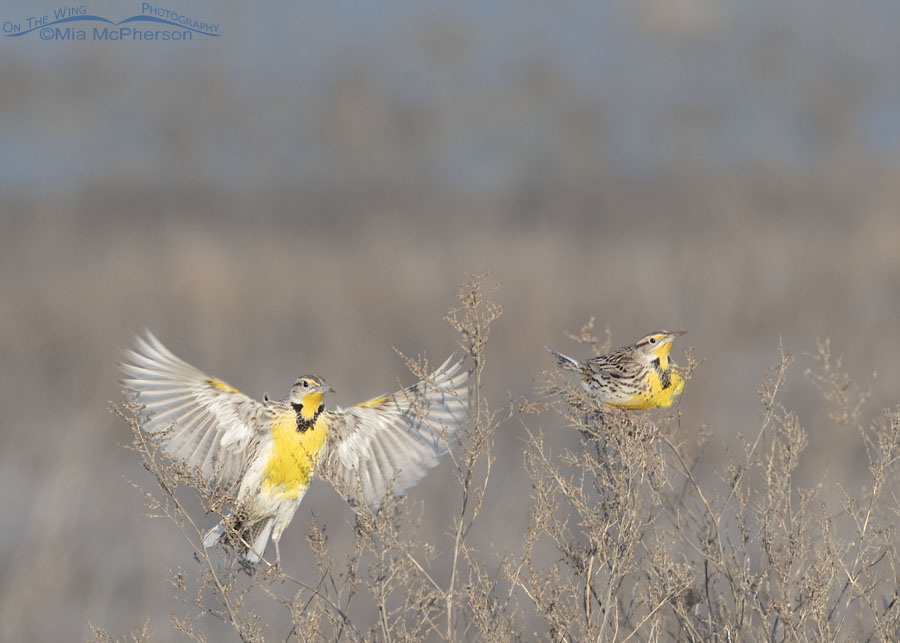
Much like the Great Blue Herons I shared yesterday, the Western Meadowlarks I found at Farmington Bay WMA two days ago were also behaving as if it were spring.
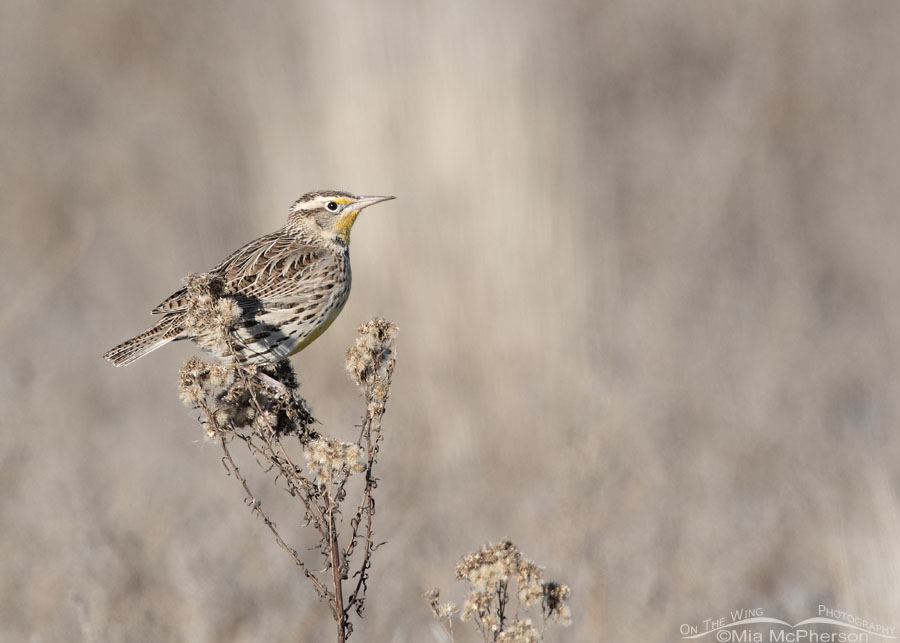
I didn't photograph many birds at Bear River MBR yesterday because it was windy. I did take photos of this handsome Western Meadowlark at the refuge though.
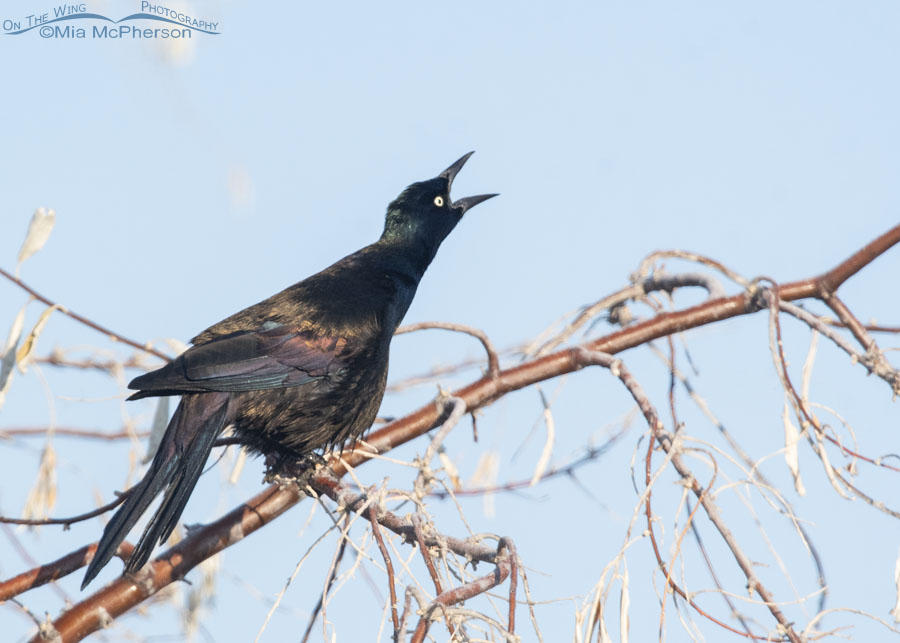
Today is the third anniversary of my uncommon Common Grackle sighting in Utah. I found the grackle perched in a Russian Olive tree next to Glover Pond.
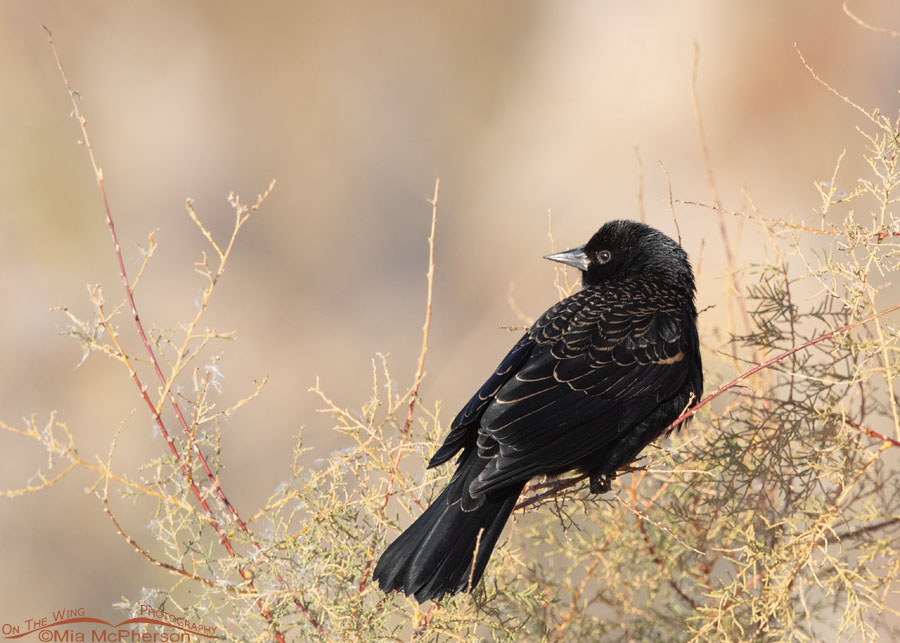
I saw this male Red-winged Blackbird perched in a Saltcedar on my last trip up to Bear River Migratory Bird Refuge and felt I had to stop to photograph him.
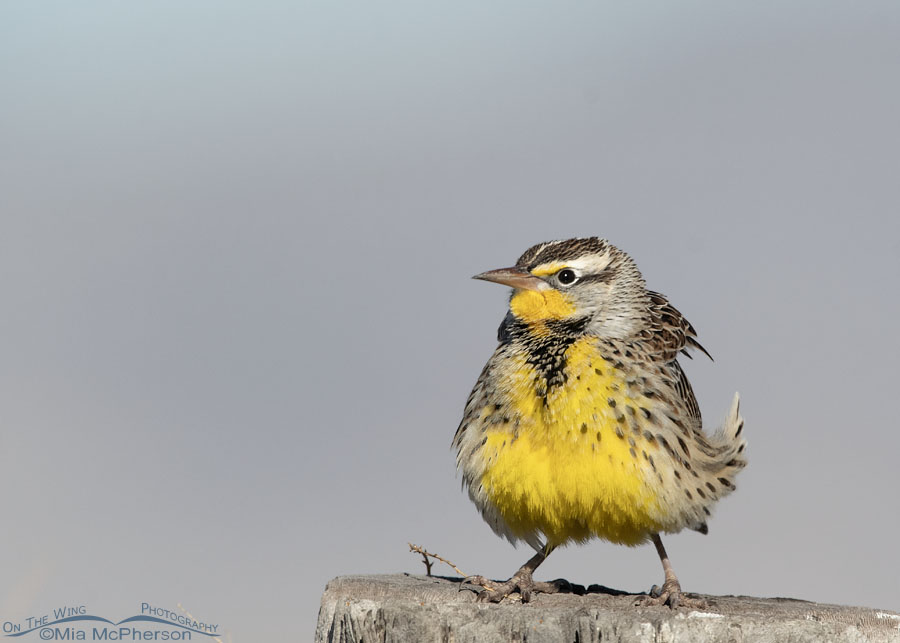
Photographing this Western Meadowlark on Monday on my way back to I-15 from Bear River MBR was so much fun for me that it probably ought to be illegal.
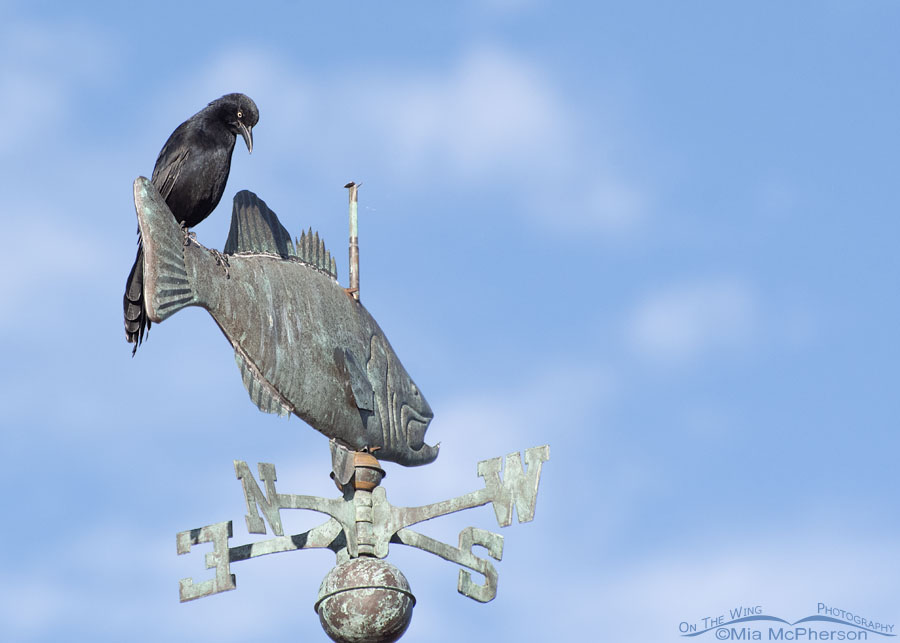
Today, I'm sharing a photo of a male Great-tailed Grackle perched on a weathervane. I took this photo while walking down at one of my local ponds last week.
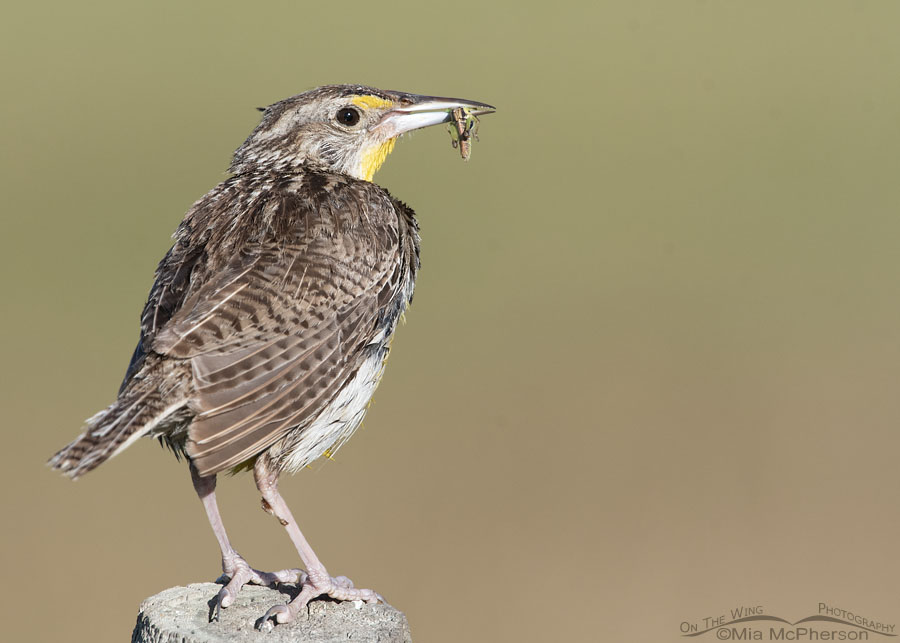
The first bird I photographed last week from the side of the road in the Kamas Valley was this scruffy Western Meadowlark with a grasshopper.
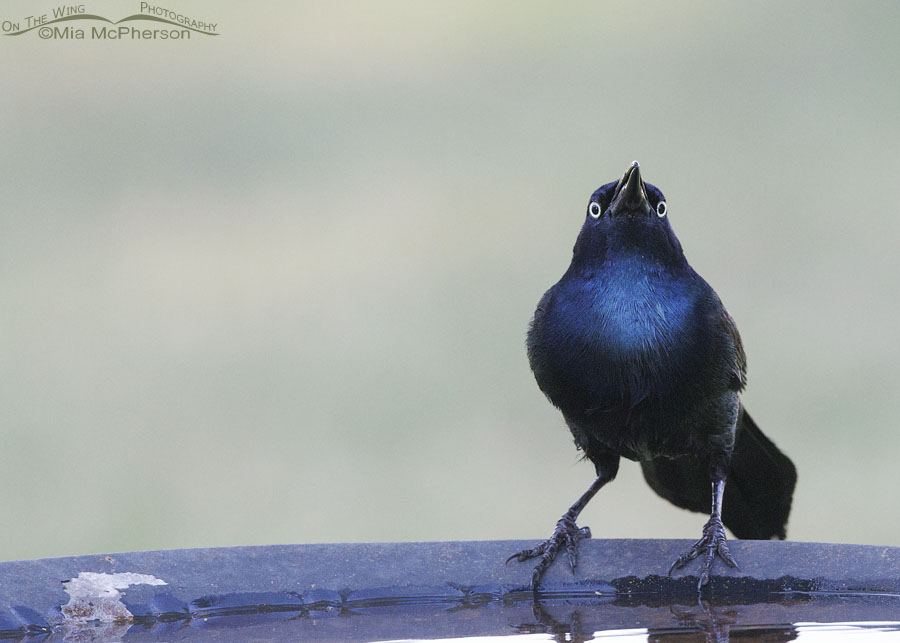
Today, I am tickled to share three male Common Grackle photos. I took these images in my friend Steve Creek's yard during my visit to Arkansas last month.
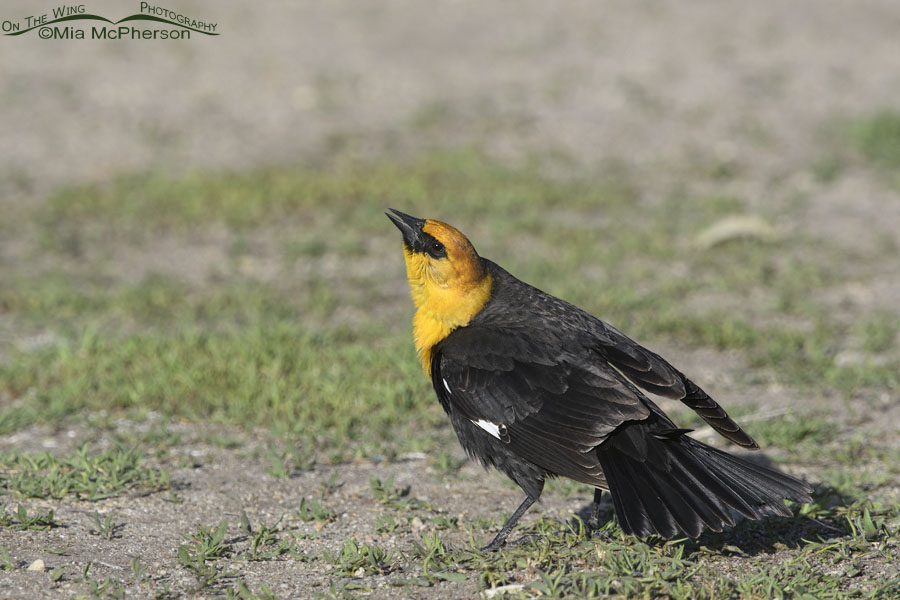
Last month, I was thrilled to photograph this displaying male Yellow-headed Blackbird in an urban park near my home in Salt Lake County, Utah.
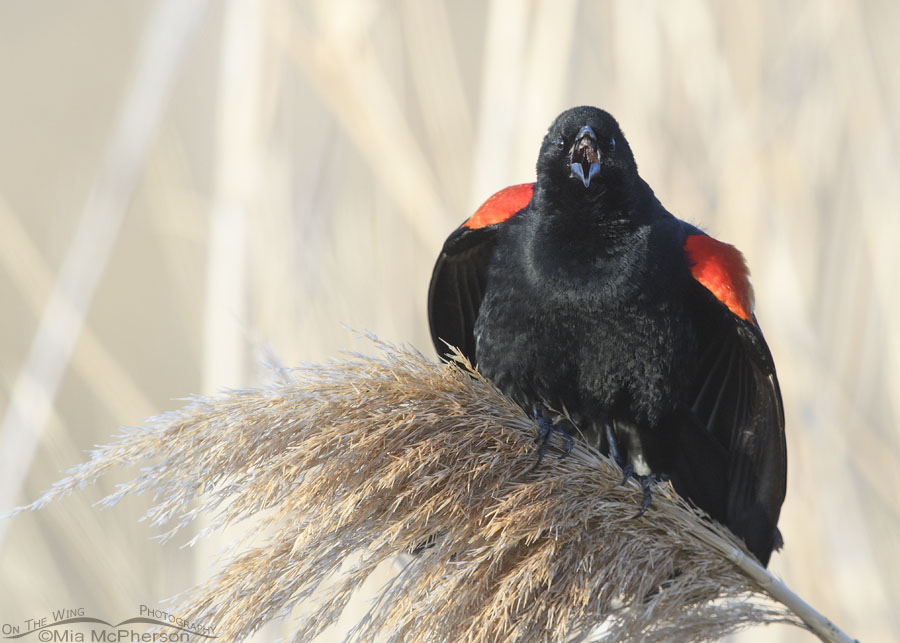
The last time I went up to Bear River MBR, I photographed this male Red-winged Blackbird crooner singing loud and strong.
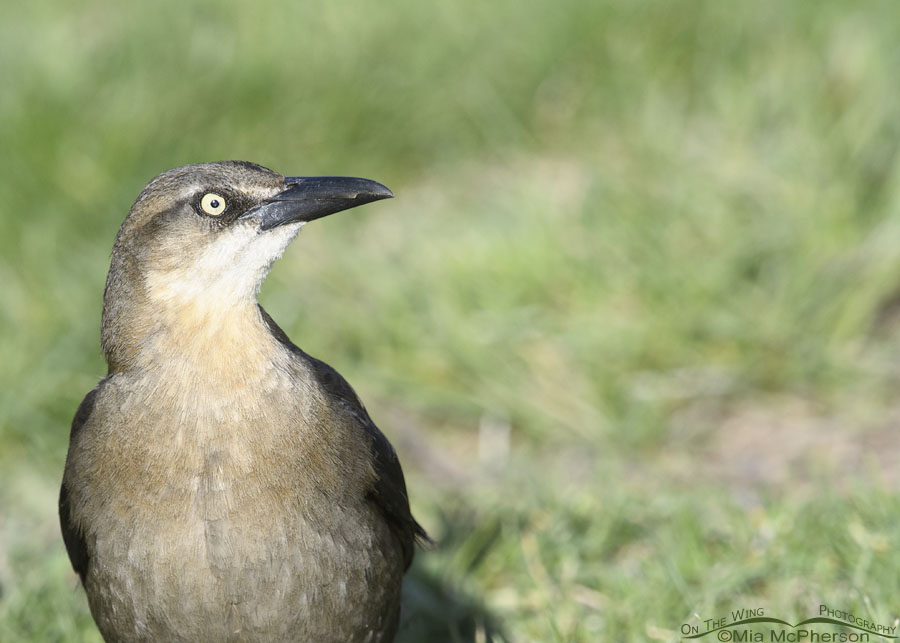
On the last day of April, I had a bit of good luck when a female Great-tailed Grackle walked so close to me at a local pond that I could take portraits of her.
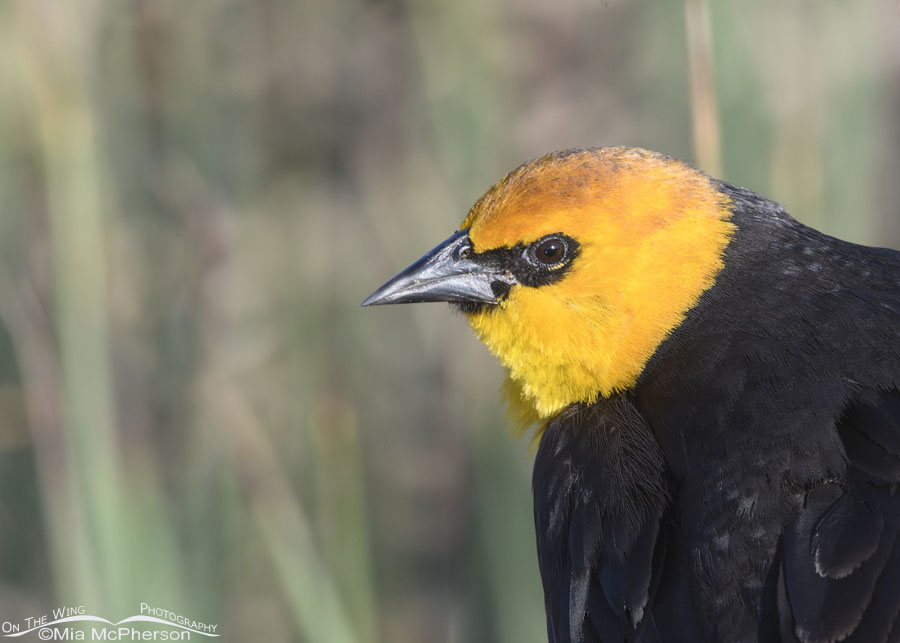
While I was at my local pond yesterday, a male Yellow-headed Blackbird flew in close enough to me that I was able to take a few portraits of him.
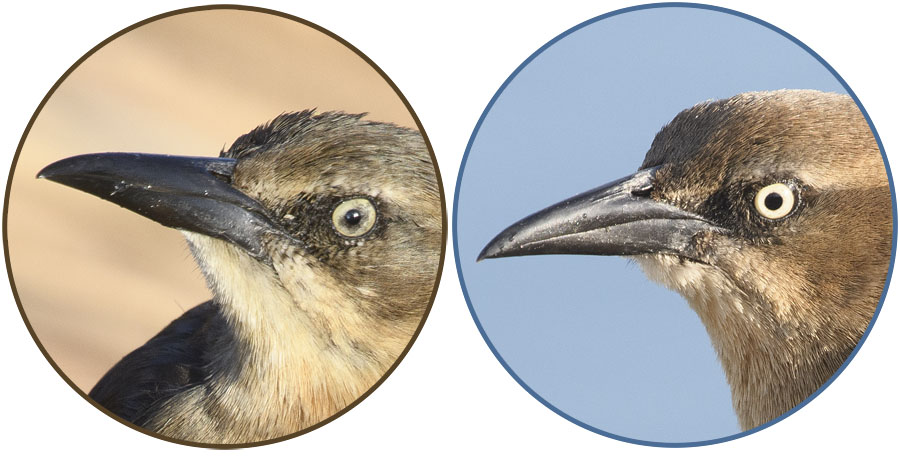
While I photographed Common Loons at my local park this month I also took some female Great-tailed Grackle images and today I am sharing two of them.
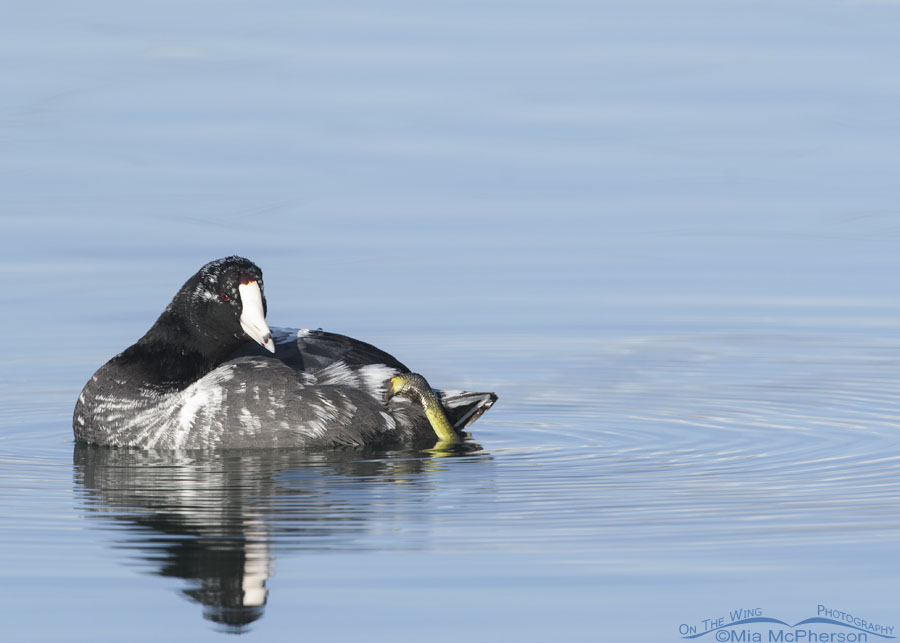
Over the past four months I wanted closer, better photos of the leucistic American Coot that I found on January 2nd. My patience and persistence paid off.
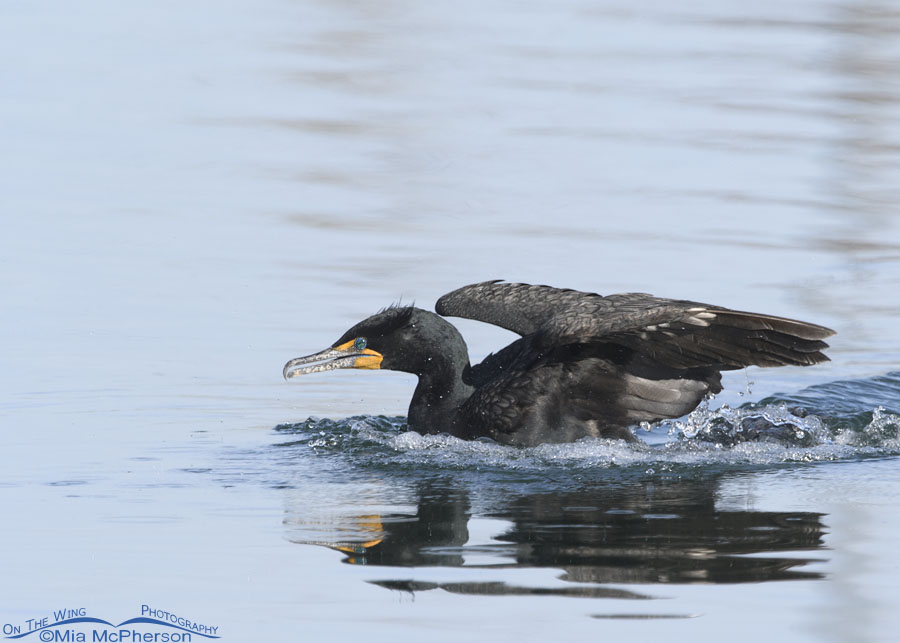
This mix of urban birds were taken over a two day period close to home. Birds, no matter where they are, bring me joy, happiness, and even laughter.
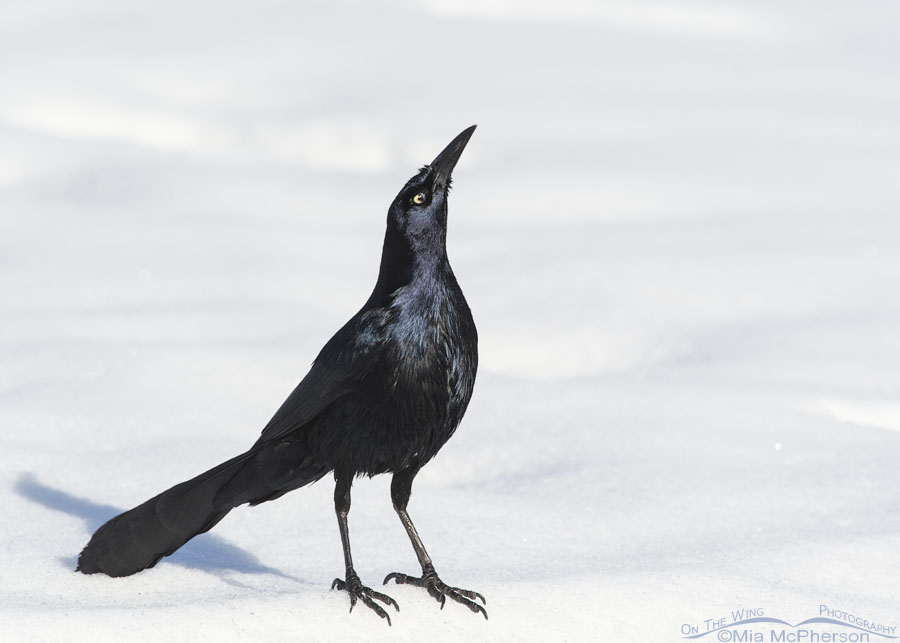
Taking Great-tailed Grackle photos after our recent spring snowstorm was fun. I had never seen photos of this species in the snow before I took these.
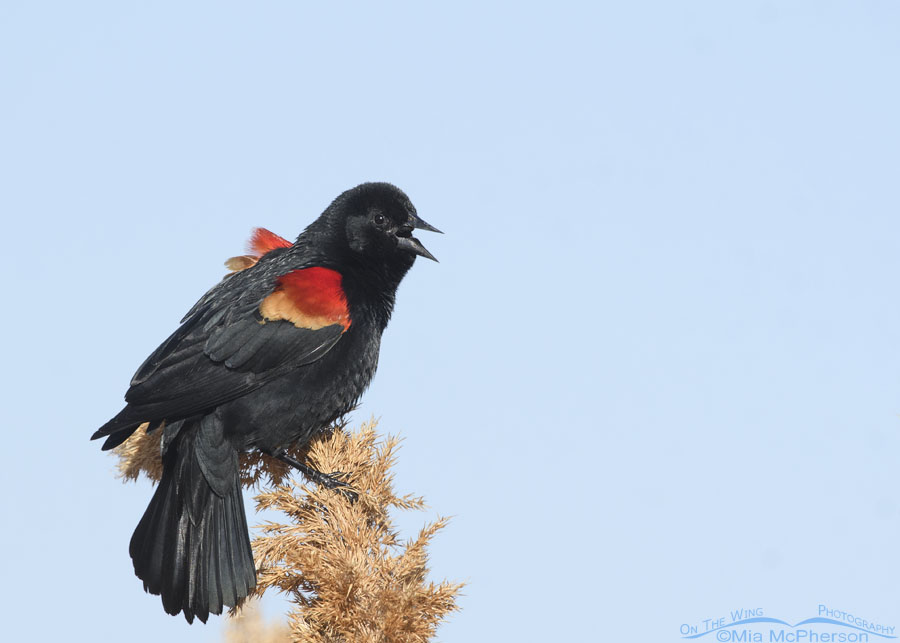
More fresh snow on the ground this morning. I am snow weary. What I need is a bird, nature, gone exploring in the wild fix with no real or clear return time.
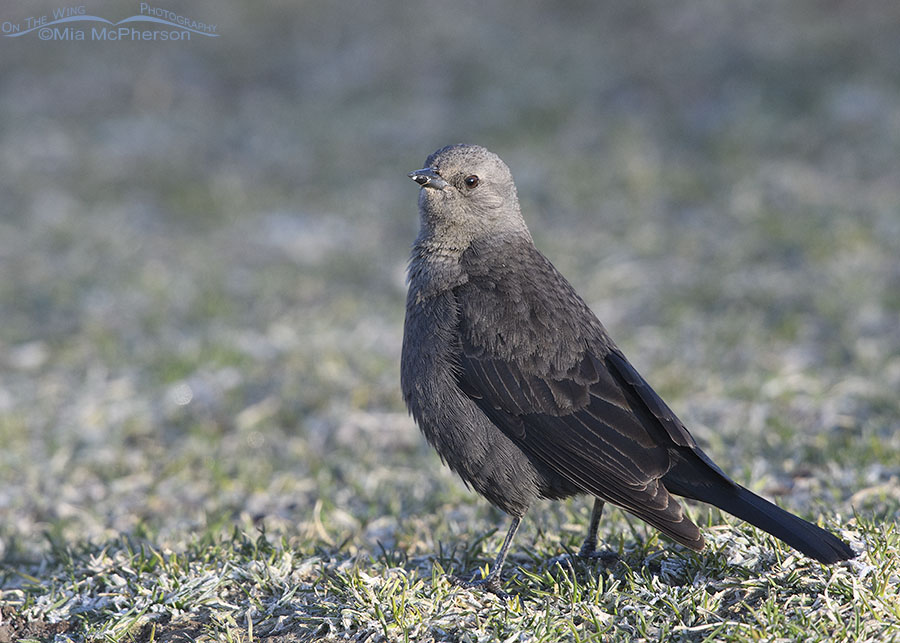
When I photographed this Female Brewer's Blackbird a few days ago she was the focus of attention for four nearby males that were displaying on the frosty grass.
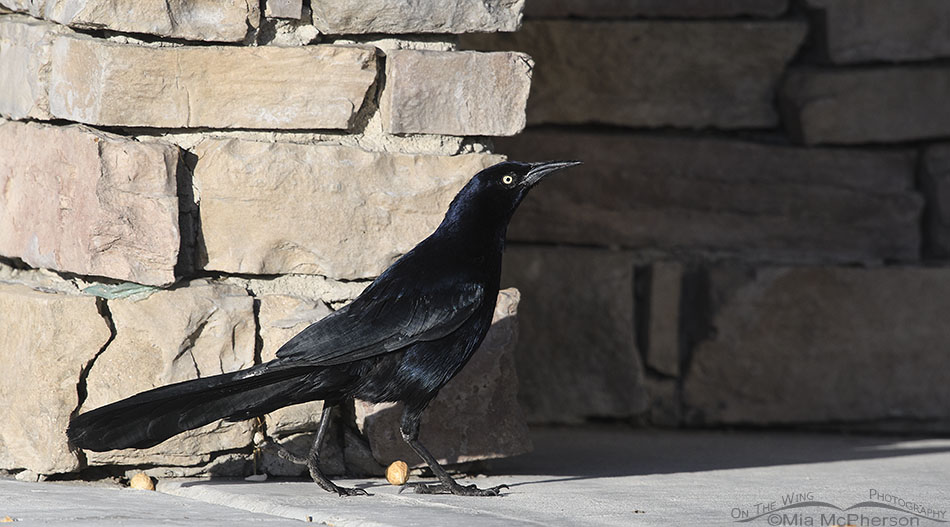
While I was walking around my local pond three days ago I enjoyed having a male Great-tailed Grackle in my viewfinder for a bit. He was strolling along nearby.
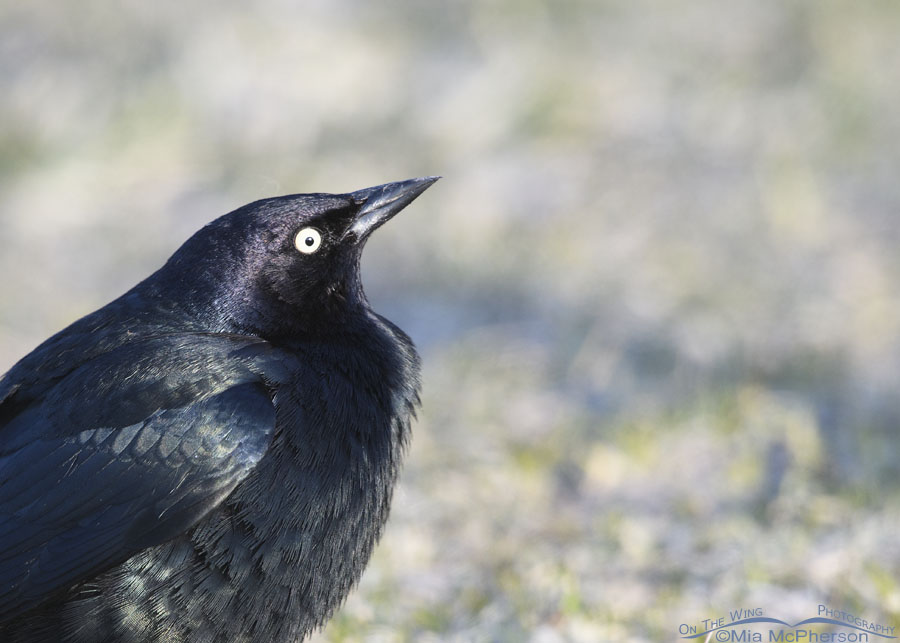
I took these two male Brewer's Blackbird portraits yesterday at my local pond. In one the blackbird was displaying, in the other he just looked funny to me.
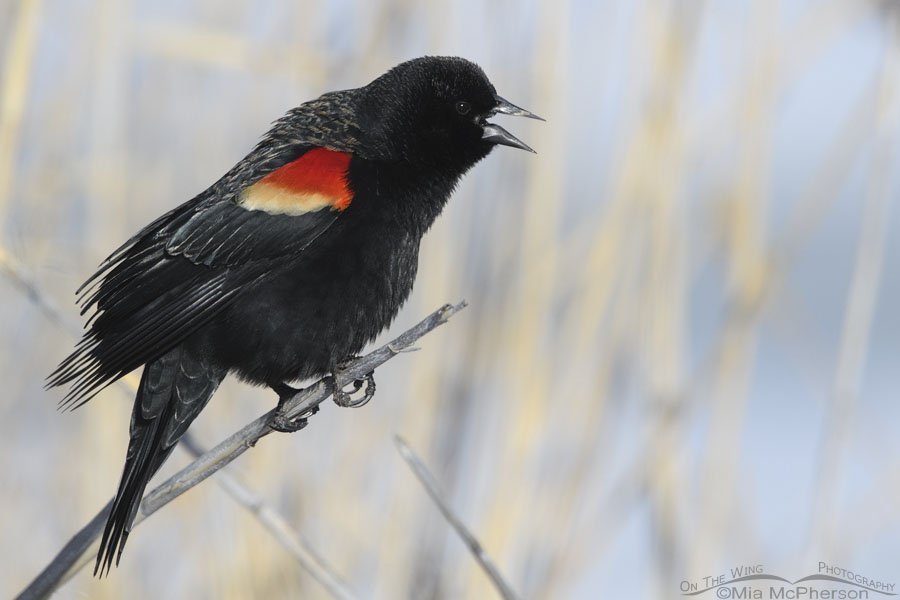
After my long and photo heavy Tundra Swan post yesterday I am keeping my post today simple. I'm sharing a single photo of a singing Red-winged Blackbird male.
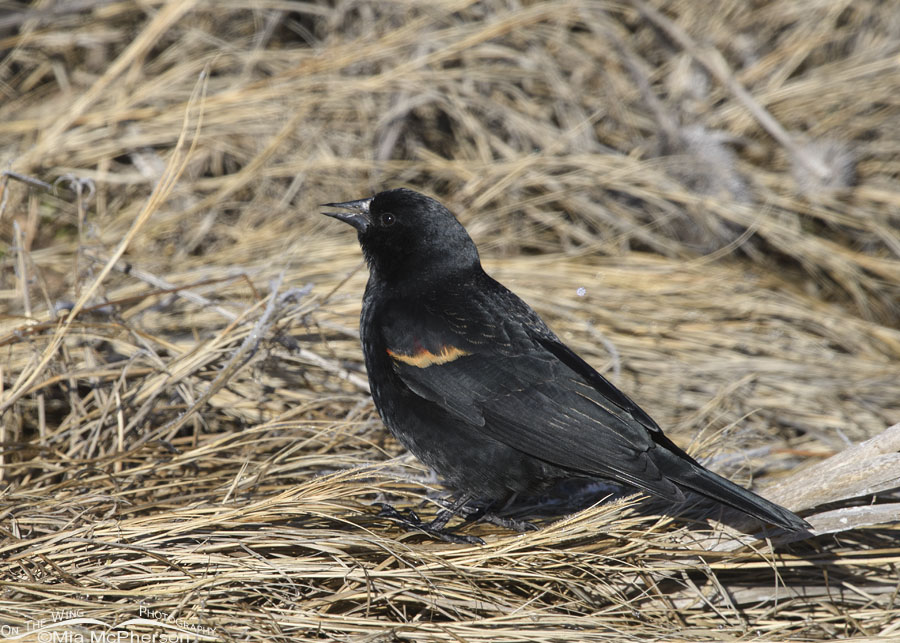
After a very busy day yesterday, I decided to share a simple photo this morning of a male Red-winged Blackbird foraging in grasses at Farmington Bay WMA.
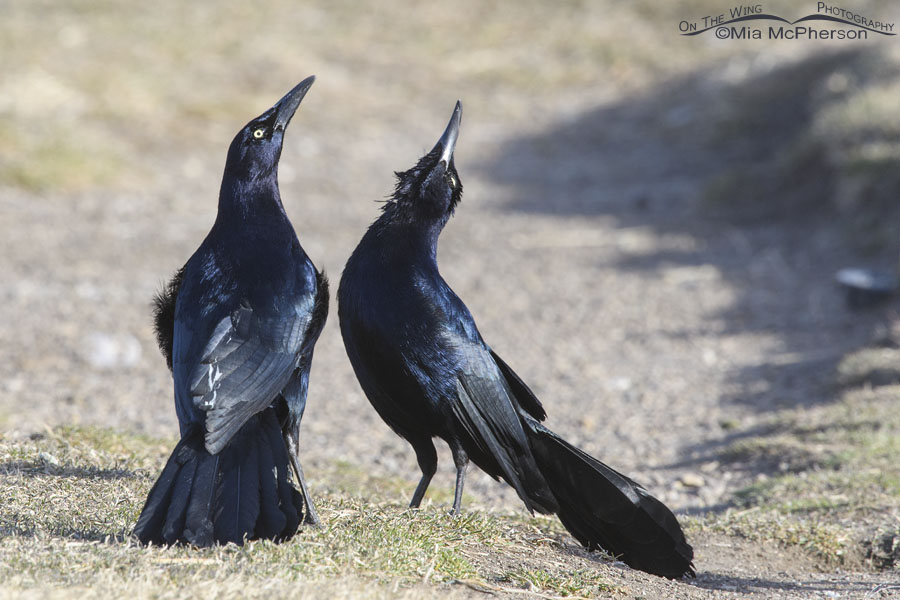
On two of my most recent walks I have seen Great-tailed Grackles. Seeing them reminded me that Great-tailed Grackle breeding season is coming soon.
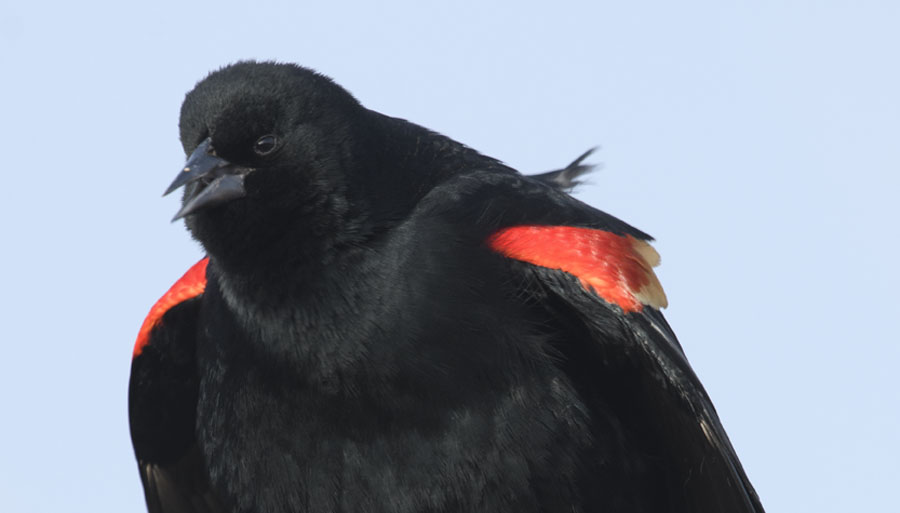
While I was at Farmington Bay WMA three days ago I stopped to photograph a male Red-winged Blackbird that I spotted on an old dead branch.