Falco sparverius
The American Kestrel is the smallest and most colorful falcon species of North America.


Falco sparverius
The American Kestrel is the smallest and most colorful falcon species of North America.
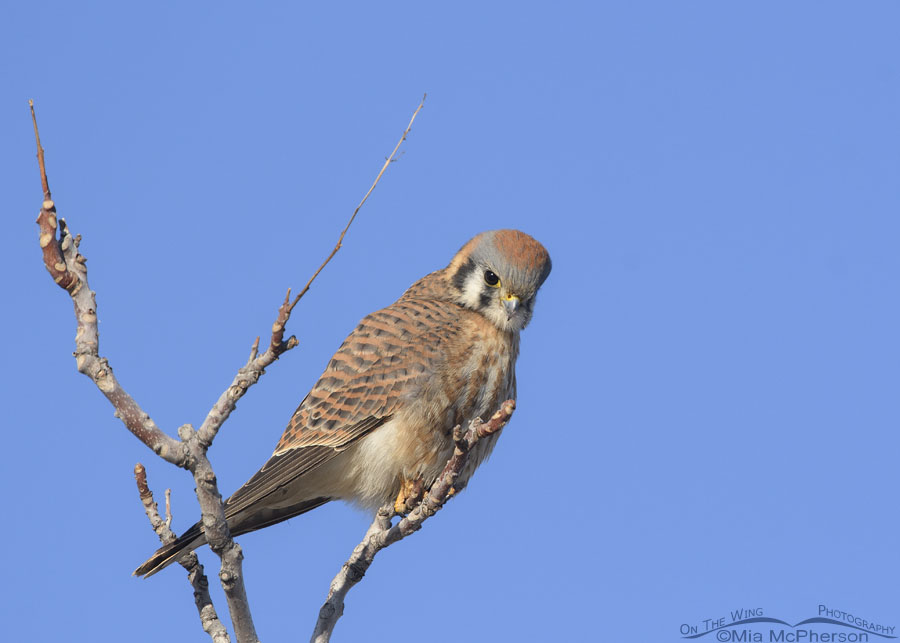
When I viewed this American Kestrel photo my first thought was if this isn't a "get off my lawn look" then I have never seen a get off my lawn look from anyone.
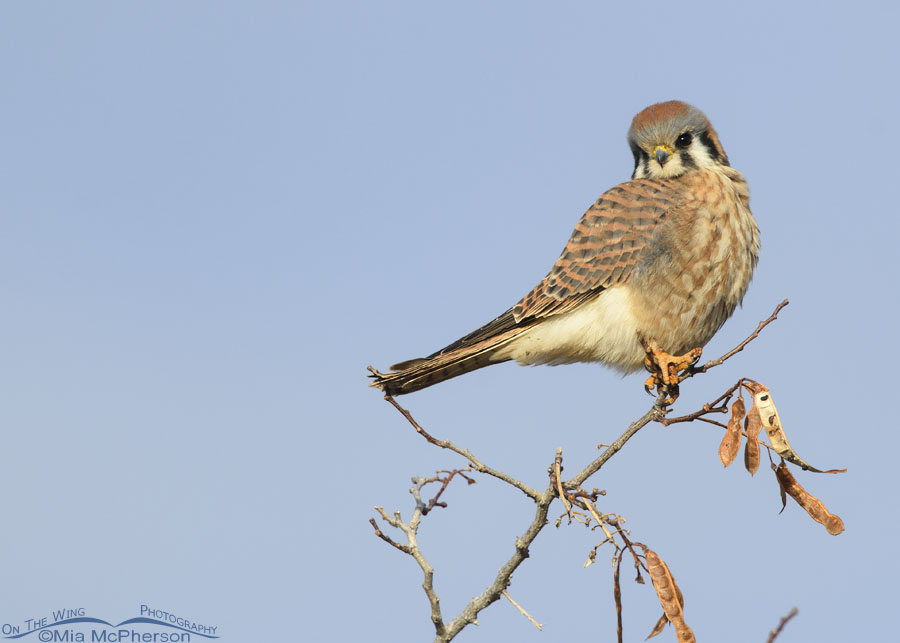
I spent a few moments photographing a gorgeous female American Kestrel on a tree top yesterday morning at Farmington Bay WMA.
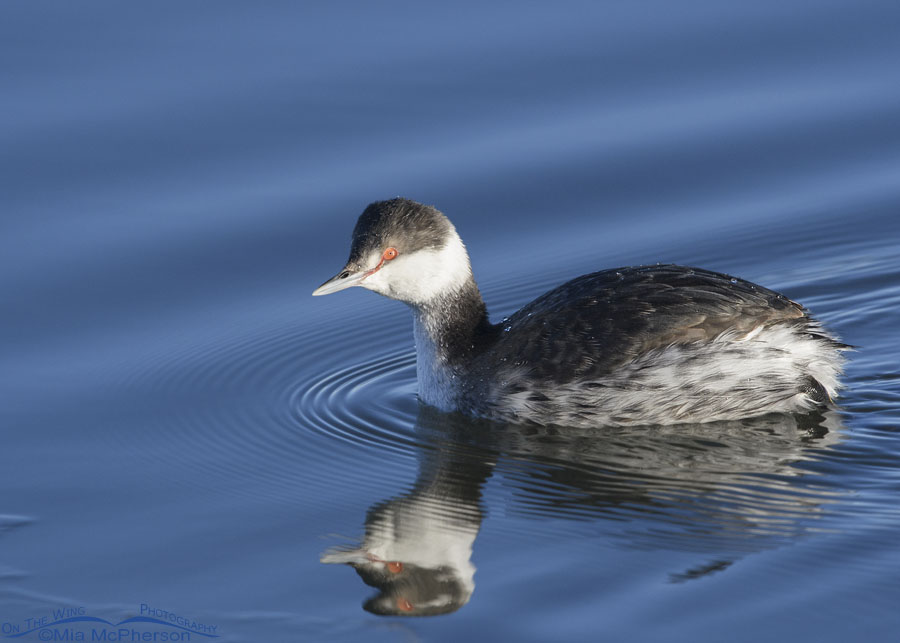
On this last day of the year it is time for my annual 2022 Year in Review post. In some ways 2022 has been great for me and in others not so good.
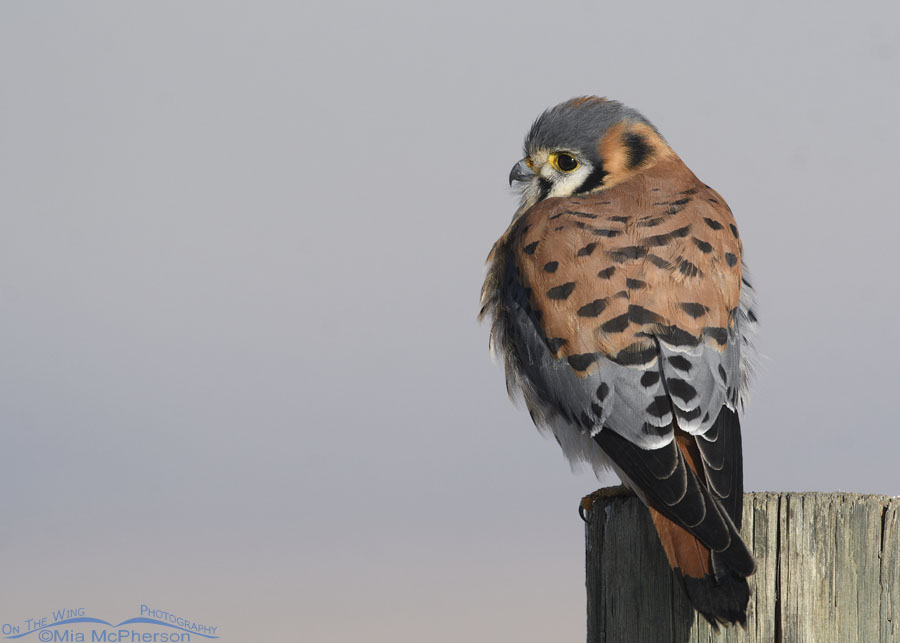
I photographed this Christmas Day American Kestrel in 2020 at Farmington Bay WMA. That Christmas Day was bright and sunny, today isn't going to be at all.
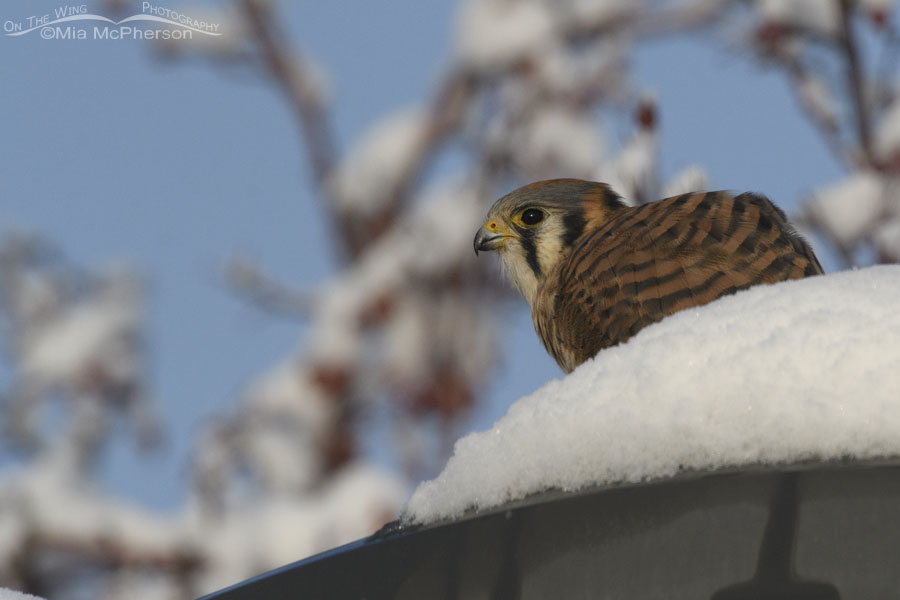
I was thrilled to have this female American Kestrel in my neighborhood and viewfinder after an overnight snow fell two days ago.

On the 3rd of December I spotted a small, colorful shape from a distance in a Russian Olive tree and knew immediately that I had found a male American Kestrel.

Yesterday morning I was able to take female American Kestrel photos from the causeway to Antelope Island State Park twice.

Two recent posts on Facebook inspired me to write about male American Kestrel chest plumage variation and to share six images of male kestrels photographed here in Utah.

At the end of my trip to Bear River Migratory Bird Refuge on January 6th the last bird I photographed was an adult male American Kestrel.

Much to my delight I was able to photograph some birds on Christmas Day at Farmington Bay WMA yesterday morning.

Three days ago I had one minute with a beautiful adult female American Kestrel and her partially eaten prey at Farmington Bay WMA.

I was only going to share this image today but as I processed this photo I thought about all the times I have photographed American Kestrels on this same exact post over the years.
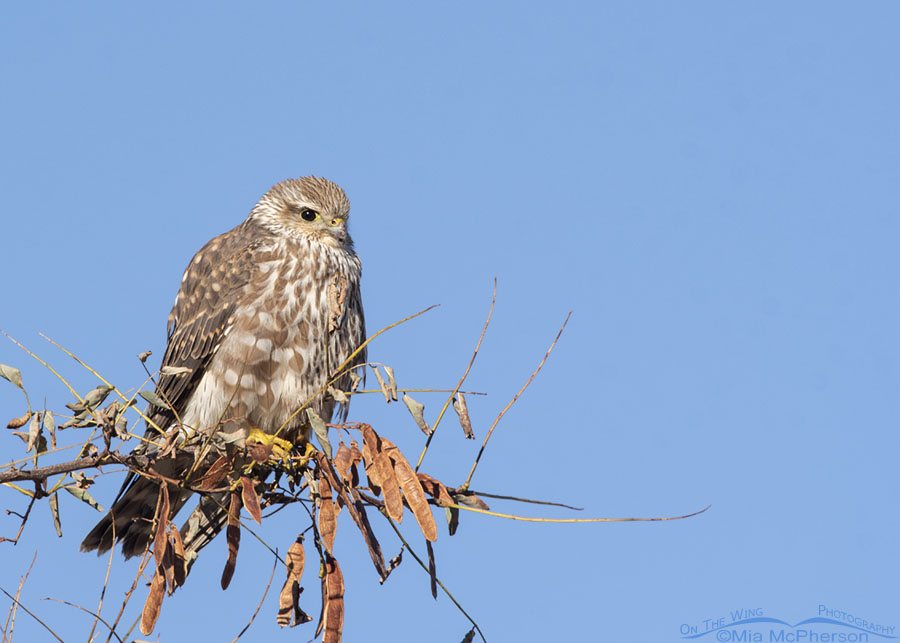
Any time I can see and photograph two falcon species in a single day is a great day and yesterday I photographed a Prairie Merlin and several American Kestrels.

While this male American Kestrel struggled to maintain his grip on the thin branches of the Tamarisk I struggled to keep him in my viewfinder.

I was delighted when I spotted this female American Kestrel perched high on a crabapple tree next to a road near the Jordan River and pleased that she stuck around for a few photos.
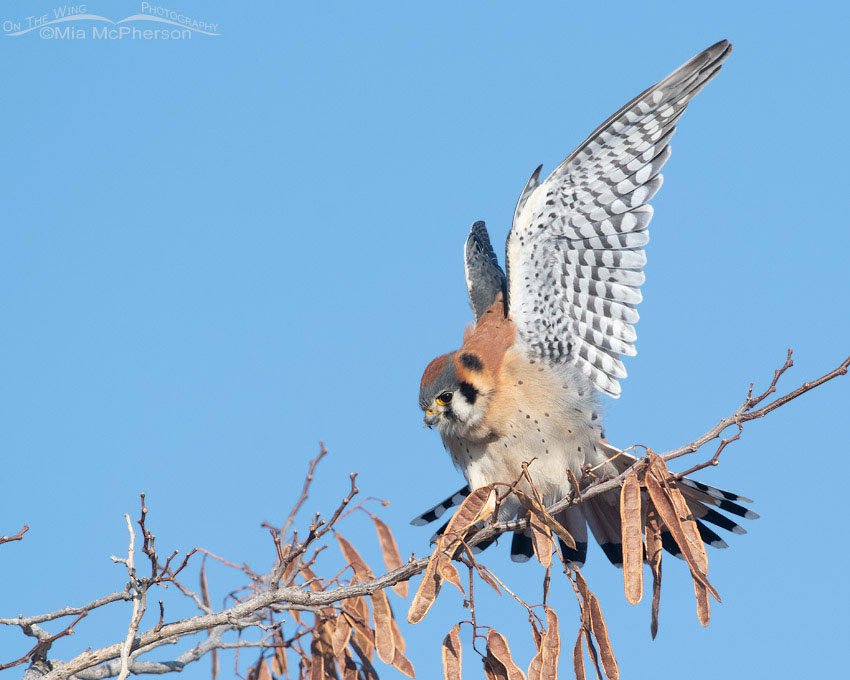
I took a long series of photos of this male American Kestrel in a tree at Farmington Bay WMA back in January and decided that I liked these two photos of the kestrel the best.

While I would have enjoyed having this male American Kestrel closer to me as it turned in flight than it was yesterday morning I found that I liked this frame with the tiny falcon turning in flight being small in the frame too.

The bird that was the most cooperative yesterday morning was a female American Kestrel that I spotted eating her prey on a lichen encrusted rock
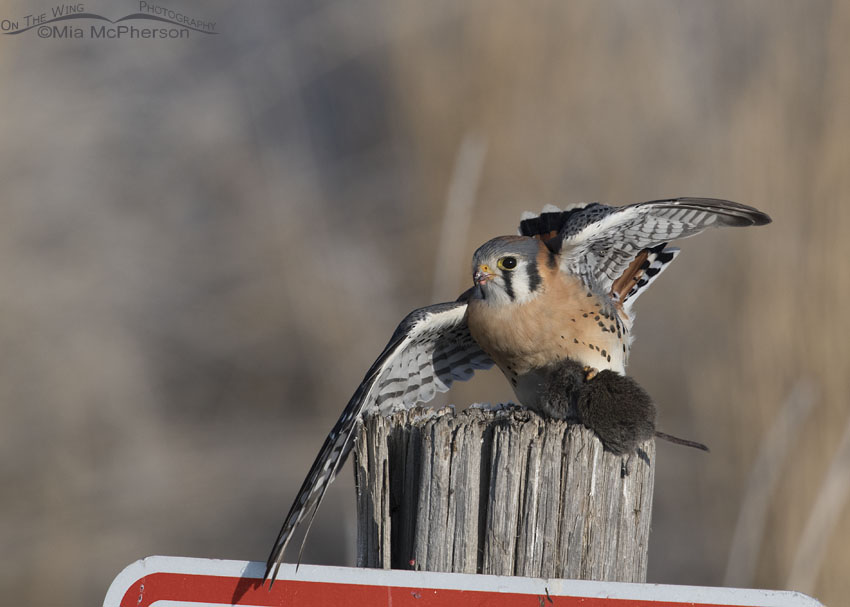
I've found American Kestrels to be "stickier" in cold weather and it wasn't much above 20°F when I photographed him as he consumed the vole bit by bit.
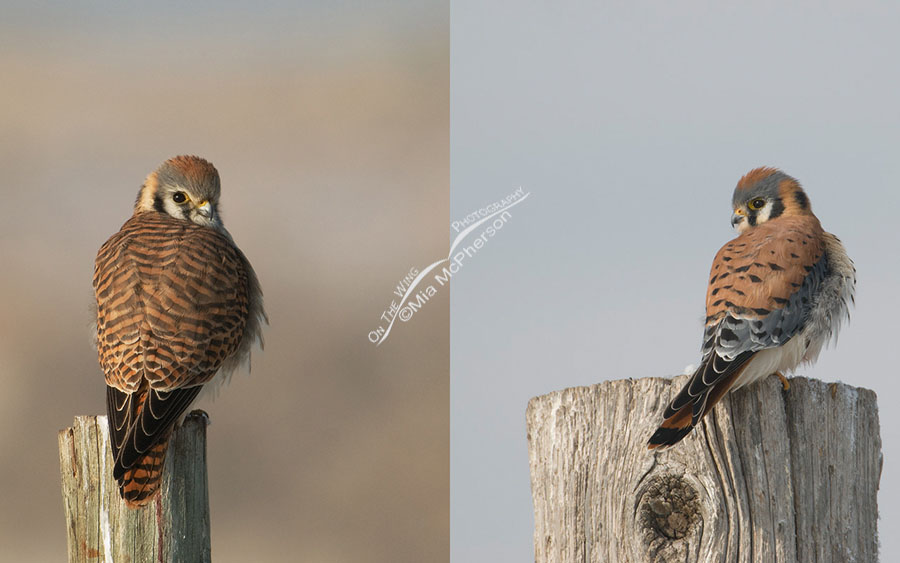
I've seen people struggle with seeing the differences between male and female American Kestrels and I hope this simple comparison will help.

I have mentioned before how one good bird can make a day and yesterday that bird was a male American Kestrel resting and preening at Farmington Bay WMA.

The American Kestrel was perched on an arching wild rose branch with prey in his bill when I photographed him with snow covered ice and the Wasatch Mountains in the background

The male American Kestrel caught my eye immediately because he has such a pale chest that the spots on his chest stood out like tiny black jewels set in a field of snow white.

I was able take one image of the American Kestrel landing with a grasshopper in his bill that was sharp and that I liked.

It isn't every day that I have the opportunity to photograph an American Kestrel attacking a Red-tailed Hawk in the air, in fact this would have been my best opportunity.

Male American Kestrels look for and locate potential nesting cavities within their territories and inspect them prior to the nesting season.

While working on my new photo galleries I came across this image of a male American Kestrel fluffed up on a cold Utah morning taken back in the winter of 2010.

I photographed this male American Kestrel a few days ago at Farmington Bay WMA as it flew out of a nest box.

Last winter I photographed this lovely little female American Kestrel at Farmington Bay WMA after a snow fall as she perched on a "Waterfowl Resting Area" sign.
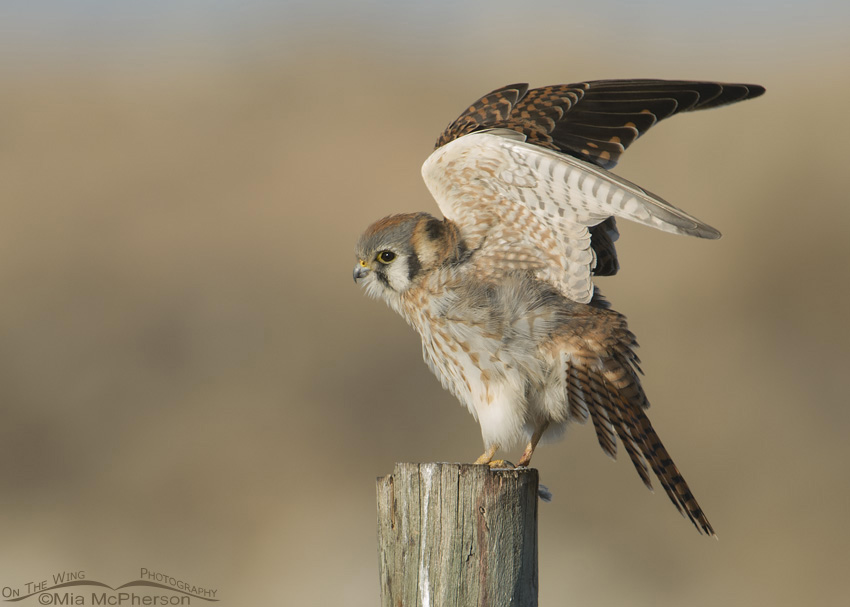
Male American Kestrels usually grab the show with their bright colors and bold patterns but I think the females are equally as stunning.