Marbled Godwit and Friends on Exposed Mudflats
In 2009 I photographed this foraging Marbled Godwit and friends on exposed mudflats of a Fort De Soto County Park lagoon.



In 2009 I photographed this foraging Marbled Godwit and friends on exposed mudflats of a Fort De Soto County Park lagoon.

I expect to see Greater Yellowlegs soon because they are one of the first shorebirds to migrate through Utah on their way to their breeding grounds.

The question regarding this proposal is... Willet happen?

A few days ago the ABA announced the 2017 Bird of the Year as the Ruddy Turnstone and I couldn't be any happier because shorebirds were my "spark" birds that propelled me into the world of bird photography.

I kept this photo of the Reddish Egret with the surprise curlew in the background not because it is a great image but to remind myself to look beyond the subject in front of me.

Wow, today is the last day of the year 2016. This is my photographic year in review from Utah, Idaho and Montana!
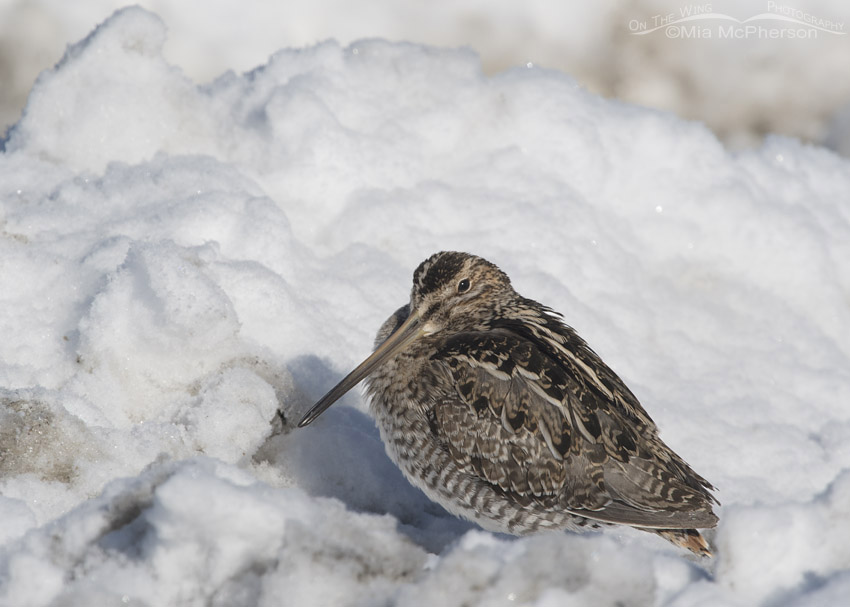
Wilson's Snipes are medium-sized, stocky shorebirds that can be found in Utah year round despite the ice, freezing temperatures and heavy snow we have here during our winters.

Most of the American Avocets have migrated away from northern Utah but most years we can have a few stragglers that haven't migrated by this time of the year
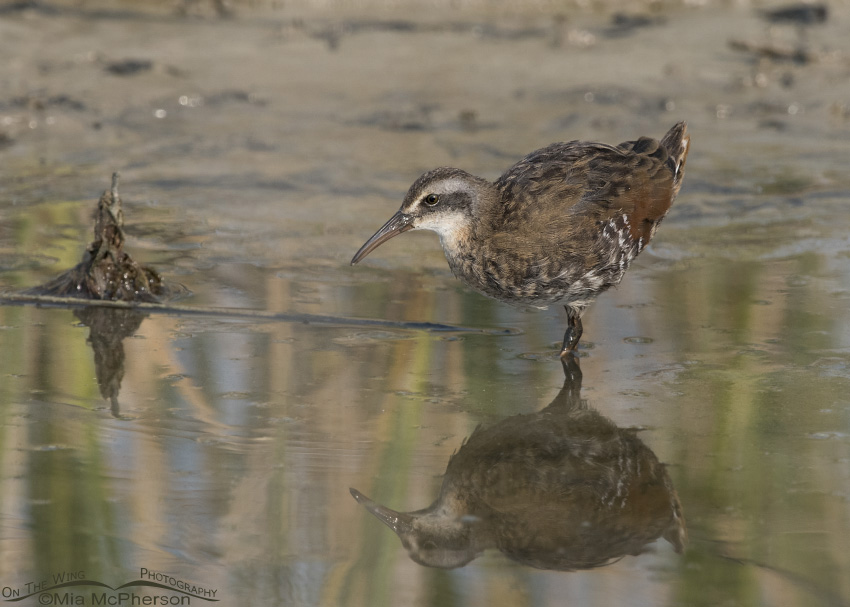
This is National Wildlife Refuge Week and in celebration I wanted to do a pictorial essay that includes some of my images of the Birds of Bear River Migratory Bird Refuge.

I'll be out photographing birds like this Willet foraging in the Gulf of Mexico, other wildlife and the beauty of nature.

I got to find, point out, and photograph a rare Upland Sandpiper in Utah well out of its normal migration route and range, what a day. What a find

I was tickled to photograph this American Avocet as it fed but it wasn't until later that I knew it was devouring a tiny crayfish.
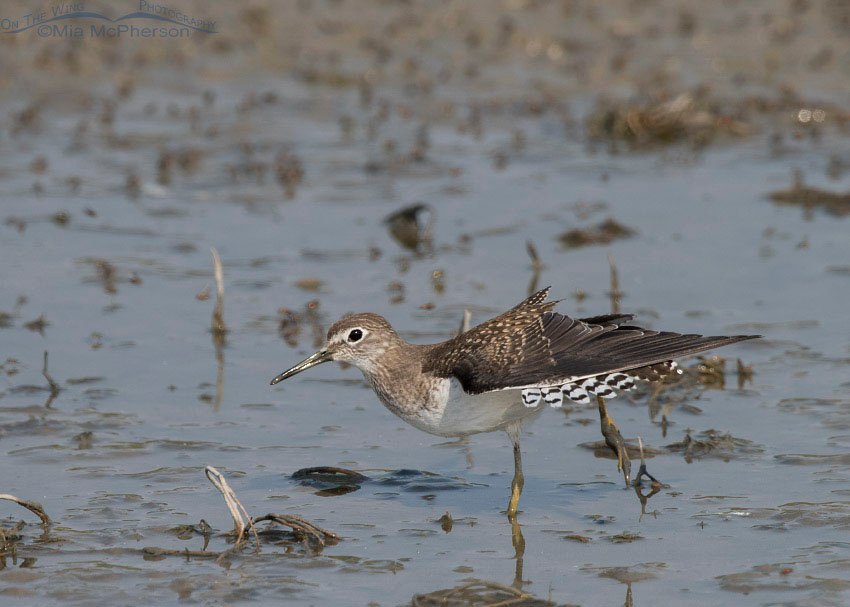
I photographed this Solitary Sandpiper two days ago at Bear River Migratory Bird Refuge and saw several more and I also photographed a pair of them the week before.
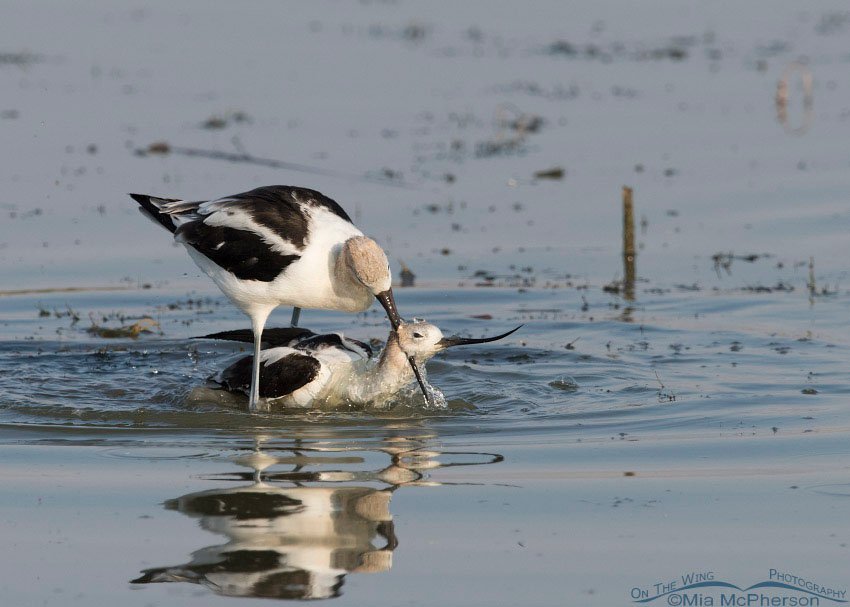
I am unable to find information on line about why this male American Avocet attacked the female so aggressively but I can say that it was fascinating to see and photograph it.

One a fall day at Fort De Soto I was able to photograph this Black-bellied Plover on a foggy morning up close on the beach.

This sleeping Willet image remains one of my favorite images because it was so comfortable in my presence that it fell asleep.
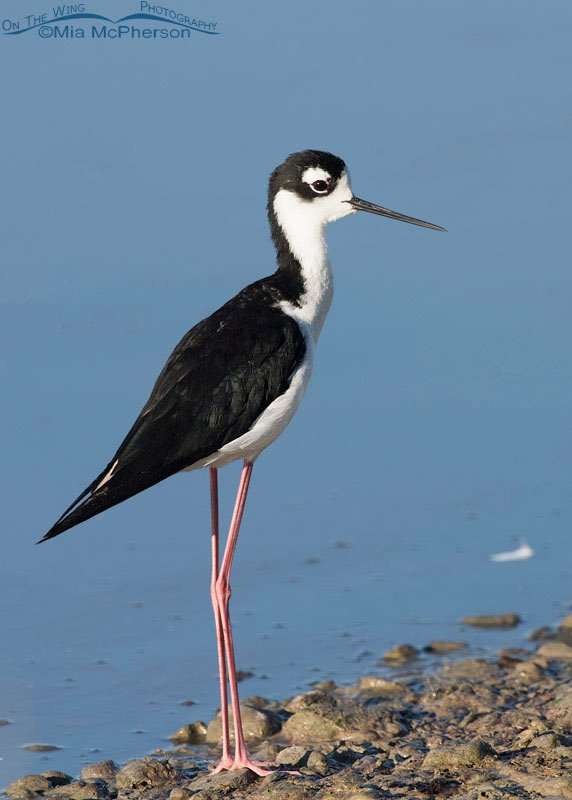
The Black-necked Stilt adults seem to be still keeping an eye on their young and that is what this male Black-necked Stilt was doing near the auto tour loop.

The American Avocets look a bit different now than they did earlier in the year because they are now in their paler, less colorful nonbreeding plumage.

Killdeer chicks are precocial and active soon after hatching and will leave the nest as soon as their down dries.

I photographed this migrating Least Sandpiper in the same pond as the Wilson's Phalarope chick at Red Rock Lakes National Wildlife Refuge but on different days.
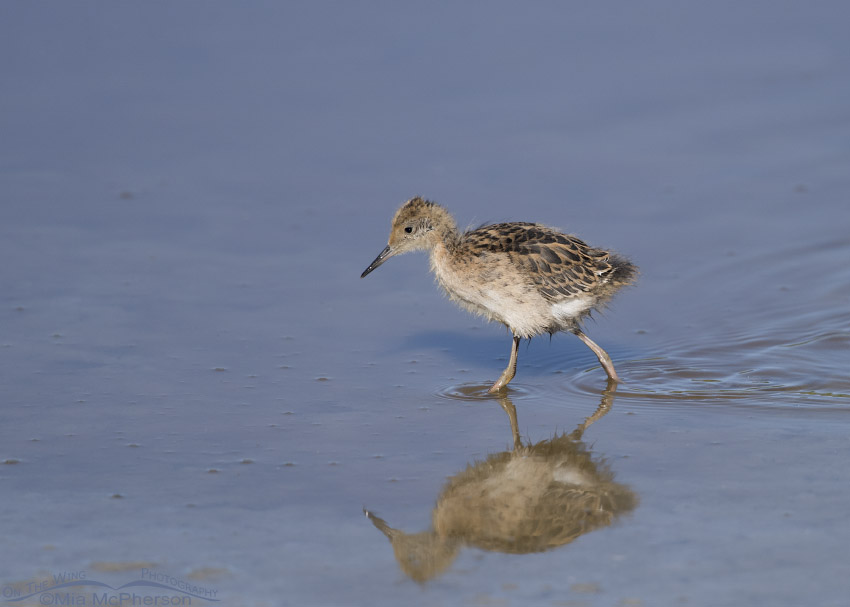
I was photographing a Wilson's Phalarope chick and it was in fact the youngest phalarope chick I had ever seen!

These four birds, an American Oystercatcher, a Greater Sage-Grouse, a Reddish Egret and a Mountain Plover are all facing the risk of extinction without serious conservation measures to reduce declines in populations and habitat destruction.

Last night I spent some time dreaming of oystercatchers. I could hear them in my dream and see them scurrying along the waves.
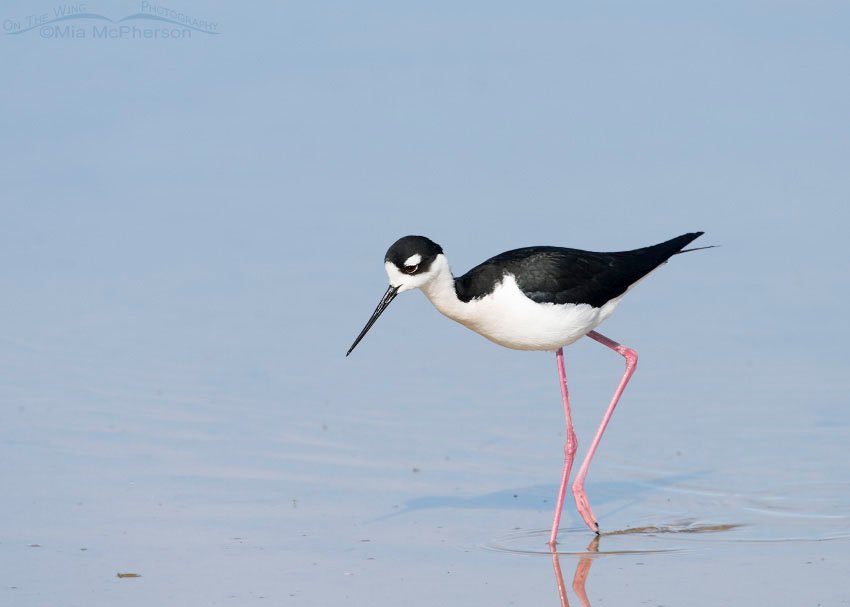
I took a series of images of this male Black-necked Stilt foraging in some very shallow water that showed the red of his eyes and those long, long legs.
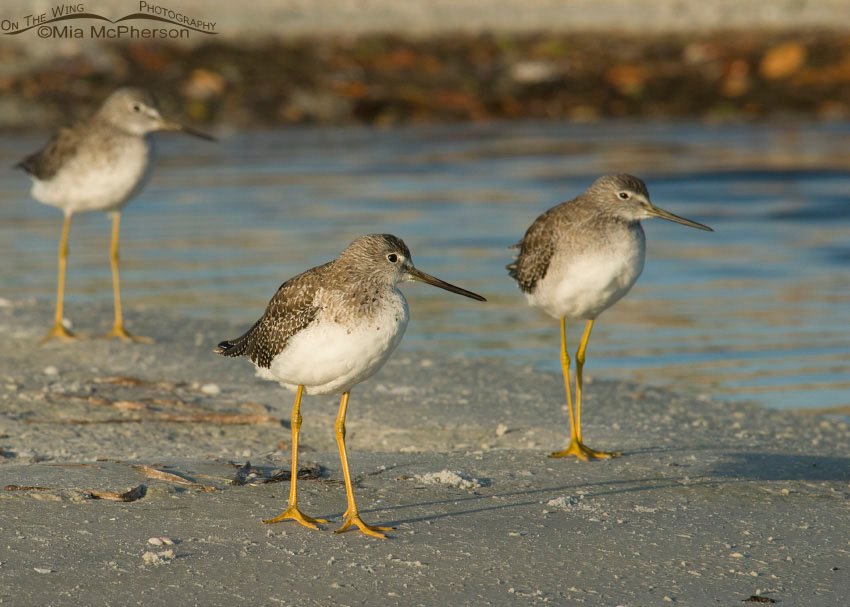
When I photographed this trio of Great Yellowlegs in Florida I didn't have to worry about how far away they were, in fact at times they moved too close to me

I knew where this camouflaged Wilson's Plover chick was when I photographed it from a distance but realized that if I didn't point out that there was a chick in the image that other people might not even know it was there.

It is breeding season for Killdeer at Bear River MBR and for all of Utah.

The Long-billed Curlews on Antelope Island are fascinating subjects to photograph and observe or anywhere for that matter.

I photographed Long-billed Curlews, Willets and Chukars along with a few other birds and a Pronghorn buck. It was a beautiful spring day.

This Gulf Coast Snowy Plover was photographed at Fort De Soto County Park in Florida and the park was the first place I had ever photographed this species.