If You Used this Search Term: How Much To Feed A Juvenile Brown Pelican
Please, please, find an authorized and licensed bird or wildlife rehabilitator in your area immediately.



Please, please, find an authorized and licensed bird or wildlife rehabilitator in your area immediately.

Today's post is about an American Oystercatcher image I took in 2009 at Egmont Key in Pinellas County, Florida, and the story behind it.

One of the birds I found that summer morning was a Great Egret perched on a stump that the waves of the Gulf had deposited on the shore of the beach.

I will say that my favorite and most memorable times photographing Long-billed Curlews happened while I was still living in Florida well away from their breeding grounds.

The soft light of dawn has a special quality to it and I believe that it is evident in both of these American Oystercatcher photos.

This morning I opted to go back in time to a "normal" Mother's Day by pulling a Black-bellied Plover photo from my archives that was taken on Mother's Day in 2009.

This Green Heron was photographed not long after I first started focusing on and photographing birds while I still lived in Florida.

Eleven years ago today I was wandering and looking for birds to photograph at Lake Seminole Park in Florida and found a very cooperative Limpkin that was foraging for breakfast.
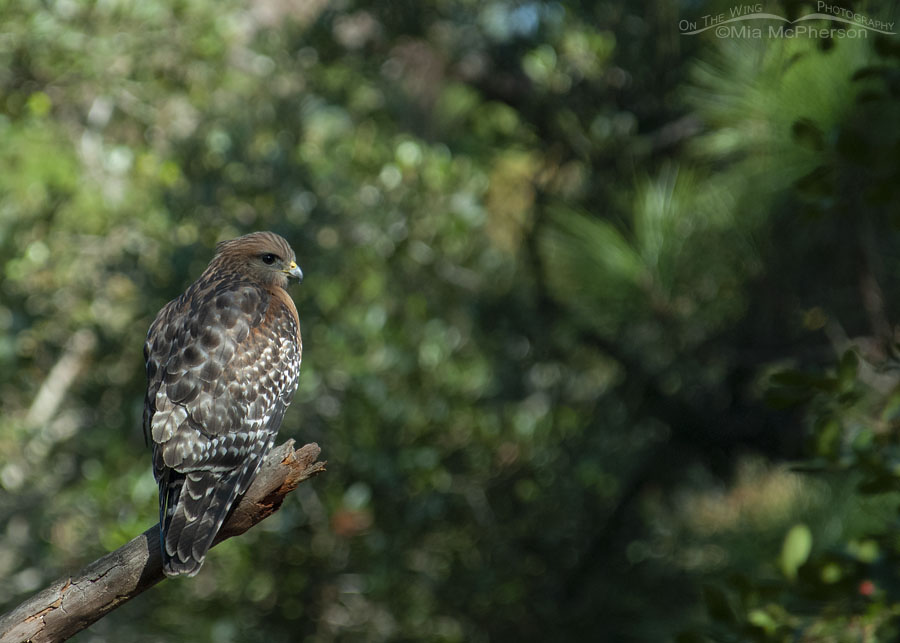
I came across this adult Red-shouldered Hawk while walking around at John Chesnut Sr. Park in Florida way back in January of 2009.

I had so much fun photographing Reddish Egrets when I lived in Florida and could see them nearly every time I went to Fort De Soto County Park's north beach.

When I lived in Florida Tricolored Herons were among my favorite wading birds to photograph and I found them in many different types of habitats.

Because I arrived at twilight that morning and had a clear sky I knew that I could take photos of the Great Blue Heron with the blue colored Earth's Shadow and pink Belt of Venus behind it.

The Brown Pelican didn't do much while I had it in my viewfinder and I probably took way too many photos of it but I don't care, it was unique to see here in land-locked Utah and the setting of the Bear River was definitely different than the many times I have photographed this species back East.
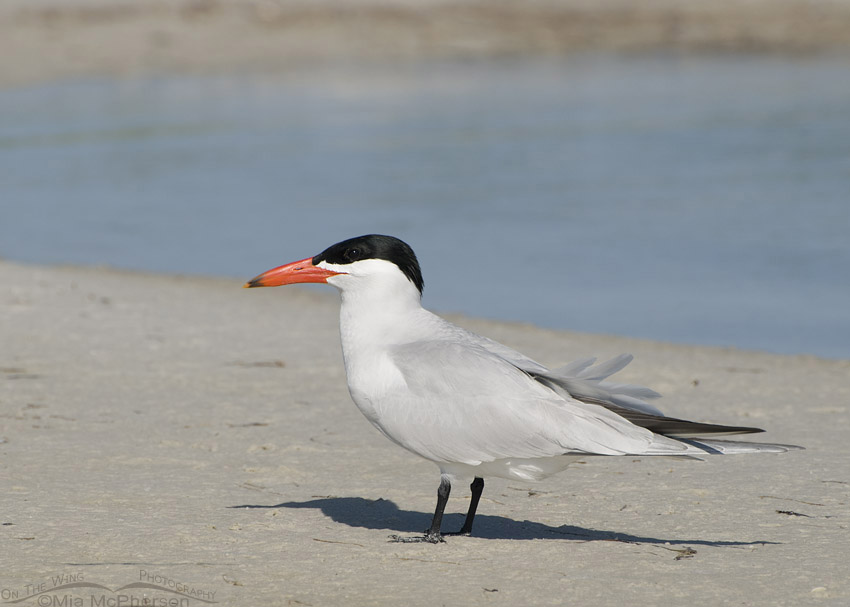
The day I came home from camping in the West Desert the first bird calls I heard were from several Caspian Terns in flight overhead that were squabbling and diving at each other.

This image of a splashing and bathing Royal Tern in a Florida lagoon was taken nearly ten years ago and I'd never processed it until today.

The story behind the images I took of the Anhinga waiting out the storm isn't a happy or pleasant one but I still liked the images I took.

It felt amazing to have that Great Blue Heron gift us with its presence for those few seconds. You just never know what might happen when you are out looking for birds.
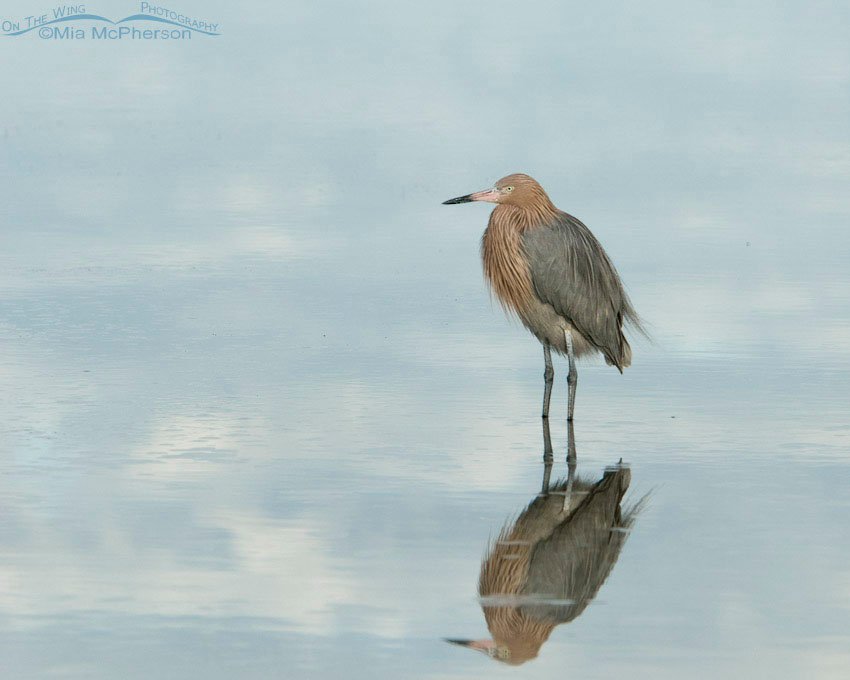
It has been nearly ten years since I took this photo and it remains one of my favorite Reddish Egret photos because of the clouds reflecting on the still waters of a lagoon at Fort De Soto County Park.

This morning I'm thinking back on warmer days where I took photos of Spotted Sandpipers on the Gulf Coast as they scurried among those oyster beds looking for food and somehow I feel just a little bit warmer looking at this photo and the howling wind doesn't seem quite so loud.

It is always nice to be able to point out a lifer bird to someone else and that is what I did on June 25th after I spotted a tiny Snowy Plover at Bear River Migratory Bird Refuge foraging in the mud.

Taking photographs of shorebirds at eye level was very fulfilling for me and the images that resulted from my down & dirty technique have always made me feel an intimate connection to the birds.

It was one year ago today that I saw and heard my first Long-billed Curlews of the year and this morning as I sit here knowing there are cloudy skies outside I am wondering if the curlews have returned to northern Utah today as well.

Okay, that is enough for now, there are more birds that people love to hate but I can only deal with so much of it before I feel the need to get out and photograph all the birds I see, even those that other people despise.

The sun hadn't yet come up when I spotted this Great Egret in the tidal lagoon with the Sunshine Skyway Bridge in the background and it looked like the water was on fire.

In Florida I most often photographed Red-winged Blackbirds at north beach of Fort De Soto County Park where I could reliably find them in the sand dunes, sea oats, spartina and mangroves all year long.
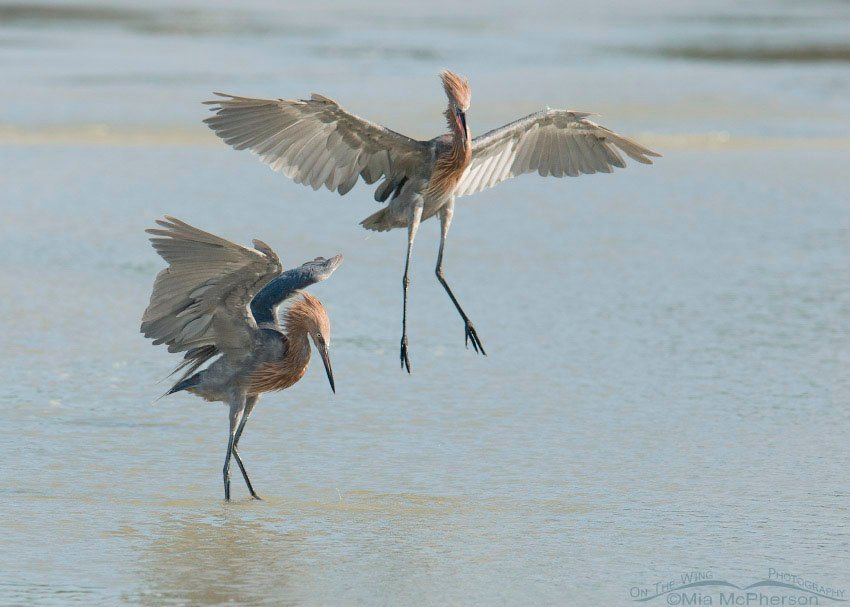
I didn't have a great angle of light when I photographed this pair of Reddish Egrets but I didn't want to move and disturb the birds so I stood still as I could.

After taking the quick bath in the tidal lagoon the Black-bellied Plover flew off towards the shoreline of the lagoon to shake and fluff its feathers until they were dry.
On a May morning in 2008 while photographing this Wilson's Plover it began to scratch itself with its foot and when I took this photo it looked like the plover was dancing.

My entire focus was on the calm Great Blue Heron in front of me and I felt as relaxed as the heron appeared to be that morning.
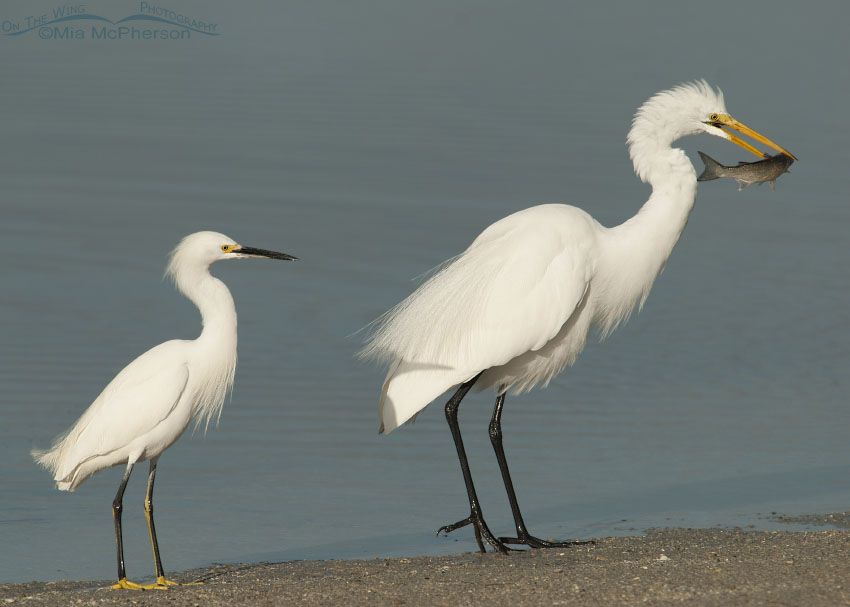
There are some other differences between Great and Snowy Egrets in appearance of course but I think the comparisons I have written about are the most helpful for me in the field for identification and may be for other people too.