Bear River Migratory Bird Refuge – Christmas Day 2012
Christmas Day of 2012 turned out to be as beautiful as I hoped at Bear River Migratory Bird Refuge because of bright skies, snow on the ground, birds and the expansive views.


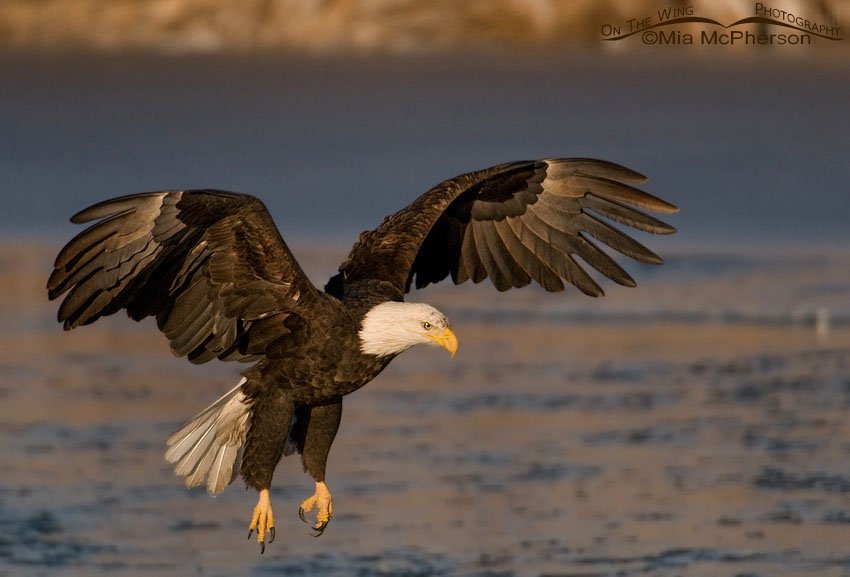
Christmas Day of 2012 turned out to be as beautiful as I hoped at Bear River Migratory Bird Refuge because of bright skies, snow on the ground, birds and the expansive views.
Yesterday I took a stroll down memory lane, actually I looked for images I have taken either on Christmas Eve or Christmas Day in my files but in a way that is taking a stroll down memory lane.

The White-crowned Sparrow in this image is small in the frame, the bird isn't super sharp and there isn't a lot of contrast or color to the photo either yet the image speaks to me.
Throughout these three experiences in finding escaped falconry birds what I have learned is that falconry is for experts not for people who just think it is cool to have a pet raptor.

I photographed this juvenile Red-tailed Hawk flying by last month at Farmington Bay Waterfowl Management Area in Davis County.

Evening can have marvelous light too though as shown in the Roseate Spoonbill image above that I photographed in Florida as it hunted for prey in a tidal lagoon.

This Great Egret image was taken in Florida in 2009, the beautiful blue in the background is the water of the Gulf of Mexico.

I photographed this Short-billed Dowitcher and the out of focus Sanderling the day after a storm had pushed mounds of Sargassum seaweed onto the wrack line and the birds were busy looking for food within it.
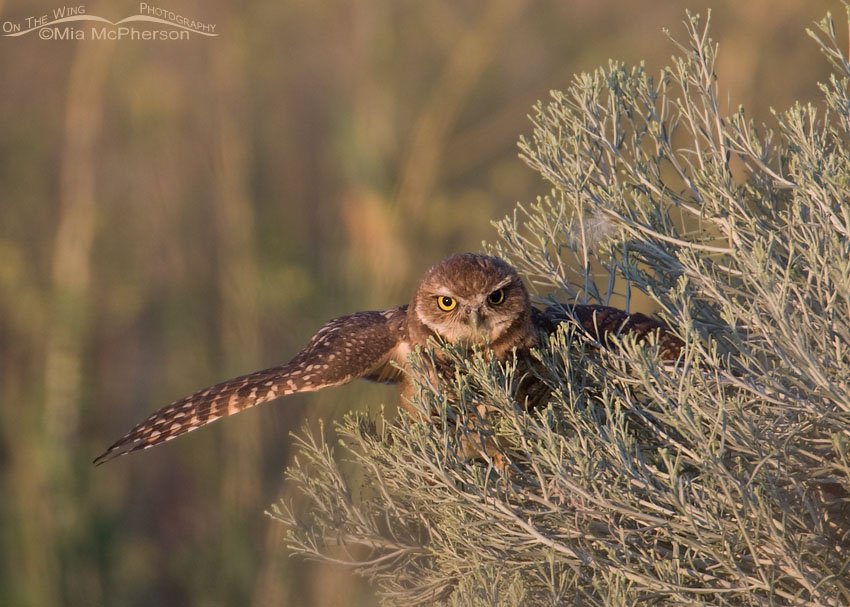
This fledgling Burrowing Owl was just learning to fly at the time and wasn't always great at landing. When I took this image it had made a soft crash landing into the Rabbitbrush and it was trying to get its balance back.
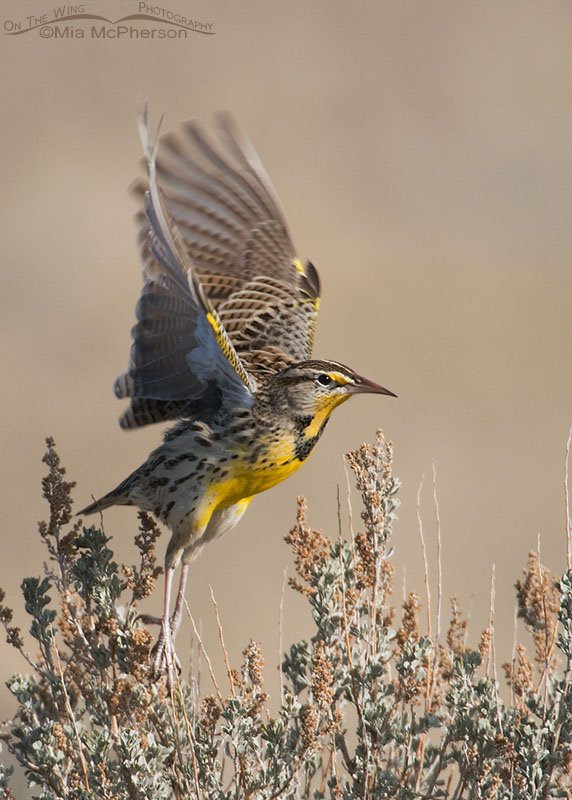
This Western Meadowlark image was taken last month on Antelope Island State Park. I meant to post it earlier but forgot because I got so busy trying to set up my new computer. Life outside of bird photography does get in the way at times.

A simple image of a Red Knot taken in Florida in early morning light. Morning has been; and is, my favorite time of day to photograph birds and other wildlife because the rising sun can add drama and a warm glow to whatever subject I am photographing.
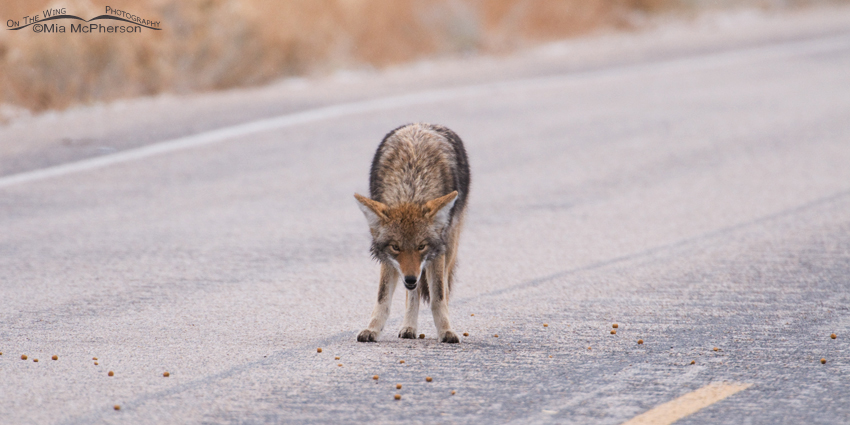
That is dog food on a road on Antelope Island State Park. Someone threw it onto the road it didn't just fall from the sky.
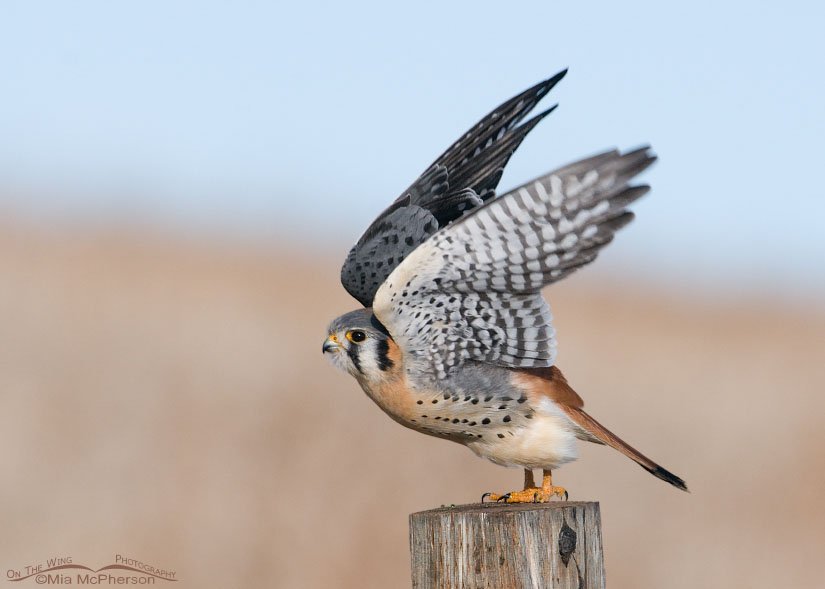
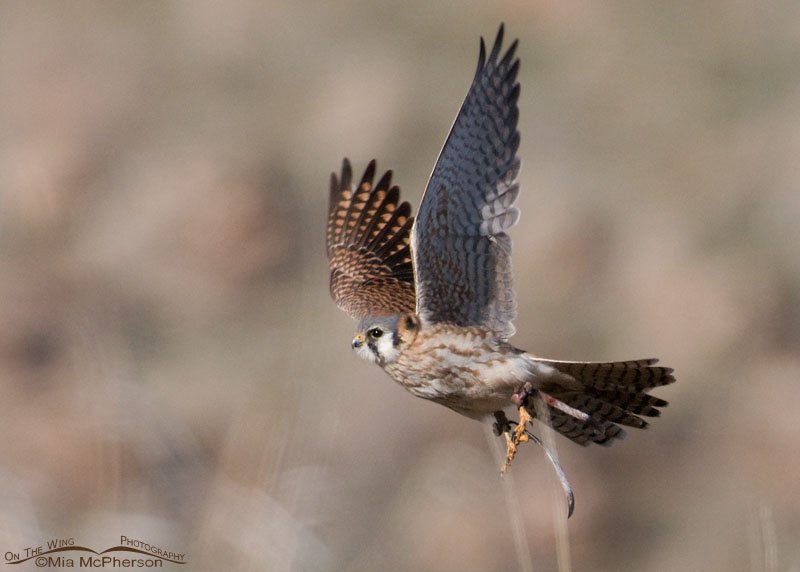
There is something about American Kestrels that speaks to me. They might be our smallest falcon in North America but they have big attitudes, fierce characters and are terrific hunters.
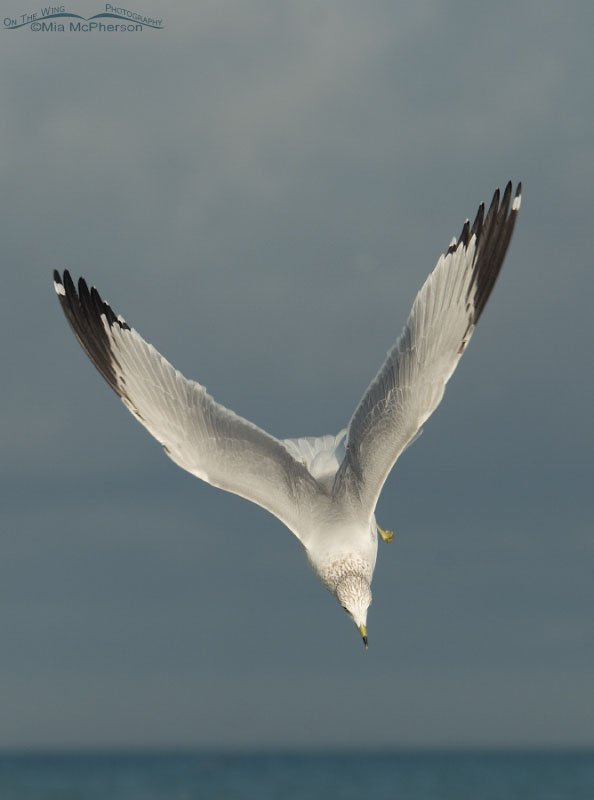
Just a simple image today that I have always liked because of the action even though I don't have great eye contact with my subject, a Ring-billed Gull.

Ring-necked Pheasants are colorful upland game birds that are native to Asia and were introduced into North America for recreational hunting purposes and now occur widespread across southern Canada and in many areas of the U.S. except for some of the southern states.

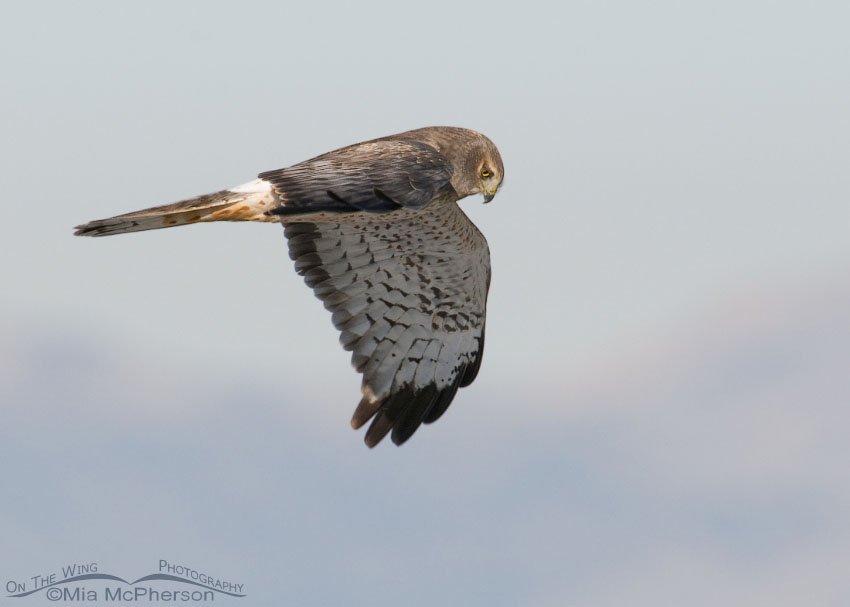
Typically I see far more Northern Harriers in the winter here in Utah than I do during the breeding season which might be partly due to the harriers preferring to nest within marshy wetland areas which are in abundance around the Great Salt Lake.
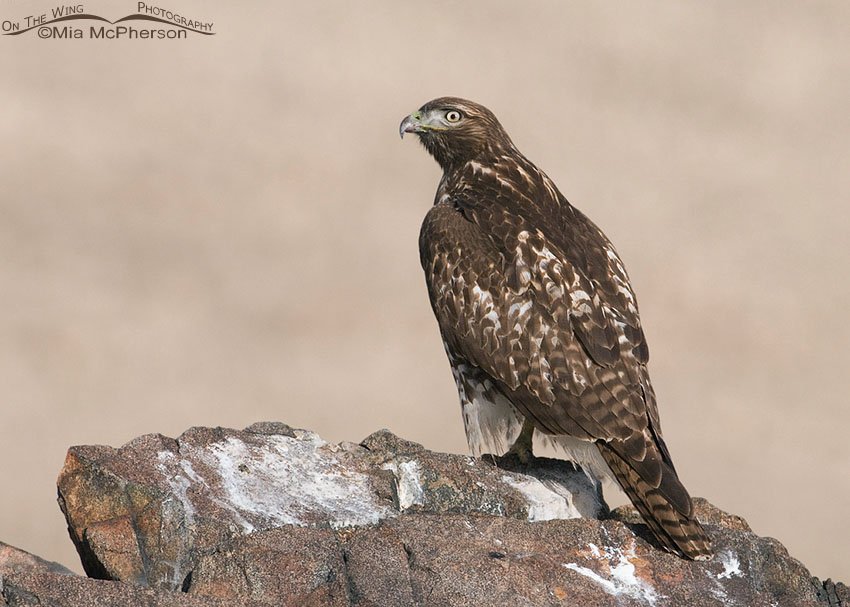
I recall that when I first started photographing the juvenile Red-tailed Hawks in this area back in August that they missed their prey more times than they would capture it and now they seem to have gone the other way, they are catching the prey more than they are missing it.
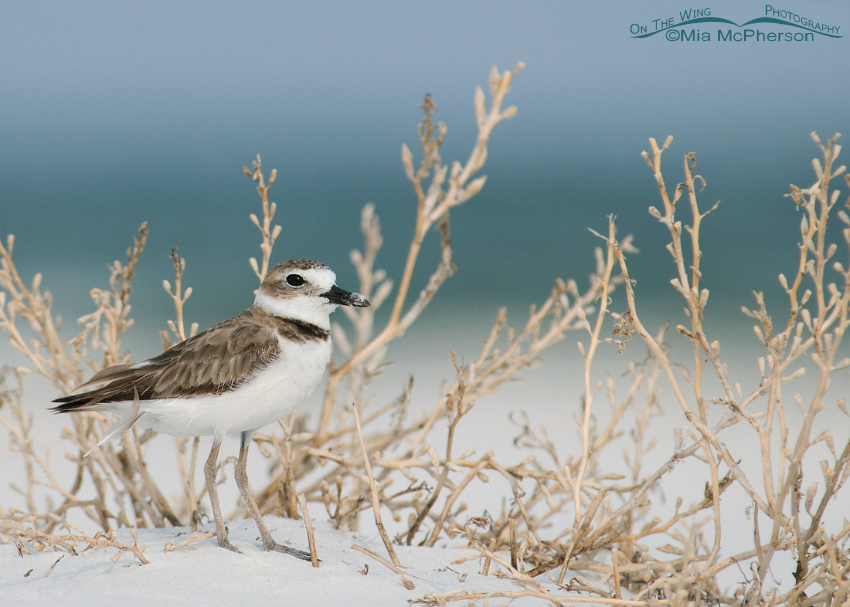
This Wilson's Plover and its mate were being run ragged chasing after the two chicks they had fledged, this adult stopped in front of me where I had laid down in the sugary white sand and rested a few moments in the dried Sea Purslane stalks.

There was a bit of sun yesterday between snow falls and we headed out to Antelope Island hoping there would be light and birds. There was light and a few birds, this Black-billed Magpie was one of them.

Sanderlings look very different in appearance during breeding season and winter and novice birders might even think they are two different species.
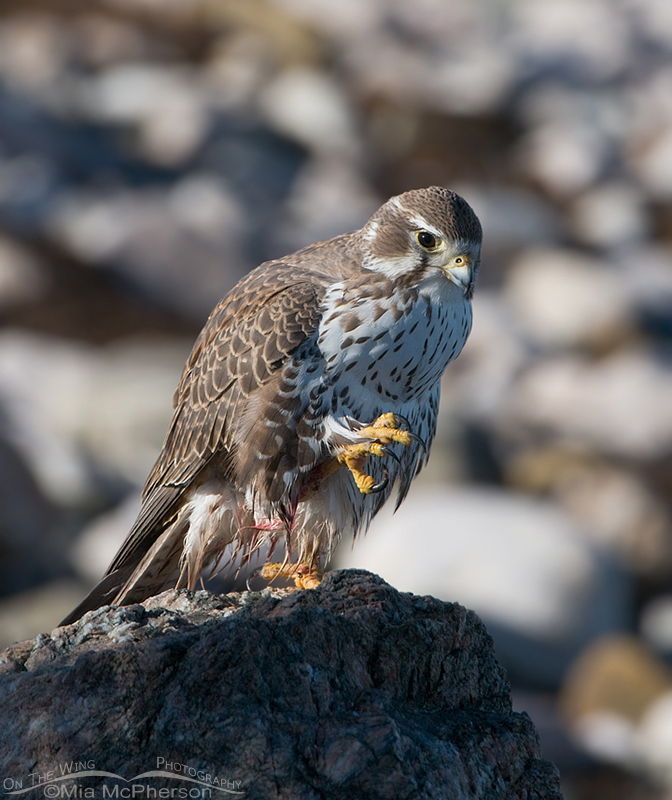
I wish I had been in a better position with a better angle of light but due to vegetation growing along the road there were just a few clear areas between the Rabbitbrush to get an unobstructed view of the Prairie Falcon but I do like how the photo shows off the full crop.

Song Sparrows are found throughout the U.S. and into Canada, some populations move south during the winter to southern states and northern Mexico. So far 30 subspecies of Song Sparrows have been described.
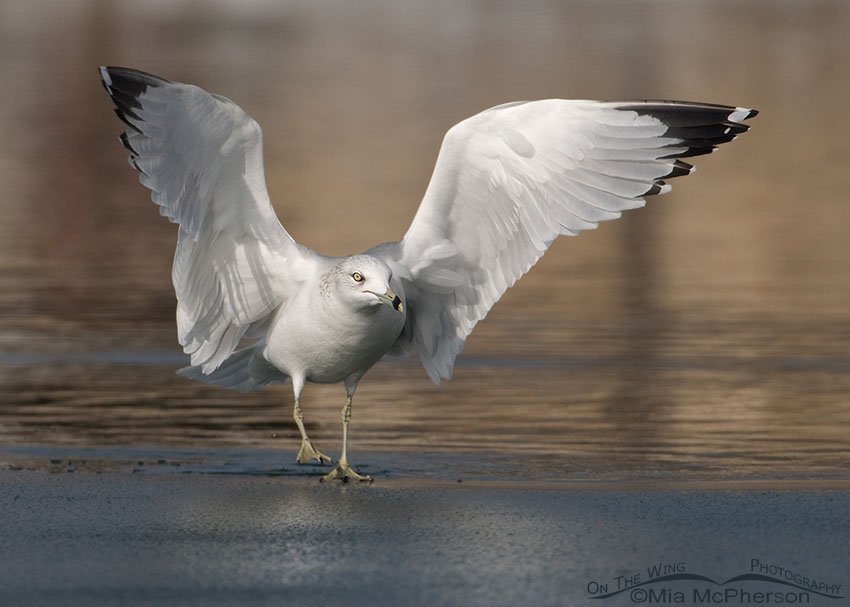
Three years ago today though the ground was covered in drifts of snow, the temps were below freezing, there was ice on the ponds & lakes and there was a sharp briskness to the air that can only be found in winter.

I was tickled one morning when I came across this Turnstone in nonbreeding plumage perched on a piece of weathered driftwood just after the sun came over the horizon with the waters of the Gulf of Mexico behind it.
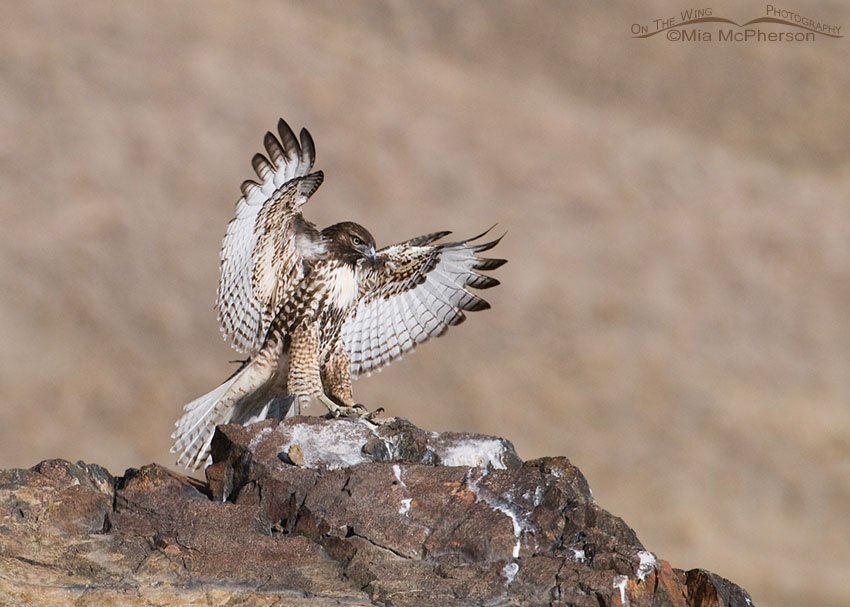
These are a just few images that I have edited taken since August of Red-tailed Hawk juveniles on Antelope Island State Park.

Since winter has thus far decided to stay in more northern latitudes and higher elevations I decided to post an image of a Long-billed Curlew taken in southern, sub-tropical climes a few years ago.

Due to a crash in the vole population at Red Rock Lakes National Wildlife Refuge last summer there weren't many Short-eared Owls around the refuge but the few that were there were real beauties.
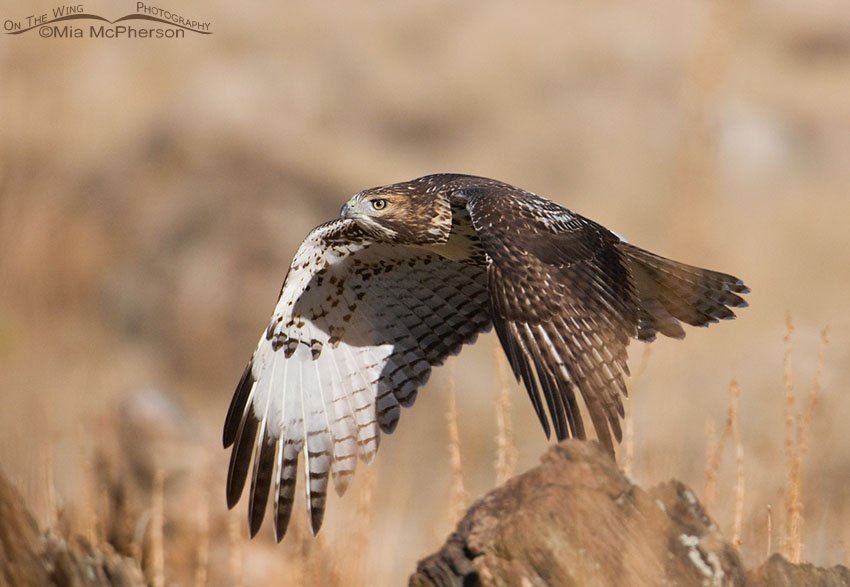
One of the nice things about cruddy weather is that I get the chance to edit some of the images that are languishing in my files that I have taken but not gotten around to processing. Here are a few of a juvenile Red-tailed Hawk photographed in August on Antelope Island State Park.
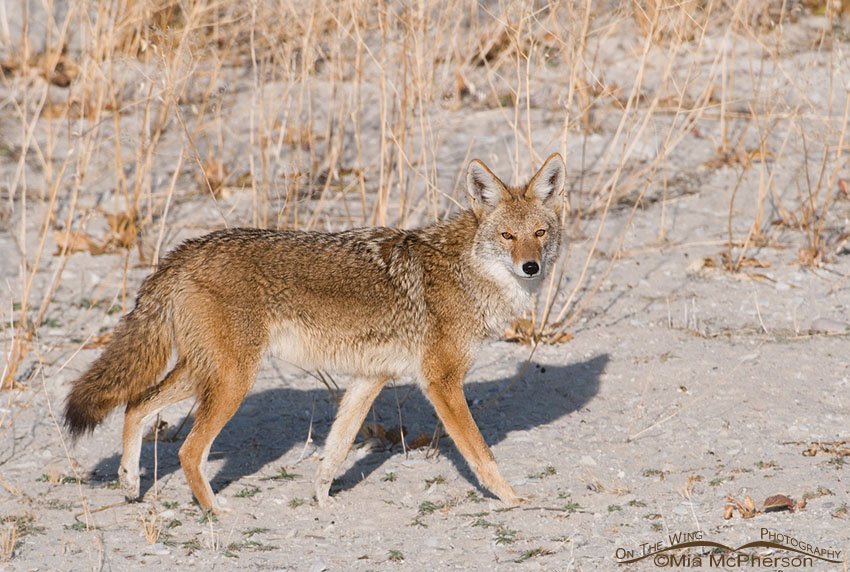
I hope that no one is getting sick of my Coyotes images. I took this Coyote photo two days ago as it walked on a Great Salt Lake beach.

This Western Meadowlark was a cooperative subject yesterday morning and allowed a close enough approach to get some frame filling images.