Marbled Godwit Surprise on Antelope Island
I was surprised to see this Marbled Godwit on the island but over the years I have learned to expect the unexpected whenever I am out photographing birds!



I was surprised to see this Marbled Godwit on the island but over the years I have learned to expect the unexpected whenever I am out photographing birds!
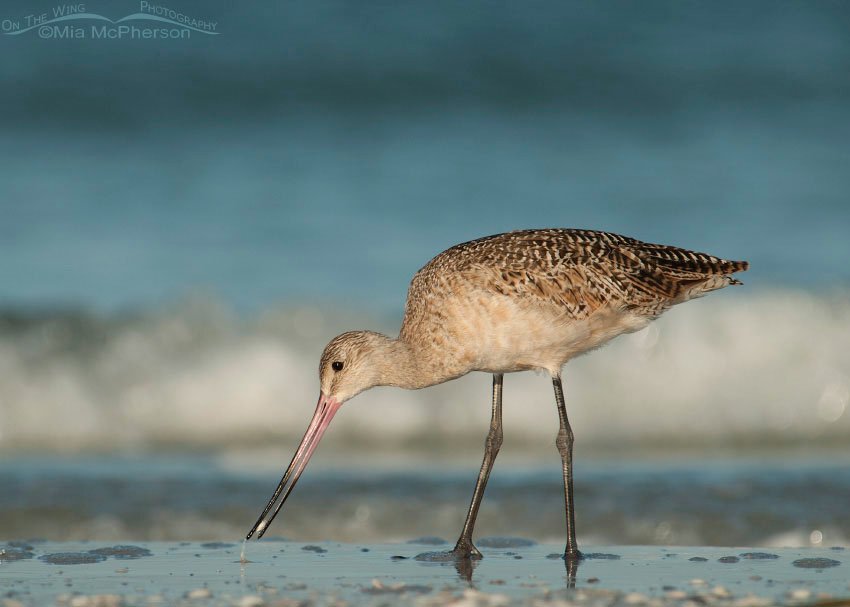
Marbled Godwits are migrating through Utah on their way to their breeding grounds right now so I thought I'd feature this one on my post today.

Even though the American Goldfinches are in their non-breeding plumage now I still think of them as gold.

These two White Ibis images were taken 19 frames apart and the color of the water changed dramatically as the ibis and I moved north

I've compiled a medley of images this morning of bees, moths and hummingbirds that I have photographed this past week to share this morning.

It was a Sapsuckery trip to Montana and Idaho last week, with Red-naped and Williamson's Sapsuckers at their nesting cavities

Six years ago today I was sand crawling on the shore of the Gulf of Mexico at Fort De Soto's north beach photographing pelicans, godwits and dowitchers plus other birds.

I have written before on how Red Knots are a species on the edge because of plummeting populations declines and today they still need our help.

Even though the snow has still been flying in some areas of Utah the Black-chinned Hummingbirds have already arrived.

When I lived in Tampa, Florida the Whites Ibises were often called "Lawn Chickens" because they would feed in people's yards in big flocks.

What can I say about this image of an adult Great Horned Owl feeding its young that is strongly back lit by the setting sun on Honeymoon Island State Park in Florida?

According to Birds of North America there are four foraging methods used by Red-breasted Mergansers which are Cooperative Herding, Individual Search, Shallow Diving and Deep Diving.

In 2008 I spent several months during the summer watching an American Oystercatcher family from the time the chicks were tiny until one of the chicks became independent.

Just a quick post this morning of a tiny Calliope Hummingbird feeding on Rocky Mountain Bee Plant that I photographed at the end of August.
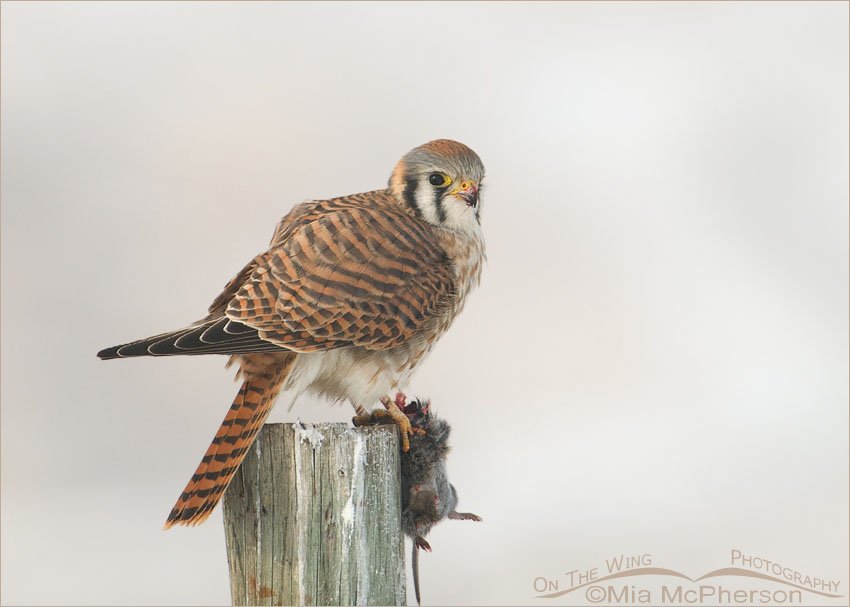
I would describe American Kestrels as tiny but tough, they are North America's smallest falcon but I don't think that hinders them at all.
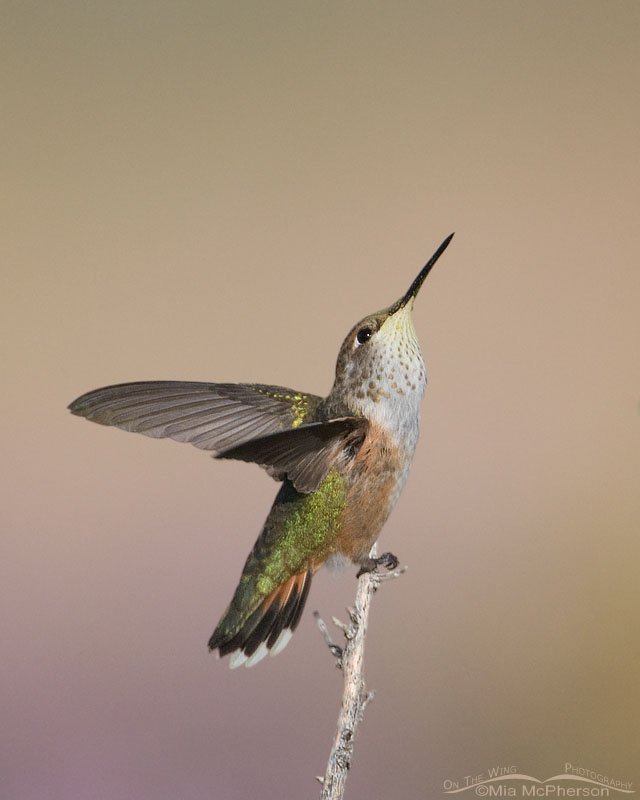
Yesterday I went back to the island to see if I could photograph more hummingbirds and they did not disappoint so I thought I would share two more images of them.

I believe these are Calliope Hummingbirds but if I am wrong please do not hesitate to correct me, I don't get upset about things like that.

Last month I was able to take images of American Tree Sparrows on two different days in very different conditions in about the same location on Antelope Island State Park.
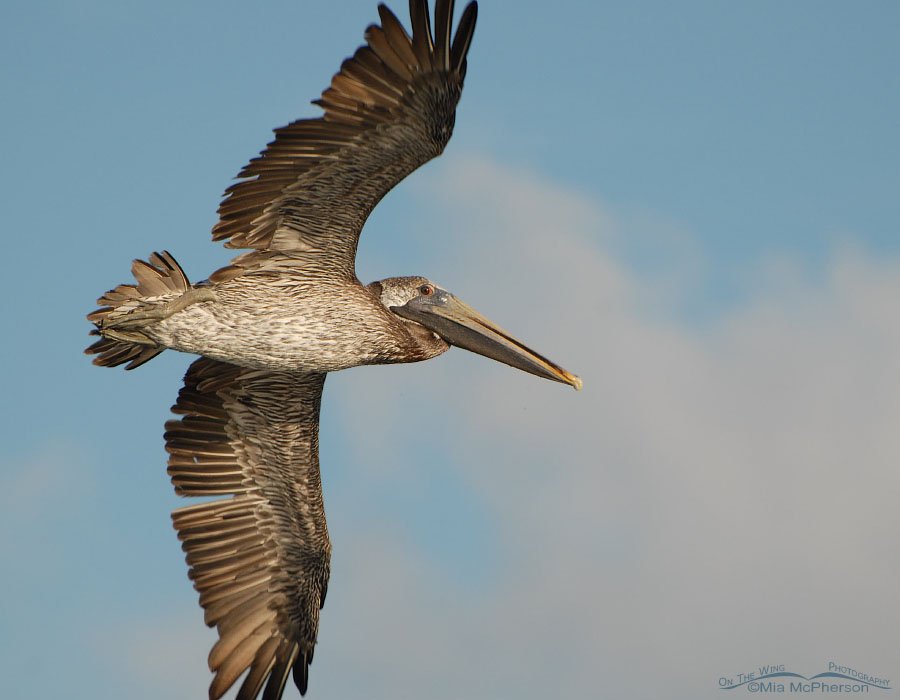
I love winter, I love seeing snow on the mountains and feeling the crispness in the air but I am getting tired of gray cloudy days and heavy fog so I thought I would post a few bird images from warmer and sunnier days that I took while I lived in Florida.

Fresh snow fell on Antelope Island last night and it made for wonderful settings for the subjects I photographed this morning like this Chukar. I haven't been seeing the Chukars regularly lately so I was very pleased to see them again.

Song Sparrows are found throughout the U.S. and into Canada, some populations move south during the winter to southern states and northern Mexico. So far 30 subspecies of Song Sparrows have been described.
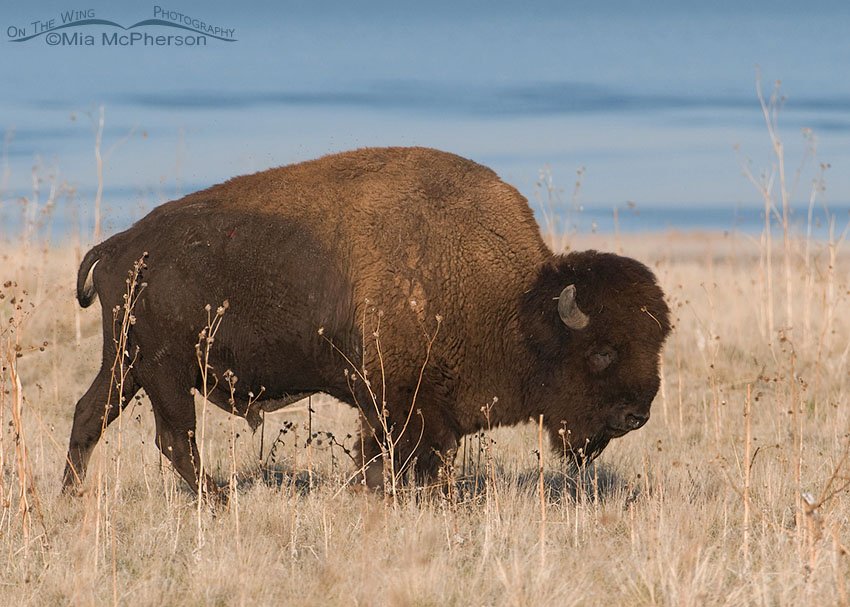
I photographed this Bison bull feeding peacefully yesterday out on Antelope Island State Park with the Great Salt Lake in the background.

Just a simple image of a male Black-necked Stilt taken earlier this year at Bear River National Wildlife Refuge. Very graceful birds.

This Marbled Godwit had been feeding on the mudflats of a tidal lagoon at Fort De Soto's north beach.

In 2008 I had the great pleasure of observing and photographing a family of American Oystercatchers from the day after the chicks hatched until three and a half months later.

I love how peaceful this image is with the Marbled Godwit (Limosa fedoa) paying absolutely no attention to me as I sat very still in the warm waters of a tidal lagoon photographing it.
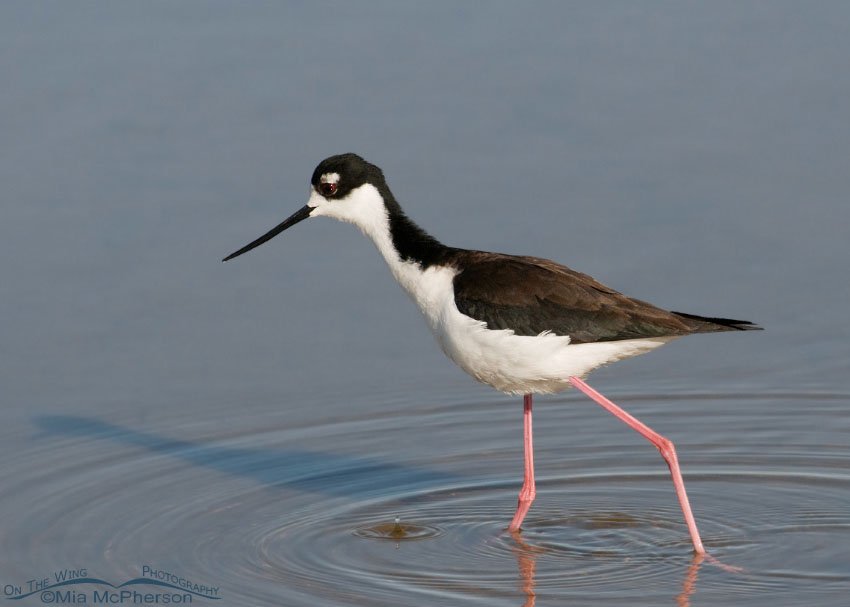
Black-necked Stilts have returned from their wintering grounds to Bear River Migratory Bird Refuge and other locations in Utah. Black-necked Stilts are black and white shorebirds with long pink to reddish legs, thin black bills and lovely red eyes.

I've always liked this photo because it shows how this American Oystercatcher (Haematopus palliatus) is using its long bill to pry open a shell.
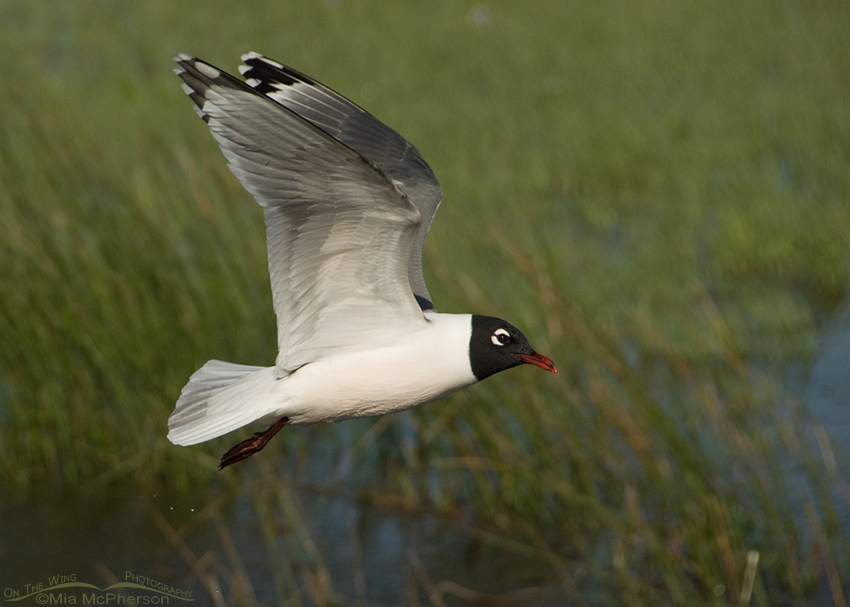
Last year while I was camping and photographing at Red Rock Lakes National Wildlife Refuge I saw a feeding frenzy that involved Franklin's and California Gulls in the flooded grasses and Sagebrush flats near the Lower Lake.

Piping Plovers nest in shallow scrapes in sand, gravel, salt flats or dunes which leaves their nests vulnerable to predators and in danger of being accidentally stepped on.