Sage Thrashers – Mockingbirds of the Sagebrush
I spent some time yesterday on Antelope Island State Park photographing and listening to a very cooperative and melodious Sage Thrasher.



I spent some time yesterday on Antelope Island State Park photographing and listening to a very cooperative and melodious Sage Thrasher.
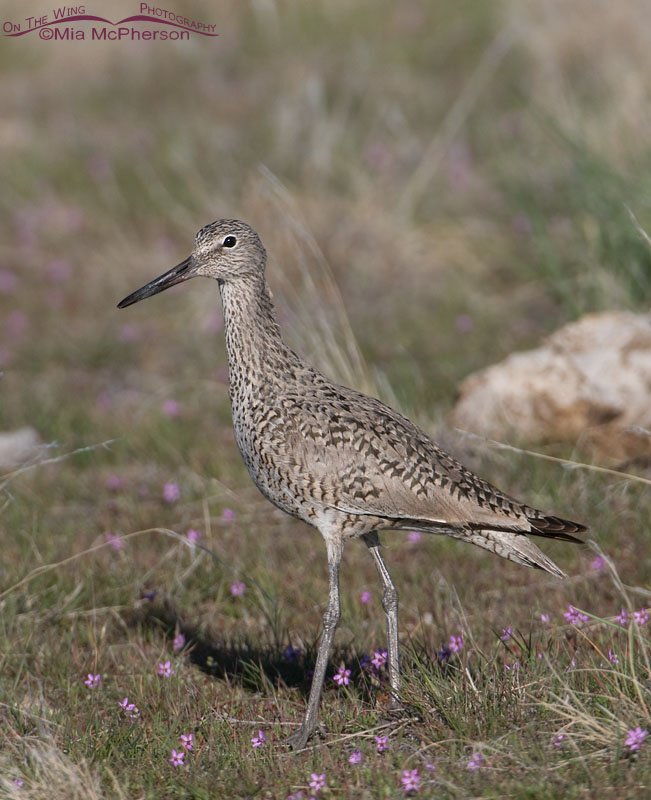
Two days ago I was able to photograph a Willet on Antelope Island calling from some rocks and foraging in the grasses and blooming Redstem Filaree.
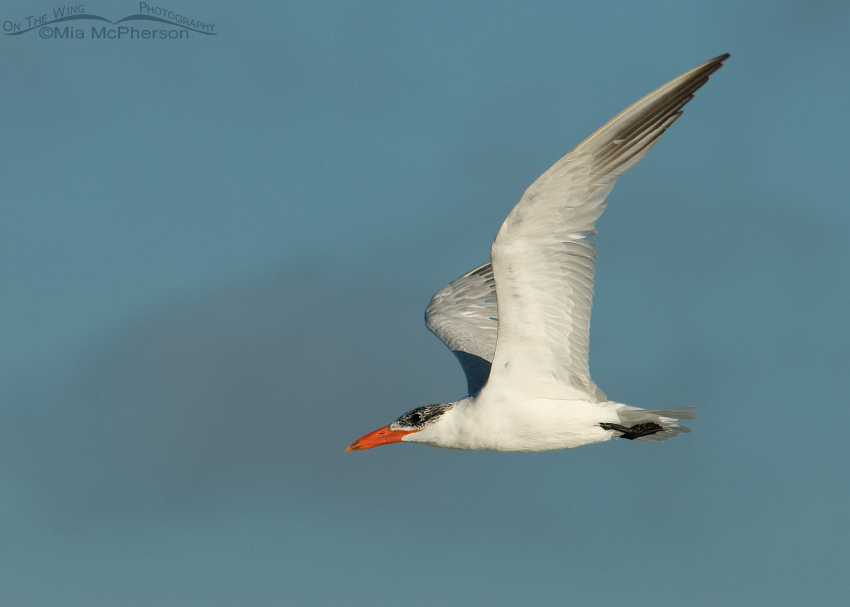
Soon Caspian Terns will be back in Utah flying over rivers, ponds, lakes, and other freshwater impoundments searching for prey.

Over the past week I have seen California Gulls in breeding plumage flying to Egg Island in the Great Salt Lake with nesting material in their bills while on the north end of Antelope Island State Park.

Yesterday morning's sunny weather felt lovely compared to Sunday which was gray, windy, rainy and snowy and maybe this male Red-winged Blackbird was feeling the difference in weather too.
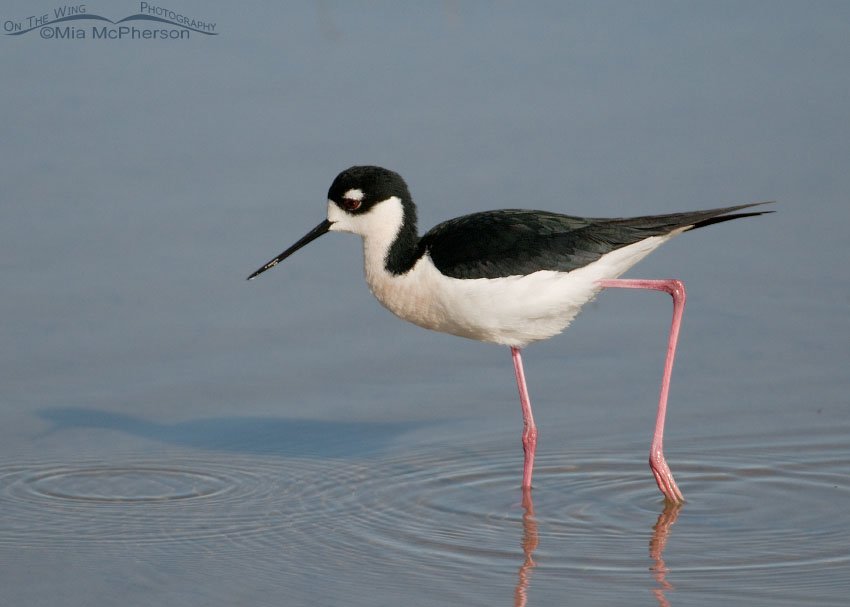
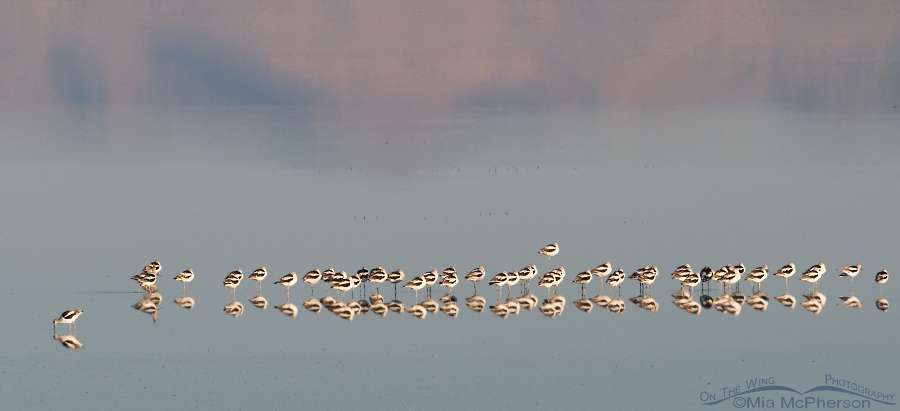
In yesterday's post I mentioned that I have seen my first of the year American Avocets and not long after they arrive Black-necked Stilts will also be making their appearance too.
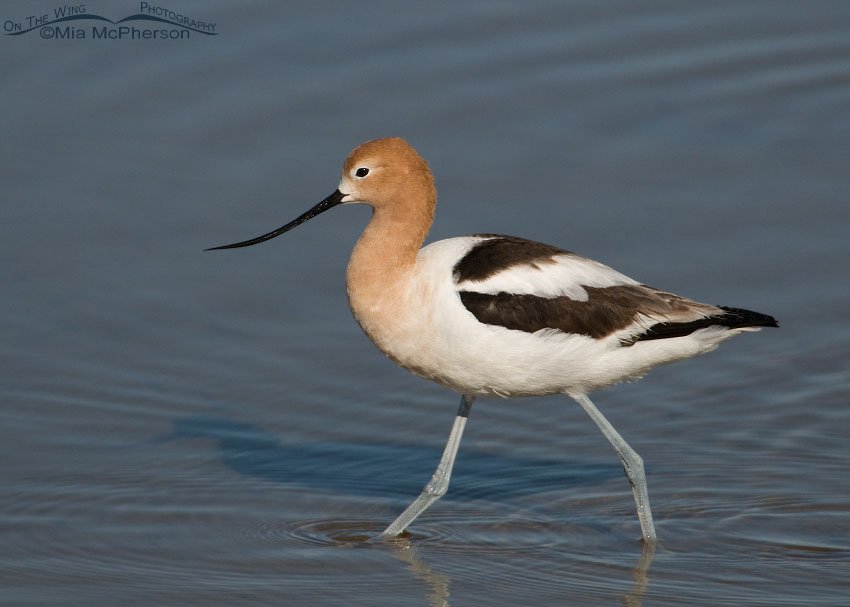
Three days ago I saw my first of the season American Avocets flying over the causeway to Antelope Island State Park and I let out a gleeful "whoop"!

The last time I went to Antelope Island State Park I noticed that the Chukars were more visible than they have been for awhile and I also noticed a tiny wildflower called Redstem Filaree starting to green up.
It won't be long before the American White Pelicans are back at Bear River National Wildlife Refuge which is where I photographed the pelican in the image above last spring.

I wanted to post a funny bird image today because I have the D.W.B. so I selected this American Coot that was scratching in a pond near where I live in Salt Lake County, Utah.
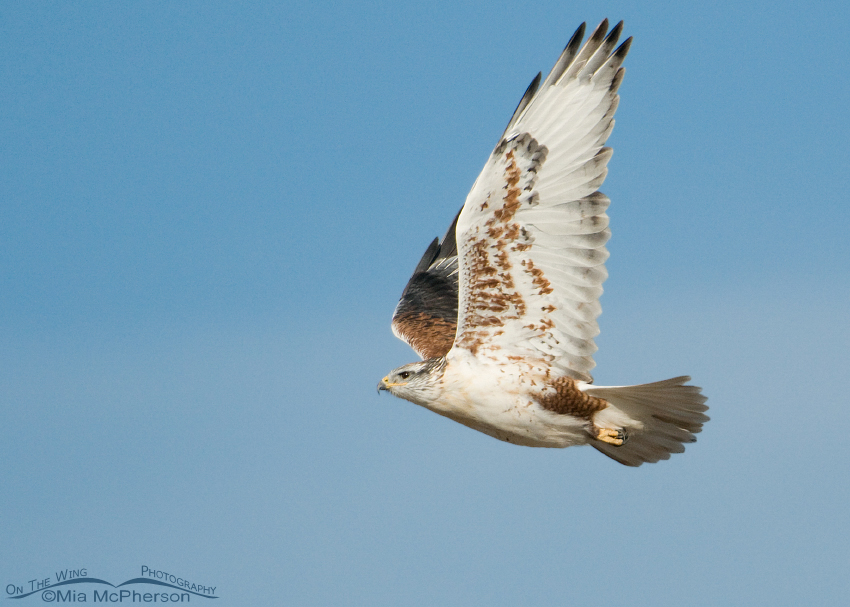
Ferruginous Hawks are the largest hawk in North America which are only found in Canada and the United States and recent DNA analysis suggests that Ferruginous Hawks may be closer to Eagles in taxonomy than that of a hawk.

Eight months ago I spotted two Mountain Plovers on Antelope Island State Park and I am still blown away by seeing and photographing those beautiful shorebirds who are uncommon in Utah.

I don't if this male was successful with the female Red-winged Blackbirds but he sure had me mesmerized with his sleek black feathers and his flashing red, orange and yellow epaulets.

The horn is a growth on the bill of American White Pelicans that occurs during the breeding season and I am fortunate to live in a location where these big, white pelicans breed.
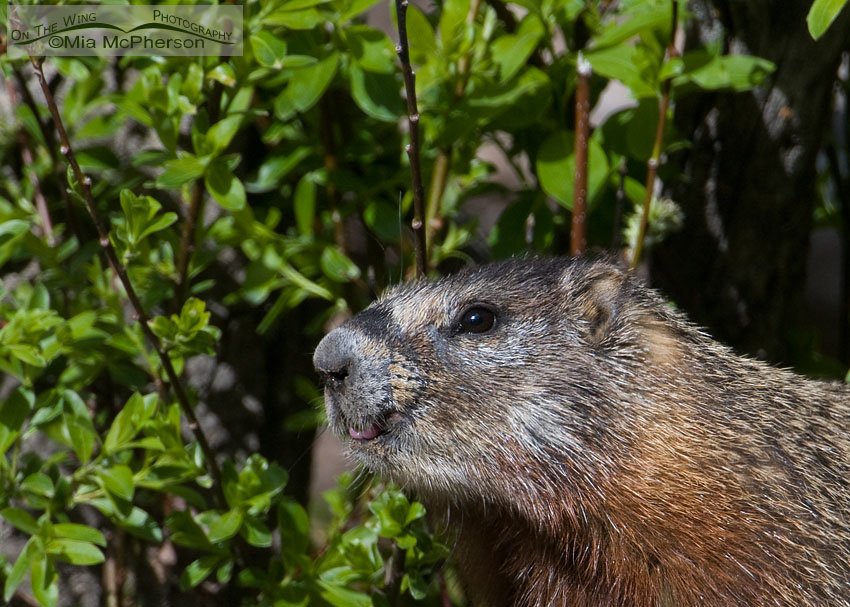
The Yellow-bellied Marmots are already in their burrows for the winter but with any luck I will see more this coming spring.

For several years now I have been observing and photographing a mated pair of Red-tailed Hawks in the Centennial Valley of southwestern Montana that have a favorite perch that I often see them on.

Of the six species of spoonbills only the Roseate Spoonbill is found in North America and it is the only Spoonbill that is so vividly colored.

In the West Desert of Utah there are a few places in Tooele County I can almost be sure to find Horned Larks warming themselves in the morning light on rocks and boulders.

I love the light and the mudflat setting I photographed this Black-bellied Plover in on a warm April morning in Florida several years ago.

Great Egrets develop fancy plumes when they are in breeding plumage and seem to be quite famous for that but their lores also change color from yellow to a lime green

I hope that in 100 years Marbled Godwits will still be on this planet and future generations won't know them only from images like mine.

This Black-bellied Plover was standing on a dunelet that wasn't much higher than the sand around it that had sparse short grasses which I found appealing.

Black Skimmers are known by several nicknames which include scissorbills, knifebill and cut-water for how their bills slice through the water when they are hunting and how their bills snap shut on prey.

When I did my post the other day on "Missing Fort De Soto" I found this Black Skimmer image in my archives while looking for photos to put in that post and wanted to share it.

I readily admit that sometimes I daydream about being able to fly like a bird and quite often the bird I wish I were is a Red-tailed Hawk.

Great Horned Owls and old wood seem to go together like salt and pepper, stars and stripes or peanut butter and jelly, they are a great combination!

On April 10th I spotted two Mountain Plovers on Antelope Island State Park after reporting it to the UBIRD birding list many birders and bird photographers sped to the island to see these birds which are a rarity in this area.

In early June while in western Montana there was a pair of Wilson's Phalaropes on a small, privately owned pond near a gravel road foraging for prey that I couldn't resist photographing.

I saw several Tyrant Flycatchers on my last trip to Montana, Eastern and Western Kingbirds and a couple of Western Wood-Pewees that were hawking from fence posts and barbed wire along a gravel road.

There are issues with this image which I will cover shortly but I really liked the pose of this Red-tailed Hawk, the spread of the wings, the flared tail and the great eye contact I was able to capture as the Red-tail looked down towards me as it flew in a bright blue Montana sky.