Snowy Plovers – Photographed in the West and East
It is always nice to be able to point out a lifer bird to someone else and that is what I did on June 25th after I spotted a tiny Snowy Plover at Bear River Migratory Bird Refuge foraging in the mud.



It is always nice to be able to point out a lifer bird to someone else and that is what I did on June 25th after I spotted a tiny Snowy Plover at Bear River Migratory Bird Refuge foraging in the mud.
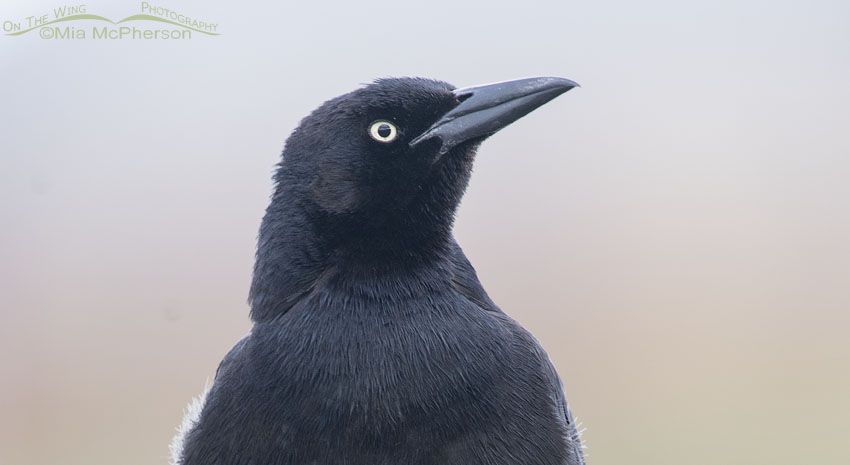
Even though the light yesterday morning wasn't optimal for bird photography I took my Mom to the Farmington Bay WMA area to show her around there, we only made it as far as Glover Pond though.

Last week when I took my Mom to Bear River Migratory Bird Refuge we were fortunate to see and photograph Killdeer mating while on the auto tour route.

White-faced Ibis are abundant at Bear River Migratory Bird Refuge during their breeding season and they can be easily seen from the 12 mile, self-guided auto tour route feeding in the water impoundments or flying in loose flocks overhead.

When I lived in Florida I saw Snowy Egrets year round and that kind of spoiled me but here in Utah they leave for the winter and come back to the marshes and wetlands surrounding the Great Salt Lake for their breeding season.

My friends Amy and Bruce Barker saw a Western Grebe at Bear River Migratory Bird Refuge a few days ago and that has gotten me excited, I always miss the grebes during the winter.

Two days ago I noticed one Pied-billed Grebe carrying vegetation in its bill which I presume it was gathering to build its floating nest at a small pond at Farmington Bay WMA and later on I heard the call of a Pied-billed Grebe, located the grebe and photographed it as it called.
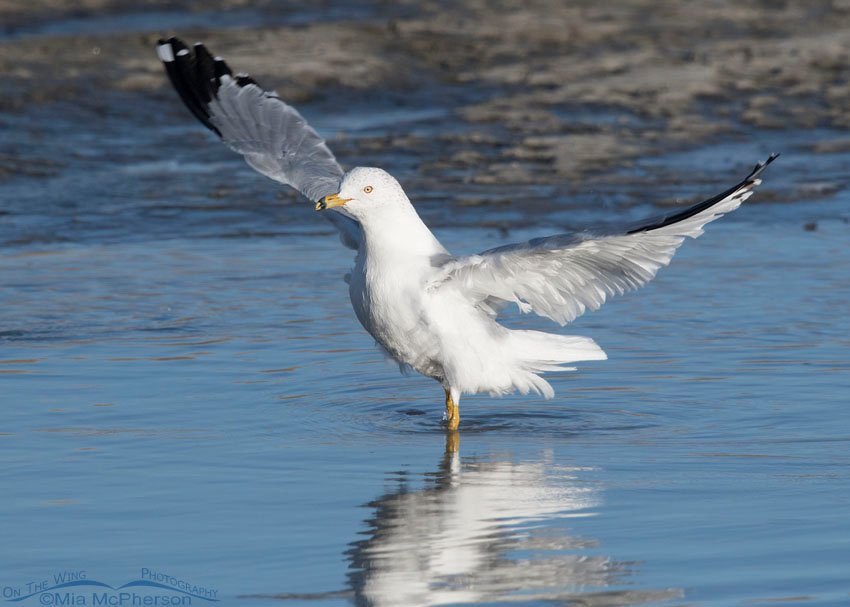
As much as I like the first photo where the Ring-billed Gull has its wings spread and its feet still in the water I like the second photo even more because of the action and how the bird is suspended over the water.

As I photographed this pair of Tundra Swans in flight I could hear the whir of their wings and the calls of the other swans that were still on the water and also getting ready to lift off.
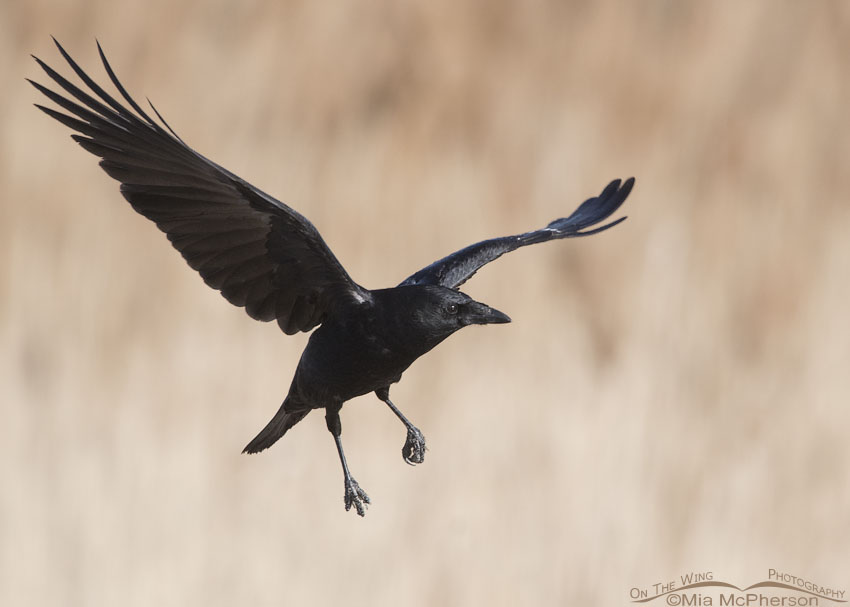
Yesterday the American Crows hung around with the Bald Eagles, Herring, California and Ring-billed Gulls to feast on those invasive fish which gave me an opportunity to photograph this one standing on a dead carp.

I had a blast photographing the Tundra Swans at the refuge yesterday and for the first time in a while I forgot about practically everything but the birds in front of me and the peace I find at the refuge.
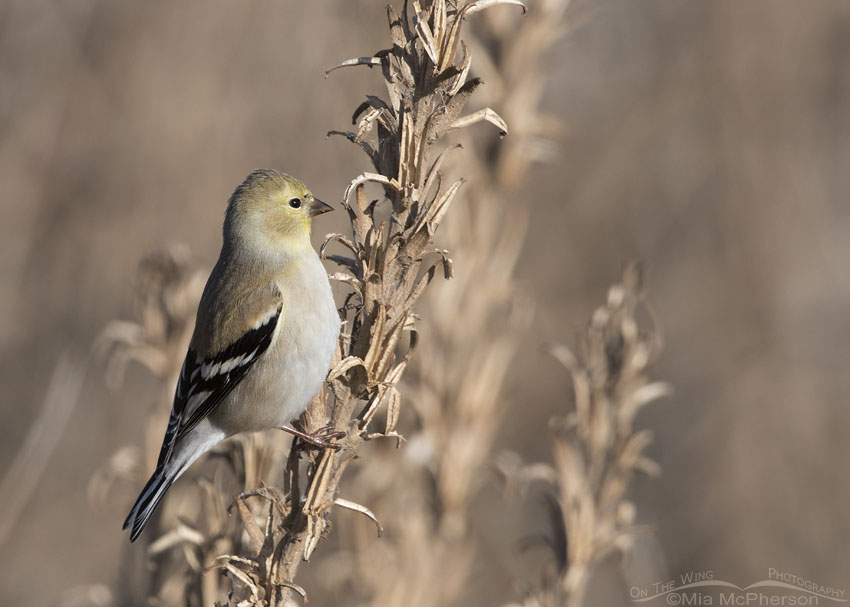
I photographed a couple of American Goldfinches that morning too, as usual I heard the finches well before I spotted them foraging in some vegetation next to the auto tour route.
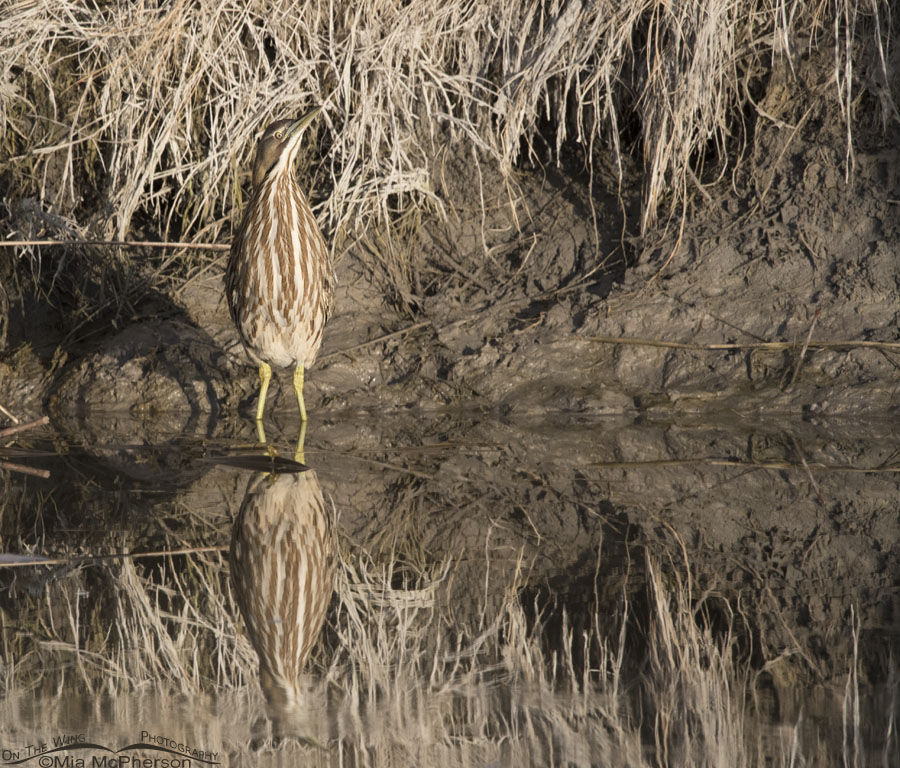
My best finds of the day yesterday morning were two American Bitterns on the riverbank of the Bear River at Bear River Migratory Bird Refuge, birds I do not normally see in January here in northern Utah.

So what did I do? I kept firing as the Snowy Egret flew past me keeping my focus on the eye of the bird and that is when I took this photograph of the egret in flight.
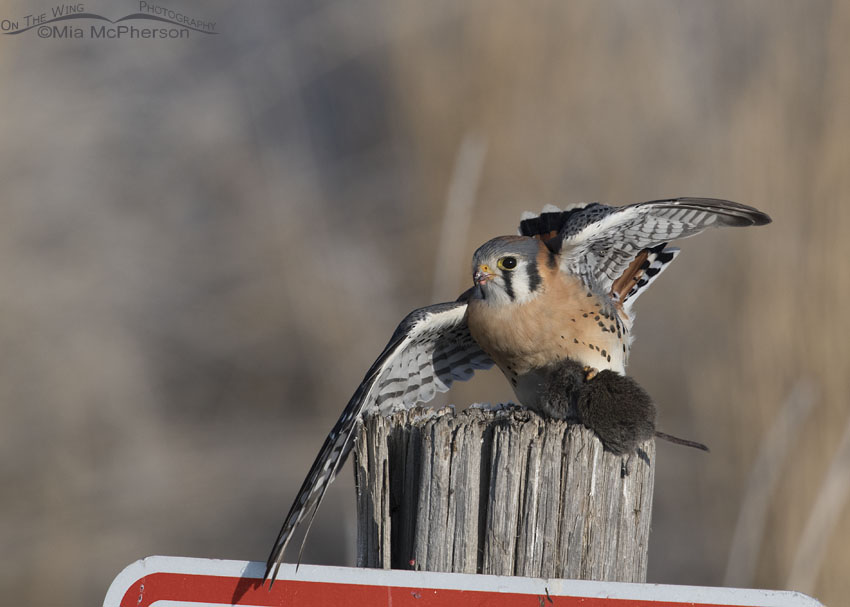
I've found American Kestrels to be "stickier" in cold weather and it wasn't much above 20°F when I photographed him as he consumed the vole bit by bit.
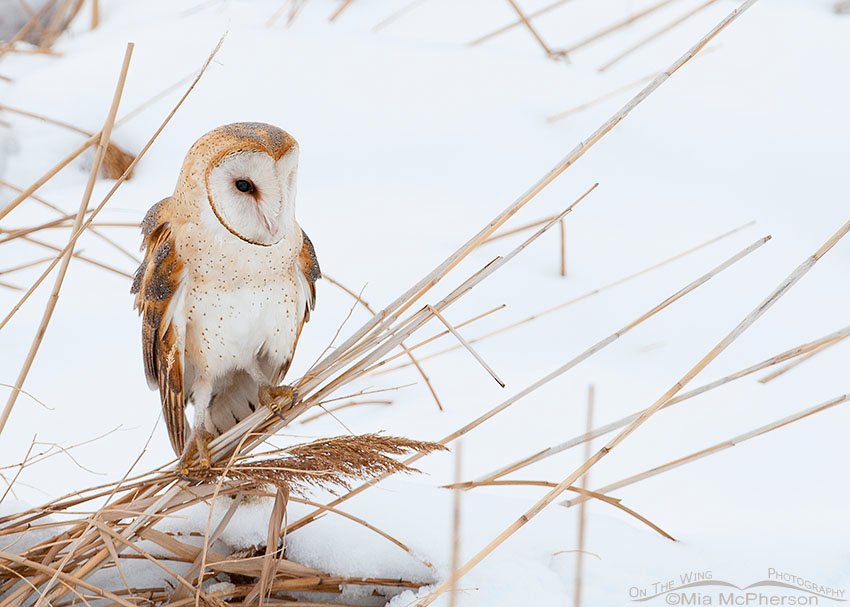
Four years ago I photographed a American Barn Owl in a winter white out at Farmington Bay WMA and I have to admit that photographing it was tough.
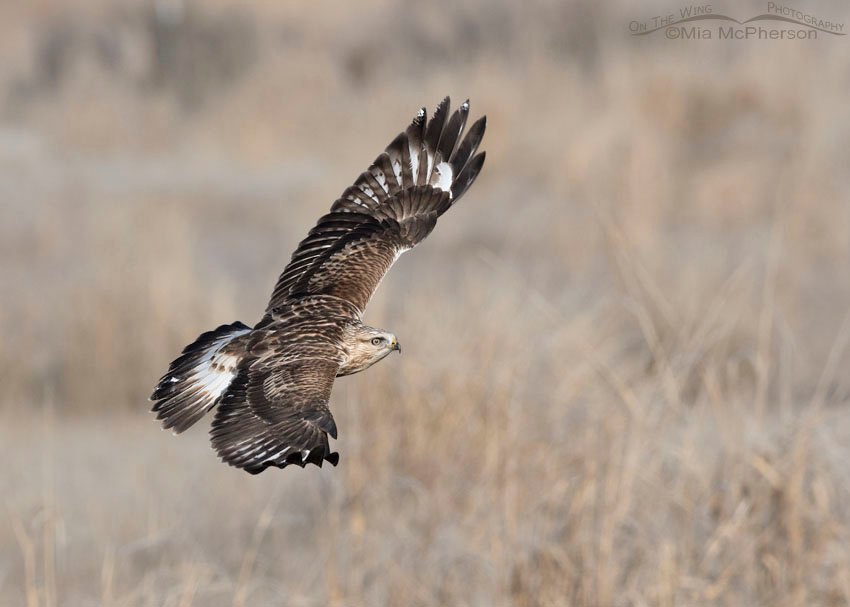
Eight days ago I spent time photographing an immature, light morph Rough-legged Hawk at Farmington Bay WMA in northern Utah.

Yesterday morning I was able to photograph an immature Rough-legged Hawk lifting off, landing and lunching at Farmington Bay WMA in northern Utah.

I stopped to answer the call of nature and found a Great Horned Owl and to my delight it was a very cooperative owl at that.
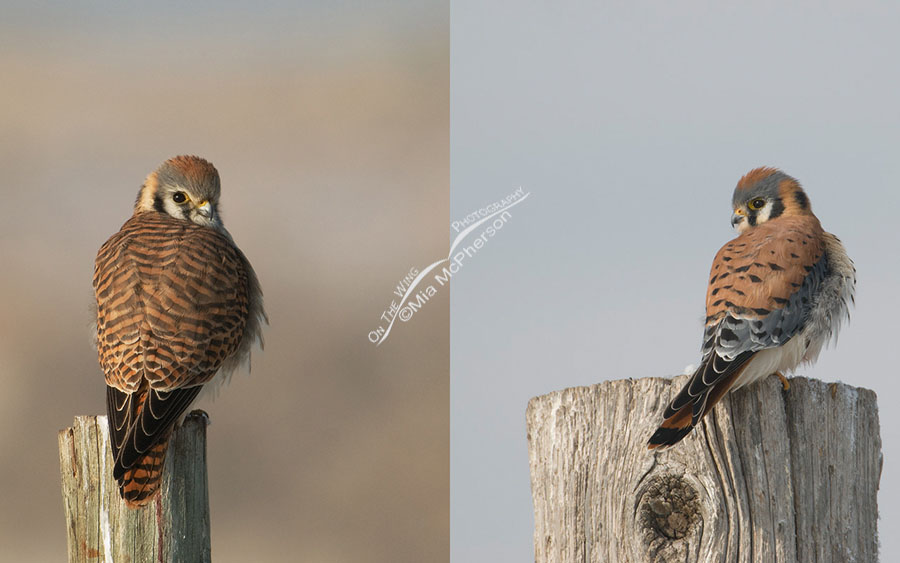
I've seen people struggle with seeing the differences between male and female American Kestrels and I hope this simple comparison will help.

Yesterday morning found me at Bear River Migratory Bird Refuge, a wild and wonderful place that I am very thankful for because of the birds there, the spectacular scenery and the refuge I find within its boundaries.
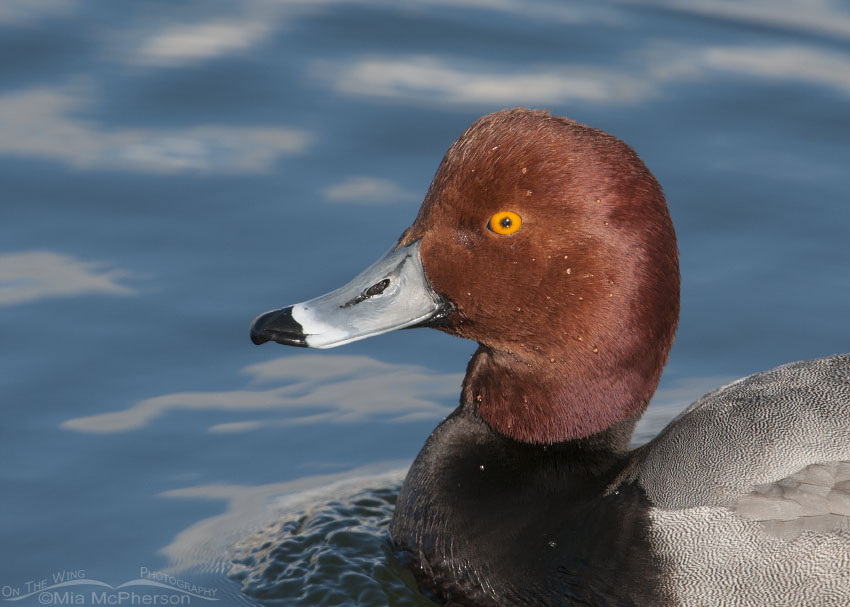
Redhead drakes are more colorful than the hens and I always enjoy having them in my viewfinder because of their cinnamon colored heads, their bright orange eyes and their tri-colored bills.

It can be especially fun to watch these small grebes catch a fish to eat and then see the other Pied-billed Grebes nearby try to steal the fish away from it because of the action that can occur.

This Green Heron was photographed from and elevated boardwalk at Sawgrass Lake Park, it had been preening when I walked slowly up to it and when it stretched its wing I took this image.

There are big differences in the ways I photograph Greater Yellowlegs here in Utah than there were when I photographed them in Florida.
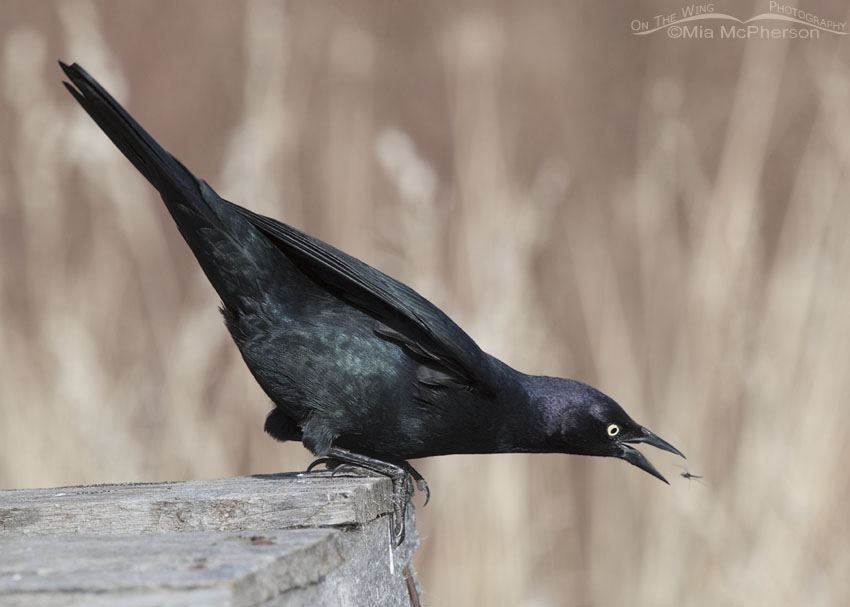
I always have fun photographing Brewer's Blackbirds even though they are a challenge to expose properly, it is precisely that challenge that keeps me on my toes.

Franklin's Gulls are only here in northern Utah during the breeding season, during the winter they spend their time along the west coast of South America.
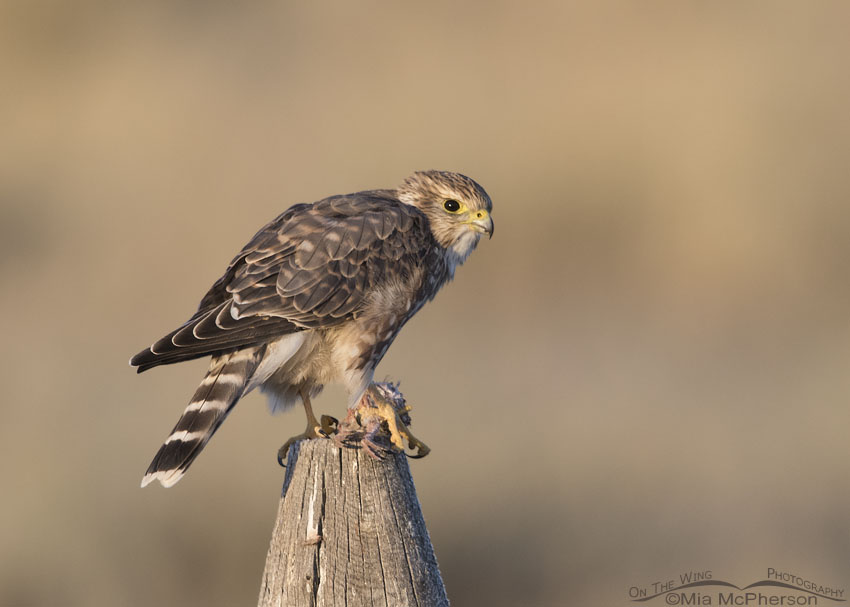
I spotted my first of the season Merlin yesterday morning out on the flats at Farmington Bay yesterday morning and it truly delighted me.

Just a simple post today of a simple bird, a dorsal view of a Ring-billed Gull in flight over a water feature at Farmington Bay WMA.

Florida is about as far north as Limpkins are found in North America and they can be seen in freshwater marshes, ponds, lakeshores and swamps.