Feisty Canada Geese Threat Displays
That morning the Canada Geese were the most lively of the subjects I photographed, bathing, mating and exhibiting threat displays.



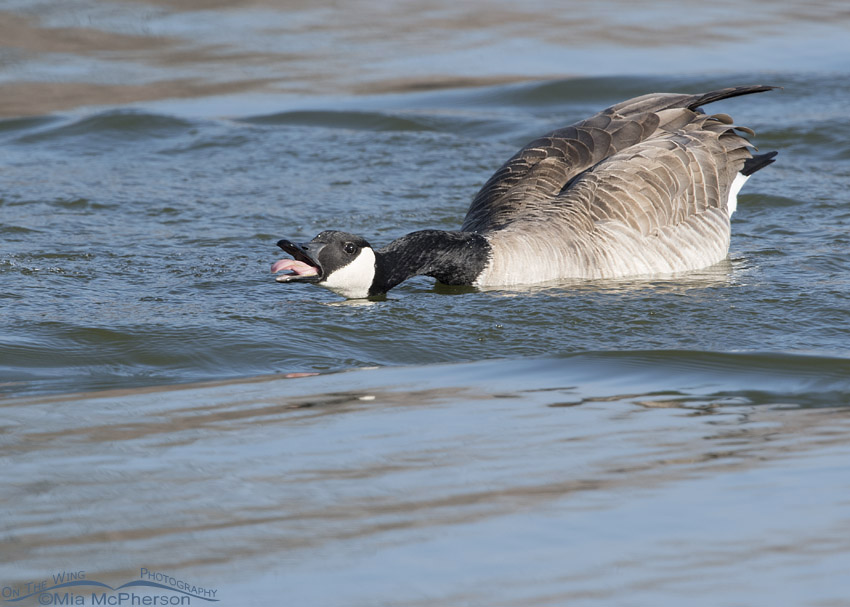
That morning the Canada Geese were the most lively of the subjects I photographed, bathing, mating and exhibiting threat displays.

I've made it clear on my post about Galileo and in this post about Goose that they are education birds and in my photo galleries I have included this symbol (C) to indicate they are captive birds.

I start seeing some Ring-billed Gulls in breeding/Definitive Alternate Plumage in February but I sure didn't expect to see this one on the third day of January, I was quite surprised by it.

The male American Kestrel caught my eye immediately because he has such a pale chest that the spots on his chest stood out like tiny black jewels set in a field of snow white.
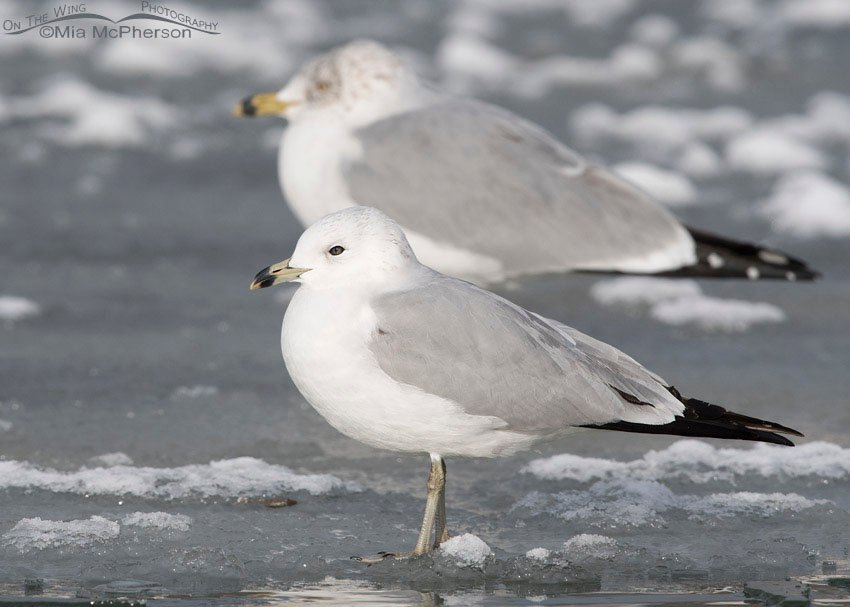
On January 3rd I photographed two unusual Ring-billed Gulls at my local pond in Salt Lake County, today I am sharing one of those gulls, the runty, second winter Ring-billed Gull.

The Prairie Falcon I photographed had prey and that may be why it was less skittish. I have no idea what the prey is but it is larger than a vole and had fur not feathers.

Almost three years ago today I spent time photographing a Red-tailed Hawk at Farmington Bay that was hunting in a snowy field while using a nest box as a perch to watch for prey.

Galileo will be an education bird at HawkWatch International and he will help show people, young and old, in class rooms and community centers the importance of having owls and other raptors in our environment.

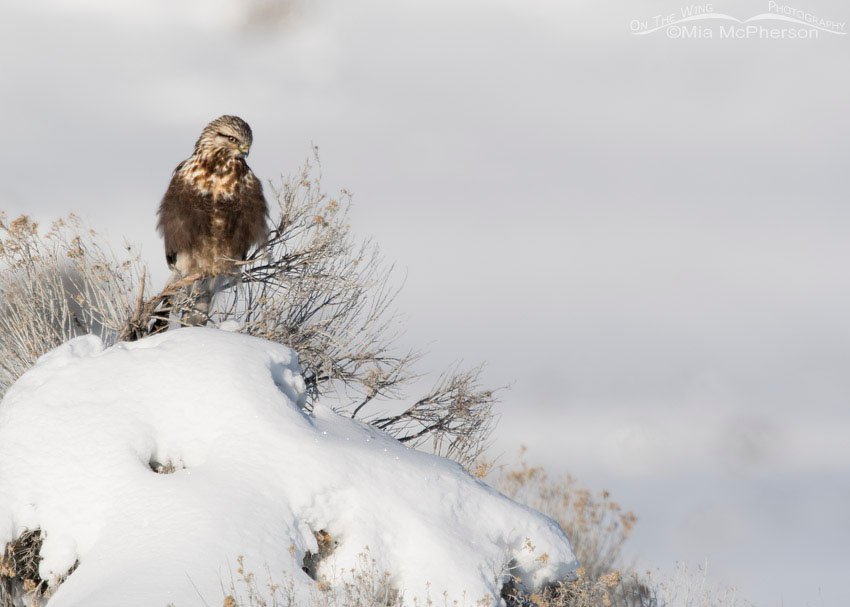
I think this Rough-legged Hawk has read one too many hysterical Tweets lately. I know I have.

This morning my mind drifted back to June of 2009, to a bright, warm day on the Gulf coast of Florida and a strolling Yellow-crowned Night Heron that I photographed as waves churned up behind it.
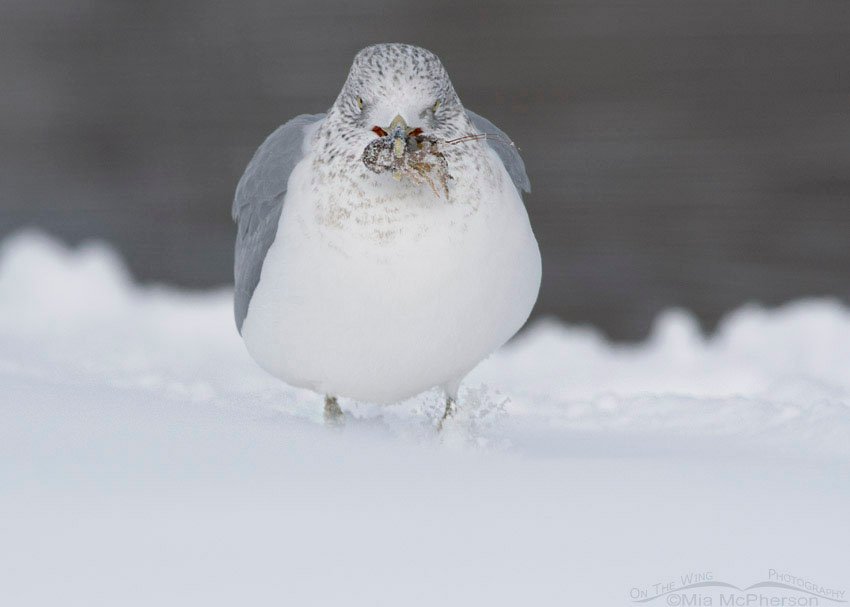
Last week while I was photographing birds at the local pond I saw a Ring-billed Gull catch a crayfish at the shoreline then it gobbled it up quickly before the rest of the gulls realized it had food.

A few days ago the ABA announced the 2017 Bird of the Year as the Ruddy Turnstone and I couldn't be any happier because shorebirds were my "spark" birds that propelled me into the world of bird photography.
Every single image I took yesterday was way softer than they would have been had it not been for those heat waves coming up the side of the pickup. To say I was disappointed is putting it lightly.

I kept this photo of the Reddish Egret with the surprise curlew in the background not because it is a great image but to remind myself to look beyond the subject in front of me.

The Ring-billed Gulls up close to me were bathing frequently so I focused on them for a bit to catch them splashing and dipping their heads and bodies into the water.

I'm seeing plenty of goldeneyes around right now and I have also begun to see the male Common Goldeneyes performing their courtship displays.
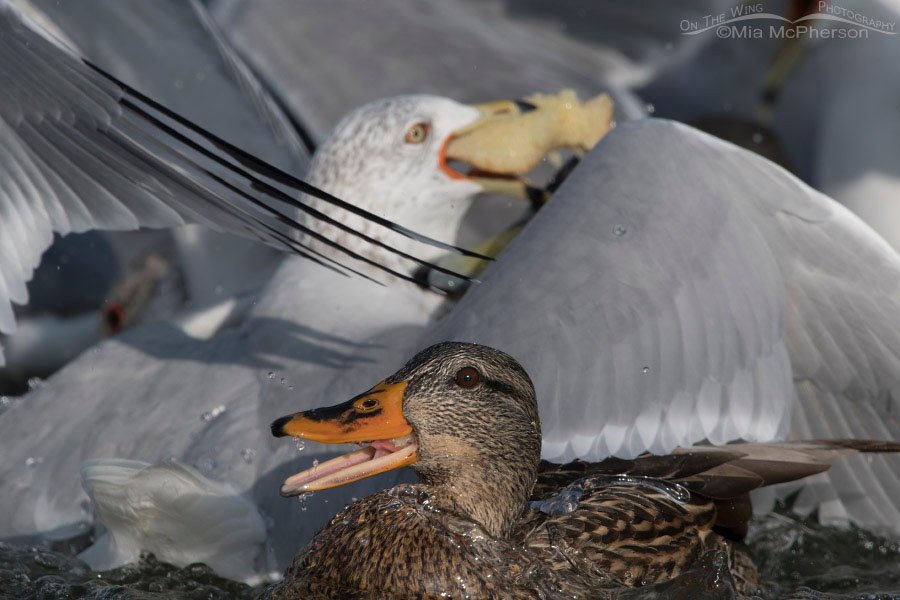
I noticed a Mallard hen and was watching and photographing her when the gulls swarmed around her like bees do honey and caught her immediately after a Ring-billed Gull grabbed her bread right out of her bill.
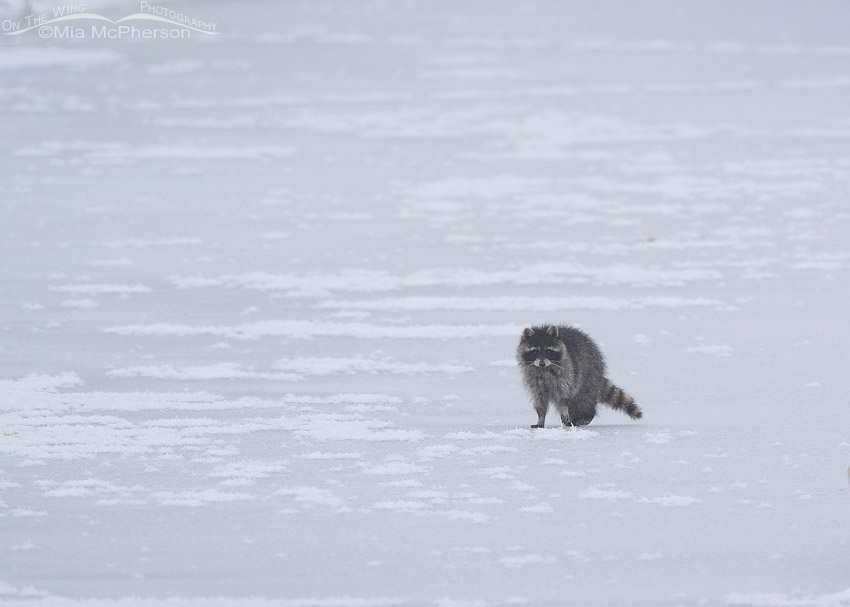
While photographing a Great Blue Heron at the first bridge I spotted a dark shape running, slipping and sliding on the snow-covered ice and could see that it was a Raccoon.
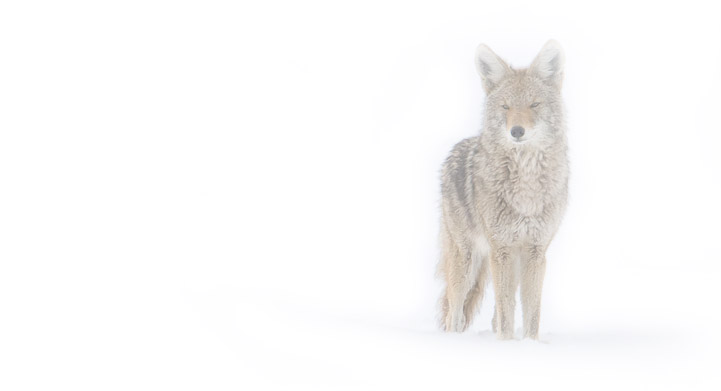
Each of us are the authors of how 2017 will be written in those history books as surely as we are the pathfinders in the journeys of our own lives.

Wow, today is the last day of the year 2016. This is my photographic year in review from Utah, Idaho and Montana!

As I focused on the Great Blue Heron I could tell it was an immature bird braving its first winter alone in the marshes of Farmington Bay.
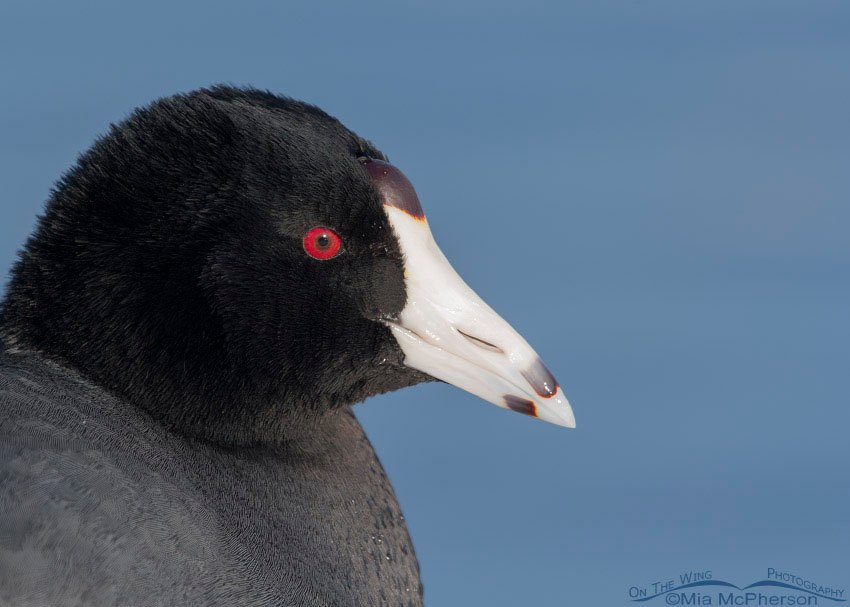
When the birds settled back down on the pond this American Coot walked up onto the shore with the open water behind it and I couldn't resist taking portraits of it.
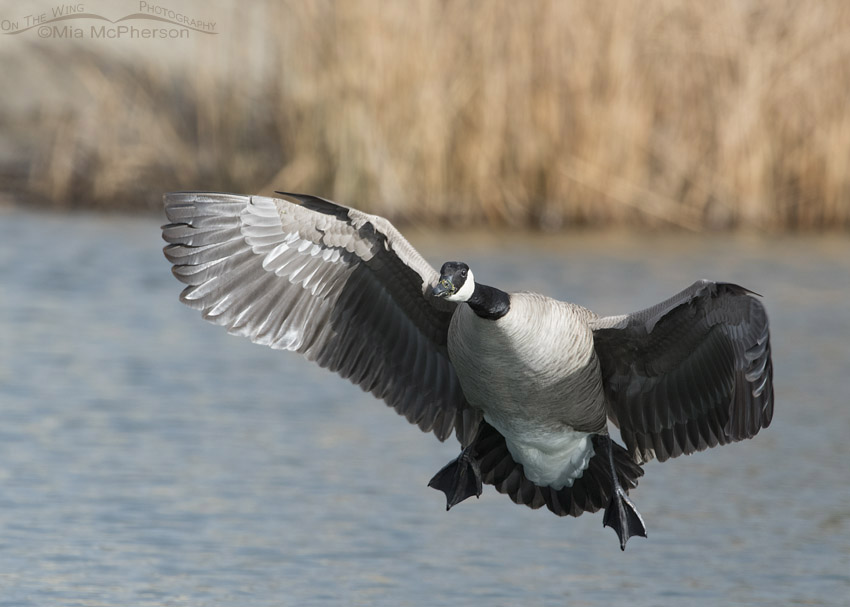
When I had the opportunity to photograph this Canada Goose landing on Willow Pond I took it and I caught the goose as its webbed feet hit the water so that it looked like the goose was water skiing.
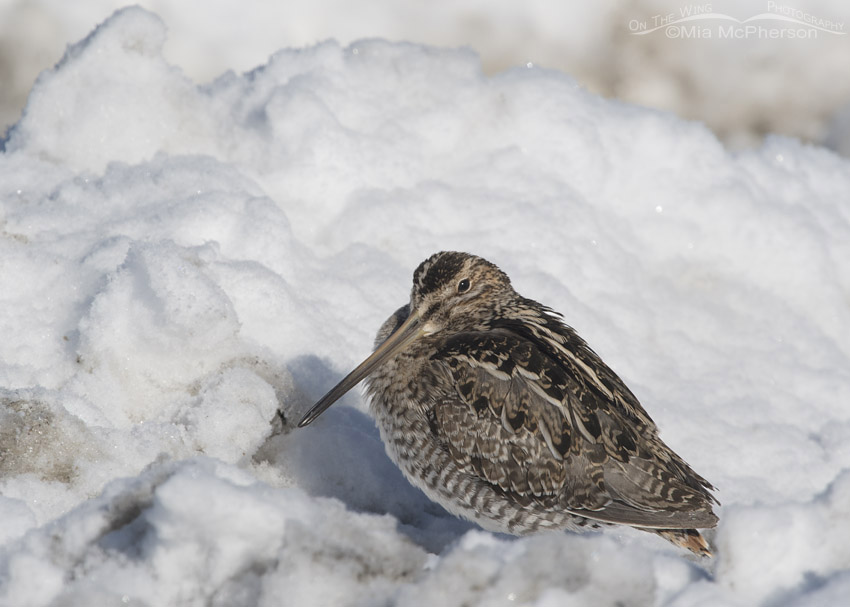
Wilson's Snipes are medium-sized, stocky shorebirds that can be found in Utah year round despite the ice, freezing temperatures and heavy snow we have here during our winters.
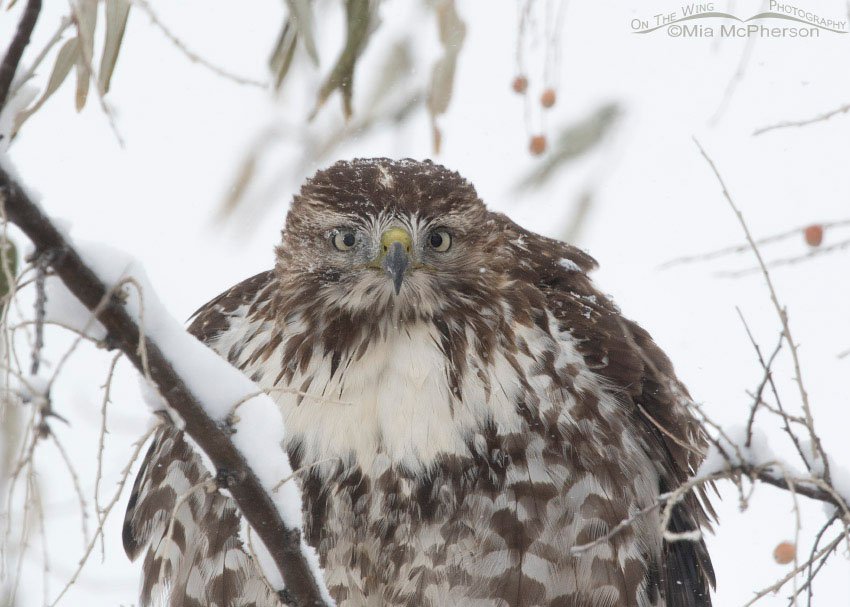
This first year Red-tailed Hawk close up in the snow storm was a reminder of how much our birds and wildlife have to struggle to get through the harsh winter.
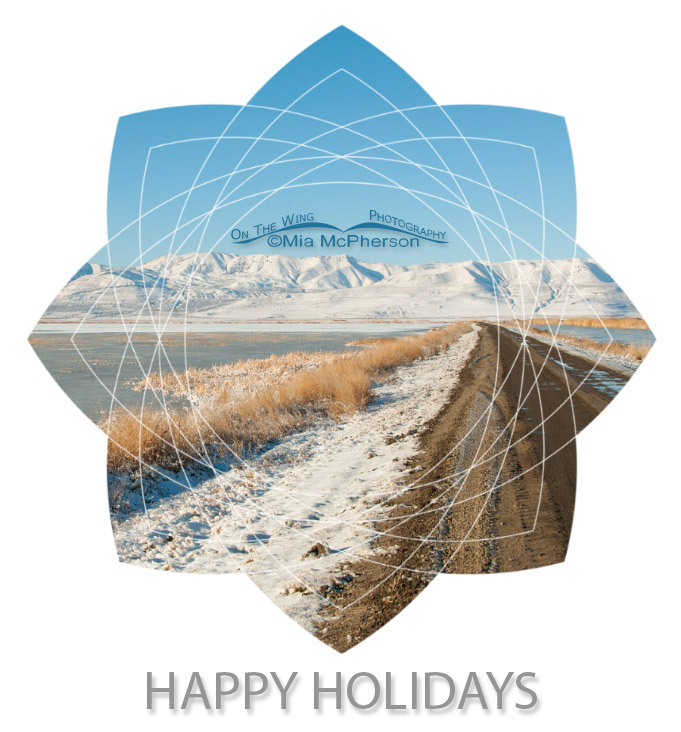
I woke this morning to several inches of fresh snow on the ground, our first heavy snowfall of the winter in the Salt Lake Valley arrived just in time for Christmas Day.

Whenever I view this photo of a lone Black Skimmer in flight on a foggy Gulf shore I feel a wave of joy and peaceful feelings wash over me.

Ten days ago I photographed a manky mallard at my local pond and when I pulled images of it up on my monitor I discovered that it has a hidden "face" and once I saw it I couldn't un-see it. Do you see it?
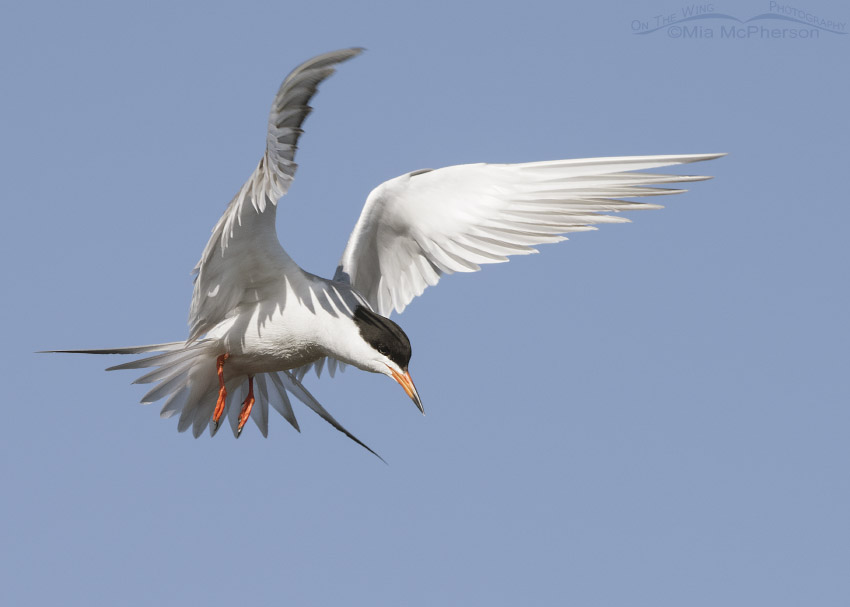
This Forster's Tern was hovering while hunting over a unit of water on the auto tour route of Bear River Migratory Bird Refuge in northern Utah in clear morning light.
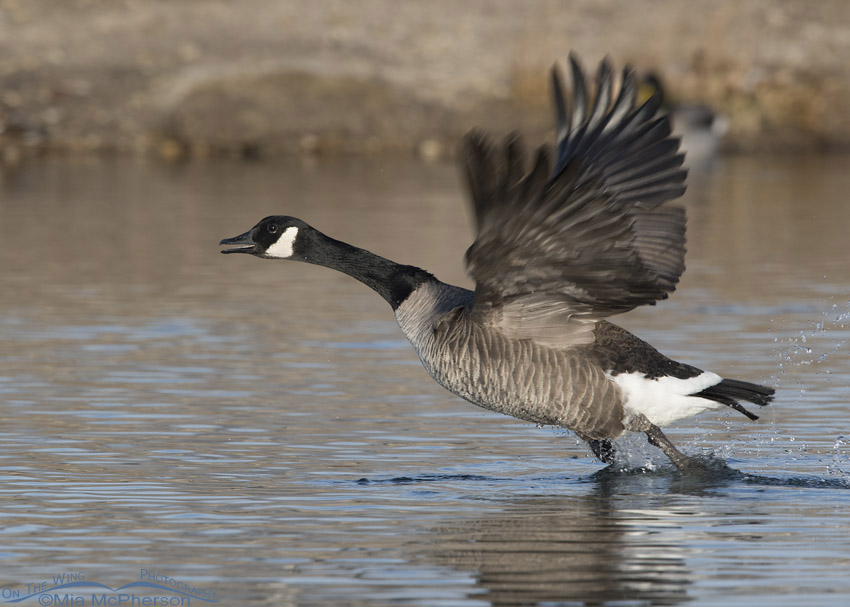
Yesterday morning at my local pond I took a series of images of a Canada Goose lifting off plus more photos of the Canada x Snow Goose hybrid I found there.