Female Coyote In Spring
I look at this image and I see intelligence in the Coyote's eyes. I see a warm blooded creature who is doing what it needs to do to survive. I see a female who is nursing pups. I see beauty.


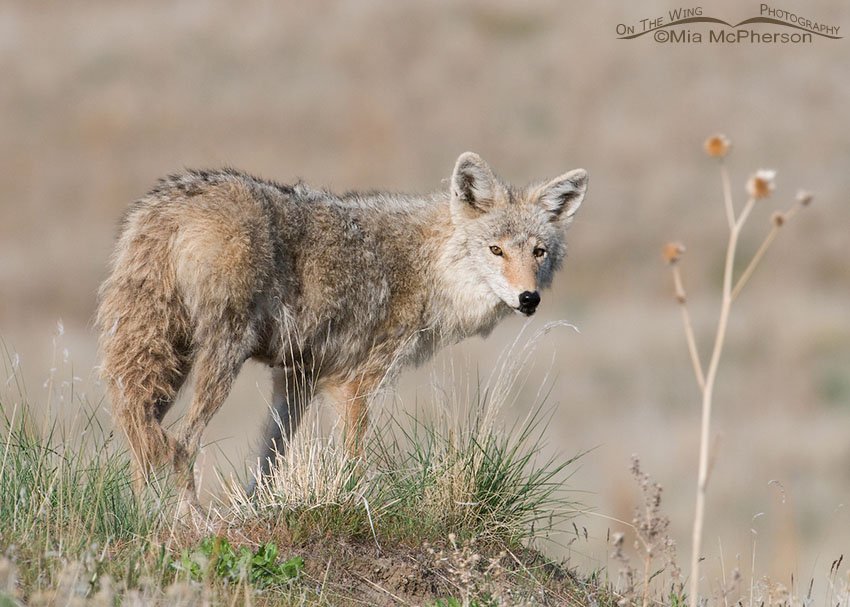
I look at this image and I see intelligence in the Coyote's eyes. I see a warm blooded creature who is doing what it needs to do to survive. I see a female who is nursing pups. I see beauty.

You don't always need to have long focal lengths to get close up images, this image was taken with a moderately priced Nikkor 70-300mm VR at only 220mm and it is practically full frame.

Willets have returned to Utah, on the causeway to Antelope Island hundreds of them can be seen in the shallow water. They seem to spend some time there fattening up after migration before they get down to the serious business of mating and rearing their young.

Last week I photographed a Killdeer bathing at Farmington Bay Waterfowl Management Area in Davis County, Utah.
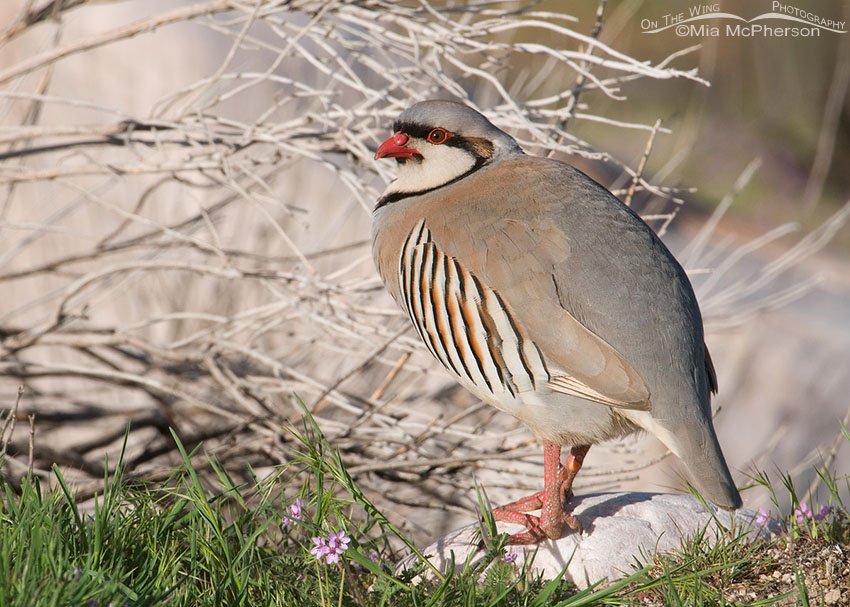
I liked that this spring time Chukar perched on a rock where a few of the Redstem Filaree were visible.
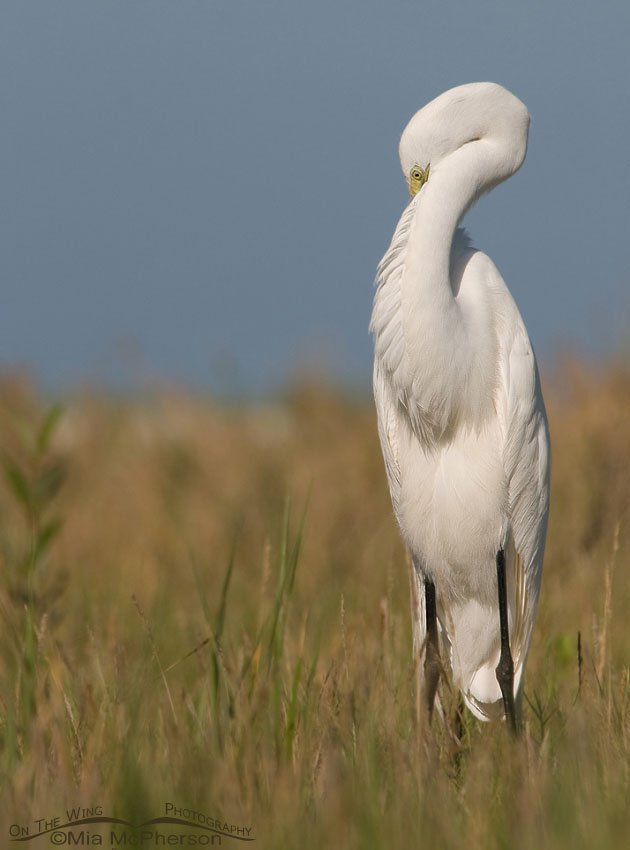
Just a simple Great Egret (Ardea alba) image that always seems to tickle my funny bone when I view it because of the pose.

This is the closest I have been to a Lark Sparrow to date and this was a very cooperative bird too!
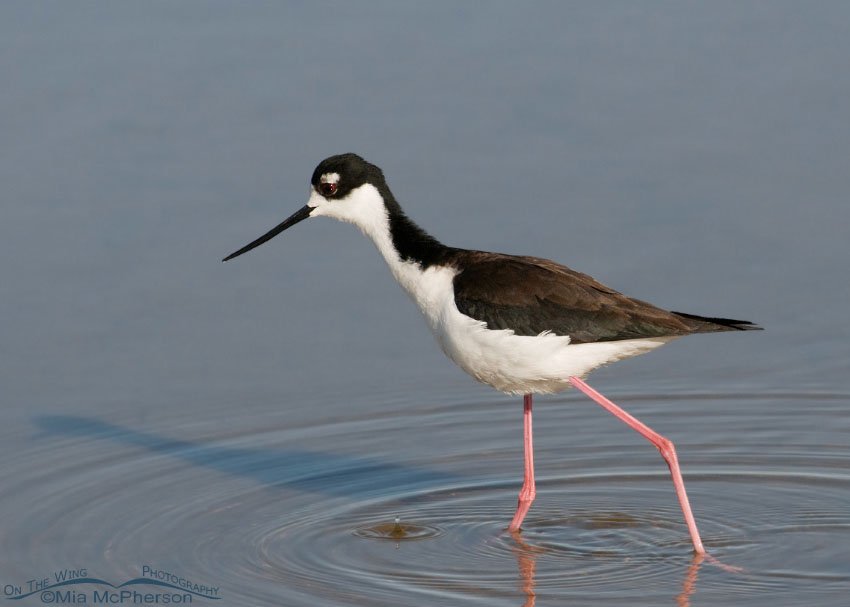
Black-necked Stilts have returned from their wintering grounds to Bear River Migratory Bird Refuge and other locations in Utah. Black-necked Stilts are black and white shorebirds with long pink to reddish legs, thin black bills and lovely red eyes.

Just a simple image of a Snowy Egret (Egretta thula) today. I photographed this Egret as it stalked along the shore of the Gulf of Mexico in Florida.
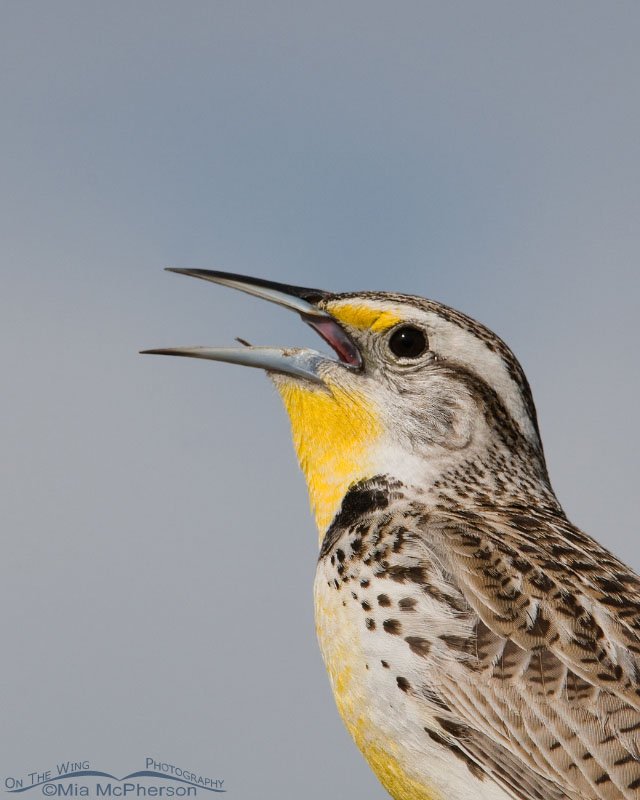
During the spring Western Meadowlarks (Sturnella neglecta) can be easy to locate and then approach because they spend so much time singing from the tops of boulders, bushes, posts and other manmade objects.

Some images are simply too funny not to share. Even with those huge feet this American Coot (Fulica americana) couldn't stay in top of the ice at a pond near where I live in Salt Lake County, Utah.
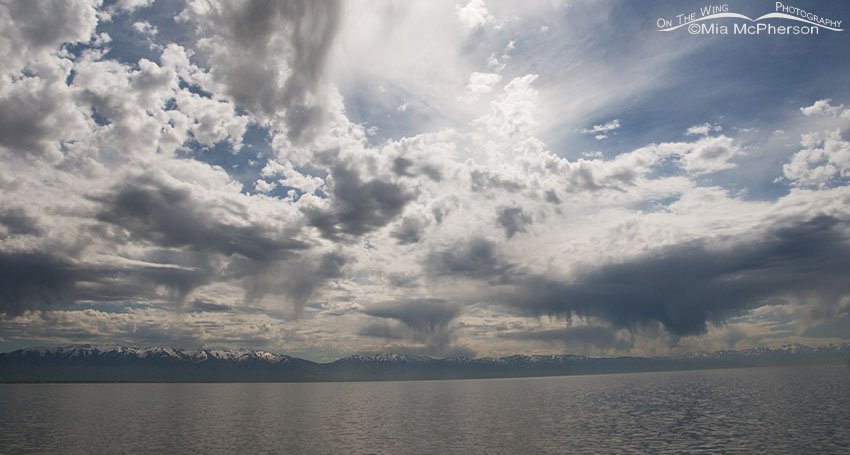
Once again the weather forecasters blew it. Their predictions were wrong. They missed the boat. If weather predictions were a dice game... they crapped out.

There were two Reddish Egrets (Egretta rufescens) on the north beach of Fort De Soto that day and it was a blast to watch them race around catching the small fish.

As much as I like to compose images that are full frame I find that I often allow myself a touch of extra space around my subject so I can recompose in post processing by making different crops.

During the winter months I miss seeing large flocks of American White Pelicans (Pelecanus erythrorhynchos) soaring in the thermals, in the past few weeks I have been delighted to see them again.

Yellow-headed Blackbirds (Xanthocephalus xanthocephalus) can perch on cattails, reeds, rushes or mounds of vegetation and snatch Midges right out of the air.

I photographed this female Greater Sage-Grouse while up in the Wasatch Mountains of Utah.

Last week I wrote about Long-billed Curlews having a Territorial Encounter but earlier that same morning I had another wonderful photographic encounter thanks to a scruffy looking, rain soaked Coyote waking up at the top of a ridge.
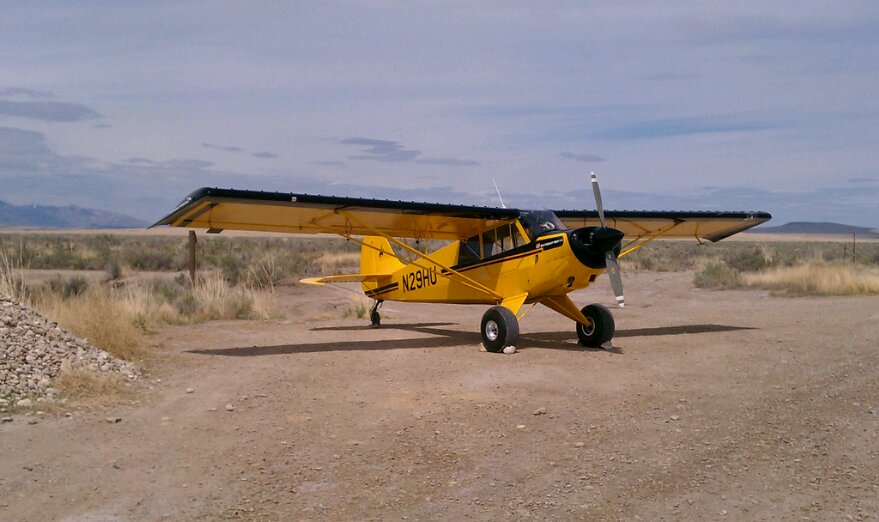
It is really odd to see a plane on the road to the campsite when you are way out in the boonies and there isn't an airport in sight for miles.

Short-billed Dowitchers feed on insects, crustaceans and aquatic mollusks. Quite often when I lived in Florida I would see them feeding on Coquinas which are small bivalves or tiny Fiddler Crabs.
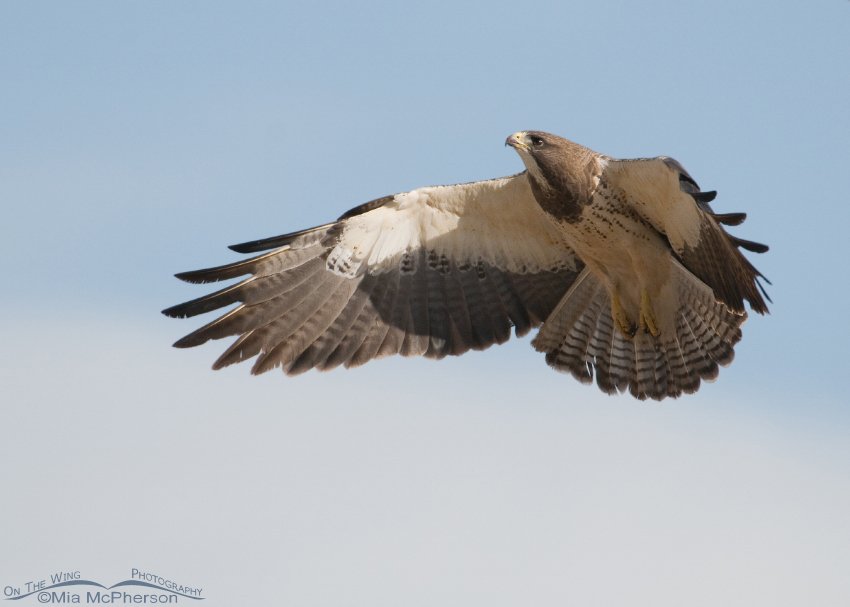
Last week while searching for Golden Eagles to photograph in Box Elder County, Utah I spotted two Swainson's Hawk (Buteo swainsoni) adults; my first of the year sightings, the first one perched on a power pole.

Yesterday on Antelope Island State Park I witnessed and photographed a territorial encounter between two Long-billed Curlew (Numenius americanus) males that occurred while a female was nearby.

These two photos are of the same adult American Oystercatcher (Haematopus palliatus) in sequential order taken at Fort De Soto County Park in Florida. I was laying in the sand while I created the images to get a low angle and the bird was on a ridge elevated slightly higher than my location.

Yesterday while I was out photographing Long-billed Curlews this California Gull (Larus californicus) flew in so close that all I could do was take portraits of the bird.

I love the challenge of photographing white birds and getting the exposures right, I like to nail it. Snowy Egrets (Egretta thula) are great birds to practice getting exposures of the whites set correctly.

It won't be long before the high, scratchy kweea kweea calls of Clark's Grebes are heard in Utah's Bear River National Wildlife Refuge if they haven't already arrived.
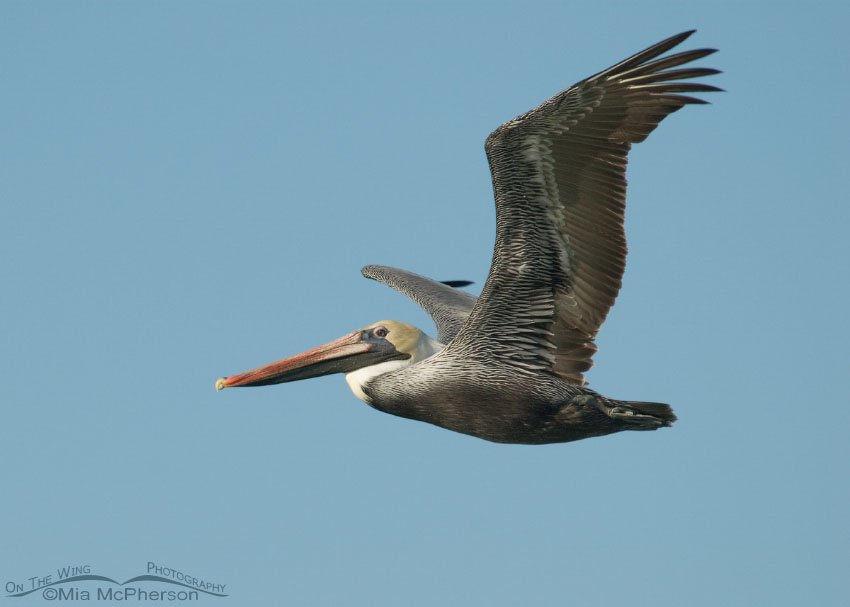
Brown Pelicans (Pelecanus occidentalis) were common year round along the Gulf coast when I lived in Florida. I would see them floating in the water, resting on sandbars and beaches, diving for prey and in flight.
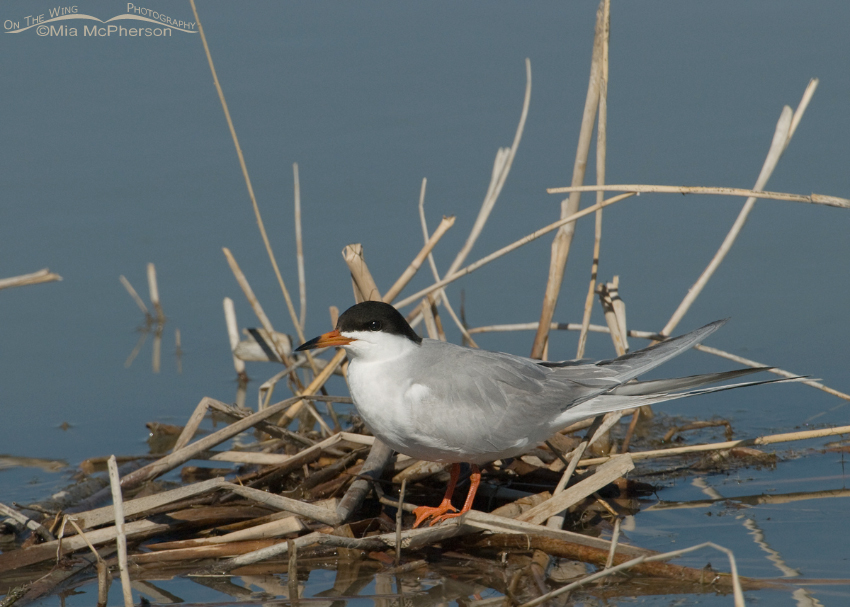
When I moved from Florida to Utah I felt it was fortunate that some of the nonbreeding birds I used to see in Florida during the winter I now get to see in breeding plumage on their nesting grounds.

This past week I have seen a few Sage Thrashers on Antelope Island State Park and although none of them were close enough to photograph I know it won't be long before I will be able to create new images of them.
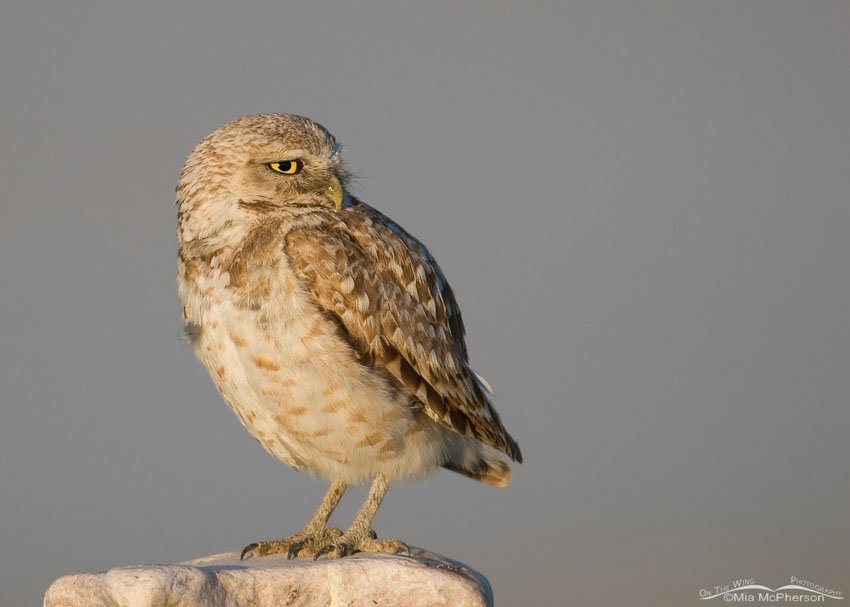
I've selected a few Burrowing Owl (Athene cunicularia) images taken a few years ago to post today.