Double-crested Cormorant – Friday Photos
Double-crested Cormorants are the most widespread of North American cormorants where they are found in salt and freshwater habitats.



Double-crested Cormorants are the most widespread of North American cormorants where they are found in salt and freshwater habitats.

Last September I visited Flaming Gorge National Recreation area for the first time. Wow, nature never ceases to delight and amaze me.
There aren't many people in the west desert of Utah thus the raptors and other birds that live there are not habituated to people so they are very skittish even when using a mobile blind.
Enough already, if there isn't going to be a winter then bring on the spring!
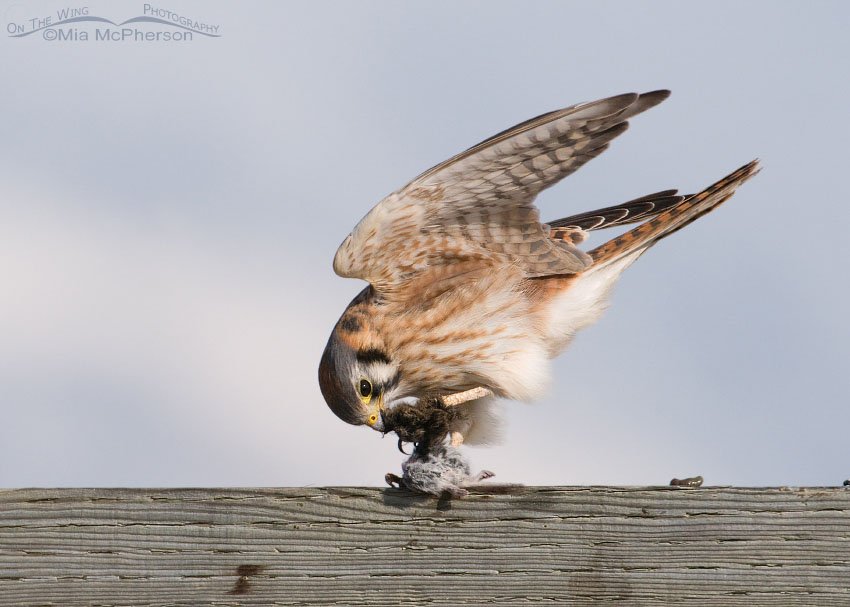
There are times when photographs speak for themselves, they tell a story or show behavior and with my bird and wildlife photography they also show the natural cycle of life. These images may be gruesome for some to view but they show this falcon's natural behavior quite well.

Obtaining a low angle with small shorebirds can bring the viewer into the birds world by being down to their level. When I photographed shorebirds in Florida I was either constantly covered in sand or mud, wet or all three.

It isn't everyday that I get to see and photograph a Loggerhead Shrike expelling a pellet!

The weather outside hasn't been good for bird photography today but since I am always behind on editing I thought I'd process this Red-breasted Merganser image that I took in Florida a few years ago.
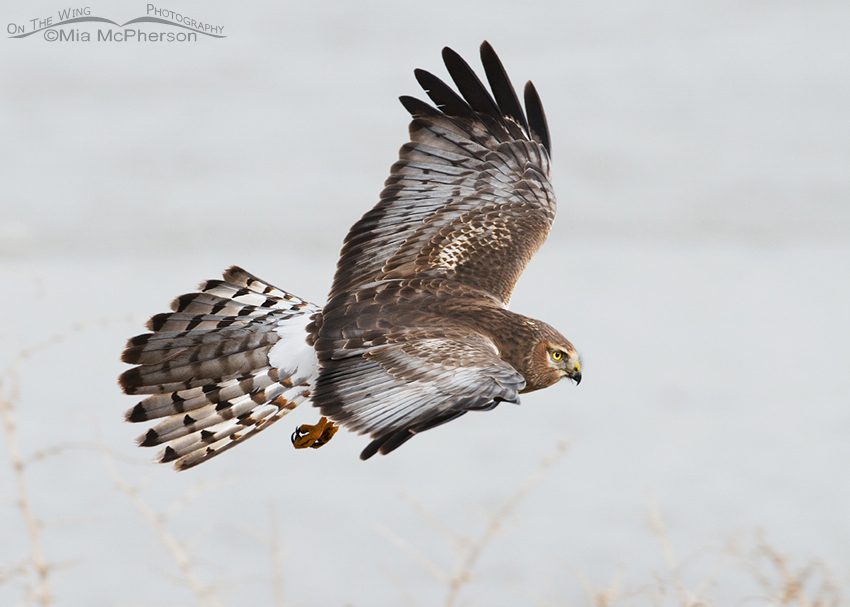
This Northern Harrier displayed interesting behavior, it didn't appear to be hunting but it would dive into the vegetation where it would make a sound that reminded me of parrots chattering.

This American Oystercatcher image was taken nearly three years ago, it seems difficult to believe that is has been that long but I like it as much today as the morning I photographed it.

American Coots are the most widely distributed members of the Rail family in North America and are very abundant in habitats with open water.

After I published my article titled Wild and Wonderful - Antelope Island - The Birds earlier this week I realized I didn't include any images of the doves found on the island so today I thought I would post a Mourning Dove.
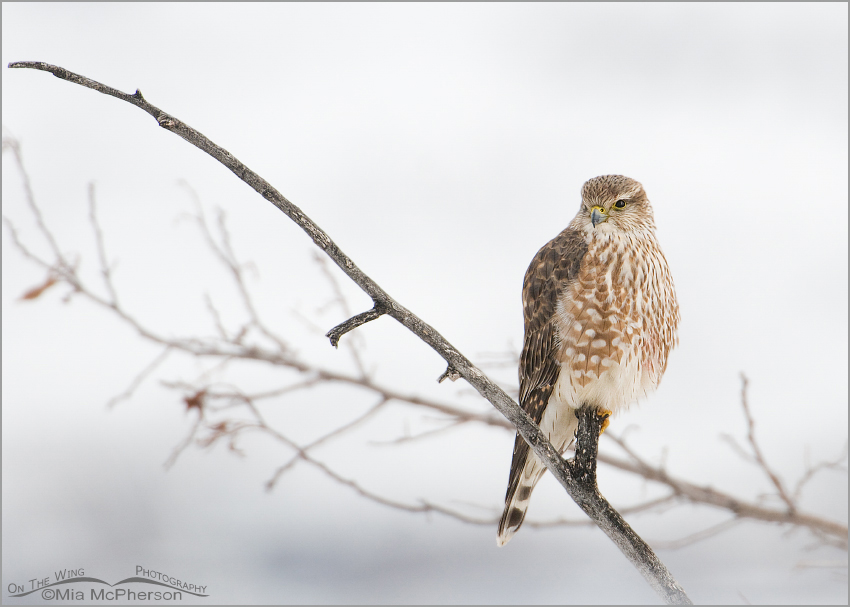
Merlins are winter visitors in the Salt Lake Valley so I have just a few more weeks to attempt photographing them. Merlins are used to be called "pigeon hawks" because their shape and flight patterns are similar to pigeons.
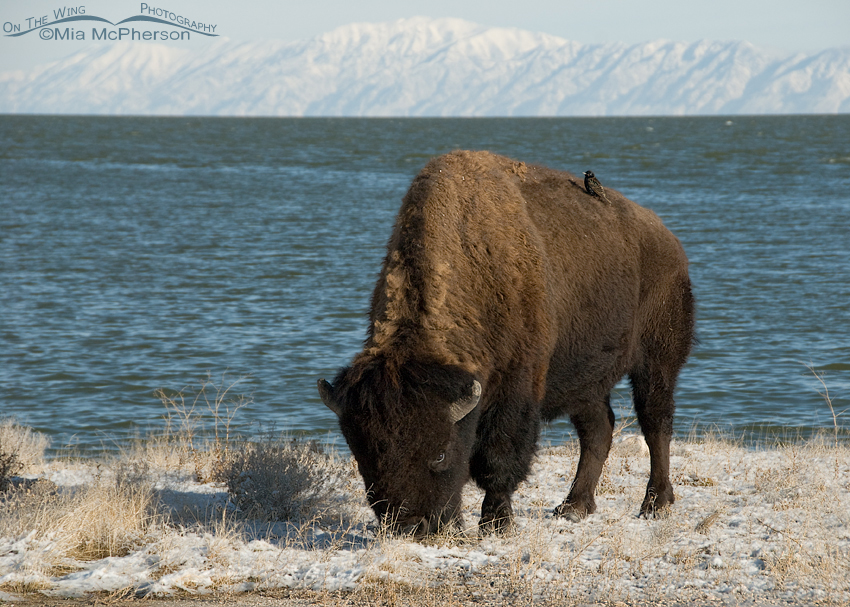
Since moving to Utah in the summer of 2009 I have wanted to get some images of an American Bison standing with the Great Salt Lake in the background.

This is the third post in my series about Wild and Wonderful Antelope Island State Park, I've saved the best (and longest) for last. The Birds! Okay, maybe they aren't the best thing about Antelope Island State Park, but I am a bird photographer and they are what I am most passionate about!
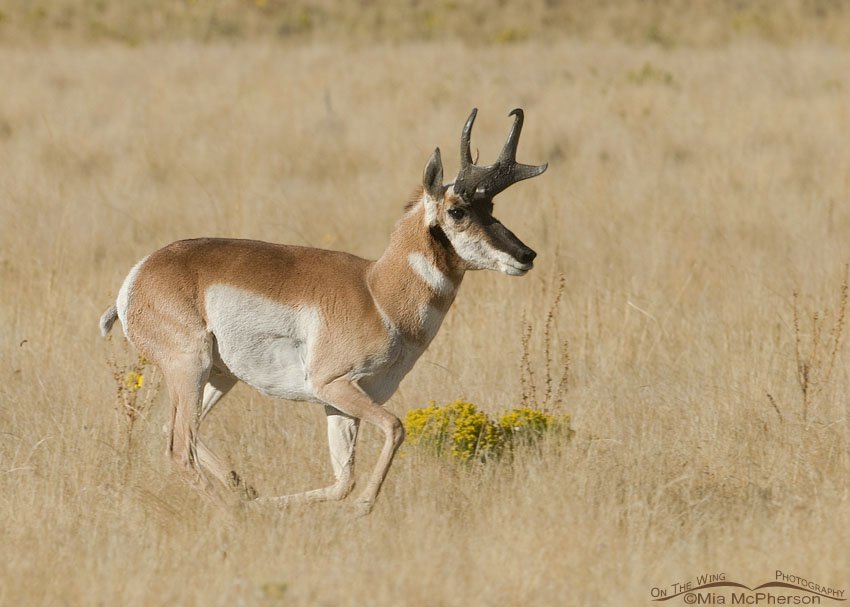
This is part 2 of my three part series on Wild and Wonderful Antelope Island State Park and it covers some of the wildlife that can be found howling, grazing, buzzing and posing for my camera.
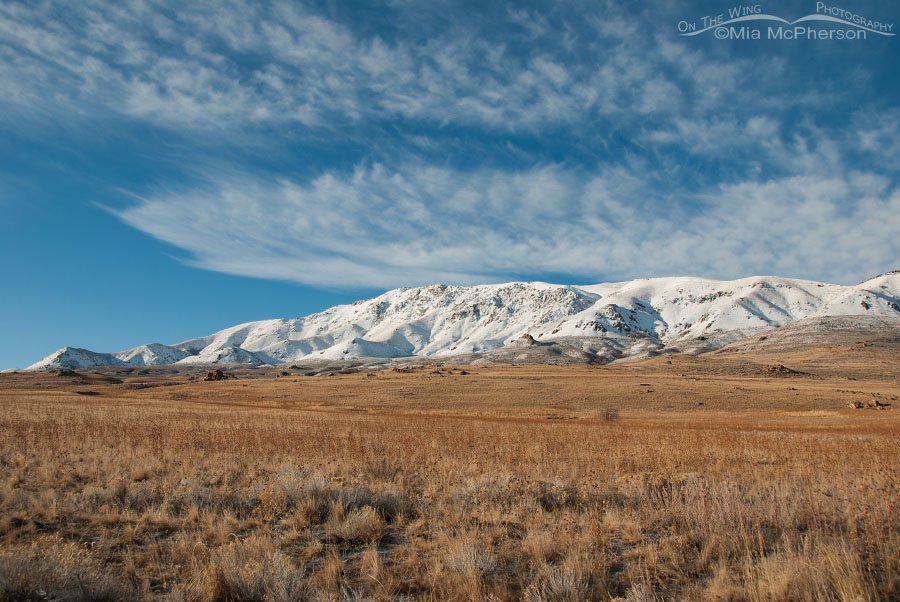
Antelope Island State Park is another of my favorite locations for bird and wildlife photography plus the scenery is incredibly beautiful at any time of the year. Although the park is about 41 miles from Salt Lake City it has retained its wild and wonderful character.
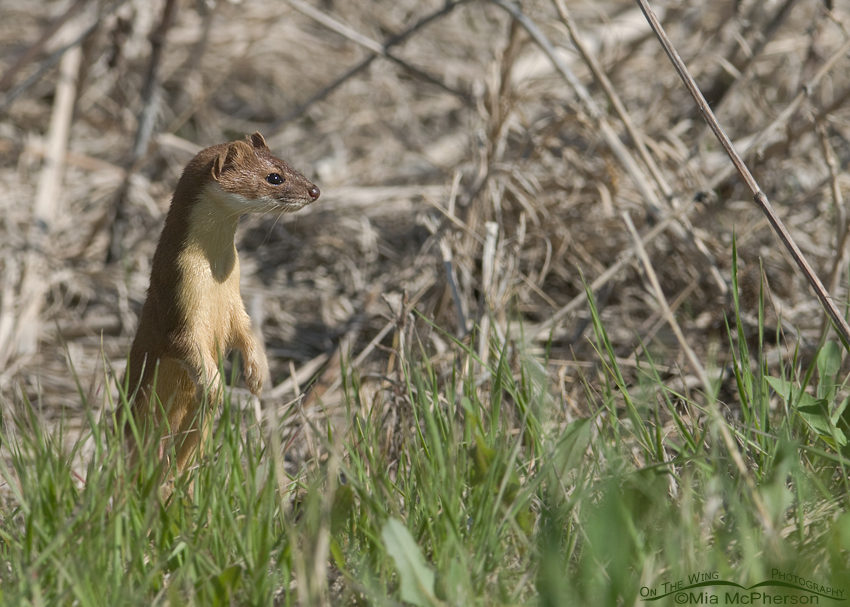
For today's Friday Photos I am mixing it up a bit and posting images of Pronghorns, a Black-crowned Night Heron, a Long-tailed Weasel and an American Kestrel. Please enjoy!

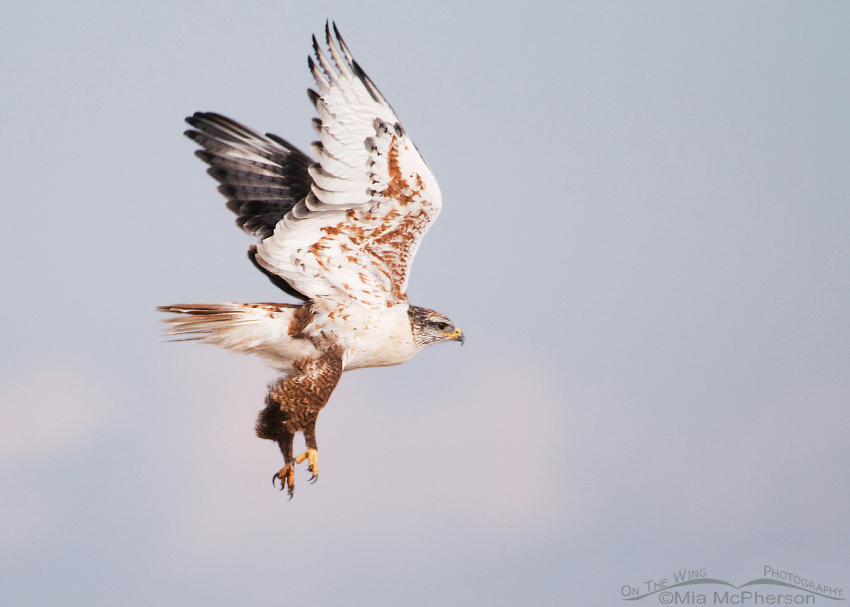
These images are from an afternoon just like that when I happened to find and point out a lovely Rough-legged Hawk on a breezy day.
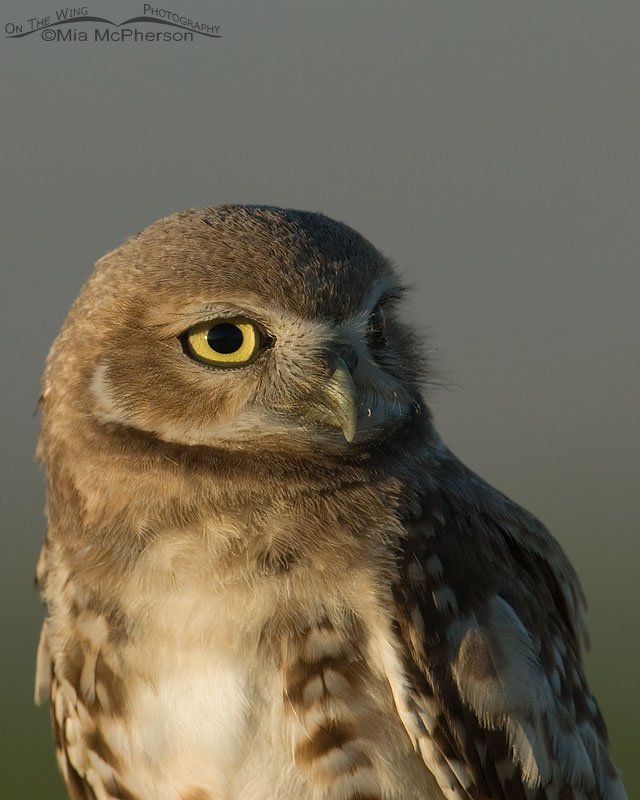
Burrowing Owls are beautiful birds with lemony yellow eyes, downy soft feathers and subtle coloration. It's hard to believe that they aren't that much different in size from an American Robin.

Horned Larks and Western Meadowlarks are birds that I enjoy photographing all year long in Utah and yesterday they gave me some wonderful opportunities.
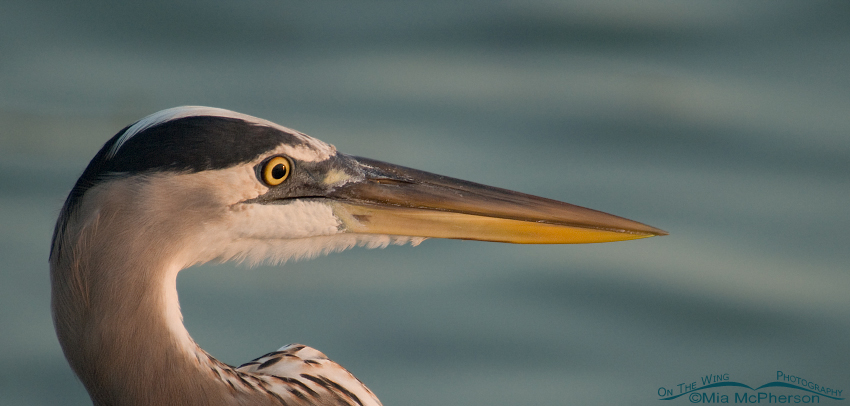
Another one of the reasons I enjoy this photo is that the eye of the Great Blue Heron has a colored catchlight that is from the sun glowing yellow on the eastern horizon.
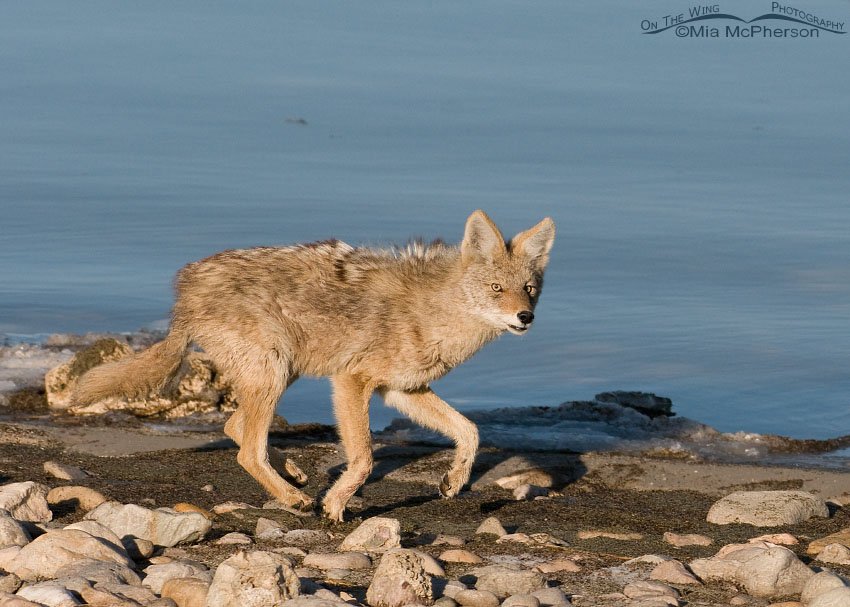
Last week I posted some fun images of a Coyote with Falcon leftovers taken along the shoreline of the Great Salt Lake with piles of ice in the background. Six days later, on January 1st, I had more fun with a Coyote in almost the same location.
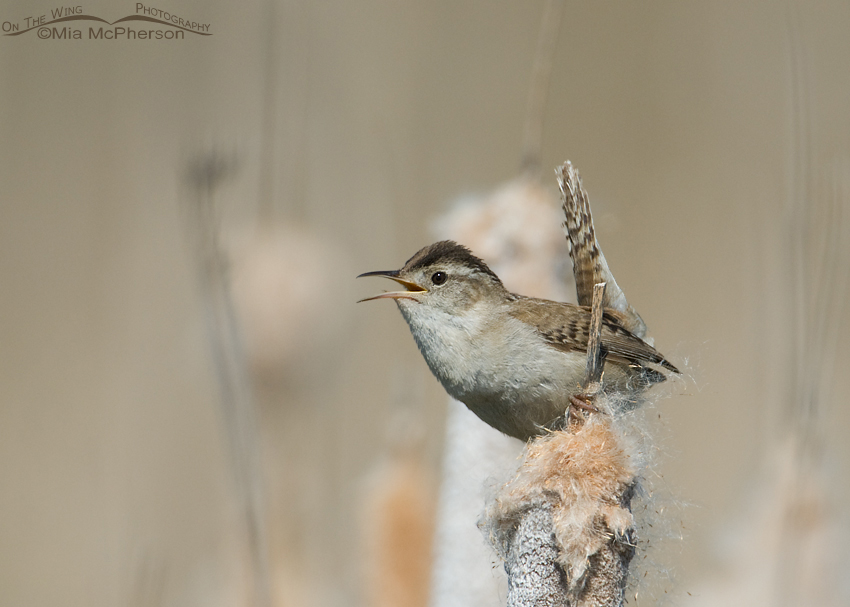
I photographed these male Marsh Wrens during breeding season when they were calling on their territories, while the male and female are alike in most aspects the exception is that only the males sing. And sing they do!
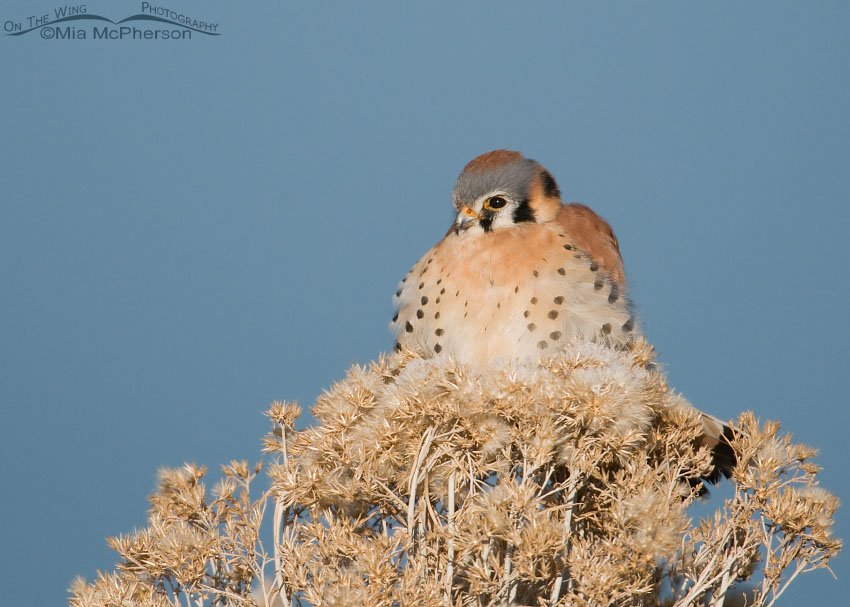
American Kestrels hold a special interest for me, they are North America's smallest falcon but what they lack in size they make up for in attitude. These falcons can be fiesty.
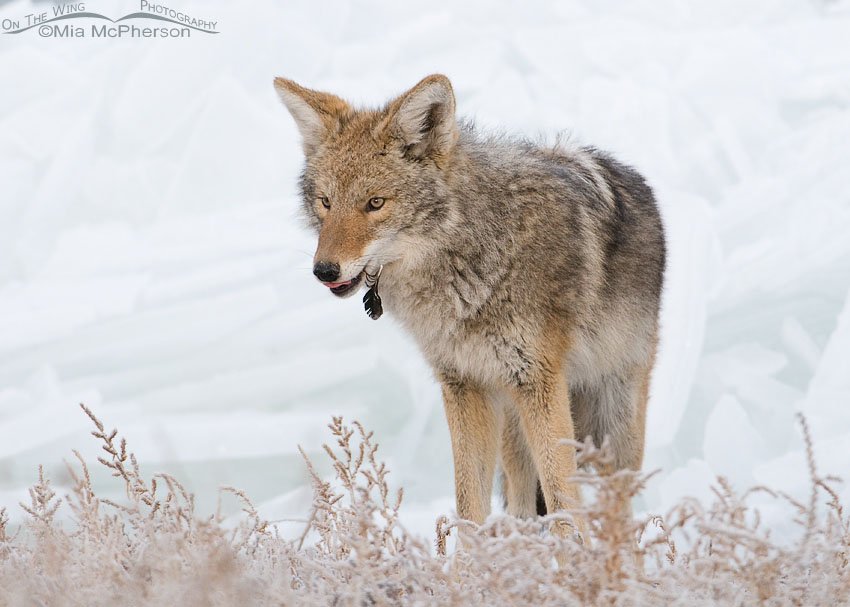
I had a marvelous photographic experience with Coyote with falcon leftovers along the shoreline of the Great Salt Lake last week.

As 2011 comes to a close and 2012 is just hours away , I wanted to do one more blog post for the year.
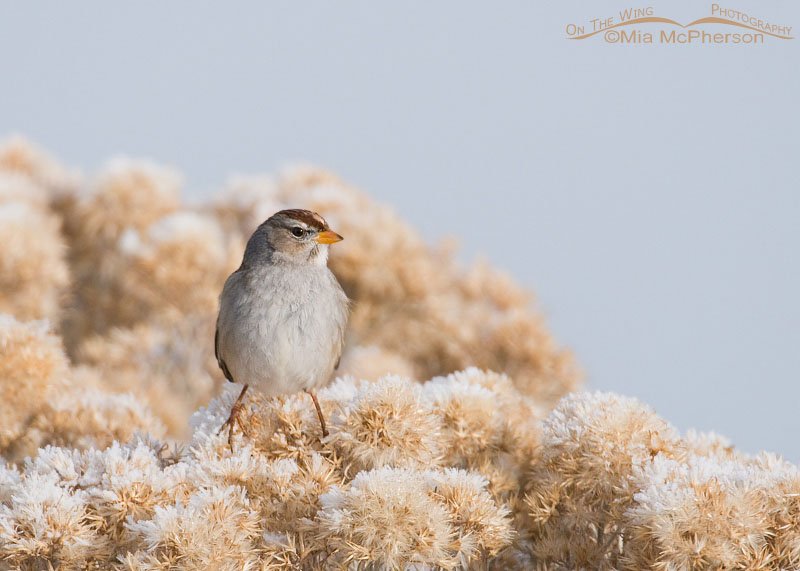
White-crowned Sparrows can be seen foraging in the grasses, rabbitbrush and sagebrush that grow along the edge of the road.

Where is the light when you want it? Yesterday it was hiding behind the clouds and lake fog when I spotted this Peregrine Falcon at a close distance, on prey and sticky.

Last week while out photographing I spotted a Prairie Falcon in the midst of a tussle with two Common Ravens in mid air. At times it seemed that the falcon was chasing the ravens and then the tables would turn and it appeared that the ravens were diving at the falcon.