Migrating Yellow-rumped Warblers
The Yellow-rumped Warblers are seen in high numbers here in northern Utah during spring and fall migration, these birds are migrating south now.


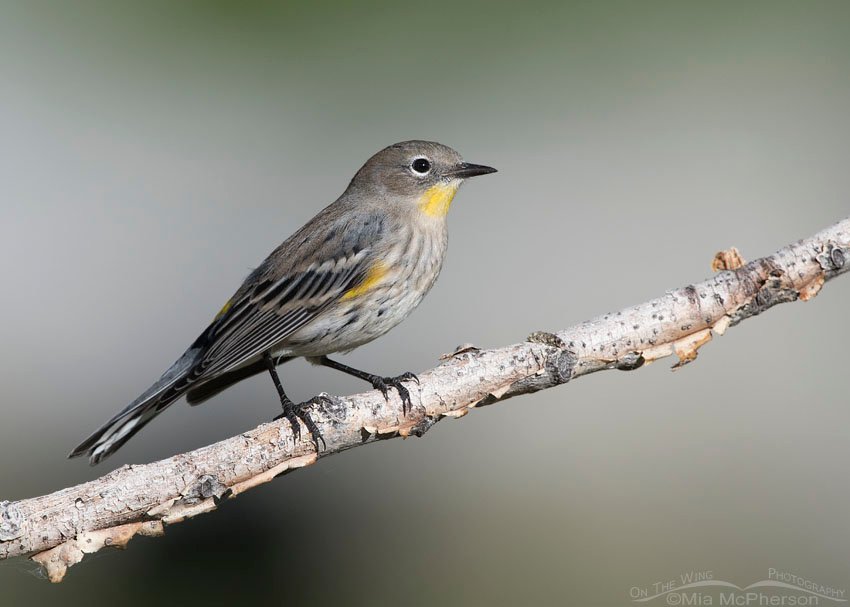
The Yellow-rumped Warblers are seen in high numbers here in northern Utah during spring and fall migration, these birds are migrating south now.

The Peregrine Falcon was quite content on its rusty, lofty perch and didn't do anything but turn its head to see what was going on down below it.
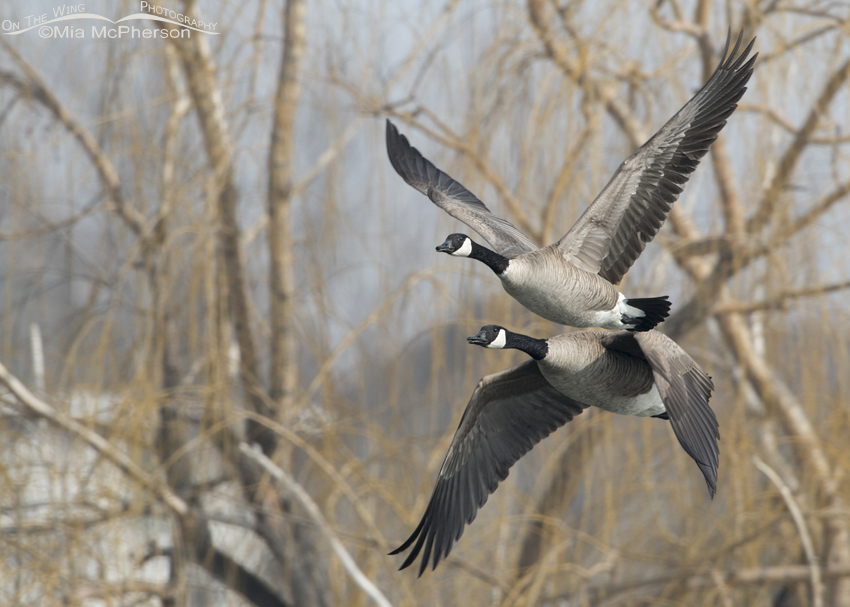
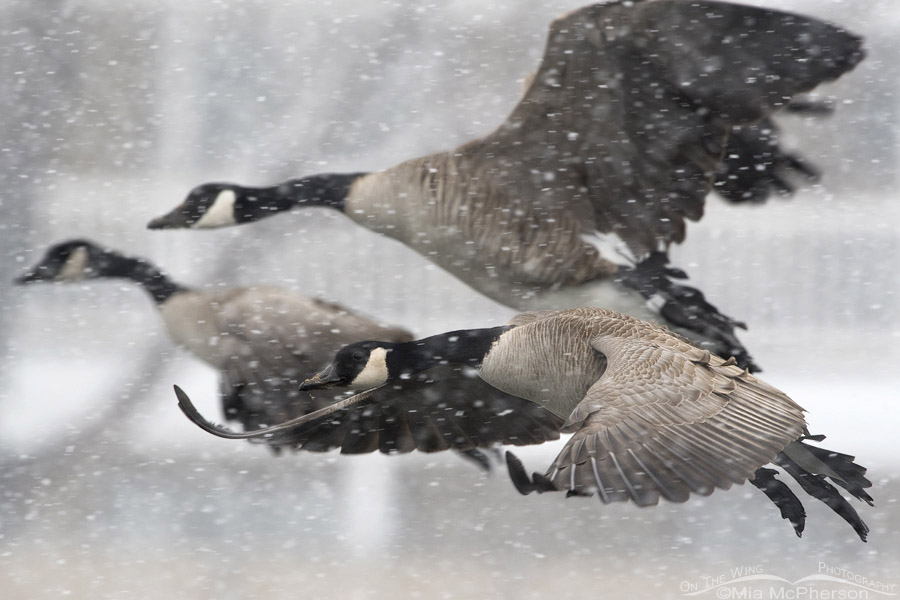
This pair of Canada Geese in flight had taken off and flew in front of a leafless willow when I photographed them close together while they were on the wing.
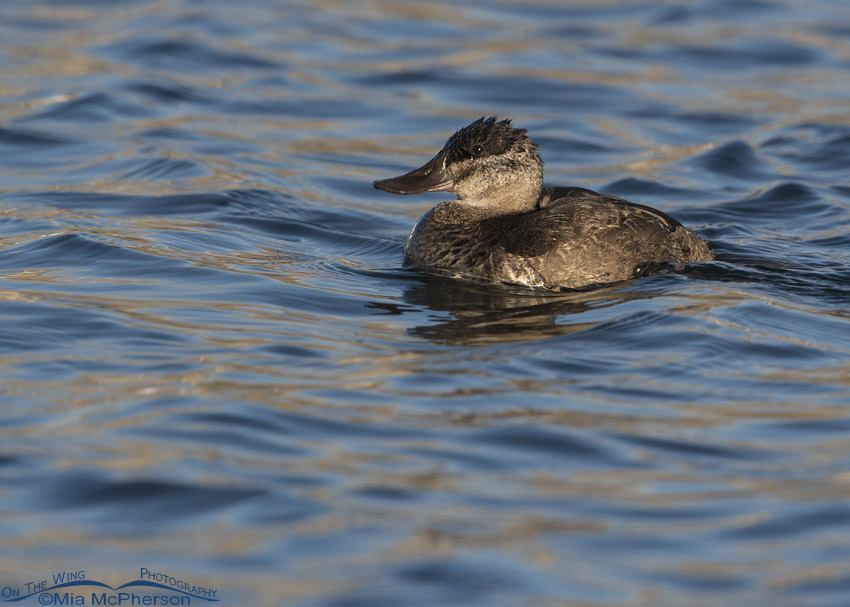
The Ruddy Duck hen was photographed at a pond close to where I live during the evening hours and I loved the golden light on the bird and on the water.

I've written before that I love American Coots and I guess that will never change, I will stop for coots any time I see them, I will photograph them and enjoy their antics.

I don't often have the opportunity of taking photos of ducks that are flying straight at me while coming in for a landing which is exactly what this drake mallard did.
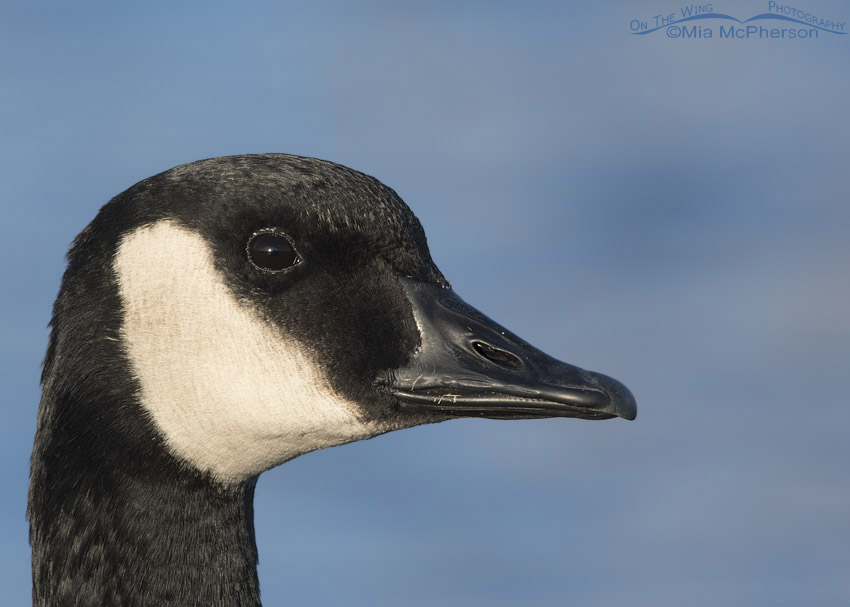
There are lots of Canada Geese near where I live in part because of the grassy golf course that is not too far away and because of the Jordan River and several small ponds that are just down the hill.

I photographed this preening Ring-billed Gull in a snow storm in January of this year at a pond near where I live and it was pretty chilly that day.
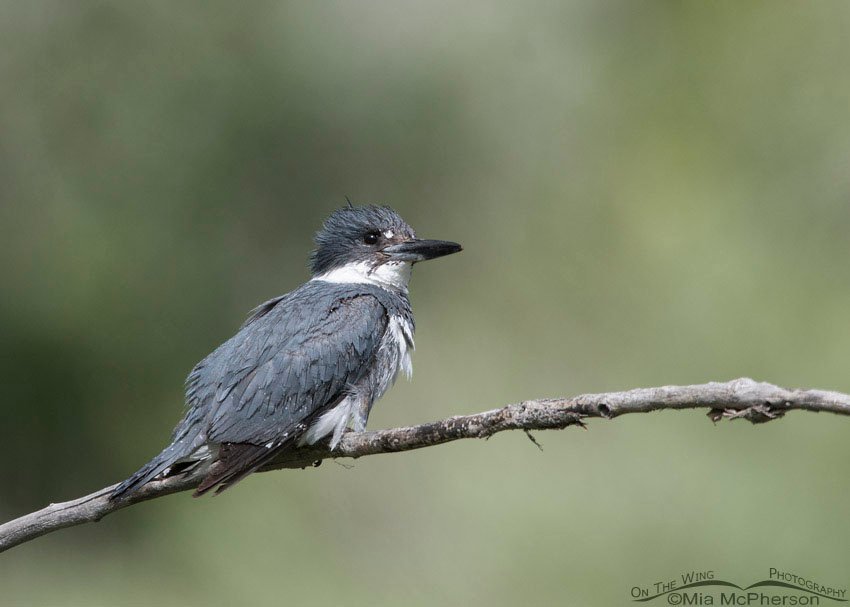
I photographed this male Belted Kingfisher last month as it perched on a thin branch at a small pond close to the Jordan River in Salt Lake County, Utah.

I haven't seen many chicks yet this spring but yesterday I saw a Mallard hen with her ducklings swimming behind her on a local pond and I had to aim my lens at them.

American White Pelicans are returning to their breeding grounds in Utah and I have already seen a few of them myself and though I haven't been able to photograph them yet I know I will soon.
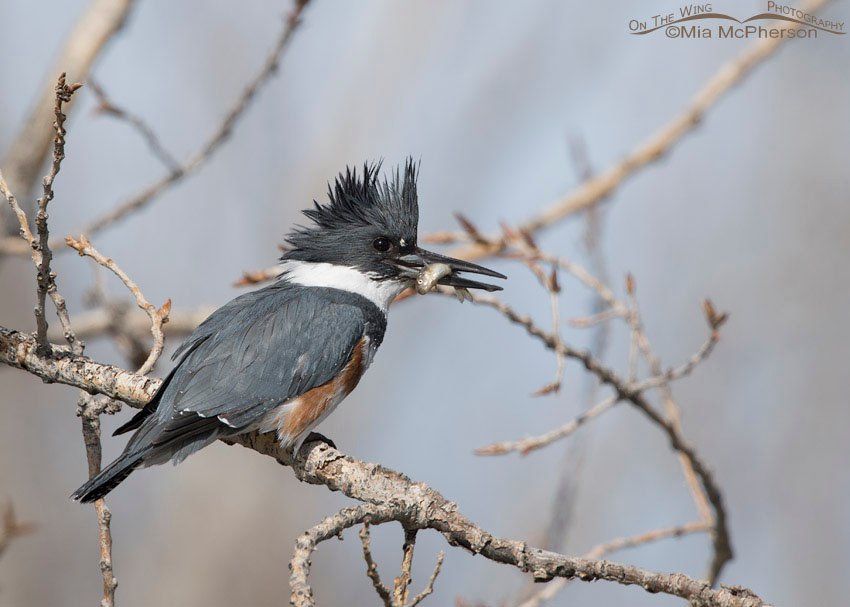
I took several hundred images of a female Belted Kingfisher looking for and catching prey while it was bright and sunny yesterday afternoon.

It was my photos of a Double-crested Cormorant and American Coot in the snow storm that touched me the most even though both birds are small in the frame.

Some people might call these manky mallards homely, weird or even downright ugly but I prefer thinking of them as oddly beautiful and believe they are worthy of being showcased once in a while.

Common Gallinules and American Coots are both from the Rallidae family and there are some similarities in their appearance, for instance both have a triangular bill with a frontal shield at the top.

Yesterday afternoon I was at my local pond where I photographed not one but two Pied-billed Grebes in flight. This is rarely seen and rarely photographed.
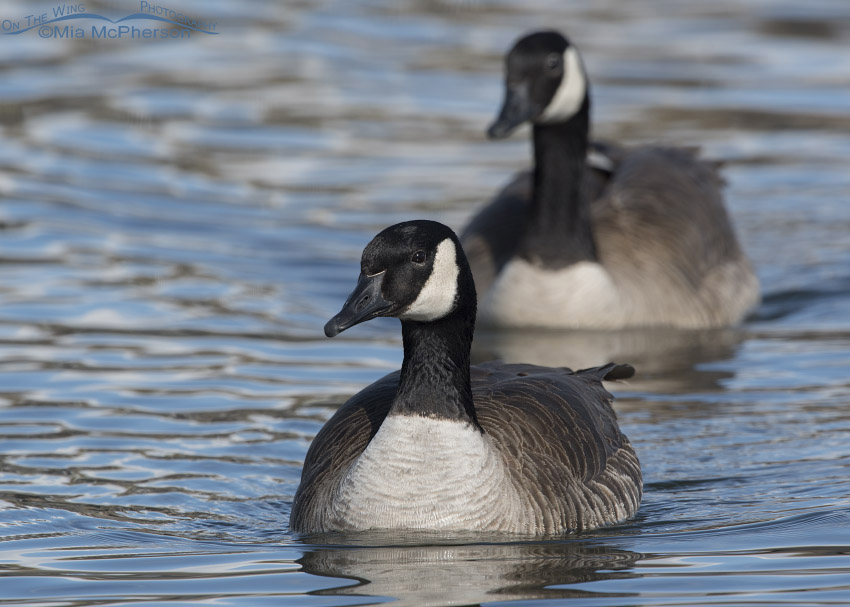
Because they are very common in most North America Canada Geese are often overlooked as subjects by some bird photographers.

Mallards form pairs in the fall and courtship can seen during the winter and seeing them mating in February isn't all that unusual.
Early in January I photographed an American Coot being chased by two Mallards for the food it carried in its bill.

I'm glad I took these portraits of Ring-billed Gulls in a snow storm, they will remind me of a gray, cold, stormy January day when I was just crazy enough to sit and photograph birds as snowflakes fell from the sky.

Several of the Gadwalls were tipping their heads under the water to feed when this drake started to flap his wings before settling back down on the water.
I spent about 40 minutes photographing the gulls, ducks and geese in the snow storm here in northern Utah yesterday and had a lot of fun doing it.
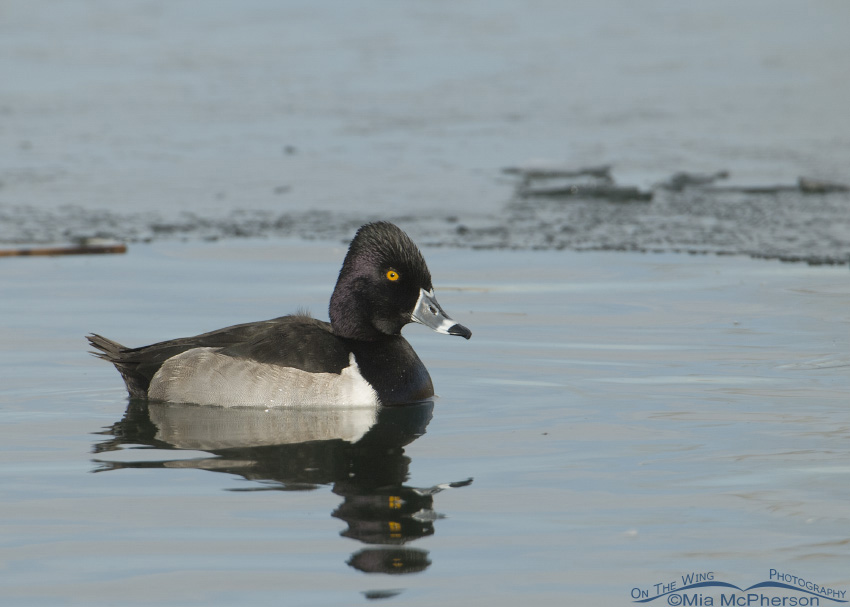
In 2017 one of the proposals submitted to the AOS is to rename Ring-necked Ducks to Ring-billed Ducks and I personally am all for the name change!
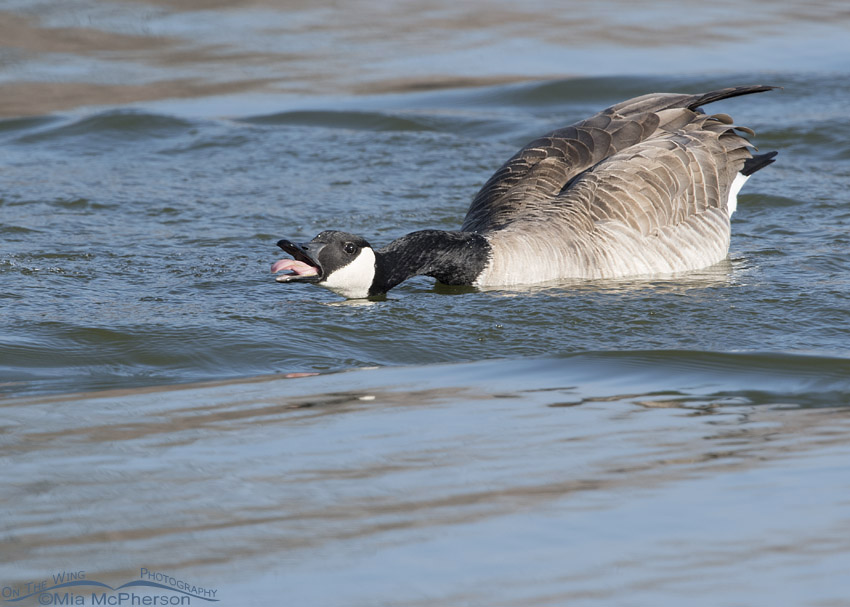
That morning the Canada Geese were the most lively of the subjects I photographed, bathing, mating and exhibiting threat displays.

I've made it clear on my post about Galileo and in this post about Goose that they are education birds and in my photo galleries I have included this symbol (C) to indicate they are captive birds.

I start seeing some Ring-billed Gulls in breeding/Definitive Alternate Plumage in February but I sure didn't expect to see this one on the third day of January, I was quite surprised by it.
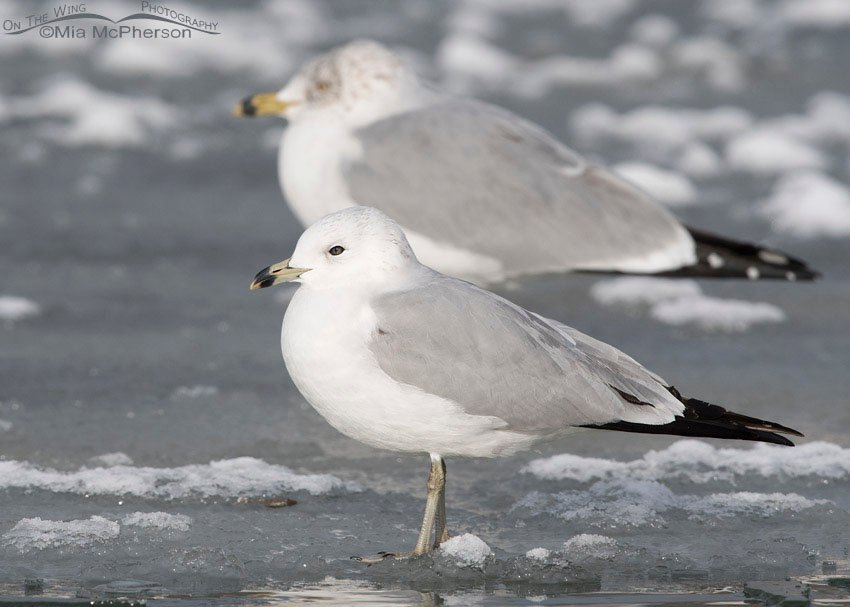
On January 3rd I photographed two unusual Ring-billed Gulls at my local pond in Salt Lake County, today I am sharing one of those gulls, the runty, second winter Ring-billed Gull.

Galileo will be an education bird at HawkWatch International and he will help show people, young and old, in class rooms and community centers the importance of having owls and other raptors in our environment.
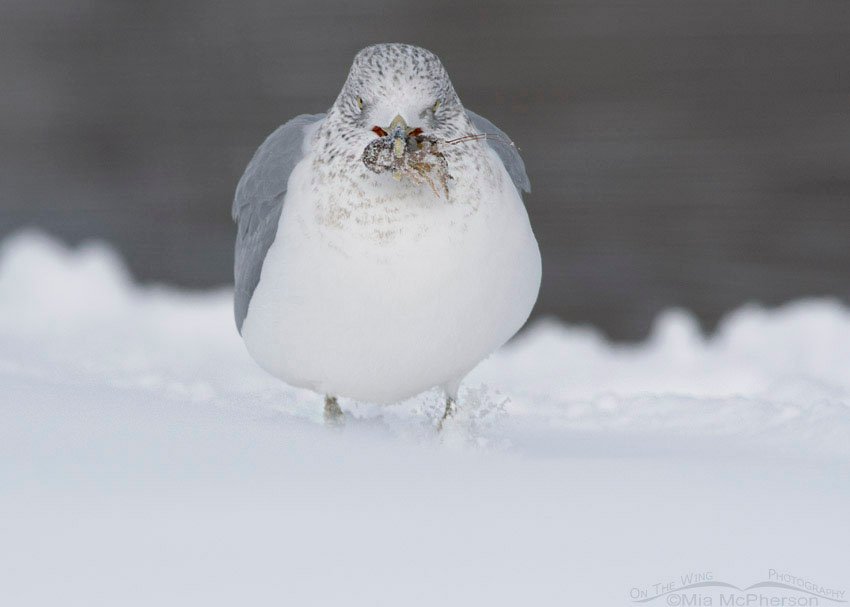
Last week while I was photographing birds at the local pond I saw a Ring-billed Gull catch a crayfish at the shoreline then it gobbled it up quickly before the rest of the gulls realized it had food.

The Ring-billed Gulls up close to me were bathing frequently so I focused on them for a bit to catch them splashing and dipping their heads and bodies into the water.