Photographing A Foraging American Oystercatcher In The First Light Of Dawn
The soft light of dawn has a special quality to it and I believe that it is evident in both of these American Oystercatcher photos.



The soft light of dawn has a special quality to it and I believe that it is evident in both of these American Oystercatcher photos.

I spent a few minutes photographing some of the cutest Short-eared Owl chicks that were just the width of a ditch away from the road that May morning.

The adult female Northern Harrier was in flight in wonderful, warm morning light and I couldn't resist raising my lens and taking photos of her as she flew past.

About two weeks ago I was able to photograph two Black-crowned Night Herons, one was immature and the other was an adult.

I spent some time yesterday morning focused on photographing an immature Black-crowned Night Heron at the dawn of the day in the marsh at Farmington Bay WMA.

I like gulls. I love to photograph gulls. I enjoy watching gulls in flight, on the ground, and fighting over food. I just do. I'm proud to be a gull enthusiast.

I might have taken some wonderful photos of birds in nice light yesterday if I had only listened to my instincts and gone out to look for birds.

I probably see Song Sparrows more often and in more habitats than any other sparrow species here in Utah. I am delighted by that.

When autumn arrives White-crowned Sparrows are one of the sparrow species that I look forward to photographing at Farmington Bay WMA each year as they move down to lower elevations.

I was glad to be able to photograph Bank, Barn, Cliff and Tree Swallows perched on top of a stand of phragmites near the auto tour route on the refuge in early morning light.

Ruby-crowned Kinglets always seem to be on the move and blend into their habitat well which makes them challenging subjects to photograph. I love the challenge of photographing small birds though.

It seems that I have spent a lot of time photographing Willow Flycatchers this year and I am happy that I have because I enjoying taking photos of these flycatchers.

I always feel fortunate when I am able to photograph winter Barn Owls in flight during daylight hours but that means that these gorgeous owls are struggling to stay alive and that is a concern for me.

It isn't too late to see and photograph White-faced Ibis at Farmington Bay WMA in northern Utah because there are still a few of them hanging around despite the frigid temps during the nights and mornings.

Yesterday I photographed a small covey of California Quail, this the second time this month that I have seen and photographed these small upland game birds that have wiggly, little head plumes.

The same morning that I photographed the Sage Thrasher with the berry in mid air I was also able to take a series of images of a Ruby-crowned Kinglet in the sweet golden light just after dawn.

Four days ago I was able to photograph a Snowy Egret landing sequence that I liked because of the action of the bird, the setting and the lovely lighting I had at the time.

It has been a while since I photographed Snowy Egrets so having them in my viewfinder yesterday morning was a real treat especially since they will be migrating soon and I will go the winter without seeing them.

It is always nice to be able to point out a lifer bird to someone else and that is what I did on June 25th after I spotted a tiny Snowy Plover at Bear River Migratory Bird Refuge foraging in the mud.

I see and photograph Short-eared Owls in Sagebrush Country quite often. I spend a lot of time in areas where there is sagebrush dotting the desert, steppes and hillsides here in Utah and I find these amazing owls there.

Most often I see the ear tufts of Short-eared Owls when they are on alert, when there is a wind blowing the tufts from behind the owl or when they appear curious about something they can see or hear.

There are days when one bird can "make" the day great for me as a bird photographer, yesterday that bird was a Cooper's Hawk in a Wasatch Mountain canyon east of Salt Lake City.

I grew up calling Turkey Vultures by the name "Turkey Buzzards" and every once in a blue moon I still unintentionally slip and call them by their nickname instead of their proper common name.
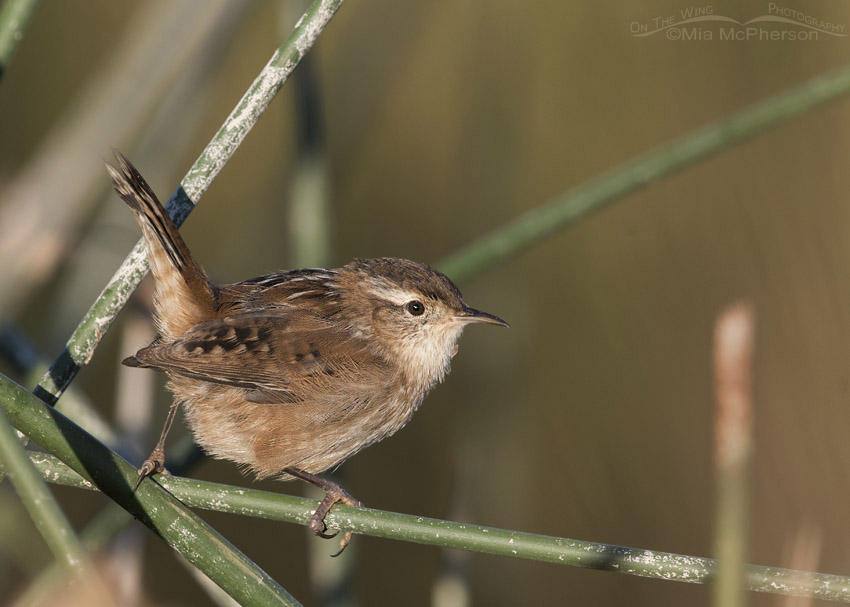
Marsh Wrens are small, brown, secretive birds with dark caps, thin bills, whitish eyelines and bold black and white patterns on their backs that usually hold their tails in an upright position.

While this final image shows a beautiful Short-eared Owl, nice sharpness and details when I compare it to the first photo it just isn't as visually appealing to me as the first photo which was taken in softer light.

This photo of a preening Great Blue Heron on an old stump in the water of the Gulf of Mexico is far from perfect but I still like it for the behavior that it shows.

I love all birds, even birds that some people tend to ignore when it comes to bird photography but I have to admit that I am particularly fond of photographing owls, especially Burrowing Owls.
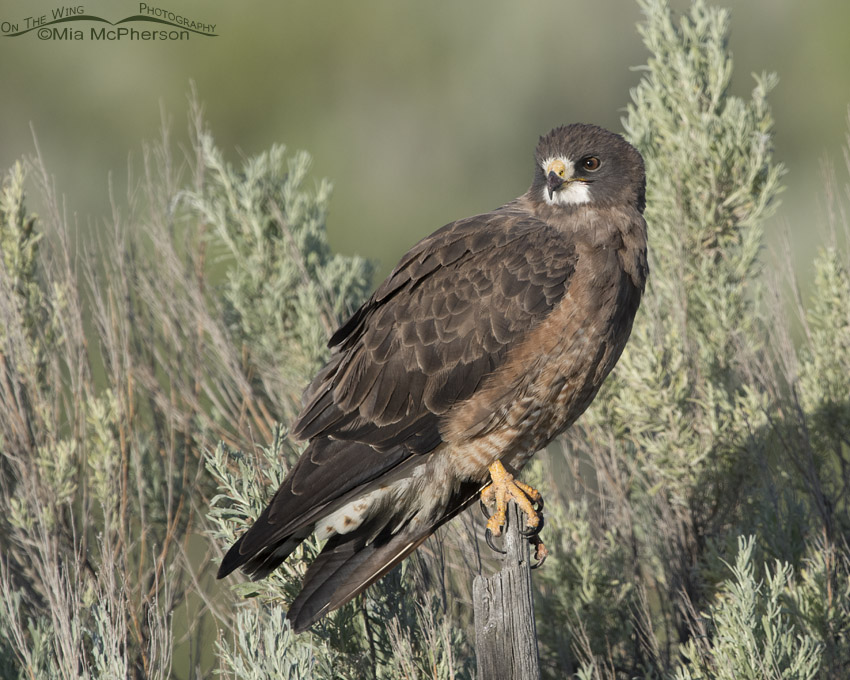
There are so many Swainson's Hawks in northern Utah right now, I see them perched, on their nests, hovering over fields and soaring on the thermals after the sun warms up the air.

Two years ago in July I photographed this young Burrowing Owl on a post in morning light and I relaxed and let a smile form on my lips.

Short-eared Owls are nomadic because they follow their main prey which is voles and if the vole population is low the Short-eared Owl density will also be low.